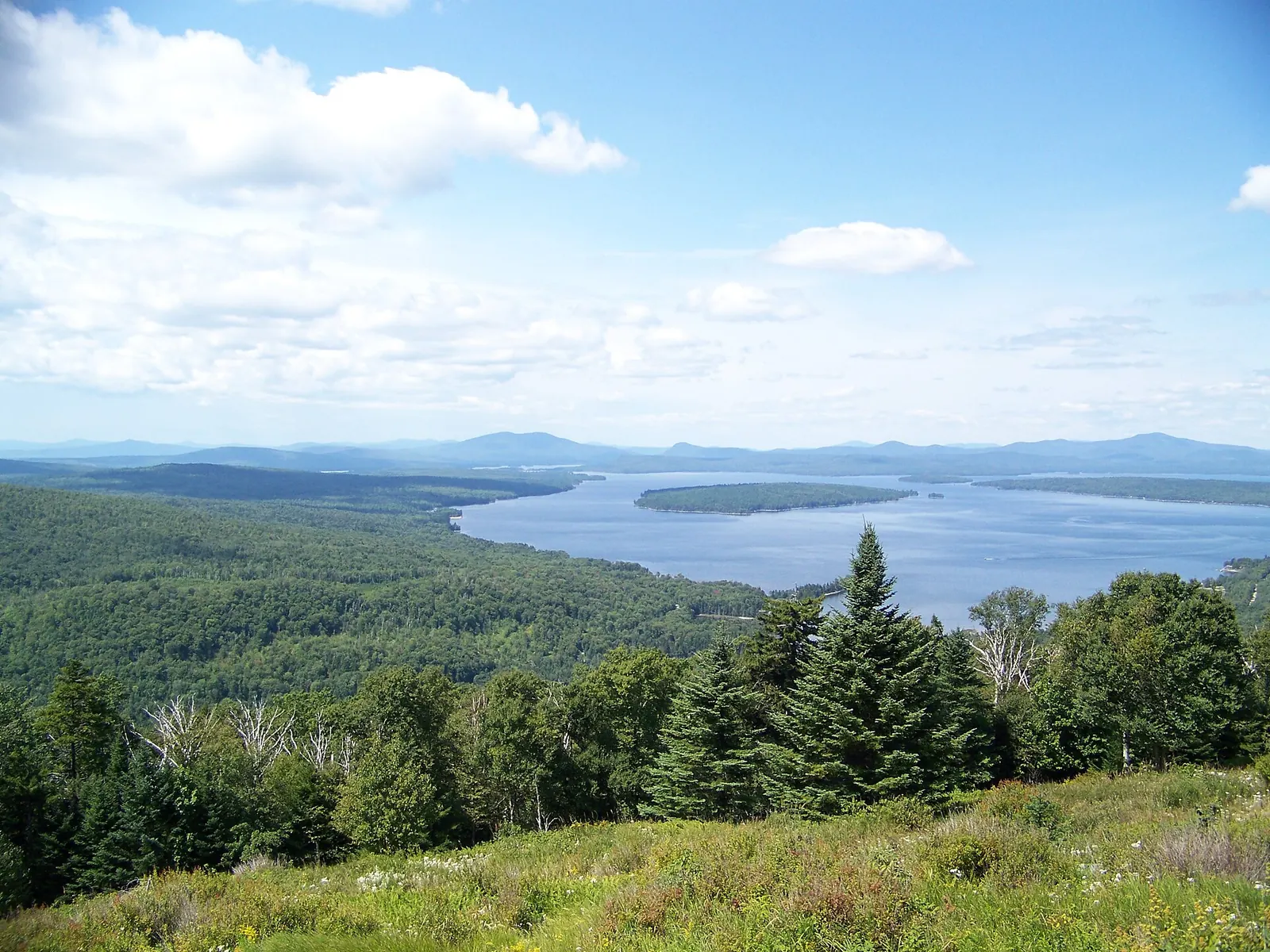
The Wild Heart of the Rangeley Chain
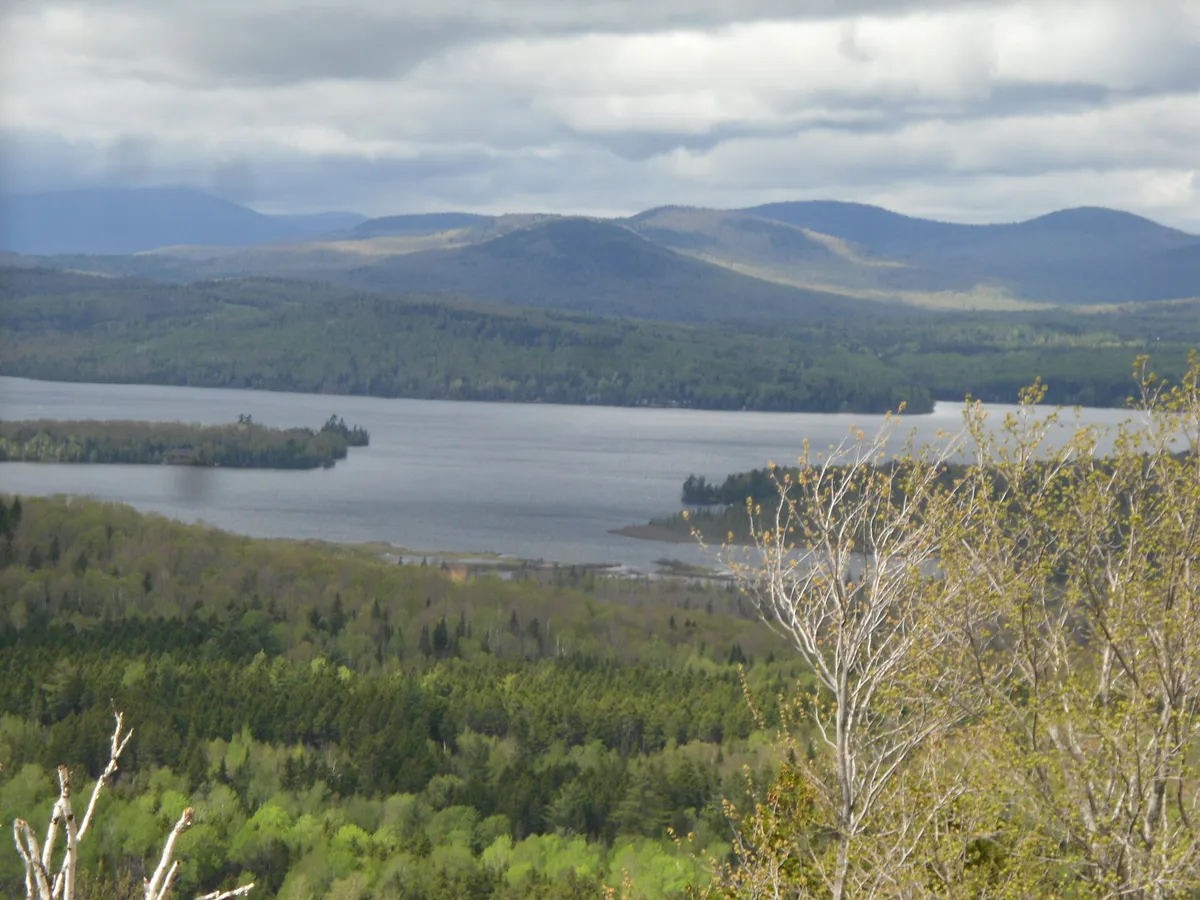
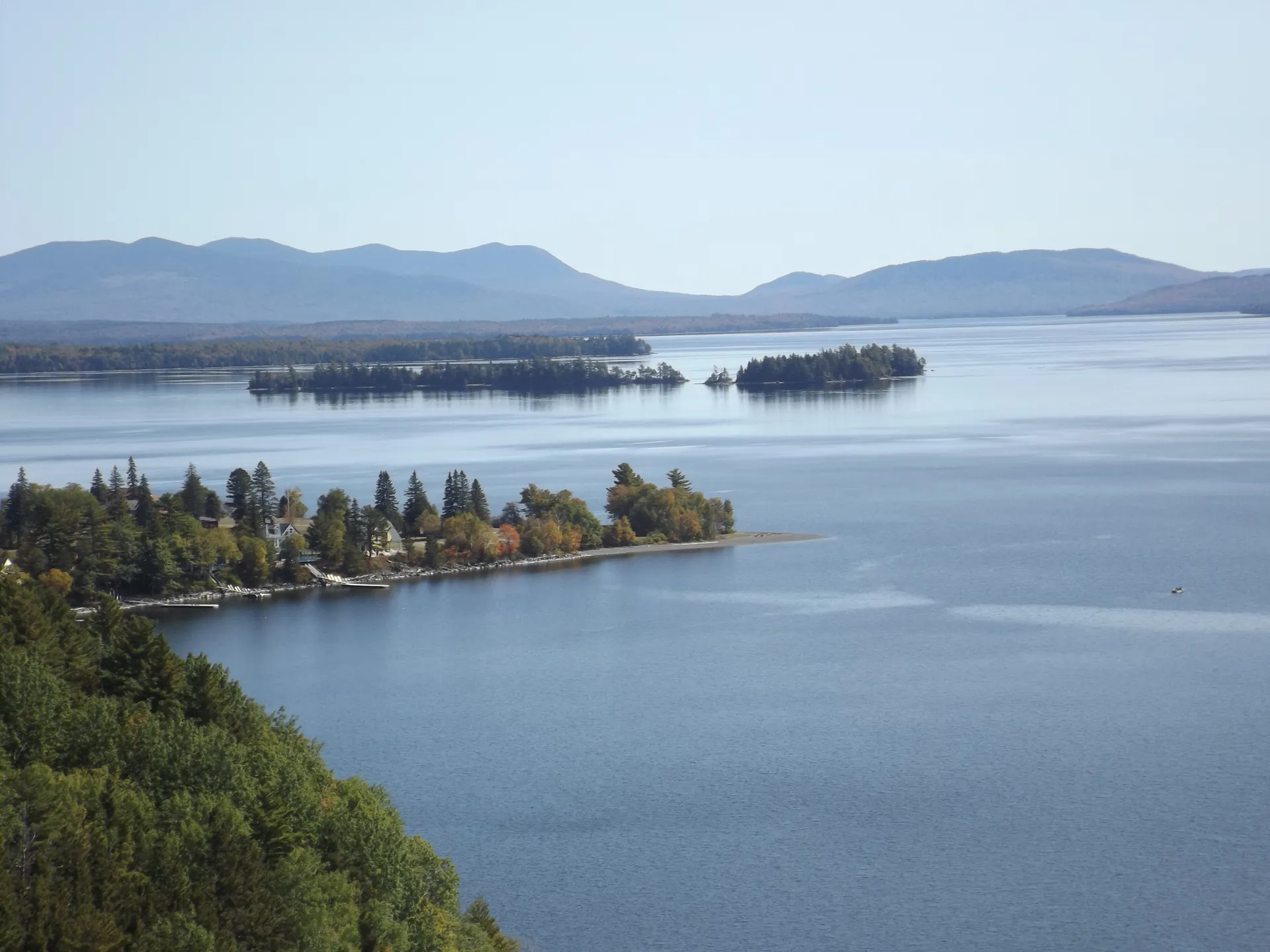
The Richardson Lakes sit at the remote end of the Rangeley Lakes chain in Oxford County, in the unorganized townships of western Maine where the roads turn to gravel and the towns disappear. Upper Richardson Lake covers about 4,200 acres. Lower Richardson Lake adds another 2,900. Together they form one of the most significant wild fisheries in the northeastern United States, holding landlocked salmon, lake trout, and native brook trout in water that has been famous among anglers since the 1800s.
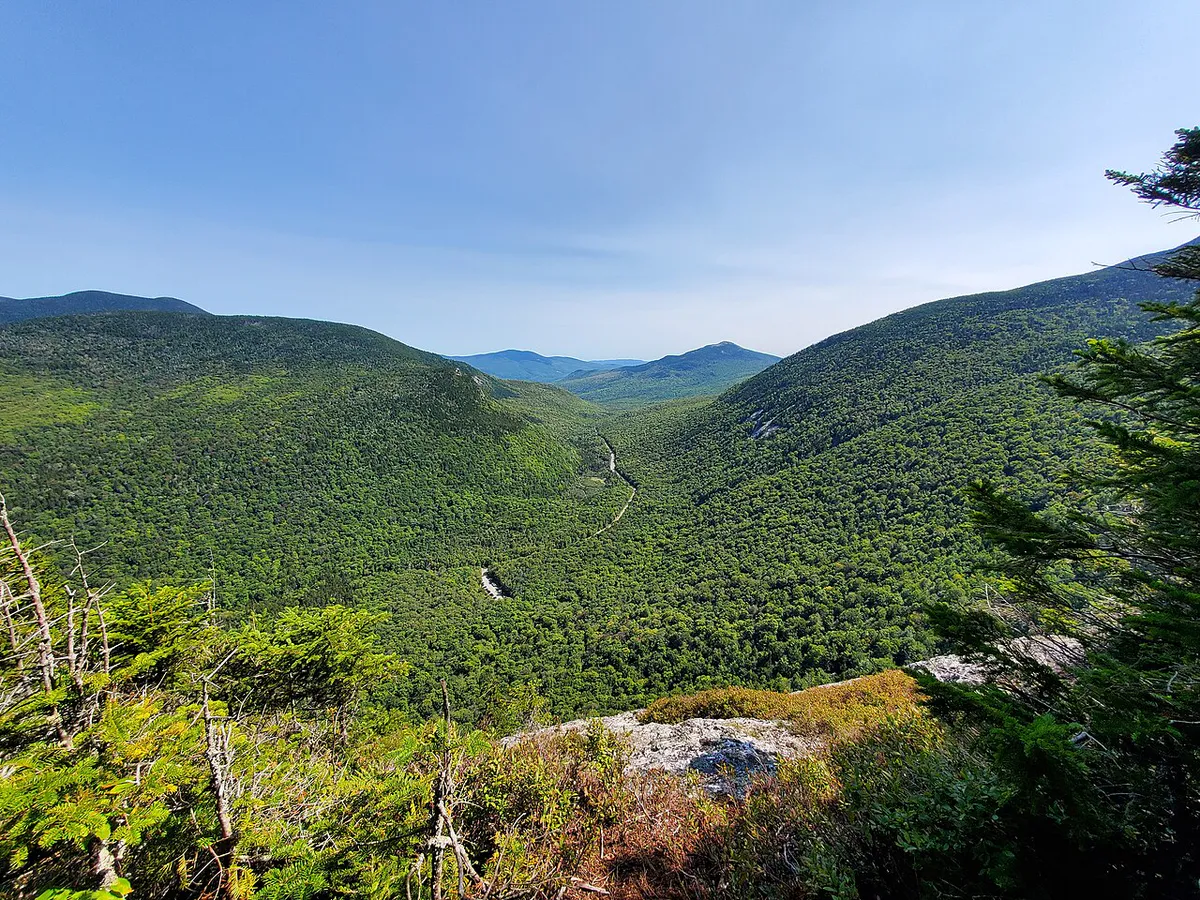
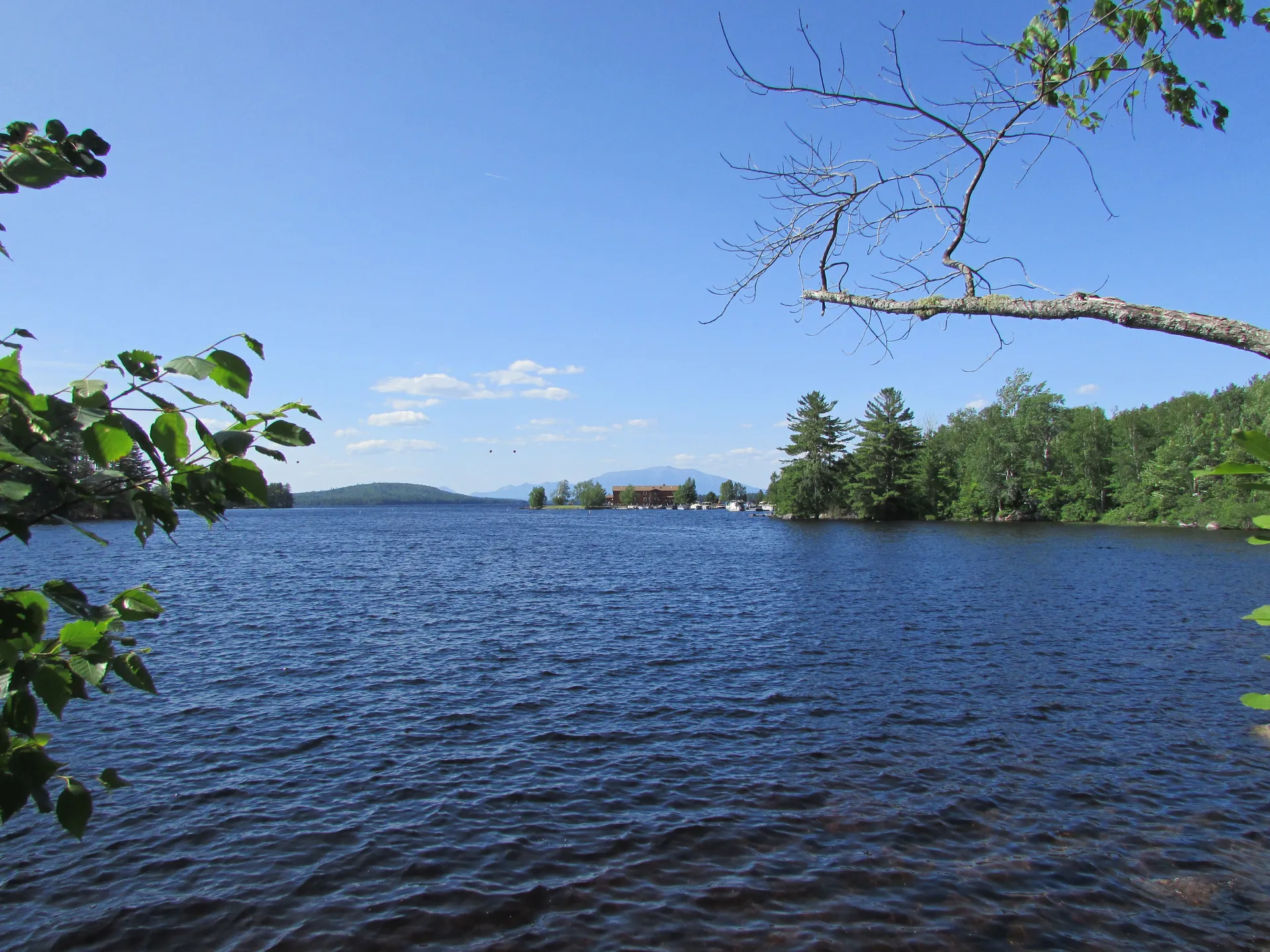
This is not Rangeley Lake with its motels and restaurants along Route 4. The Richardson Lakes are reached by logging roads, and the primary settlements are traditional Maine sporting camps that have operated for over a century. The landscape is boreal forest, granite shoreline, and open water stretching toward distant ridgelines. Loons call at dawn. Eagles cruise the shoreline. Moose wade the shallows at dusk. A pair of good binoculars earns its place in the boat here. If you are looking for the Maine that existed before tourism, this is close to it.
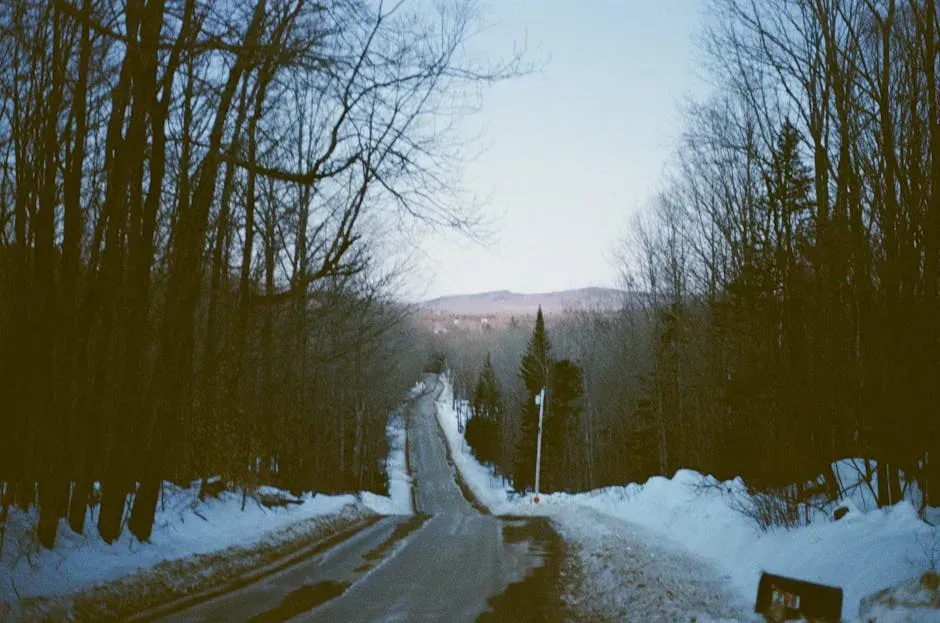
The Richardson Lakes are accessed by gravel logging roads with limited signage. There is no cell service. The nearest town with services is Rangeley, about 20 miles away on rough roads. Bring a full tank of gas, food supplies, and a plan. If something goes wrong, help is not close.
The Lakes
Upper Richardson Lake is the larger of the two, stretching roughly seven miles with a maximum depth over 100 feet. Lower Richardson Lake is smaller but equally deep and wild. The two are connected by a narrows, and the outflow from Lower Richardson becomes the famous Rapid River, one of the finest fly-fishing rivers in the East, flowing to Lake Umbagog on the Maine-New Hampshire border.
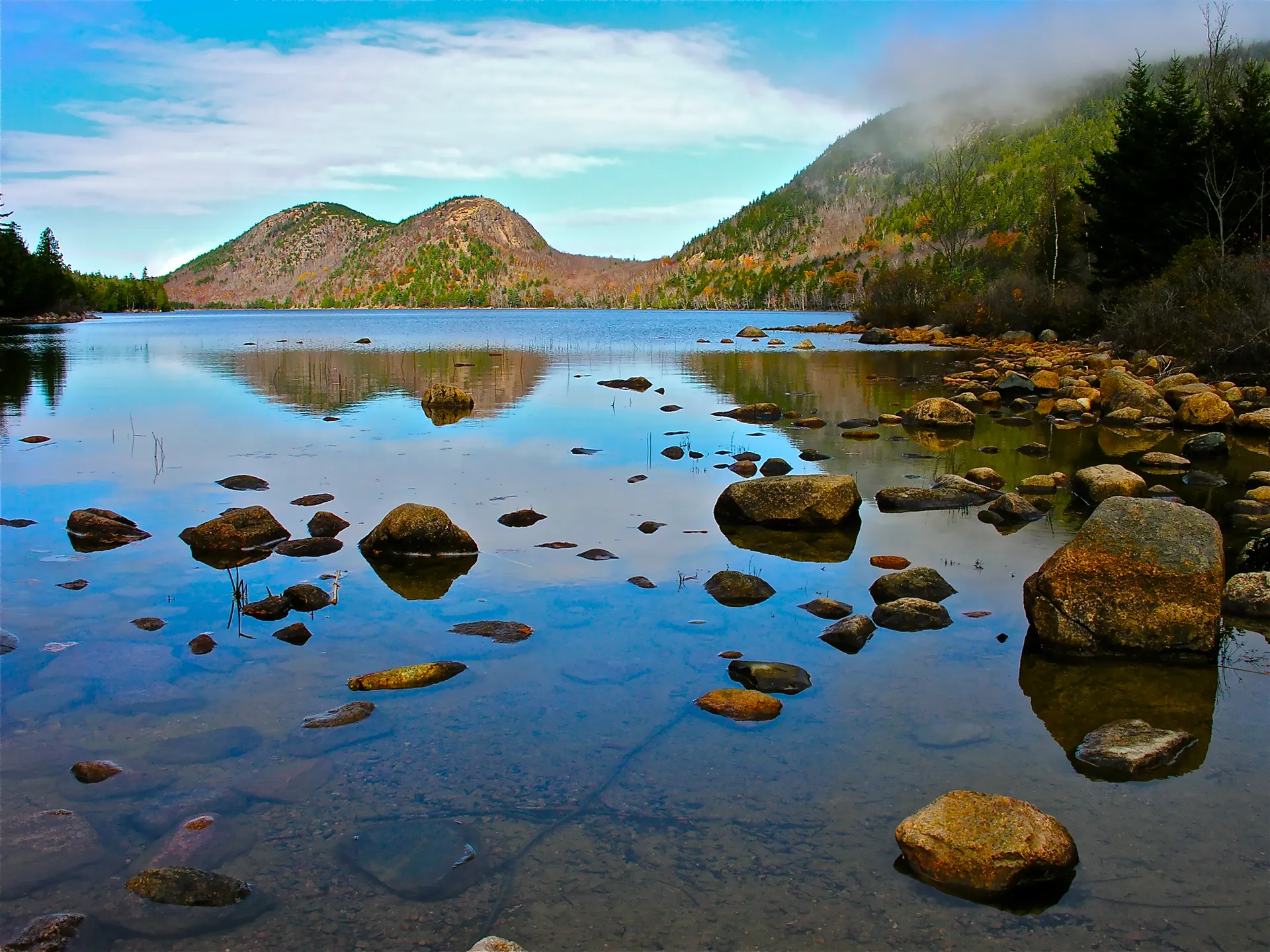
The water is clear and cold, fed by springs and feeder streams that keep temperatures ideal for cold-water fish species. The shoreline is a mix of granite ledge, gravel beaches, and dense forest that comes right to the water’s edge. There are very few buildings along either lake. What cabins exist are mostly part of the sporting camp operations.
The Rapid River, flowing from the outlet of Lower Richardson Lake at Middle Dam, is a legendary fly-fishing destination for landlocked salmon and brook trout. It is catch-and-release, fly-fishing only, and the fish are big and wild. Even if you are not a serious angler, watching experienced fly fishers work the pools at Middle Dam is worth the trip.
Sporting Camps
The Richardson Lakes are home to some of the oldest continuously operating sporting camps in Maine. Lakewood Camps, on the shore of Lower Richardson Lake near the Rapid River, has been running since 1853. These are traditional Maine sporting camps in the fullest sense: rustic cabins, home-cooked meals, registered Maine guides, and a culture built around fishing, hunting, and being in the woods.
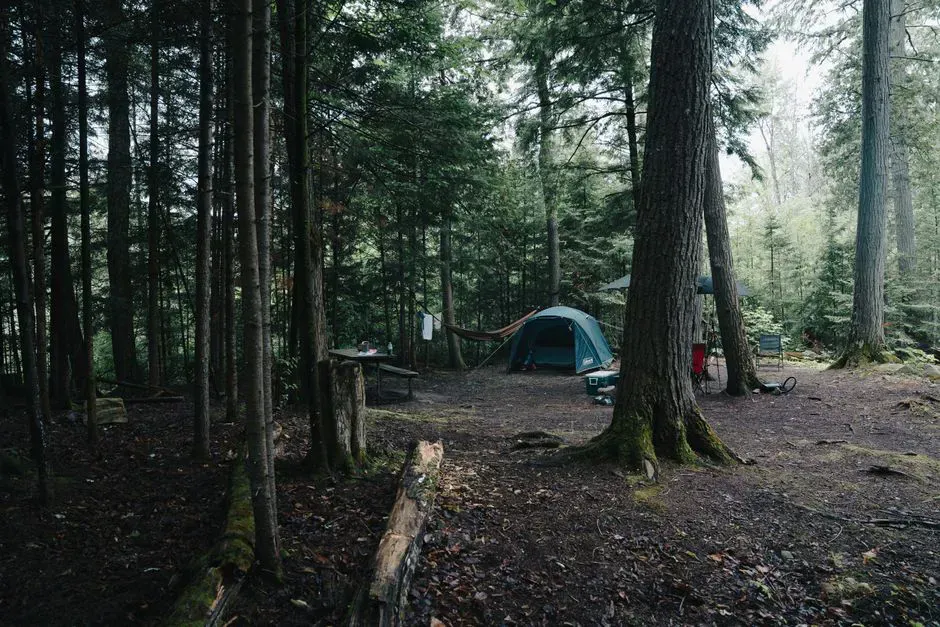
Staying at a sporting camp is a fundamentally different experience from a hotel or even a campground. You eat at a communal table. You fish with a guide who knows every pool and ledge on the lake. You sit on the porch in the evening and listen to loons. The accommodations are simple but comfortable, and the remoteness is the point.
Reservations at the better camps fill well in advance, especially for the prime fishing weeks after ice-out in May. Book early if you want to go during peak season.
If you have never stayed at a Maine sporting camp, the Richardson Lakes are one of the best places to try it. Ask for a guide on your first day. They will put you on fish, teach you the water, and share stories about the lake that go back generations. The guide tradition here is real.
Fishing
The Richardson Lakes are managed for quality cold-water fishing. Landlocked salmon are the primary draw. These fish grow large in the deep, cold water and fight hard, so bring fishing gear suited to both trolling and stream casting. Trolling streamer flies or hardware in spring and fall, when the fish are in the upper water column, is the traditional method. In summer, the salmon go deep, and lead-core line or downrigger techniques work better.
Lake trout (togue) inhabit the deepest parts of both lakes and can reach impressive sizes. Brook trout are found in the tributaries and along the shallower shoreline areas, particularly in spring and fall.
The Rapid River, from Lower Richardson to Lake Umbagog, is catch-and-release with fly-fishing only. It is one of the premier wild trout and salmon streams in New England. The best fishing is typically from late May through June and again in September.
Getting There
From Rangeley, take Route 4 south and then follow gravel roads toward Middle Dam and the Richardson Lakes. The route is roughly 20 miles of gravel road from the nearest pavement. Signs can be sparse, and intersections with other logging roads can be confusing. A GPS with downloaded maps is helpful.
From the south, access is possible via Andover and Upton on Route 26, then logging roads north to the lakes. This route is longer but approaches from a different direction.
High clearance is recommended for some sections of the access roads, though regular cars can usually make it in dry conditions if driven carefully. After heavy rain, the roads can wash out.
When to Go
Spring
Ice-out fishing for salmon is legendary. Late April through May. Sporting camps open mid-May.
Summer
Warm weather, long days, calm water. Fish go deep. Best for paddling and swimming.
Fall
Salmon return to the surface. Spectacular foliage. Cool nights, no bugs. Sporting camps open through October.
Winter
Lakes frozen. Roads not maintained. Sporting camps closed. Ice fishing is possible but access is very difficult.
The prime fishing windows are May (right after ice-out) and September through early October (fall turnover brings salmon back to the surface). Summer is best for paddling, swimming, and general backcountry enjoyment. The fall foliage season, when the hardwood hills around the lakes turn color, is spectacular.
Packing List
Richardson Lakes Trip
- Fishing gear (rod, reels, flies, tackle; check current regulations)
- Maine fishing license
- Canoe or kayak (some camps have boats available)
- Rain jacket and layers (weather changes fast in the mountains)
- Bug spray and head net (May and June)
- Binoculars (loons, eagles, moose)
- Camera
- Full tank of gas and spare tire
- Printed map or GPS with offline maps (no cell service)
- Food and water if not staying at a sporting camp
FAQ
What fish are in the Richardson Lakes?
The Richardson Lakes hold landlocked salmon, lake trout (togue), and brook trout. The Rapid River below Lower Richardson is catch-and-release, fly-fishing only, and famous for large salmon and brook trout.
Do I need a boat to fish the Richardson Lakes?
A boat or canoe is strongly recommended for fishing the lakes themselves. Some sporting camps provide boats or have rentals available. Shore fishing is possible but limited. The Rapid River can be waded.
What are sporting camps?
Traditional Maine sporting camps are rustic cabin complexes in remote areas, typically offering lodging, home-cooked meals, and guided fishing or hunting trips. Lakewood Camps on Lower Richardson Lake has been operating since 1853.
Is there cell service at the Richardson Lakes?
No. There is no cell service at the Richardson Lakes or along the access roads. If you need emergency communication, bring a satellite device.
How do I get to the Richardson Lakes?
From Rangeley, take Route 4 south and then gravel logging roads toward Middle Dam. The drive from Rangeley to the lakes is about 20 miles on gravel. GPS with offline maps is helpful, as signage is limited.