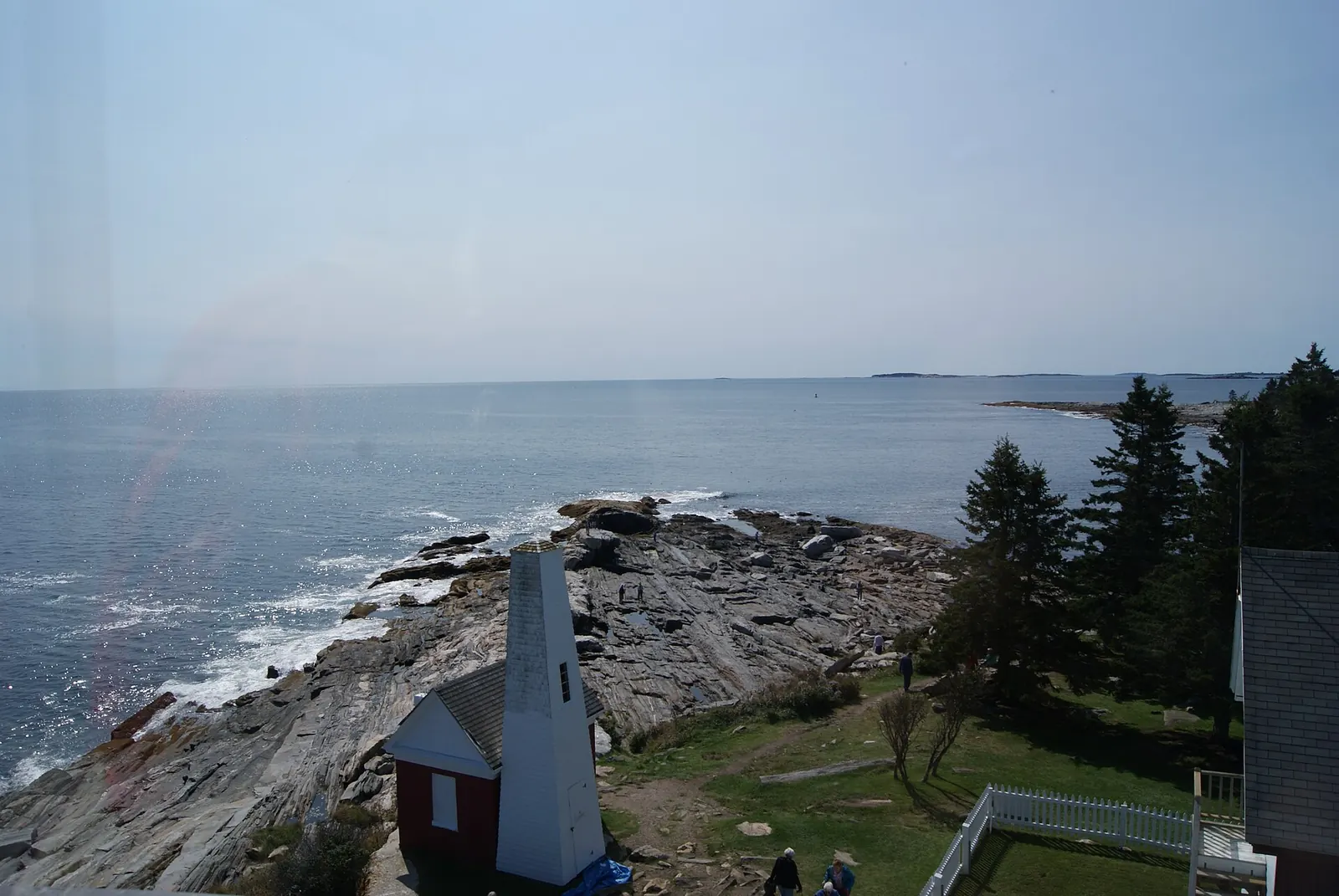
Open Atlantic at the Tip of Phippsburg
Small Point is the long, narrow peninsula that forms the western arm of the Phippsburg coast, ending in a cluster of beaches that face the open Atlantic between Popham and Reid. The standout is Seawall Beach, a wide, completely undeveloped strand of sand that runs for more than a mile behind a dune wall, with views straight out to the horizon and Seguin Island offshore. There are no cottages, no snack bars, and no parking lot at the sand itself. That wildness is the whole point, and it is also why getting there takes effort.
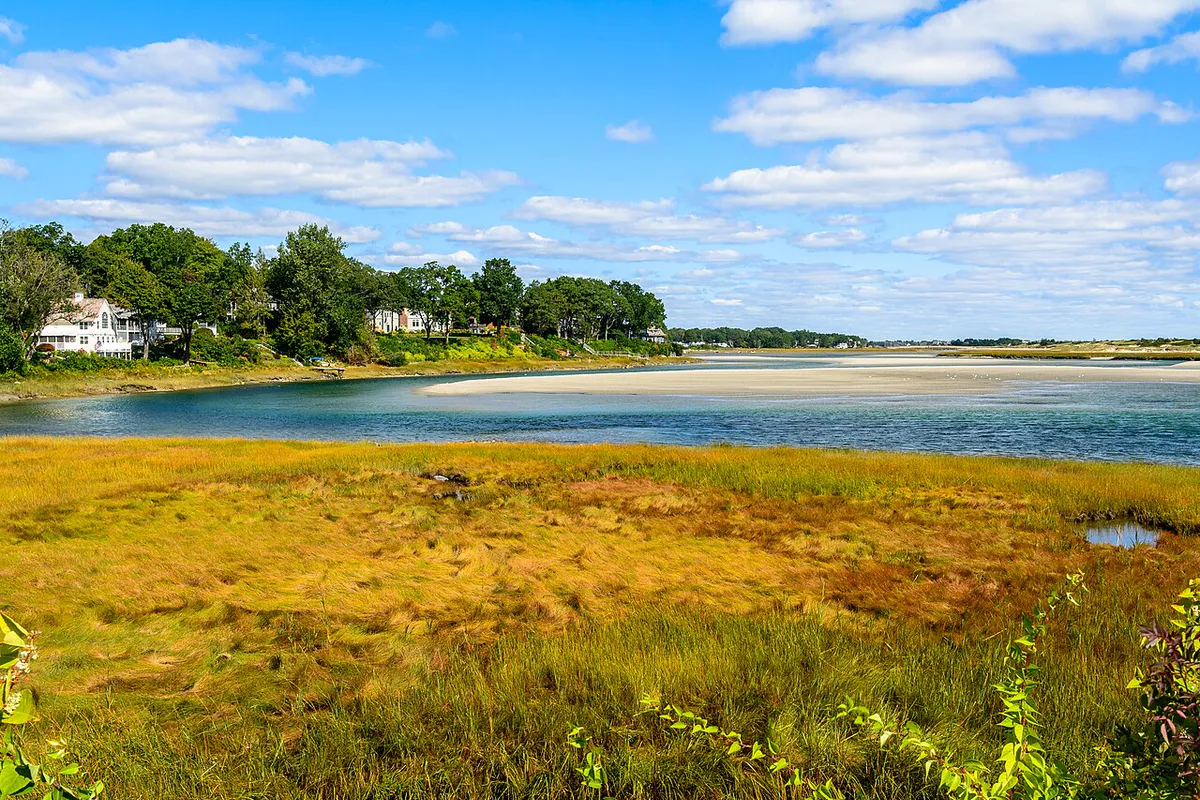
Seawall Beach is reached on foot through the Bates-Morse Mountain Conservation Area, a property held by Bates College and The Nature Conservancy. From the small trailhead lot on Morse Mountain Road you walk a roughly two-mile gravel service road that crosses a salt marsh, climbs over the low summit of Morse Mountain, and drops down to the beach. The walk is easy and the reward is one of the least crowded major beaches in Maine. Because it is a working conservation area that protects nesting piping plovers and least terns, the rules are strict and worth knowing before you commit to the drive.
The Bates-Morse Mountain route to Seawall Beach has firm rules: no dogs in any season, foot access only, and visitors must stay on the road and the hard beach surface, off the dunes and back beach. Do not go past the red pole on the beach, which marks the limit of access during shorebird nesting. The marsh road can flood at tides of about 9.5 feet or higher.
The Beach
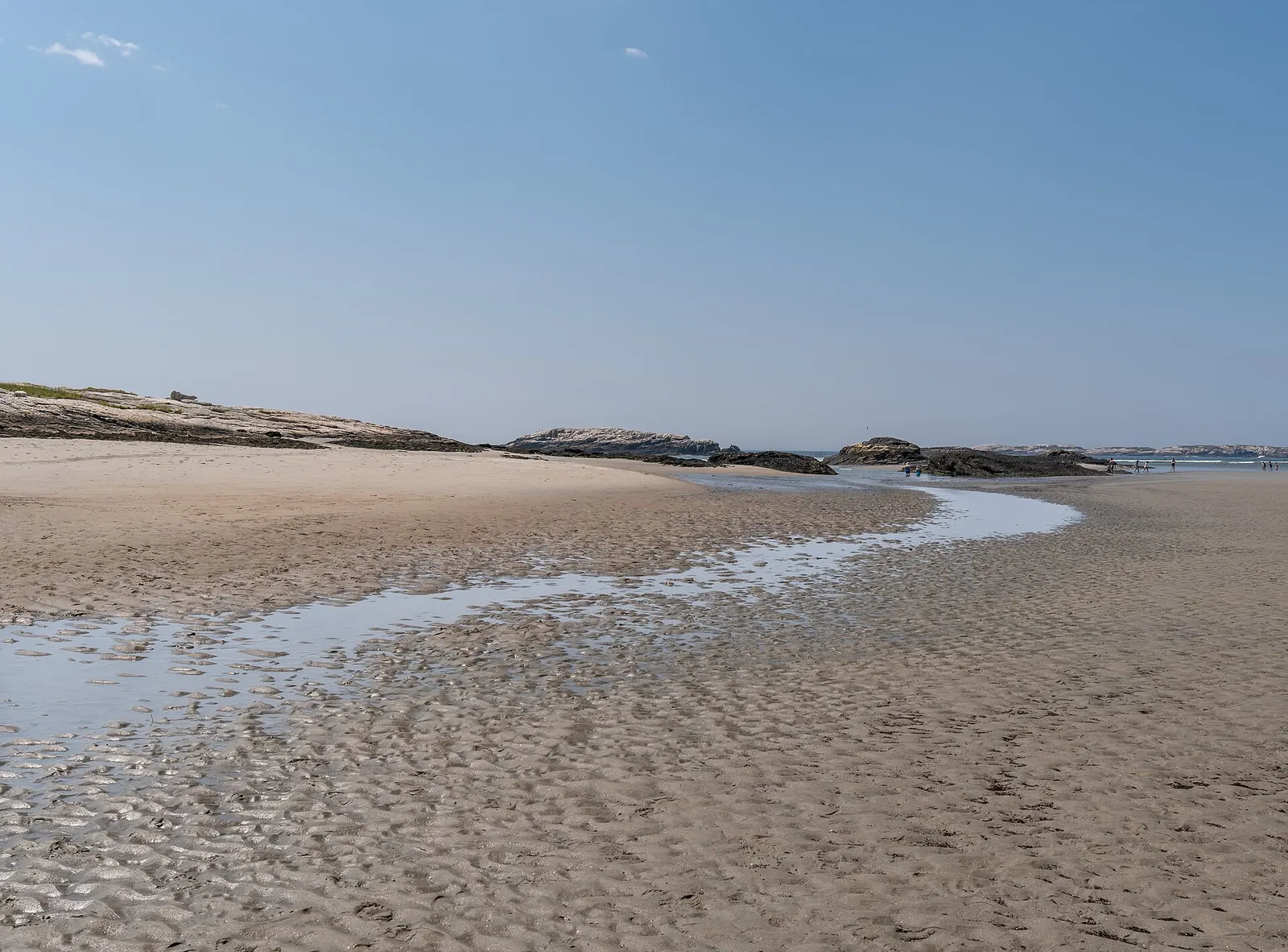
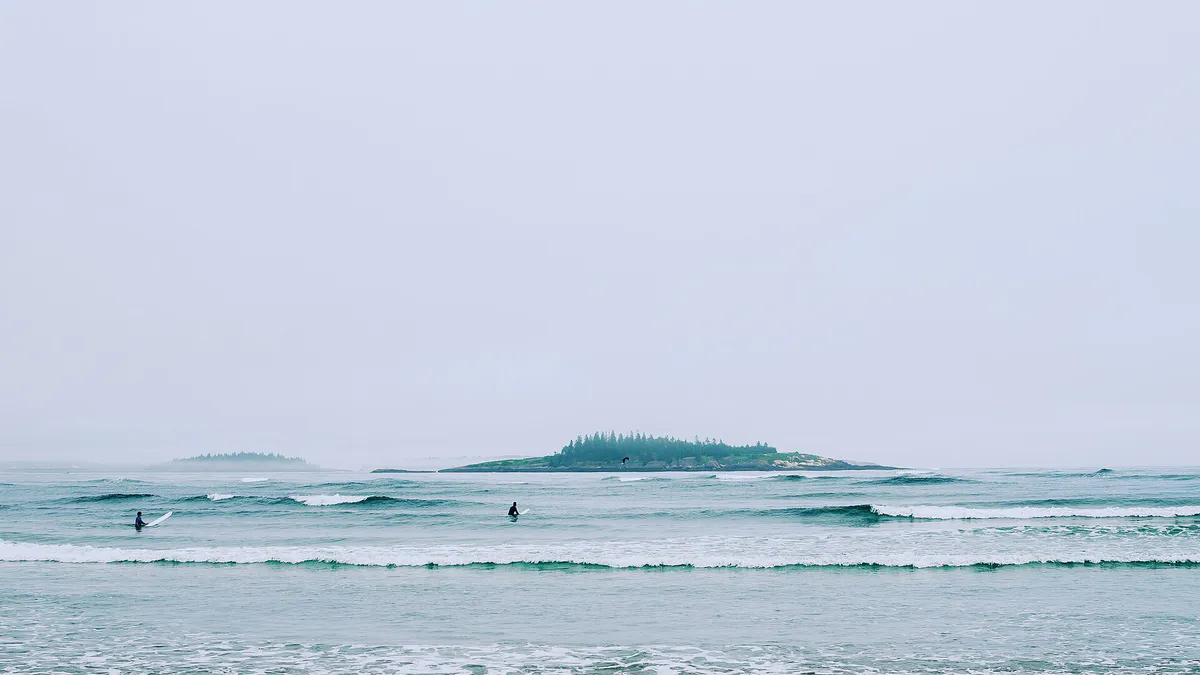
Seawall Beach is a true open-ocean beach, south-facing, with real surf when there is any swell running. The sand is broad and firm near the waterline at low tide, and the dunes behind it are large and undisturbed. This is a place to walk for a mile, swim in cold clean Atlantic water, and watch seabirds work the surf line. Because the beach is so long and the access so limited, even on a hot August day you can find a stretch to yourself.
The water is cold, this being the open Gulf of Maine with no sheltering cove to warm it, so swimming is a summer-afternoon affair. There is no lifeguard. Pay attention to the surf and to rip currents on bigger days, and keep an eye on the tide, which moves a long way across the flat sand.
If you would rather drive right up to sand, Head Beach sits nearby off Route 216 at the southern end of Small Point Road, with a small toll booth and a day-use fee. It is a shorter, ledge-protected pocket of sand and a good fallback when the Bates-Morse lot is full.
The Bates-Morse Mountain parking lot is small and often fills by mid-morning in summer. The conservation area posts lot status online, so check before you make the drive out the peninsula. Once the lot is full, cars are turned away and there is no overflow parking.
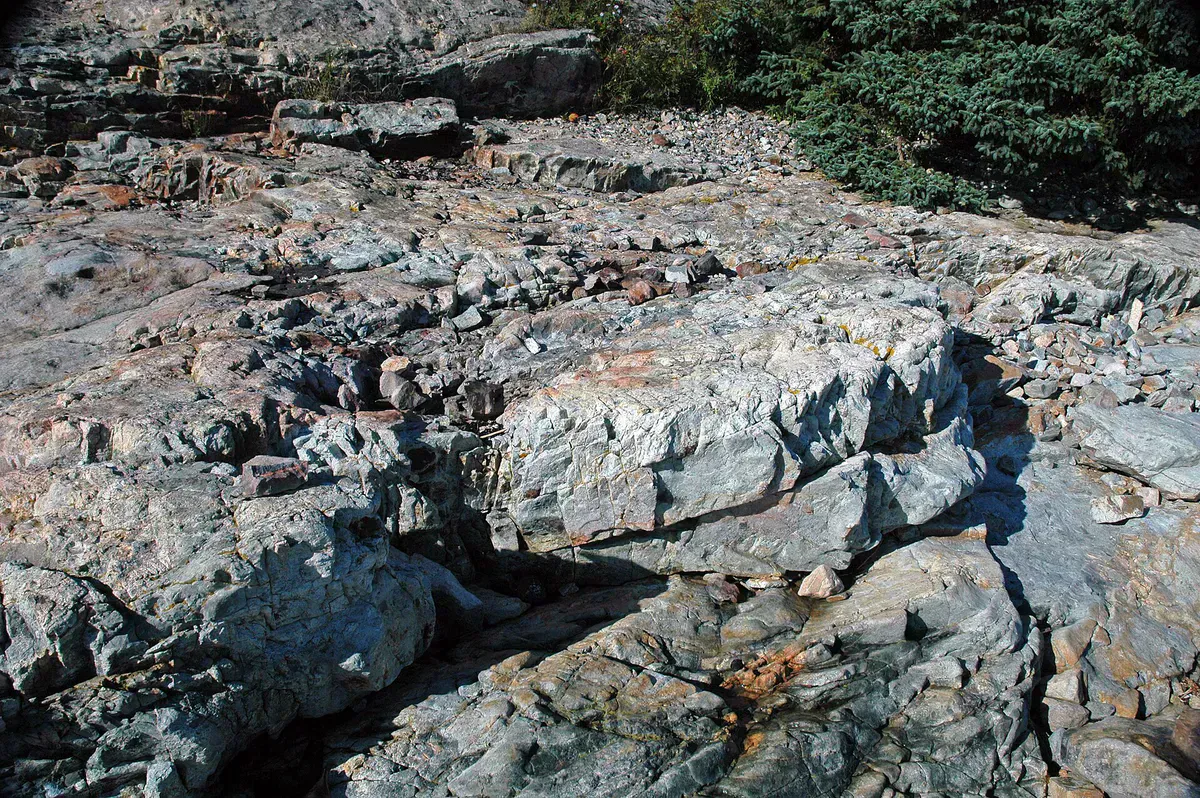
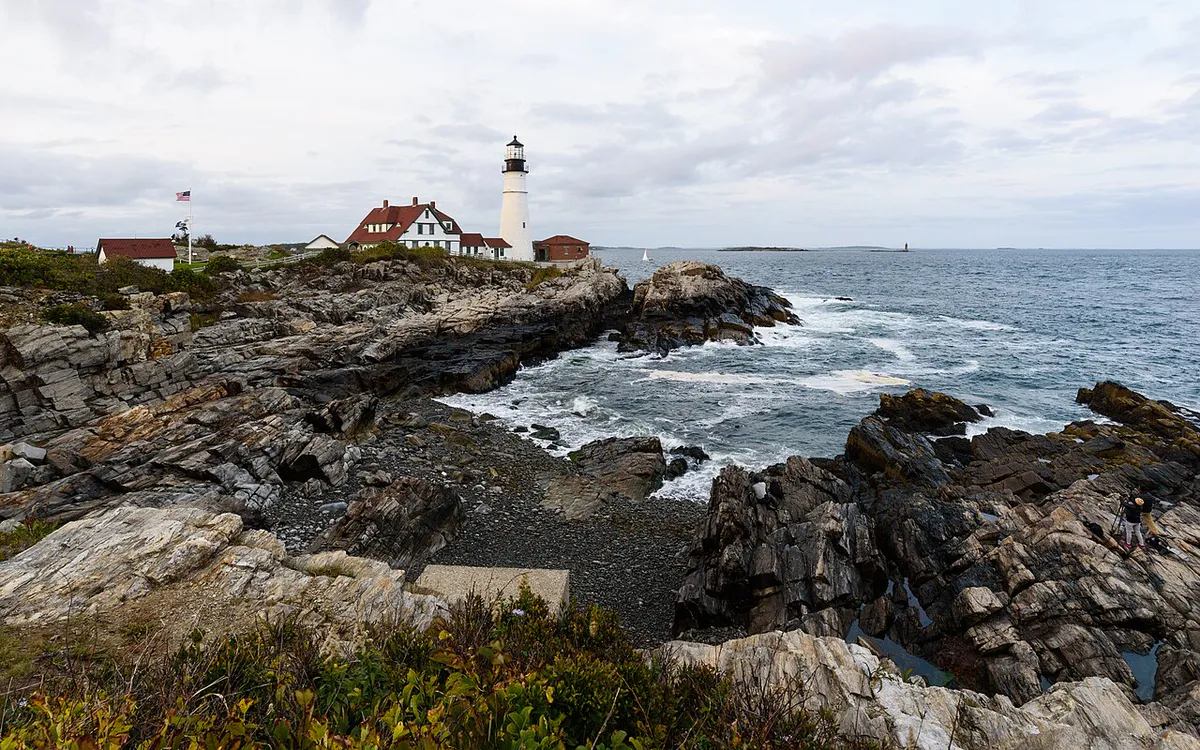
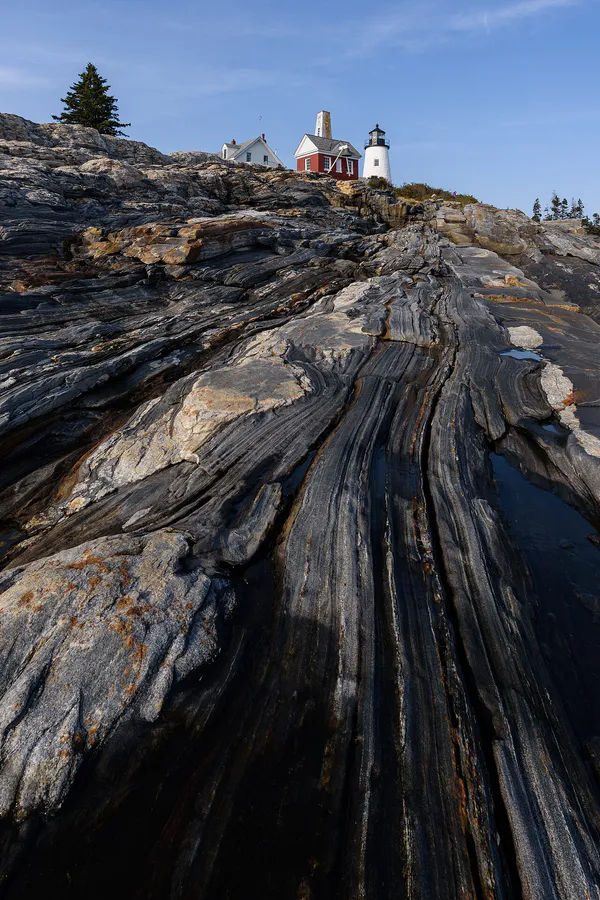
Rocky beaches & streams
Parking & Access
Everything here hinges on the small Bates-Morse Mountain trailhead lot on Morse Mountain Road, off Route 216. It is the only legal public parking for Seawall Beach, it fills early, and there is no roadside overflow. From the lot it is a two-mile walk each way to the sand. There are no restrooms, no water, and no concessions anywhere along the route, so come self-sufficient. Head Beach, by contrast, has fee parking at its toll booth on Small Point Road for those who want a shorter approach.
Getting There
From Bath, take Route 209 south down the Phippsburg peninsula. To reach Seawall Beach, watch for Route 216 (Small Point Road) and turn onto Morse Mountain Road to the Bates-Morse Mountain trailhead lot, then walk in. To reach Head Beach instead, stay on Route 216 toward the southern tip of Small Point. The drive from Bath is about 25 to 30 minutes, and from Portland it is roughly 70 minutes via I-295 and Route 1.
When to Visit
Spring
Cool and windswept. Good for a long beach walk, but too cold to swim. Shorebird nesting begins, so access restrictions tighten.
Summer
Warmest water and the only comfortable swimming. Arrive early, the lot fills by mid-morning. Stay clear of marked plover and tern nesting areas.
Fall
Quiet, beautiful, and uncrowded after Labor Day. September swimming is still possible on warm days. Big open-sky walking.
Winter
Wild and empty. A dramatic cold-weather walk if the road is passable. No swimming.
Packing List
Small Point Beach Day
- Beach towel
- Sunscreen and a hat (the beach is fully exposed)
- Water shoes
- Swimsuit
- Plenty of water and food (no services, two-mile walk in)
- A pack to carry everything out
- Cash for the Head Beach fee if you go that route
FAQ
How do you get to Small Point's beach?
The wild Seawall Beach is reached on foot via the Bates-Morse Mountain Conservation Area. Park at the small trailhead lot on Morse Mountain Road off Route 216 and walk roughly two miles each way across a marsh and over Morse Mountain to the sand.
Are dogs allowed?
No. Dogs are prohibited in any season at the Bates-Morse Mountain Conservation Area to protect nesting shorebirds and sensitive habitat.
Is there a fee?
There is no fee for the Bates-Morse Mountain route to Seawall Beach, though parking is very limited. Nearby Head Beach, off Small Point Road, charges a day-use fee at a toll booth and offers drive-up access.
Can you swim at Small Point?
Yes, in summer. This is open Atlantic water, so it is cold and there is no lifeguard. Watch the surf and rip currents on bigger days, and mind the tide, which moves far across the flat sand.
What if the parking lot is full?
The Bates-Morse Mountain lot often fills by mid-morning and turns cars away with no overflow. Check the posted lot status before driving out, or use Head Beach as a fee-parking fallback.