A Beach You Have to Earn
Seawall Beach is the longest undeveloped barrier beach in Maine, and you cannot drive to it. There is no parking lot at the sand. No road past the dunes. No boardwalk, no lifeguard tower, no concession stand. To reach this mile-long stretch of wild coast, you walk nearly two miles through the Bates-Morse Mountain Conservation Area, over 180-foot Morse Mountain, through salt marsh and pine forest, and then down through the dunes to the open Atlantic.
The effort is the filter. It keeps the crowds at Popham Beach, five minutes back up Route 209, while Seawall stays quiet even on the hottest summer days. The Sierra Club once called it Maine’s best-kept-secret beach. It is not exactly a secret anymore, but the hike ensures it will never be overrun.
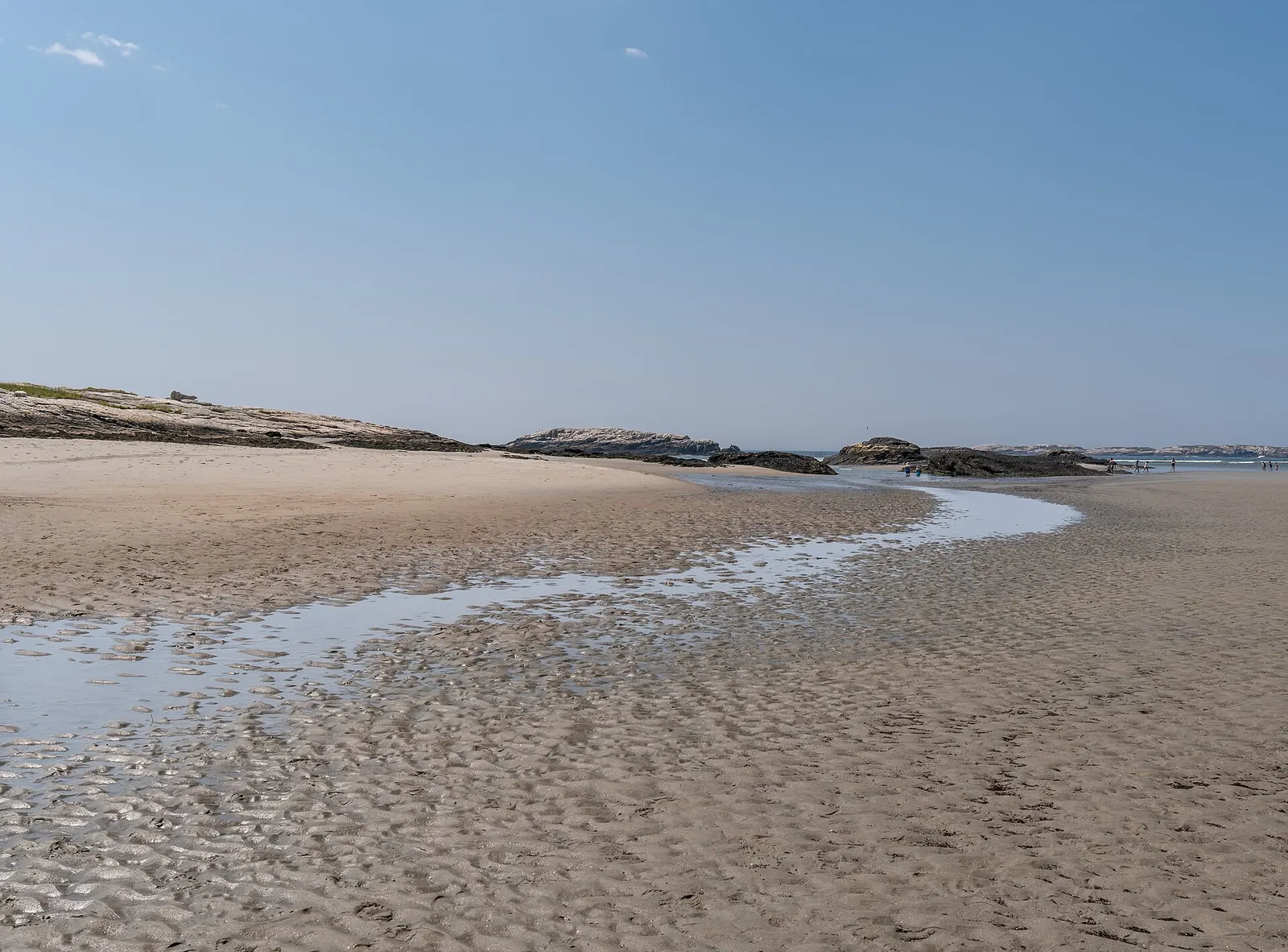
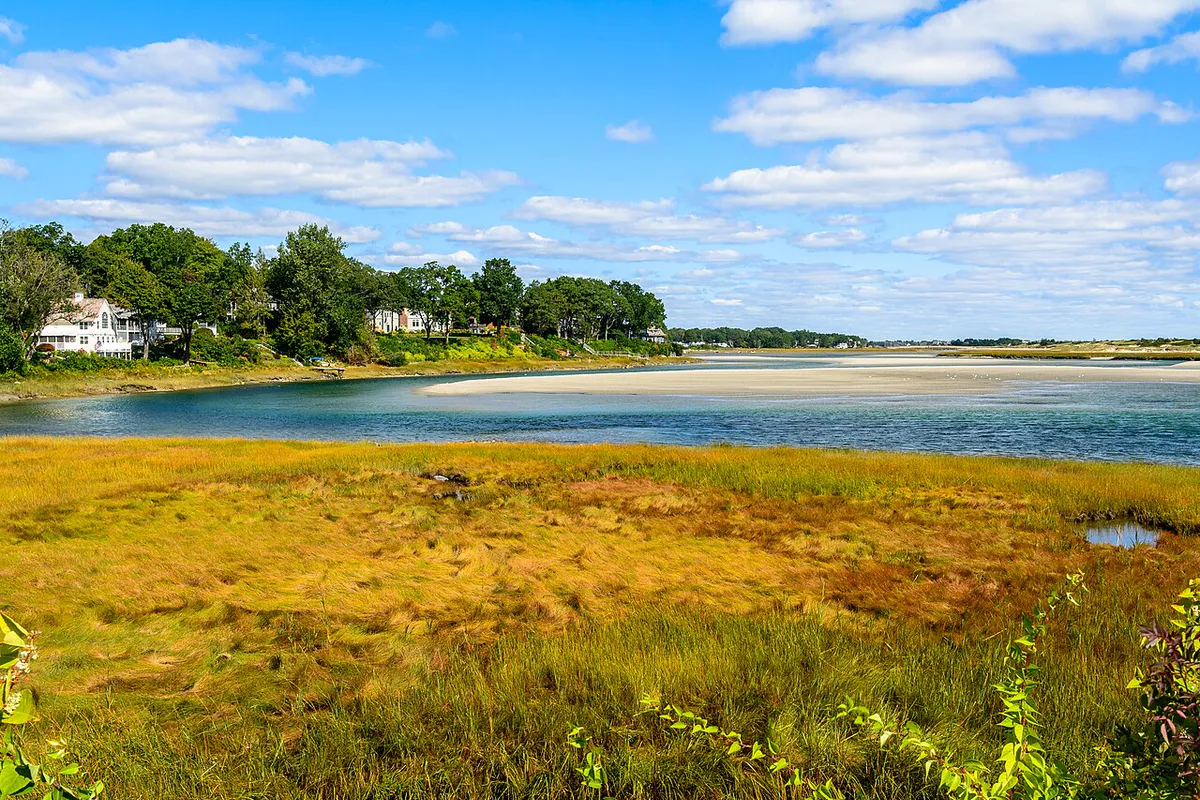
Seawall Beach is a barrier beach, a ribbon of sand separating the ocean from a complex of salt marsh, tidal creeks, and freshwater wetlands behind it. The Sprague River flows along one end, the Morse River along the other, and the Atlantic stretches out in front. It is one of the most ecologically significant coastal sites in Maine.
The Hike In
The trailhead is at 372 Morse Mountain Road, off Route 216 in Phippsburg. A small parking lot holds about 30 cars. You can check real-time parking availability at BMMparking.com before making the drive.
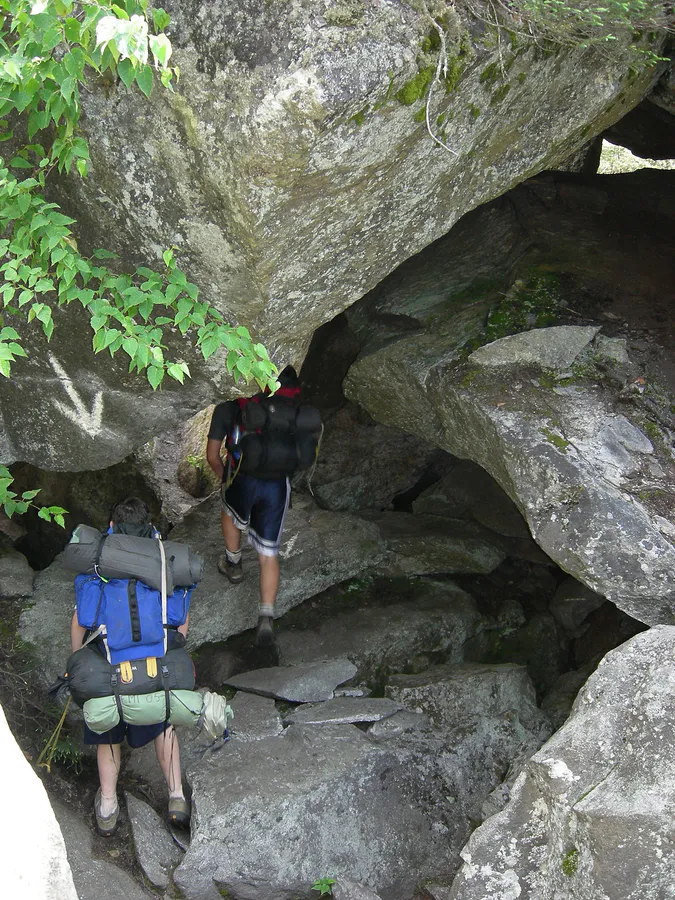
The trail follows a gravel road through mixed forest, climbs gently over Morse Mountain with about 180 feet of elevation gain, passes through salt marsh on the far side, and arrives at the beach. The round trip is 3.8 miles with roughly 450 feet of total elevation gain. Most people complete the one-way hike in 45 minutes to an hour.
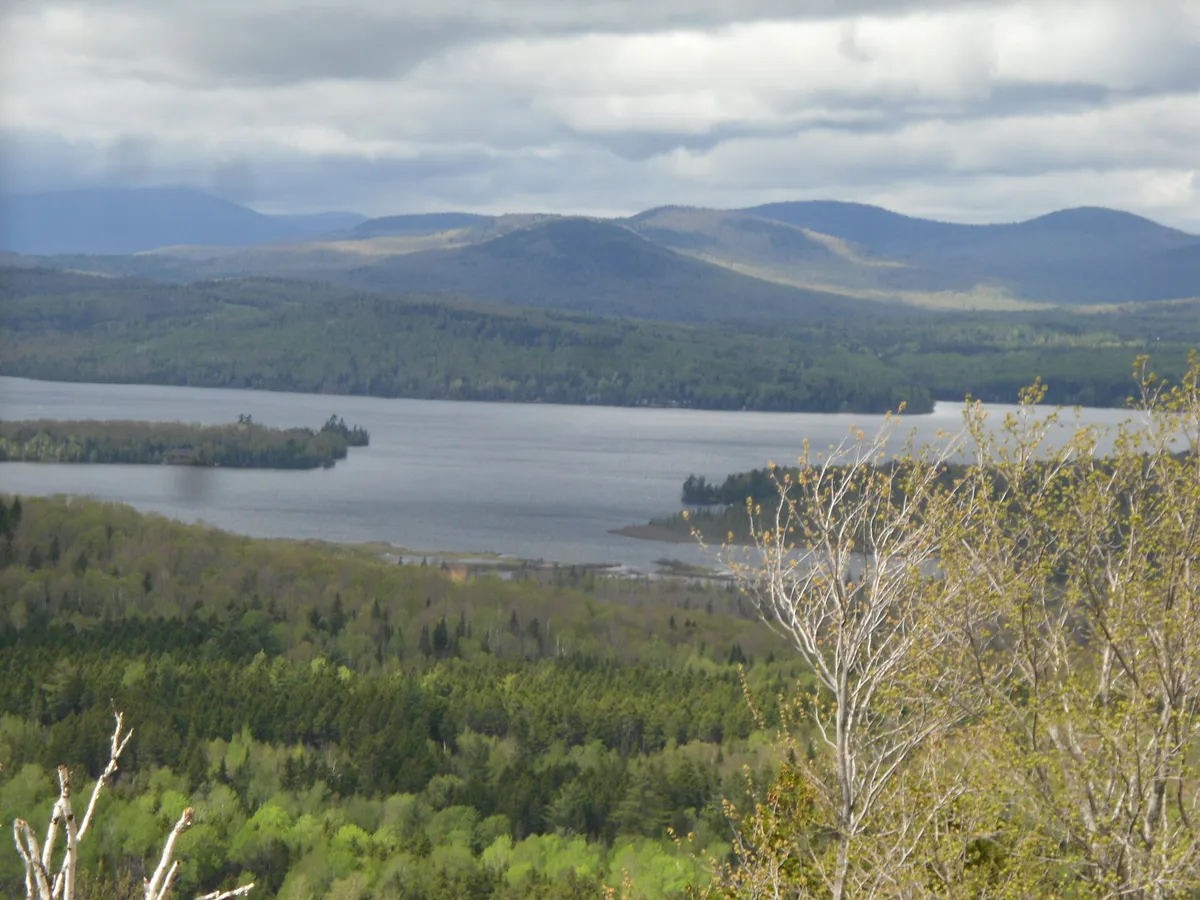
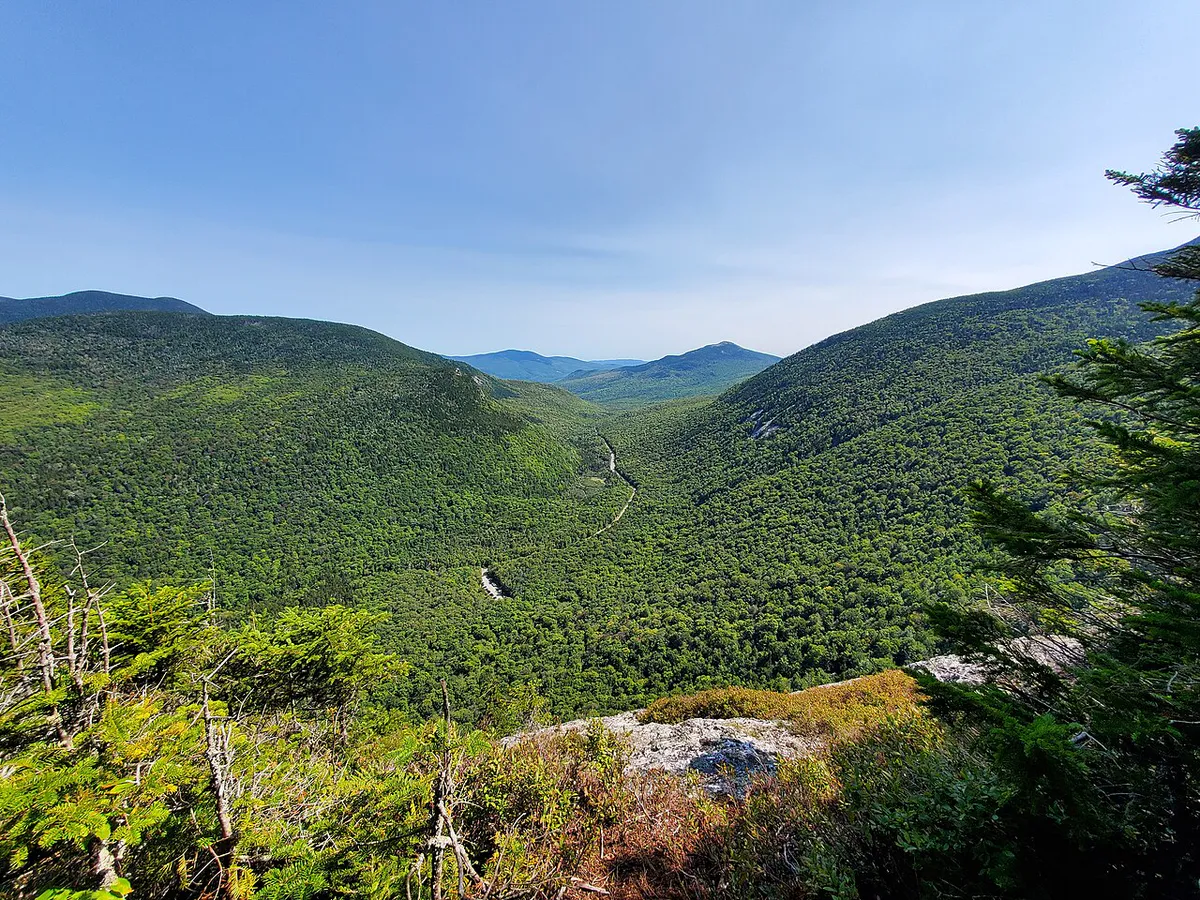
The hike is easy to moderate. The gravel road is wide and well-maintained. The climb over Morse Mountain is gradual, comfortable in a sturdy pair of hiking boots rather than the flip-flops you might wear at a drive-up beach. Near the summit, a short spur trail leads to an overlook with views of the coast and the beach below.
Check parking availability at BMMparking.com before driving to the trailhead. The lot holds only about 30 cars and fills early on summer weekends. Once full, there is no overflow parking on Morse Mountain Road. Weekday mornings are the most reliable for finding a spot.
The Beach
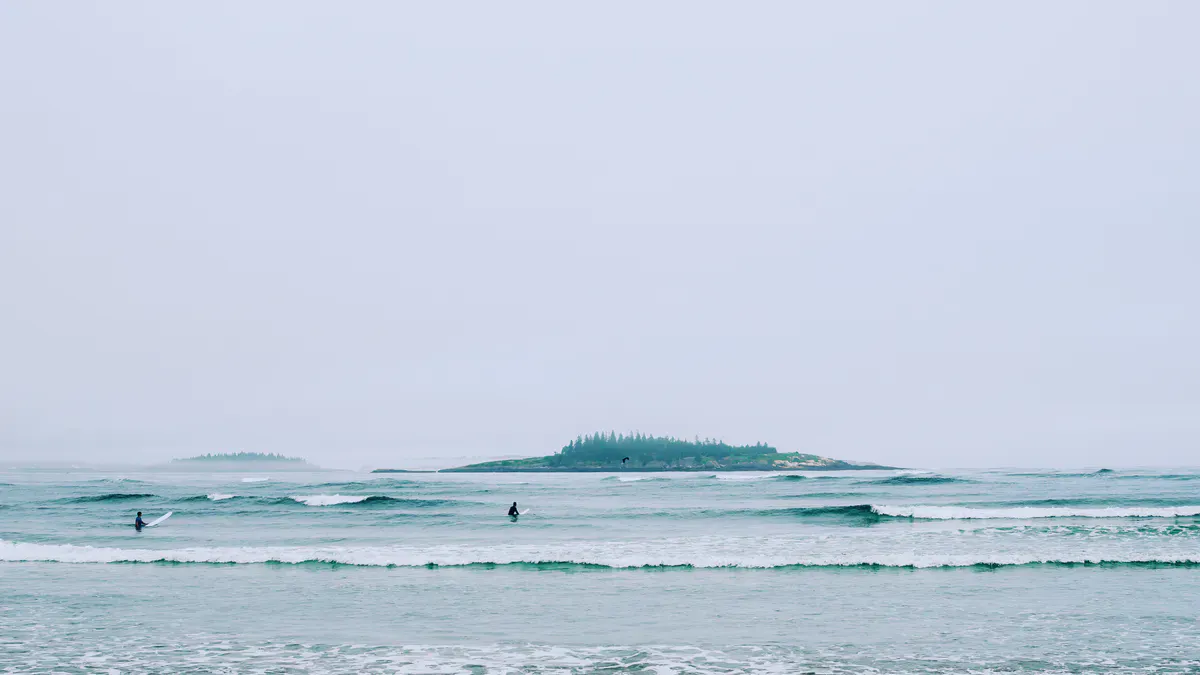
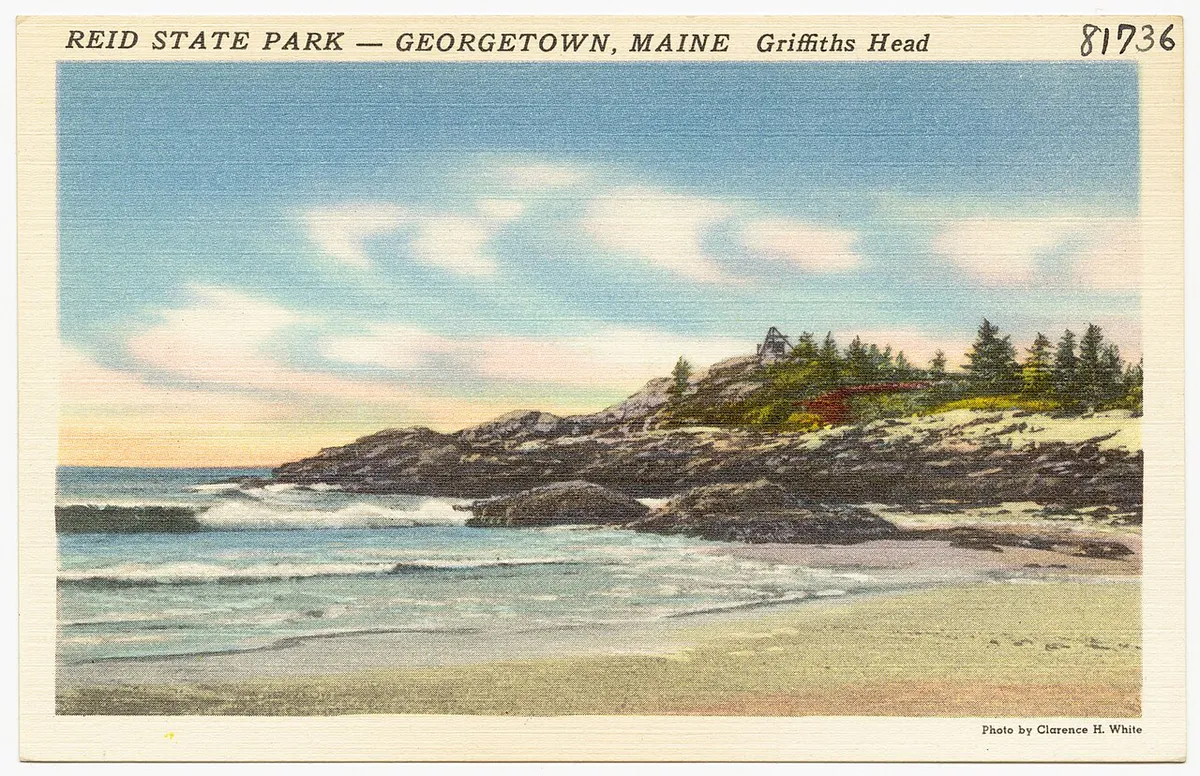
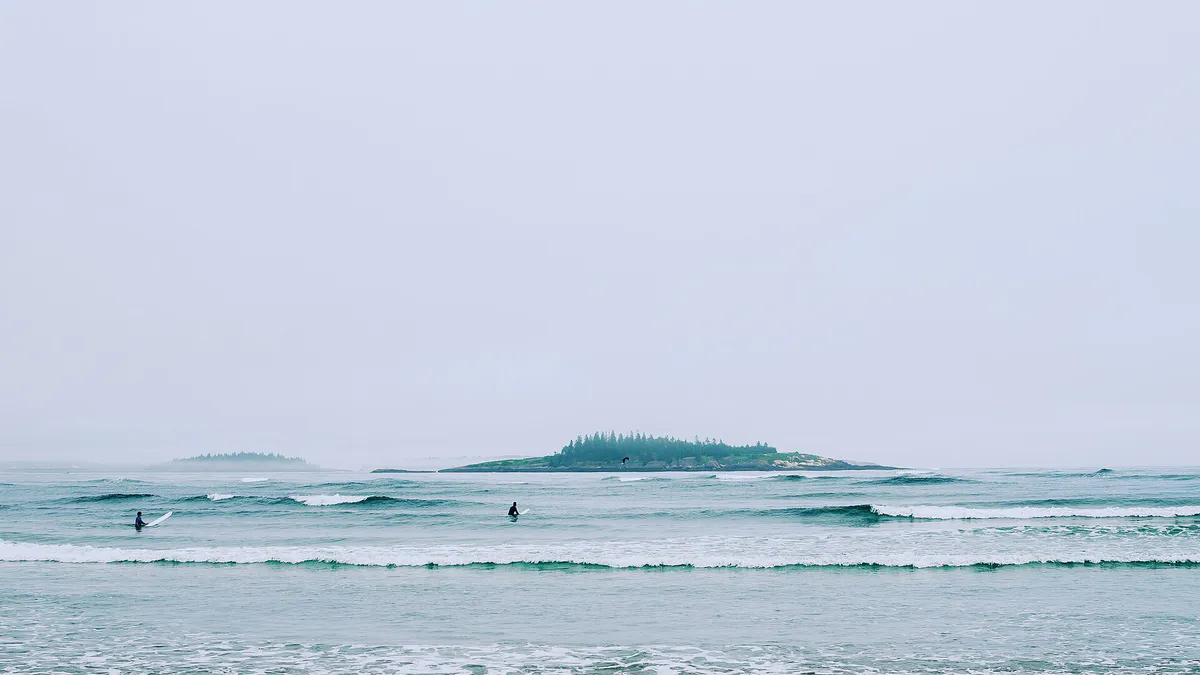
Seawall Beach stretches about a mile between the mouths of the Sprague and Morse rivers. The sand is fine and white. The beach faces south into the open Atlantic, with nothing between you and the horizon. Dunes rise behind the beach, topped with beach grass and backed by the salt marsh.
The surf can be significant here. Unlike the sheltered coves elsewhere on the Phippsburg peninsula, Seawall is exposed to the full fetch of the ocean. Waves build on southerly and southwesterly winds. The bottom is sandy and slopes gradually, but currents near the river mouths can be strong, especially on outgoing tides.
Swimming is possible but demands respect. There are no lifeguards. The water is cold, the surf can be rough, and the nearest help is a two-mile walk back to the parking lot.
Avoid swimming near the mouths of the Sprague and Morse rivers, especially on outgoing tides. The current where river meets ocean can be strong and unpredictable. Swim in the center section of the beach where the bottom is more uniform.
Piping Plovers and Beach Rules
Seawall Beach is a critical nesting site for piping plovers and least terns, both protected species. Bates College, which manages the conservation area, works with The Nature Conservancy and Maine Audubon to protect nesting birds.
During nesting season, roughly April through August, sections of the beach may be roped off to protect nests. Stay outside the roped areas. Piping plover eggs sit directly on the open sand and are nearly invisible. Walking through a nesting area can destroy eggs or cause adults to abandon the nest.
The rules at Seawall Beach reflect its conservation purpose. Dogs are not allowed in any season. Bikes, kites, frisbees, radios, beach umbrellas, and toy balls are also prohibited. These restrictions exist to protect nesting birds and the fragile dune ecosystem. Pack out everything you bring in.
Dogs are NOT allowed at Seawall Beach in any season. Also prohibited: bikes, kites, frisbees, radios, beach umbrellas, and balls. These rules are enforced to protect piping plover and least tern nesting habitat. Violations can result in loss of access.
Getting There
From Bath, take Route 209 South for 11.6 miles. Where Route 209 turns sharply left toward Popham Beach, continue straight onto Route 216 for 0.4 miles. Turn left onto Morse Mountain Road. The parking lot is about 350 feet down on the left.
From Portland, the drive is about 90 minutes via I-295 North to Brunswick, then Route 1 to Bath, then Route 209 South. From Augusta, about 75 minutes.
When to Go
Spring
Trail is open but can be muddy. Beach is windy and cold. Plover nesting begins in April.
Summer
Warmest conditions for the hike and beach. Arrive early for parking. Respect plover nesting closures.
Fall
Nesting season ends. Fewer visitors. Beautiful light and good beachcombing after fall storms.
Winter
Trail open but gate may not be staffed. The beach is wild and dramatic in winter storms. Dress warmly.
September is the sweet spot. Plover nesting restrictions are lifted after Labor Day, the parking lot is less contested, the light turns golden, and the water is as warm as it gets. You may have a mile of beach to yourself on a weekday.
Practical Notes
There are no facilities at the beach or along the trail. No restrooms, no water, no shade on the beach. Bring everything you need for a half-day hike and beach visit, ideally in a daypack sized for water, lunch, and layers.
Cell service is spotty in the Phippsburg area and unreliable on the beach.
Access is free, but donations to support conservation of the Bates-Morse Mountain area are welcome and appreciated. Nearly 20,000 people hike to Seawall Beach each season.
Seawall Beach Essentials
- Comfortable hiking shoes (gravel road, 2 miles each way)
- Sunscreen and hat (no shade on the beach)
- Plenty of water (no sources on the trail or beach)
- Snacks or lunch
- Towel and swimsuit
- Windbreaker (exposed beach, ocean breeze)
- Trash bag (pack out everything)
- Camera
FAQ
How long is the hike to Seawall Beach?
About 2 miles each way, 3.8 miles round trip, with roughly 450 feet of total elevation gain over Morse Mountain. Most people walk it in 45 minutes to an hour one way.
Are dogs allowed at Seawall Beach?
No. Dogs are prohibited in all seasons. This is a piping plover and least tern nesting area managed for conservation. The restriction applies to the entire trail and beach.
Is there a fee to visit Seawall Beach?
No. Access is free. Donations to support the Bates-Morse Mountain Conservation Area are accepted and appreciated.
Can you check parking before driving there?
Yes. Visit BMMparking.com to check real-time parking availability. The lot holds about 30 cars and fills early on summer weekends.
Is the beach safe for swimming?
Swimming is possible but requires caution. There are no lifeguards, the surf can be rough, and currents near the river mouths are strong. Swim in the center section and avoid the river mouths, especially on outgoing tides.