

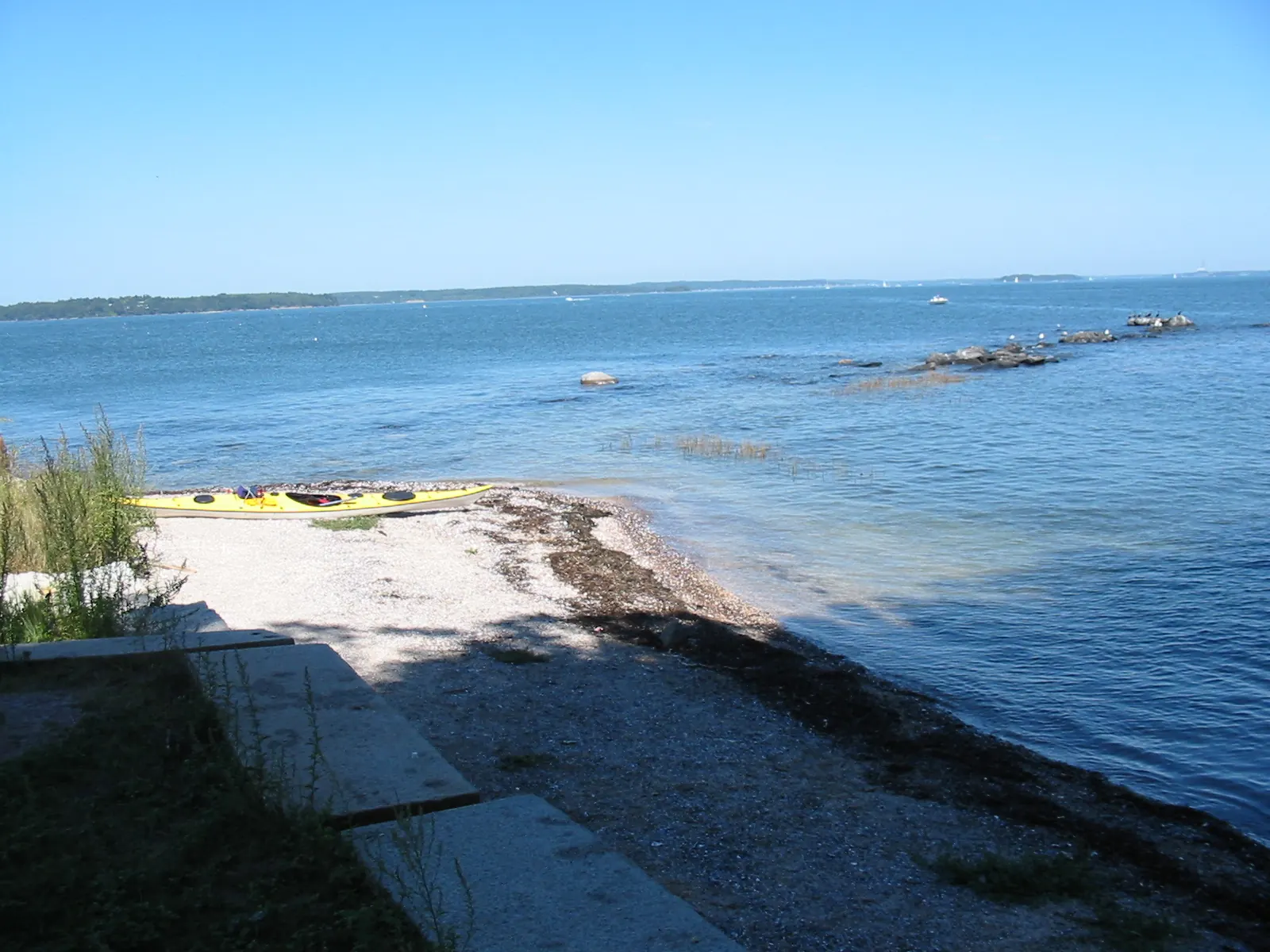
Maine has over 6,000 lakes, 32,000 miles of rivers, and 3,478 miles of tidal coastline. These are the 12 best kayaking destinations in Maine, ranked by category, covering the full range from flat-water beginner paddles to open-ocean coastal routes that demand real skill.
The best kayaking destinations in Maine at a glance:
- Sebago Lake (Naples): clear water and sandy pull-outs, beginner to intermediate
- Rangeley Lake (western mountains): wild shoreline and loons, intermediate
- Moosehead Lake (Rockwood): Mount Kineo cliffs, intermediate
- Damariscotta Lake (Midcoast): quiet and warm, beginner
- Echo Lake (Acadia): Beech Cliff views, beginner
- Saco River (Fryeburg to Brownfield): Maine’s most popular float, beginner
- Presumpscot River (greater Portland): a restored urban paddle, beginner
- Kennebec River (Solon to Bingham): a remote forested valley, intermediate
- Penobscot Bay (Stonington to Isle au Haut): world-class sea kayaking, advanced
- Casco Bay Islands (Portland): accessible island-hopping, intermediate
- Schoodic Peninsula (Acadia’s quiet side): pink granite coast, intermediate to advanced
- Muscongus Bay (Round Pond to Port Clyde): spruce islands and seals, intermediate to advanced
Each pick below has launch directions, what you will see, and a difficulty rating so you can match a destination to your skill and the day’s conditions.
Lakes: Calm Water, Big Scenery
1. Sebago Lake
Sebago Lake is the deepest and second-largest lake in Maine, with water so clear you can see the bottom in 30 feet. Launch from Sebago Lake State Park on the north shore and paddle along the wooded shoreline toward Frye Island. Morning is best, the lake is a mirror before the afternoon wind picks up. Beginners will find the protected coves forgiving, and the sandy beaches make for easy pull-outs and lunch stops.
Difficulty: Beginner to intermediate (afternoon wind can build whitecaps on open water)
2. Rangeley Lake
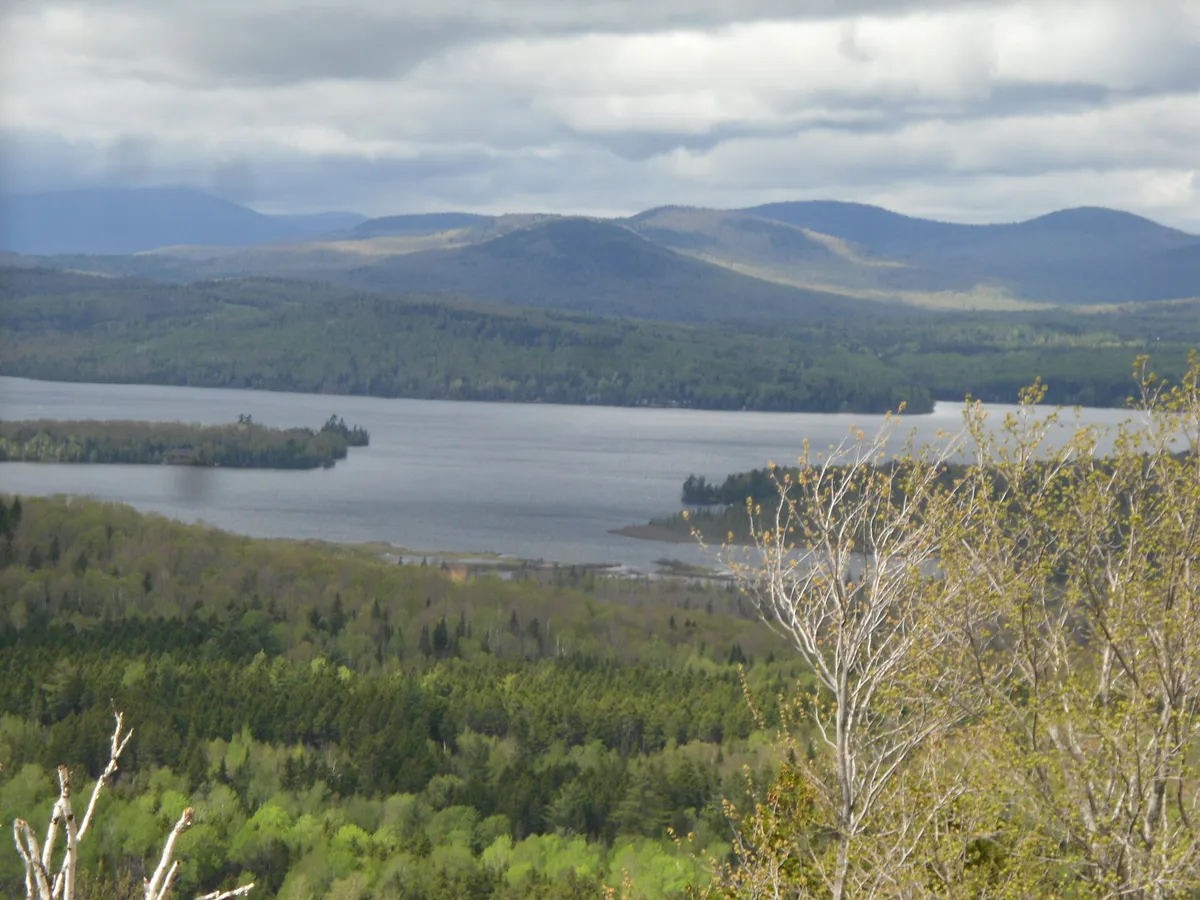
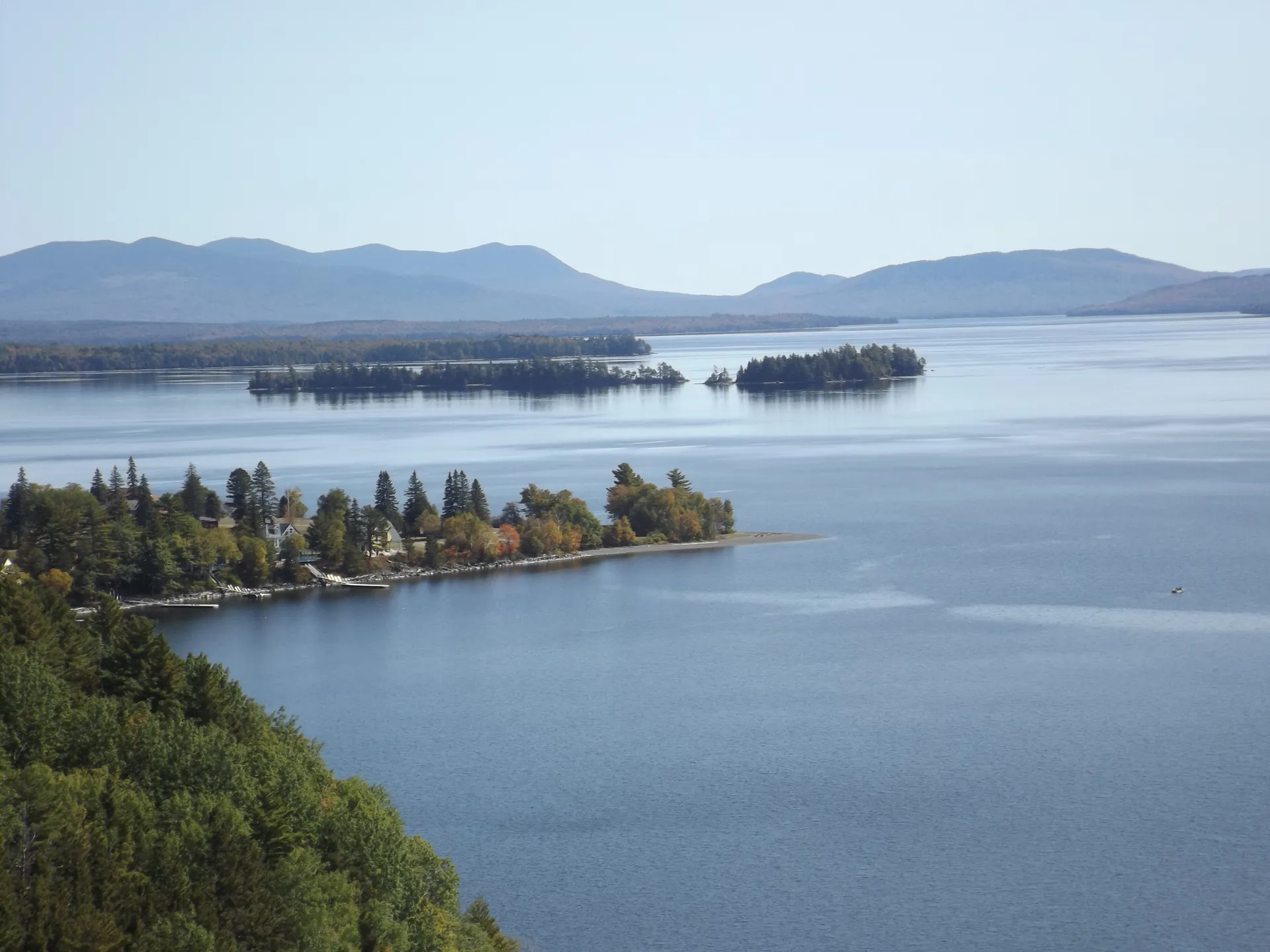
Rangeley Lake sits at 1,500 feet in the western mountains, surrounded by undeveloped forest. The scenery is outstanding, Saddleback Mountain rises behind the tree line, and loons call from every cove. Launch from the town boat ramp and paddle south along the eastern shore where you will find granite ledges, sandy pockets, and barely any other boats on weekday mornings.
Difficulty: Beginner to intermediate (exposed to wind on the main body)
3. Moosehead Lake
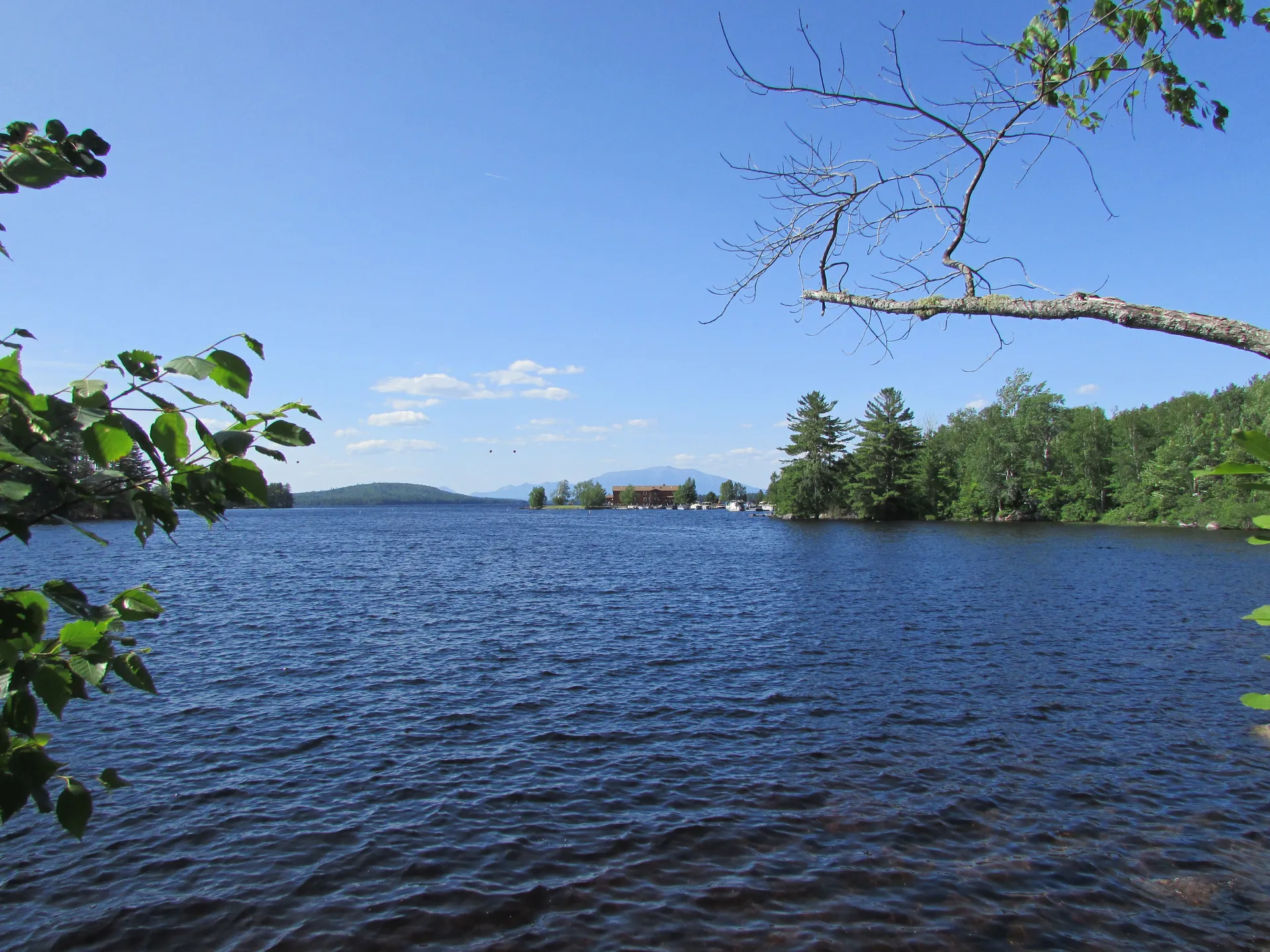
Moosehead Lake is Maine’s largest lake at 117 square miles, and it feels more like an inland sea than a pond. The western shore near Rockwood offers protected paddling with views of Mount Kineo, a dramatic 700-foot cliff that rises straight from the water. Paddle across the narrows to Kineo’s base and explore the shoreline caves. Keep your eyes open for moose wading in the shallows at dawn. This is one of the best places in the state to spot them from a kayak.
Difficulty: Intermediate (large open crossings, cold water, weather changes fast)
Kayaking & canoeing
4. Damariscotta Lake
Damariscotta Lake is the Midcoast’s best-kept paddling secret. The long, narrow shape means you are rarely far from shore, and the water is clean enough for swimming. Launch from Damariscotta Lake State Park and head north toward the undeveloped upper basin. Great blue herons stalk the marshy inlets, and osprey fish the open water all summer. It is quieter than Sebago and warmer than Moosehead, a sweet spot for families.
Difficulty: Beginner
5. Echo Lake, Acadia
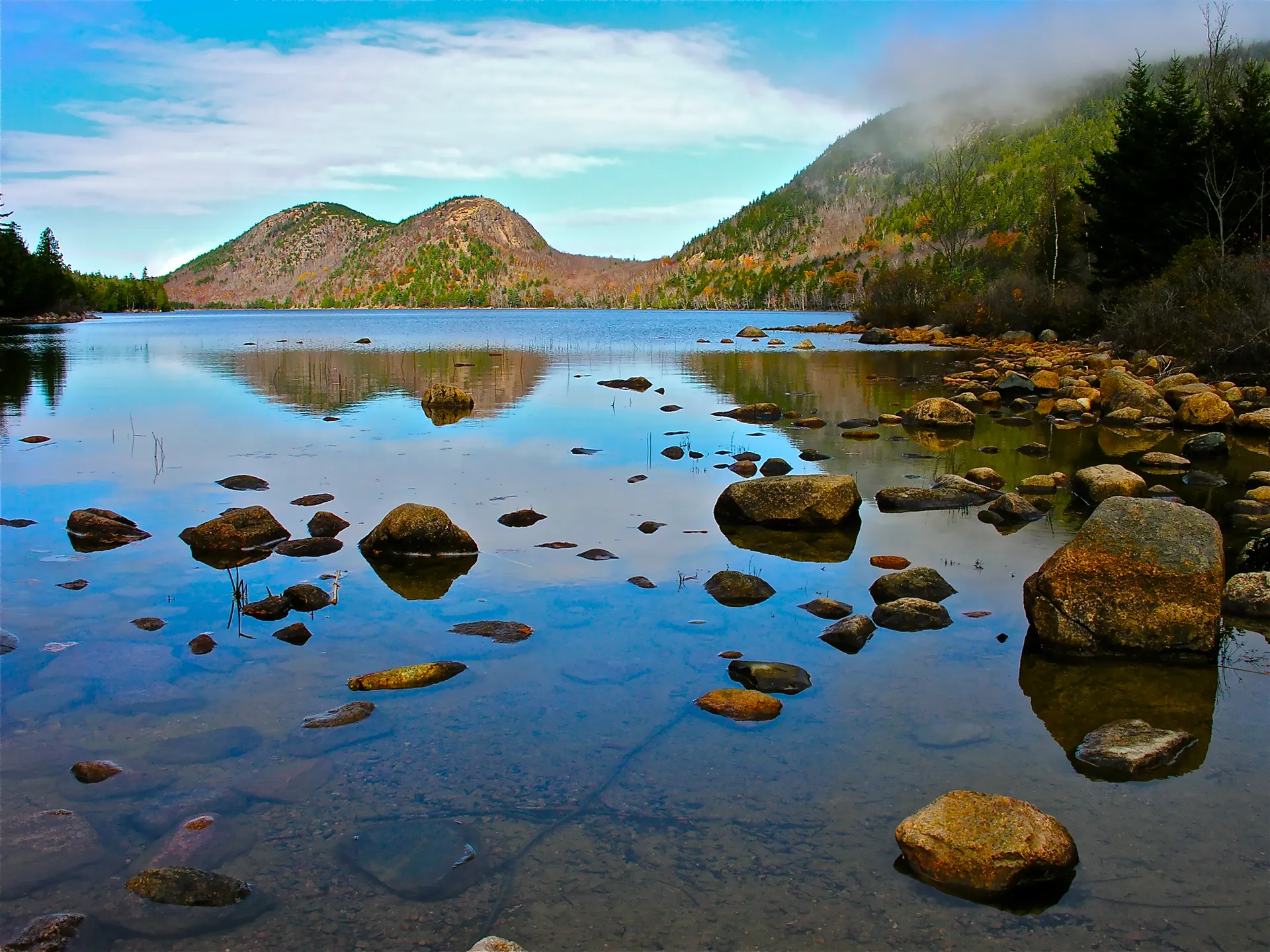
Echo Lake on Mount Desert Island is one of the warmest swimmable lakes in the Acadia area, and paddling it gives you a perspective on the surrounding mountains that you cannot get from shore. Launch from the south end near Echo Lake Beach and paddle beneath Beech Cliff, a sheer rock face that towers over the water. The lake is small enough to circle in an hour, making it perfect for a quick paddle before or after a hike.
Difficulty: Beginner
Carbon shaft, all-day paddling
Rivers: Gentle Floats and Moving Water
6. Saco River
The Saco River between Fryeburg and Brownfield is Maine’s most popular canoe and kayak float, and for good reason. The current does most of the work as you drift past sandy beaches, rope swings, and pine-shaded banks. The water is warm enough for swimming by late June, and the river is wide and gentle with no significant rapids on the main paddle stretch. Outfitters in Fryeburg rent kayaks and arrange shuttles. If you would rather paddle a canoe, the Saco is also one of the routes in our guide to the best canoe trips in Maine, which covers multi-day flatwater runs like the Allagash too.
Difficulty: Beginner (Class I, flatwater with mild current)
7. Presumpscot River
The Presumpscot flows from Sebago Lake to Casco Bay through the greater Portland area, and the lower section from Westbrook to Falmouth has been restored into a surprisingly scenic urban paddle. After the removal of the Smelt Hill Dam, Atlantic salmon and river herring returned, and the banks are lined with mature hardwoods. Launch from Riverton Trolley Park and paddle downstream through a mix of gentle current and flatwater pools.
Difficulty: Beginner to intermediate (some Class I-II sections depending on water level)
8. Kennebec River
The Kennebec between Solon and Bingham offers a more adventurous river paddle through a remote, forested valley. This is not whitewater kayaking, but it is not a lazy float either, expect steady Class I current with occasional riffles. The scenery is northern Maine at its best: bald eagles perching in dead snags, no development on the banks for miles, and water clean enough to filter and drink. Best done as a day trip with a car shuttle.
Difficulty: Intermediate (moving water, remote section)
Packable gear protection
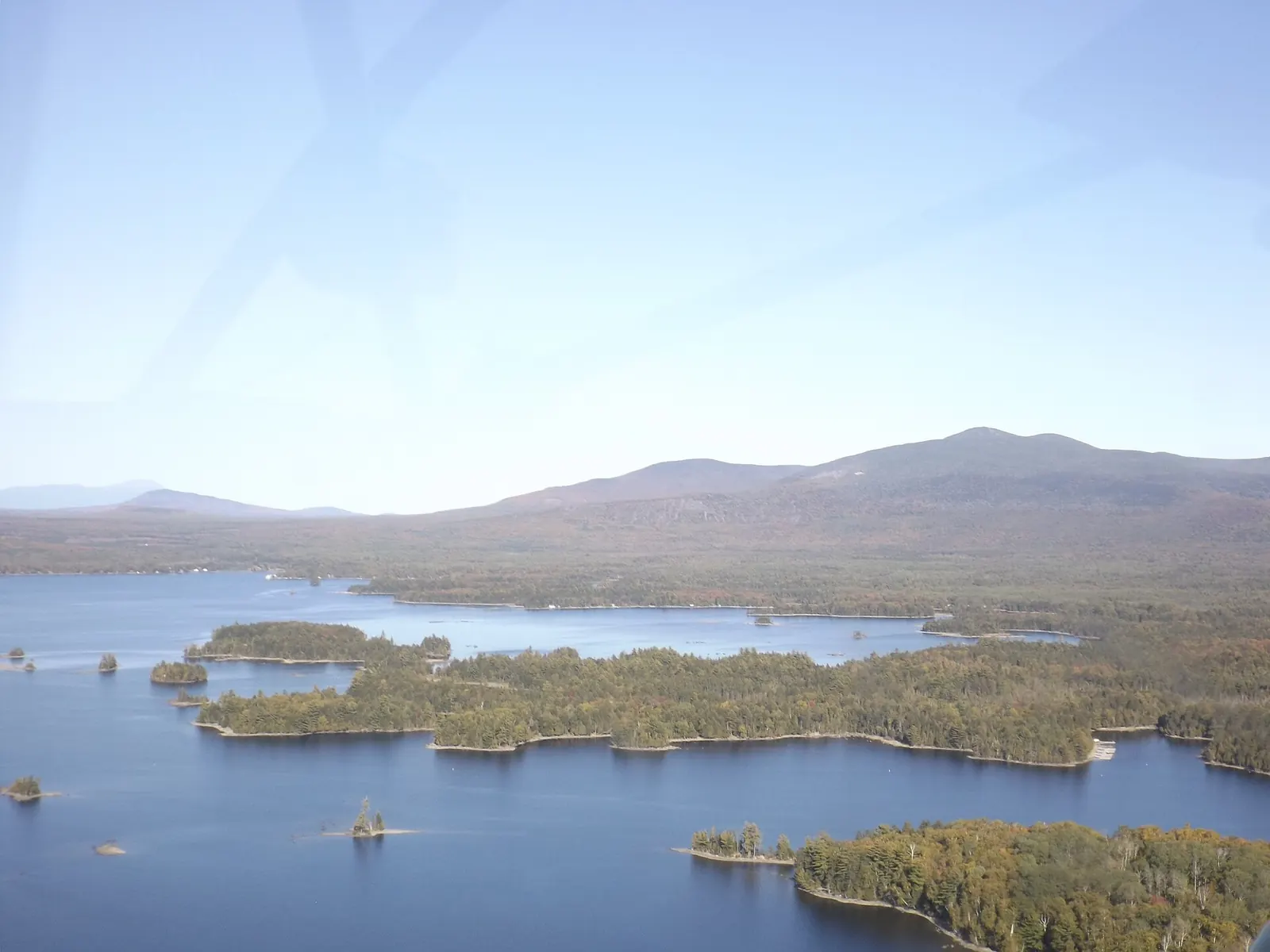
Coastal: Sea Kayaking Maine’s Rocky Shore
The three coastal picks below are the highlights. If salt water is the whole reason you are here, our sea kayaking guide to the Maine coast covers nine coastal destinations in depth, with tide and fog planning for each.
9. Penobscot Bay, Stonington to Isle au Haut
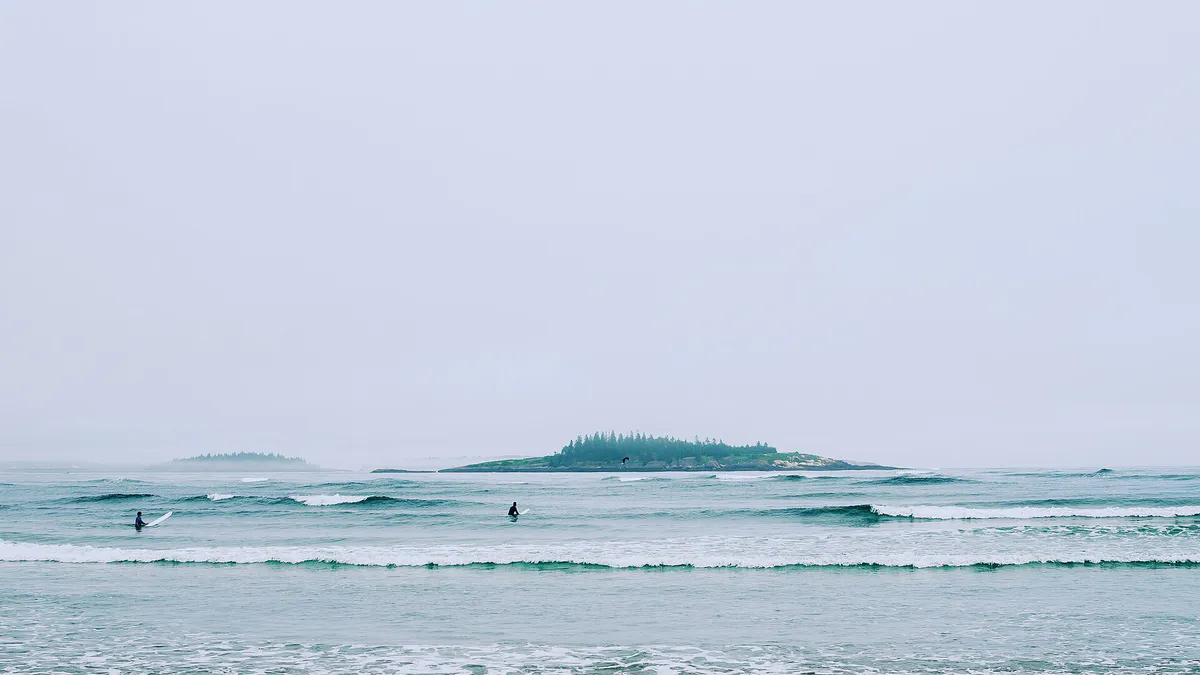
Penobscot Bay is world-class sea kayaking. Launch from Stonington and weave through the Merchant Row archipelago, dozens of small islands with granite shorelines, harbor seals hauled out on ledges, and some of the most dramatic tidal scenery on the East Coast. Several islands have Maine Island Trail campsites if you want to turn it into an overnight. This is exposed ocean paddling and not suitable for beginners.
Difficulty: Advanced (open ocean crossings, tidal currents, fog)
Sea kayaking in Penobscot Bay requires real planning. Check tide charts, file a float plan, and carry a VHF radio. Fog can roll in within minutes and reduce visibility to near zero. If you are new to sea kayaking, hire a guide, several outfitters in Stonington and Castine offer guided trips through the islands.
10. Casco Bay Islands, Portland
Casco Bay has over 200 islands, and a handful of them are within easy paddling distance of Portland. Launch from East End Beach and paddle to Peaks Island, Great Diamond, or explore the smaller uninhabited islands between them. The inner bay is relatively protected, making this the most accessible sea kayaking near a major town in Maine. Watch for lobster boats and ferries, and time your paddle with the tides.
Difficulty: Intermediate (boat traffic, tidal currents, cold water)
11. Schoodic Peninsula and Acadia’s Quiet Side
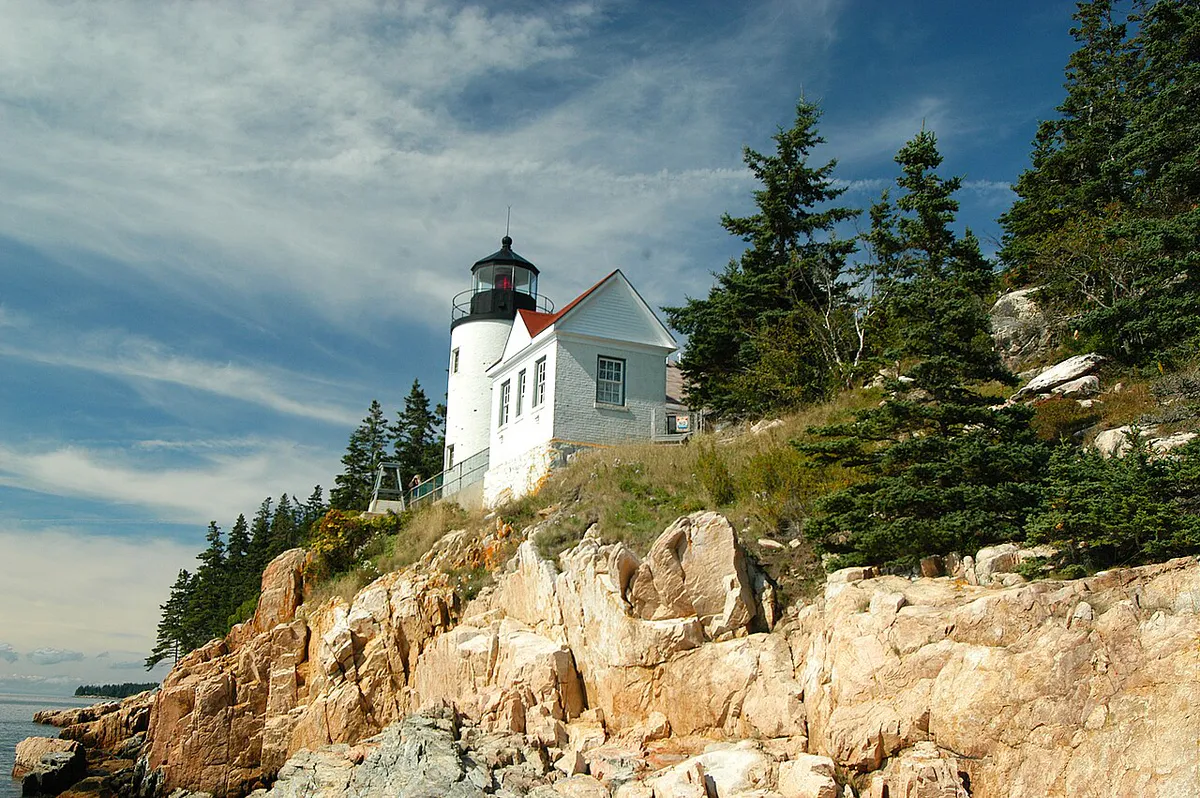
The Schoodic section of Acadia sees a fraction of the visitors that Mount Desert Island gets, and the kayaking reflects that. Launch from Birch Harbor or Winter Harbor and paddle along the granite coastline beneath Schoodic Point. The rock formations are spectacular, pink granite ledges carved by the ocean, tide pools full of sea stars and urchins, and views across Frenchman Bay to Cadillac Mountain. Sheltered coves provide rest stops and picnic spots.
Difficulty: Intermediate to advanced (ocean swell, limited take-out options)
12. Muscongus Bay
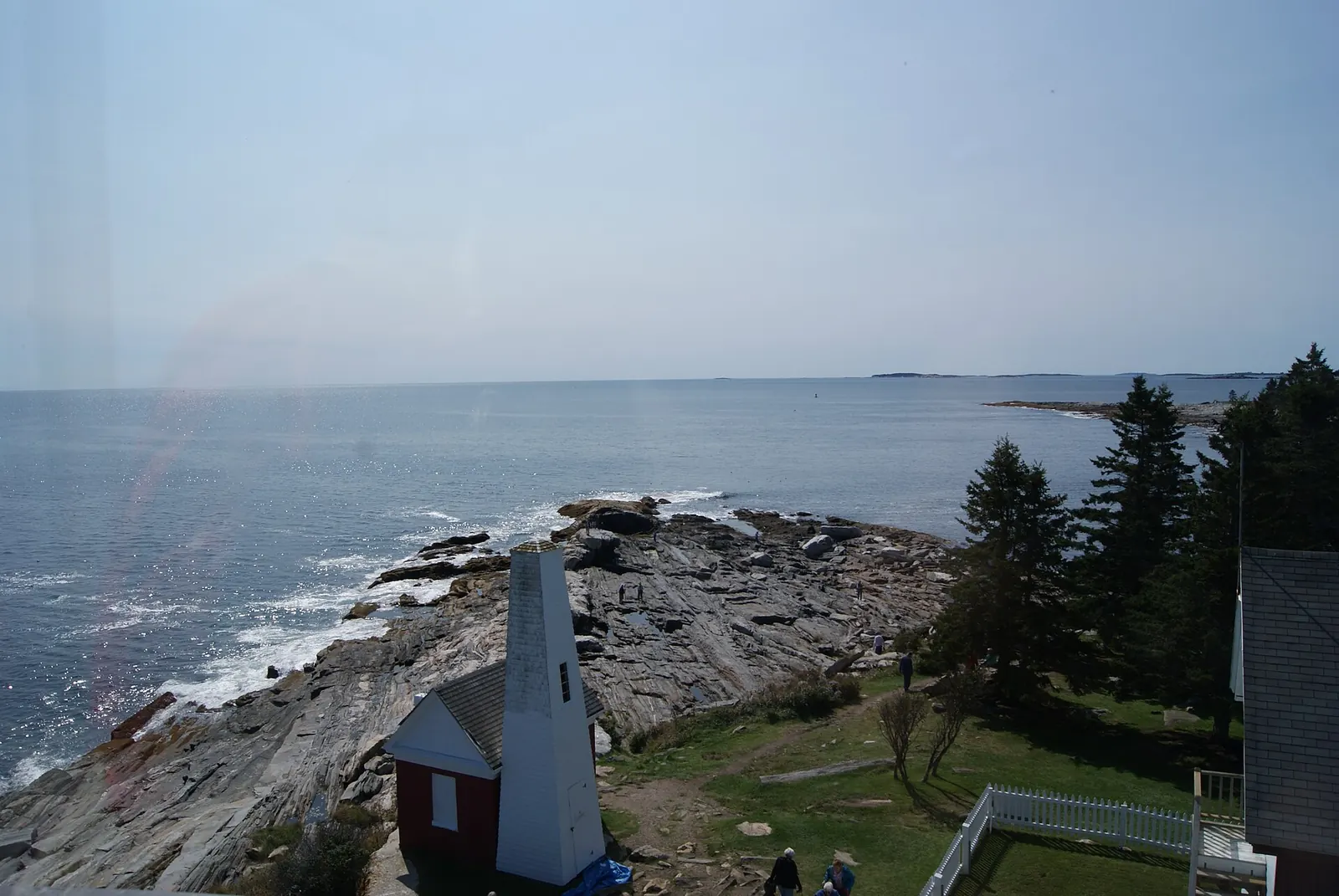
Muscongus Bay between Pemaquid Point and Port Clyde is a quieter alternative to Penobscot Bay with the same spruce-island scenery. The bay is dotted with spruce-covered islands, and the paddling is somewhat more protected than the open waters further east. Harbor seals, osprey, and the occasional bald eagle are regular sights. Launch from Round Pond or New Harbor and explore the outer islands on a calm day.
Difficulty: Intermediate to advanced (open water, fog)
Lake & beach phone protection
Safety: What Every Maine Paddler Needs to Know
Always wear a PFD. Maine law requires a Coast Guard-approved life jacket for every person in a kayak. Wear it, don’t just stow it under the bungees. Cold water kills faster than you think, even in August, ocean water temperatures hover around 55 to 60 degrees, and lake water in northern Maine is not much warmer.
Check the weather before you launch. Afternoon thunderstorms build fast in summer, and wind can turn a calm lake into whitecaps in 30 minutes. On the coast, fog is the bigger concern. It rolls in without warning and can disorient even experienced paddlers.
Understand tides for sea kayaking. Tidal range in Maine varies from 9 to 20 feet depending on location. A beach you launched from at high tide might be a mud flat when you return. Plan your put-in and take-out around the tide cycle, and know that tidal currents through narrow passages can be surprisingly strong.
Tell someone your plan. Leave a float plan with a friend or family member, where you are launching, your route, and when you expect to return. Carry a whistle, a waterproof phone case, and on the ocean, a VHF radio.
Do I need my own kayak to paddle in Maine?
No. Kayak rentals are widely available at popular spots including Sebago Lake, the Saco River, Casco Bay in Portland, and Bar Harbor. Outfitters typically rent sit-on-top kayaks for $40 to $60 per half day and touring kayaks for $60 to $90. Many coastal outfitters also offer guided sea kayaking tours that include all equipment.
When is the best time to kayak in Maine?
June through September is prime paddling season. July and August have the warmest water and longest days, but also the most boat traffic on popular lakes. June offers quieter water but colder temperatures and more blackflies on rivers. September is ideal for experienced paddlers, fewer crowds, mild weather, and early fall color on the lakes.
Is sea kayaking in Maine safe for beginners?
Protected areas like Casco Bay's inner islands and Echo Lake are fine for beginners with basic paddling skills. Open ocean routes like Penobscot Bay and Schoodic require intermediate to advanced skills, including self-rescue, navigation in fog, and comfort in ocean swells. If you are new to sea kayaking, start with a guided trip from an outfitter. They provide instruction, safety equipment, and local knowledge.
What should I bring on a kayaking trip in Maine?
At minimum: a PFD (worn, not stowed), water, sunscreen, a dry bag for your phone and keys, and layers. Maine weather changes fast, and even on warm days you can get cold on the water. For ocean paddling, add a spray skirt, VHF radio, whistle, and a paddling-specific dry suit or wetsuit if the water is below 60 degrees. Always bring more water than you think you need.