

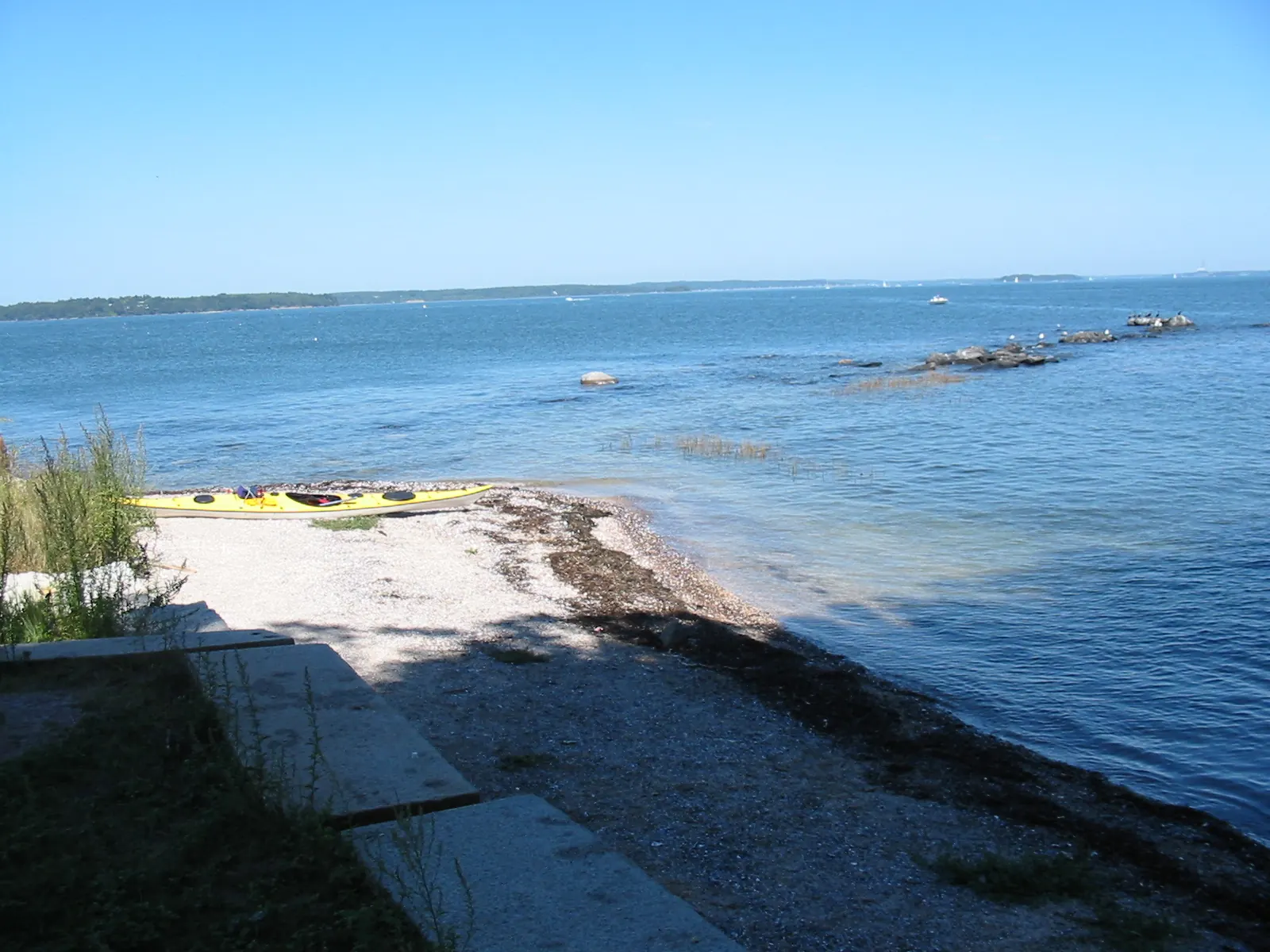
Maine has 3,478 miles of tidal coastline, and a surprising amount of it is world-class sea kayaking water. Island archipelagos you could explore for a decade, working harbors, tidal rivers lined with oyster farms, and a far eastern shore with the biggest tides in the continental United States. We covered lakes, rivers, and a sampler of coastal spots in our best kayaking spots in Maine overview. This guide stays on salt water and goes deeper: nine coastal destinations, what each one is actually like, and the honest skill level each one demands.
That last part matters more on the ocean than anywhere else. The Gulf of Maine stays between 50 and 63 degrees all summer, fog arrives without an appointment, and tidal currents in the eastern bays move faster than most people can paddle. None of that should keep you off the water. It should just decide where you launch and who you go with.
Cold Water First
Before the destinations, the one fact that shapes every decision on this list: the water is cold enough to hurt you in August. A capsize in 55-degree water triggers an involuntary gasp reflex, and swimming ability falls apart within minutes. Cold water, not wind or waves, is the dominant hazard in Maine sea kayaking, and the paddlers who get into trouble are usually the ones who dressed for the air instead of the water.
The baseline: wear your PFD every minute you are on salt water, not stowed under the bungees. Dress so an unplanned swim is uncomfortable rather than dangerous, which means a wetsuit or dry suit any time the water is below 60 degrees. Keep a spare layer, your phone, and car keys sealed in one of the best dry bags for Maine paddling, and on open water carry a VHF radio. File a float plan with someone on shore.
#1Mid-range
NRS Chinook OS PFD
Who it’s forBest PFD for kayaking
Why we picked itA worn PFD is the baseline against cold-water shock
Pros
- Stays on the paddler instead of under deck bungees
- Supports safety in 50-to-63-degree coastal water
And if you are new to open water entirely: book a guided trip. Outfitters in Portland, Boothbay, Castine, Stonington, and Bar Harbor run half-day and full-day tours with stable boats and guides who know the local tides. A guide turns most of the intermediate water on this list into a great first experience instead of a gamble.
The Nine Best Sea Kayaking Destinations in Maine
1. Casco Bay Islands (Portland)
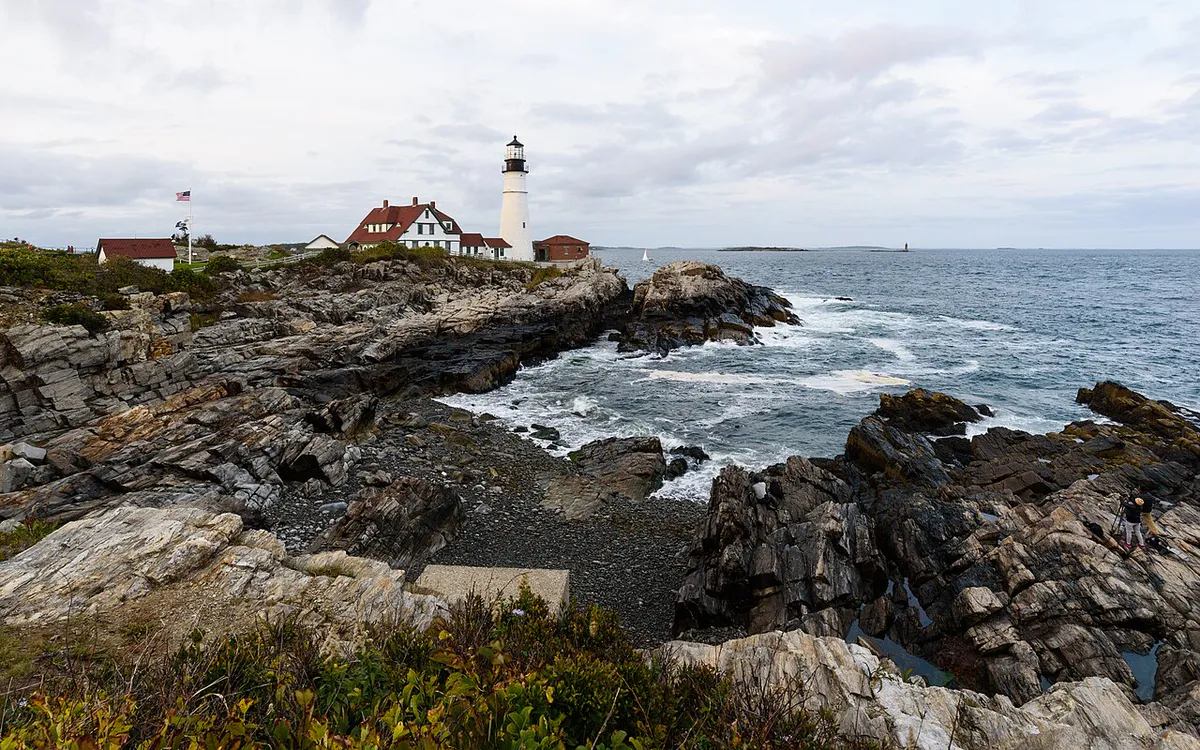
The most accessible sea kayaking in Maine starts at East End Beach in Portland, where you can be paddling past islands within fifteen minutes of leaving a downtown coffee shop. Casco Bay holds more than 200 islands, and the inner ring (Peaks, the Diamonds, Long Island) is close enough together that you are rarely far from a shoreline. The Maine Island Trail route through Casco Bay threads the whole archipelago, and Jewell Island at the outer edge offers WWII observation towers and campsites for paddlers ready for a longer day.
The hazards here are traffic and tide rather than exposure. Ferries run constantly, lobster boats do not alter course for kayaks, and the channels between islands carry real current at mid-tide. Cross channels at right angles, stay visible, and time the day around slack water where you can.
Skill level: Intermediate for the inner islands; the run out to Jewell is for experienced paddlers or guided groups.
2. Boothbay Region Rivers
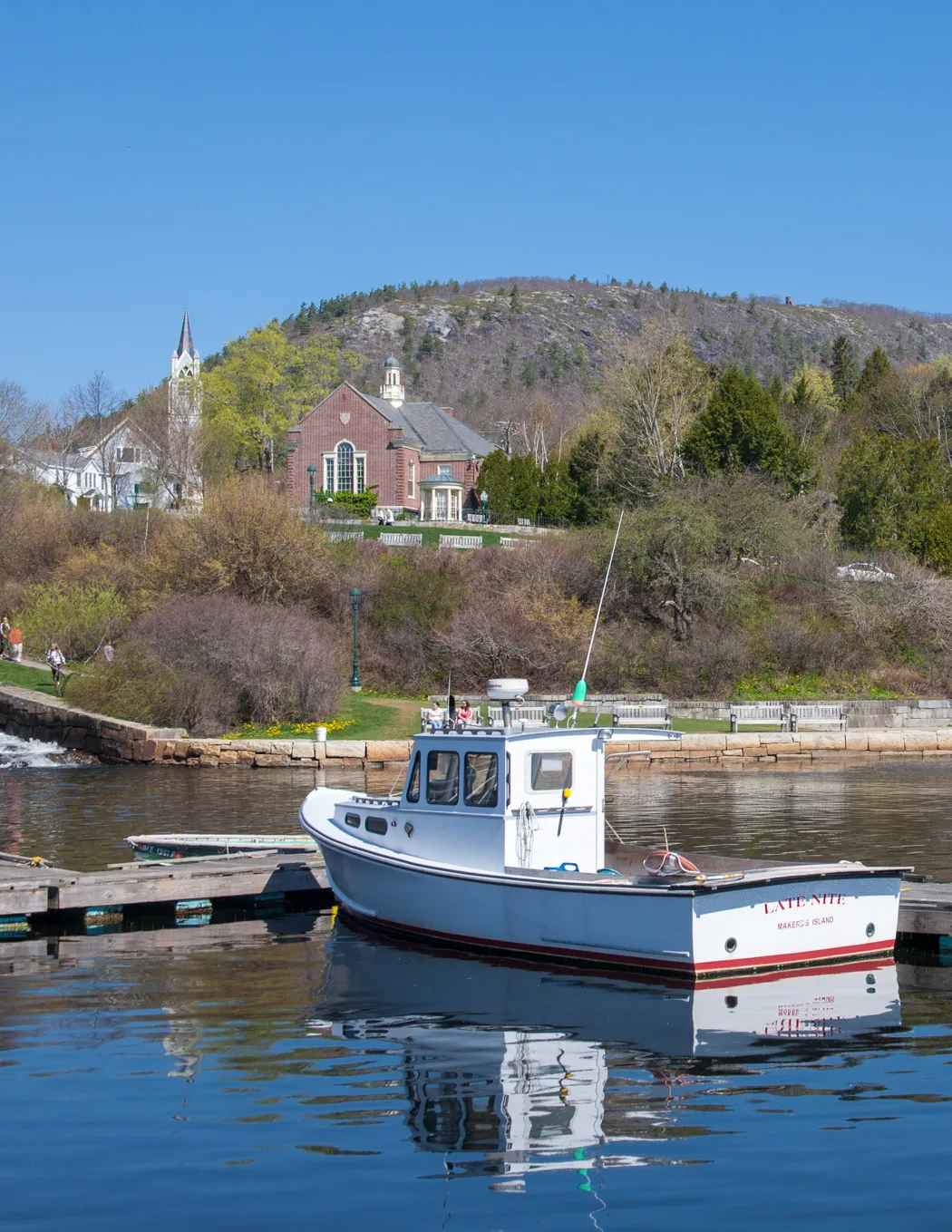
The tidal rivers around Boothbay Harbor are the best place in Maine to build sea kayaking skills on actual salt water without committing to open ocean. The Damariscotta River is the standout: a long, mostly protected estuary lined with oyster farms, where seals follow kayaks and the wooded banks block most of the wind. The Sheepscot River on the other side of the peninsula offers a similar mix of protected reaches and small working harbors.
Protected does not mean current-free. These rivers drain big volumes of tidal water through narrow spots, and paddling against a mid-tide ebb is a workout you only sign up for once. Plan to ride the tide one way and come back on the turn.
Skill level: Strong beginner to intermediate. The most forgiving salt water in this guide.
#2Premium
Advanced Elements AdvancedFrame Convertible
Who it’s forPremium inflatable kayak
Why we picked itAluminum frame gives it real kayak tracking
Pros
- Converts solo to tandem
- Packs in car trunk
- Durable construction
Know before you buy
- Takes 10+ minutes to set up
- Heavier than pure inflatables at 52 lbs
3. Muscongus Bay
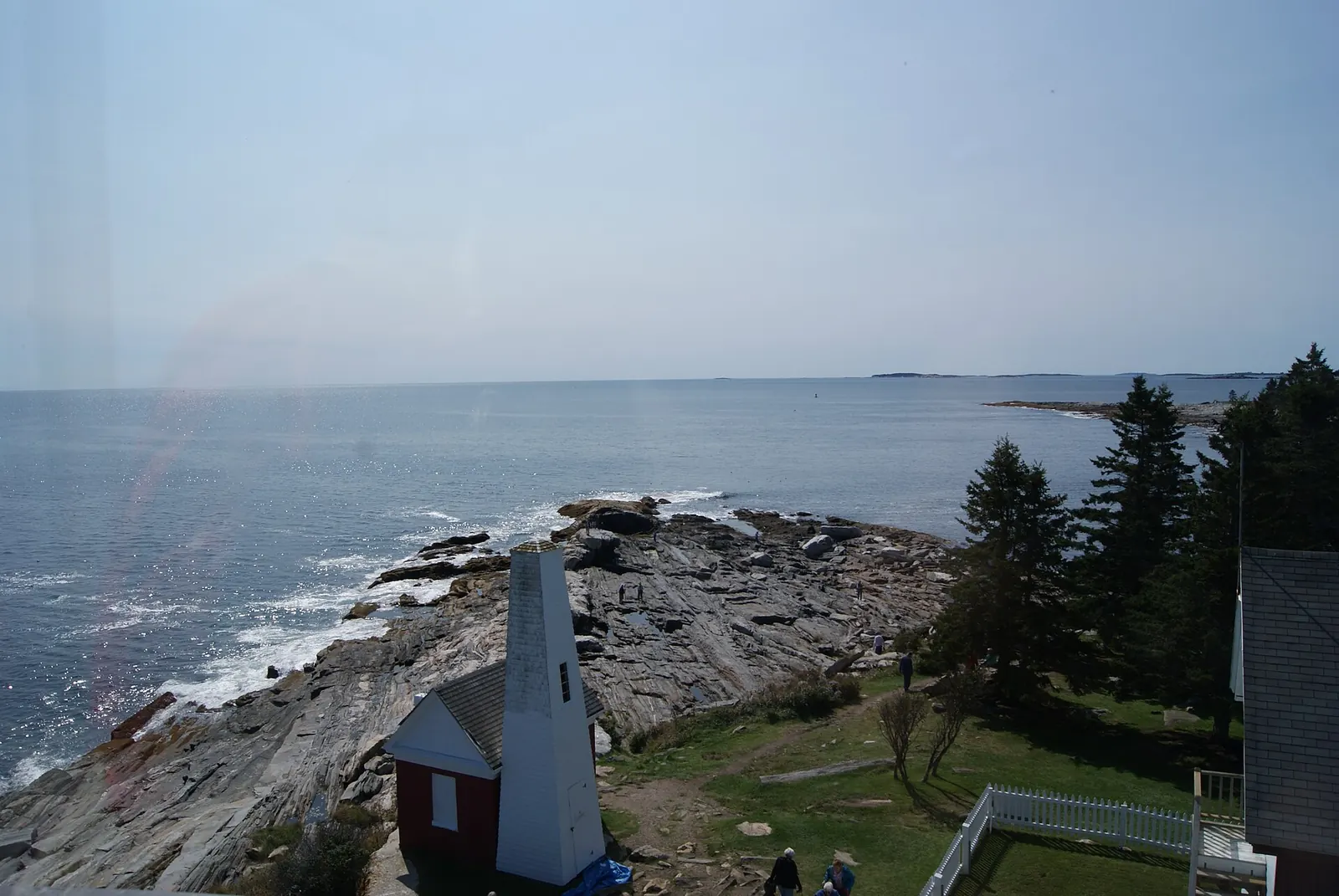
Muscongus Bay, between Pemaquid Point and Port Clyde, is the classic Maine sea kayaking picture: dozens of spruce-topped islands scattered across a bay small enough to read but big enough to spend a week in. The Maine Island Trail route through Muscongus Bay connects a string of islands where overnighting is permitted, and the wildlife density is the best on the midcoast. Harbor seals, osprey, eagles, and in early summer the bay hosts one of the largest Audubon seabird programs on the East Coast around Hog Island.
Launch from Round Pond or New Harbor and you can reach the inner islands within an hour of paddling. The bay is somewhat more sheltered than Penobscot Bay to the east, but fog is a regular guest and the outer islands feel like open ocean when the swell runs.
Skill level: Intermediate on calm days inside the bay; advanced for the outer islands.
4. Warren Island State Park (Penobscot Bay)
Warren Island is the only Maine state park built around paddle-in camping, and it is one of the best overnight sea kayak trips in New England for the effort involved. The launch at Lincolnville Beach puts you about a mile from the island, a crossing in mostly sheltered water between Islesboro and the mainland. On the island: 12 well-spaced campsites, Adirondack shelters facing the sunset over the Camden Hills, a resident caretaker, and seals hauled out on the ledges to the south.
A mile sounds trivial, and on a calm morning it is. But this is still an open crossing in Penobscot Bay, the ferry to Islesboro runs right through the neighborhood, and wind against tide can stand the channel up in the afternoon. Cross early, watch the ferry lane, and treat the return leg with the same respect as the way out.
Skill level: Intermediate, with cold water gear and an early start. Reserve sites ahead in July and August.
5. Castine and the Bagaduce River
Castine is one of the oldest towns in New England, and its harbor opens onto a paddling network most visitors never notice: the Bagaduce River, a tidal river system that winds inland past coves, ledges, and one of Maine’s reversing falls at the Bagaduce Narrows. When the tide turns, the narrows run like a rapid, and local paddlers surf it on purpose. Everyone else times the passage for slack and enjoys a quiet, protected river that feels more like a lake with seals in it.
The harbor itself, with the Maine Maritime Academy training ship at the dock, makes a good short paddle, and outfitters in the area run guided trips on the Bagaduce that handle the timing for you.
Skill level: Intermediate. Beginner-friendly with a guide, as long as the narrows are treated as a planned event rather than a surprise.
6. Stonington and the Deer Isle Archipelago
Ask Maine sea kayakers for the single best place to paddle in the state and most will say Stonington. The harbor opens onto Merchant Row, an archipelago of several dozen pink granite islands scattered toward Isle au Haut, with white shell beaches, seal ledges, and channels that change character with every tide. Strong parties can push on toward Duck Harbor on Isle au Haut, where a remote section of Acadia National Park meets the water. Deer Isle itself adds quiet coves and preserves on the quieter shores.
This is also serious water. The archipelago sits exposed to swell, the lobster fleet here is the busiest in Maine, and Stonington fog is famous for erasing the world in minutes. Carry a compass and a chart, not just a phone.
Skill level: Advanced, or any level with one of the guide services operating out of Stonington. Do not make Merchant Row your first ocean paddle on your own.
7. Frenchman Bay and the Porcupine Islands (Bar Harbor)
The Porcupines sit right off the Bar Harbor waterfront, a cluster of humped, spruce-covered islands with Cadillac Mountain stacked behind them. It is the most scenic backdrop in Maine paddling, and because the islands start so close to town, trips here fit neatly into an Acadia vacation. The sand bar to Bar Island, the cliffs on the outer Porcupines, and the seal and porpoise traffic in the bay fill a half-day tour easily.
Frenchman Bay earns its respect, though. Tidal currents run hard between the islands, tour boats and the occasional cruise ship share the water, and the afternoon sea breeze builds chop fast. This is the destination where a guided trip makes the most sense for the most people, and Bar Harbor has several outfitters running them daily all summer.
Skill level: Intermediate with experience reading current; beginner-appropriate on a guided tour.
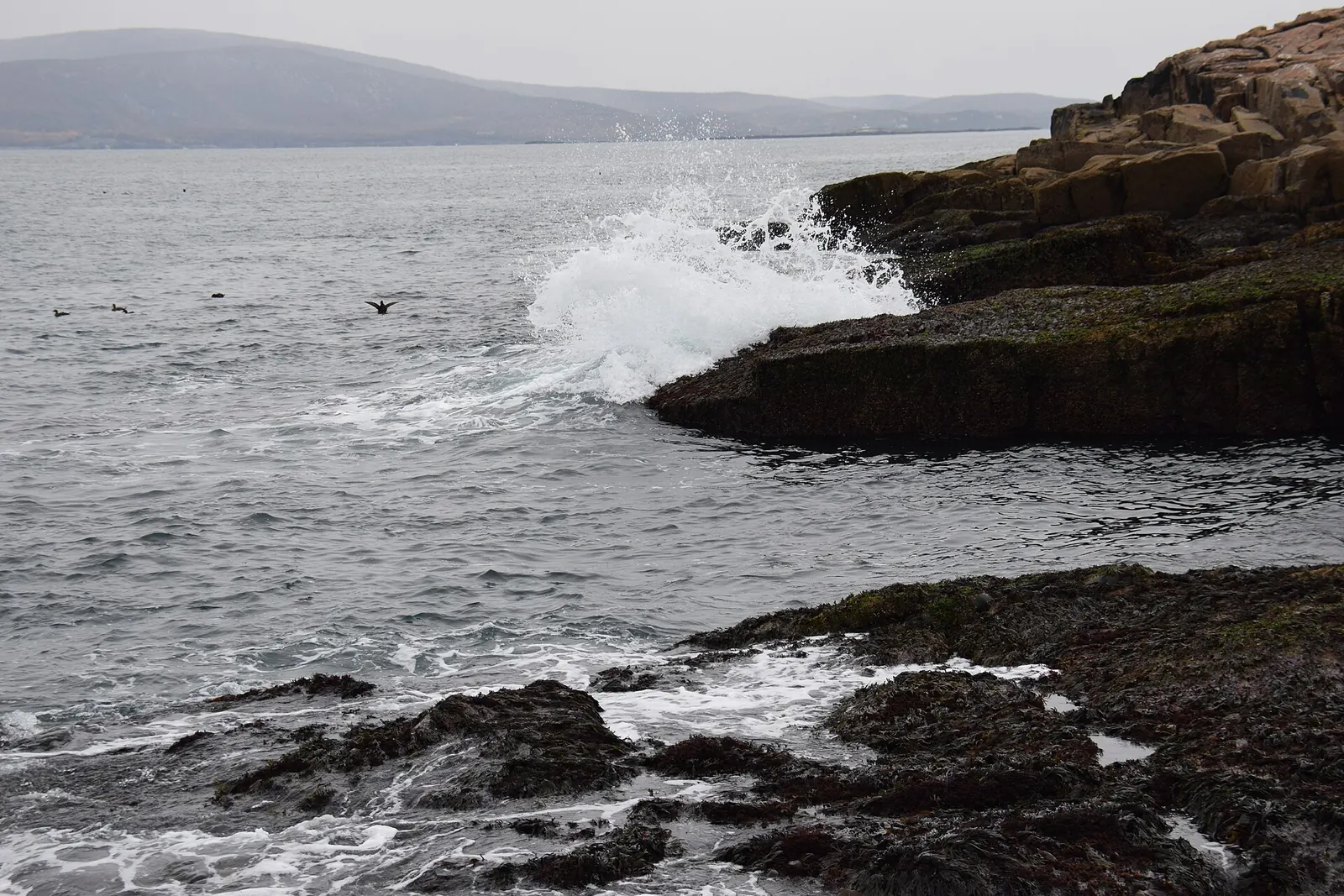
8. The Bold Coast near Lubec (Experts Only)
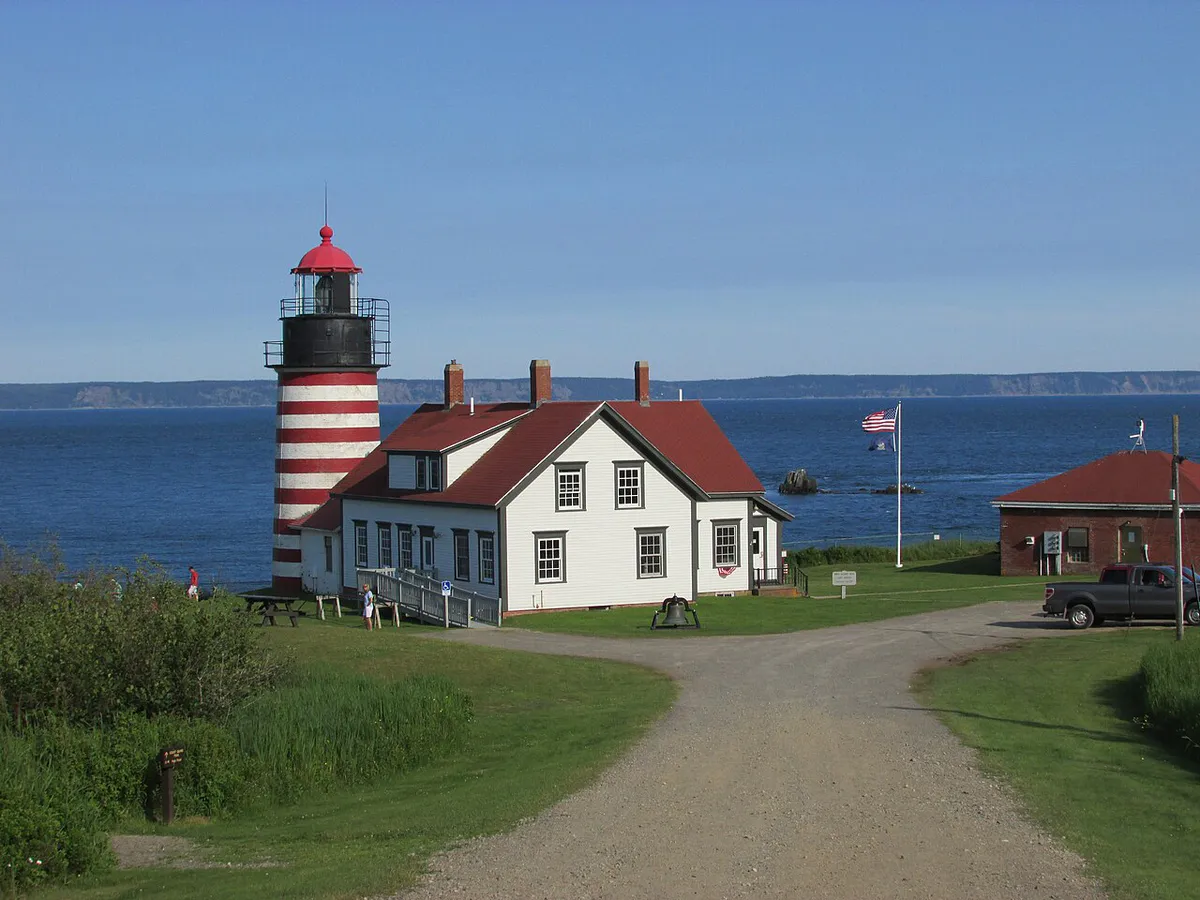
East of Cutler the Maine coast stops being quaint. The Bold Coast is a wall of dark cliffs and headlands running toward Lubec and West Quoddy Head, with tides pushing past 20 feet, currents that funnel through Grand Manan Channel, water that stays bone-cold in August, and miles of shoreline with no place to land. It is also the most dramatic paddling in the state: whales offshore, puffin colonies in the neighborhood, cliffs straight out of the North Atlantic, and almost nobody else on the water.
Every hazard on this list shows up here at full strength and at the same time. Fog can hold for days. The currents do not care what your forecast app said. This is expedition-grade sea kayaking for expert paddlers carrying full immersion gear and the navigation skills to use it blind, and even experts work this shore in short, carefully timed legs.
Skill level: Expert only, or aboard a guided trip with one of the few outfitters working this coast. For everyone else, Quoddy Head State Park serves the same scenery from shore.
9. Cobscook Bay
Cobscook gets its name from a Passamaquoddy word associated with boiling tides, which is accurate advertising. The bay behind Lubec and Eastport fills and empties through narrow passages twice a day on tides that exceed 20 feet, among the largest on the Atlantic coast. At Reversing Falls in Pembroke, the tide literally runs like a whitewater rapid in both directions. For paddlers, the rule is absolute: plan the trip around slack water, stay inside the protected arms of the bay, and be back before the current wakes up.
Time it right and Cobscook is magical. Cobscook Bay State Park has campsites near the water, bald eagles nest in the pines above the campground, and the falling tide exposes flats that draw more shorebirds than people. Eastport, a short drive away, is the easternmost city in the country and worth the detour for chowder alone.
Skill level: Intermediate inside the protected coves at slack water with careful planning; the passages and narrows are expert water. When in doubt, stay near the park shoreline.
Planning Around Tides, Current, and Fog
Tides drive everything on this coast. The range runs 9 to 11 feet around Portland and the midcoast and climbs past 20 feet Downeast. That moving water creates currents through every channel, narrows, and river mouth, and the practical planning tool is the 50/90 rule: a tidal current starts at zero at slack, runs at about half its maximum speed one hour later, about 90 percent of maximum two hours after slack, and peaks at hour three before easing back down on the same curve. The takeaway is that “slack” is a short window. If a crossing or a narrows worries you, be there at the turn of the tide, not two hours into it.
Fog is the other planner. It is most common in early summer when warm air sits over cold water, and it can drop visibility to a boat length while you are eating lunch on an island. Carry a deck compass and a chart, note your bearings before the fog arrives, and keep a sound signal reachable. A handheld GPS or phone helps, but batteries and touchscreens fail wet, so the compass is the tool you actually plan around.
Two more pieces of Maine-specific homework. First, the Maine Island Trail Association maintains a 375-mile water trail with island campsites and day-use sites along most of this coast; membership gets you the guide and supports the stewardship that keeps those islands open. Second, a beach that existed at your launch may be mud or ledge when you return. Check the tide table before you decide where and when to land.
#3Budget
Sea to Summit Hydraulic Dry Bag (35L)
Who it’s forBest dry bag for kayaking
Why we picked itSeals spare layers, phone, and keys against cold salt water
Pros
- Keeps emergency layers dry
- Protects a phone and car keys
- Adds a dry reserve when fog or tide extends the day
Plan trips to ride the tide instead of fighting it. Paddle up a tidal river on the last of the flood, eat lunch through slack, and ride the ebb home. The same trick works on coastal runs with the current. You will cover more water with less effort and arrive at constrictions when they are calm instead of boiling.
On Long Days, the Paddle Matters
One gear note specific to sea kayaking: distances on the coast are longer than they look, and a heavy paddle taxes shoulders that still need to work when the wind comes up on the return leg. A light paddle is the upgrade coastal paddlers feel most, and a four-piece breakdown stows as a spare on deck, which is standard practice for open water.
#4Premium
Aqua-Bound Sting Ray Carbon 4-piece
Who it’s forPackable for travel & inflatables
Why we picked itExtremely lightweight carbon shaft
Pros
- Efficient low-angle stroke
- 4-piece breakdown for travel
- Comfortable grip
Know before you buy
- Fiberglass blades can chip on rocks
- Expensive for recreational use
For full reviews of boats, PFDs, and the rest of the kit, see our best kayaking gear for Maine guide.
Never paddle open coastal water alone, and never skip the float plan. Tell someone your launch point, route, and return time. Cell coverage is unreliable on much of this coast, especially Downeast, so a VHF radio is the real safety line on the outer islands. If conditions look marginal at the launch, they will be worse two miles out. Turn the day into a protected-water paddle and come back for the crossing another time.
Frequently Asked Questions
What is the 50-90 rule in sea kayaking?
The 50/90 rule is a way to estimate tidal current speed through a six-hour tide cycle. At slack water the current is near zero. One hour after slack it runs at about 50 percent of its maximum speed, two hours after slack it reaches about 90 percent, and three hours after slack it peaks at 100 percent. It then eases back down the same way: roughly 90 percent at hour four, 50 percent at hour five, and slack again around hour six. Paddlers use it to time passages through narrows and channels, because the safe window at slack is shorter than most people assume.
Is sea kayaking in Maine safe for beginners?
On the right water, yes. Protected areas like the inner Casco Bay islands and the Damariscotta River are appropriate for strong beginners on calm days, and a guided tour makes destinations like Frenchman Bay or Muscongus Bay reasonable for a first ocean paddle. What is not safe is a beginner heading onto open coastal water alone. Cold water, fog, and tidal current punish small mistakes here, so build skills on protected water and hire a guide for the exposed stuff.
What month is best for sea kayaking in Maine?
August and early September are the sweet spot. The ocean reaches its warmest of the year (low 60s in the south, colder Downeast), fog is less frequent than in June and July, and September adds quieter water and the first fall color on shore. June paddling is beautiful but foggy and cold; experienced paddlers in immersion gear get the coast to themselves in late September and October.
Do I need a wetsuit to kayak in Maine?
On the ocean, effectively yes for most of the season. The Gulf of Maine stays between 50 and 63 degrees all summer, and the standard guidance is to dress for immersion any time the water is below 60 degrees. That means a wetsuit at minimum, and a dry suit for spring, fall, and the colder Downeast water. Dressing for the air temperature instead of the water temperature is the most common serious mistake in Maine sea kayaking.
Can you camp on the islands you paddle past?
On many of them, yes, legally and free. Warren Island State Park is reservable paddle-in camping, and the Maine Island Trail Association maintains a network of island campsites and day-use sites along the whole coast for members. Most other islands are private, so do not assume an empty beach is open for the night. Carry out everything, keep fires to designated sites, and respect seasonal seabird nesting closures.
How big are the tides on the Maine coast?
It depends where you are. Around Portland and the midcoast the range runs about 9 to 11 feet, which is already enough to turn a launch beach into a mudflat. Downeast the range grows fast, and in Cobscook Bay and the waters around Lubec and Eastport it exceeds 20 feet, among the largest tides on the Atlantic coast. Bigger range means stronger currents, so the farther east you paddle, the more the tide table runs your schedule.