

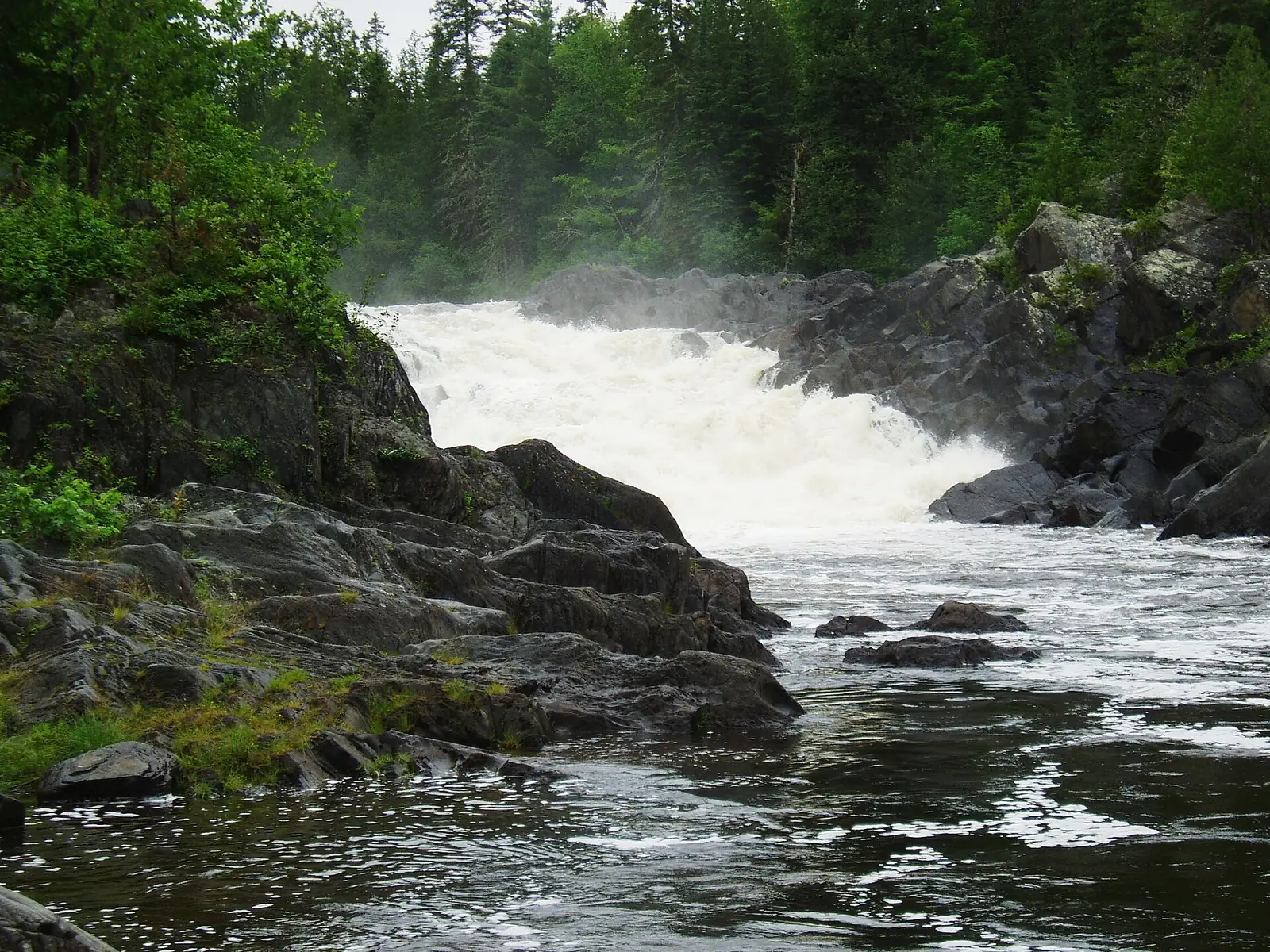
Maine is the best canoe-tripping state in the country, and it is not close. The north woods hold hundreds of miles of connected lakes, ponds, and rivers with established campsites, almost no road access, and the kind of solitude that has mostly vanished elsewhere. You can spend two weeks paddling and barely see another person.
If you want the short answer: the Allagash Wilderness Waterway is the legendary multi-day trip, 92 miles of true wilderness over a week or more. The Moose River Bow Trip is the best loop, a 34-mile circuit that needs no shuttle. The St. Croix River Downeast is the friendliest multi-day river for less experienced groups. And the Saco River in the foothills is the beginner’s day float, warm, sandy, and forgiving. Below are the six routes worth planning a trip around, sorted from a single day to two weeks.
These are flatwater and mild-water canoe trips, the kind you can do in a tandem canoe loaded with camping gear. They are not whitewater runs. A few have short rapids or portages, noted where they matter.
The 6 Best Canoe Trips in Maine
| Trip | Length | Days | Difficulty | Shuttle? |
|---|---|---|---|---|
| Saco River (Fryeburg-Brownfield) | Day to overnight | 1-2 | Beginner | Yes (or rent) |
| Moose River Bow Trip | 34 mi loop | 3 | Intermediate | No (loop) |
| St. Croix River | ~75 mi possible | 3-5 | Beginner-intermediate | Yes |
| Penobscot (West Branch) | Multi-day | 3-7 | Intermediate | Yes |
| Allagash Wilderness Waterway | ~92 mi | 7-10 | Intermediate (remote) | Yes |
| Northern Forest Canoe Trail (ME) | Sections of 740 mi | Days to weeks | Varies | Varies |
1. Saco River: The Beginner Day Float
Length: A few hours to an overnight | Difficulty: Beginner | Where: Fryeburg to Brownfield
The Saco is where most Mainers learned to canoe. The stretch from Fryeburg down to Brownfield, in the western foothills near the New Hampshire line, is wide, gentle flatwater with a mild current and no significant rapids. The current does most of the work. You drift past sandy beaches, pine banks, and rope swings, and the water is warm enough to swim by late June, which is rare for Maine.
This is the trip for a first-timer, a family, or a casual afternoon. Outfitters in the Fryeburg and Conway area rent canoes and run shuttles, so you do not even need your own gear or a second car. You can make it a few-hour float or string several days of beaches into an overnight with riverside camping.
Paddle the Saco on a weekday if you can. On hot summer weekends it is the most popular river in the state, and the beaches and the river fill up with tubers and rental fleets. Midweek you get the same gentle water and sandy beaches with a fraction of the crowd.
2. Moose River Bow Trip: The Best Loop
Length: 34-mile loop | Difficulty: Intermediate | Where: Jackman area, western Maine
The Moose River Bow Trip is the classic Maine weekend canoe trip, and its best feature is that it is a loop. You put in at Attean Pond near Jackman, paddle and portage over to Holeb Pond, run down the Moose River, and come back around to where you started. No shuttle, no second car, no logistics. Most people take three days.
The route has a little of everything: open lake paddling, river miles, two portages (one about 1.2 miles, one short), and some Class I to II rapids you can run or carry around. Moose sightings are common, which is how the trip got its name. It is a real wilderness trip but a manageable one, and the no-shuttle loop makes it the easiest multi-day route to organize.
The 1.2-mile portage between Attean and Holeb ponds is the hardest part of the Moose River loop. Pack so you can carry your gear in as few trips as possible, and consider a portage yoke for the canoe. Doing it early in the day, before you are tired, makes the whole trip easier.
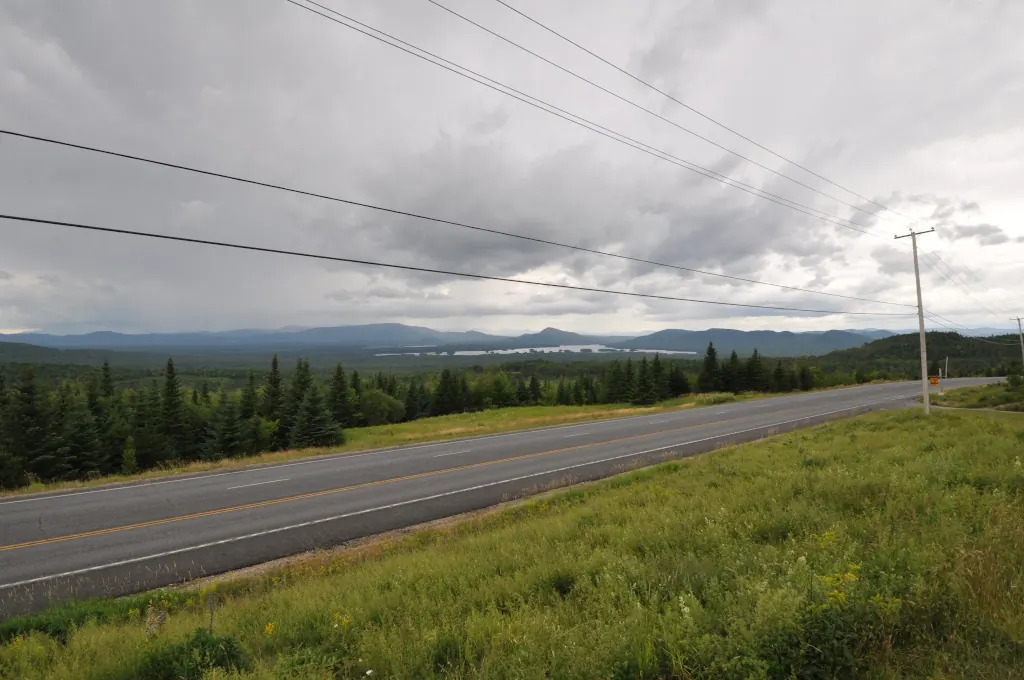
3. St. Croix River: The Friendliest Multi-Day River
Length: Up to ~75 miles | Difficulty: Beginner to intermediate | Where: Downeast, Maine-New Brunswick border
The St. Croix forms the international border between Maine and New Brunswick for its entire length, and it is one of the best rivers in the East for a first multi-day trip. You launch at Vanceboro and paddle south with Canada on your right bank the whole way. Dam-regulated flow keeps the river paddleable through the open-water season, and the upper river has no portages, so you can settle into a rhythm.
There are stretches of Class I and II rapids, enough to keep it interesting without being intimidating, and they are mostly forgiving. Bald eagles, ospreys, and moose are common. Established campsites line the river. It is a popular trip with guided groups because it forgives the mistakes that bigger wilderness rivers punish, which makes it a great step up from the Saco before you tackle the Allagash.
4. Penobscot River, West Branch: The Big North Woods River
Length: Multi-day | Difficulty: Intermediate | Where: West of Baxter State Park
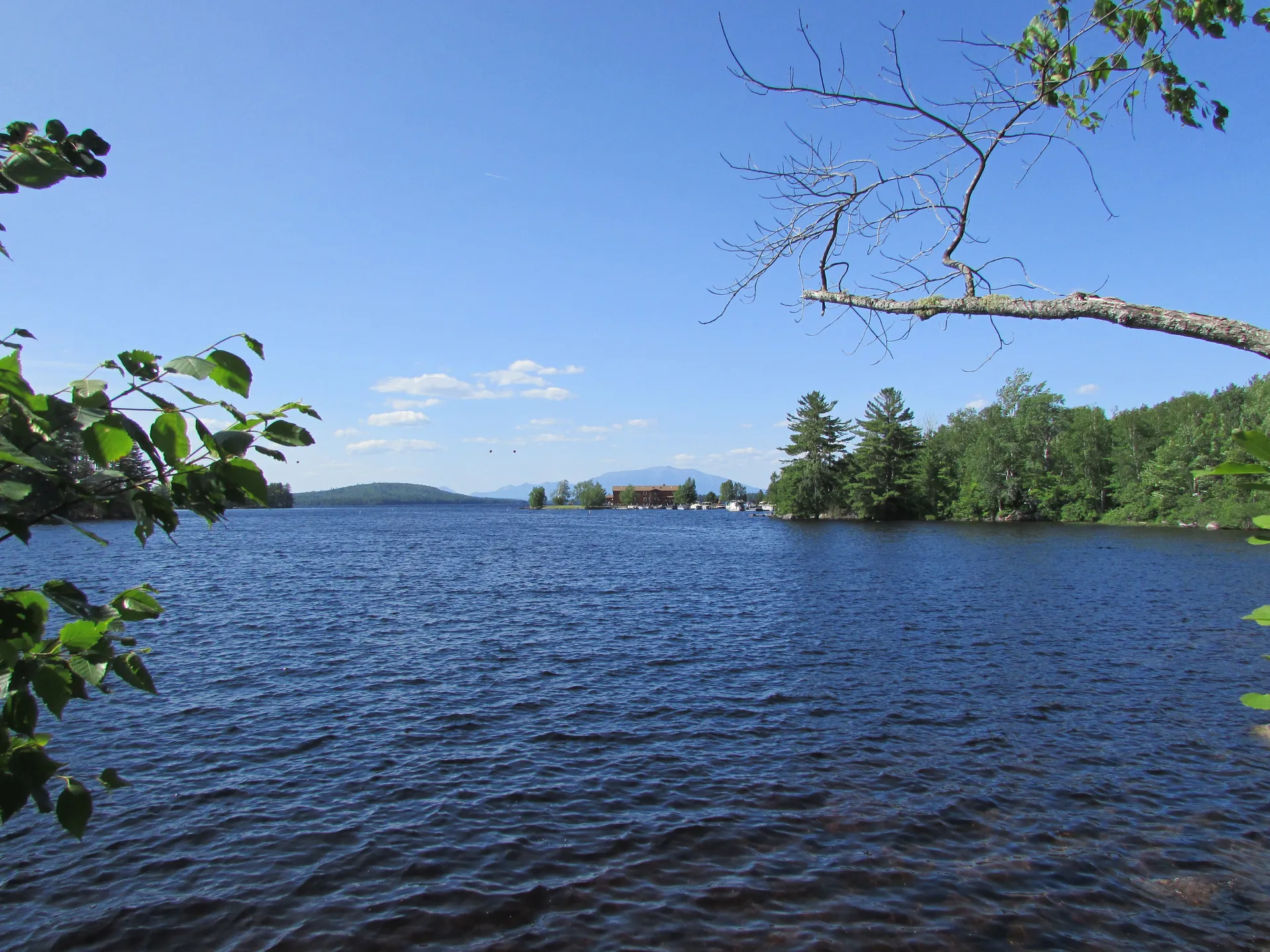
The Penobscot is Maine’s great river system, and the West Branch above the whitewater section is classic north-woods canoe-tripping. You paddle big water through remote timberland with Katahdin on the horizon, linking ponds and river miles with established campsites along the way. Lobster Lake and the stretches around it are favorites for a slower trip that mixes lake paddling with river current.
This is wilderness paddling: limited access, no services, and real consequences if something goes wrong. The flatwater sections are well within reach of an intermediate tripper, but the West Branch also has serious whitewater gorges that canoe campers must portage around or avoid entirely. Know exactly which sections you are paddling and where the dangerous water starts.
The West Branch of the Penobscot includes major whitewater (Ripogenus Gorge and the rapids below it) that is for expert whitewater paddlers only, not loaded canoe campers. Plan your route so you take out or portage well above the dangerous sections. People have died running water they did not scout. If you are not certain, hire a Registered Maine Guide or join an outfitted trip.
5. Allagash Wilderness Waterway: The Legendary One
Length: About 92 miles | Difficulty: Intermediate, very remote | Where: Far northern Maine
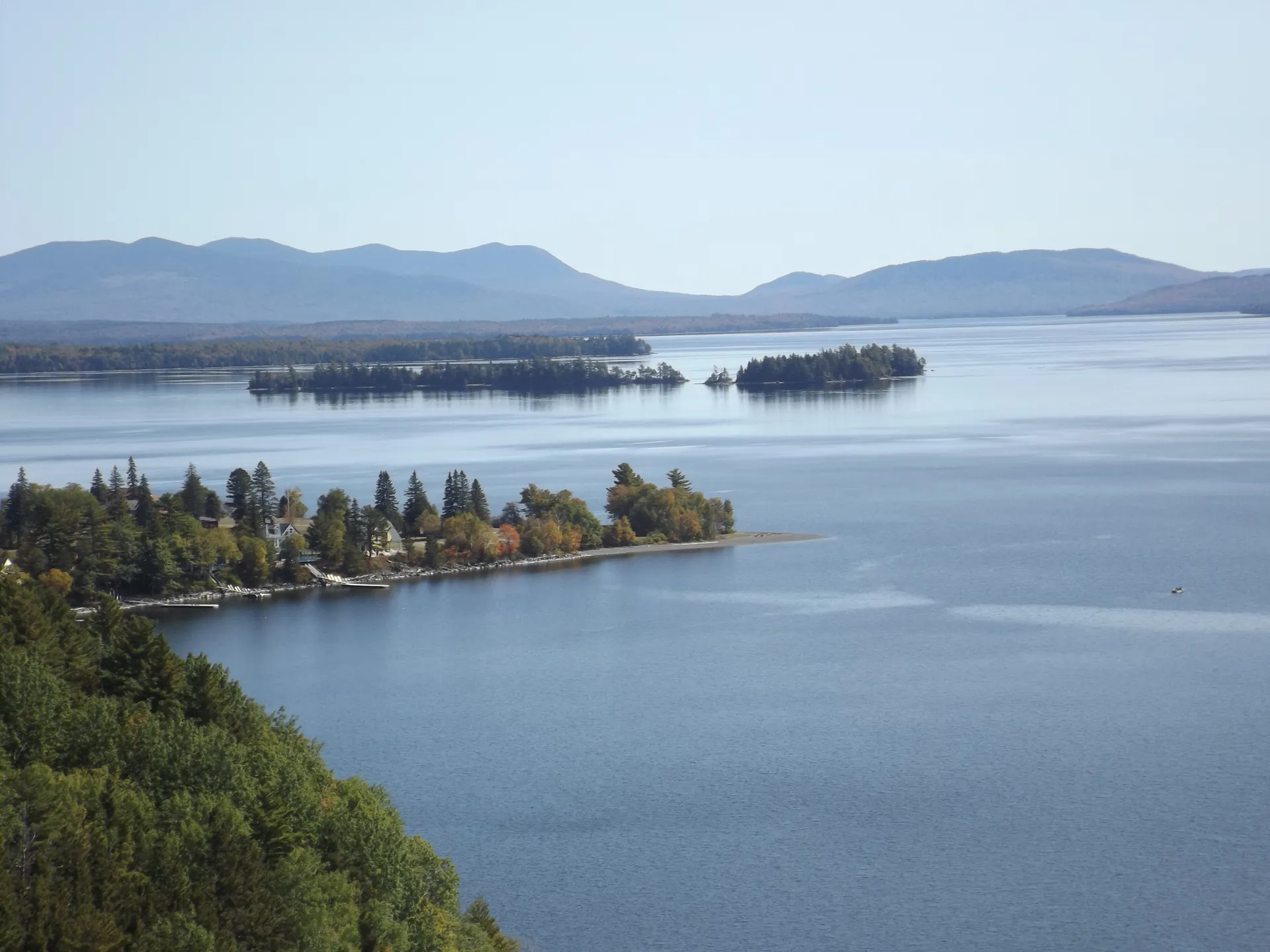
The Allagash is the trip every Maine canoeist wants to do. It is a 92-mile ribbon of lakes, ponds, and river through the North Woods, protected as the Allagash Wilderness Waterway, and it runs from the Telos Lake area north to near Allagash village. Most people take a week to ten days. You self-register at the put-in and pay a per-night camping fee. There are no stores, no road crossings for long stretches, and no cell service. It is as close to true wilderness as you can get in the eastern United States.
The paddling itself is mostly flatwater and mild current, with one notable rapid section (Chase Rapids below Churchill Dam) that the rangers can run your gear around if you ask. The challenges are the wind on the big lakes, the remoteness, and the self-sufficiency the trip demands. This is not a first canoe trip. Do the Saco, the Moose River, or the St. Croix first, then do the Allagash when you are ready to be genuinely on your own for a week.
On the big Allagash lakes (Chamberlain, Eagle, Churchill), wind is the real obstacle, not current. Afternoon wind can build waves that pin you on shore for hours. Experienced trippers paddle the big-lake crossings early in the morning when the water is calm, then take the sheltered river miles in the afternoon. Build flex days into your schedule for wind delays.
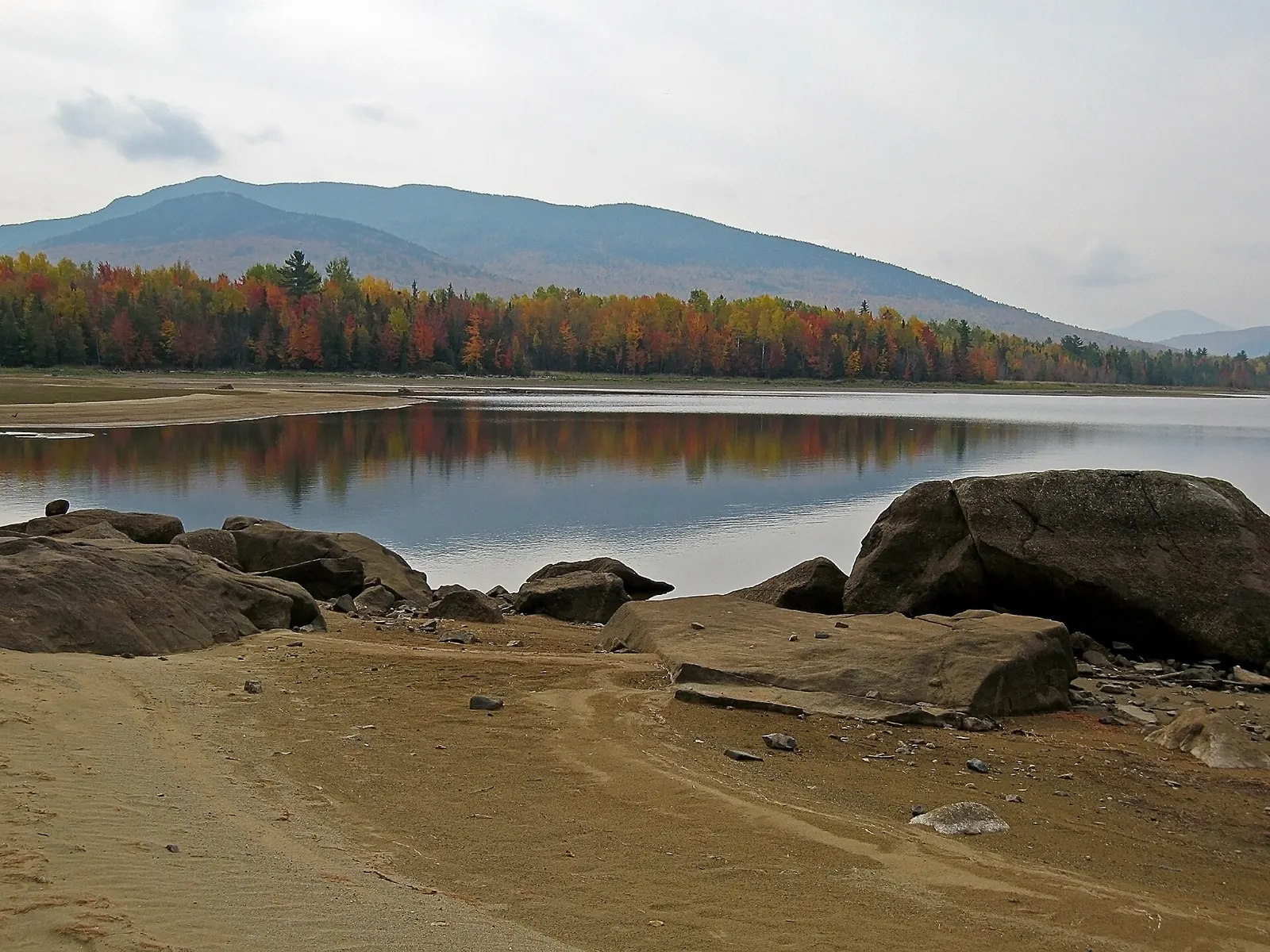
6. Northern Forest Canoe Trail (Maine Sections): The Long Haul
Length: Sections of a 740-mile trail | Difficulty: Varies by section | Where: Western Maine to Fort Kent
The Northern Forest Canoe Trail is the longest inland water trail in the country, running 740 miles from Old Forge, New York, to Fort Kent in far northern Maine. Maine holds the longest stretch of the trail, and you do not have to thru-paddle the whole thing to enjoy it. The trail is broken into mapped sections with marked portages, campsites, and access points, so you can pick a Maine section that matches your skill and your schedule.
The Maine sections link some of the routes already on this list, including stretches of Moosehead Lake and the West Branch of the Penobscot, and they string together the kind of connected lake-and-river paddling the state is famous for. The published trail maps are excellent and make planning a custom multi-day trip straightforward. Treat the difficulty as section-dependent: some are gentle lake paddles, others involve upstream poling and serious portages.
How to Pick Your Trip
Match the trip to your experience honestly. The Saco is a true beginner float. The Moose River Bow Trip and the St. Croix are the right next step, with enough river and remoteness to feel like real trips but with manageable logistics. The Penobscot and the Allagash are committing wilderness routes that demand self-sufficiency, navigation, and the judgment to read water and weather. The Northern Forest Canoe Trail lets you build to any level.
A Registered Maine Guide is worth it for the bigger wilderness trips, especially your first time. Guides handle the shuttle logistics, know the campsites and the water, and turn a complicated trip into a relaxed one. For the Saco and the Moose River, most groups do fine on their own.
What to Pack for a Maine Canoe Trip
The gear that matters most on a Maine canoe trip is the gear that keeps you dry and floating. Everything else is comfort.
- A PFD for every paddler, worn, not stowed. Maine water is cold even in summer, and a life jacket only works if you have it on. See our PFD and life jacket guide.
- Dry bags for everything that cannot get wet. Sleeping bag, clothes, food, and electronics all go in dry bags or dry barrels. Canoes flip, rain happens, and waves break over the bow on big lakes. Our Maine dry bag guide covers sizes and how to pack a boat, and the canoe gear guide covers the rest of the kit.
- The right canoe and paddling kit for the trip. Tripping canoes, paddles, painter lines, a bailer, and a portage yoke for trips with carries. See our canoe gear guide for the full setup.
- A way to treat water and store food. A filter or treatment for drinking water, and a plan for keeping food away from bears in the backcountry.
On the Allagash and Penobscot lakes, keep your load low and centered, and tie or clip your gear into the canoe so a capsize on a windy crossing does not scatter your kit across the lake. A swamped canoe full of secured dry bags is recoverable. A swamped canoe with gear floating away is a real emergency.
Frequently Asked Questions
What is the best canoe trip in Maine?
The Allagash Wilderness Waterway is the most famous, a 92-mile wilderness route over about a week to ten days. The Moose River Bow Trip is the best shorter trip because it is a 34-mile loop that needs no shuttle. For beginners, the Saco River day float is the place to start. The best trip for you depends on how much experience and time you have.
What is the best beginner canoe trip in Maine?
The Saco River between Fryeburg and Brownfield. It is wide, gentle flatwater with a mild current and no significant rapids, sandy beaches the whole way, and water warm enough to swim by late summer. Outfitters in the area rent canoes and run shuttles, so you need no gear or planning. It works for families and first-timers.
How long does it take to canoe the Allagash?
Most people take seven to ten days to paddle the full 92-mile Allagash Wilderness Waterway. The pace depends on the wind on the big lakes, which can pin you on shore for hours, so experienced trippers build in flex days. Shorter trips paddling only part of the waterway are also common.
Do you need a guide for a Maine canoe trip?
Not legally, but a Registered Maine Guide is worth it for the big wilderness trips like the Allagash and the Penobscot, especially your first time. Guides handle shuttles, know the campsites and the water, and reduce the risk on remote, committing routes. For the Saco and the Moose River Bow Trip, most groups manage well on their own.
When is the best time for canoe tripping in Maine?
June through September. June has high, cold water and black flies but green woods. July and August are warmest and best for swimming. September brings cooler nights, fewer bugs, and foliage, and many trippers consider it the best month. Water levels on dam-regulated rivers like the St. Croix stay paddleable all season; free-flowing rivers can run low by late summer.
Are there whitewater rapids on these trips?
Mostly no, but check each route. The Saco and the lake sections are flatwater. The Moose River Bow Trip and the St. Croix have some Class I to II rapids you can run or portage. The West Branch of the Penobscot includes serious whitewater (Ripogenus Gorge) that loaded canoes must avoid entirely. The Allagash is mostly flatwater with one managed rapid section below Churchill Dam.
More Maine Paddling
- For sea kayaking instead of canoeing, see sea kayaking the Maine coast.
- For day paddles on lakes and easy water, read best kayaking spots in Maine.
- Planning a wilderness trip? Pair it with remote camping spots in the Maine wilderness.