

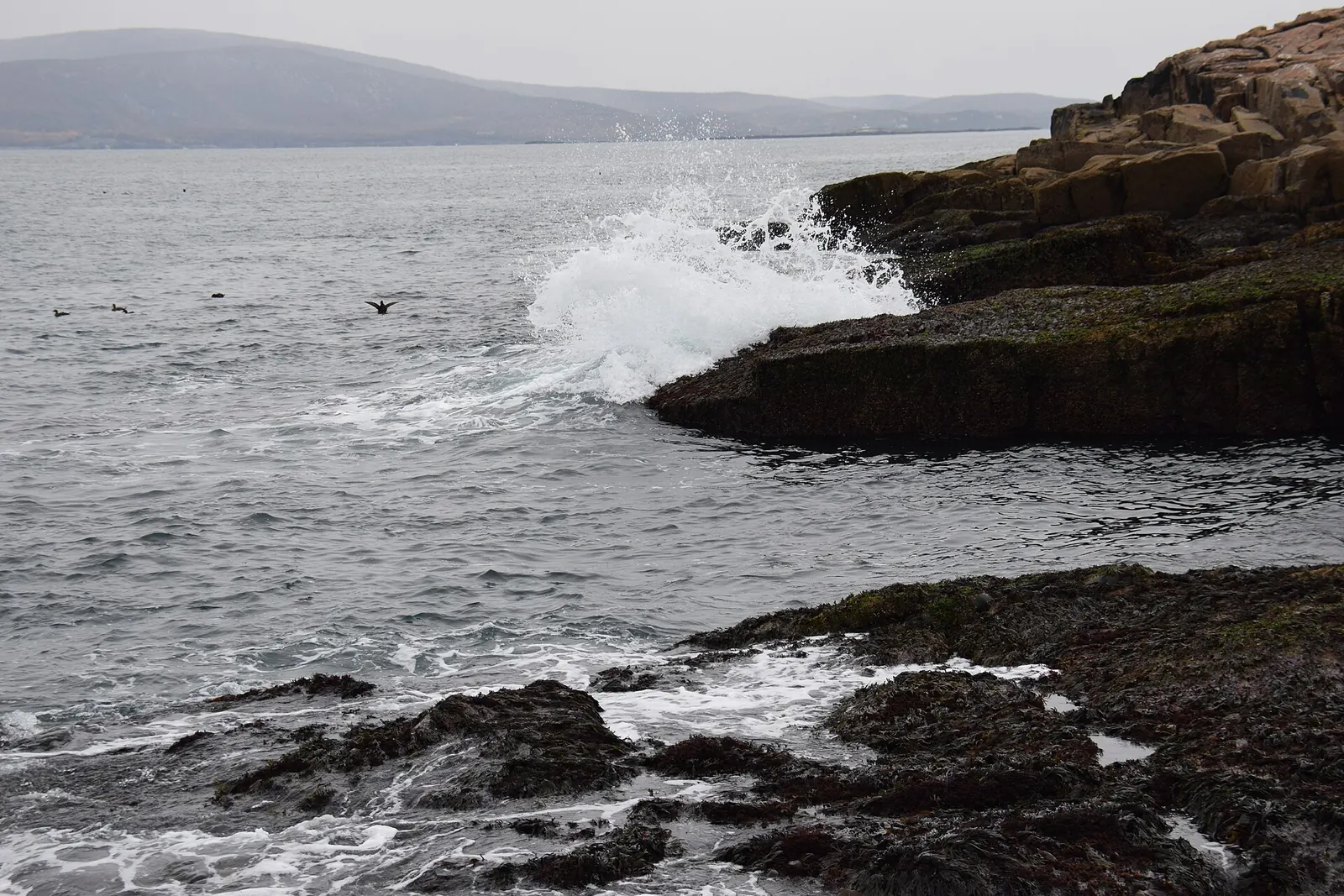
Maine’s coastline is built for tide pooling. Thousands of years of Atlantic waves carved pockets and channels into the granite, and every receding tide leaves behind shallow pools filled with creatures that most people only see in aquariums. Sea stars grip the rock with hundreds of tube feet. Green crabs scuttle sideways under curtains of rockweed. Anemones wave their tentacles in water barely an inch deep. You do not need a boat or a degree in marine biology. You need a low tide and a pair of water shoes.
Always plan your visit around low tide. The best window is from one hour before low tide to one hour after. That is when the maximum amount of shoreline is exposed and the pools are calmest. Check NOAA tide charts for the nearest station. Spring tides (around the new and full moon) expose more rock than neap tides, revealing pools that are underwater most of the month.
1. Pemaquid Point
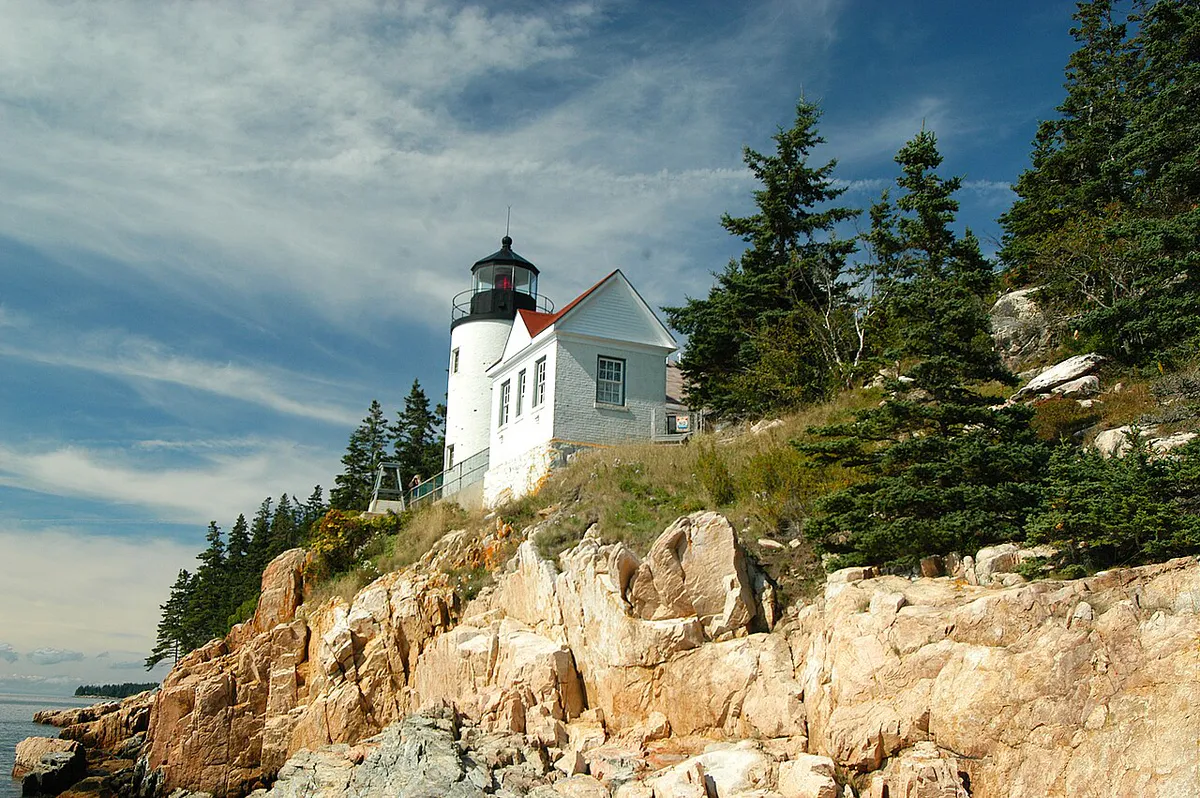
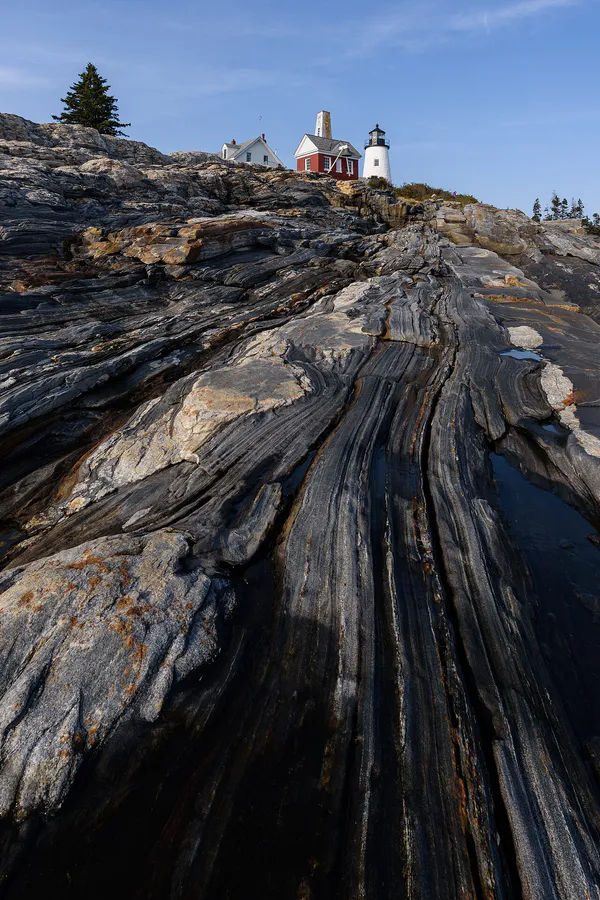
Pemaquid Point is one of the most dramatic geological features on the Maine coast, and it is even better at low tide. The metamorphic rock here runs in long parallel ridges that create deep channels and pools when the water drops. The striped ledges, alternating bands of dark schist and white quartz, look like they were laid down by a giant hand.
At low tide, the channels hold pools rich with periwinkles, barnacles, dog whelks, and green crabs. Look in the deeper pools for sea urchins and small sea stars. The Pemaquid Point Lighthouse provides a backdrop that makes this one of the most photographed tide pooling spots in New England. There is a small park entrance fee in season.
2. Quoddy Head State Park
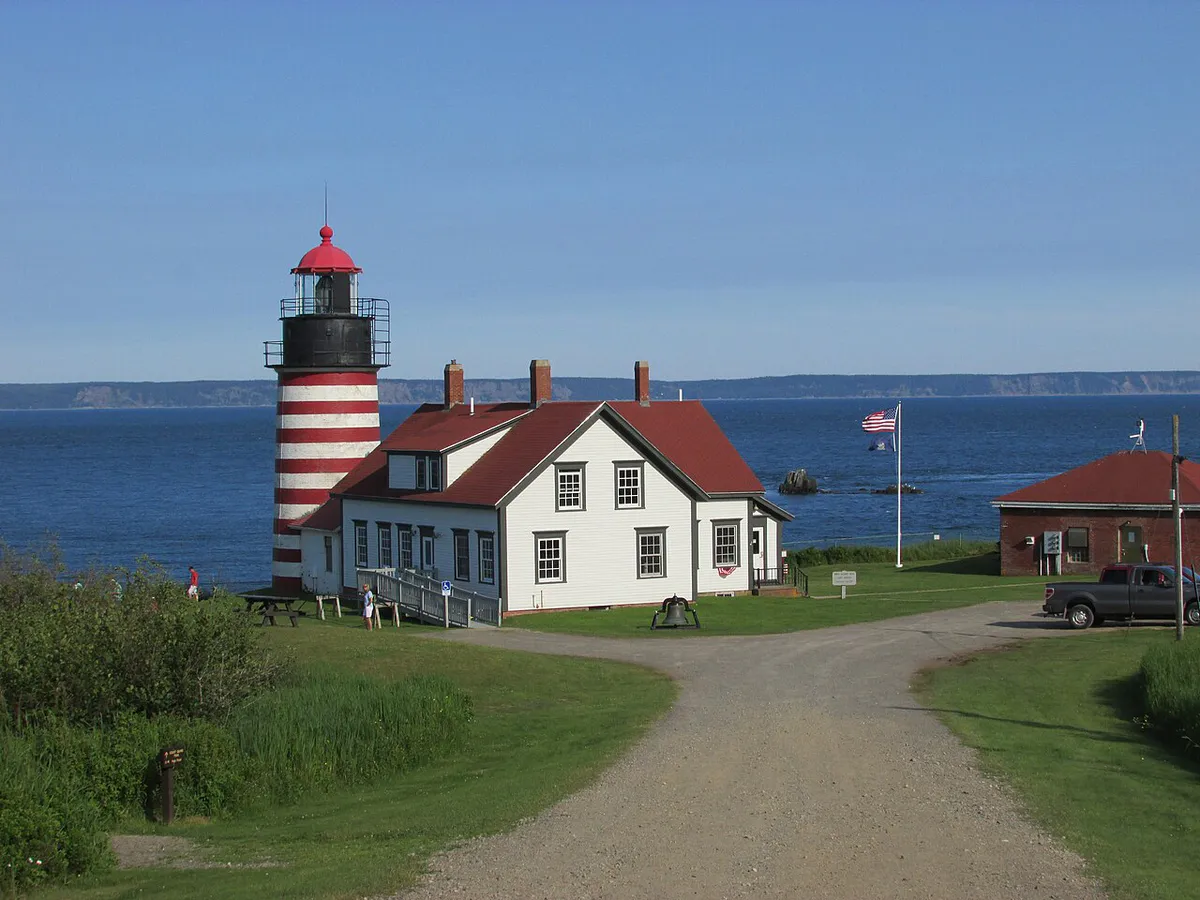
Quoddy Head sits at the easternmost point in the United States, where some of the highest tides in the country cycle through twice a day. Tidal ranges here regularly exceed 20 feet, which means enormous stretches of intertidal zone are exposed at low tide. The diversity of marine life reflects the cold, nutrient-rich waters of the Bay of Fundy mixing with the Gulf of Maine.
Expect to find blood stars, green sea urchins, horse mussels, rock crabs, and dense colonies of northern sea anemones. The rocky shore below the iconic candy-striped lighthouse is the primary pooling area. The cold water here supports species you will not find farther south along the Maine coast.
3. Reid State Park
Reid State Park in Georgetown has two sandy beaches separated by a rocky headland, and that headland is tide pool paradise. The rocks between Mile Beach and Half Mile Beach form a natural aquarium at low tide, with shallow pools protected from the surf. This is one of the best spots for families with young kids because the pools are accessible, the terrain is manageable, and the beach is right there for warming up afterward.
Look for hermit crabs, Asian shore crabs, periwinkles, dog whelks, and barnacles. The rockweed-covered boulders shelter small fish and shrimp in the deeper pools. State park entrance fee applies.
4. Schoodic Point
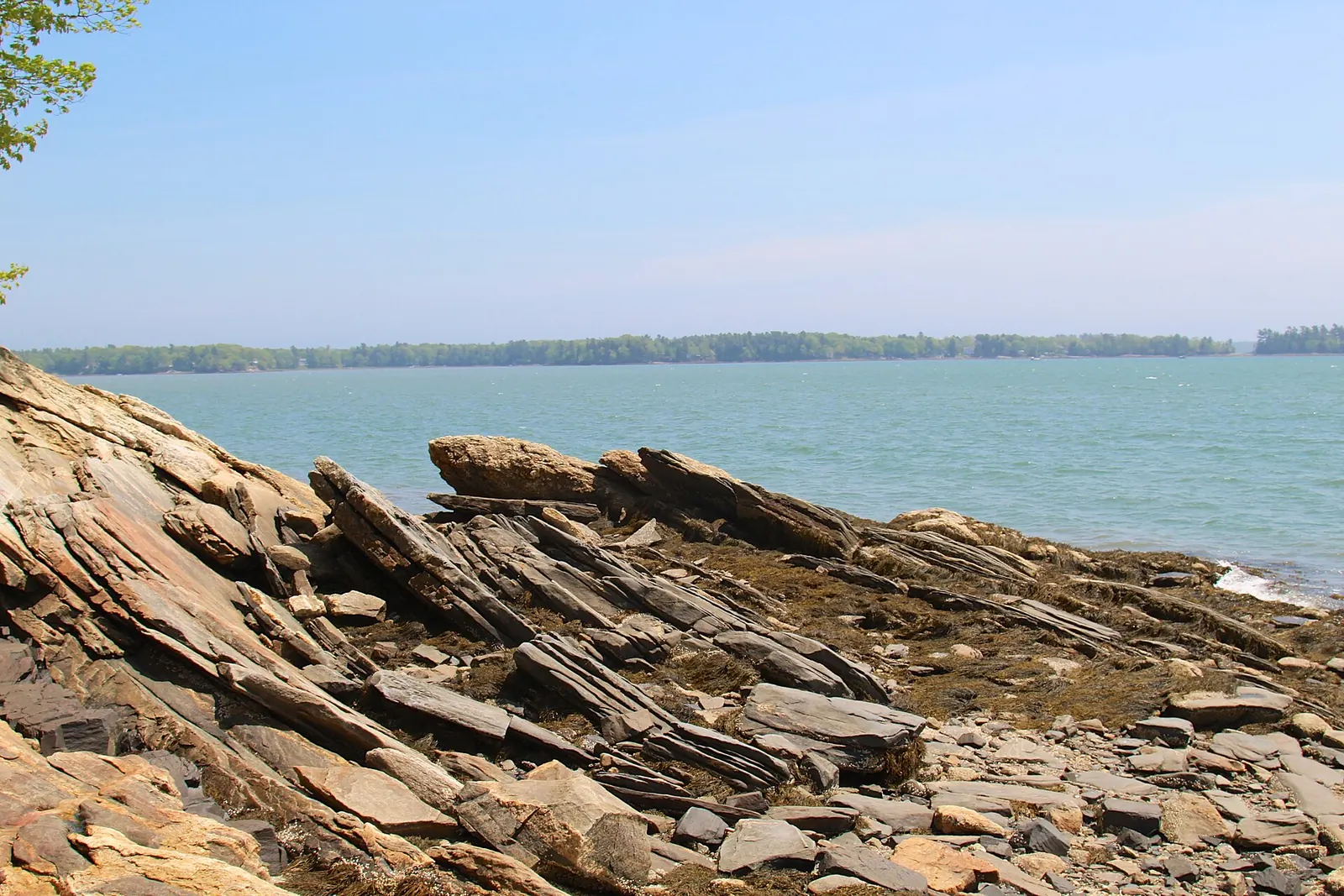
Schoodic Point is the mainland section of Acadia National Park, and it offers the park’s wildest coastal experience. The massive pink granite ledges drop directly into the Atlantic, and on incoming tides the surf explodes against the rock in plumes of white spray. At low tide, the ledges reveal pools in the granite where the wave action concentrates nutrients and marine life.
The pools here tend to be shallower and more exposed than other spots, which means you will find the hardiest species: barnacles, blue mussels, rockweed, and rough periwinkles. In the deeper protected pools on the lee side of the point, look for sea urchins and small crabs. The one-way loop road means less crowding than the Mount Desert Island side of Acadia.
5. Otter Point, Acadia National Park
Otter Point sits at the southern end of the Ocean Path trail in Acadia, and its jumbled granite boulders create some of the most productive tide pools on Mount Desert Island. The pools here are well-known for purple sea urchins, which cluster in the deeper crevices and cling to the undersides of rock overhangs. You will also find common sea stars, green crabs, and dense mats of Irish moss.
Park at the Otter Point pullout on Park Loop Road and walk down the granite steps to the shoreline. The intertidal zone is extensive at low tide. Be careful on the seaweed-covered rocks. They are slippery even in dry conditions.
6. Kettle Cove
Kettle Cove in Cape Elizabeth is the most accessible tide pooling spot near Portland. The rocky areas on either side of the small sand beach hold pools at low tide, and the sheltered cove means the water is usually calmer than the open coast. Periwinkles, hermit crabs, barnacles, and small green crabs are the most common finds.
This is a good spot for a first tide pooling trip with young children. The pools are small and shallow, the beach is nearby for playing between explorations, and it is only 15 minutes from downtown Portland. Parking fills fast on summer weekends, arrive early.
7. Jasper Beach
Jasper Beach in Machiasport is famous for its polished rhyolite and jasper cobblestones, but the rocky margins at both ends of the beach hold tide pools worth exploring. The stones themselves are the main attraction, smoothed into rounded shapes by the constant surf, they clack together with the waves in a sound unlike any other beach in Maine.
The pools at the edges of the beach are less visited than the more popular spots farther south, which means fewer disturbed pools and more intact marine communities. Look for sea stars, rock crabs, and whelks. The beach is undeveloped, no facilities, no fee, and very few people.
8. Fort Williams Park
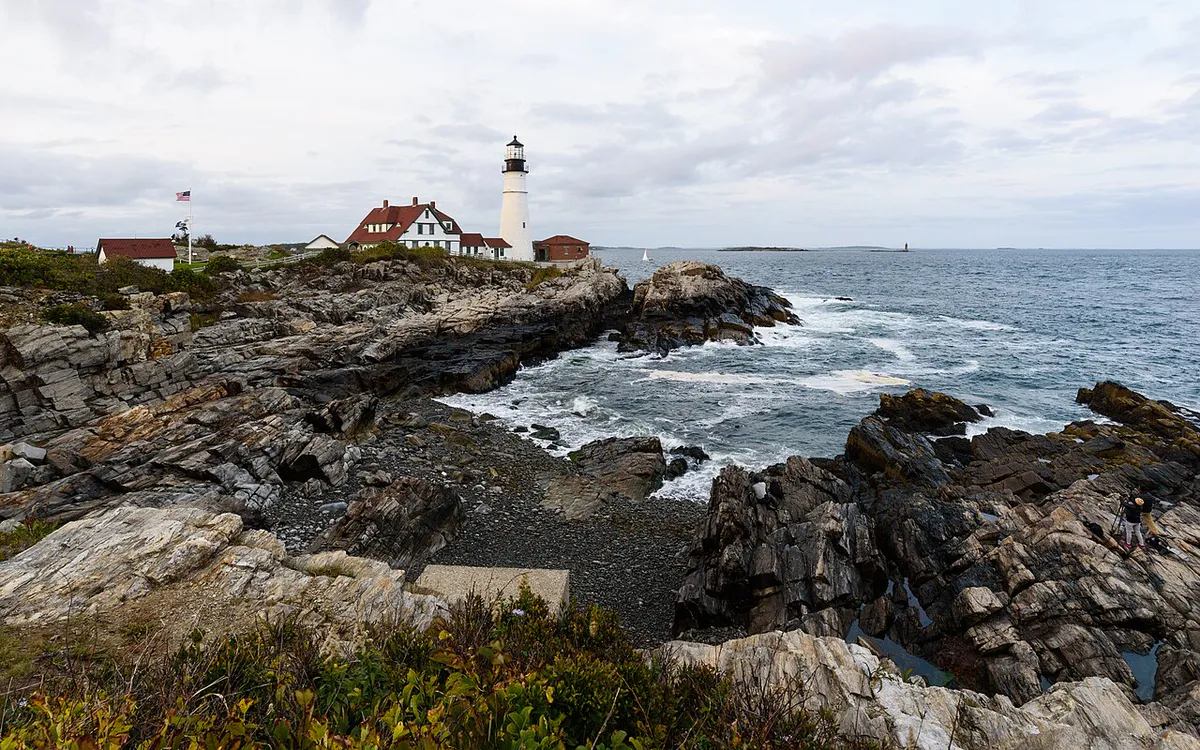
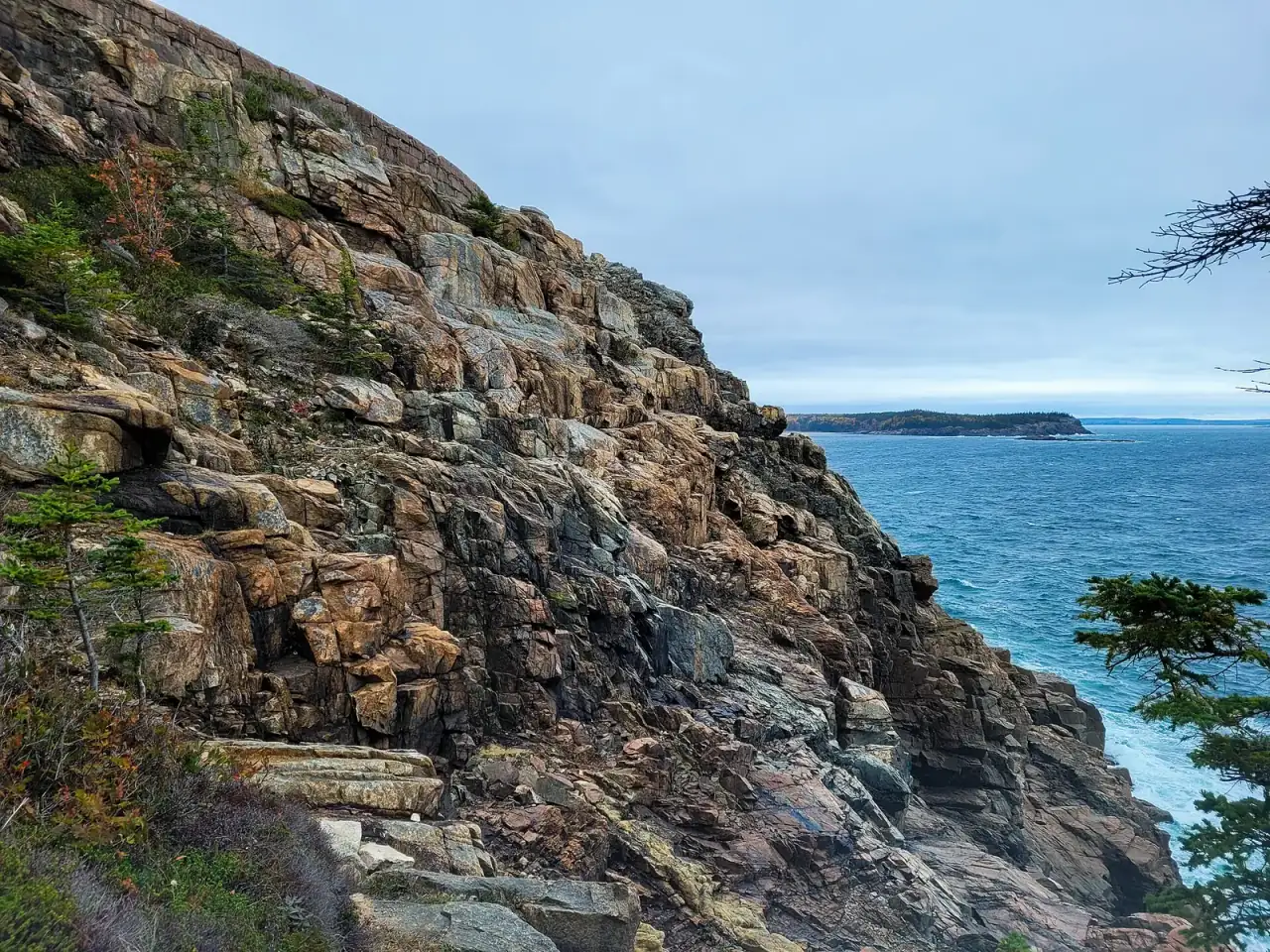
Fort Williams Park in Cape Elizabeth surrounds Portland Head Light, Maine’s oldest lighthouse. The rocky shoreline below the lighthouse and along the park’s eastern edge holds accessible tide pools that are perfect for families. The pools are easy to reach from the paved paths, and the park’s open lawns provide space for picnicking after your exploration.
Barnacles, periwinkles, blue mussels, and small crabs are the most common species. The pools are shallow and well-lit, making it easy to spot movement and identify creatures. The park is free to enter and has ample parking, restrooms, and a gift shop in the lighthouse museum.
9. Popham Beach State Park
Popham Beach is best known for its long sandy strand, but the real tide pooling happens at Fox Island. At low tide, a sandbar connects the beach to Fox Island, and the rocky shoreline of the island reveals pools that are submerged and inaccessible the rest of the tidal cycle. This makes them some of the richest pools on the southern Maine coast. They are only exposed for a few hours and rarely picked over.
Timing is critical here. The sandbar is only walkable for roughly two hours on either side of low tide. Check the tide chart before you go and do not get caught on the island as the water rises. The pools hold sea stars, crabs, urchins, and anemones.
10. Cobscook Bay State Park
Cobscook Bay near Dennysville has a tidal range of up to 24 feet, among the highest on the US Atlantic coast. When the bay empties, acres of intertidal zone are exposed, revealing tide pools, mudflats, and rocky shelves that support an extraordinary density of marine life. The name Cobscook comes from the Passamaquoddy word meaning “boiling tides,” and the currents here create a nutrient-rich environment.
The diversity is exceptional. Expect sea stars, sea cucumbers, horse mussels, whelks, crabs, urchins, and thick forests of rockweed. The sheer volume of exposed habitat at low tide means you can explore for hours without retracing your steps. The state park campground makes this an easy overnight trip.
What to Look For
Sea stars cling to rock surfaces in pools and crevices. The common Forbes sea star is orange or purple with five arms. Do not pull them off the rock, their tube feet can be damaged.
Green crabs are the most common crab in Maine tide pools. They are fast, aggressive, and hide under rockweed. Lift a clump of seaweed gently and they scatter.
Periwinkles are the small spiral-shelled snails covering every rock surface. Common periwinkles graze on algae. Smooth periwinkles are yellow or orange and live on rockweed fronds.
Sea anemones look like small flowers stuck to the rock. Northern red anemones are common in deeper pools. They retract into blobs when the tide drops, then open when submerged.
Barnacles cover the upper intertidal zone in white clusters. They are crustaceans, not shellfish, and they feed by extending feathery legs from their shells to filter plankton from the water.
Sea urchins (green and purple) live in deeper pools and crevices. Their spines are sharp but not dangerous. They graze on algae and kelp.
Rockweed (Ascophyllum and Fucus species) drapes over every surface in the mid-intertidal zone. It shelters crabs, snails, and small fish. Lift it carefully and replace it as you found it.
When is the best tide for tide pooling in Maine?
Go at low tide, specifically in the hour before and after the lowest point. Check NOAA tide predictions for the nearest coastal station. Spring tides, which occur around the new and full moon, produce the lowest lows and expose the most rock. A minus tide (below mean low water) is the best possible condition for tide pooling.
What should you not touch in tide pools?
Avoid pulling sea stars off rocks, as their tube feet can tear. Do not poke anemones repeatedly. They retract as a stress response and use energy each time. Never collect live animals or shells with living creatures inside. Turn over rocks gently and always replace them exactly as you found them, the underside communities depend on staying shaded and moist. In general, look but do not handle.
What is the best time of year for tide pooling in Maine?
Late spring through early fall (May to September) offers the best combination of low daytime tides, warm enough weather for comfortable exploration, and peak marine life activity. Summer low tides on the Maine coast often fall in the early morning or late afternoon. June and July are particularly good because the longest days give you the most light during low tide windows.