Basecamp at the Bottom of the Quiet Side
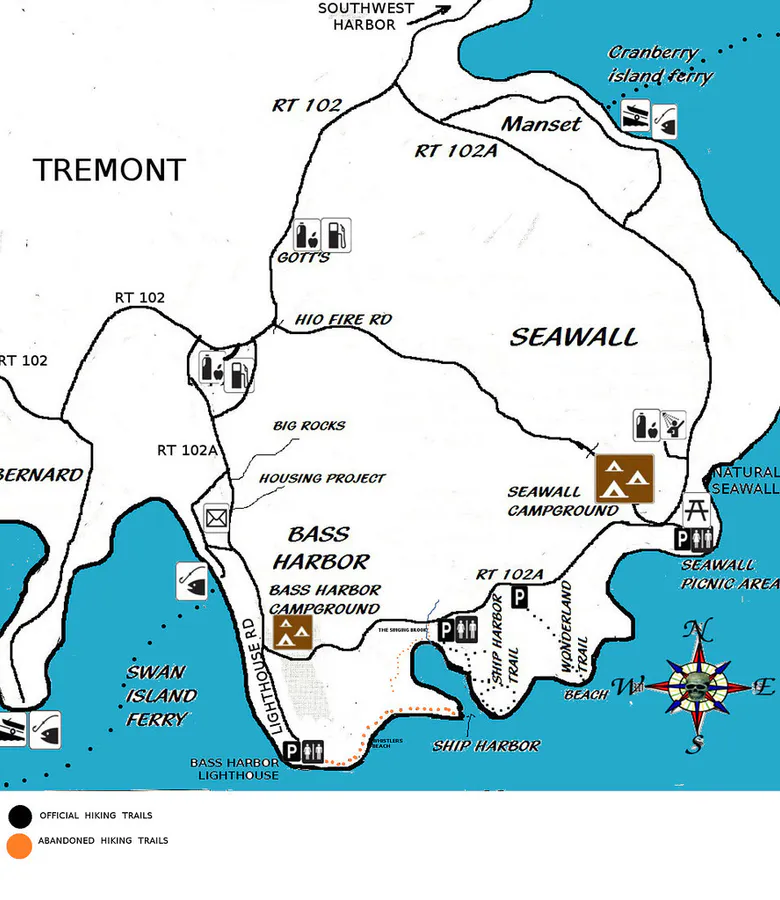
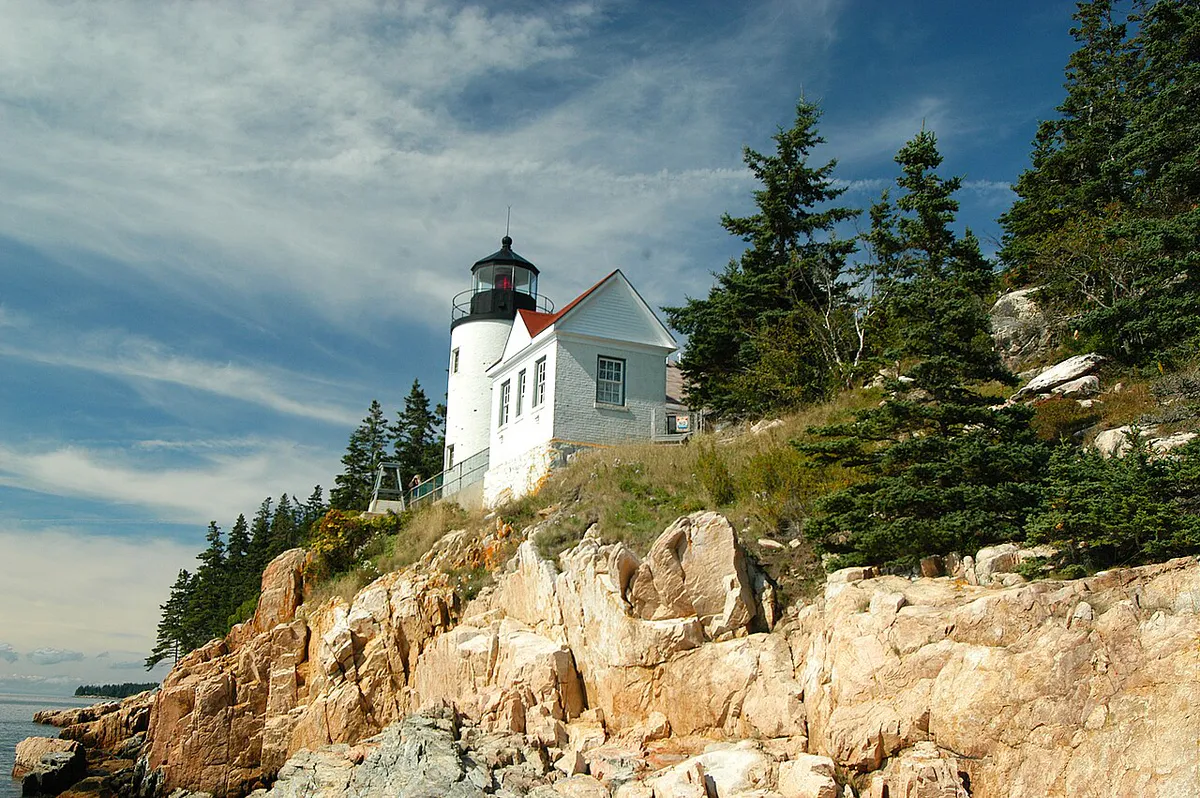
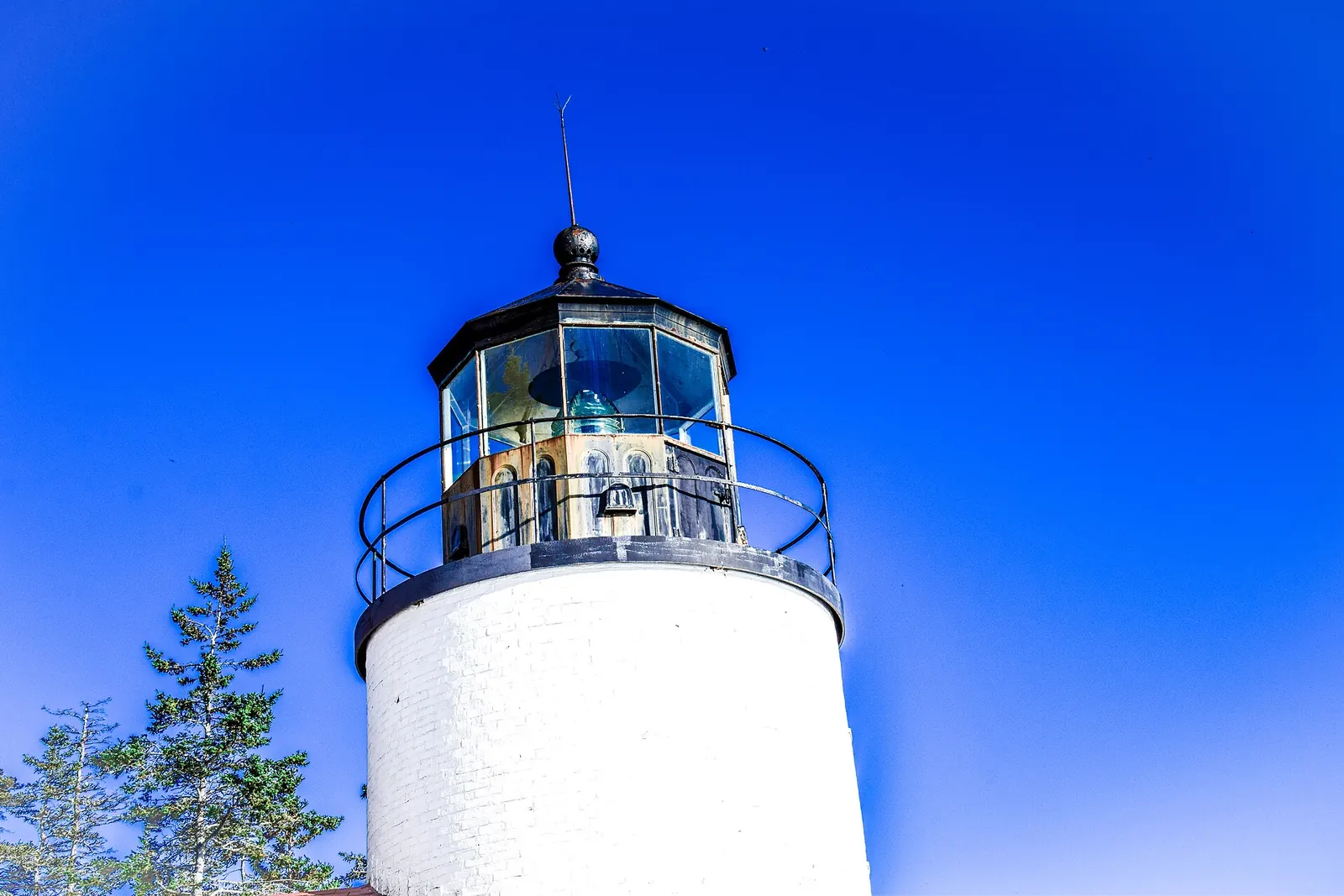
Choose Bass Harbor Campground if you want a full-service family base at the far, quiet end of Mount Desert Island. It’s a wooded campground of roughly 120 tent and RV sites plus cabins and yurts, with a heated pool for the kids, and by the campground’s own measure it sits about half a mile from Bass Harbor Head Light, the most photographed lighthouse in the park. This is the corner of the island where you can hear the harbor bell instead of tour buses.
Skip it if your trip is really about Bar Harbor: the restaurants, the shops, the nightlife, and the marquee stops on the Park Loop Road like Sand Beach and Cadillac Mountain. All of that is on the busy side of the island, a solid thirty to forty minutes of driving from here.
The constraint to plan around is exactly that quiet. Services thin out at this end, and while Acadia’s fare-free Island Explorer buses cover much of the island in season, their reach down here is limited. In practice you’ll want a car. Read that as a feature, not a flaw: it’s the price of being a half-mile stroll from the lighthouse instead of stuck in a Bar Harbor parking hunt.
Which Site Should You Book?
Bass Harbor covers a wider spread of accommodation than most campgrounds its size, which makes the site type the first real decision. The 120 wooded sites split between basic tent sites and RV sites with 20-, 30-, and 50-amp hookups, water, and sewer, including pull-throughs for bigger rigs. Above those sit a set of cabins and a few yurts for people who want a roof and a bed without hauling gear.
Matching the Site to Your Trip
- Basic tent sites: cheapest, tucked in the woods, best if you have your own shelter and want shade
- RV sites: 20/30/50-amp hookups, water, and sewer, with pull-throughs for larger rigs
- Cabins: a solid roof and beds for gear-free camping, with a multi-night minimum
- Yurts: the novelty option, round canvas cabins with the longest minimum stays
- Book direct, the campground doesn't accept third-party reservations
The cabins and yurts carry multi-night minimums, so they suit a settle-in-for-the-week trip more than a one-night stopover. If you’re chasing a single lighthouse sunset, a tent or RV site is the flexible pick.
Getting Around Without Fighting for Parking
The Quiet Side rewards a little logistics planning. Acadia runs the Island Explorer, a fare-free, propane-powered bus network, on a seasonal schedule, with service seven days a week into mid-October and reduced fall service starting in late August. It’s genuinely the smart way to skip the parking scrum at the popular Bar Harbor-side trailheads on a busy day.
Down here at the bottom of the island, treat the shuttle as a Bar Harbor-day tool, not your everyday ride. Service to this far corner is limited and doesn’t run out to the lighthouse, so plan on driving the short hops to the nearby trailheads and the light, then leaving the car behind and riding the Island Explorer on the days you head over to the crowded east side of the park.
The upside of your location is how short those hops are. The campground sits about two miles from the Acadia Seawall, which puts the Ship Harbor Trail and the Wonderland Trail, two of the easiest and prettiest shore walks in the park, within a few minutes’ drive.
Walking to Bass Harbor Head Light
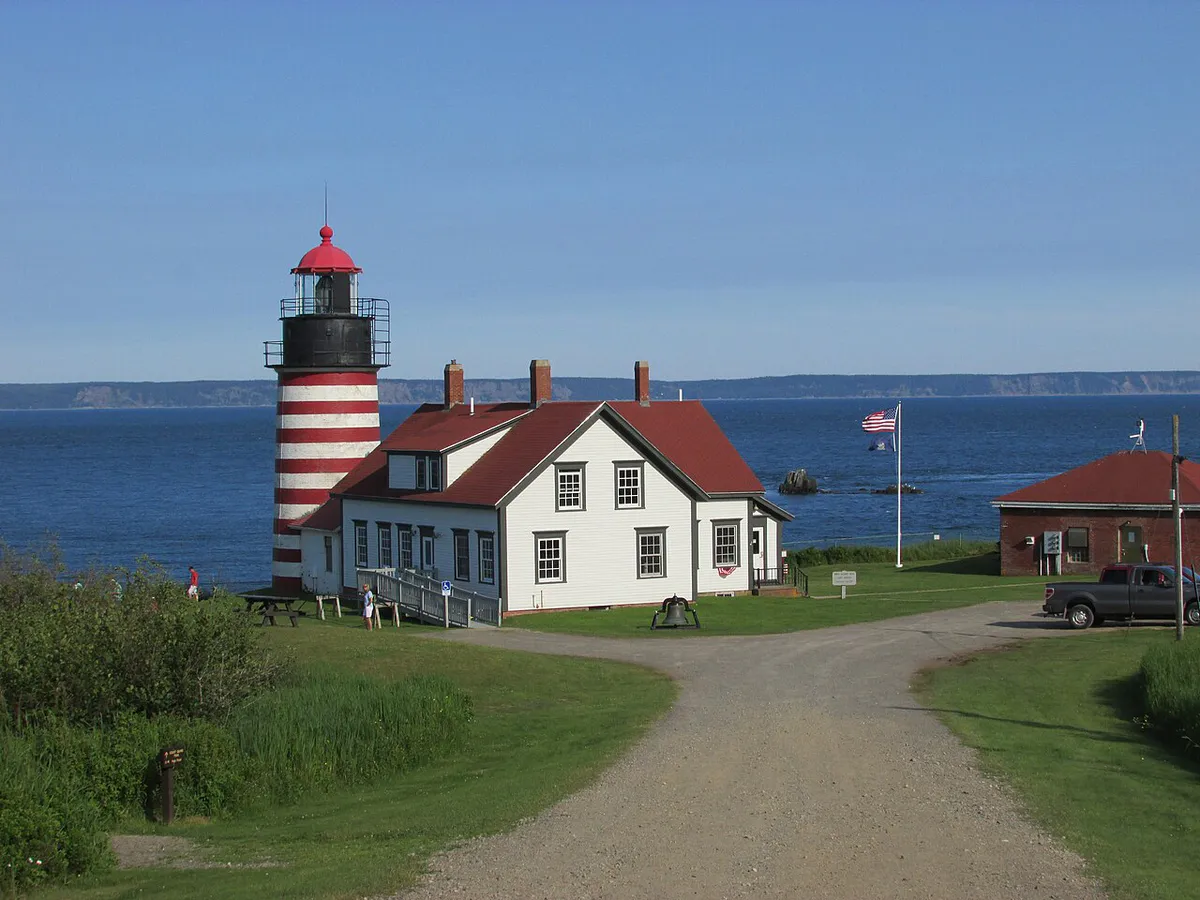
The signature move from this campground is the walk to the light. At roughly half a mile away, Bass Harbor Head Light is close enough that plenty of guests skip the car entirely and walk or bike down, then time it for the late-afternoon light when the tour crowds thin out.
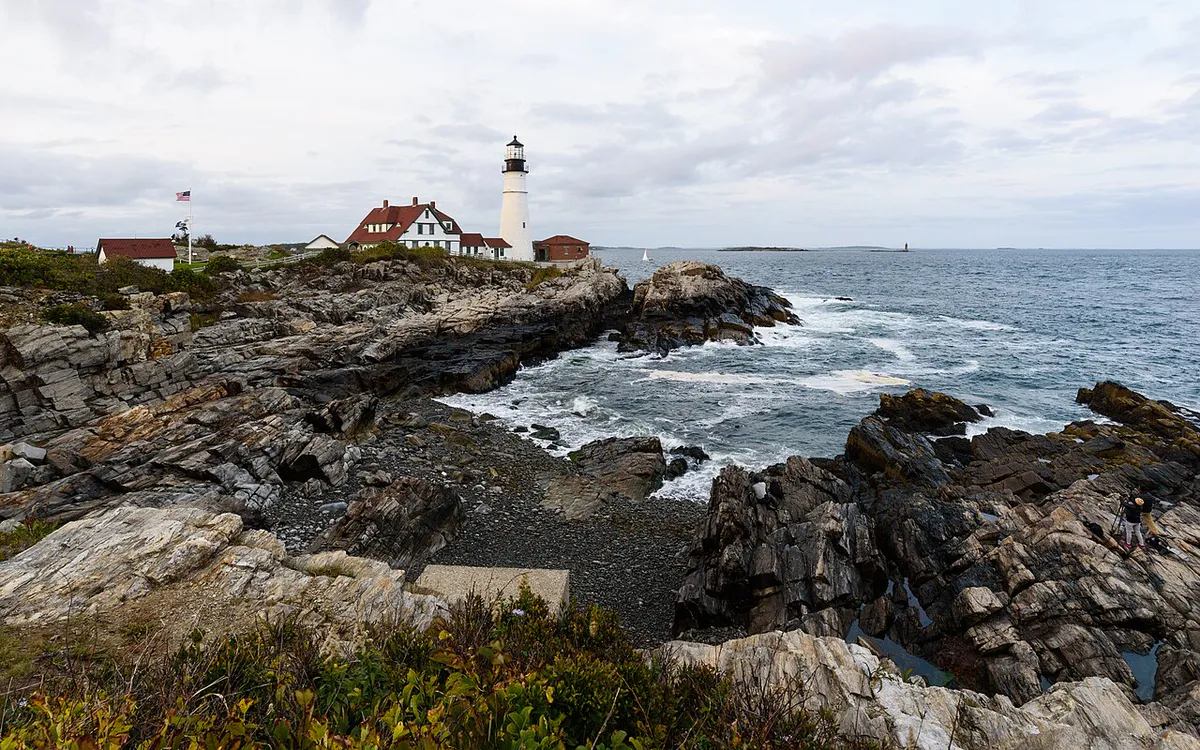
The classic Bass Harbor Head Light photo, the one with the lighthouse perched above the surf, is taken from the rocks below and to the west, reached by a short set of stairs, not from the overlook at the top. Go near sunset, watch your footing on the wet granite, and you’ll understand why this is the shot everyone wants.
Bass Harbor Campground vs. Seawall
The nearby National Park Service alternative is Seawall Campground, a couple of miles up the road inside the park. Seawall is the classic Acadia campground experience: wooded, walk-to-the-shore, run by the park, and short on amenities, no hookups, no pool, no store to speak of. Bass Harbor is the private counterpart, trading the in-park address for hookups, cabins and yurts, a heated pool, laundry, and a camp store. Families with an RV or young kids usually lean private for the creature comforts; tent purists who want the park’s own woods lean Seawall.
The Camp Itself
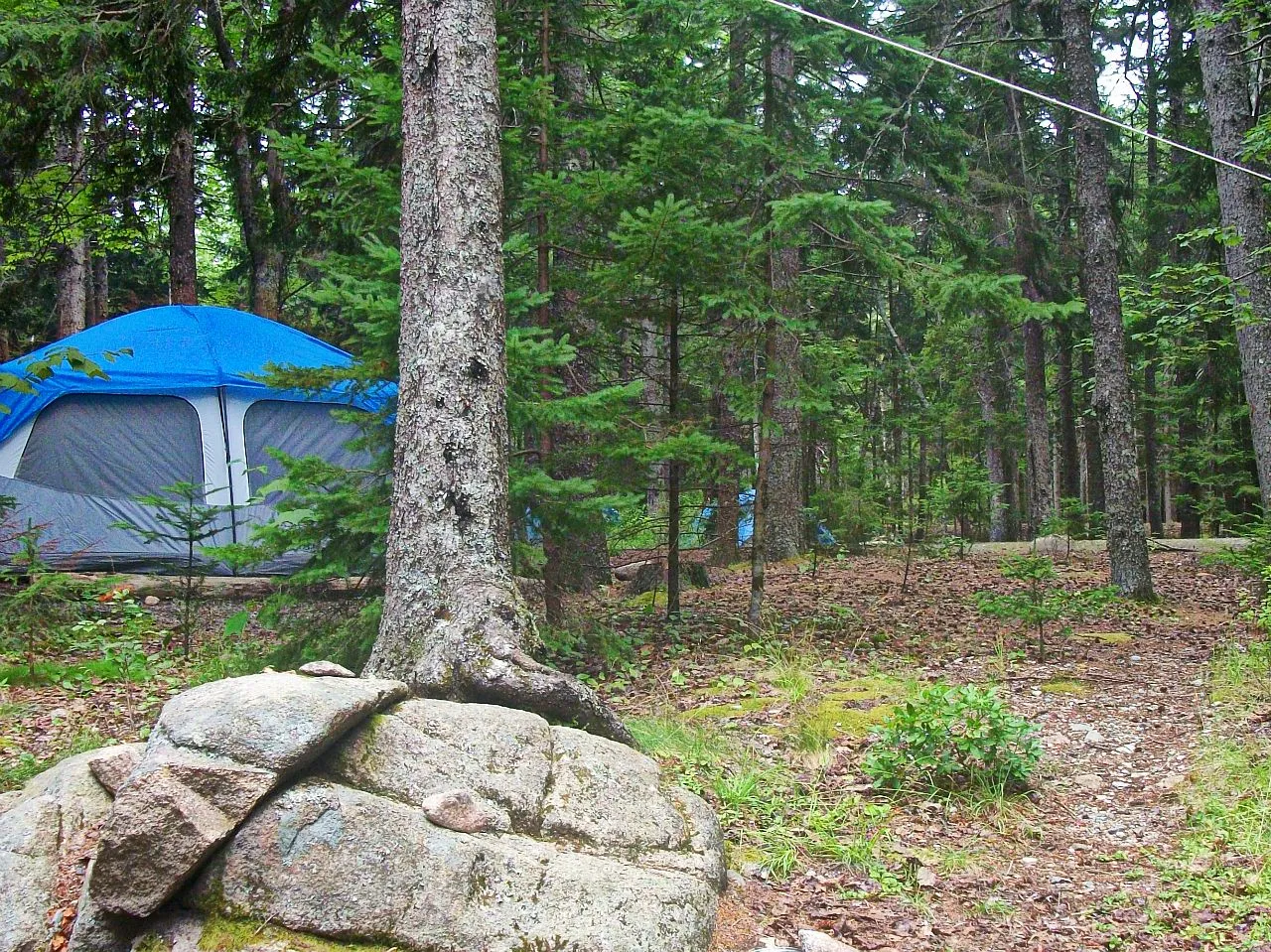
Back at the campground, this is a developed, amenity-forward place, not a rugged one. Hot showers, a camp store and gift shop, laundry, a playground, a dog run, and the heated pool cover the family-camp basics, and the wooded sites keep things shady on hot afternoons. That shade comes with the standard Maine-woods tax in early summer: mosquitoes at dusk. A campsite repeller earns its keep here more than almost anywhere.
15-foot mosquito zone around a campsite
Best Months on the Quiet Side
Spring
The campground opens in early May. Cool, often foggy, and buggy in the woods by late May, but blessedly uncrowded.
Summer
Warm days, the heated pool in use, and the lighthouse walk at its best. The busiest months, so book cabins and yurts well ahead.
Fall
Crisp air, fewer bugs, and thinning crowds. Reduced island shuttle service and a shorter day, but prime lighthouse-photo season.
Winter
Closed for the off-season.
The Practical Details (Checked July 2026)
The campground reserves directly and does not take third-party bookings, so plan to call or book on its own site. Its 2026 season runs on tiered dates, roughly value-season shoulders in early May and late October, mid-season in June and September, and prime season through July and August. As of July 2026 its published rates ran from about $35 to $50 a night for basic tent sites, $56 to $78 for RV sites depending on hookups, $90 to $103 for cabins, and $110 to $137 for yurts, with two- to three-night minimums on the cabins and yurts. Check-in is 2:00 p.m. and check-out is 11:00 a.m. Rates shift year to year, so confirm current pricing at bassharbor.com. When you want to leave the island entirely for a meal or supplies, Southwest Harbor is the nearest real town.
FAQ
How close is the campground to Bass Harbor Head Light?
About half a mile by the campground's own measure, close enough that many guests walk or bike to the lighthouse rather than drive.
Does it have hookups and a pool?
Yes. RV sites offer 20-, 30-, and 50-amp electric plus water and sewer, and the campground has a heated pool, along with showers, laundry, a camp store, and a playground.
What's the difference between the cabins and the yurts?
Both give you a roof and beds without hauling gear. The cabins are the more conventional option and the yurts are round canvas structures; both carry multi-night minimums, so they fit longer stays.
Can I get around Acadia without a car from here?
Only partly. The fare-free Island Explorer covers much of the island in season, but service to this far corner is limited and doesn't reach the lighthouse, so a car is the practical choice for the Quiet Side.
How does it compare to Seawall Campground?
Seawall is the National Park Service campground nearby, wooded and short on amenities. Bass Harbor is the private option with hookups, cabins, yurts, a pool, and a store.
For the in-park alternative a couple of miles up the road, compare Seawall Campground.