


Maine weather punishes a bad family tent in ways flat-and-dry climates do not. Coastal fog soaks any non-waterproof seam in an hour. Rain comes in horizontal blasts off the Atlantic. Mosquitoes find any mesh gap larger than a credit card edge. And summer nights stay cool enough that a flapping rainfly will keep a 3-year-old awake until 2 AM.
We researched family tents against the conditions at the best Maine campgrounds for families, from coastal Lamoine to interior Rangeley, weighing waterproofing, mesh, wind resistance, and aggregated owner reviews. The tents below are the ones we would recommend to families asking for the first or fourth tent purchase. They span budget to premium and capacity from 4 to 9 people.
| Tent | Price | Capacity | Type | Best For |
|---|---|---|---|---|
| Coleman Skydome 6P Dark Room | Premium | 6 | Dome | Overall best |
| REI Skyward 4 | Premium | 4 | Cabin-ish | Premium 4-person |
| Coleman Sundome 6P | Mid-range | 6 | Dome | Best value |
| CORE 9P Instant CabinSearch Amazon | Premium | 9 | Cabin | Big family |
| Marmot Limestone 6PSearch Amazon | Premium | 6 | Cabin | Premium / heavy use |
How to Size a Family Tent (The Honest Math)
Tent capacity ratings are based on sleeping bag width with zero gear inside. Real-world family camping needs more space. Our rule:
Tent capacity ÷ 1.5 = real capacity with gear and kids
- A “4-person tent” comfortably fits two adults and one small kid plus duffels
- A “6-person tent” comfortably fits two adults and two kids with a Pack ‘n Play
- An “8-person tent” comfortably fits four adults and two kids, or two adults and four kids
The dome-tent capacity ratings are particularly aggressive. Cabin tents come closer to their marketed numbers because the vertical walls give usable floor area.
Maine state park tent pads are smaller than you might expect, most are 12 x 12 or 14 x 14. The CORE 9-Person Instant Cabin (16 x 9 ft) does not fit on all pads. Check the campsite specifications before buying a giant tent. Sebago Lake, Rangeley Lake, and Lily Bay all publish tent pad dimensions on the reservation site.

1. Coleman Skydome 6-Person Dark Room Tent
Best overall family tent for Maine camping
The Skydome Dark Room is the family tent we recommend most often for two reasons: it works, and it lets kids sleep past sunrise.
The Dark Room fabric blocks 90% of incoming light. That sounds like marketing copy. It is not. The difference is real: a regular tent with kids inside is bright enough to wake everyone at 4:45 AM in June, while owners report the Skydome staying dim until 6 or 7. Two extra hours of family sleep is worth $50 alone.
Setup is faster than a Sundome (10 minutes vs. 15). The WeatherTec system (inverted seams, welded floor, wind-strong frame) handles Maine coastal rain without leaks, and owners consistently report dry sleeping bags after full-night Maine storms.
The one tradeoff: vestibule space is limited. Wet gear lives in the car or under the picnic table rain fly.
Best overall family tent for Maine
2. REI Co-op Skyward 4 Tent
Best premium 4-person family tent
The Skyward is what you buy when the Coleman tents do not feel like enough. Near-vertical walls give actual sit-up space for adults. The two-door layout is a big quality-of-life improvement when kids need to leave the tent at 2 AM. Build quality is REI Co-op standard: better materials, better seams, longer warranty.
The Skyward is sized for two adults and two small kids, not for true 4 adults. The footprint is large for a “4-person tent”, verify it fits the tent pad at your destination before buying.
Worth the premium if you camp 10+ nights a year and want a tent that lasts a decade. Less worth it if you are casual campers who want simple gear.

3. Coleman Sundome 6-Person Tent
Best budget family tent for first-time campers
The Sundome has been in continuous production since the 1990s. Coleman has refined it over generations. The result is the best tent you can buy at this price.
Two adults and two small kids fit easily. The WeatherTec floor and fly handle Maine rain. Setup is straightforward enough that one parent can do it while the other manages kids. It is not premium gear, the rainfly is partial coverage, the door is single-zip, the walls flap in heavy wind, but for a family doing 5 to 10 nights a year, it is enough.
We recommend the Sundome for the first family tent. If you camp enough to wear it out, you have earned the upgrade.
Best budget family tent
4. CORE 9-Person Instant Cabin Tent
Best big family tent for fast setup
The CORE Instant Cabin pre-forms its poles into the canopy, so setup takes about 60 seconds, extend the legs, pop the frame, stake it out. For a tired family arriving at camp with hungry kids, the speed is worth real money.
The 9-person capacity is honest. It fits two adults, three kids, two cots, and gear with room to walk between sleeping spots, and owners back up the real-world space. The interior divider can split it into two rooms, one side for parents, one for kids.
The catch: cabin tents are wind-vulnerable. Do not set this up on exposed sites (Cobscook, Hermit Island, coastal Lamoine). For protected forest sites at Sebago, Bradbury, or Rangeley, it is excellent.
5. Marmot Limestone 6-Person Tent
Best premium 6-person tent for heavy users
The Limestone is the family tent for campers who treat camping as a primary activity. Marmot’s build quality is the highest in this list. The full-coverage fly, color-coded poles, two large vestibules, and bombproof waterproofing make it the tent we would take on a 7-day Acadia trip in any weather.
The Limestone is overkill for occasional weekend campers. For families that camp 15+ nights a year and value a tent that will outlast multiple kids, the price is justified. If we were starting over and could spend the money, this is the tent we would buy first.
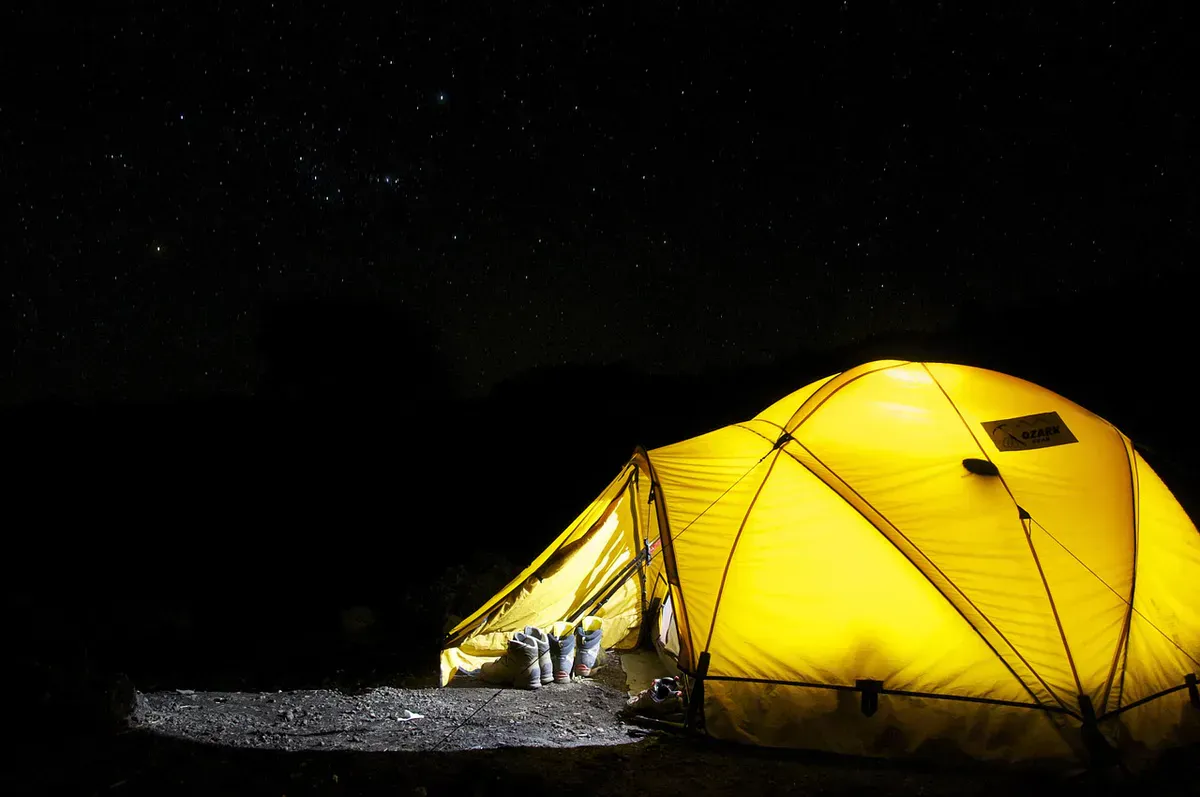
Dome vs. Cabin: Which Should a Family Choose?
Dome tents (Skydome, Sundome):
- Lighter
- Pack smaller
- Better in wind
- Smaller floor area for the same capacity rating
- Setup takes 10 to 15 minutes
Cabin tents (Skyward, CORE):
- Heavier and bulkier
- More usable floor area
- Vertical walls so adults can stand
- Wind-vulnerable
- Often easier to set up (instant frames)
For families camping at forested Maine state parks (Sebago, Bradbury, Rangeley, Mount Blue), cabin tents win on comfort. For families camping at coastal or exposed sites (Lamoine, Cobscook, Hermit Island), dome tents win on safety.
Tent Features That Matter in Maine
Most tent reviews focus on capacity and weight. For Maine, three other features matter more:
Full rainfly coverage
A partial rainfly (rainfly that does not extend to the ground) will leak in horizontal Maine rain. Look for “full coverage” or “extended coverage” in the spec sheet. The Marmot Limestone and Coleman Skydome have full coverage. The Coleman Sundome has partial. It is fine in normal rain, vulnerable in storms.
Mosquito-grade mesh
Maine mosquitoes are aggressive in June and July. The mesh on a tent matters. “No-See-Um mesh” is fine-gauge and blocks midges. Standard mosquito mesh blocks mosquitoes but lets in midges (small biting flies, not technically the same as black flies but similar). For coastal and bog-edge sites, no-see-um mesh is worth the upgrade.
Bathtub floor seams
The “bathtub floor” wraps the floor material up the walls a few inches before transitioning to the tent body. This prevents water from rolling in if the rainfly drips onto the ground next to the tent. All premium tents have bathtub floors. Some budget tents have only a flat floor. These are more vulnerable to ground water.
Always seam-seal a new tent before its first trip. Even premium tents have weak factory seams. Buy a tube of Gear Aid Seam Grip and run a bead along the inside seams of the rainfly and floor. Dry overnight. This single $10 step extends tent life by years.
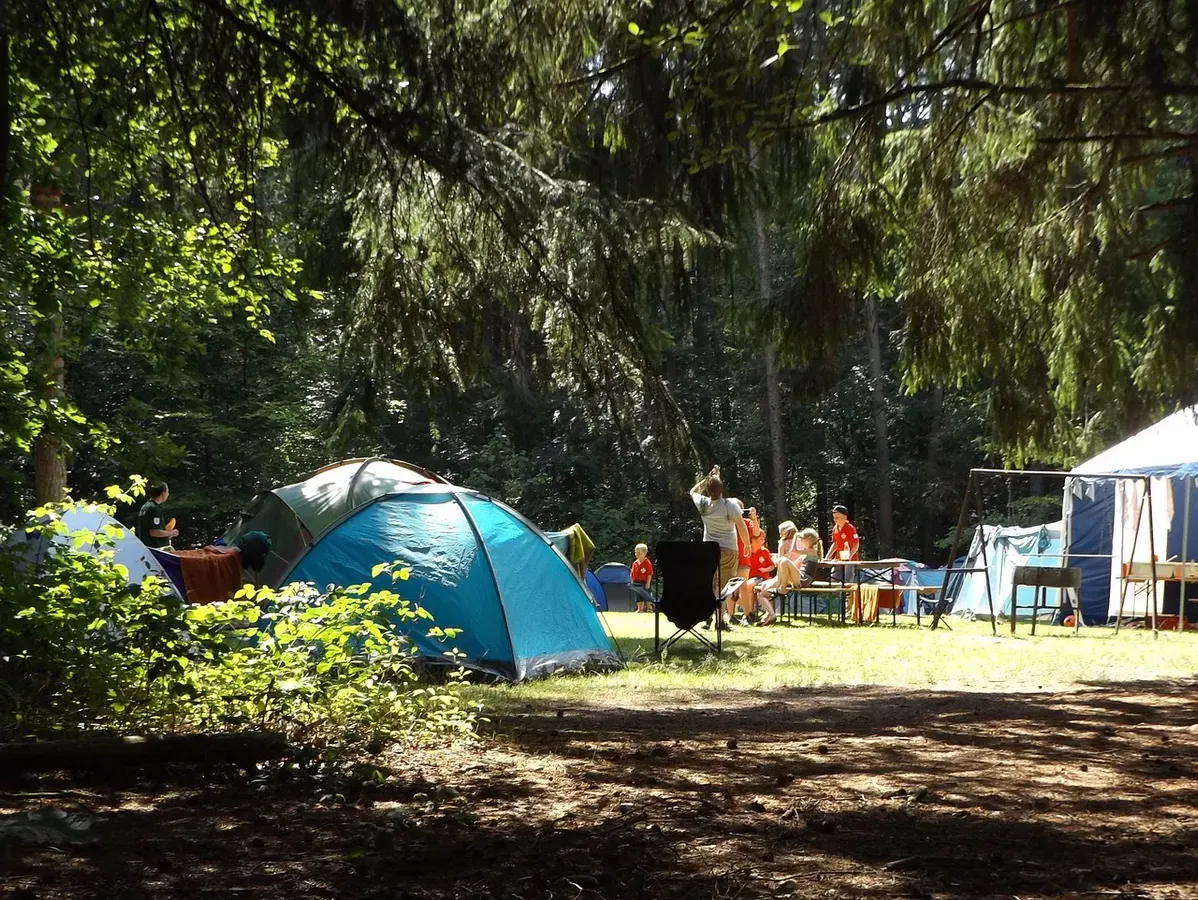
Setting Up a Family Tent (Things Reviews Skip)
A few things most tent reviews skip:
- Set up the tent in your yard once before the trip. Doing this in daylight, calm, with no pressure, prevents the field setup disaster.
- Bring extra stakes. Maine state park ground is rooty and rocky. You will bend stakes. Pack 4 extra per trip.
- Use a footprint or tarp. A ground cloth under the tent extends floor life dramatically. Cut it slightly smaller than the tent footprint so it does not collect rain.
- Stake the corners first, then the door. Tent goes up tight if you stake corners under tension before raising poles.
- Guy out the rainfly even in calm weather. Maine wind picks up at 3 AM. A staked rainfly does not flap.
- Open all vents at night. Condensation inside the tent is worse than light rain. Vents stop it.
Pack ‘n Play Inside the Tent
If you camp with a toddler still in a Pack ‘n Play, plan tent capacity around it. A standard Pack ‘n Play is 28 x 40 inches. That is the equivalent of half an adult sleeping spot.
In a 6-person tent: two adults + Pack ‘n Play + one walking kid fits. In a 4-person tent: two adults + Pack ‘n Play is tight; no room for older kids.
For families with multiple kids and a Pack ‘n Play, jump straight to 6-person minimum.
Maintenance That Extends Tent Life
- Always dry completely before storing. Wet tent = mildew = ruined tent.
- Brush off pine needles and dirt before packing. Debris in seams degrades waterproofing.
- Store loose, not compressed. Long-term compression breaks down fabric coating. Store a family tent loose in a duffel.
- Re-treat the fly with DWR spray every 2-3 seasons. This is the cheapest way to extend life.
A well-cared-for family tent lasts 8 to 12 years through regular use. A neglected tent might last 2.
What size tent do I need for a family of 4?
A 6-person tent is the right size for a family of 4 with kids. Tent capacity ratings assume sleeping bag width with no gear. A 6-person tent gives realistic room for two adults, two kids, and duffel bags. A 4-person tent is too tight unless your kids are very young or you camp without gear inside the tent.
Is a dome tent or cabin tent better for family camping?
Cabin tents are more comfortable for car camping (more headroom, more usable floor space). Dome tents are more weather-resistant and lighter. For forested Maine state park sites, cabin tents are the better choice. For coastal exposed sites or any site with high wind, dome tents are safer.
How much should I spend on a family tent?
Budget family tents ($140-$200, like the Coleman Sundome) work well for casual campers who camp 5-10 nights a year. Mid-range ($300-$450, like the REI Skyward) is appropriate for families camping 15+ nights a year. Premium tents ($600+, like the Marmot Limestone) are only worth it for serious family campers or extreme weather use.
Do family tents work in heavy Maine rain?
Quality family tents with full-coverage rainflies handle Maine rain well. The keys are: full-coverage (not partial) rainfly, bathtub floor seams, sealed seams (seam-seal new tents before first trip), and a footprint or tarp underneath. Budget tents with partial rainflies may leak in horizontal rain or storms.
What is the easiest family tent to set up?
Instant-frame cabin tents (CORE 9-Person Instant Cabin, Coleman Instant Up tents) set up in 60 to 90 seconds. They are heavier and bulkier but the speed is real. For traditional setup tents, the Coleman Skydome takes about 10 minutes for one person and is the easiest of the dome designs.