A Hidden Peninsula on Megunticook Lake
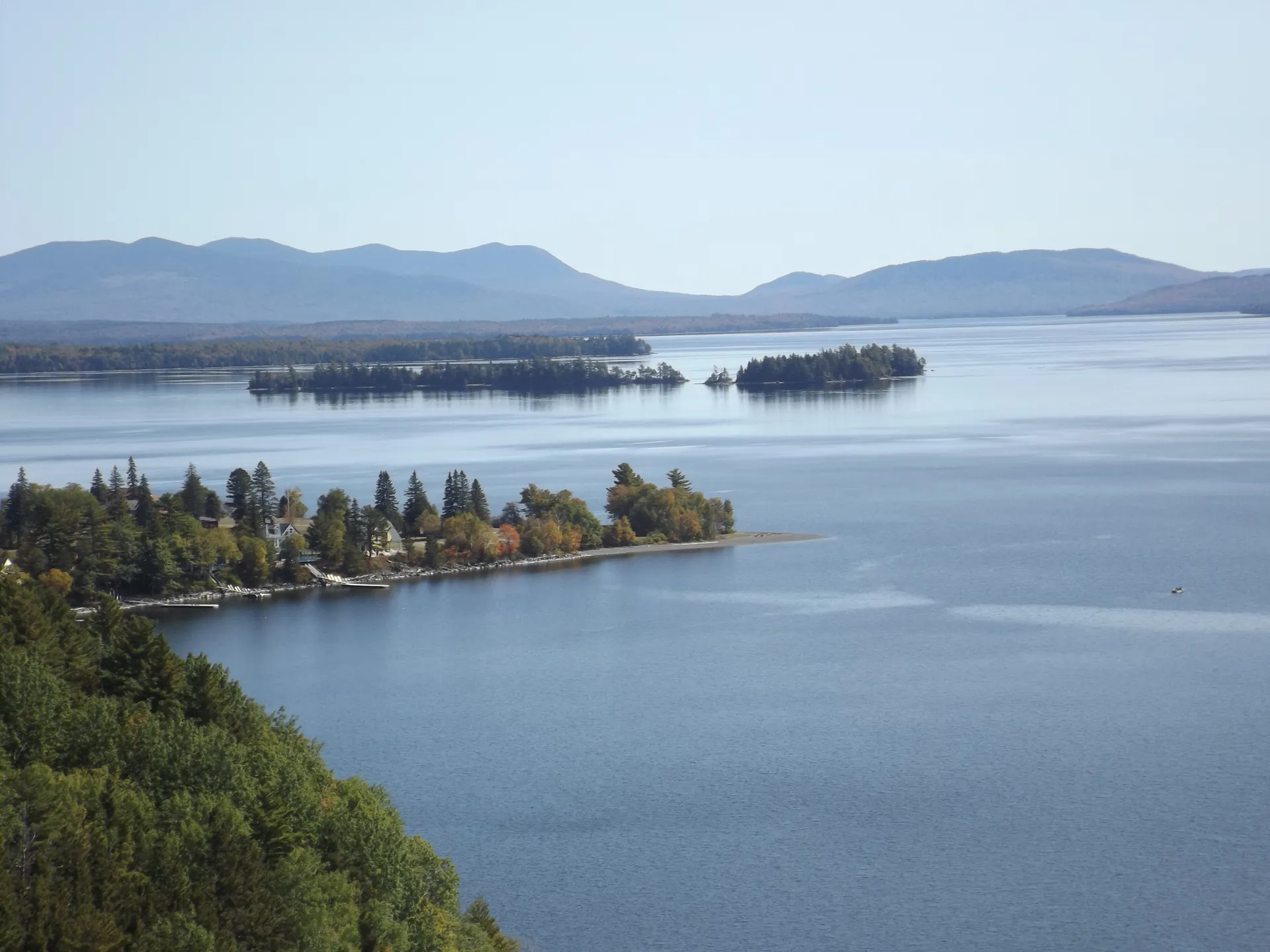
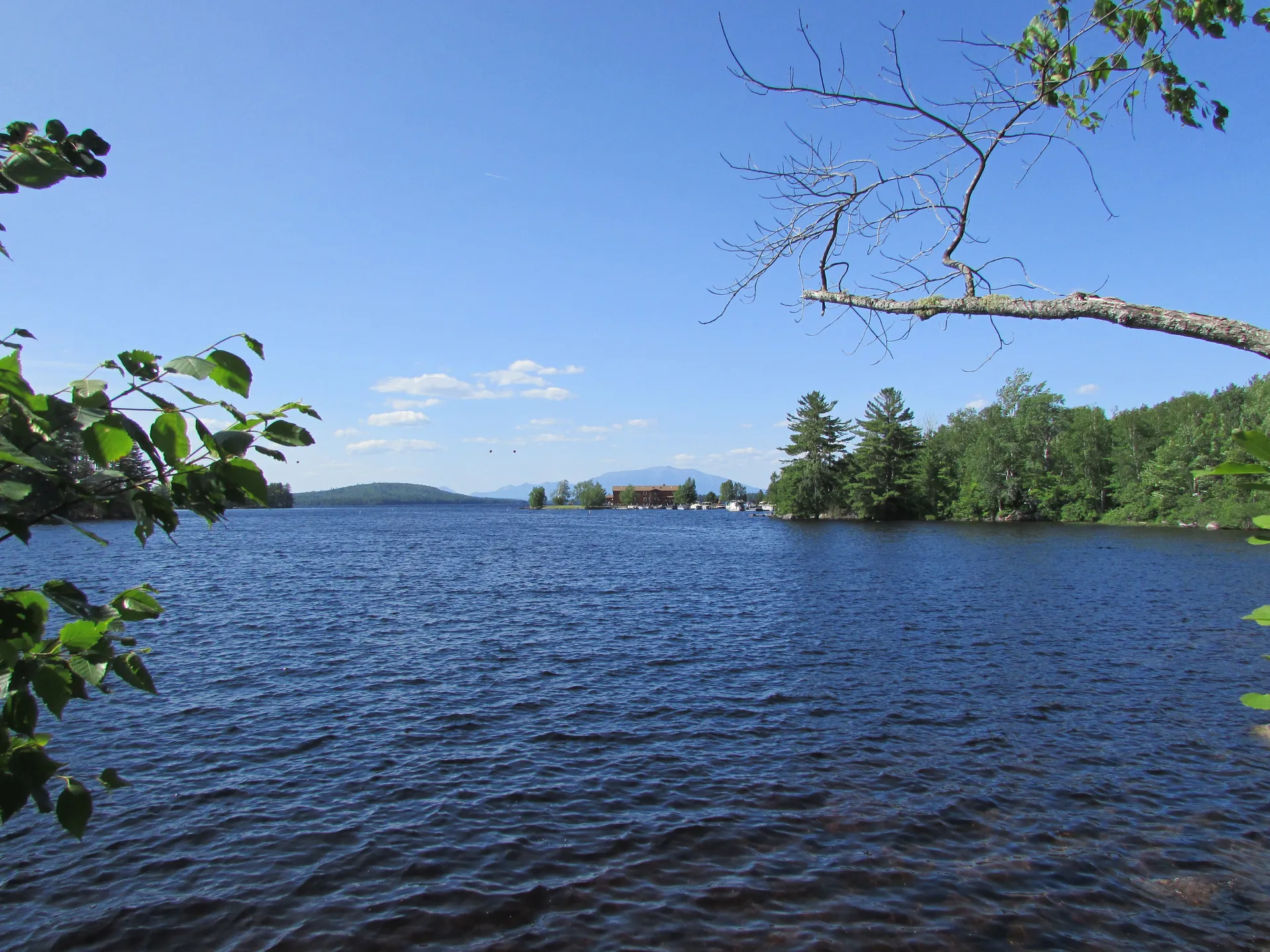
While most visitors to the Camden area head straight for the hills, Mount Battie, Megunticook, Maiden Cliff, the best-kept secret in town might be this quiet peninsula jutting into Megunticook Lake just a few miles inland. Fernald’s Neck is a 315-acre preserve owned by The Nature Conservancy, protecting a peninsula of old-growth forest, bogs, and undeveloped lakeshore on one of the clearest lakes in the midcoast.
The trail system covers about 3 miles of easy hiking around and across the peninsula. You walk through towering hemlock and white pine forest, past a bog that has been accumulating peat for thousands of years, along rocky lakeshore with views to the Camden Hills, and through clearings where the light comes down through the canopy in columns. In summer, you can swim from the flat rock ledges on the western shore, looking up at the mountains that most Camden visitors know only from the top down.
There is nothing difficult about this hike. The terrain is gentle, the trails are well-marked, and the preserve is small enough that you cannot get seriously lost. What makes it special is the quality of the forest, the beauty of the lake, and the fact that hardly anyone comes here compared to the state park trails up the road.
The Route
From the small parking area on Fernald’s Neck Road, the trail enters the forest immediately and splits into the main loop. Walking clockwise, the trail follows the eastern shore of the peninsula along the edge of the lake, then crosses the interior through old-growth forest, and returns along the western shore.
The eastern shore trail runs through mixed forest close to the water, with several side paths leading down to rocky beaches and swimming spots. The canopy is mostly hardwood on this side, oak, birch, and maple, and the forest floor is open enough for easy walking.
The best swimming spot is on the western shore of the peninsula, where flat granite ledges slope into deep, clear water. The bottom drops off quickly, the water is clean and cool, and the ledges make perfect sunning platforms. Look for the side trail marked with a small sign about halfway around the loop.
The interior section of the trail passes through the finest forest on the peninsula. Old-growth hemlock trees, some with trunks over three feet in diameter, create a dense canopy that blocks most sunlight. The understory is sparse, the ground is soft with centuries of fallen needles, and the silence is profound.
The Bog
Near the center of the peninsula, a short spur trail leads to a bog overlook. The bog is a classic sphagnum peatland, slowly filling a depression left by the last ice age. The floating mat of sphagnum moss supports pitcher plants, sundews, Labrador tea, and cranberries, carnivorous and acid-loving plants that thrive in this nutrient-poor environment.
A small viewing platform lets you look out across the bog without disturbing the fragile ecosystem. In June, the pitcher plants bloom with striking red-purple flowers. In fall, the cranberries turn the bog surface crimson.
Do not walk on the bog surface. The sphagnum mat is fragile and will not support your weight. Stay on the viewing platform and designated trail. The bog ecosystem has taken thousands of years to develop and can be damaged easily.
The Lake
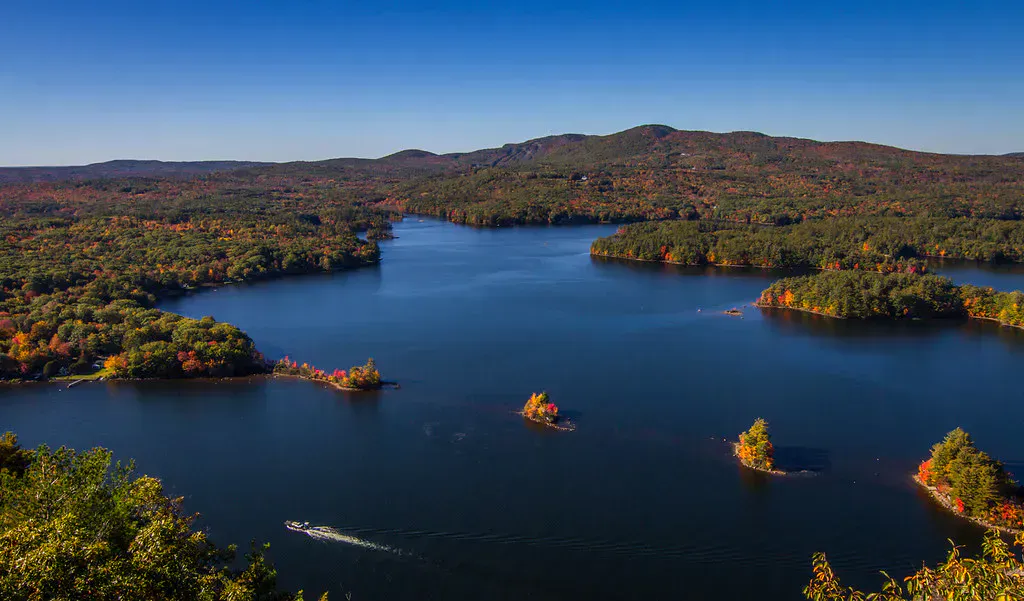
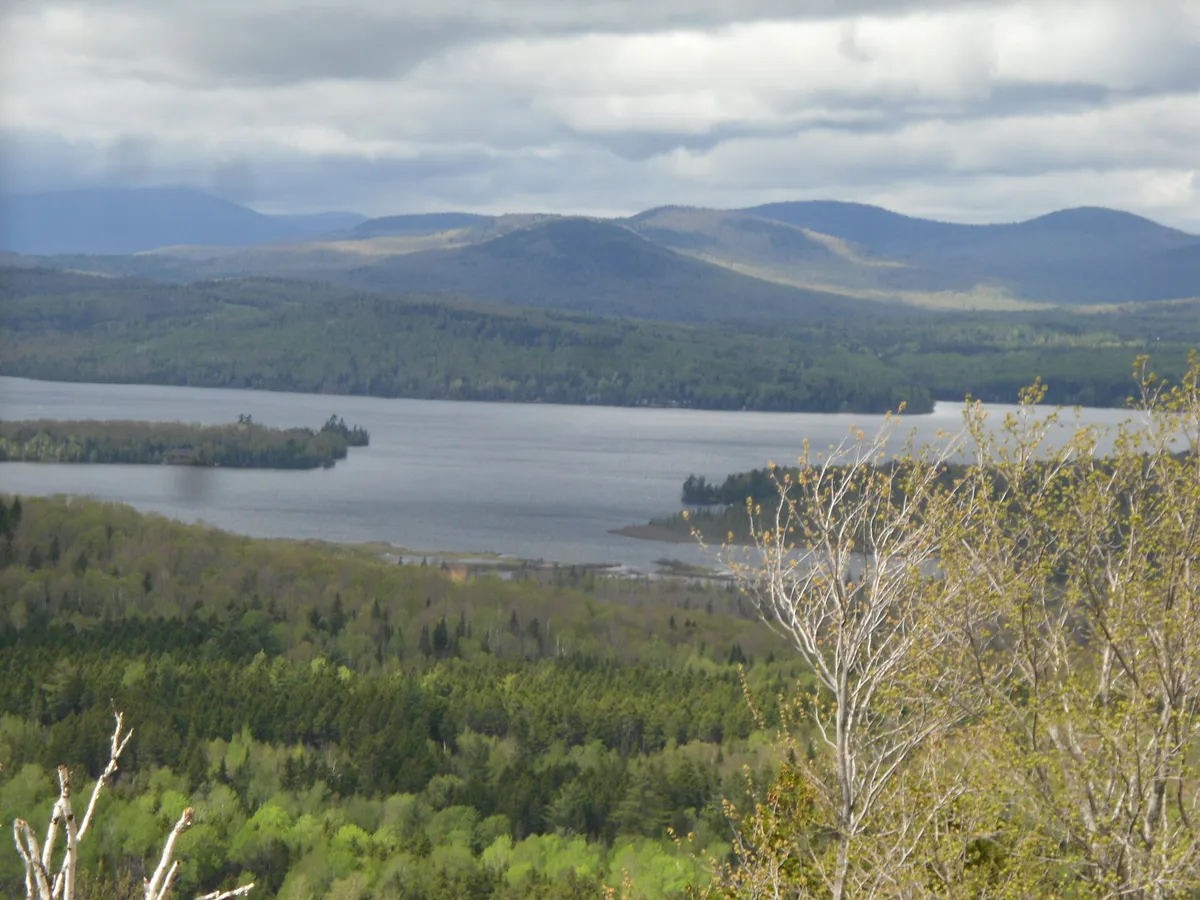
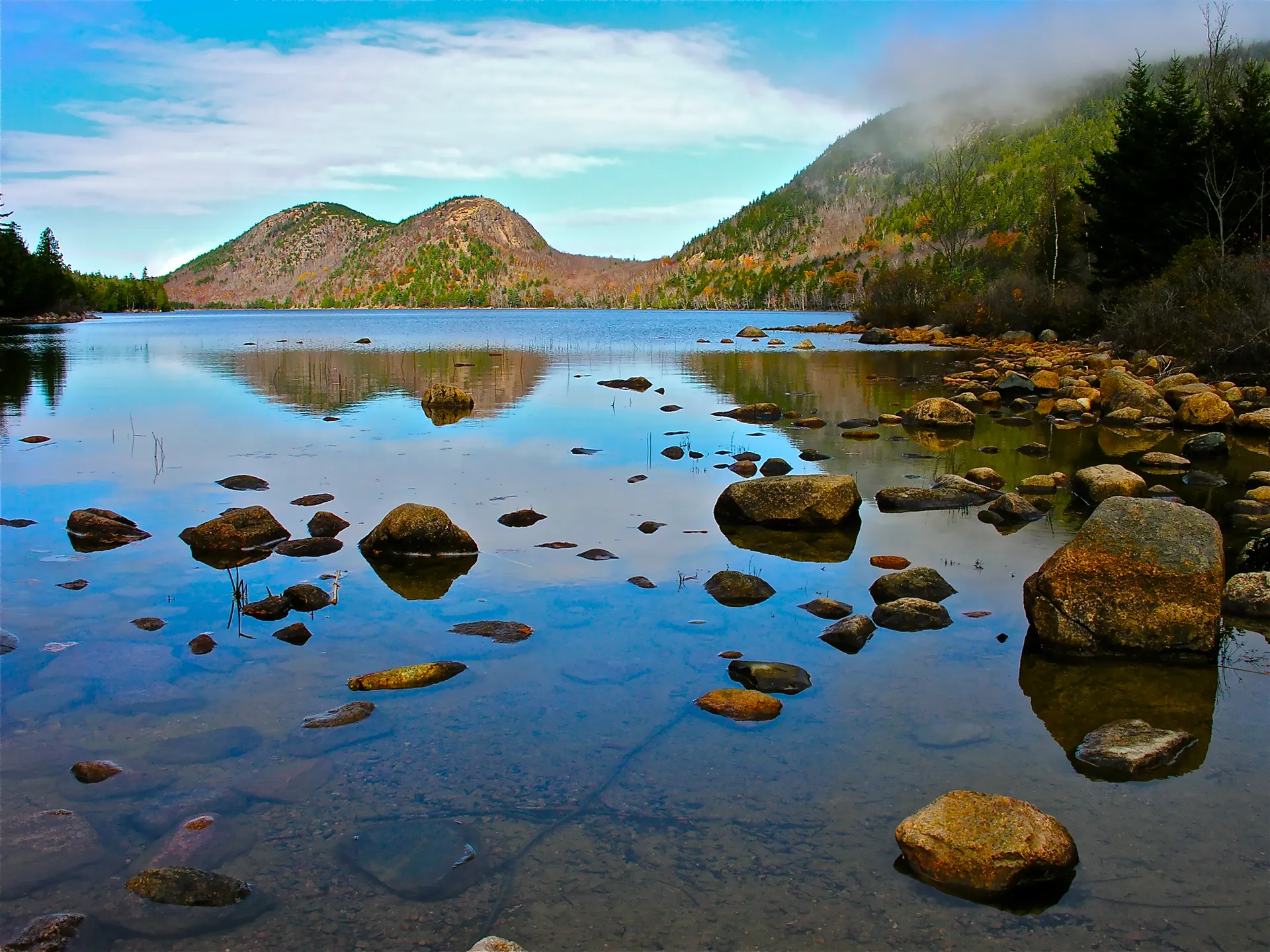
Megunticook Lake is the largest lake in Knox County and one of the clearest in the midcoast region. On calm days, you can see the bottom through 10 feet or more of water. The lake is fed by streams flowing off the Camden Hills, and the watershed is largely undeveloped, which keeps the water quality high.
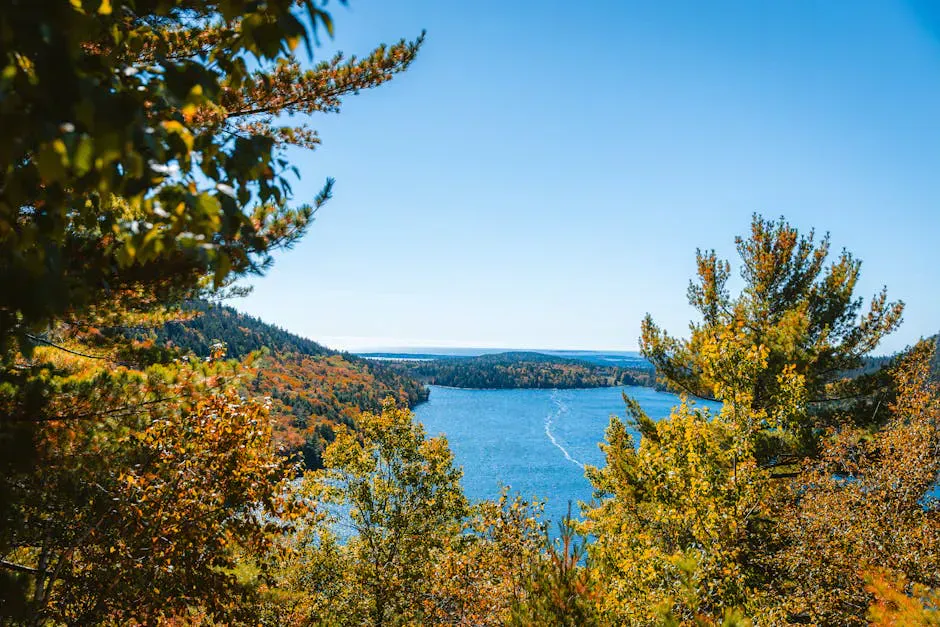
From the lakeshore sections of the trail, you have views across the water to Maiden Cliff and the ridgeline of the Camden Hills. In early morning, mist often hangs over the lake surface, and loons call from the deeper water offshore. Bald eagles nest near the lake and are frequently spotted fishing along the shoreline.
Come here on a summer afternoon when the state park trails are packed with tourists. You will have the lakeshore largely to yourself. Bring a towel and a book, swim from the western ledges, dry off on warm granite, and pretend you own this entire peninsula. It is the locals’ secret swimming spot.
When to Go
Spring
Wildflowers and birdsong. Trail may be muddy. Loons return to the lake in April. Bog plants start blooming in May.
Summer
Swimming, warm forest walks, long days. July and August are ideal. Morning mist on the lake is magical.
Fall
The hardwood forest blazes with color. The bog turns crimson with cranberries. Lake swims are still possible into September.
Winter
The hemlock grove stays green and beautiful. Trail is accessible with microspikes. Lake freezes and the views change character.
What to Bring
Fernald's Neck Trail Packing List
- Comfortable walking shoes (easy terrain)
- Swimsuit and towel (summer, the swimming is excellent)
- Binoculars (loons, eagles, and warblers in the forest)
- Camera (old-growth trees and lake views)
- Water and snacks
- Bug spray (the forest holds moisture and bugs in summer)
FAQ
Can you swim at Fernald's Neck Preserve?
Yes. There are several shoreline access points, and the flat granite ledges on the western shore are the best swimming spot. The water is clean and clear. There are no lifeguards or facilities, swim at your own risk.
Is Fernald's Neck Preserve free?
Yes. The preserve is owned by The Nature Conservancy and open to the public free of charge, dawn to dusk, year-round. The parking area is small and holds about 10 cars.
How long does the Fernald's Neck loop take?
The 3-mile loop takes most hikers about 1.5 hours. Add time for swimming, bog viewing, and lakeshore exploring. On a summer day with a swim, plan for 2 to 3 hours.
Are dogs allowed at Fernald's Neck Preserve?
Yes, dogs are allowed on leash. The terrain is easy and most dogs enjoy the lakeshore. Keep dogs away from the bog area and on the marked trails.