Deep in the North Woods
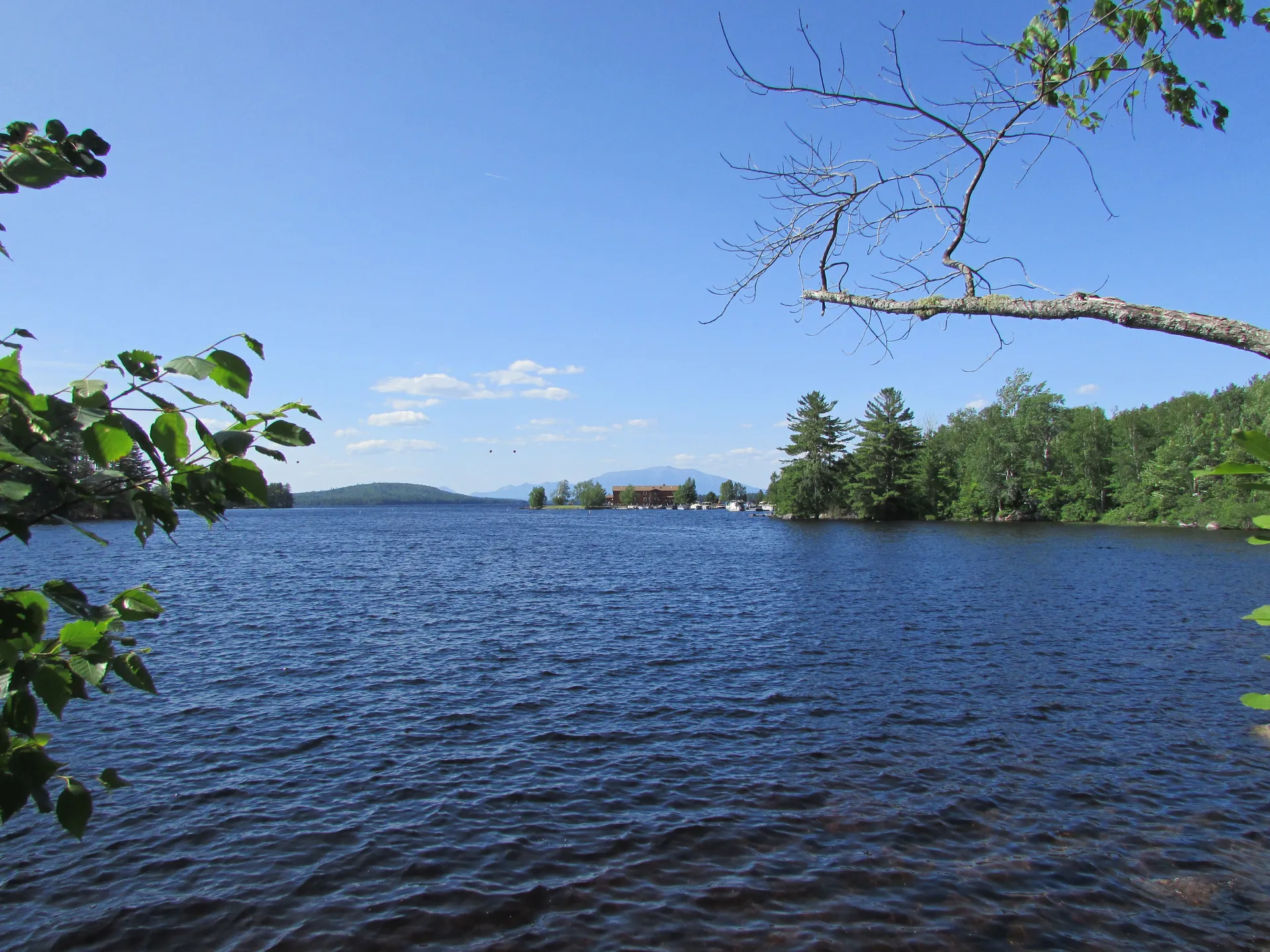
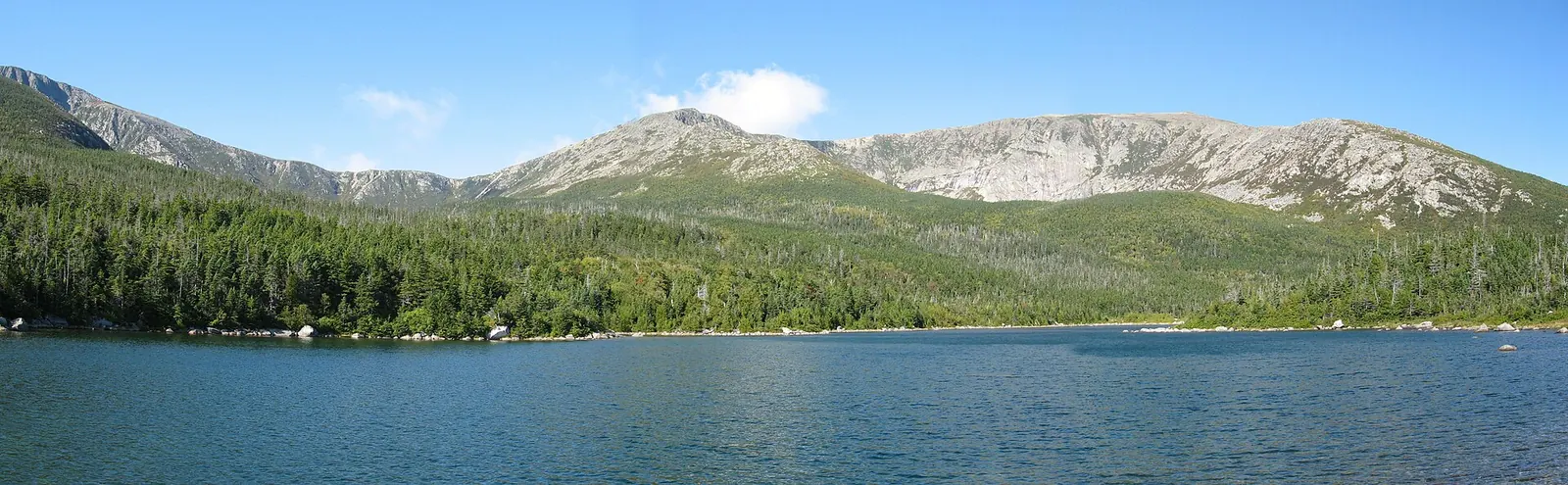
Number Nine Mountain stands at 1,617 feet in T9 R3 WELS, deep in the unorganized townships of northern Aroostook County. The mountain sits in a vast landscape of boreal forest, logging roads, and lakes that stretches nearly to the Canadian border. There are no towns nearby, no cell towers in range, and no crowds. This is one of the most remote day hikes accessible by road in Maine, and the experience is as much about the isolation as it is about the summit.
The hike covers roughly 6 miles round trip with about 900 feet of elevation gain. The terrain is not technical, but the remoteness demands preparation. You are a long way from help out here, and the logging roads that provide access can change condition quickly depending on weather and active timber harvesting.
The Approach
Getting to Number Nine Mountain is an adventure in itself. From the town of Ashland, you drive north and then west on a network of private logging roads into the unorganized territories. The roads are gravel, sometimes rough, and often unsigned. A DeLorme Maine Atlas or downloaded GPS maps are essential. Cell service disappears well before you reach the trailhead.
The logging roads in this area are actively used by timber trucks during the week. Drive cautiously, yield to loaded trucks, and keep your headlights on at all times. On weekends, traffic is lighter and the roads feel more relaxed.
This hike is in a truly remote area with no cell service, no emergency facilities, and no nearby towns. Tell someone your plan before you go. Carry a first aid kit, extra food and water, and a map. Consider carrying a satellite communicator if you have one.
The Trail
The trail climbs through dense boreal forest of spruce, fir, and birch. The understory is thick with moss, ferns, and fallen timber in places. The lower sections follow old logging skid roads before transitioning to a narrower footpath. The trail is not heavily maintained and may have blowdowns or overgrown sections, especially early in the season.
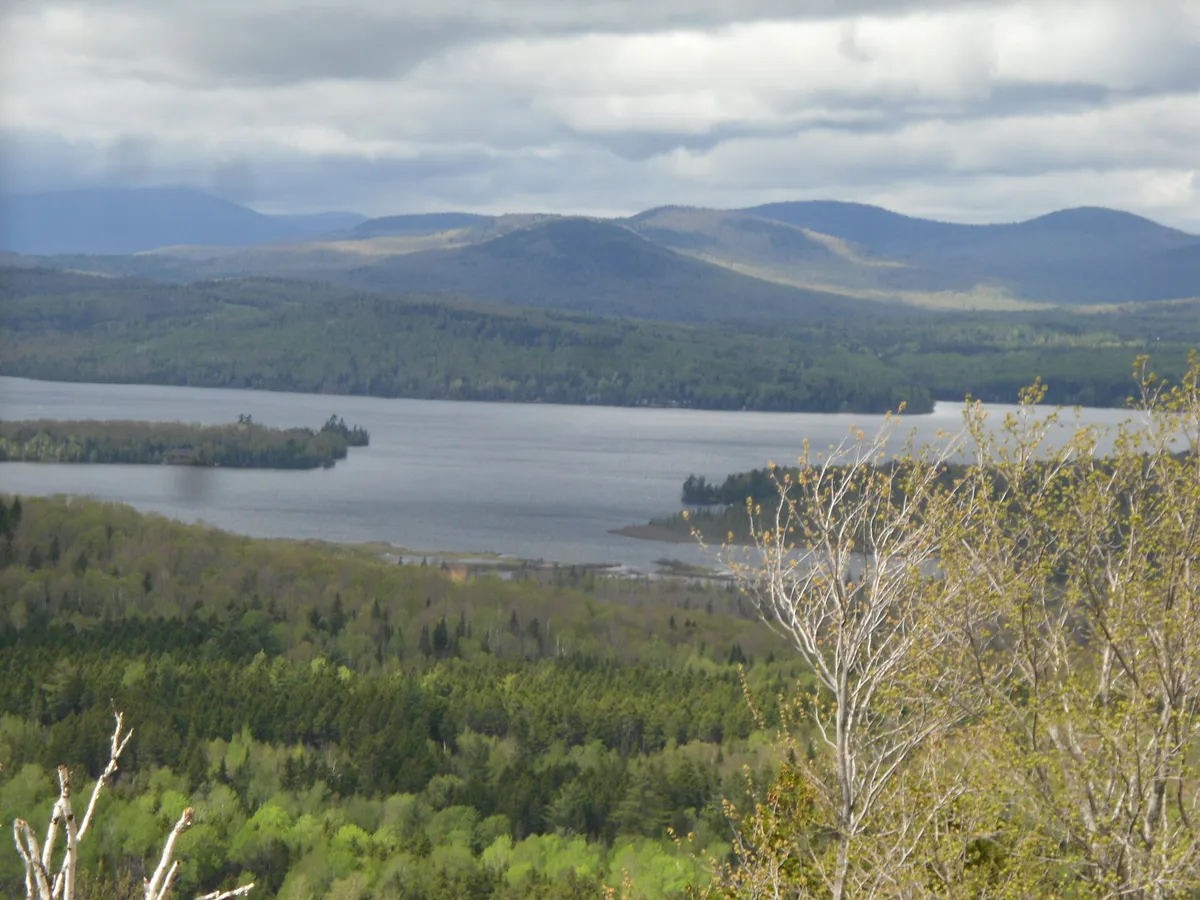
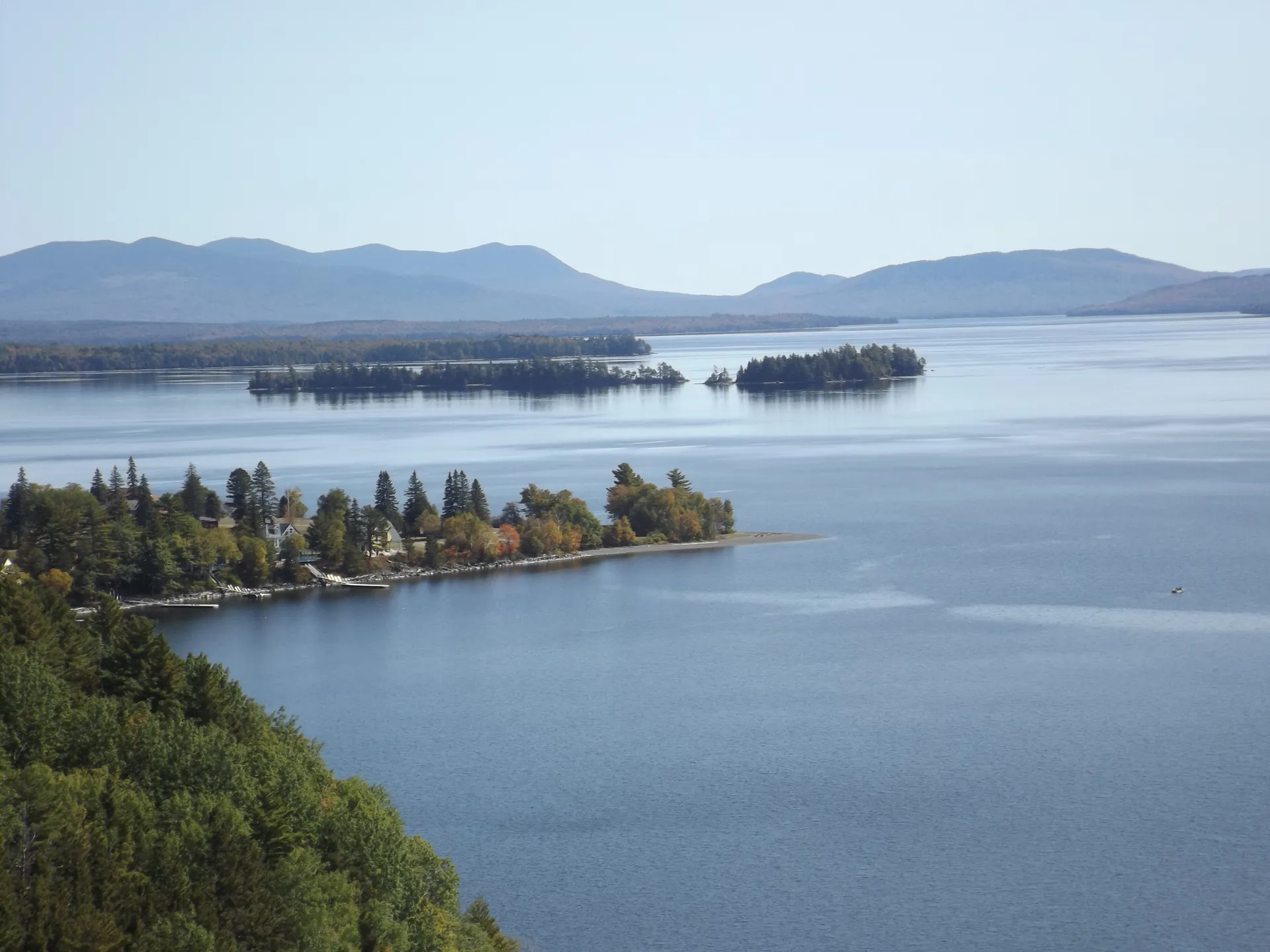
As you gain elevation, the forest thins slightly and the character of the landscape shifts to stunted spruce and exposed rock. The summit area has limited views due to tree cover, but there are openings on the upper slopes that give you a sense of the vast, unbroken forest stretching in every direction. On clear days, you can see across miles of boreal wilderness to distant ridges and lakes.
The feeling on the summit is one of genuine remoteness. You are looking at a landscape that has very few permanent human structures in it. The silence is broken only by wind, birds, and the occasional distant sound of a logging truck.
Bring a compass and a paper map in addition to any GPS device. The boreal forest is dense and monotonous, and it is easy to become disoriented if you lose the trail. The magnetic declination in northern Maine is significant, so set your compass accordingly.
When to Go
Spring
Logging roads are often impassable during mud season (April-May). Black flies are brutal in late May and June.
Summer
Roads are dry and accessible. Long days give plenty of time. Bug spray is essential through July. Moose are common.
Fall
The boreal forest does not produce the flashy foliage of southern Maine, but the birches turn gold and the air is crisp. Fewer bugs. Hunting season begins in October.
Winter
Logging roads are usually plowed for timber access but conditions vary. Deep snow and extreme cold make this a serious winter expedition.
Late August through September is the ideal window. The bugs have tapered off, the roads are in their best condition, and the days are still long enough for a comfortable round trip. Early fall color in the birches adds a golden glow to the forest.
Practical Notes
Aroostook County is moose country. You are almost certain to see moose tracks on the logging roads and may encounter moose on the trail or at water crossings. Give them plenty of space, especially cows with calves in spring and bulls in rut during September and October.
The nearest services are in Ashland, about an hour south on logging roads. There is a gas station, a general store, and basic services in town. Beyond Ashland, Presque Isle and Houlton are the nearest larger towns.
There are no facilities at or near the trailhead. No water, no bathrooms, no trash cans. Pack everything in and pack everything out.
Fall hunting season begins in late September for some game and runs through November. If you hike during this period, wear blaze orange. The woods around Number Nine Mountain are actively hunted.
Number Nine Mountain Essentials
- 3+ liters of water (no reliable water sources)
- Map and compass (no cell service, dense forest)
- Bug spray and head net (May through July)
- First aid kit
- Extra food and warm layers
- Full tank of gas before leaving Ashland
- Headlamp
- Satellite communicator if available
- Blaze orange in hunting season (October-November)
Getting There
From Ashland, drive north on logging roads toward the T9 R3 WELS area. Specific directions depend on current road conditions and access points, which can change with logging operations. Consult the DeLorme Maine Atlas (Map 57) or download GPS tracks before your trip. The drive from Ashland to the trailhead area takes roughly an hour on gravel roads. From Bangor, Ashland is about 2.5 hours north via I-95 and Route 11.
FAQ
How remote is Number Nine Mountain?
Very. The trailhead is about an hour from Ashland on logging roads, with no cell service and no facilities. The nearest gas station is in Ashland. This is one of the most isolated day hikes you can do by road in Maine.
Do I need a four-wheel-drive vehicle?
Not necessarily, but a vehicle with decent clearance is recommended. The logging roads are gravel and can be rough. In wet conditions, some sections may be muddy. Four-wheel drive gives you a margin of safety.
Will I see moose?
Very likely. Aroostook County has one of the densest moose populations in Maine. Watch for moose on the logging roads, at stream crossings, and in boggy areas near the trail. Give them space.
Is the trail well marked?
The trail is not formally maintained or blazed like state park trails. Bring navigation tools and be prepared for blowdowns and overgrown sections, especially early in the season.
Can I camp near Number Nine Mountain?
Dispersed camping is generally permitted on unorganized territory land in Maine. Practice Leave No Trace. There are no designated campsites or facilities.
For more in the region, see our guides to Mount Katahdin and Baxter State Park.