Deep in the Logging Country
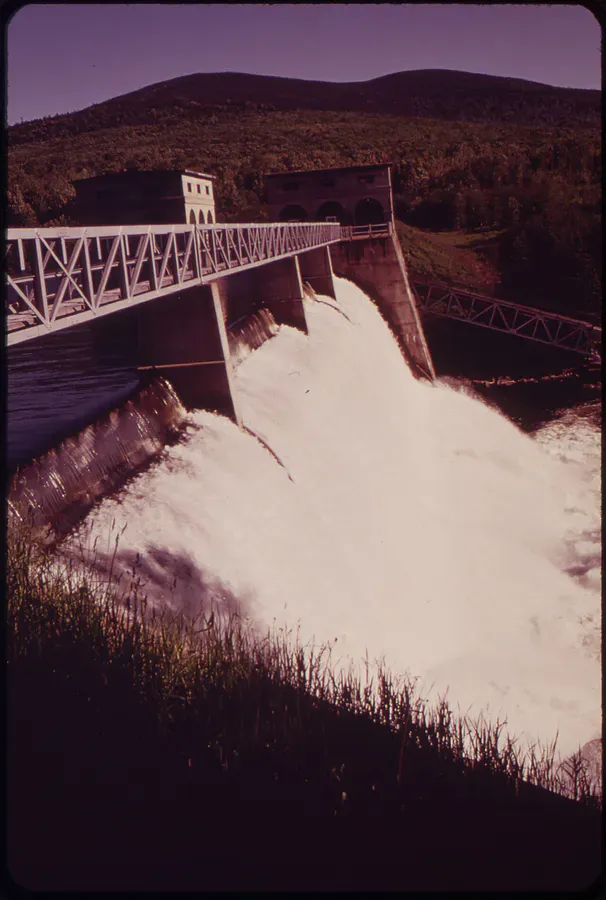
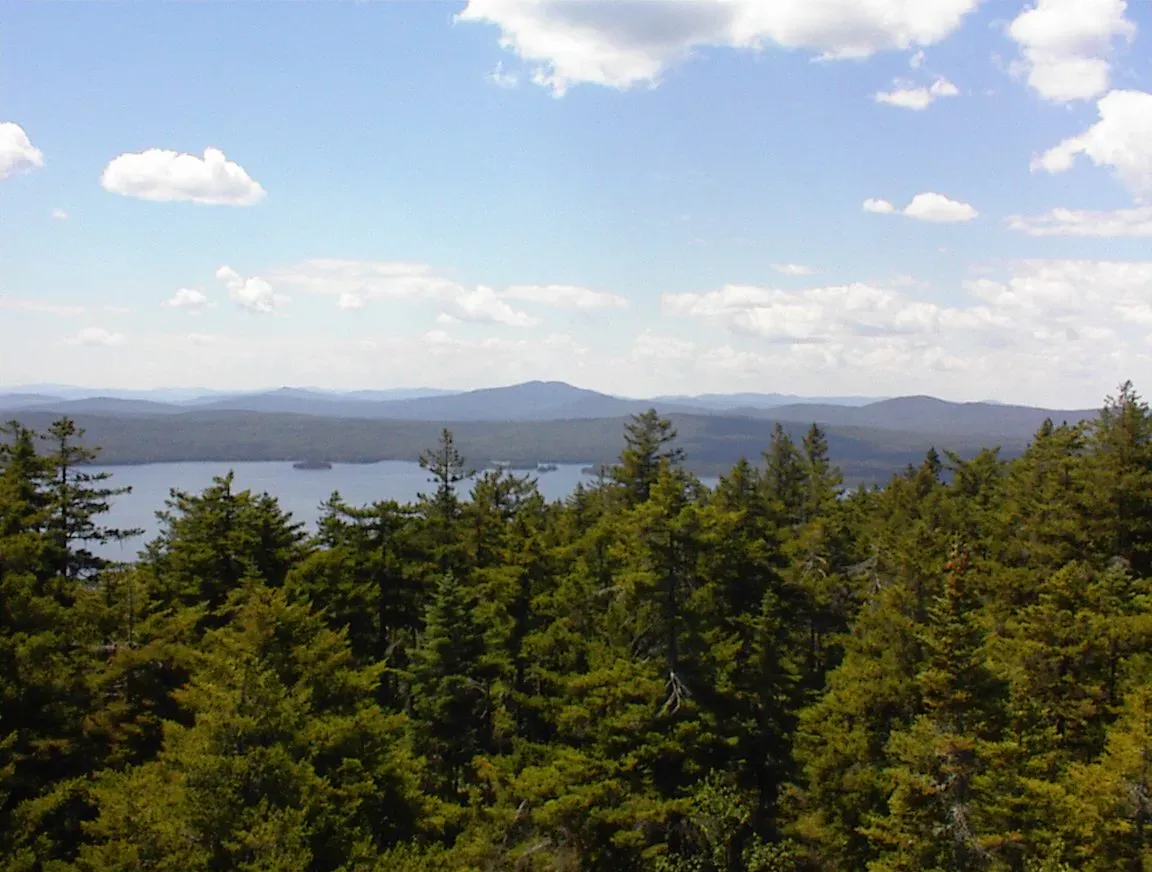
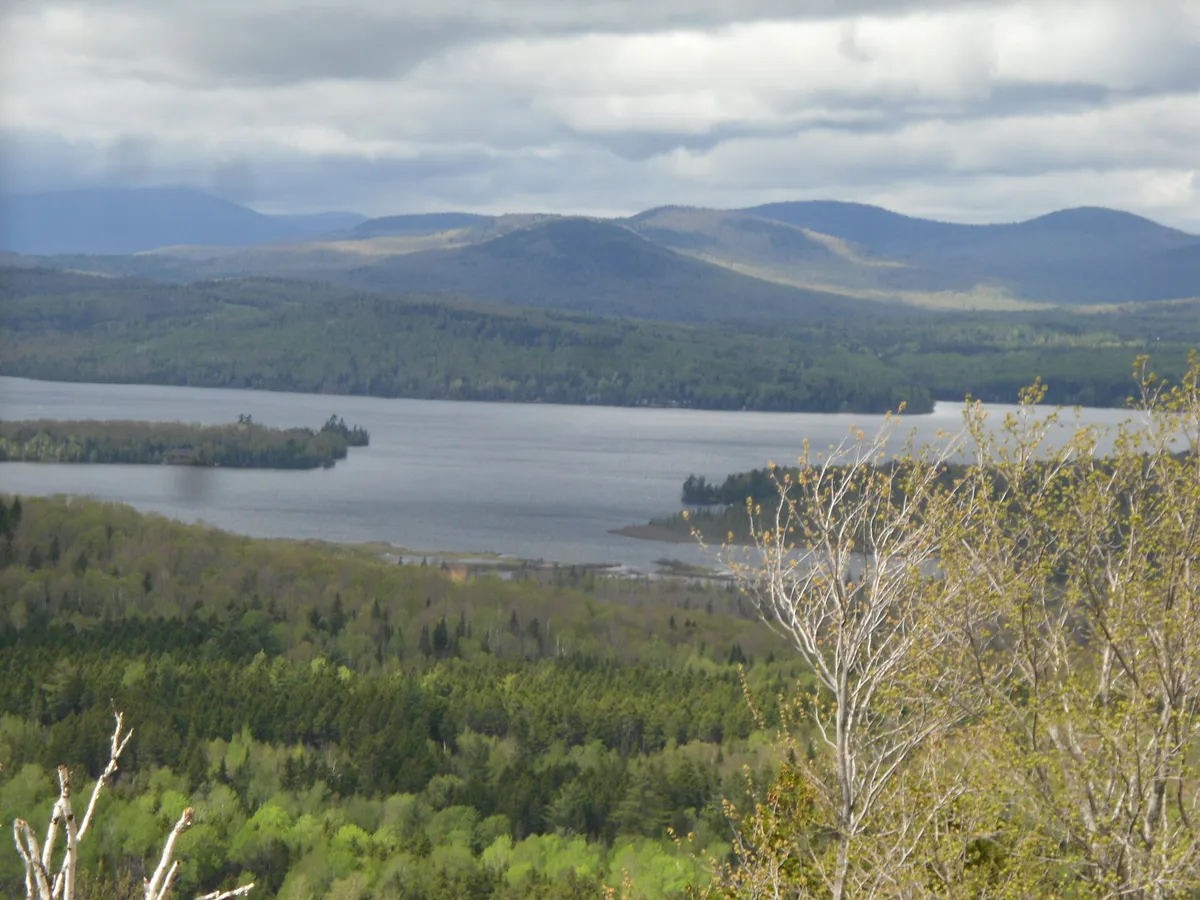
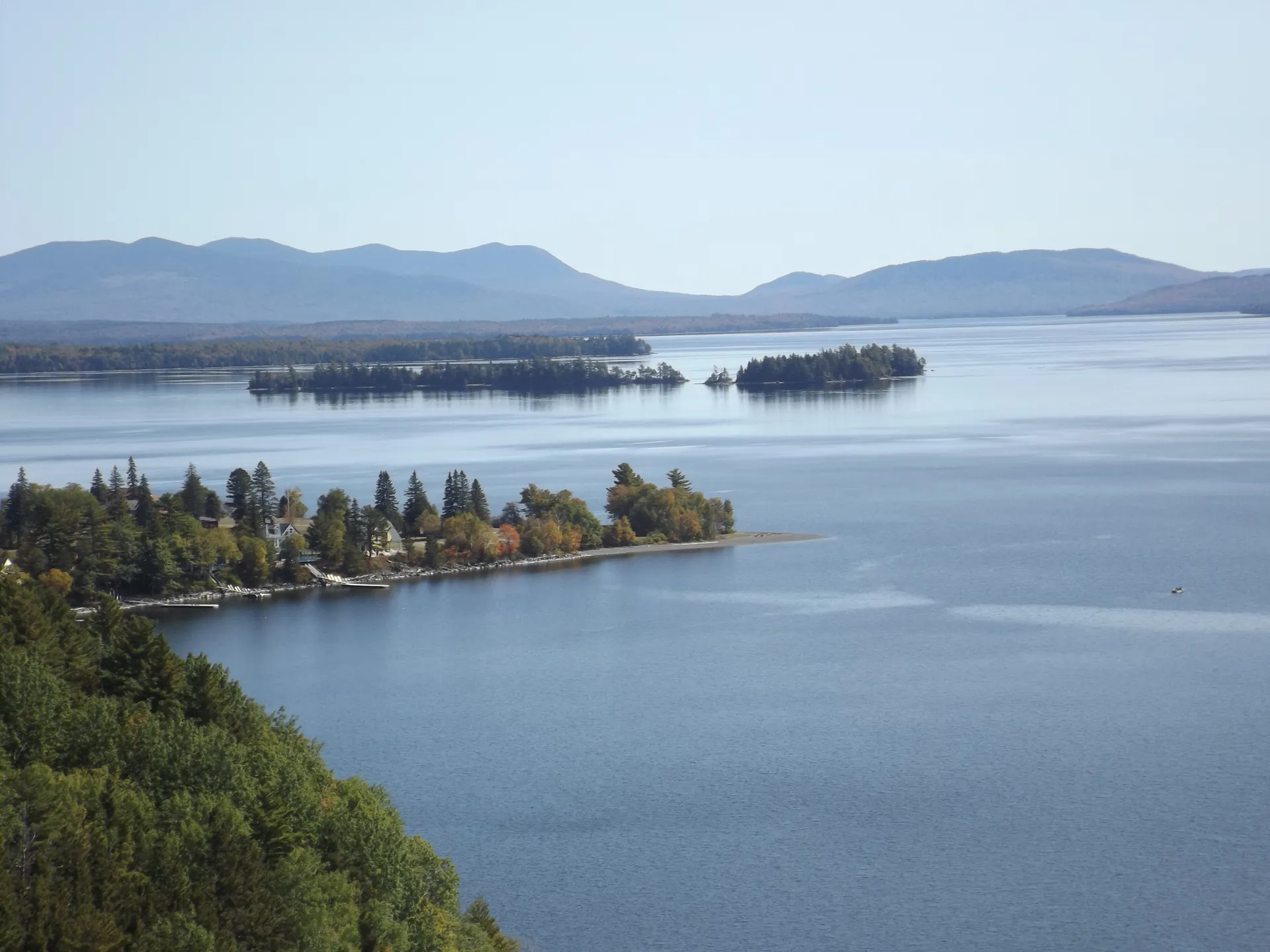
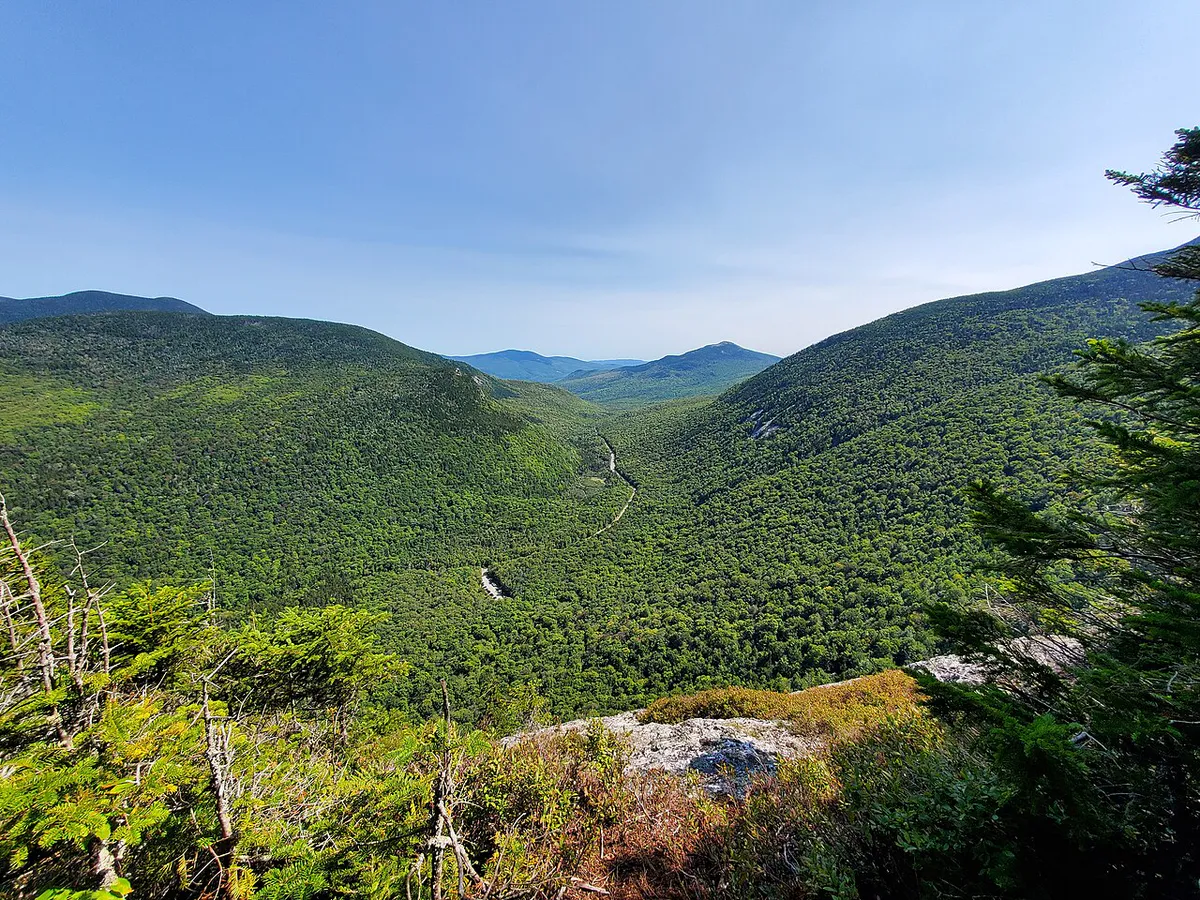
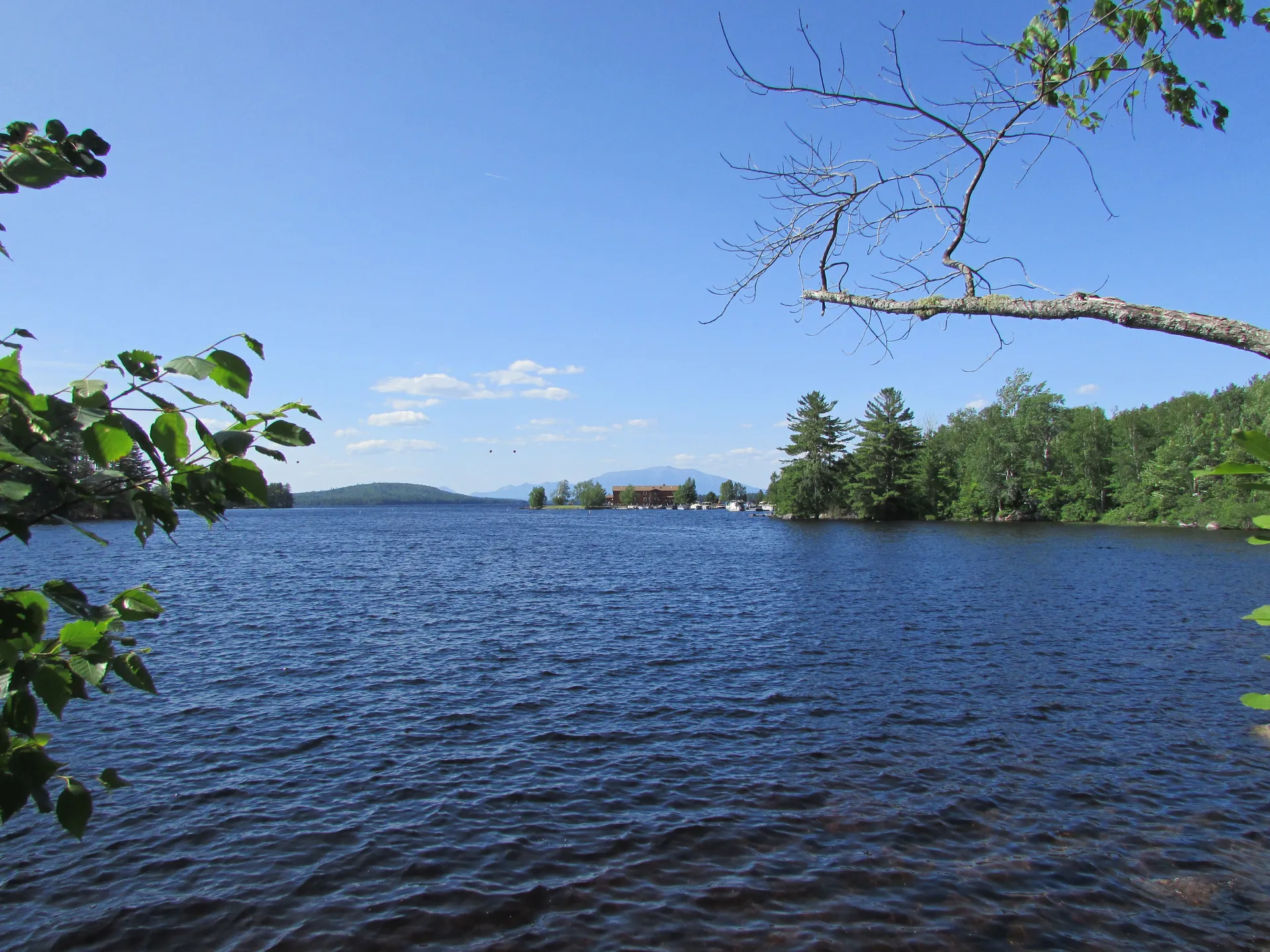
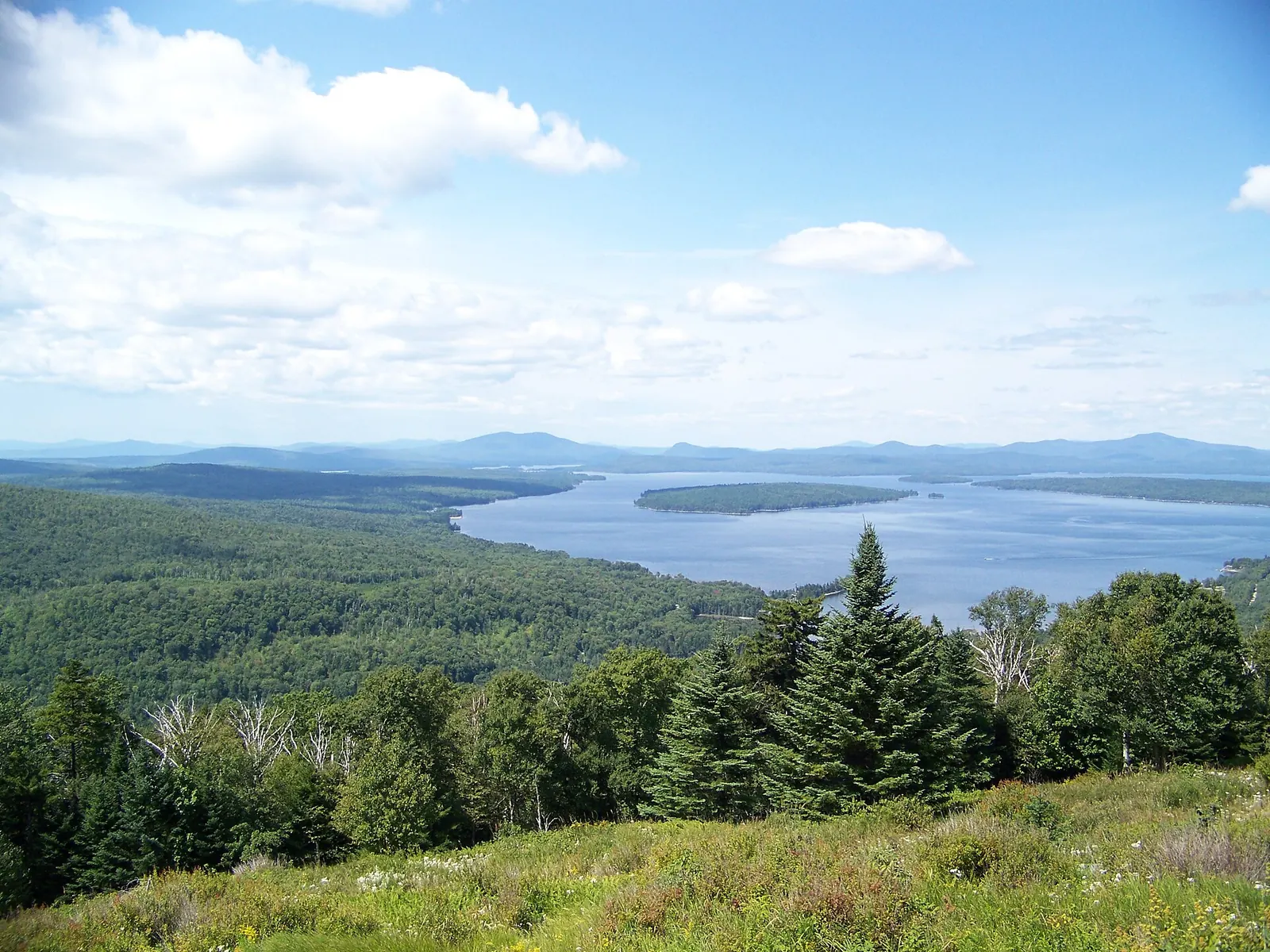
Aziscohos Lake sits at 1,516 feet in the mountains of western Maine, close enough to the New Hampshire and Quebec borders that you can see into both on a clear day. This is a 6,700-acre reservoir created in 1911 when the Union Water Power Company dammed the Magalloway River to generate hydroelectric power and manage the spring log drives. The dam still stands at the southern end, and the lake stretches roughly seven miles north into some of the least populated territory in the eastern United States.
Lincoln Plantation, the township that holds most of the lake, has a year-round population you can count on two hands. The nearest services are in Wilson’s Mills, a small settlement on Route 16 near the New Hampshire line. Rangeley, the closest real town, is about 30 miles south. This is remote country by any standard, and that remoteness is the point.
There is no cell phone coverage at Aziscohos Lake or anywhere nearby. The nearest reliable signal is in Rangeley, 30 miles south. Bring paper maps, tell someone your plans, and carry what you need. This is not a place where you can call for help if something goes wrong.
The Logging Legacy
The Magalloway River valley was one of Maine’s great logging corridors. From the mid-1800s through the early 1900s, millions of board feet of spruce and fir were cut from these mountains and driven downstream each spring. The dam that created Aziscohos Lake was part of that system, built to control water flow for the log drives on the Androscoggin River watershed.
Today the forests have grown back thick, and the shoreline is almost entirely undeveloped. A few private camps sit on leased timberland, but there are no public roads along much of the shore. The surrounding land is managed for timber by paper companies and investment groups, which means logging trucks on the access roads and a landscape that looks and feels wild.
Fishing
Aziscohos Lake is a cold, deep reservoir with excellent habitat for brook trout and landlocked Atlantic salmon. The lake also holds lake trout (togue), smallmouth bass, and yellow perch. The cold, well-oxygenated water stays suitable for salmonids through the summer, which is not the case at many Maine lakes this far south.
Spring fishing after ice-out (typically mid-May at this elevation) is the best window. Brook trout and salmon move into the shallows near tributary mouths and along the north end of the lake. Fly fishing with streamers and nymphs is productive. Trolling with light tackle works on the main lake.
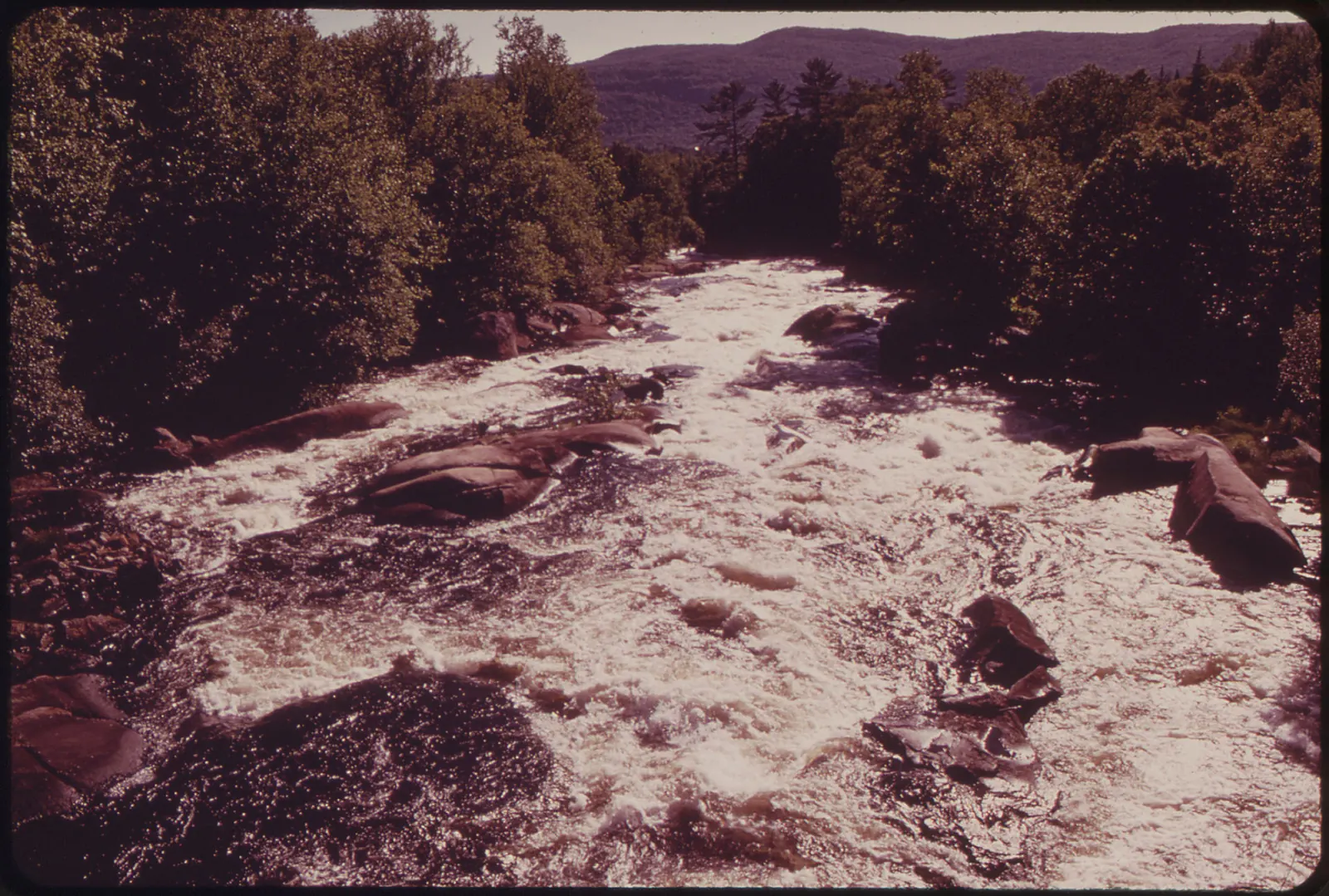
The Magalloway River above the lake and several smaller tributaries offer additional brook trout fishing in a classic small-stream setting. Wading the upper Magalloway in June can produce native brookies in the 8-12 inch range, with occasional fish larger.
Ice fishing runs from late December through March. Togue are the primary winter target in the deep basins. Bring a sled and be prepared for cold. Winter temperatures regularly drop well below zero.
A Maine fishing license is required. There are no shops at the lake, so buy one in Rangeley or online before you arrive.
Fall Foliage
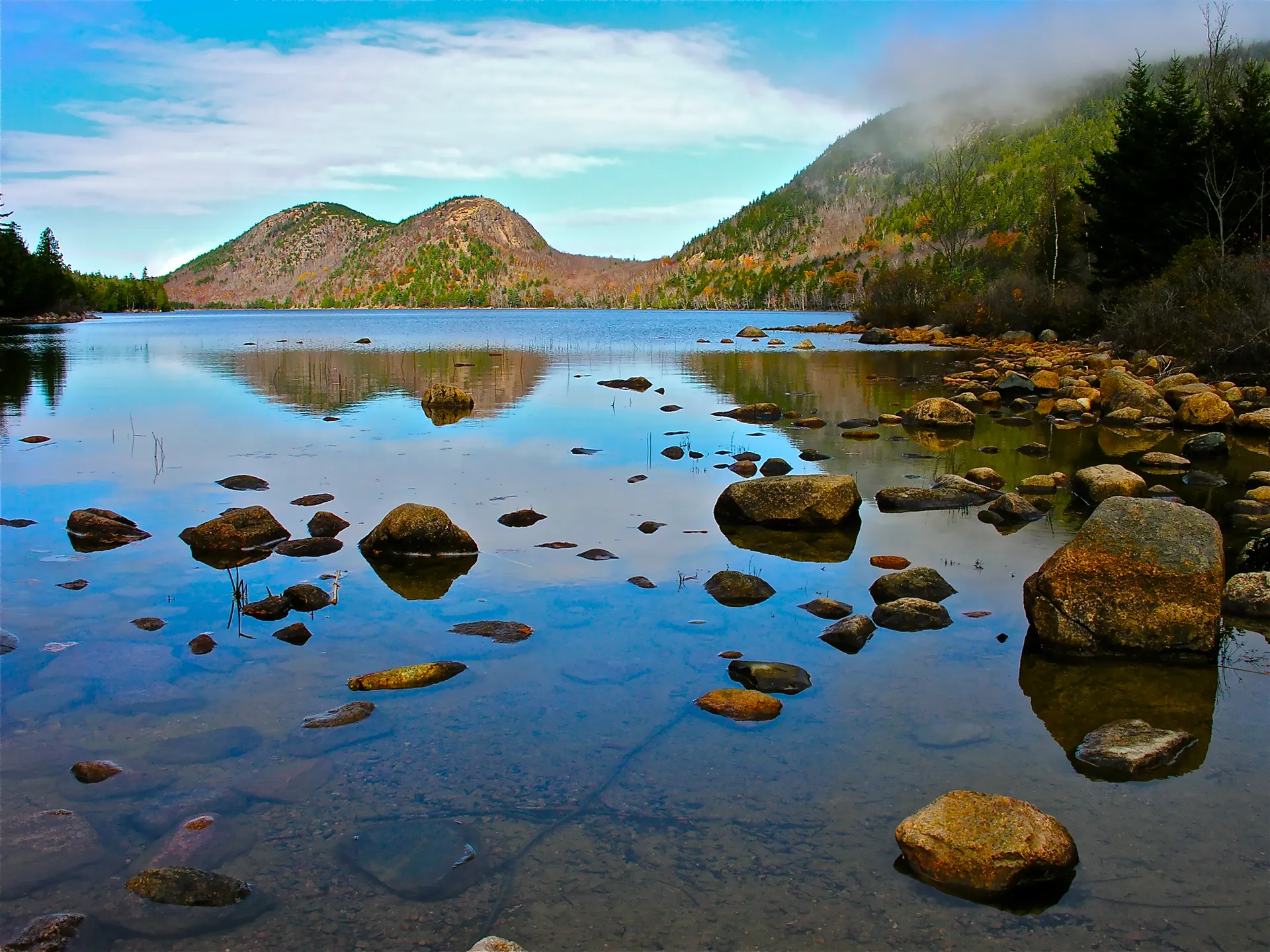
The combination of elevation, mixed hardwood-conifer forest, and reflective water makes Aziscohos Lake one of the best fall foliage destinations in Maine. Peak color typically hits in late September to early October, a week or two before the southern part of the state. The birches and maples along the shoreline turn gold and red against a backdrop of dark spruce, and on a still morning the reflections are extraordinary.
The access road along the east shore offers some of the best foliage views in all of western Maine. Drive slowly and stop at the pulloffs above the lake. Early morning before the wind picks up gives you mirror-calm water and perfect reflections. Bring a camera with a long lens.
Paddling
Aziscohos is a superb paddling lake for experienced canoeists and kayakers. The north end is the wildest section, with no development and limited access. Paddling the full length of the lake and back is a solid full-day trip.
The reservoir can build significant waves when afternoon winds funnel through the valley. Stick close to shore on windy days. Morning and evening are typically the calmest times.
Even in summer, the water temperature rarely exceeds the low 60s. A capsize in this lake can become a survival situation quickly, especially far from shore. Wear a life jacket at all times and carry dry bags with extra clothing.
Access and Camping
The primary access is via a gravel road from Route 16 near Wilson’s Mills. The road follows the east shore of the lake and is maintained for logging trucks but open to the public. A free public boat launch sits near the dam at the south end.
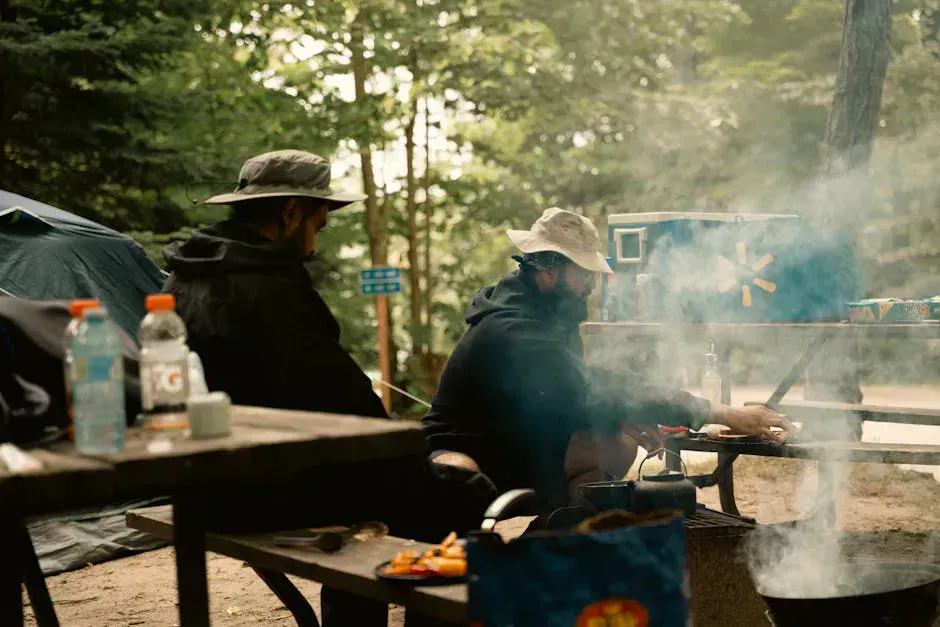
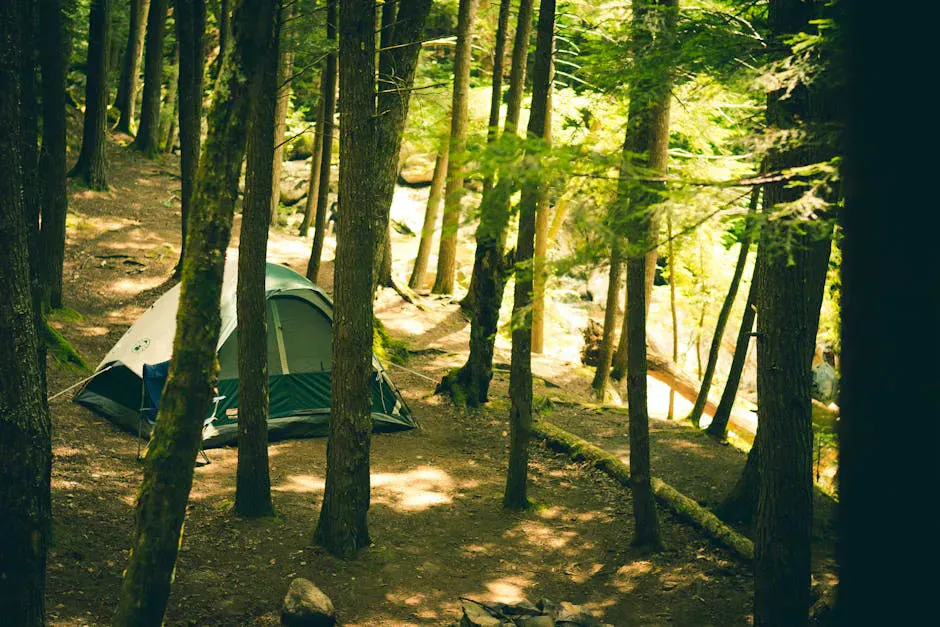
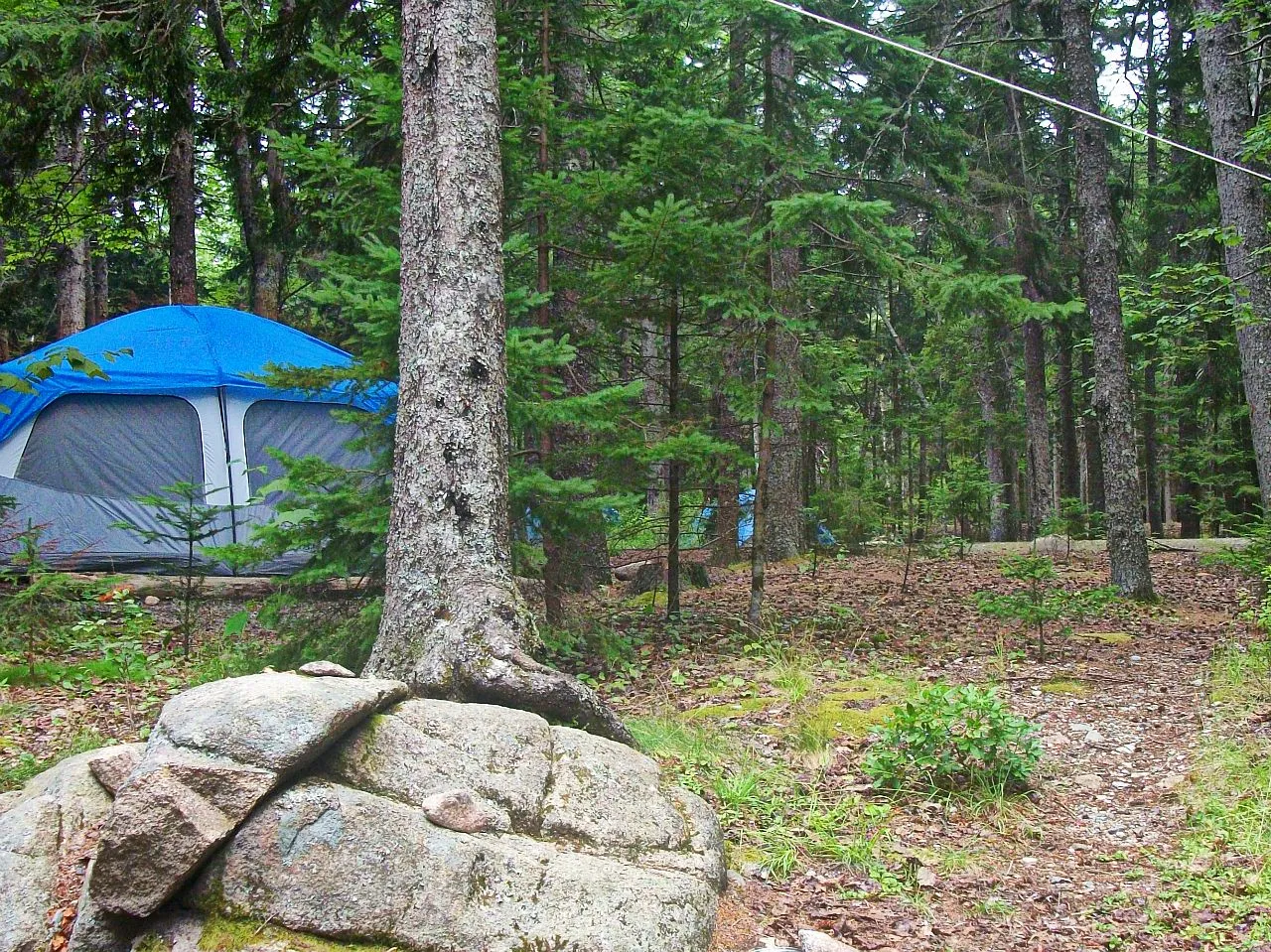
Primitive camping is available on timberland around the lake, typically at informal sites that have been used for decades. There are no designated campgrounds, no running water, and no facilities. Practice Leave No Trace principles.
The nearest developed campgrounds are in the Rangeley area, about 30 miles south. Several sporting camps in the region offer cabin rentals and guided fishing trips.
Getting There
From Portland, take Route 302 to Route 2 West through Rumford and Mexico, then Route 17 North to Route 16 North through Rangeley and Oquossoc. Continue on Route 16 to Wilson’s Mills and watch for the access road. The drive is about three and a half hours. The last section on gravel roads adds time.
From Bangor, head west on Route 2 through Skowhegan and Farmington, then follow Route 4 and Route 16 through Rangeley. About four hours.
When to Go
Spring
Ice-out mid-May. Excellent fishing after ice-out. Black flies heavy in late May and June. Roads may be muddy.
Summer
Fishing, paddling, and swimming. Water stays cold. Bug pressure drops by late July. Longest days for exploring.
Fall
Peak foliage late September to early October. Excellent fishing as water cools. Few visitors. Cold nights.
Winter
Ice fishing for togue. Extreme cold, limited access. Only for those with winter backcountry experience.
Aziscohos Lake Essentials
- Paper maps (no cell service)
- Full tank of gas (no stations nearby)
- Maine fishing license
- Bug spray and head net (May-July)
- Life jacket (cold water)
- Dry bags for extra clothing
- Food and water for the full day
- First aid kit
- Camera (fall foliage, wildlife)
FAQ
Is there cell service at Aziscohos Lake?
No. There is no cell phone coverage at the lake or in the surrounding area. The nearest reliable signal is in Rangeley, about 30 miles south. Plan accordingly and let someone know your itinerary.
Can you swim in Aziscohos Lake?
You can, but the water is cold. Surface temperatures rarely exceed the low 60s even in August due to the lake's depth and elevation. On a hot day after a hike it is refreshing, but extended swimming requires tolerance for cold water.
What fish are in Aziscohos Lake?
Brook trout, landlocked Atlantic salmon, lake trout (togue), smallmouth bass, and yellow perch. The cold, deep water makes it one of the better salmonid fisheries in western Maine.
How do you get to Aziscohos Lake?
From Route 16 near Wilson's Mills, take the gravel access road along the east shore. The road is maintained for logging but open to public vehicles. A public boat launch is at the south end near the dam.
Is Aziscohos Lake a natural lake?
No. It is a reservoir created in 1911 when the Magalloway River was dammed for hydroelectric power and log-drive management. The dam is at the southern end.