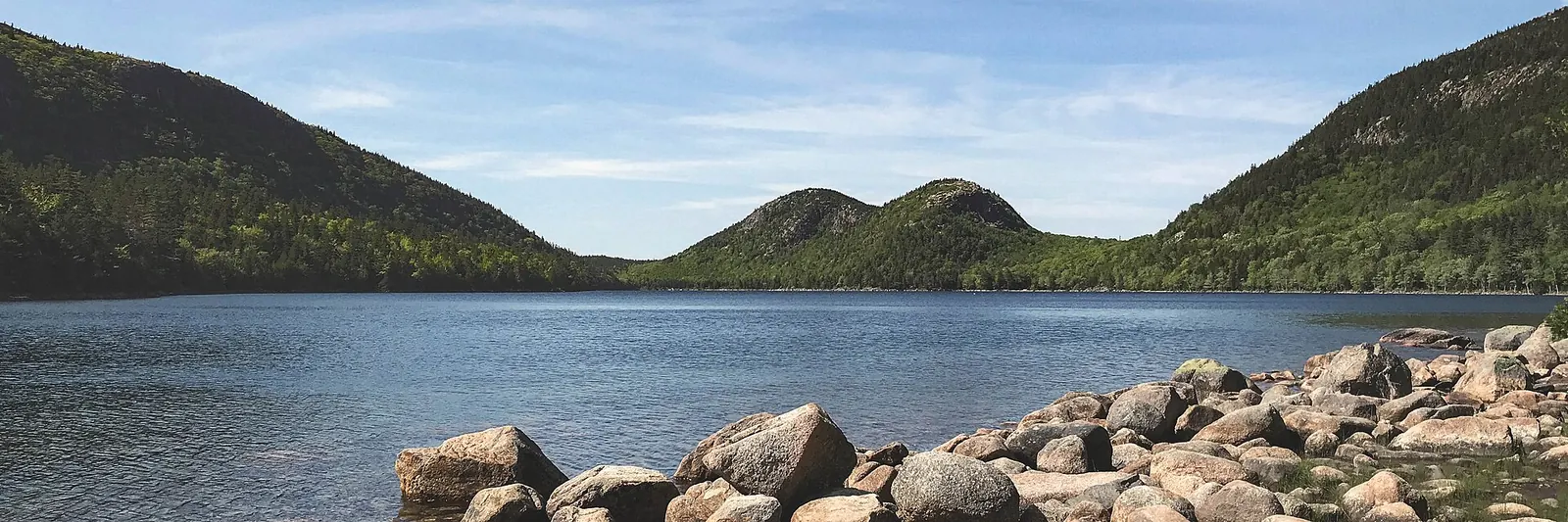
A Big, Wild Lake Minutes from Acadia
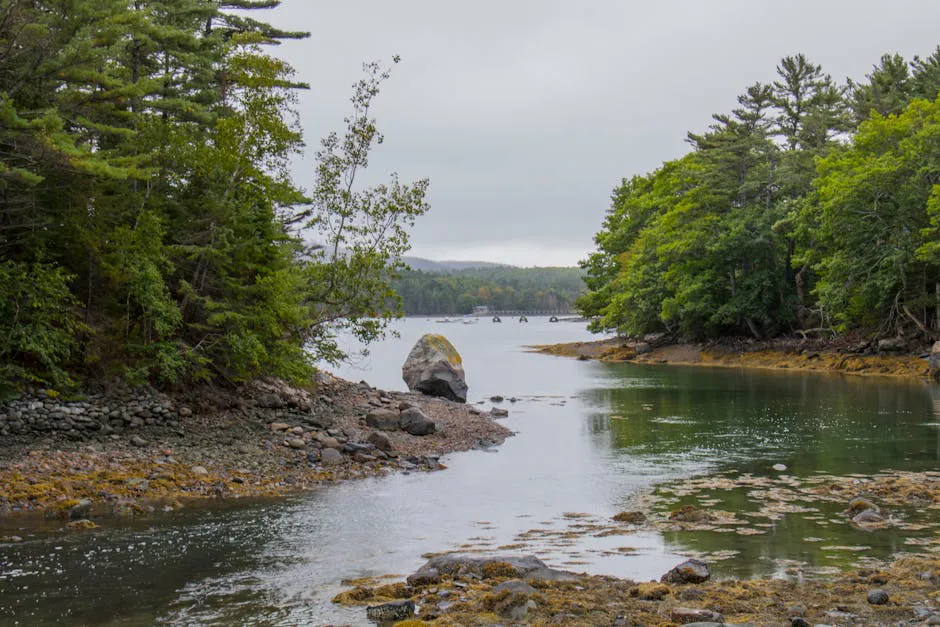
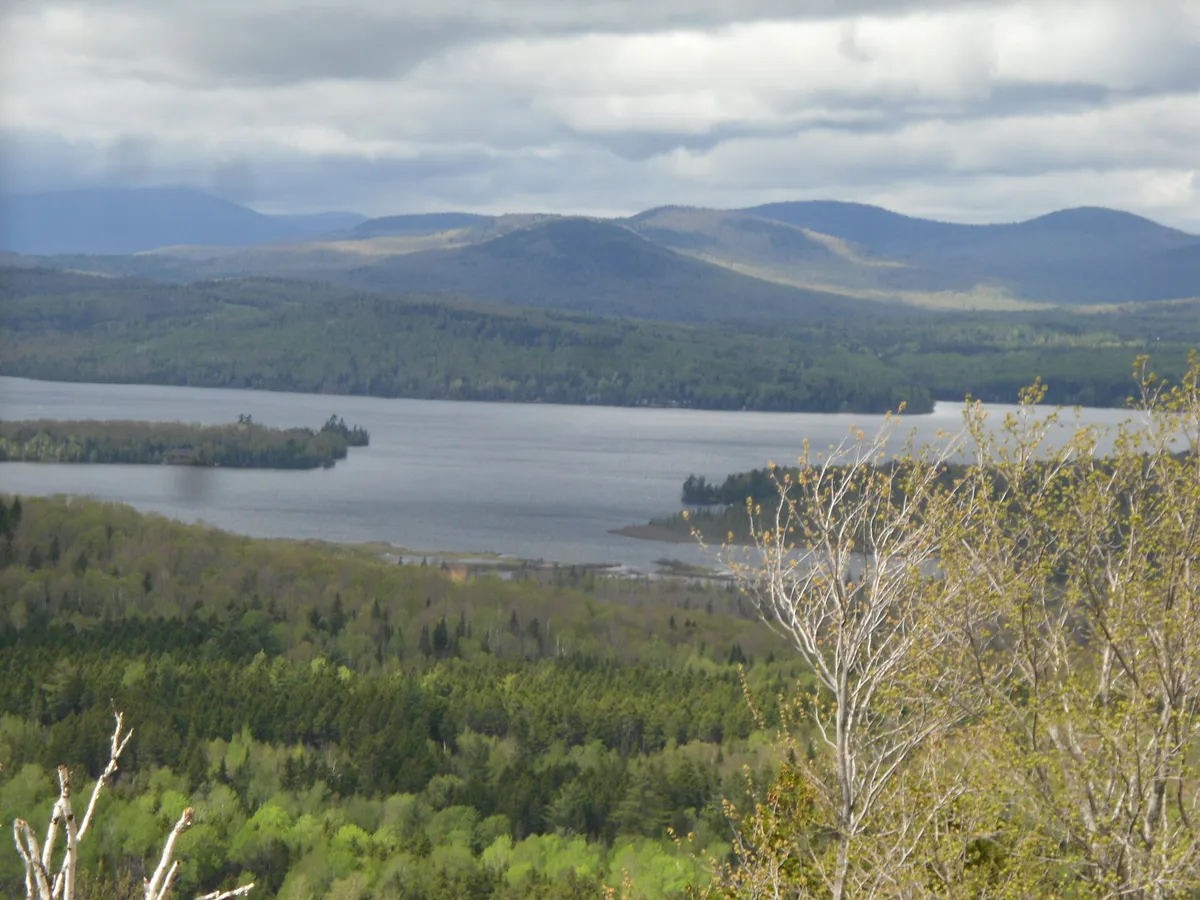
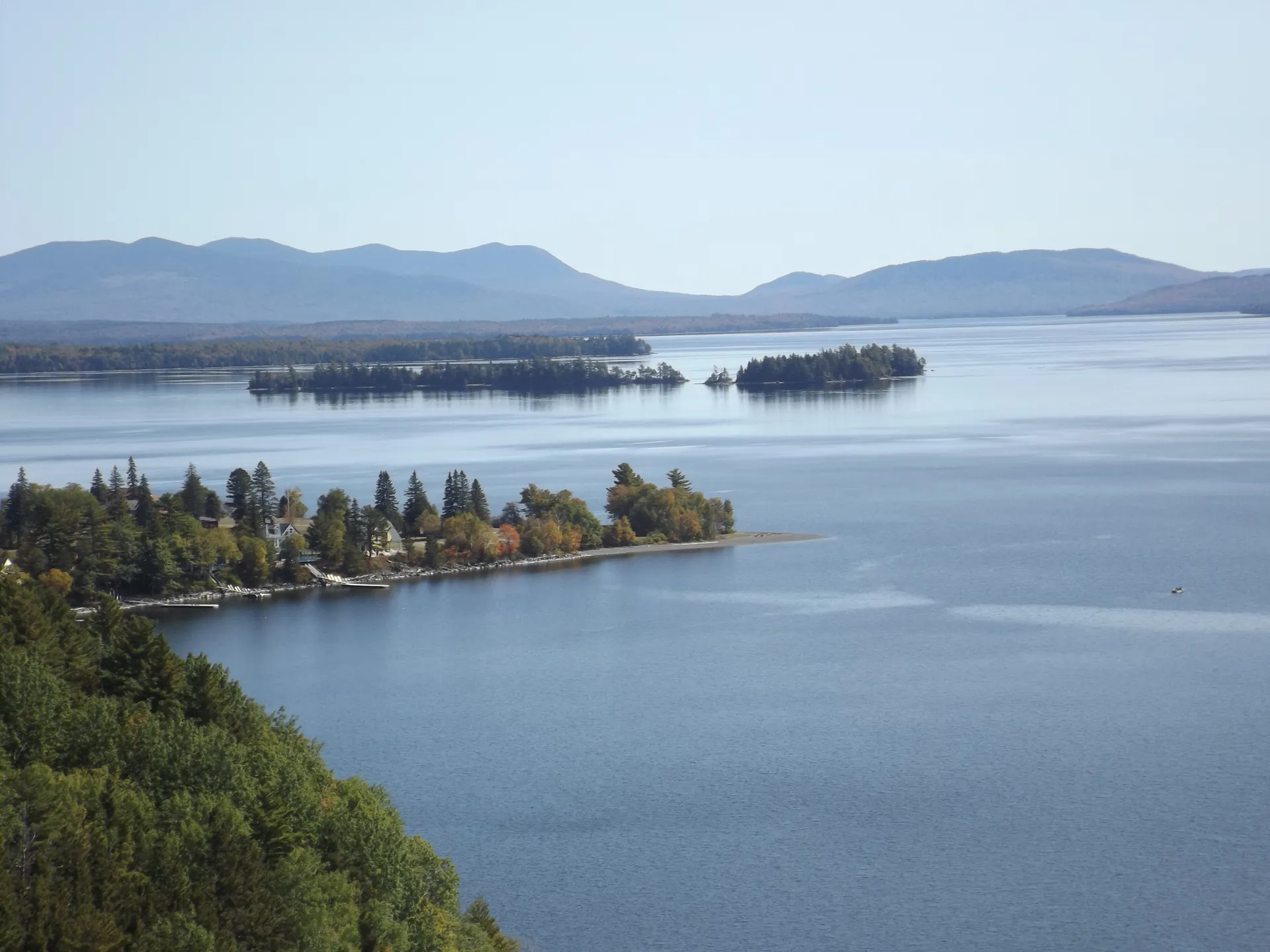
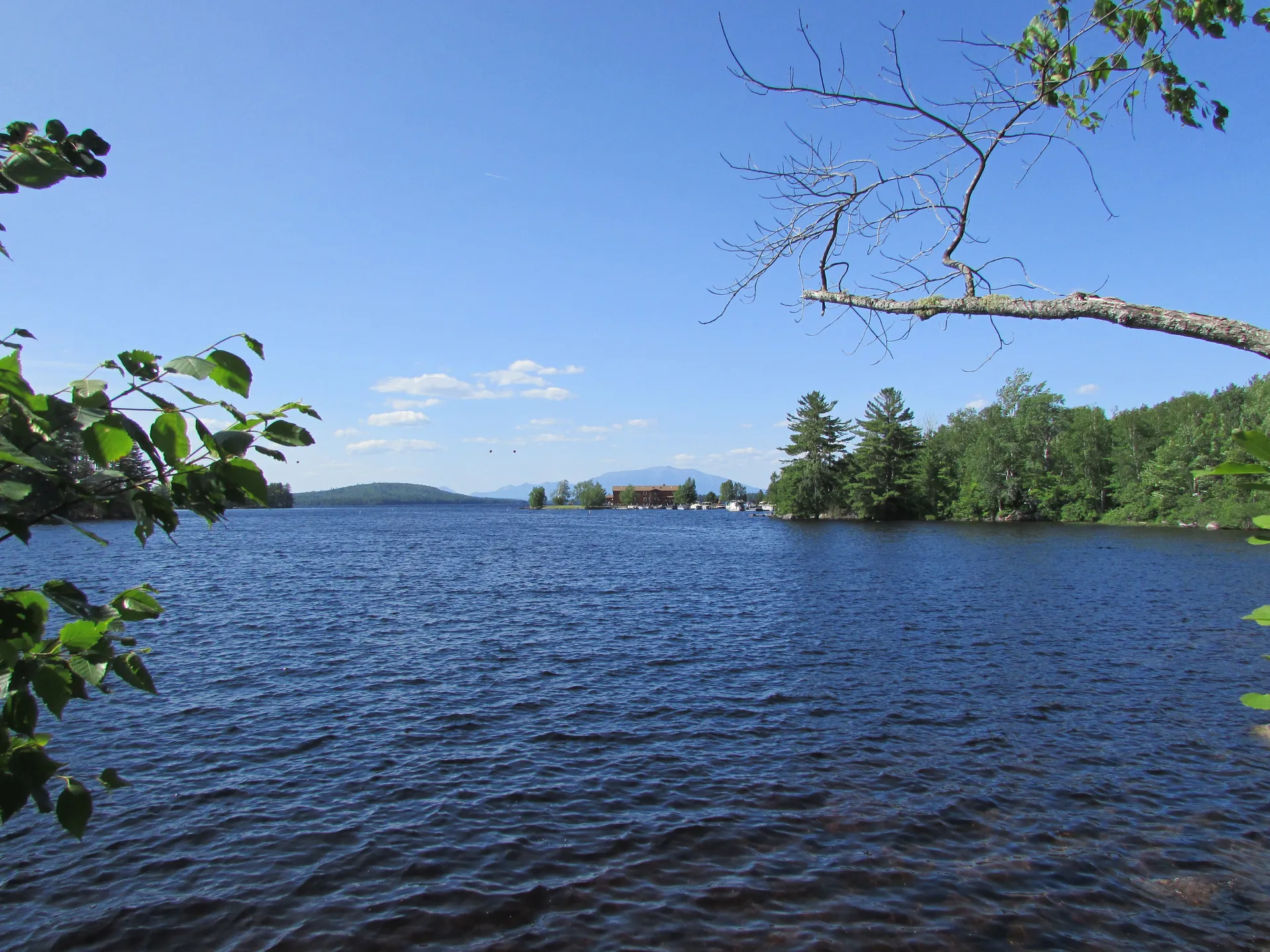
Graham Lake covers 7,865 acres of water just north of Ellsworth, making it one of the largest lakes in the Acadia region. It is a hydroelectric reservoir, created in 1922 when a dam was built on the Union River four miles upstream from Ellsworth. The flooding turned what had been a series of smaller ponds and river flats into one enormous body of water dotted with small islands, submerged stumps, floating heaths of dwarf shrub vegetation, and shallow coves that attract fish, birds, and paddlers.
Despite its size, Graham Lake flies under the radar compared to the coastal attractions of Acadia National Park just to the south. The lake is not a tourist destination in the usual sense. There are no state parks on its shores, no sandy beaches, and no rental operations on the water. What it offers instead is a big, quiet, somewhat wild lake experience with excellent bass fishing, interesting paddling, and a landscape that feels wilder than its proximity to Ellsworth and Bar Harbor would suggest.
On the Water
Graham Lake is shallow for its size, with a maximum depth of about 47 feet and an average depth that is much less. The shallow, warm water and extensive structure of submerged stumps, boulders, and island shorelines make it outstanding habitat for warmwater fish and excellent territory for kayakers and canoeists who like to explore.
There are public boat launches that provide access to different sections of the lake. The lake is large enough that wind can build significant waves on open stretches, so paddlers should be aware of conditions and stay near shore on windy days.
The islands and floating heaths are some of the most interesting features. Floating heaths are mats of vegetation, primarily dwarf shrubs and sphagnum moss, that float on the surface of the water. They are fragile ecosystems and fascinating to observe from a kayak. Do not step on them, as they can be unstable and the vegetation is easily damaged.
Graham Lake’s many coves and island channels are ideal for a half-day paddle. Launch in the morning before the wind picks up and explore the quieter arms of the lake. Bring binoculars for birdwatching. Loons, herons, ospreys, and eagles are all common.
Fishing
Graham Lake is best known as a warmwater fishery. Smallmouth bass are the headline species, and the extensive structure of stumps, boulders, and rocky shorelines provides ideal habitat. White perch and chain pickerel are also abundant. Anglers who work the submerged stump fields and island drop-offs consistently find fish.
The lake also holds landlocked salmon and brook trout in its deeper, colder sections, though these coldwater species are less reliable than the warmwater fishing. The reservoir’s shallow profile means that summer stratification can limit the cold water available for salmonids.
Graham Lake has hundreds of submerged stumps and boulders left from the original flooding in 1922. If you are running a motorboat, use caution and keep your speed down, especially in unfamiliar areas. A depth finder is highly recommended.
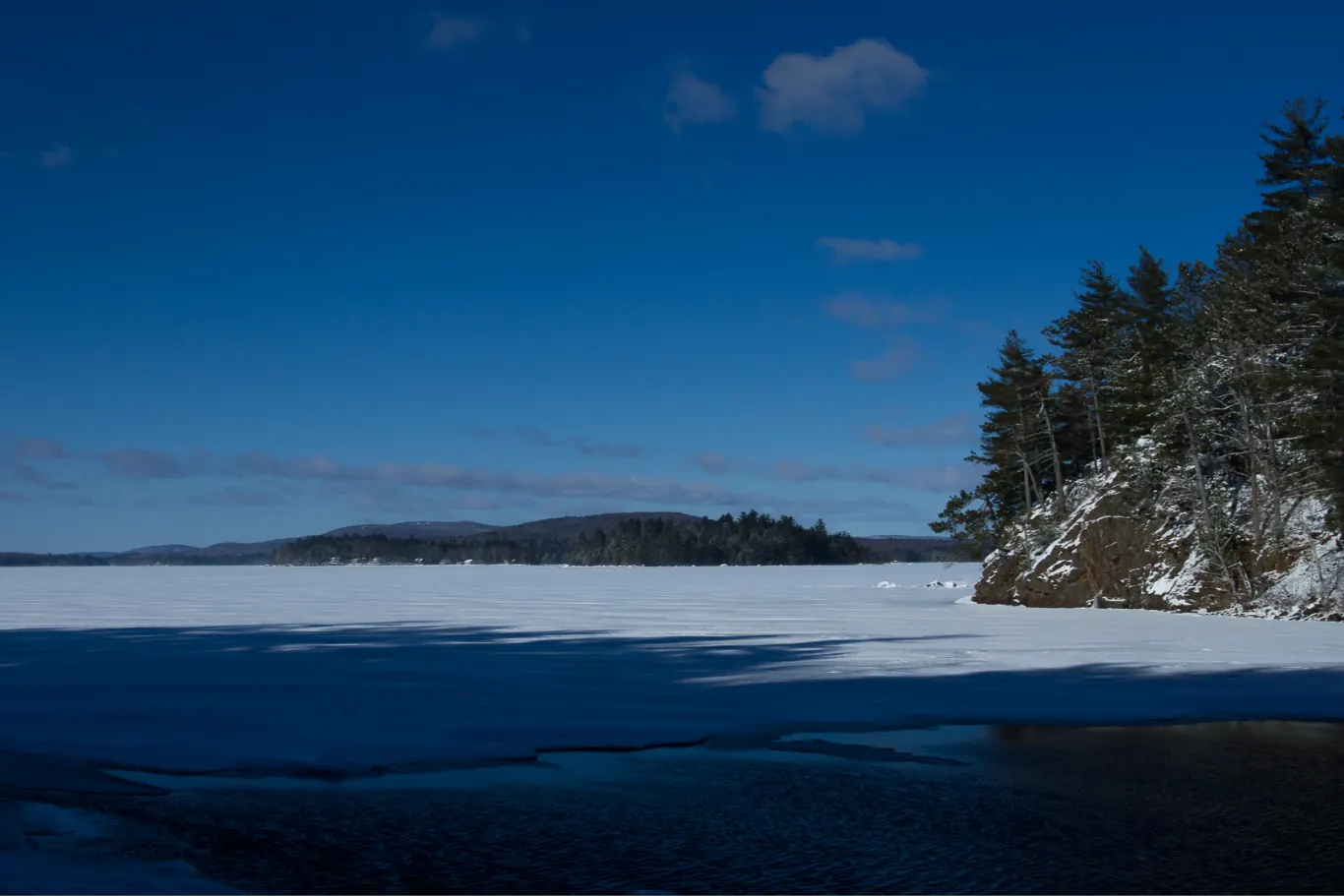
Ice fishing is popular in winter, with anglers targeting perch and pickerel in the shallower coves.
A Maine fishing license is required for anyone 16 and older. Buy one online at the MDIFW website or at shops in Ellsworth.
When to Go
Spring
Bass fishing picks up as water warms in May. Black flies are present. Water levels may fluctuate with dam operations.
Summer
Warm water, long days, and peak fishing. Launch early to avoid afternoon wind. Great for kayaking.
Fall
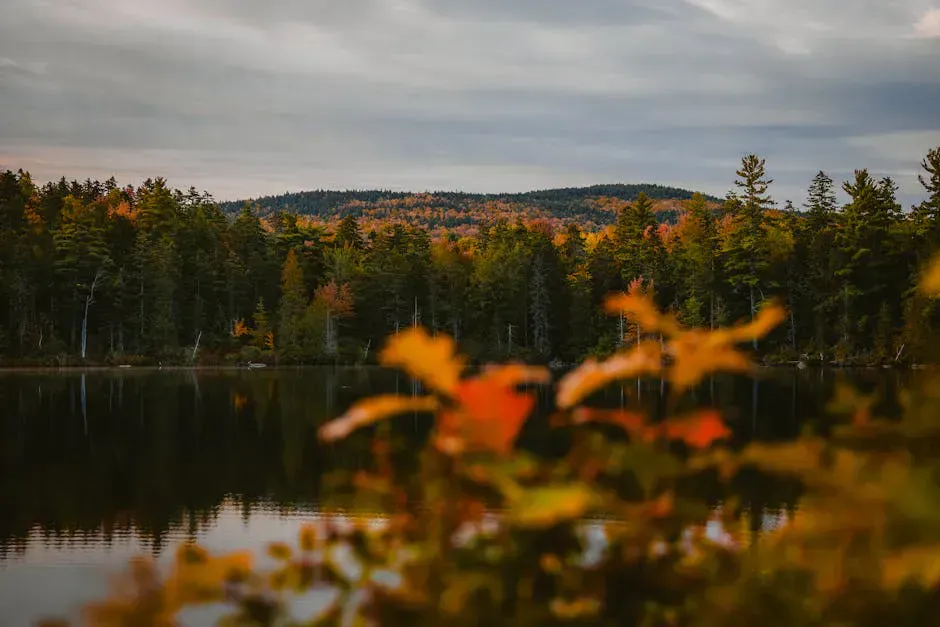
Foliage around the lake is colorful. Fishing remains strong into October. Fewer boats on the water.
Winter
Ice fishing for perch and pickerel. Check ice conditions carefully as reservoir levels can fluctuate.
Practical Notes
The initial earthen dam failed in 1923, just a year after construction, sending a wall of water through downtown Ellsworth and causing millions of dollars in damage. The dam was rebuilt and has operated safely since, but the flood is still part of local memory. The dam is now operated for hydroelectric generation, and lake levels can fluctuate more than a natural lake, especially in spring.
Ellsworth is the gateway town to Acadia and has all services: grocery stores, gas stations, restaurants, and outfitters. The lake is just minutes from the commercial district. Despite this proximity, the lake itself feels rural and uncrowded.
Cell service is spotty on the water. You will get a signal on parts of the lake near Ellsworth, but coverage drops off on the northern arms and more remote sections.
Graham Lake Packing List
- Fishing license (if fishing)
- Life jackets for every person on the water
- Bug spray (essential May through July)
- Sunscreen
- Binoculars for birdwatching
- Depth finder if running a motorboat
- Cooler for fish and drinks
- Downloaded map of the lake
Getting There
Graham Lake is immediately north of Ellsworth, accessible from Routes 179 and 180. From Bar Harbor and Acadia, the drive is about 20 minutes west on Route 3 to Ellsworth, then north. From Bangor, take Route 1A East to Ellsworth, about 30 minutes. From Portland, the drive is about 2 hours and 40 minutes via I-95 and Route 1A.
FAQ
How big is Graham Lake?
Graham Lake covers 7,865 acres, making it one of the largest bodies of water in the Acadia region. It is shallow for its size, with a maximum depth of about 47 feet.
What fish are in Graham Lake?
Smallmouth bass, white perch, and chain pickerel are the most common species. The lake also holds landlocked salmon and brook trout in deeper sections, though warmwater fishing is more reliable.
Is Graham Lake good for kayaking?
Yes. The lake's many islands, coves, and floating heaths make it excellent for exploration by kayak or canoe. Stick close to shore on windy days, as the open water can build waves quickly.
Is there a fee to use the lake?
No. Public boat launches provide free access. A Maine fishing license is required if you are fishing.
Can you swim in Graham Lake?
Swimming is possible, but there are no formal swimming beaches. The water is warm in summer. Be aware of submerged stumps and variable water levels near the shore.
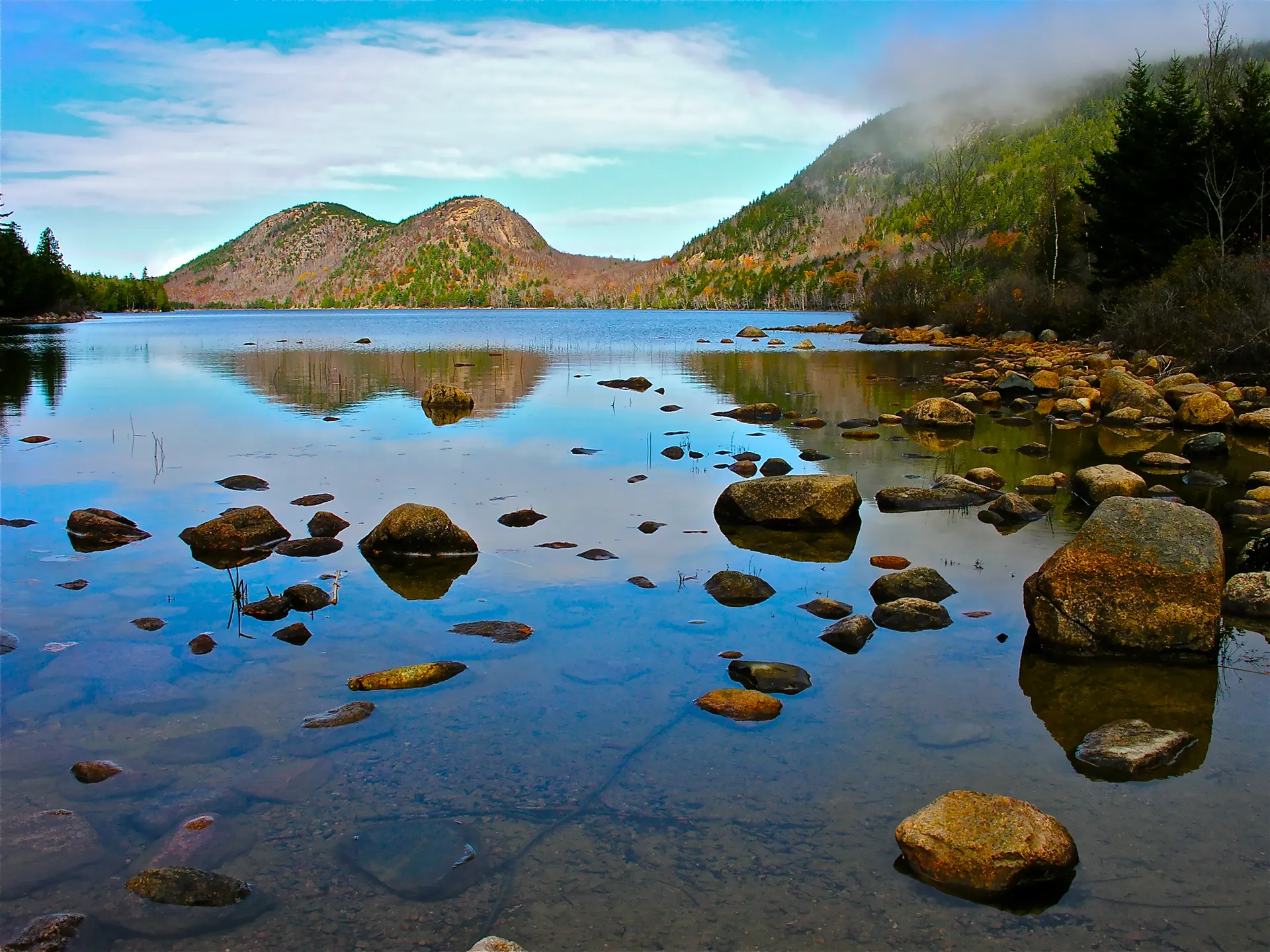
For more in the area, see our guides to Acadia National Park and Jordan Pond.