Where Woodcock Rule the Skies
Moosehorn National Wildlife Refuge covers 29,196 acres in two divisions near the Canadian border in Washington County, making it the northeasternmost national wildlife refuge in the United States. The refuge was established in 1937 primarily for the study and management of the American woodcock, a reclusive, ground-nesting bird whose spectacular spring courtship flights are one of the more unusual wildlife displays in the northeast.
The refuge sits deep in Downeast Maine, a landscape of boreal forest, wetlands, bogs, streams, and lakes. This is one of the least developed corners of the eastern United States, and the refuge’s two divisions together form a significant block of protected habitat in a region where wild land still greatly exceeds developed land.
The Two Divisions
| Feature | Baring Division | Edmunds Division |
|---|---|---|
| Acreage | 20,532 acres | 8,664 acres |
| Location | 3 miles SW of Calais | 3 miles S of Dennysville |
| Wilderness Area | Baring Unit Wilderness (4,680 acres) | Edmunds Unit Wilderness (2,782 acres) |
| Primary Access | Charlotte Road off Route 1 | Route 1 in Edmunds |
| Headquarters | Yes | No |
| Trails | 30+ miles of roads/trails | 20+ miles of roads/trails |
| Best For | Woodcock, trails, fishing | Coastal wildlife, bald eagles, tidal habitat |
Baring Division
The Baring Division is the larger unit and the location of the refuge headquarters. It is centered on a landscape of managed forest, wetlands, and several small lakes and streams. This division contains the core woodcock management areas where researchers have studied the bird’s habitat needs, breeding behavior, and population trends for decades.
The Charlotte Road provides vehicle access into the heart of the division, passing several trailheads and wildlife observation points. The road is unpaved and may not be plowed in winter, but it is generally passable for passenger vehicles during the warm season.
Edmunds Division
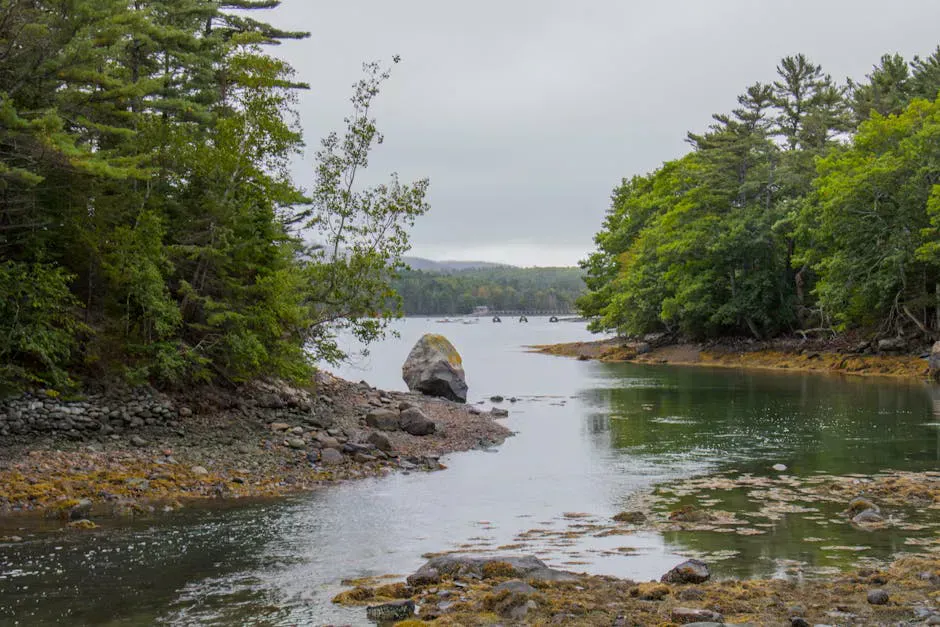
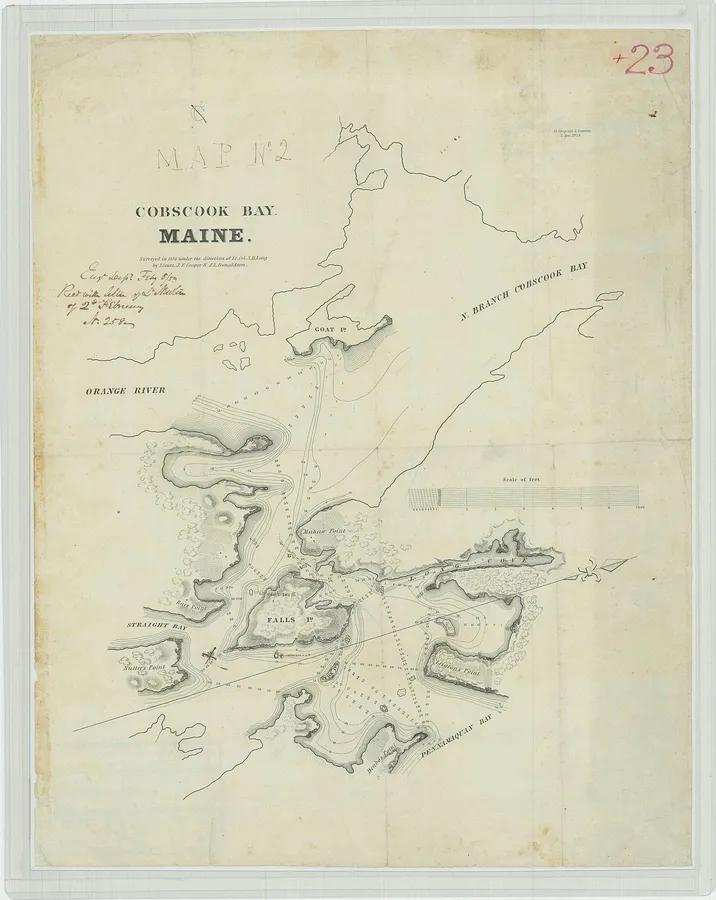
The Edmunds Division borders Dennys Bay and Cobscook Bay on the coast, adding tidal habitat to the refuge’s portfolio. The Edmunds unit is wilder and less accessible than the Baring Division, with limited facilities and a more remote feel. Bald eagles nest along the coast here, and the tidal areas support shorebirds, waterfowl, and harbor seals.
The American Woodcock
Moosehorn is the only national wildlife refuge specifically managed for the American woodcock. The woodcock is a chunky, long-billed bird that hides in dense young forest cover during the day, probes for earthworms in damp clearings at dawn and dusk, and performs a remarkable courtship display each spring.
During the courtship flight, the male woodcock spirals upward into the evening sky to a height of 200 to 300 feet, then tumbles back to earth in a zigzagging descent, producing a twittering sound with its wing feathers. The display happens at dusk and dawn during April and May, in open clearings called singing grounds.
Visit the refuge in late April or May and ask at the headquarters about the best singing grounds to watch the woodcock courtship display. Arrive at the designated clearing about 20 minutes before sunset, stay quiet, and wait. The male bird will call from the ground with a nasal “peent” before launching into his aerial display. It is one of the most unusual wildlife spectacles in the northeast.
Refuge staff actively manage the forest to maintain the young, regenerating habitat that woodcock require. This management also benefits a wide range of other species that use early successional forest, including ruffed grouse, snowshoe hare, and several warbler species.
Trails
The refuge has more than 50 miles of old roads and trails open for hiking, biking, cross-country skiing, and snowshoeing. Most are former logging roads that wind through the forest, offering easy to moderate walking on generally flat terrain.
Woodcock Trail is a paved, accessible trail near the headquarters off Charlotte Road. Interpretive panels explain the woodcock’s life cycle and the refuge’s management practices. This is the easiest and most accessible trail in the refuge.
Charlotte Trail follows a route along Charlotte Road with interpretive panels highlighting the refuge’s habitats and species. The trail is about 2 miles and easy.
Greg’s Pond Trail is a short walk to a beaver pond with a viewing platform. The pond is good for waterfowl and moose sightings.
The Baring Division wilderness area has longer routes for those seeking solitude. Trails in the wilderness are less maintained and may require route-finding skills.
The 50+ miles of refuge trails are excellent for mountain biking. The old logging roads are wide, relatively smooth, and traffic-free. You can easily spend a full day exploring the Baring Division by bike and rarely see another person.
Wildlife
Beyond woodcock, the refuge supports an impressive diversity of wildlife.
Mammals: Moose, black bear, white-tailed deer, beaver, river otter, red fox, coyote, and bobcat are present. Moose sightings are common along the refuge roads, particularly in early morning and evening.
Birds: More than 220 species recorded. Bald eagles are resident year-round and nest in both divisions. Osprey, barred owls, spruce grouse, and boreal chickadees are found in the coniferous forests. Warblers are abundant during spring and fall migration, with 20+ species breeding on the refuge.
Raptors: Northern harriers, red-tailed hawks, merlins, and American kestrels hunt over the managed clearings. Great horned owls and barred owls call at dusk.
Fishing and Hunting
Fishing is allowed in refuge waters. Baring Lake, Crane Pond, and several streams offer brook trout, smallmouth bass, and pickerel. A Maine fishing license is required.
Hunting is permitted in designated areas during appropriate seasons for white-tailed deer, moose (by permit), snowshoe hare, ruffed grouse, and woodcock. Check the refuge-specific regulations before hunting.
During hunting seasons (particularly deer season in November), wear blaze orange if hiking in the refuge. Some trails pass through areas open to hunting. Check with the refuge office for current hunting zone maps.
When to Go
Spring
Woodcock courtship flights in April and May. Migrating warblers and shorebirds. Trails can be muddy but wildlife activity is high.
Summer
Nesting birds, moose sightings, and comfortable hiking weather. Black flies in June can be intense. Long days for exploring.
Fall
Fall migration brings hawks and songbirds. Foliage peaks late September. Hunting season opens, so wear orange. Quieter visitation.
Winter
Cross-country skiing and snowshoeing on unplowed roads. Two trails groomed for skiing. Very cold and remote. Limited services in the area.
Practical Notes
The refuge headquarters is on Charlotte Road off Route 1, about 3 miles southwest of Calais. The office is open Monday through Friday, 8 AM to 4 PM, except federal holidays. Staff can provide maps, current trail conditions, and wildlife sighting reports.
The refuge is free to visit. There are no entrance fees. Parking is available at trailheads.
Services in the area are limited. Calais has grocery stores, gas stations, restaurants, and a hospital. Eastport and Machias also have basic services. Fuel up before entering the refuge roads.
Cell service is spotty throughout the refuge and much of Washington County. Download maps and trail information before arriving.
Packing List
Moosehorn NWR Visit
- Binoculars (essential for birding and wildlife)
- Bug spray and head net (black flies in June are severe)
- Sturdy hiking shoes or boots
- Water and snacks (no services in the refuge)
- Camera
- Rain jacket and layers
- Trail map (available at headquarters or download before arrival)
- Blaze orange vest during hunting seasons
- Fishing gear with valid Maine license if fishing
Getting There
From Bangor, take Route 9 (the Airline Road) east to Calais, then Route 1 south to the Charlotte Road turnoff. The drive is about 2 hours 15 minutes. Alternatively, take Route 1 east through Ellsworth and Machias. From Portland, the drive is approximately 5 hours.
The Edmunds Division is accessed from Route 1 in Edmunds Township, about 3 miles south of Dennysville.
FAQ
What is special about the woodcock display?
The male American woodcock performs a courtship flight at dusk in spring. He spirals upward 200 to 300 feet, then tumbles back to earth in a zigzagging descent while producing a twittering sound with his wing feathers. Visit in late April or May at dusk to witness it.
Is there an entrance fee?
No. The refuge is free to visit year-round.
Can I camp in the refuge?
No. Camping is not permitted in the refuge. Cobscook Bay State Park, about 20 miles south, has a campground.
Are dogs allowed?
Yes. Dogs are allowed on trails but must be on a leash.
Is the refuge open in winter?
Yes. The refuge is open year-round. Two trails are groomed for cross-country skiing. Many roads are unplowed but accessible on snowshoes or skis.