Logging Machinery in the Middle of the Allagash
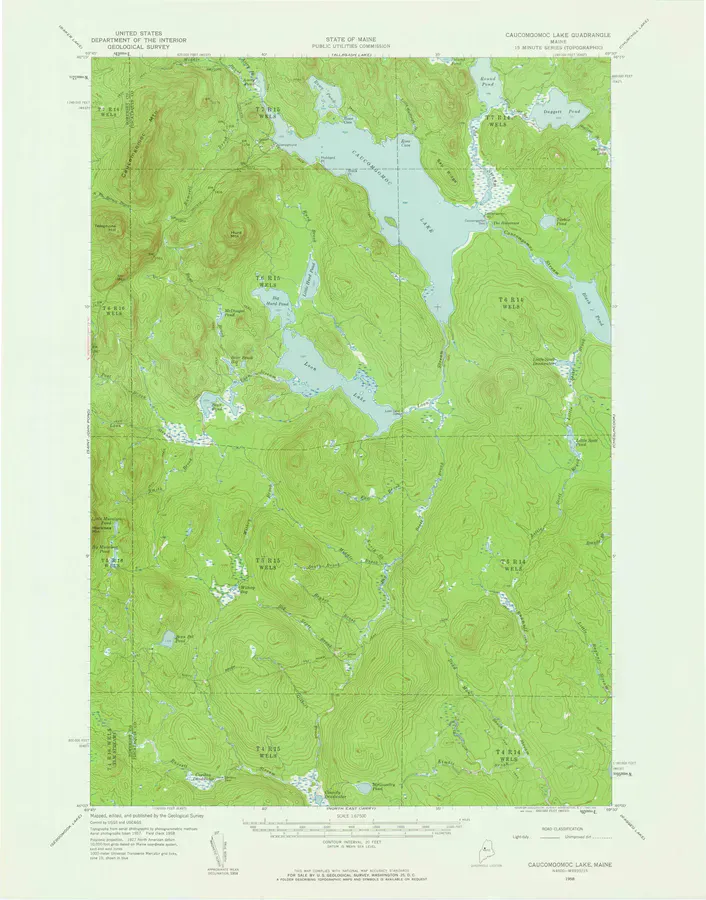
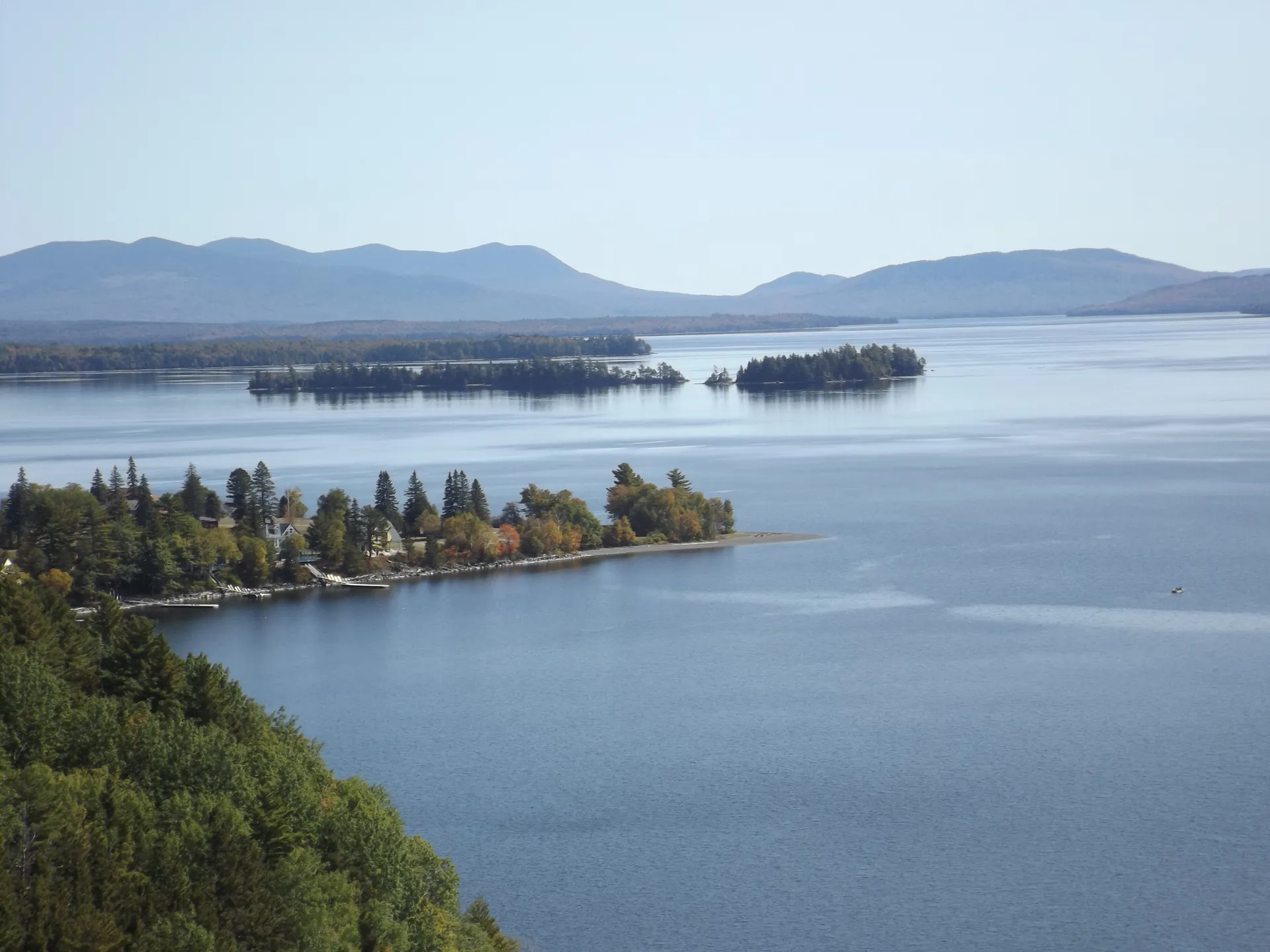
On a narrow neck of land between Chamberlain Lake and Eagle Lake, deep in the Allagash Wilderness Waterway, the North Maine Woods hides two of the strangest sights in the state: the rusted remains of a steam-powered log tramway from 1902, and a pair of full-size railroad locomotives abandoned in the forest since the 1930s. There is no road to them. You arrive by canoe or boat, walk a short woods trail, and find industrial history slowly being reclaimed by spruce.
The site is protected as the Tramway Historic District, listed on the National Register of Historic Places in 1979, and it sits within the Allagash Wilderness Waterway, managed by the Maine Bureau of Parks and Lands.
The Tramway (1902 to 1907)
Lumbermen in the early 1900s wanted Allagash timber to reach the Penobscot River mills instead of floating north down the Allagash toward the Saint John River. In the fall of 1902, engineer Fred Dow built a tramway for lumber operators H.W. Marsh and F.W. Ayer to carry logs across the roughly 3,000-foot neck of land between the two lakes.
A continuous 6,000-foot wire cable ran in a loop over a pair of tracks, dragging steel log trucks. Steam boilers at the Chamberlain Lake end powered the system, which moved logs at about 250 feet per minute and could shift more than 500,000 board feet in a typical working day. The tramway ran until 1907, when newer machinery such as the Lombard steam log hauler made it obsolete. Pieces of the cable, the track, and the steam plant at Chamberlain Lake still lie along the trail.
The Ghost Locomotives (1927 to 1933)
Two decades later, the same crossing became the eastern end of the Eagle Lake and West Branch Railroad, built by Édouard Lacroix’s Madawaska Company for the Great Northern Paper Company. The 13-mile line ran from Eagle Lake to Umbazooksus Lake, hauling pulpwood over the height of land into the Penobscot watershed. It shut down in 1933.
Hauling the engines out of the woods was never worth the cost, so they stayed. Locomotive No. 1, a 4-6-0 built by Schenectady in 1897, and No. 2, a 2-8-0 built by Brooks in 1901, still stand near the Eagle Lake shore. Volunteers stabilized and rerailed them in 2012. The state removed most of the old camp buildings in 1969.
The locomotives and tramway parts are rusted, sharp, and unstable. Do not climb on the engines or move any artifacts. They are protected historic property, and loose metal can shift under your weight.
The Trail
The Tramway Trail is an easy 0.6-mile footpath (one way) across the neck of land, on dirt and forest floor through mixed woods where some trees are more than 200 years old. Tramway remains line the route from the Chamberlain Lake end, and a short spur near the Eagle Lake end winds among the locomotives. Allow an hour or two to walk it, look closely, and paddle on.
Getting There
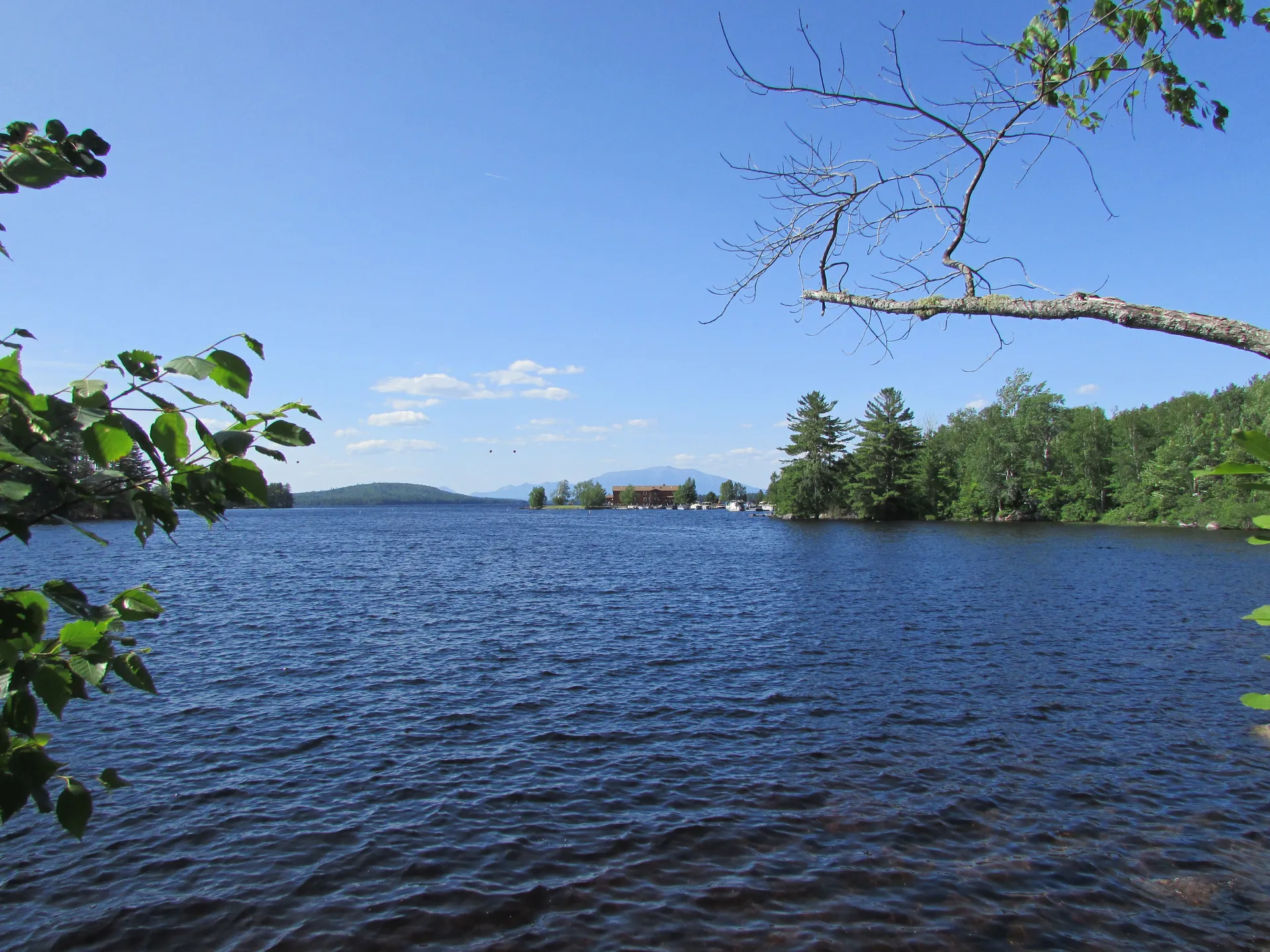
This is a water-access site. The usual approach is from Chamberlain Bridge on the Telos Road, then about 16 miles up Chamberlain Lake to the Chamberlain Lake end of the trail. From the Eagle Lake side, the landing is roughly 6 miles from Indian Stream. Many visitors stop here as part of a longer Allagash canoe trip; see our Allagash River trip guide and Allagash Wilderness Waterway guide for routes and campsites.
Reaching Chamberlain Bridge means long gravel logging roads through North Maine Woods checkpoints, where you pay the required Allagash day-use or camping fees. In winter, the site is reachable only by primitive, largely unmarked snowmobile routes.
Chamberlain Lake is big, cold, and open, and afternoon wind can build whitecaps fast on a 16-mile paddle. Start early, stay near shore, wear a life jacket, and be ready to wait out a blow at a campsite.
This site shares a name with Eagle Lake in Acadia National Park, but they are about 150 miles apart and have nothing else in common. If you are looking for the Acadia carriage road lake near Bar Harbor, see our Eagle Lake (Acadia) guide.
FAQ
Where is the Eagle Lake Tramway?
On the neck of land between Chamberlain Lake and Eagle Lake in the Allagash Wilderness Waterway, in Maine's North Maine Woods. It is not the Eagle Lake in Acadia National Park.
Can you drive to the Allagash locomotives?
No. The site is water access only in summer: about 16 miles by canoe or boat up Chamberlain Lake from Chamberlain Bridge, or roughly 6 miles from Indian Stream on Eagle Lake. In winter it is reached by snowmobile.
How long is the Tramway Trail?
About 0.6 miles one way on an easy dirt path, with a short spur to the locomotives near the Eagle Lake end.
When did the tramway and railroad operate?
The cable tramway ran from 1902 to 1907. The Eagle Lake and West Branch Railroad used the same crossing from 1927 to 1933, and its two locomotives were left in the woods when it closed.
Is there a fee?
There is no separate fee for the trail, but visitors to the Allagash Wilderness Waterway pass through a North Maine Woods checkpoint and pay the required day-use or camping fees.