
Cascades, Swimming Holes, and Gold in the River
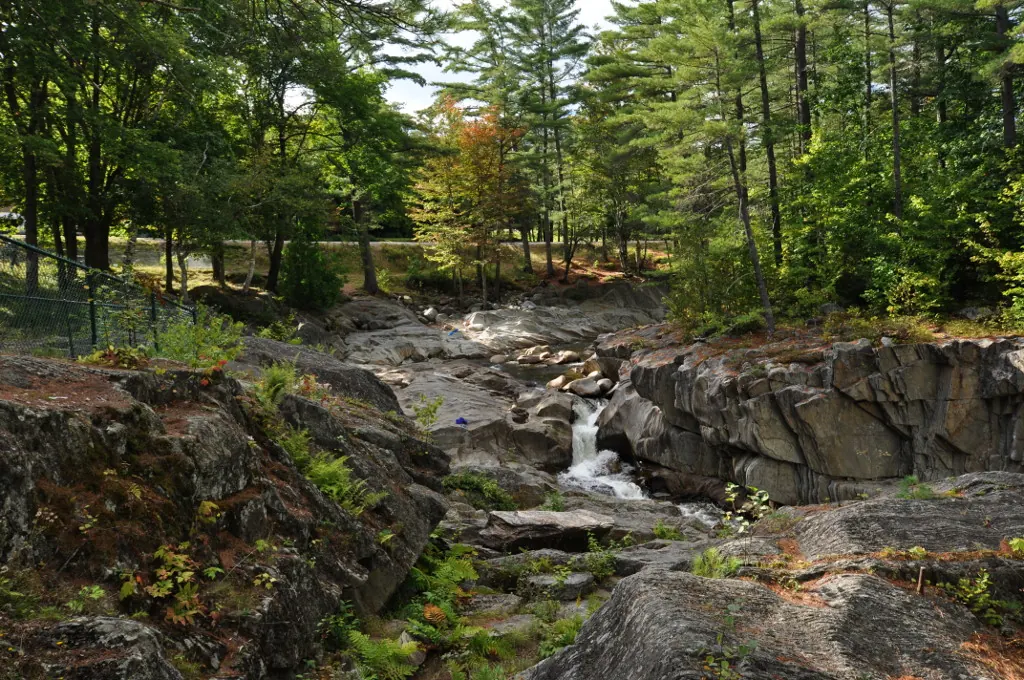
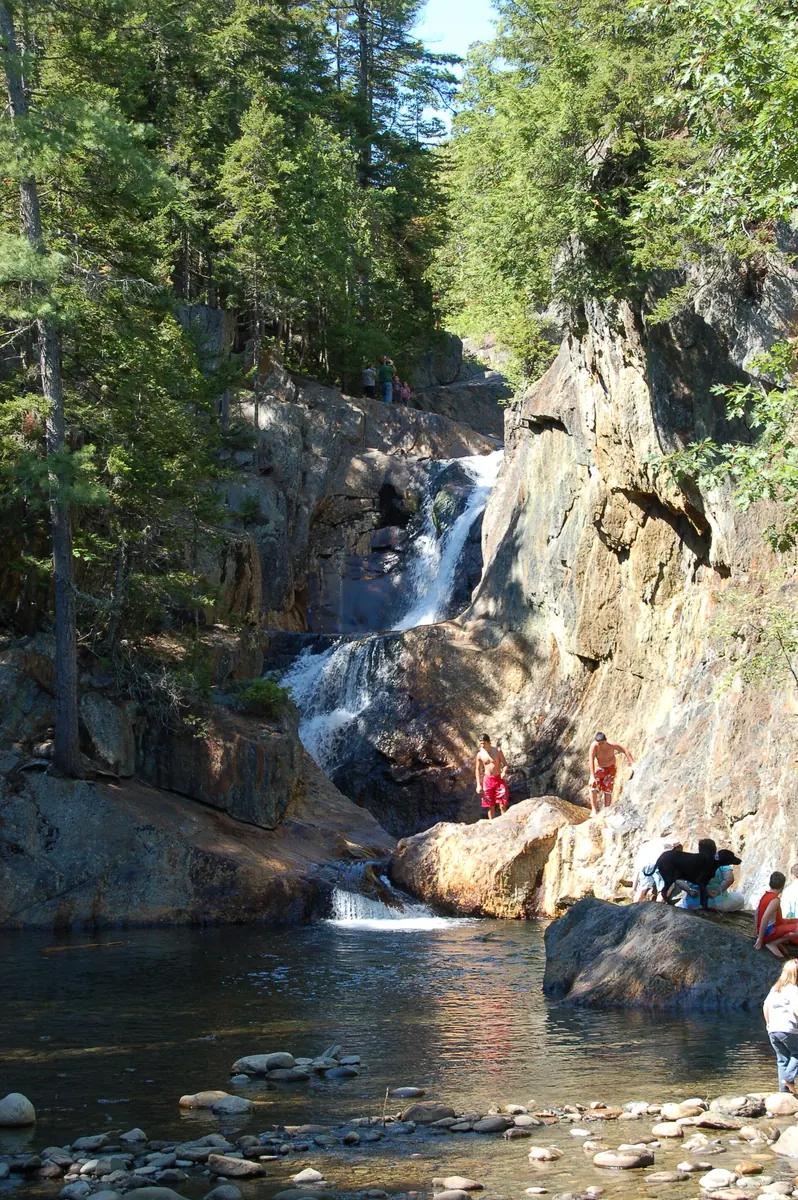
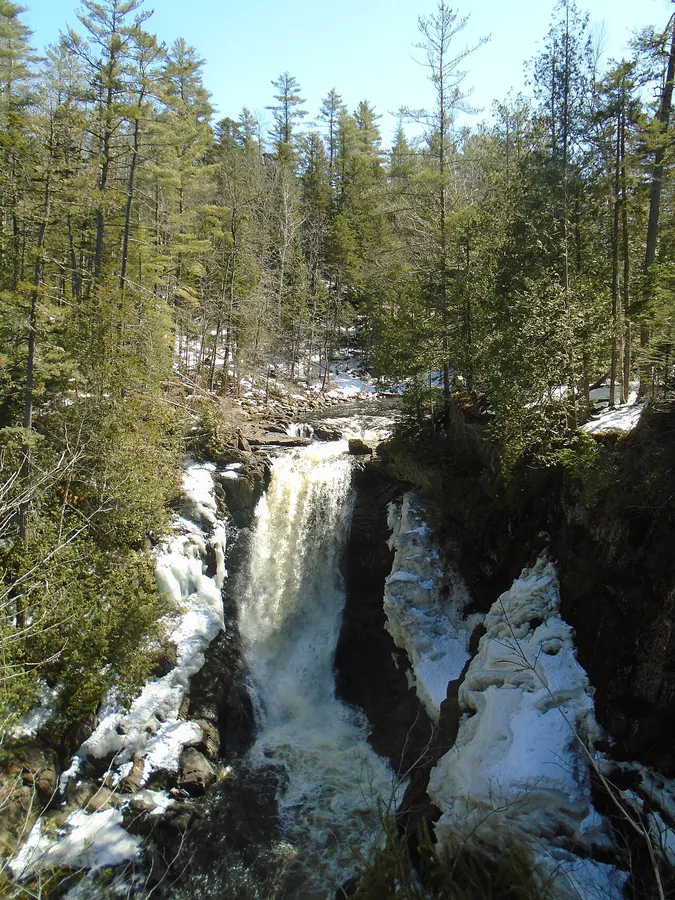
Swift River Falls is a series of cascades on the Swift River in Byron, Oxford County, where the water has carved deep pools and potholes into the bedrock near Coos Canyon. The canyon walls are smooth and sculpted from centuries of hydraulic erosion, and the swimming holes below the falls are some of the most popular in western Maine. You can pull off Route 17, walk a short distance to the river, and be swimming in clear mountain water within minutes.
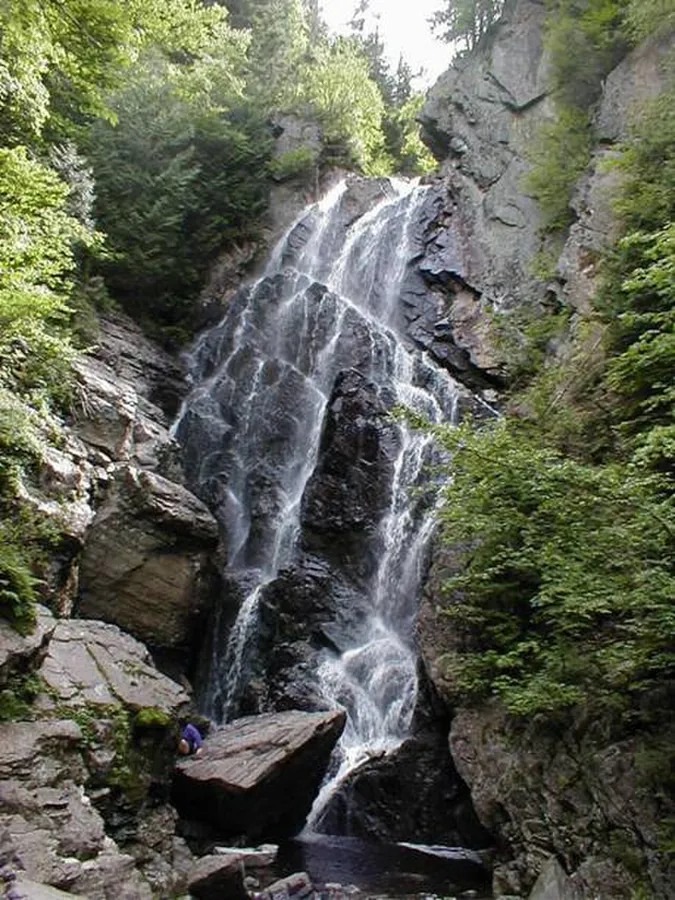
The falls themselves are not a single dramatic drop. Instead, the river slides and tumbles through a series of ledges and chutes over a stretch of several hundred feet. The individual cascades range from about five to fifteen feet, and between them sit deep, green pools that are perfect for swimming on a hot day. The rock is polished smooth in places, and the potholes and scour marks show just how much power the water carries during spring runoff.
The rocks along Swift River Falls are extremely smooth and slippery, especially when wet. Jumping from ledges into pools is popular but dangerous. Diving is strongly discouraged because underwater depths vary and submerged rocks are not always visible. This area is not suitable for young children without close supervision.
Swimming and Cliff Jumping
The swimming holes at Swift River Falls attract visitors from across the state all summer long. The water is cold even in July and August, fed by mountain streams that keep temperatures in the mid-60s at best. On a hot afternoon, that feels refreshing rather than punishing.
Several pools are deep enough for jumping from the surrounding ledges. Heights vary from a few feet to roughly 15 feet at the tallest spots people commonly use. The rocks below are generally clear, but water levels change through the season, and what was a safe jump in June might expose rocks by late August. Always check depth before jumping, and never dive headfirst. The ledges are slick and sharp in spots, so grippy hiking boots make scrambling between pools far safer than bare feet.
Coos Canyon on the Swift River is one of the only places in Maine where you can pan for gold and actually find it. The gold is fine flake, not nuggets, but it is real. You can buy panning kits at the Coos Canyon Rock and Gift shop right on Route 17. The best spots are in the gravel bars downstream of the falls where heavier gold particles settle.
Getting There
Swift River Falls is on Route 17 in Byron, about 15 miles north of the intersection of Routes 17 and 2 in Mexico/Rumford. Coos Canyon Rest Area has a parking lot on the east side of Route 17 with picnic tables and room for about 20 cars. The falls are visible from the road, and the walk to the river is very short.
From Portland, the drive takes about two hours and 15 minutes via Route 2 through Bethel and Rumford. From the Rangeley area, head south on Route 17 for about 20 miles. The Height of Land scenic overlook on Route 17, one of the finest viewpoints in Maine, is just a few miles farther north.
GPS coordinates for the rest area: 44.7367, -70.6194
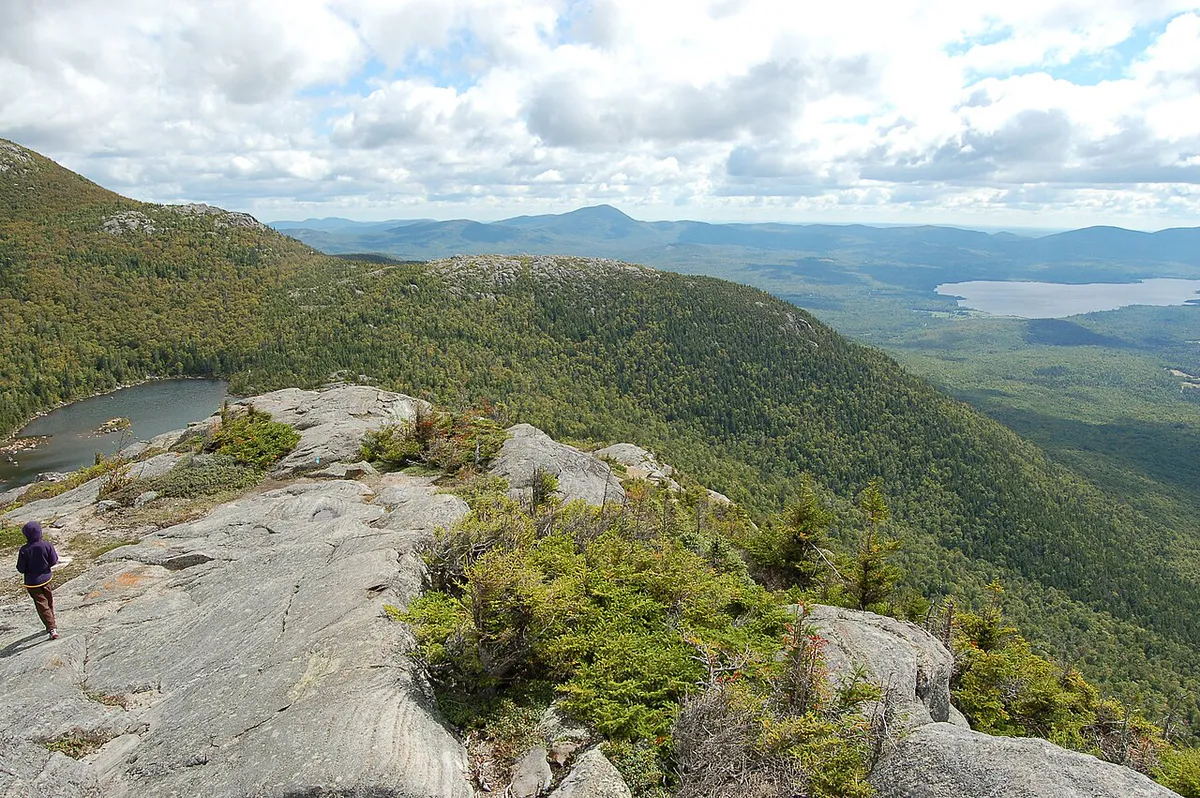
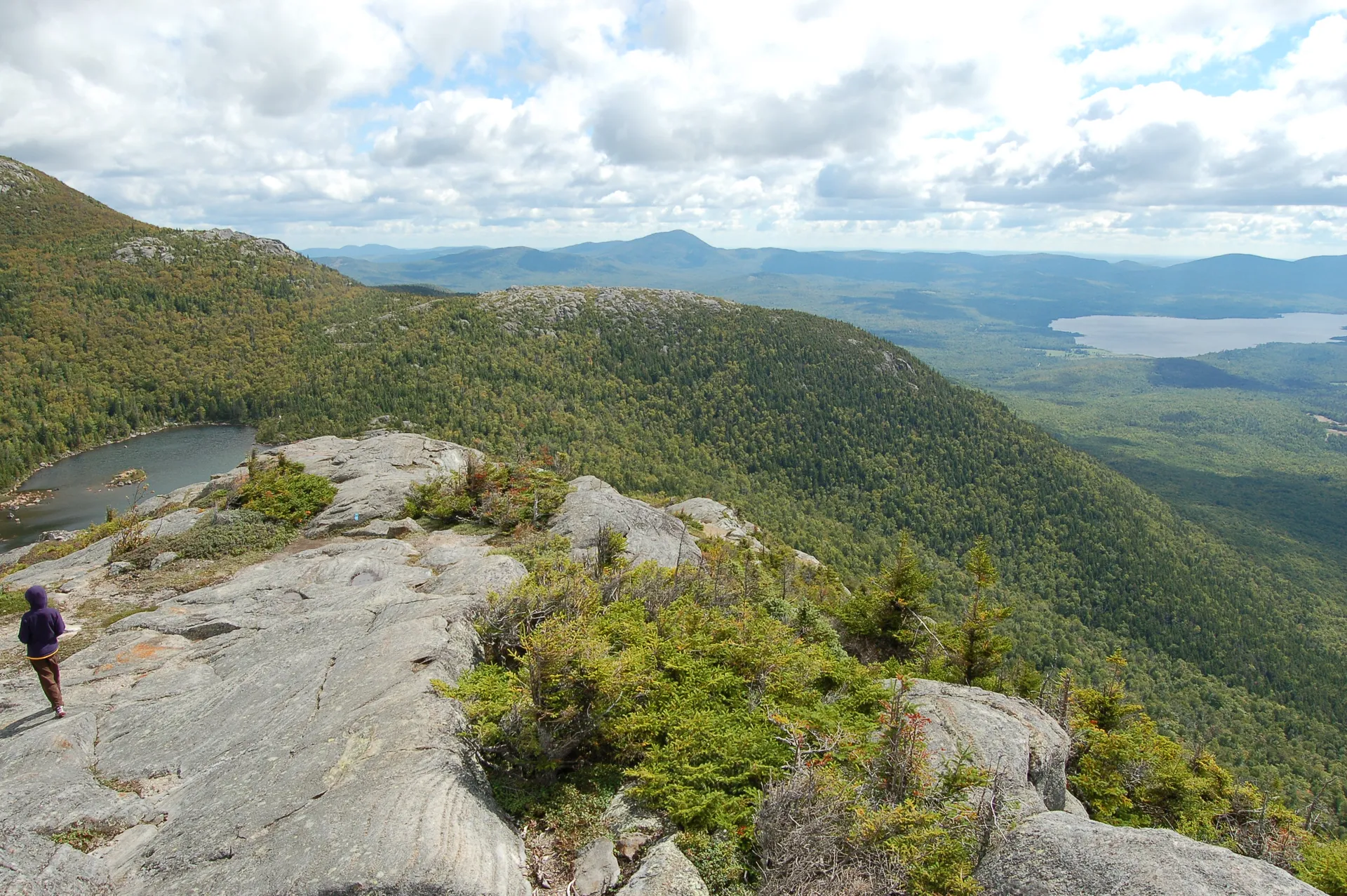
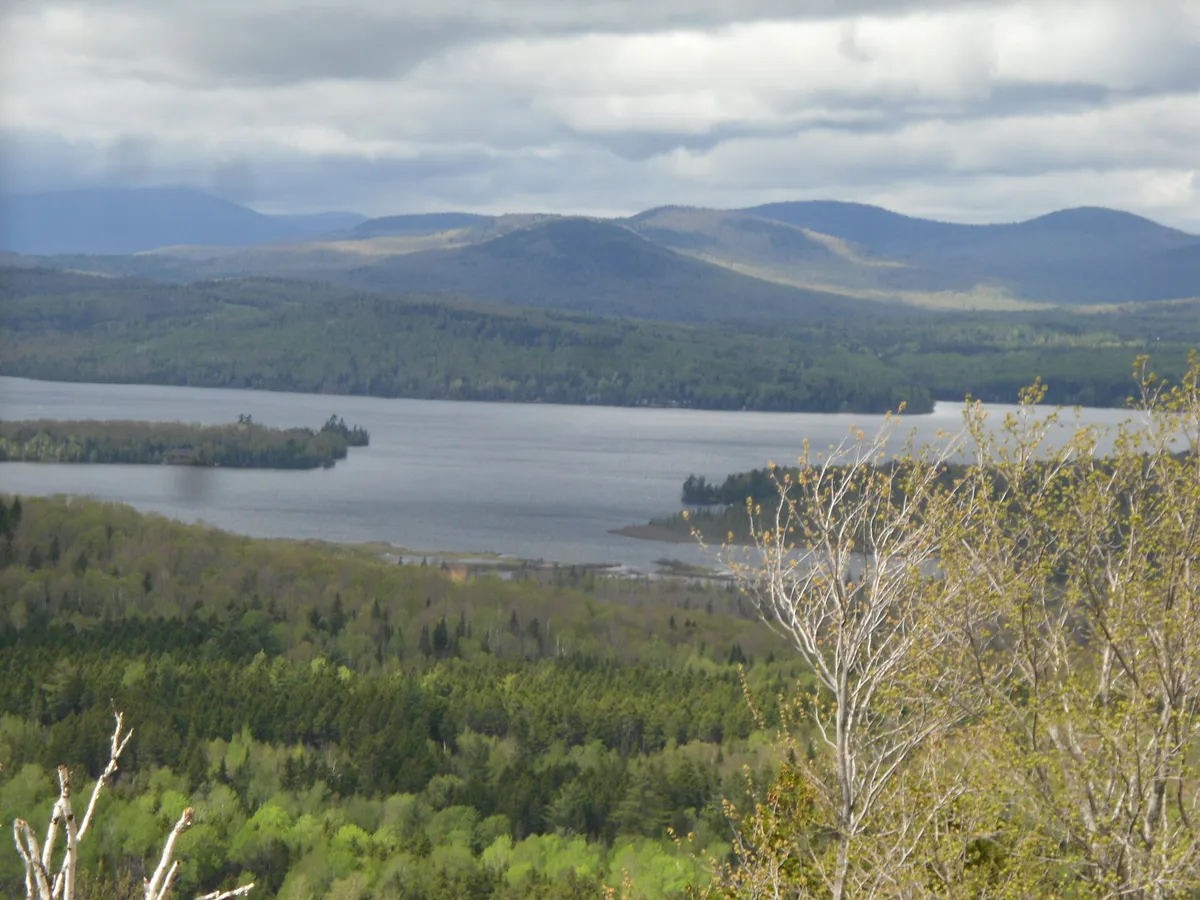
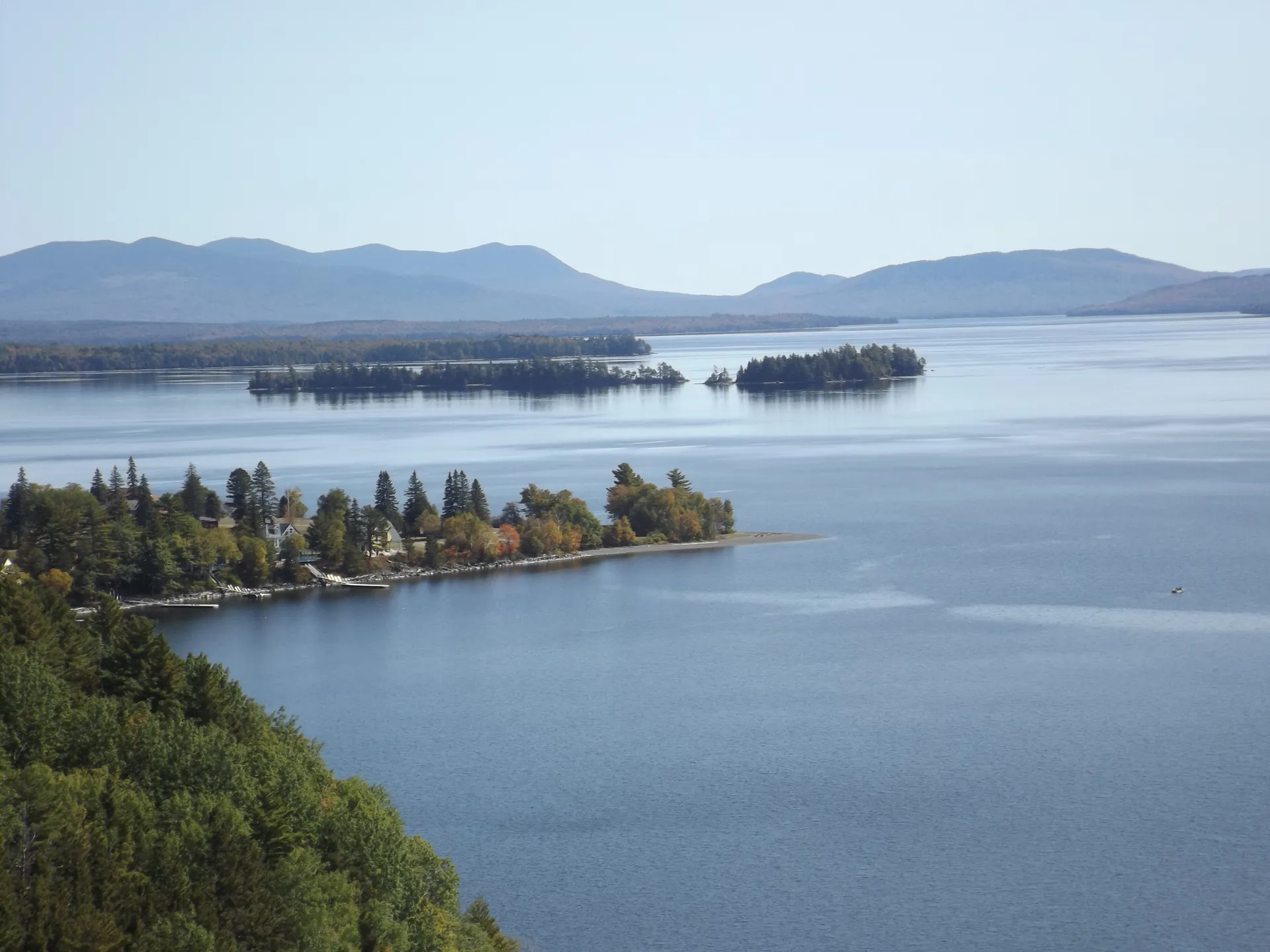
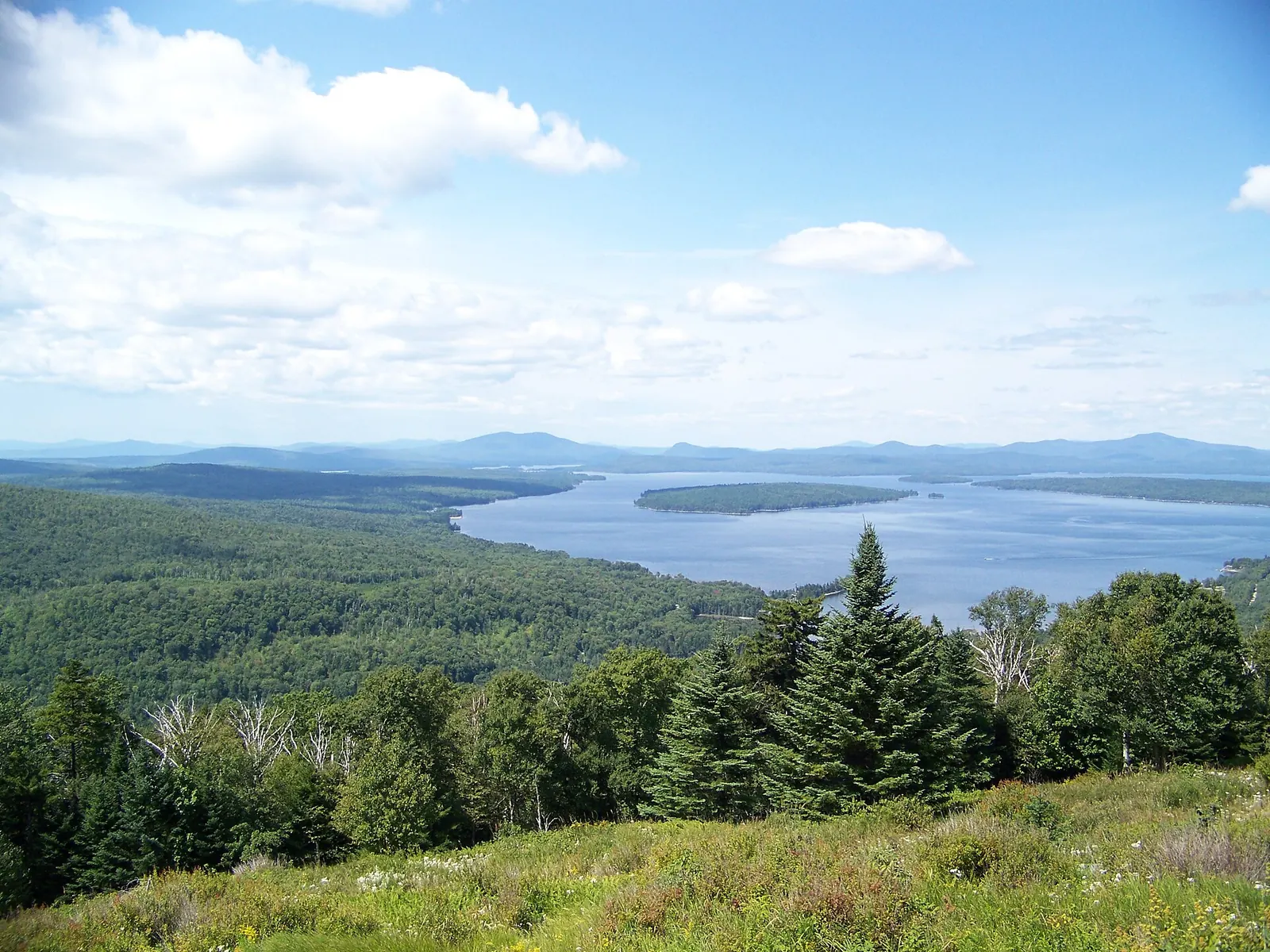
The stretch of Route 17 between Byron and Rangeley is one of the best driving roads in Maine. The Height of Land overlook about five miles north of Coos Canyon gives you a panoramic view of Mooselookmeguntic Lake and the western mountains. Combine a stop at the falls with the drive north for a full afternoon.
When to Visit
Spring
High water makes swimming dangerous. The cascades are dramatic but pools are too powerful for safe entry. Gold panning is poor in high water.
Summer
Warm weather and lower water levels make this ideal for swimming and jumping. Water is cold but refreshing. Busy weekends.
Fall
Beautiful foliage along the river. Water levels drop, exposing more rock. Swimming is cold but possible through mid-September.
Winter
Ice covers much of the river. The gorge is scenic but not accessible for swimming. Road is maintained but conditions vary.
Summer is the clear winner here. July and August bring warm air temperatures that balance the cold water, and lower river levels create the calmest swimming conditions. Weekends get crowded, so visit on a weekday if you want the pools to yourself. Fall is beautiful along this stretch of the Swift River, and September still offers swimmable conditions on warm days.
Spring brings the most powerful water flow, which makes the falls impressive to watch but unsafe for swimming. The current through the canyon is strong enough to sweep a person downstream.
Practical Notes
There are no fees or permits required. The rest area has picnic tables but no restrooms. The nearest services are in Rumford, about 15 miles south, where you will find gas stations, restaurants, and a grocery store. Rangeley, about 20 miles north, is a full-service town with lodging and dining.
Cell service is spotty along this stretch of Route 17. Verizon picks up intermittently. AT&T is unreliable. Do not count on your phone for navigation once you leave Rumford.
Packing List
Swift River Falls Visit
- Water shoes (rocks are slippery and sharp in spots)
- Towel and dry clothes
- Sunscreen (the canyon reflects light)
- Snacks and water (no services at the site)
- Gold panning kit (available at Coos Canyon gift shop)
- Camera (the gorge photographs well in afternoon light)
FAQ
Can you swim at Swift River Falls?
Yes. The pools below the cascades are popular swimming holes in summer. Water temperatures stay in the mid-60s even in August. Check depth before jumping from any ledges, and never dive headfirst.
Is there really gold in the Swift River?
Yes. Coos Canyon is one of the few places in Maine where recreational gold panning produces results. The gold is fine flake, not nuggets, but finding color in your pan is a real possibility. Panning kits are sold at the gift shop on Route 17.
Is there parking at Swift River Falls?
Yes. The Coos Canyon Rest Area on Route 17 has a free gravel lot with space for about 20 cars and picnic tables. On busy summer weekends, the lot can fill by midday.
How far is Swift River Falls from Rangeley?
About 20 miles south on Route 17, roughly a 30-minute drive. The road passes through the Height of Land scenic overlook along the way.
Are dogs allowed at Swift River Falls?
Dogs are allowed at the rest area and along the riverbank. Keep them leashed near the canyon edges and be aware that strong current in the river can be dangerous for dogs, especially in spring.