Sand and Tide Pools on the St. George Peninsula
- Length
- About 1,000 feet
- Low tide
- Sand runs about 100 yards out
- High tide
- Sometimes a few feet of sand
- Fee
- None
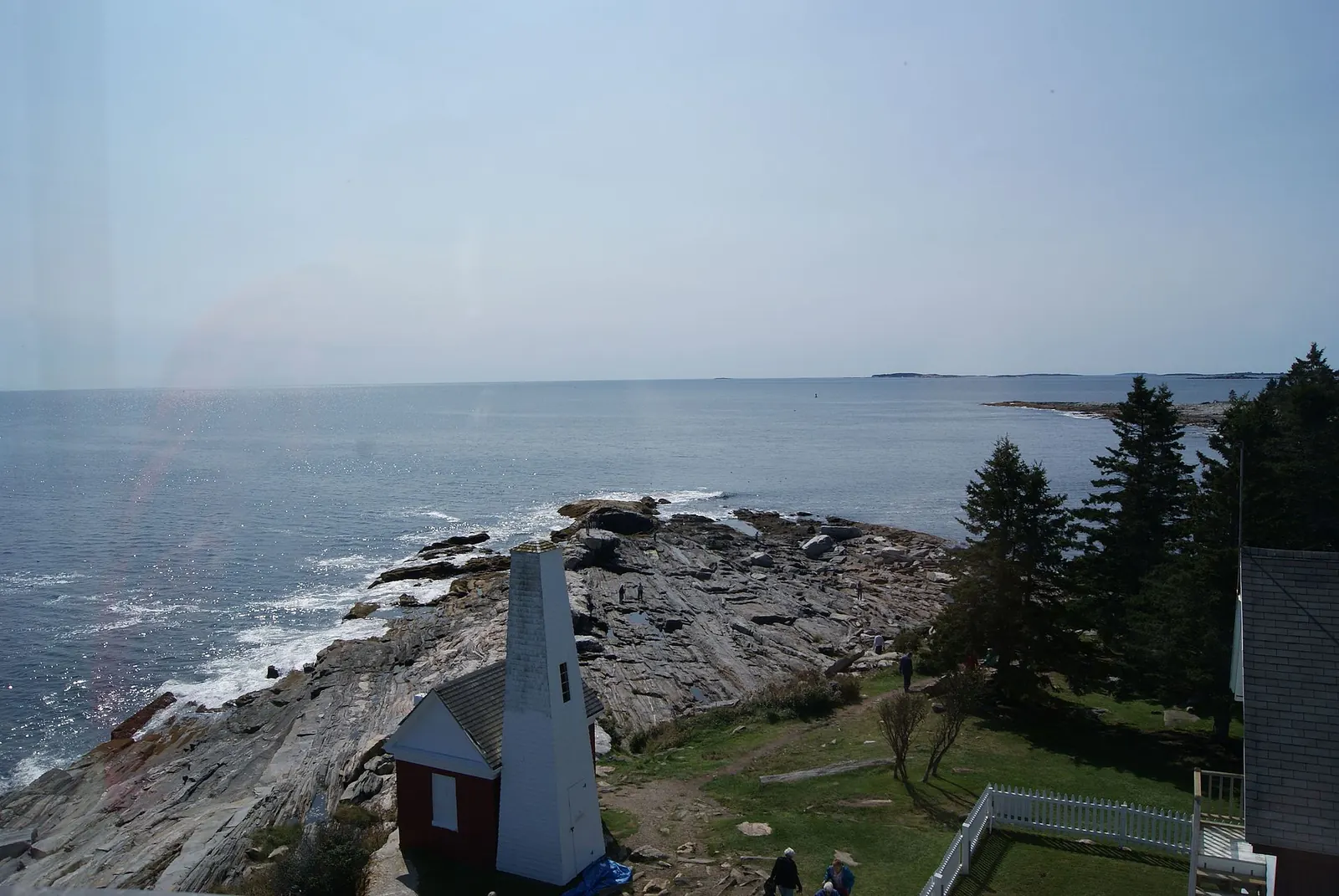
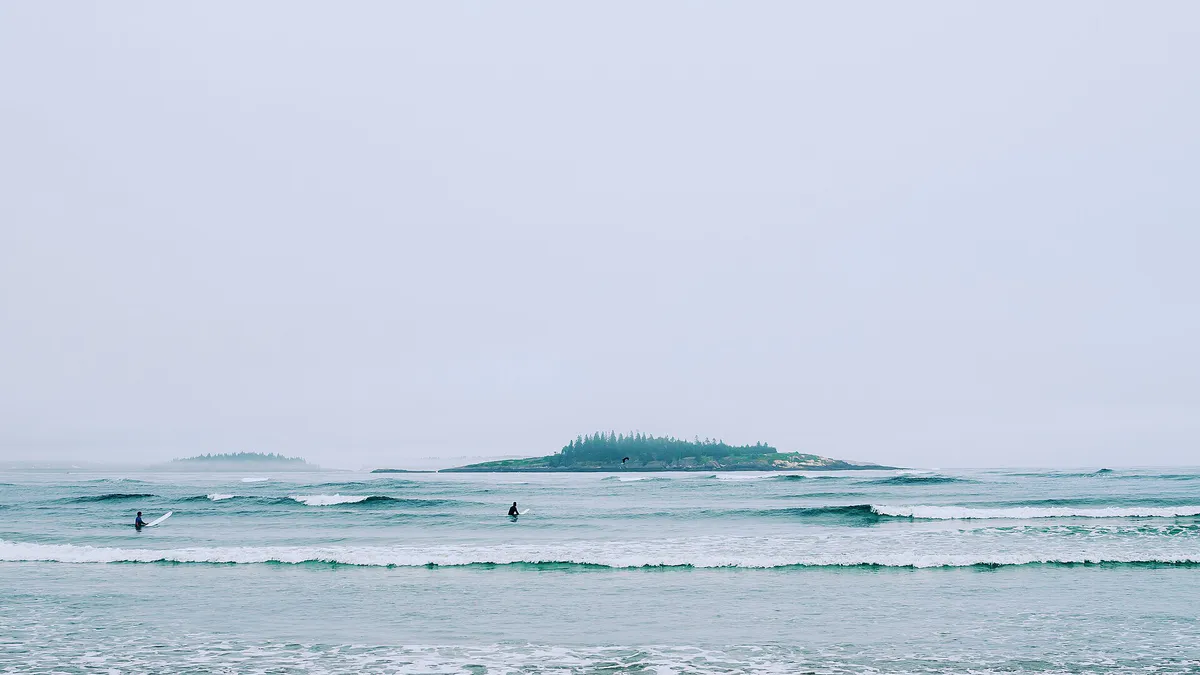
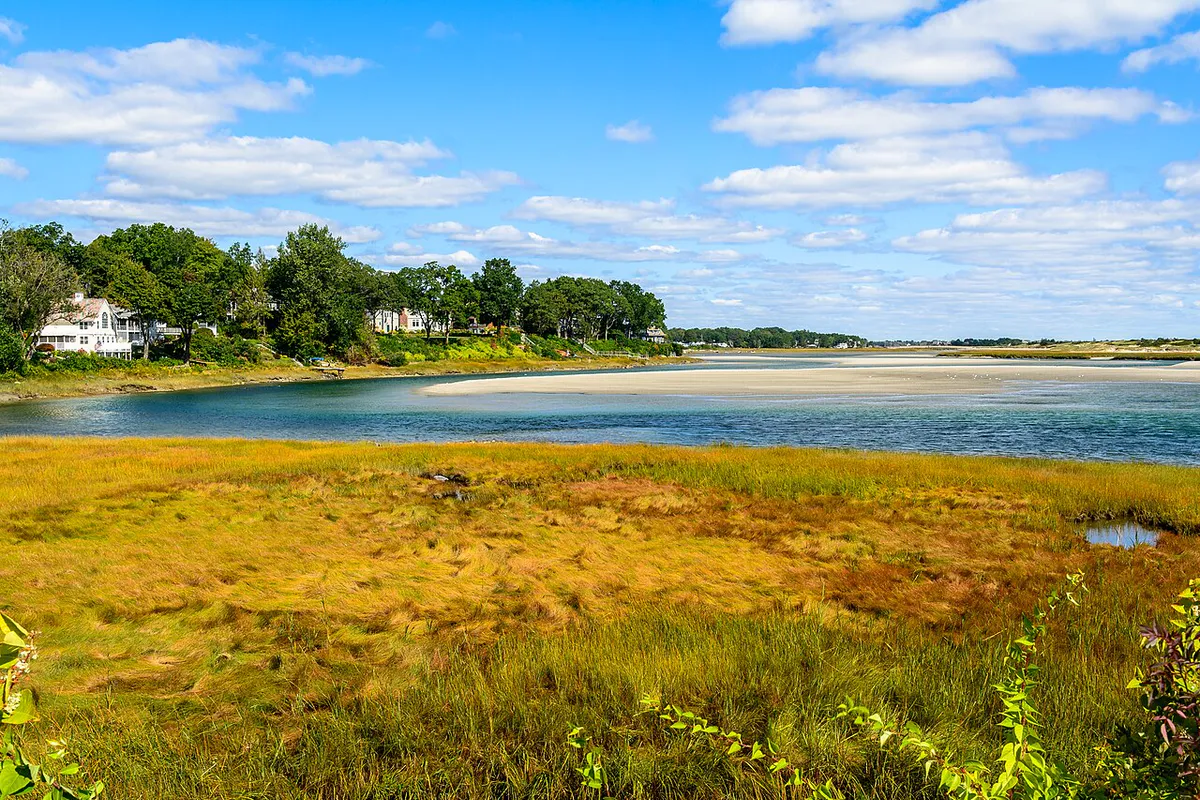
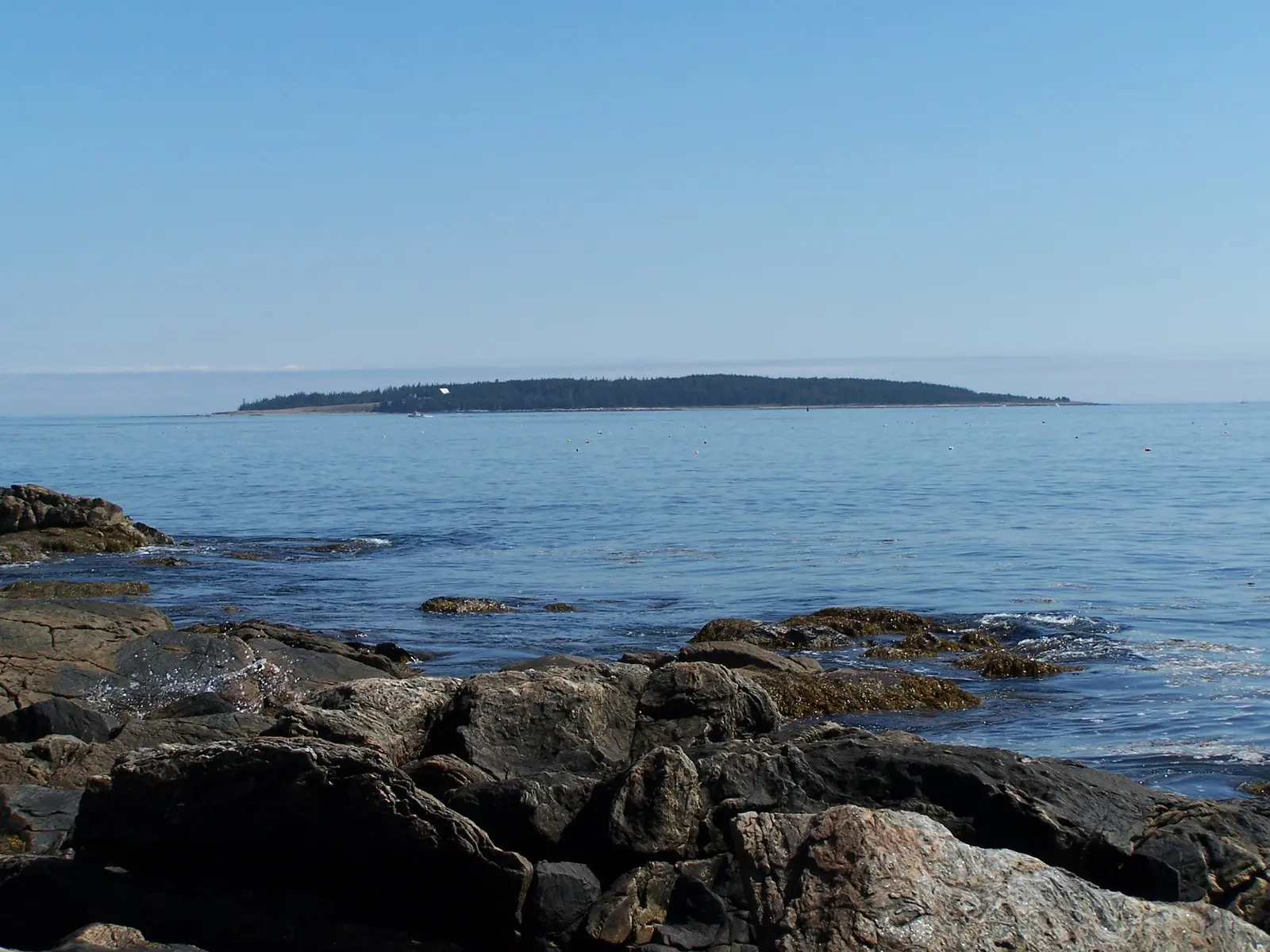
Drift Inn Beach is a crescent of sand on the eastern shore of the St. George peninsula, facing across Penobscot Bay toward the islands. It barely shows up on the tourist map, but locals have come here for generations. Expect a quiet sweep of sand and cobble backed by granite, tide pools on the rocks, sea glass in the wrack line, and a view from Mosquito Island to the open Atlantic.
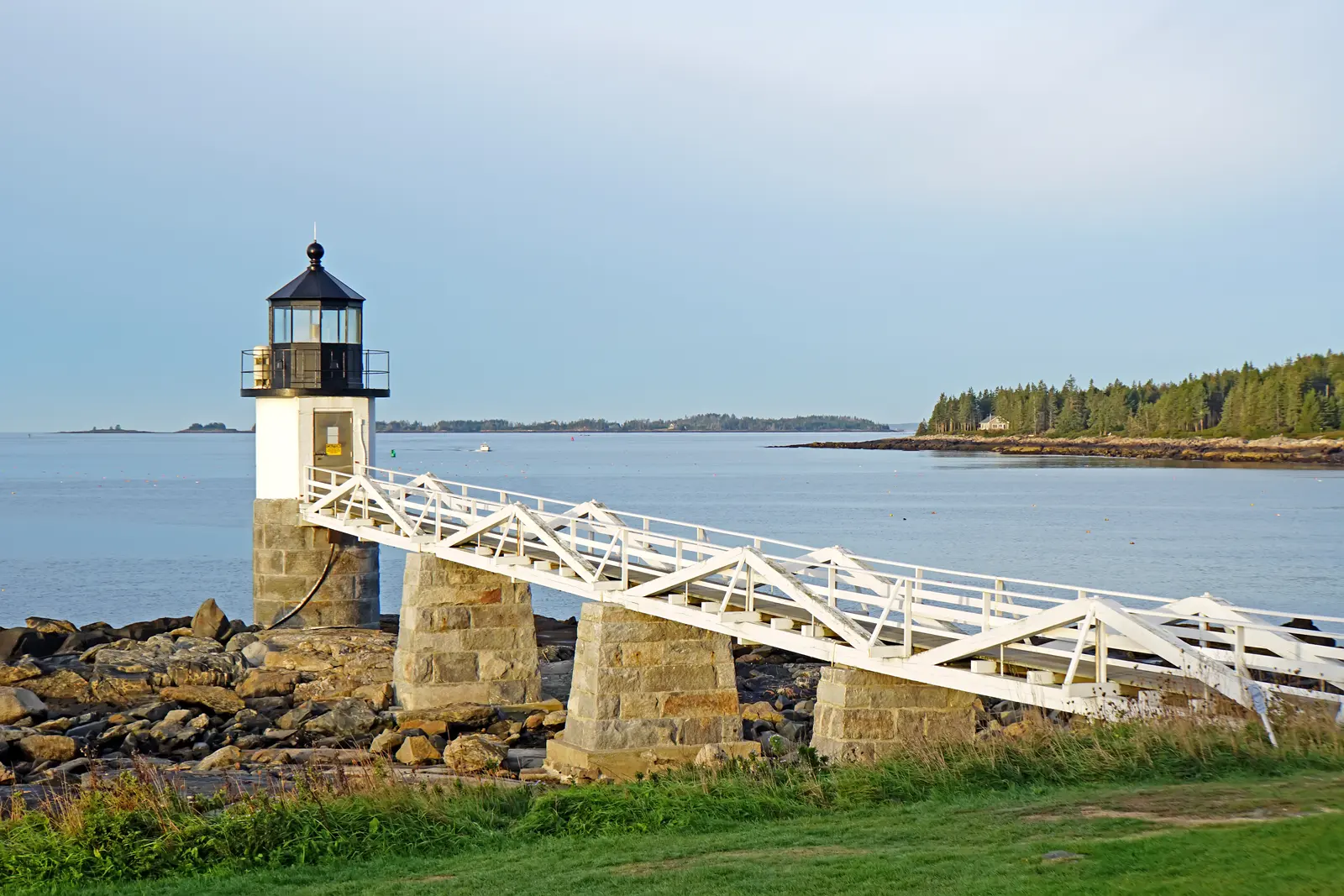
The beach is on Drift Inn Road, off Route 131 between Tenants Harbor and Port Clyde. Marshall Point Lighthouse, made famous by the film Forrest Gump, is less than three miles south. Just beyond it is the tiny village of Port Clyde, where the Monhegan Island mail boat leaves.
The beach runs about 1,000 feet along the shore. At low tide the sand reaches roughly 100 yards out, plenty of room for walking, beachcombing and tide pools. At high tide it shrinks, sometimes to a few feet of sand at the base of the rocks. Here the tide decides everything.
Tide Pools and Beachcombing
- Check the tide first Come at low tide for the widest beach, the most exposed pools and the best sea glass. At high tide the beach nearly disappears. Check the tide chart for the Tenants Harbor area before driving down.
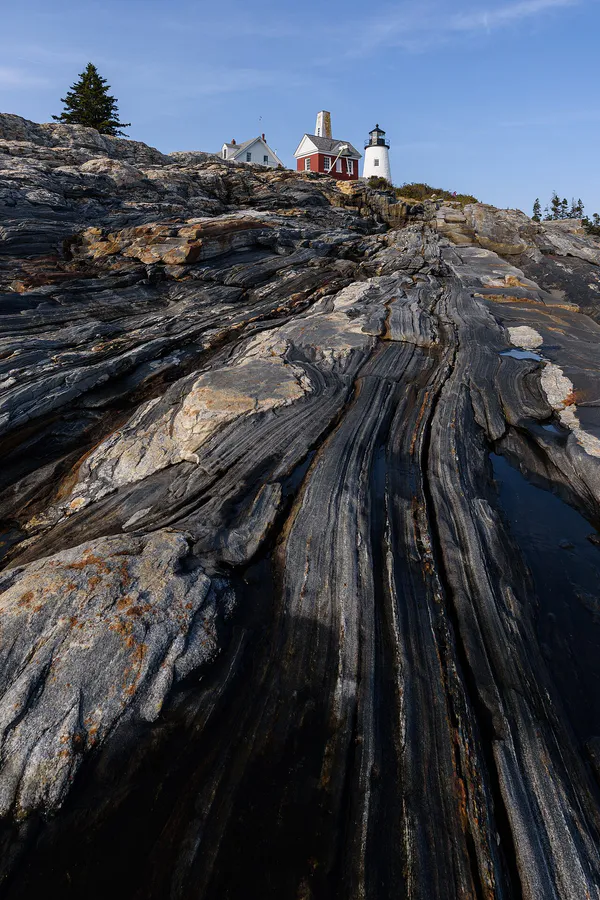
- Explore the headlands The rocky ends of the beach hold layered, shelved granite with deep pools. Look for snails, periwinkles, green crabs, sea cucumbers, starfish and hermit crabs.
- Hunt for sea glass Search where sand meets cobble on the upper beach, especially after storms. Green and white are most common, with occasional blue, brown and rare purple.
- Watch the tide come back As the water rises, the sand narrows toward the rocks. Head back before the flat you walked out on is covered.
Swimming Conditions
- Water
- Mid to upper 50s, even in August
- Bottom
- Sand, slopes gently
- Exposure
- Faces east; islands break the swell
- Lifeguards
- None
You can swim at Drift Inn Beach, with the usual midcoast catch: the water is cold, typically in the mid to upper 50s even in August. The sandy bottom slopes gently, so at low tide you wade a long way before it gets deep. At higher tides, swimming is easier but the beach shrinks.
The beach faces east into a fairly sheltered part of Penobscot Bay. Several islands break up the swell before it reaches shore, and there are no strong currents. It’s good for wading and splashing, if not for long, comfortable swims. There are no lifeguards, so watch children closely.
The large flat rocks at the south end of the beach warm in the sun and make natural lounge chairs. Spread a towel on the warm granite, let the kids explore the tide pools, and keep an eye on the water for lobster boats and the occasional seal head poking up offshore, a moment that is much better with binoculars within reach.
Getting There
- Start in Thomaston Leave US Route 1 in Thomaston on Route 131 South toward Port Clyde. The road passes stone walls, old farmhouses, spruce woods and glimpses of the bay.
- Turn left on Drift Inn Road After about 10 miles on Route 131, turn left. The beach is at the end of the road, about a quarter mile.
- Park along the road There's no lot. Roadside pull-offs near the beach access hold a modest number of cars, at 43.9315, -69.2437.
- Drive times About 25 minutes from Rockland, 35 minutes from Camden and 2 hours from Portland.
Marshall Point Lighthouse
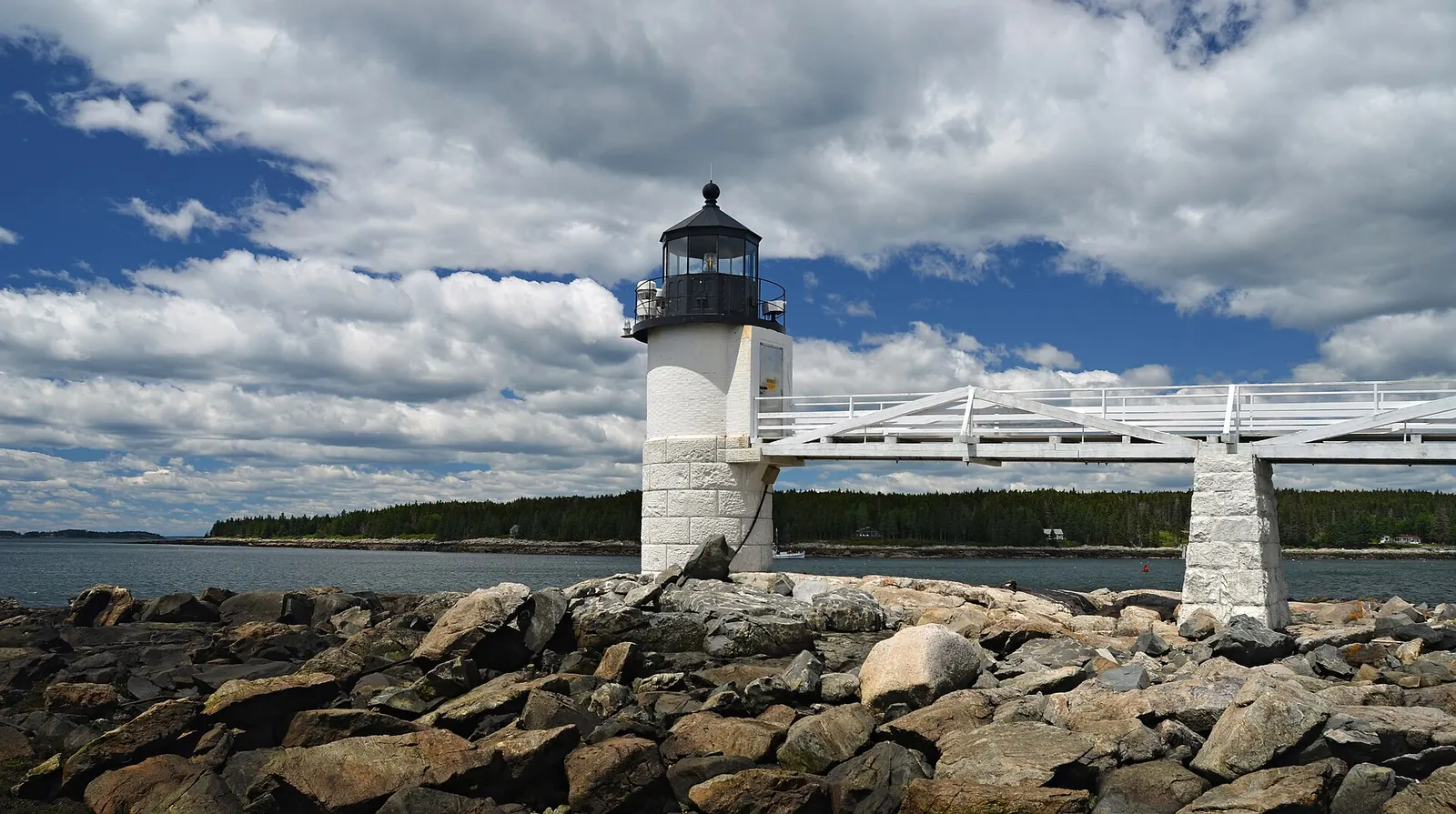
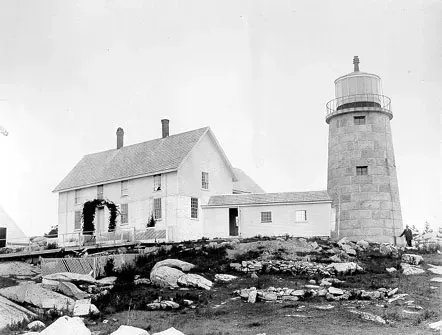
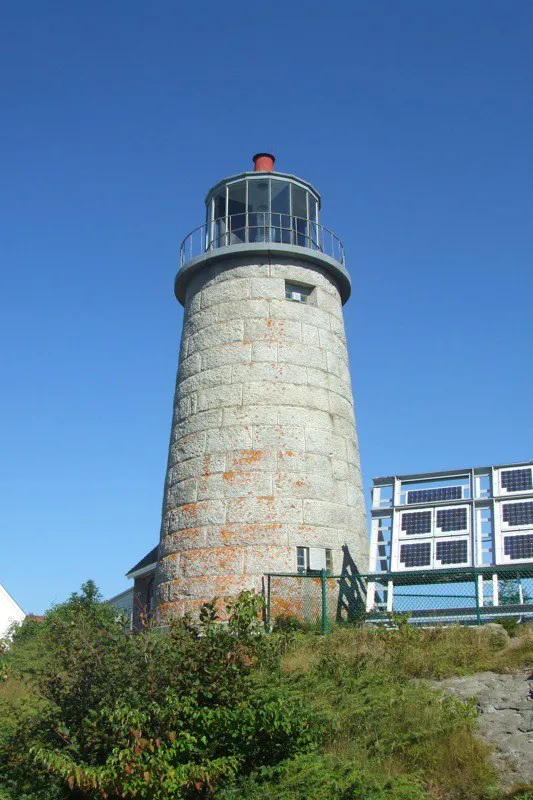
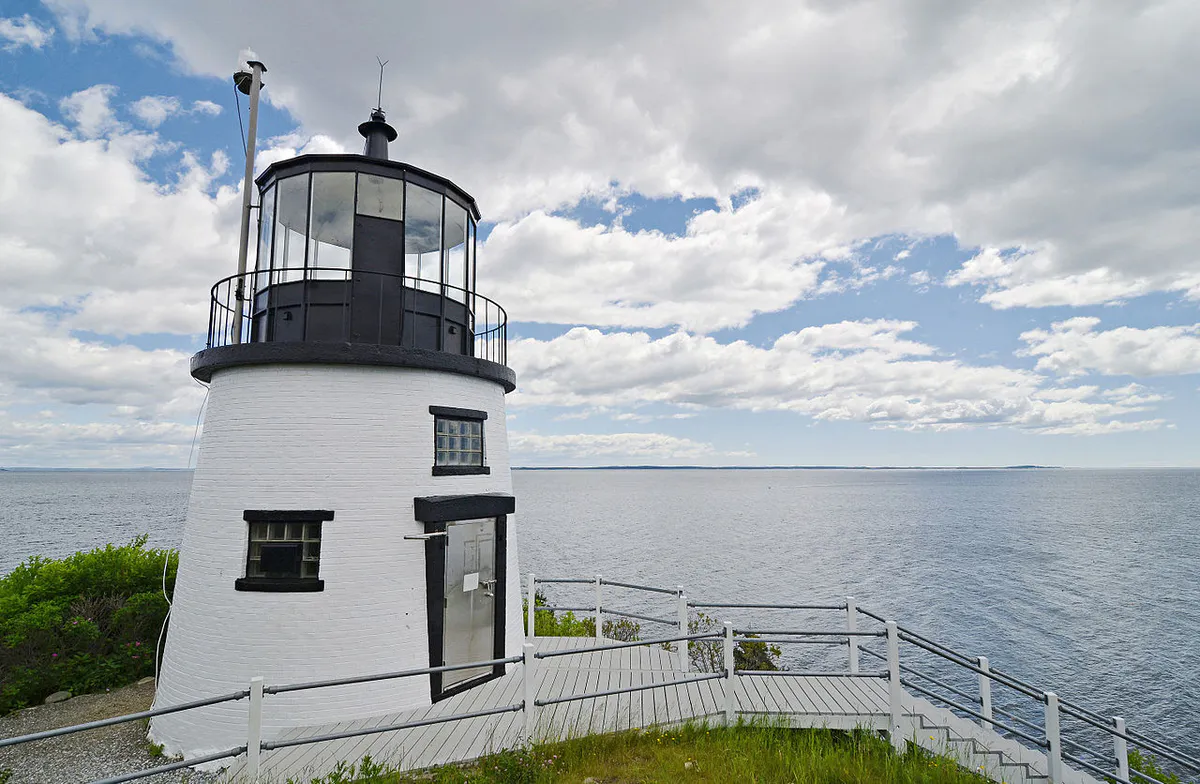
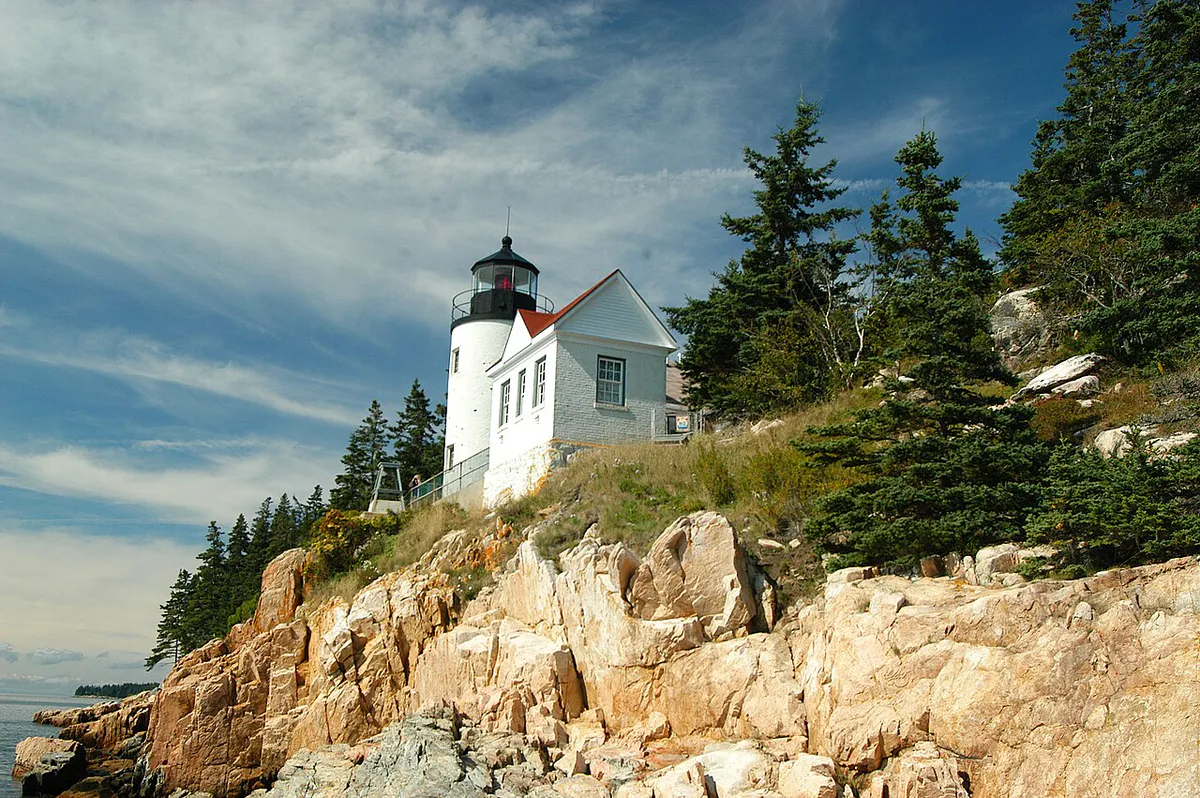
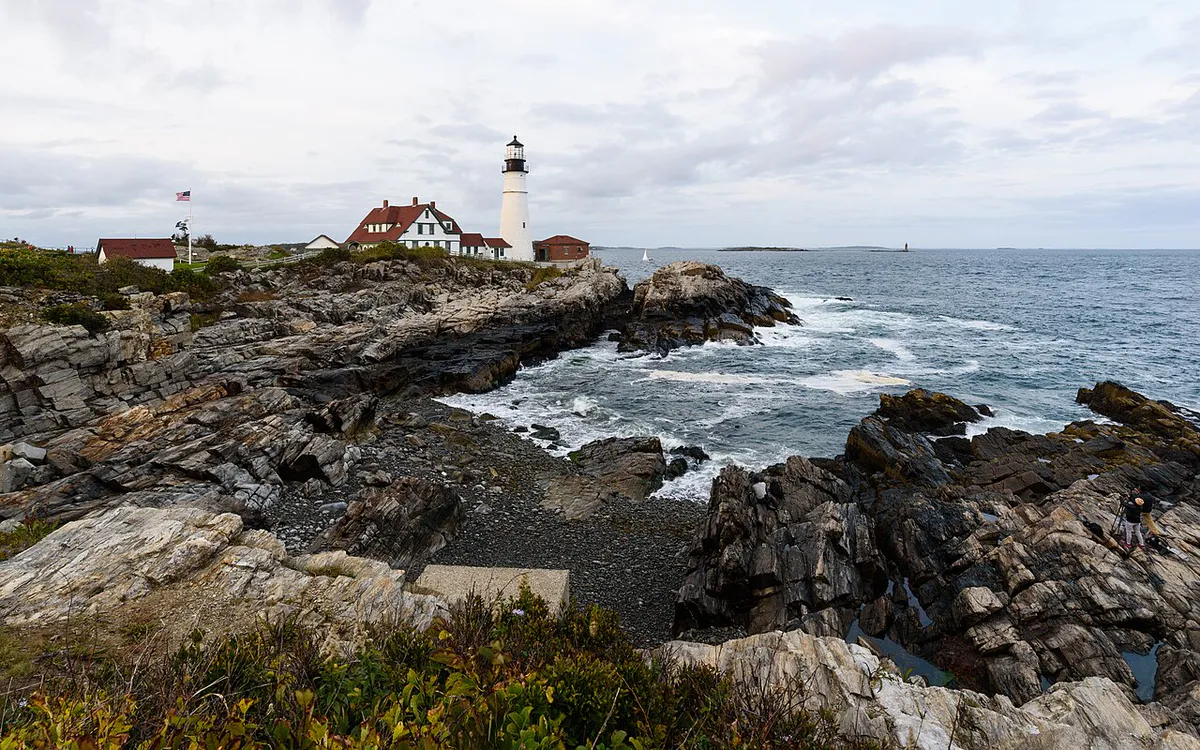
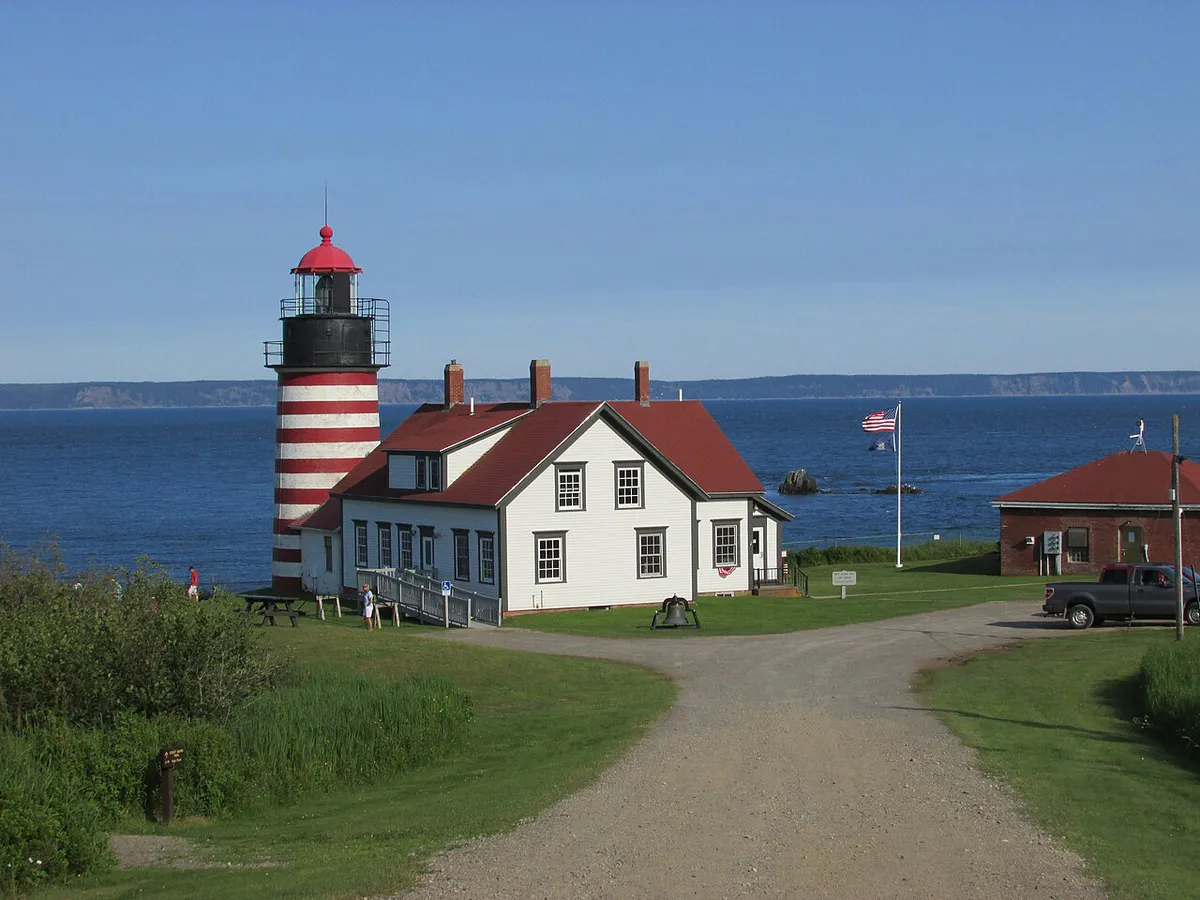
Marshall Point Lighthouse is less than three miles south and makes a natural second stop. It stands on a rocky point at the end of Marshall Point Road in Port Clyde, reached by a walkway over the rocks. The lighthouse museum is free and open seasonally. The Forrest Gump connection draws visitors, but the setting is beautiful on its own.
From the beach, continue south on Route 131 to Port Clyde and follow signs to the lighthouse. The whole loop is about 20 minutes of driving.
- Distance
- Less than 3 miles south
- Museum
- Free, open seasonally
Facilities
There are no restrooms, trash cans, lifeguards or snack stands. Bring what you need and pack out everything you bring. The nearest services are in two villages about 3 miles away on Route 131.
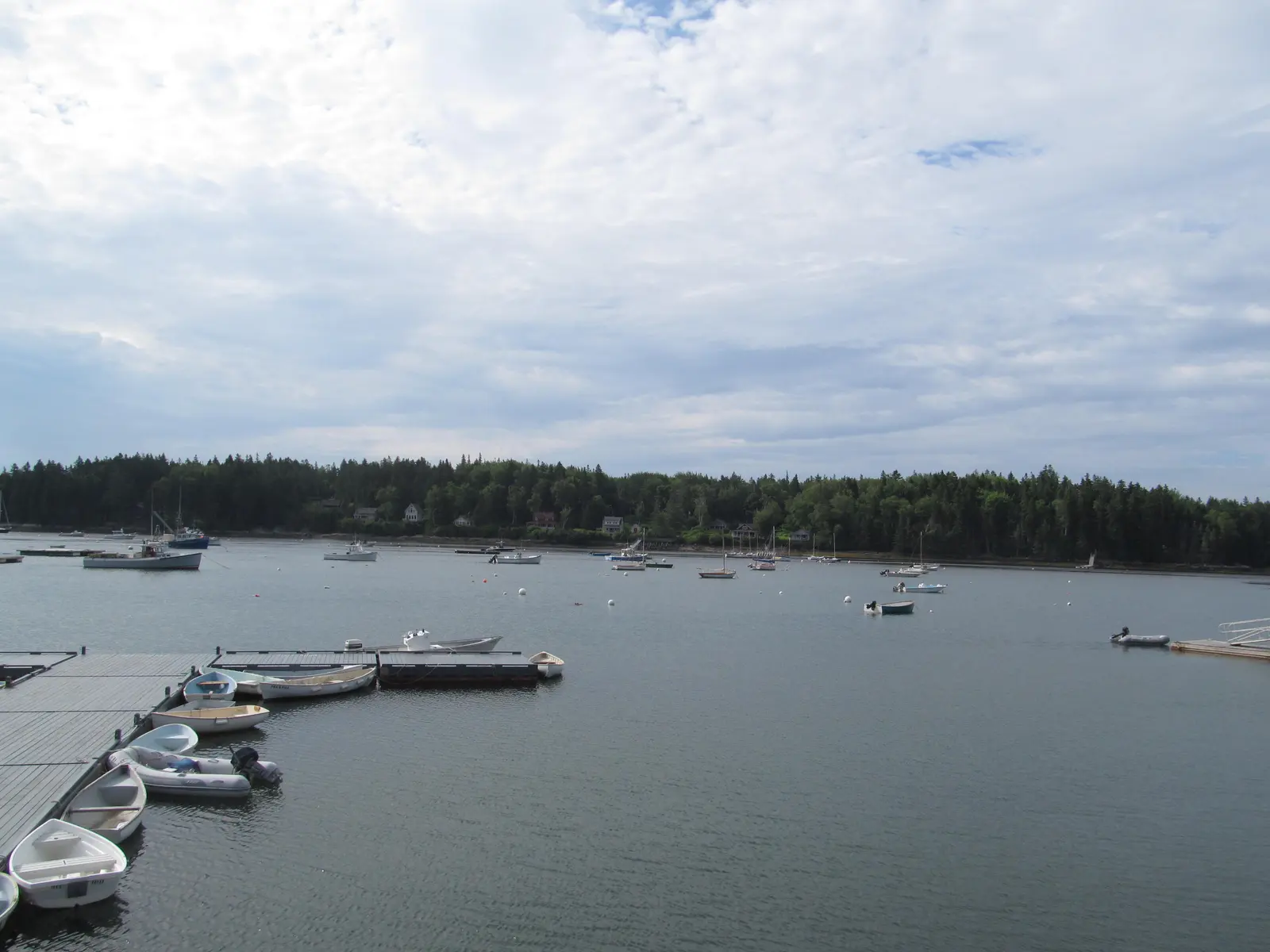
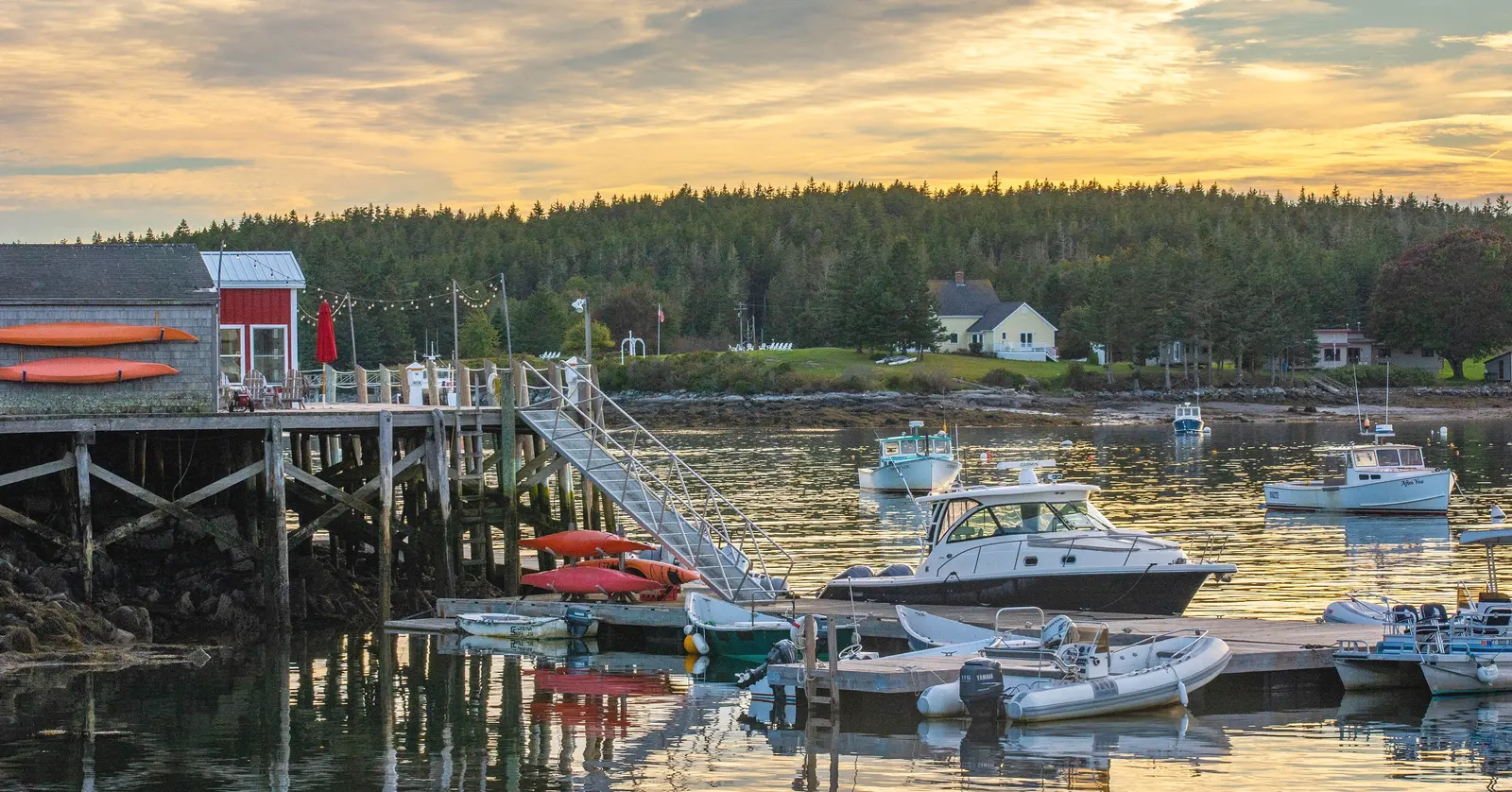
Drift Inn Beach has no restrooms, trash cans, or services of any kind. The nearest restrooms are at the Marshall Point Lighthouse museum (seasonal) or the general stores in Tenants Harbor or Port Clyde.
When to Go
Spring
Cool and often windy. Good for walking and beachcombing. Water is very cold.
Summer
Warmest conditions. Best tide pooling. Water is cold but tolerable for wading. Combine with Marshall Point Lighthouse.
Fall
Fewer visitors. Beautiful light on the bay. Good beachcombing after fall storms.
Winter
Empty and dramatic. The beach is accessible year-round. Dress warmly.
Dogs at Drift Inn Beach
Dogs are welcome on leash. There are no posted rules, but you’re expected to leash your dog and clean up after it. Dogs love the tide pools and the wide sand flat at low tide.
Drift Inn Beach Essentials
- Tide chart (essential, the beach disappears at high tide)
- Water shoes (rocky tide pools and cobble sections)
- Sunscreen and hat
- Towels and swimsuit
- Bag for sea glass finds
- Snacks and water (no services at the beach)
- Binoculars (islands, lobster boats, seals)
- Camera
FAQ
Is there a fee to visit Drift Inn Beach?
No. Parking and access are free year-round. Park along Drift Inn Road near the beach access.
How far is Drift Inn Beach from Marshall Point Lighthouse?
Less than three miles. Continue south on Route 131 from Drift Inn Road to Port Clyde and follow signs to the lighthouse. The drive takes about 5 minutes.
Is the water warm enough to swim?
The water is cold, typically mid to upper 50s. Wading and splashing are comfortable on warm days. Full swimming requires tolerance for cold water.
When is the best time to visit?
Low tide, always. The beach expands to about 100 yards of sand at low tide and nearly disappears at high tide. Check the tide chart for the Tenants Harbor area.
Are there tide pools at Drift Inn Beach?
Yes. Excellent tide pools on the rocky headlands at both ends of the beach. Low tide reveals pools with snails, crabs, starfish, sea cucumbers, and hermit crabs.