


The first time we took a toddler camping in Maine, we picked the wrong campground, brought the wrong tent, and packed for the wrong weather. By 9 PM on night one, the kid was screaming in a tent that was too small, the camp neighbors three sites away were watching us judgmentally, and one of us was Googling motels in Naples on a phone with 3% battery. We have done a lot of toddler camping since then. Most of it has gone better.
Below is what we figured out the hard way. It will not make toddler camping easy, because nothing makes toddler camping easy. But it will save you a few of the worst nights.
Pick the Right Campground for Year One
Where you camp matters more than how you camp. The right campground absorbs a lot of toddler chaos. The wrong one makes everything harder.
Look for:
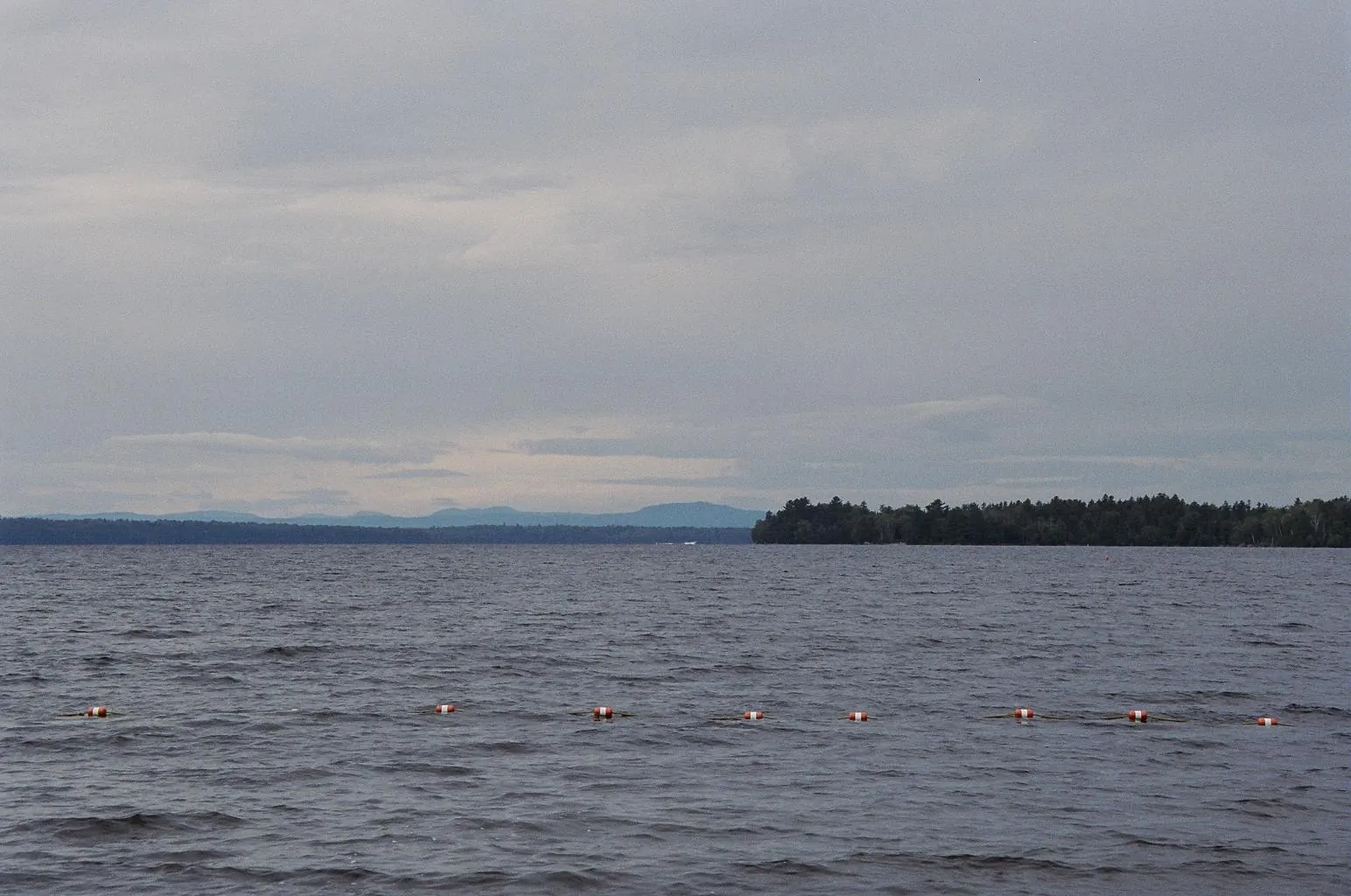
- Sand swim beach within a short walk. Toddlers need water access for morale.
- Flush toilets and hot showers. Pit toilets and toddlers are a bad combination.
- Reservable, defined campsites. First-come-first-served is too stressful with a kid.
- Playground on site. Saves at least one meltdown per day.
- Drive-up sites, not walk-in sites. You will haul more than you think.
Skip year one:
- Remote backcountry sites
- Walk-in or canoe-in sites
- Sites with shared facilities far away
- Sites with no swim access
Our top Maine campground picks for first-time toddler camping
| Campground | Region | Swim | Playground | Why It Works |
|---|---|---|---|---|
| Sebago Lake State Park | Southern | Huge sand beach | Yes | Easiest first trip |
| Bradbury Mountain SP | Freeport area | Drive to Sebago | Yes | Short summit, near LL Bean |
| Rangeley Lake SP | Western Mtns | Lake beach | Yes | Clean, quiet, mountain views |
| Lily Bay State Park | Moosehead | Lake beach | No | Best chance to see moose |
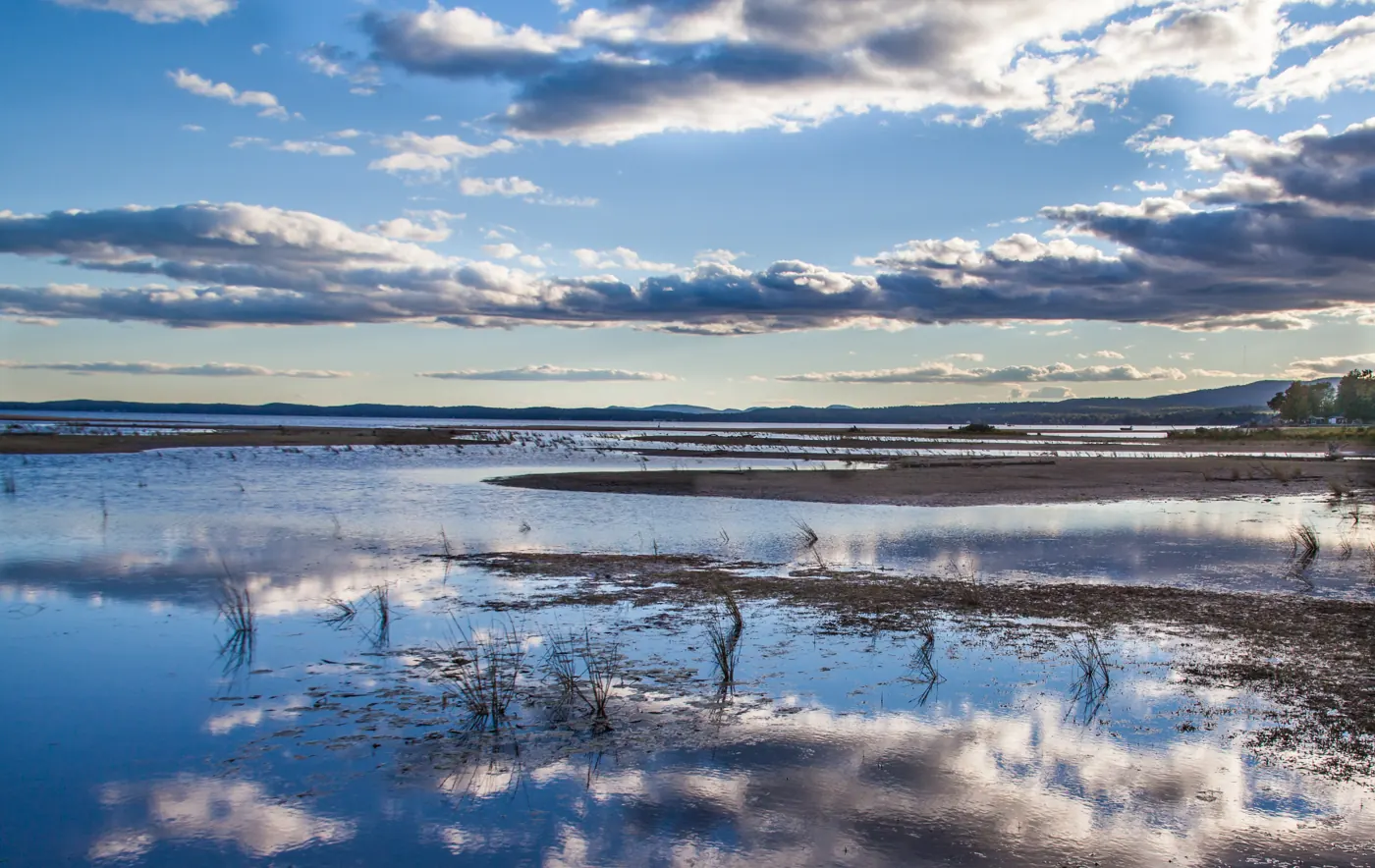
| Peaks-Kenny SP | Sebec Lake | Sandy beach | Yes | Quiet, gorgeous lake, less crowded |
| Mount Blue SP | Western Mtns | Webb Lake | Yes | Lake + easy hikes |
For the full list with detail on each, see our best family camping in Maine guide.
Maine state park reservations open February 3rd for the year. Sebago Lake books out for July and August within hours of the opening bell. If you are planning ahead, set a calendar reminder for the morning reservations open. If you are planning last-minute, Peaks-Kenny and Mount Blue still have summer availability later in the year because they are less famous.
The Tent Setup That Actually Works
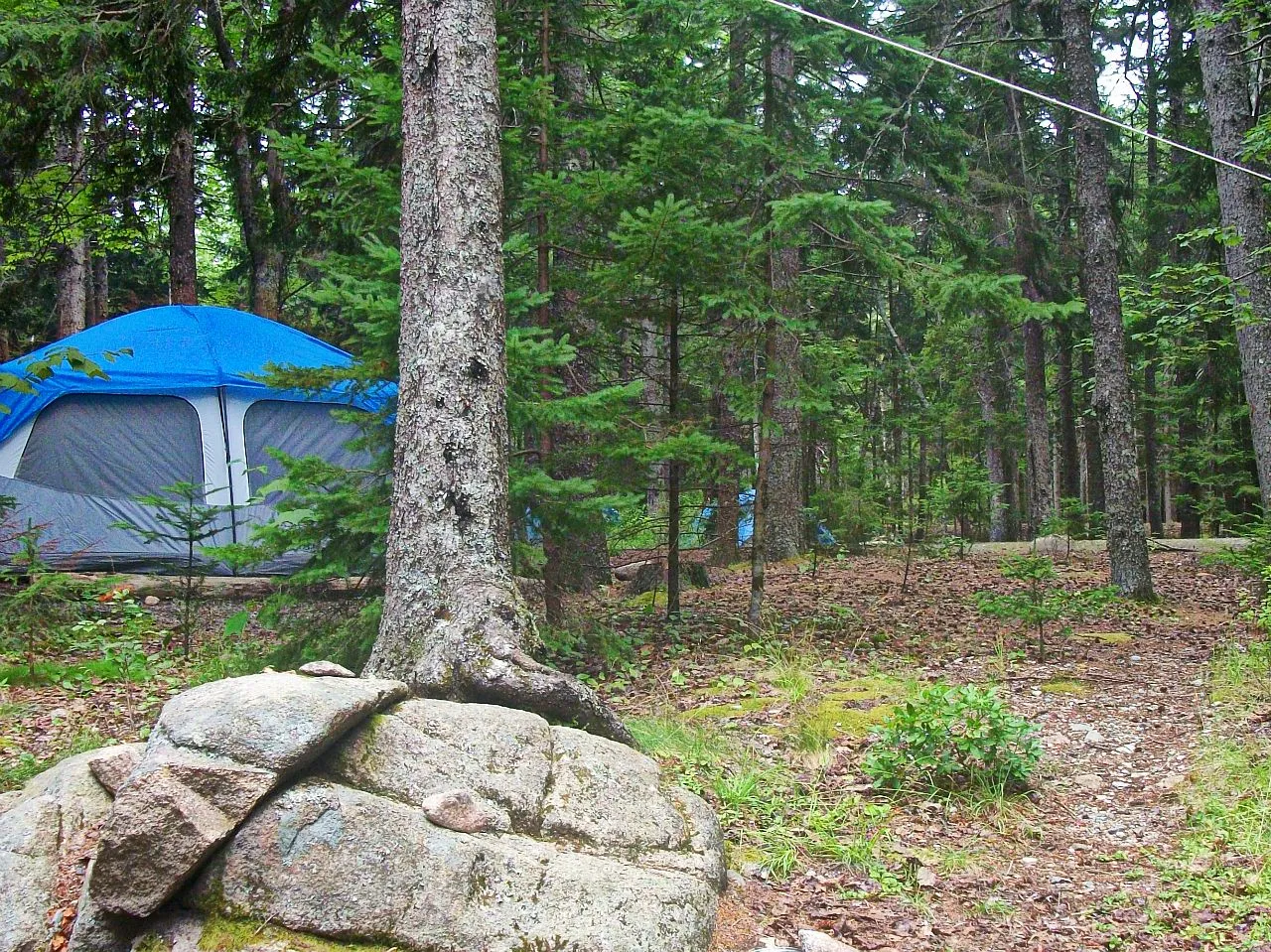
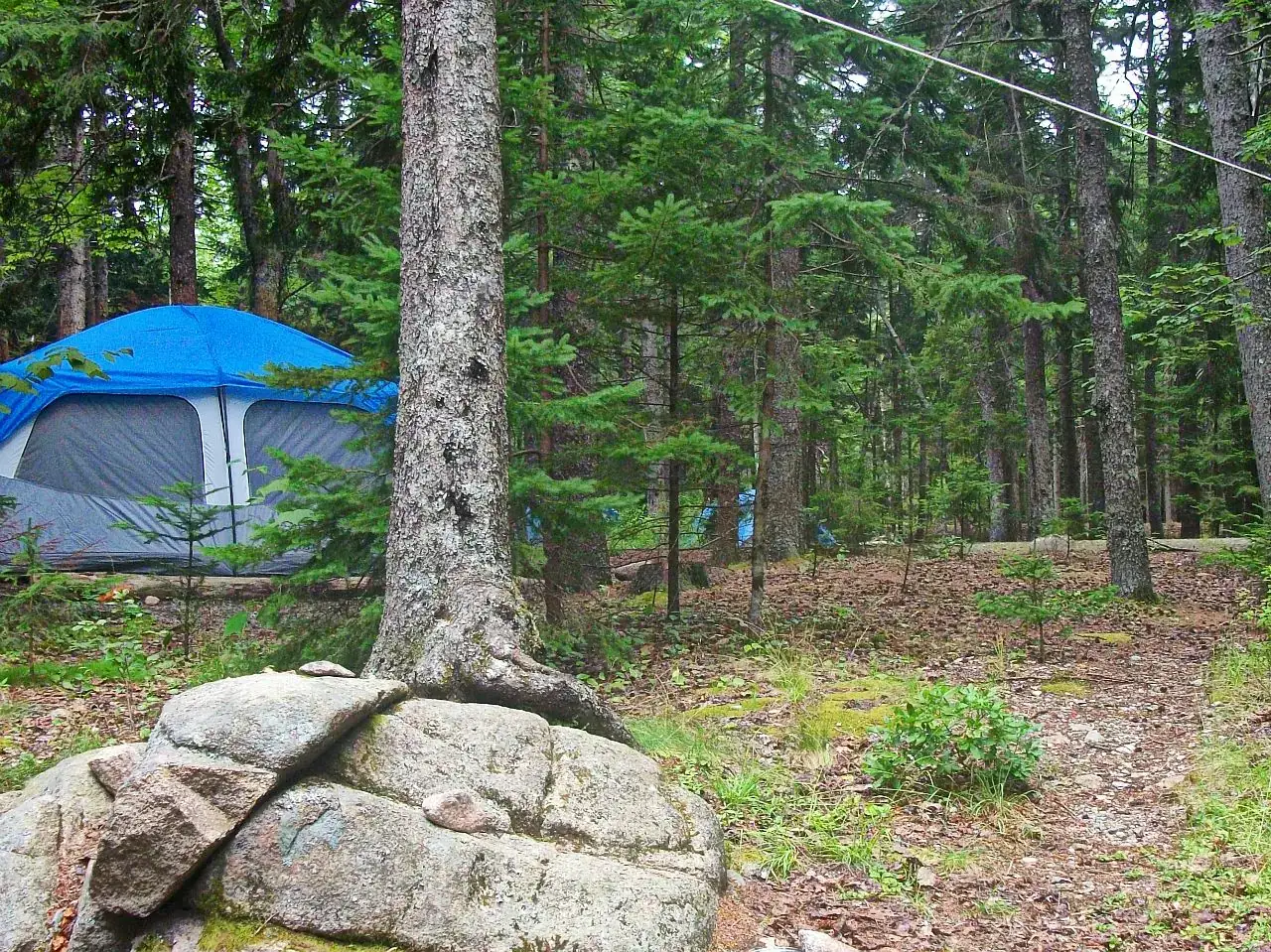
A toddler camping tent has two requirements: enough room for the kid to move around inside without immediately crashing into a parent, and enough darkness for them to sleep through dawn (which arrives at 4:45 AM in Maine in June).
Tent size rule: Take whatever capacity rating you see on a tent and divide by 1.5 for “with toddler” capacity. A 4-person tent fits two adults and one toddler comfortably. A 6-person fits four people or a family of three with a Pack ‘n Play.
Dark interior: Look for tents with full rainfly coverage and dark fabric. Coleman makes a “Dark Room” line that genuinely blocks early sun and gets us an extra hour of sleep. Worth every dollar for toddler camping.
#1Premium
Coleman Skydome 6-Person Dark Room Tent
Who it’s forBest dark-interior family tent for toddler camping
Why we picked itDark Room fabric buys extra sleep after Maine's 4:45 AM dawn
Pros
- Six-person size fits a family of three with a Pack 'n Play
- Dark fabric blocks early sun
- Extra floor room gives a toddler space to move
See our full best family tents for Maine guide for more picks across price ranges.
Sleep system
Toddlers do not sleep well on the ground. They are too small to stay on a Therm-a-Rest pad and they get cold from below. Two options that work:
- Pack ‘n Play with a thick foam pad underneath. The toddler sleeps where they normally sleep. Familiar. Works for kids under 30 inches.
- Toddler cot or a twin air mattress with sheets from home. For kids who are past the Pack ‘n Play stage.
Either way: warmer sleeping bag than you think. Maine nights in June and September drop into the 40s. A toddler sleeping bag rated to 50°F is not enough most of the year. Get a 30°F bag, or pair a lighter bag with a fleece footy pajama layer.
#2Premium
Morrison Outdoors Mighty Mo 40 Kids Sleeping Bag
Who it’s forBest wearable sleeping bag for kids ages 3-5
Why we picked itWearable shape cannot be kicked off or tangled
Pros
- Arm and leg holes let kids move
- 40F rating works with a base layer in shoulder season
- Sized for ages 3 to 5
For kids ages 3 to 5, a wearable sleeping bag with arm and leg holes is a major sleep upgrade. The kid cannot kick it off, cannot get tangled, and cannot end up cold in the middle of the night. Morrison Outdoors makes the camping-grade version. For shoulder-season Maine camping, the 40°F rating works with a base layer.
The Schedule (You Need One)
Toddlers fall apart without a schedule. Camping does not change this. Build a schedule for the trip that roughly mirrors your normal day:
- 6:30 to 7:00: Toddler wakes up. Get coffee made before this happens.
- 8:00: Breakfast at the picnic table.
- 9:00 to 11:30: Activity (beach, easy hike, playground).
- 12:00: Lunch back at camp.
- 12:30 to 2:30: Nap in the tent (if your kid still naps) or quiet time.
- 3:00 to 5:00: Second activity (beach, ice cream run, walk).
- 5:30: Dinner.
- 7:00: Bath / wipe-down. Pajamas.
- 7:30: Bedtime routine. Sleep by 8.
Two activities a day is the right amount. Three is too many. One is not enough, bored toddlers melt down faster than tired ones.
What to Pack (and What to Skip)
We pack heavier for toddler camping than for backpacking and zero apologies about it. Toddlers need their stuff.
The Toddler Camping Pack List
- Tent at least one capacity-size larger than your group
- Pack 'n Play or toddler cot
- Toddler sleeping bag rated to 30-40°F
- Familiar pillow and blanket from home
- Pajamas + base layer for cold nights
- Three changes of clothes per day (they will get muddy/wet)
- Closed-toe water shoes for the beach
- Real rain shell + rain pants
- Two warm layers (Maine nights are cool even in July)
- Picaridin lotion + Sawyer Permethrin for clothes (ticks!)
- Sunscreen (mineral-based for sensitive skin)
- Wide-brim sun hat
- Headlamp (for the kid to feel like a real camper)
- Pack 'n Play sheet or twin sheets if using air mattress
- Wet/dry bag for muddy clothes
- Baby wipes (more than you think. They are camp cleanup gold)
- Hand sanitizer
- Pull-ups for nighttime even if mostly potty-trained
- Two favorite toys (not all of them, choose ruthlessly)
- Snack containers with familiar snacks
- Tablet + offline videos for emergencies (we do not feel bad about this)
Pack one Rubbermaid tote per kid, with their clothes, sleep stuff, and toys. When the kid changes outfits 4 times in a day, you do not have to dig through a giant duffel to find the next outfit. The tote is also the kid’s “spot” at camp.
The 14 Lessons We Wish We’d Known
1. Set up the tent before the kid melts down
Arriving at the campsite at 5 PM with a tired toddler and trying to set up a tent for the first time is a nightmare. Either practice setting up your tent in the backyard once before the trip, or arrive at camp early enough that you have margin. We aim to arrive by 2 PM the first day.
2. Eat earlier than you think
Toddlers eat dinner at 5 to 5:30. Sticking to that schedule at camp prevents the 7 PM hunger meltdown. Plan dinners that take 30 minutes max, chili, pasta, hot dogs, foil packets. Save the elaborate Dutch oven masterpiece for trips without toddlers.
3. Bath time is not optional
A wipe-down with baby wipes before pajamas is the closest thing to a bath. Skip it and the dirt builds up, the kid scratches at bug bites in the night, the sleeping bag gets gross. Five minutes with wipes is worth the protest.
4. Bedtime routine matters more in a tent
Toddlers sleep in a tent if you replicate their bedtime routine exactly. Same songs, same books, same lovey, same approximate time. Skip the routine because you are tired and the kid will be up at midnight asking why everything is different.
5. Sleep with the toddler at the back of the tent
Put the toddler against the back wall. Then one parent next to them as a wall. Then the other parent on the door side. If the toddler wakes up confused at 3 AM, they cannot wander out of the tent.
6. Bring earplugs for the adults
Other campers will make noise. Maine state parks have quiet hours after 10 PM and they are generally enforced, but you will hear early-morning fishermen, late-night arrivals, and the inevitable raccoon ransacking somebody else’s cooler. Sleep is precious. Earplugs help.
7. Cold nights are real even in July
July daytime highs in coastal Maine hit 75 to 80. Nighttime lows can drop to 50. Inland and at altitude (Rangeley, Moosehead) nights are colder. Pack warm pajamas and a real sleeping bag even on a July weekend.
8. Bug spray every morning, no exceptions
Black flies (late May through mid-June) and mosquitoes (all summer near water) ruin camping mornings. Apply picaridin or DEET-free repellent before the kid is dressed. Treat the kid’s clothes with permethrin the day before the trip and reapply after 6 washes. The Maine bug season calendar tells you what to expect each month.
9. The camp store sells the stuff you will inevitably forget
Most Maine state parks have a small store at the entrance with firewood, ice, basic snacks, and a few essentials like sunscreen and bug spray. Private campgrounds usually have more. Knowing the store exists removes some of the pressure to pack perfectly.
10. Firewood is local
You cannot bring firewood across state lines or even from far away within the state. The emerald ash borer rules are strict and they exist for good reason. Buy firewood at the campground or within a few miles of it.
11. Beach time is the cheat code
If the campground has a swim beach, spend as much time there as the kid wants. Beaches keep toddlers entertained at near-zero parental effort. Bring extra sand toys.
12. The drive home is harder than you think
After a weekend of camping, the drive home with an overstimulated, undernapped toddler can be brutal. Build a 45-minute stop into the drive. Bring snacks. Maybe time the drive so the kid naps in the car.
13. Photos are for later. Camera off most of the time.
You will be tempted to document everything. Don’t. Be present. The trip is hard enough without you also being the videographer. Three or four good photos a day is plenty.
14. Two-night trips first
A two-night, three-day trip is the right size for a first toddler camping experience. You get a real overnight, a full day of camping, and then home. Three-night trips are doable for trip two onward, but the longer the trip the more chances for things to break.
What to Do When It All Falls Apart
It will, at some point. The kid will scream at 2 AM and not stop. The rain will come at the wrong time. The campfire will not start. Here is the order of operations:
- Triage the kid first. Cold? Hot? Hungry? Hurt? Sick? Address what you can.
- One parent off-duty. Whoever can sleep, sleeps. The other handles the situation.
- Tablet is allowed. A toddler watching Bluey at 3 AM in a quiet tent so everyone can get back to sleep is a win.
- If it is truly going sideways, bail. Packing up at 4 AM and driving home is not failure. It is a valid choice. Sometimes the trip is over.
We have bailed once in 8 years of toddler camping. We do not regret it. We came back the next month and had a great trip.
When to Switch from Tent to Cabin
If your toddler camping is consistently going badly and your kid hates the tent, consider switching to a cabin for a season. Most Maine state parks have rustic cabins (Rangeley, Lily Bay, Aroostook) and the KOAs all have cabin options. A cabin gets you a real bed, a roof, electricity, and a door that locks. You lose some of the camping experience but gain a lot of family sanity.
We did cabin years when our youngest was 1 to 2.5. Switched back to tents when she turned 3. The kids who hate tents at 2 often love them at 4. Patience.
#3Budget
Coleman Camp Chair Kids (with Cup Holder)
Who it’s forTheir own chair = they sit in it. Adult chair = they climb on it.
Why we picked itTheir own chair keeps them out of the adult seats
Pros
- Kid height makes camp more comfortable
- Built-in cup holder
- Small purchase with an outsized effect at camp
A kid-sized camp chair is the small purchase that has the biggest impact on how camp feels. Kids in their own chair, at their own height, with their own cup holder, are content. Kids without their own chair want to be in yours. Worth $25.
What age is best to start camping with a toddler?
Between 18 months and 3 years is doable but stressful. The sweet spot for first-time toddler camping is around 2.5 to 3 years, when the kid can walk independently, communicate clearly, and follow basic rules. Camping with a 1-year-old is possible but tends to be more work than fun for everyone.
How do you handle diapers when tent camping?
Bring a small wet/dry bag for soiled diapers. Change diapers on a pad in the tent or at the picnic table. Maine state park bathrooms have changing tables in most cases. For overnight diapers or pull-ups, use the kid's familiar brand. This is not the trip to experiment.
What if the toddler will not sleep in the tent?
Common issues: the tent is too bright (use a dark-room tent or a tarp over the rainfly), it is too cold (warmer sleeping bag), it is too unfamiliar (replicate bedtime routine exactly), or they are overtired (push naps and earlier bedtime). If none of that works, a tablet with a familiar show + headphones in a quiet tent is a legitimate tool, not a failure.
Is it safe to leave food at a Maine campsite with kids?
Black bears are present in most of Maine. State park campgrounds have metal food storage boxes at each site (use them, never leave food in the tent or unattended on the table). Coastal campgrounds also deal with raccoons, who will absolutely steal an unsecured cooler. Hard-sided cooler in the car overnight is the safest default.
How much should we plan to spend on toddler camping gear?
A baseline kit (tent, sleeping bag, Pack 'n Play, headlamp, kid chair, basic clothing) runs $400 to $700 if you build it from scratch. If you already have a Pack 'n Play and basic outdoor clothes, you might add only $200 to $300 in tent-specific gear. The good news: kid camping gear scales, a 4-person tent works for a family of three for many years.