

Every Maine hiker eventually asks the same question: when are the bugs worst? The answer depends on which bug. Ticks, blackflies, mosquitoes, and deer flies all operate on different schedules. One fades just as another peaks, and the overlap windows are where things get brutal. Here is the complete month-by-month breakdown so you can plan around the worst of it, or at least show up with the right gear.
The Quick Version
| Month | Ticks | Blackflies | Mosquitoes | Deer Flies | Overall Verdict |
|---|---|---|---|---|---|
| April | High | None | None | None | Ticks only. Check legs after every hike. |
| May | Very High | Emerging | Low | None | Tick peak. Blackflies arrive late May. |
| June | High | PEAK | Moderate | Emerging | The worst month. Everything is out. |
| July | Moderate | Fading | PEAK | PEAK | Mosquitoes and deer flies replace blackflies. |
| August | Moderate | Gone | High | Moderate | Still buggy. Mosquitoes peak near water. |
| September | Rising | Gone | Low | Gone | Ticks come back strong. Mosquitoes fade. |
| October | PEAK | Gone | Gone | Gone | Adult deer tick peak. Best weather, worst tick month. |
| November | Moderate | Gone | Gone | Gone | Ticks active above 35F. Everything else done. |
April: Tick Season Opens
Snow melts and the first nymphal deer ticks emerge from the leaf litter. They are tiny, roughly the size of a poppy seed, and nearly impossible to spot on clothing or skin without looking carefully. This is when they are most dangerous. Nymphs pose the highest Lyme transmission risk to humans precisely because they go unnoticed.
In April, ticks are the only biting insect you need to worry about. They wait on trail edges, in leaf litter, on stone walls, and in low brush. Anywhere the snow has pulled back and the sun warms the ground, ticks are already active.
Treat your clothing with permethrin before the first hike of the season. Do a full body check after every outing. Read our complete tick prevention guide for the system that works.
May: The Swarm Builds
May is peak tick activity across the entire state. Nymphs are out in force, and adult deer ticks are still active too. Every trail, every region, every elevation carries risk.
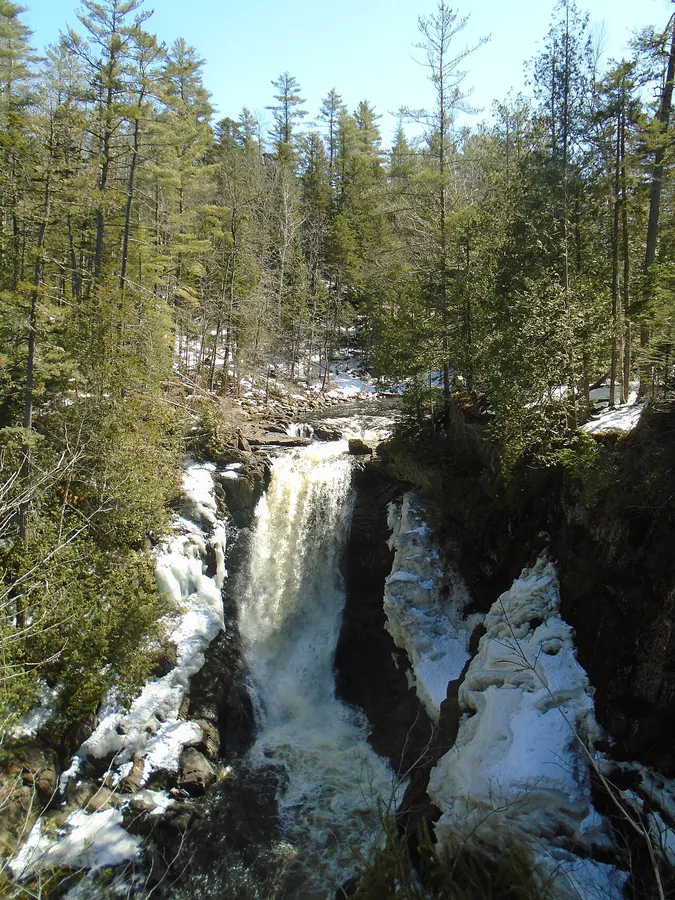
Then, usually in the last week of May, blackflies arrive. The timing is tied to snowmelt and stream temperatures. As waterways warm into the 50s, larvae that spent the winter clinging to rocks hatch into biting adults. Trails near running water get hit first and hardest. Gulf Hagas and the Bigelow Range approaches are notorious for early-season blackfly swarms.
The first two weeks of May, after snowmelt but before blackflies, offer a narrow window for northern trails. Ticks are present, so treat your clothing, but the woods are otherwise quiet. For many locals, early May is the best time to hike the backcountry without fighting flying insects.
June: The Worst Month
June is when everything overlaps. Blackflies peak from late May through mid-June. Mosquitoes ramp up as standing water warms. Ticks remain very active. And by late June, deer flies start showing up on sunny trails.
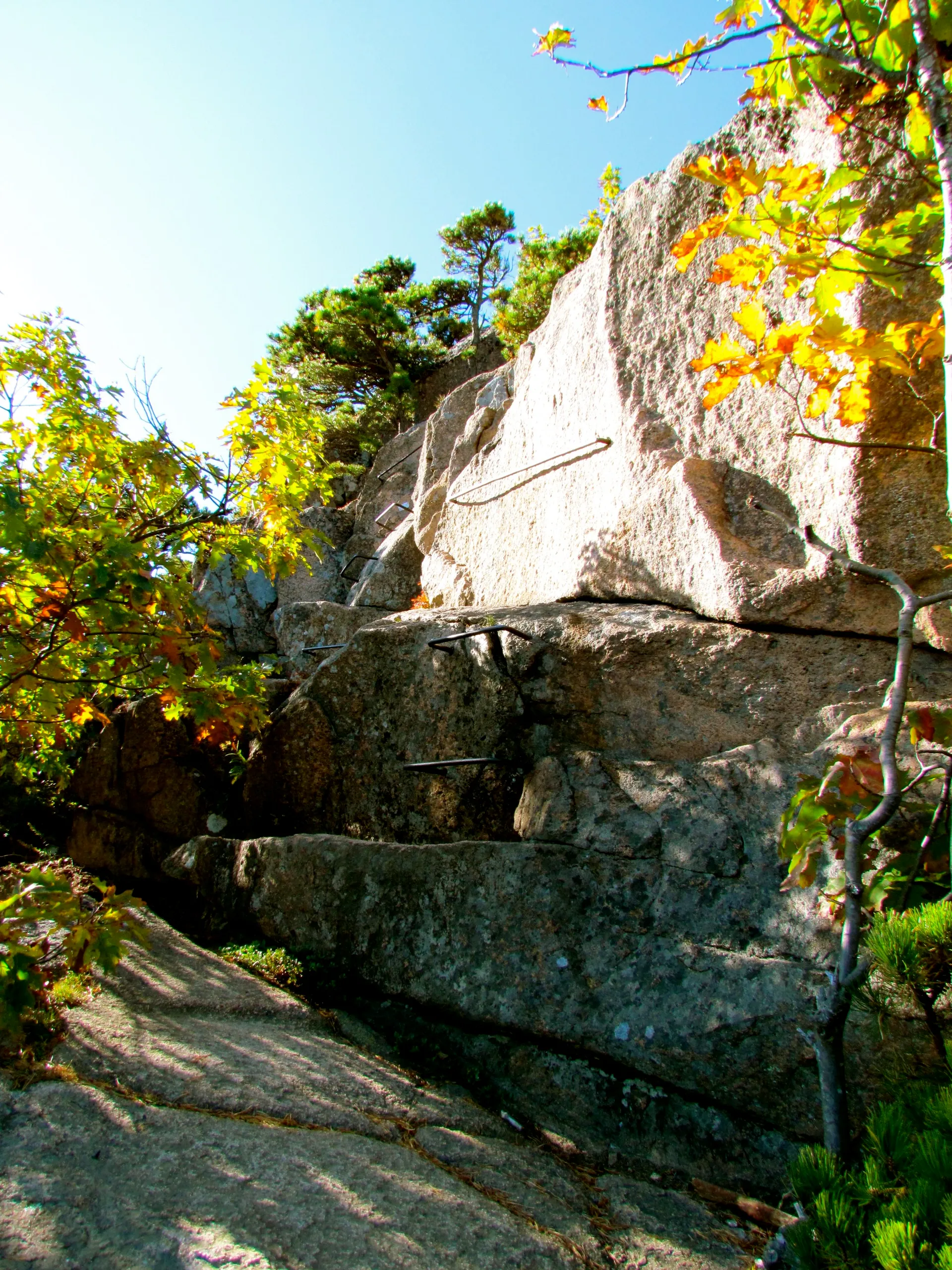
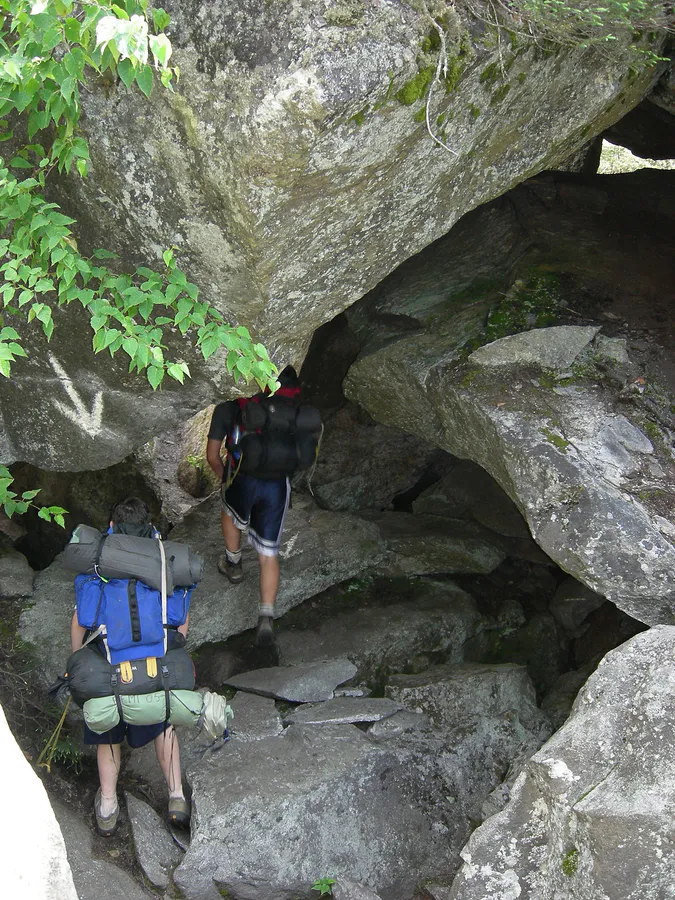
This is the month that head nets earn their keep. If you are hiking low-elevation, forested trails near water, you will encounter all four biting insects in a single outing. Exposed ridgelines and coastal trails like Cadillac Mountain are significantly better because wind keeps the flying insects down.
#1Budget
Sawyer Permethrin Spray
Who it’s forTreat clothing once, repels weeks
Why we picked itKills ticks on contact before they can bite
Pros
- Lasts through 6 washes per application
- Odorless once dry
- Effective against mosquitoes and blackflies too
Know before you buy
- Must be applied to clothing only, not skin
- Takes 2-4 hours to dry completely
Permethrin-treated clothing is your foundation. Layer skin repellent on top of that, bring a head net, and accept that June hiking in Maine requires commitment. For trail-specific intel, see our guide to the worst blackfly trails in Maine.
July: The Shift
The transition happens fast. Blackflies fade, usually done by July 4th, and mosquitoes take over. Mosquitoes peak through July, especially at dusk near lakes, ponds, and bogs. Dawn and dusk are the worst hours. Midday on breezy trails can be nearly bug-free.
Deer flies arrive in force. They are the most aggressive daytime biter in Maine. Unlike mosquitoes, they go after moving targets in direct sunlight. They circle your head, they bite through thin clothing, and most repellents barely slow them down. They are attracted to dark colors and movement.
Deer flies circle your head looking for a landing spot. Stick an adhesive patch (sold as “deer fly patches”) on the back of your hat. They land on it and get stuck. It sounds absurd. It works. On a bad day you will pull a hat off with a dozen flies glued to the back.
Ticks drop to moderate activity but are still present. Do not stop checking.
#2Budget
Ranger Ready Picaridin 20%
Who it’s forSkin-safe picaridin, no smell
Why we picked it12-hour protection against ticks and mosquitoes
Pros
- Does not damage gear or synthetic fabrics
- No greasy residue, pleasant scent
- Safe for use on skin and clothing
Know before you buy
- Slightly less effective than DEET in extreme conditions
- More expensive per ounce than DEET
August: Holding Steady
Mosquitoes remain strong near water but fade on dry, exposed trails. Deer flies taper off through the month. Ticks hold at moderate levels. The bug situation is improving but not gone.
August is the best beach month in Maine, and coastal areas are mostly bug-free. Sea breezes keep flying insects away from exposed headlands and shoreline trails. If you want to hike without dealing with bugs, head for the coast.
Inland, plan hikes for midday when mosquitoes are least active. Evening campfires near lakes and ponds will still draw clouds of them. Read our full mosquito guide for the details.
September and October: The Fall Tick Surge
This is the part most people miss. Adult deer ticks have a second peak in fall, and October is actually the worst month for adult deer tick activity in Maine. The adults are larger than nymphs and easier to spot, but they are also more aggressive and more numerous.
Hikers let their guard down because the blackflies and mosquitoes are gone. The trails feel clean. The air is cool. The foliage is perfect. And ticks are everywhere.
No blackflies. No mosquitoes. No deer flies. But you must check for ticks after every single hike. September and October conditions make it easy to forget. Do not forget.
#3Budget
TickKey Tick Remover
Who it’s forQuick, clean tick removal
Why we picked itRemoves ticks cleanly without squeezing the body
Pros
- Flat design fits on a keychain
- Works on all tick sizes including nymphs
- Nearly indestructible aluminum construction
Know before you buy
- Requires practice to use correctly the first time
- Small nymph ticks can be tricky to grab
For the latest data on tick activity, trail reports, and prevention protocols, see our Maine tick season 2026 update.
November: Winding Down (But Not Done)
Ticks remain active whenever temperatures exceed 35 degrees Fahrenheit. A warm November day in Maine still carries tick risk. They do not go dormant until sustained cold sets in, and in recent mild winters, that has not happened until December or even January.
All other biting insects are done for the year by November. December through March is essentially bug-free hiking. Snowshoe season is the one time you can walk through the Maine woods without thinking about what is trying to bite you.
The Golden Windows
Late June (after blackflies, before mosquito peak) and September (after mosquitoes, before the fall tick surge) are the two best windows for relatively bug-free hiking. Locals plan their big trips around these windows. You still need tick protection year-round, but the flying insects are at their lowest during these gaps. If you are visiting Maine and can choose your dates, aim for the last week of June or the first three weeks of September.
What to Pack by Month
April through May (Tick Season)
- Permethrin-treated pants, socks, and shirt
- Tick key or fine-tipped tweezers
- Picaridin skin repellent
- Light-colored clothing for spotting ticks
June (Everything Season)
- All tick gear listed above
- Head net (non-negotiable)
- DEET 30%+ for blackflies
- Buff or bandana for neck protection
- Long sleeves even in warm weather
July through August (Mosquito and Deer Fly Season)
- Picaridin for mosquitoes
- Light long sleeves for dusk hiking
- Deer fly patches for hat
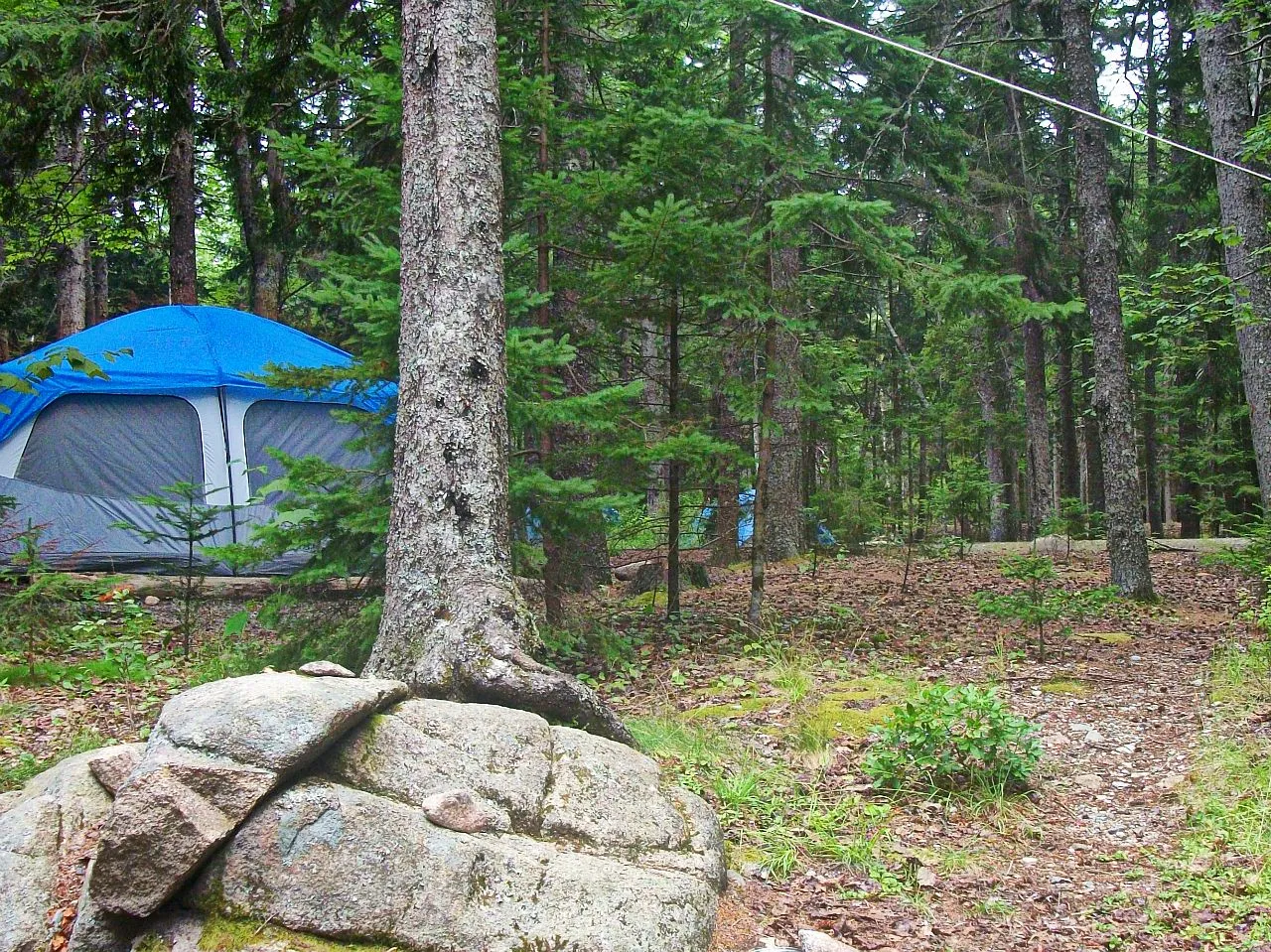
- Bug-free tent or shelter for camping
September through November (Fall Tick Season)
- Permethrin-treated clothing
- Tick key or fine-tipped tweezers
- Picaridin skin repellent
- Post-hike tick check discipline
For the complete rundown on every product mentioned here, see our tick and bug protection gear guide.
What month has the least bugs in Maine?
Late September through October has zero flying insects. No blackflies, no mosquitoes, no deer flies. But adult deer ticks peak in October, so you still need tick protection. True bug-free hiking is December through March when everything is dormant.
Are bugs bad in Acadia?
Moderate compared to inland Maine. Coastal winds keep blackflies and mosquitoes down on exposed trails like Cadillac Mountain and the Beehive. Campgrounds at dusk can be rough in wet years, especially Blackwoods and Seawall. Ticks are present everywhere in the park, including carriage roads.
Should I cancel a trip because of bugs?
No. With permethrin-treated clothing and skin repellent, bugs are manageable even in June. The key is preparation, not avoidance. Thousands of people hike Maine every week during peak bug season. The ones who have a bad time are the ones who show up unprepared.
Are bugs worse in northern or southern Maine?
Different bugs, different timing. Southern Maine has more ticks year-round. Northern Maine has more blackflies in late May and June. Mosquitoes are everywhere near standing water regardless of region. Coastal areas have the fewest bugs overall because sea breezes suppress flying insects.