

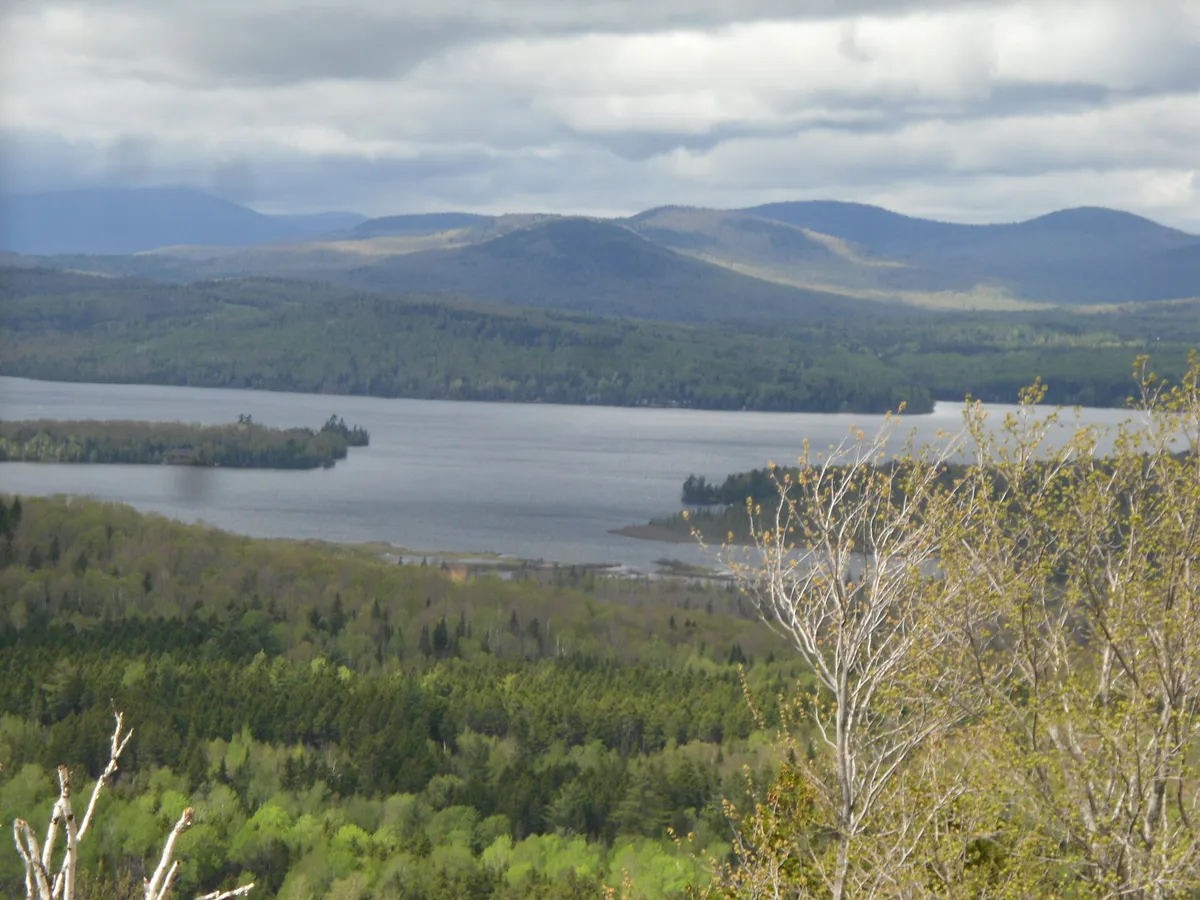

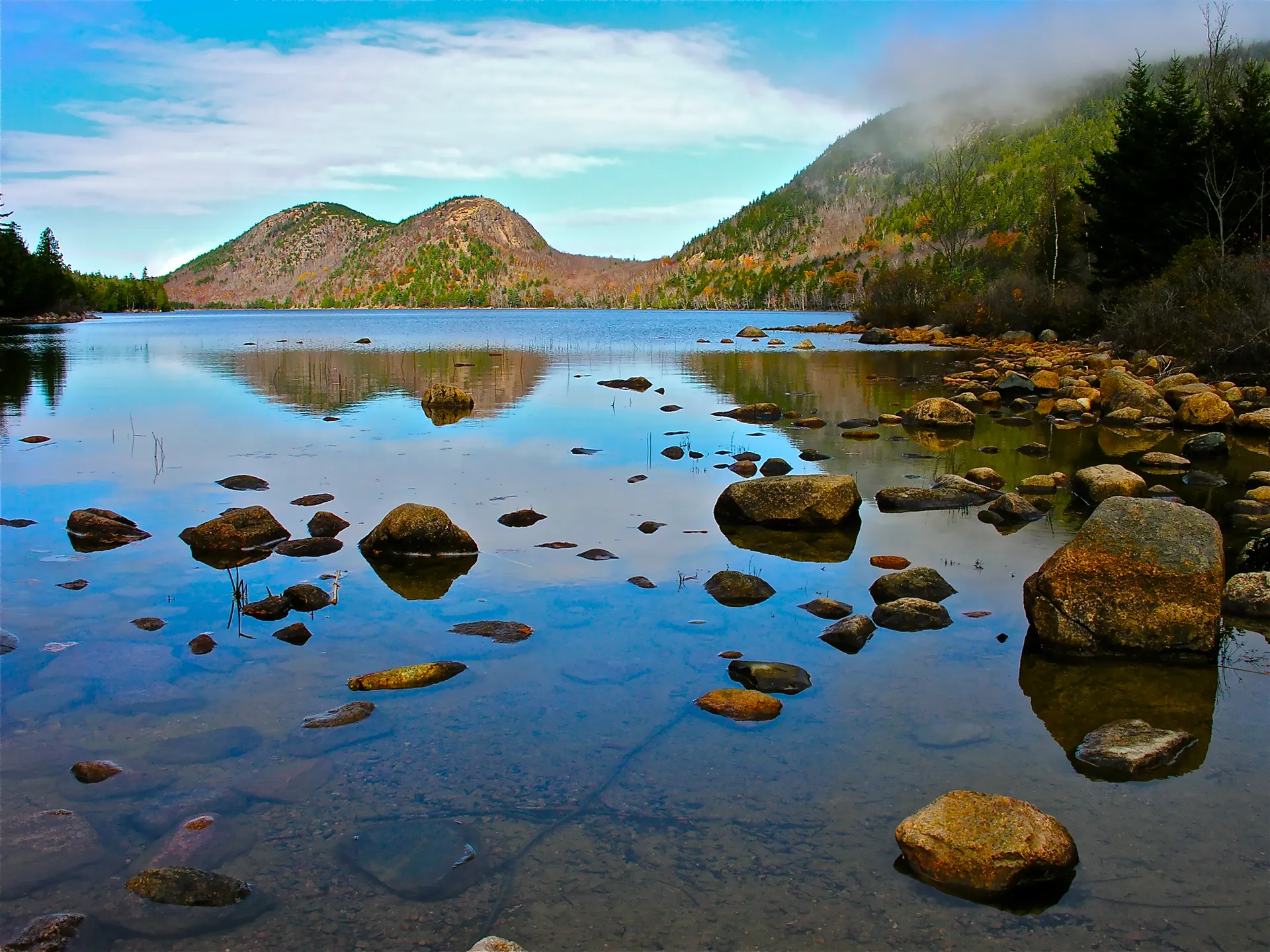





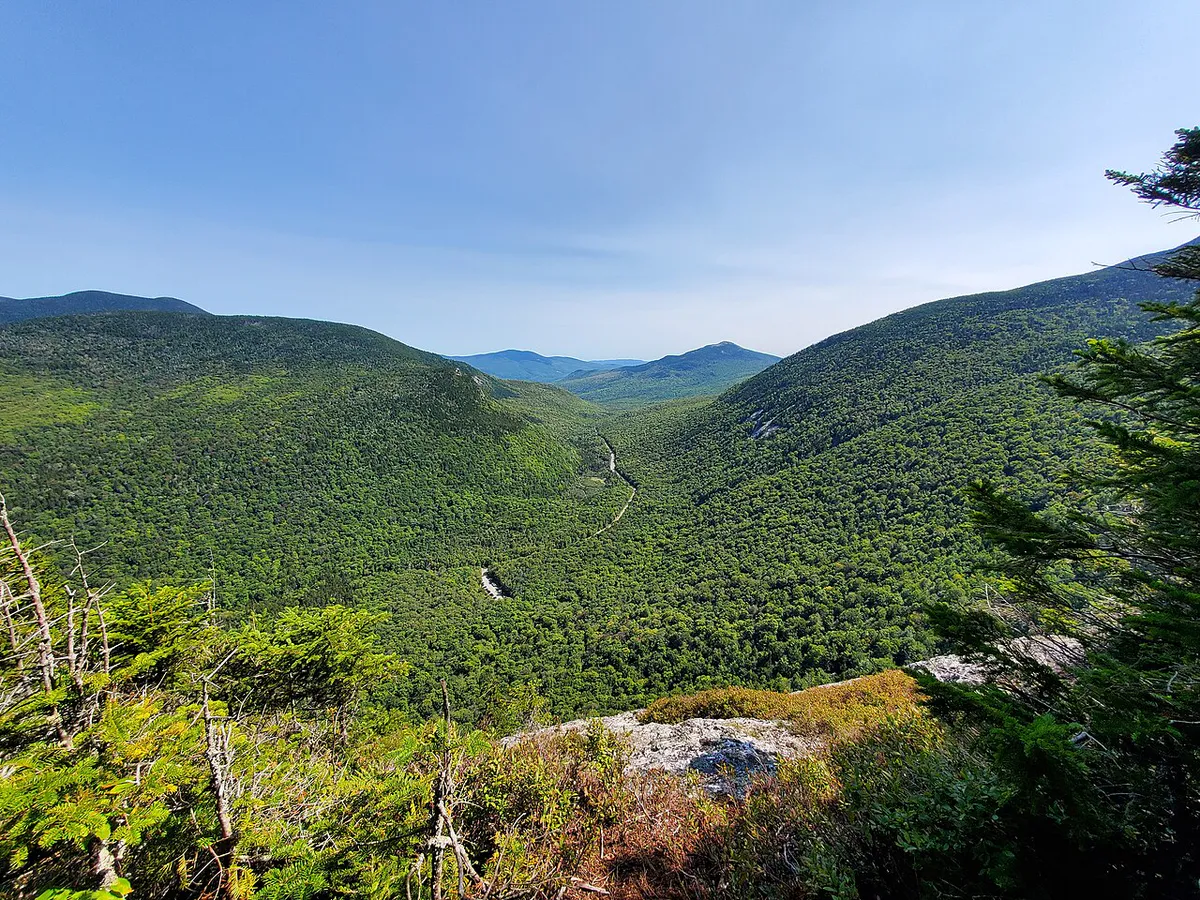


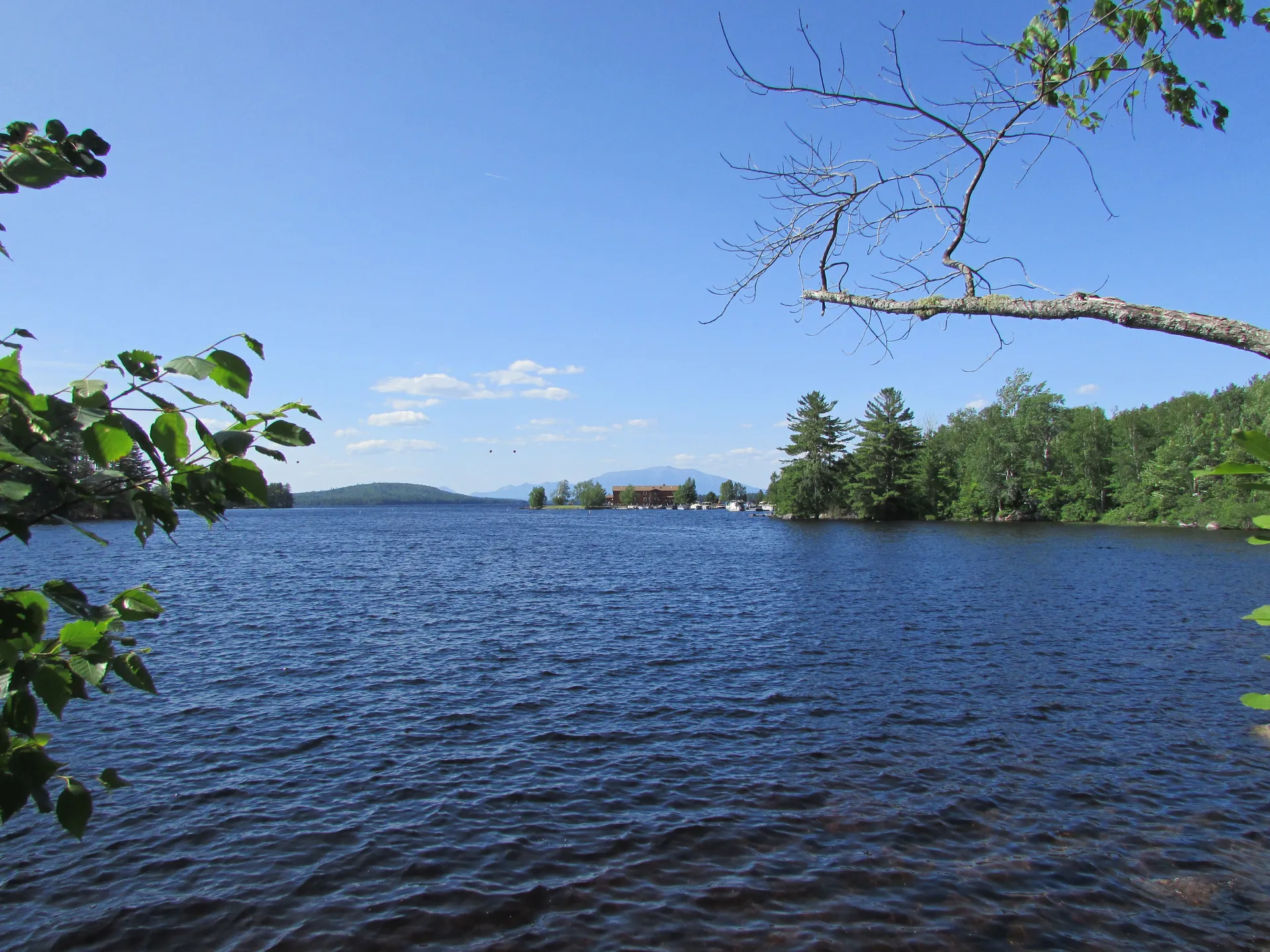
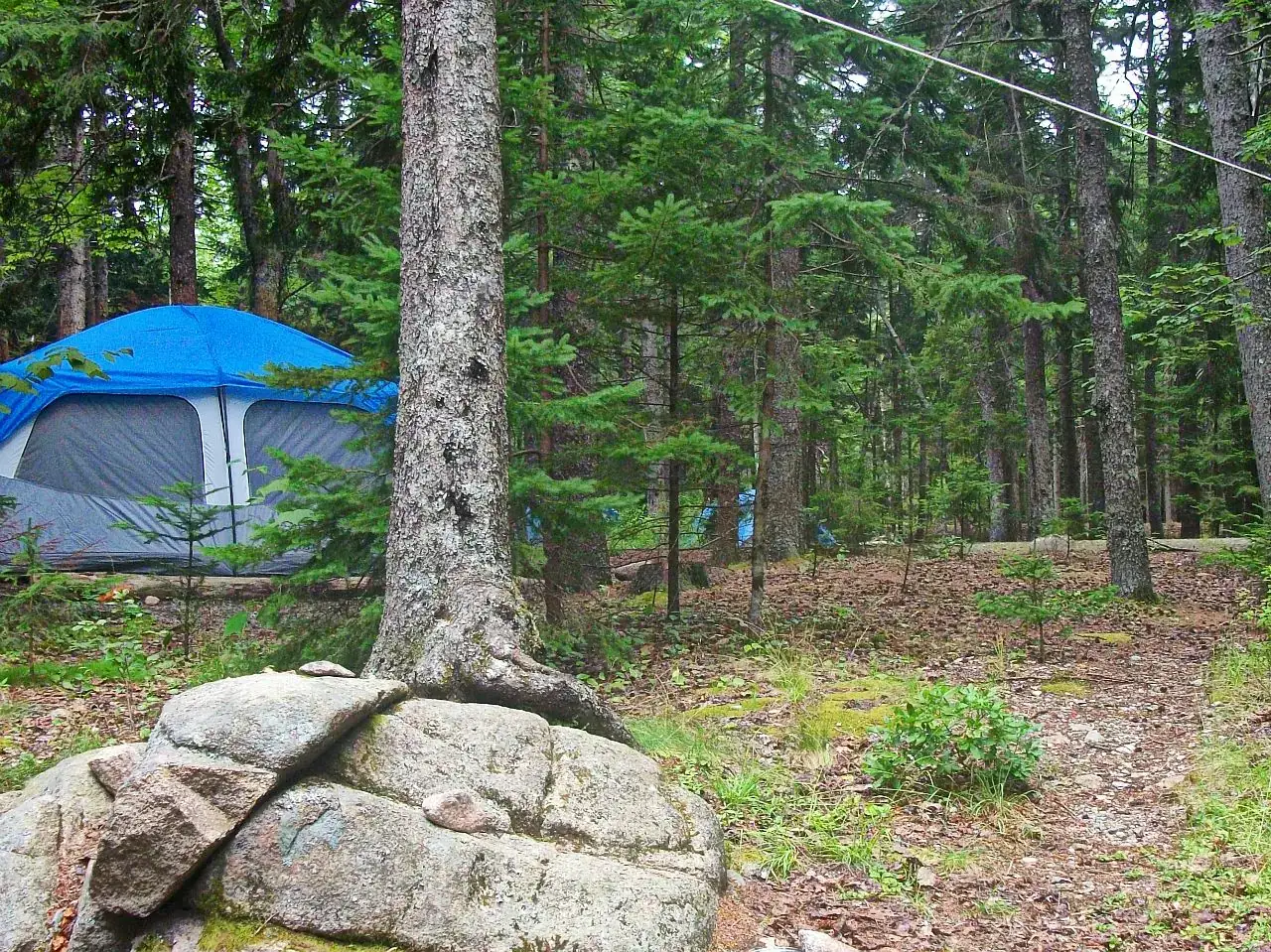
Camping in Maine between June and August means sharing your campsite with mosquitoes, blackflies, and ticks. You cannot eliminate them. But you can set up camp in a way that makes the difference between a miserable night and a great one. Most of this comes down to campsite choice and timing.
I have camped through the worst of Maine’s bug season for years, and the trips where I got eaten alive always came down to the same mistakes: wrong campsite, bad timing, lazy tent habits. The trips where bugs were barely noticeable were the ones where I put ten extra minutes into setup. Here is everything that matters.
Pick the Right Campsite
Where you pitch your tent matters more than any repellent you carry. A good site can cut your mosquito exposure in half. A bad one guarantees a rough night.
Elevation and breeze. Higher sites with airflow have fewer mosquitoes. Mosquitoes are weak fliers. A steady breeze of 8 to 10 mph keeps them grounded. Avoid hollows and low spots where still, humid air collects. If you have a choice between a sheltered site in a depression and a slightly more exposed site on a rise, take the rise every time.
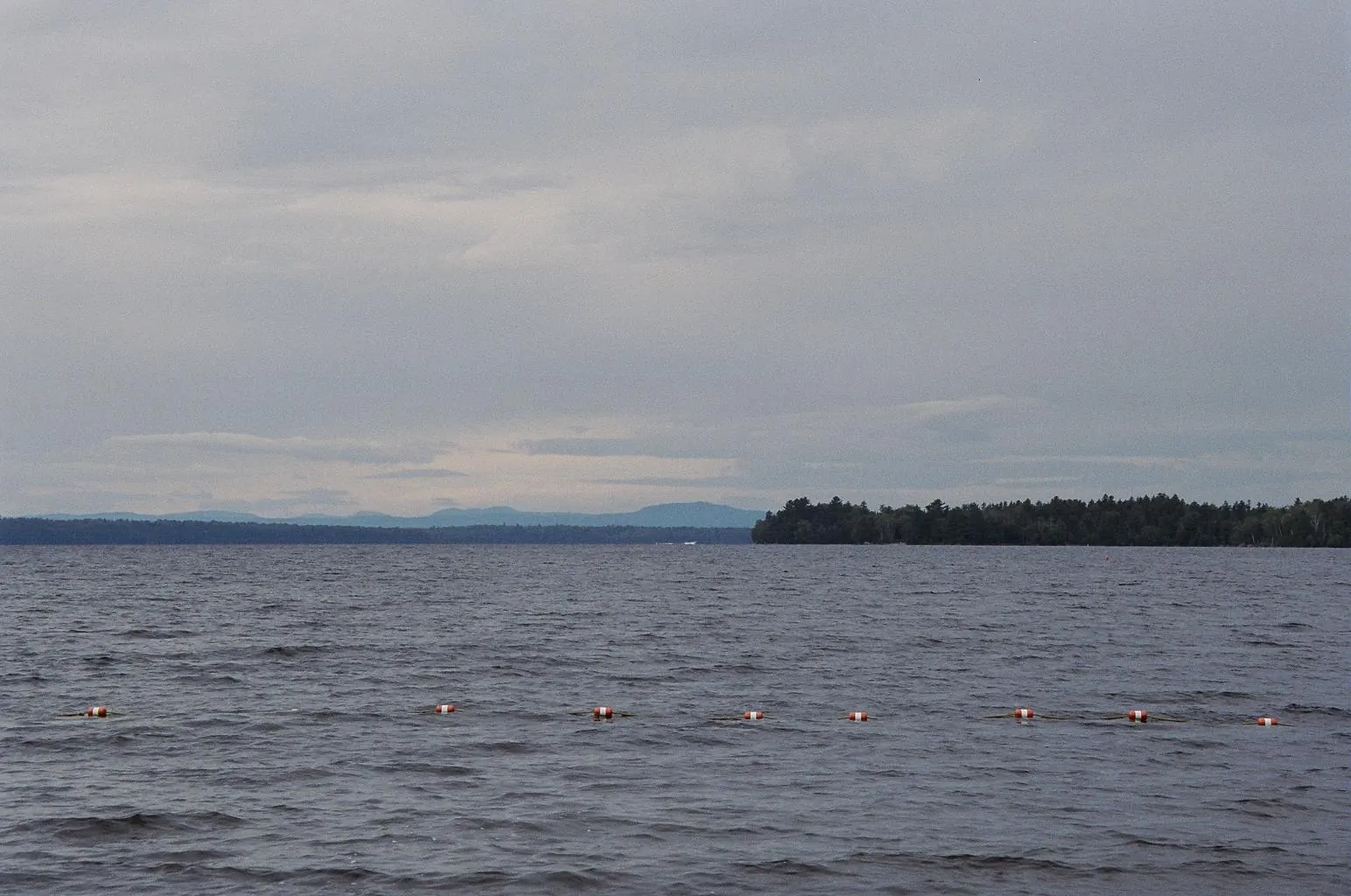
Distance from water. Lakes and streams are beautiful, but they breed mosquitoes. Standing water within a few hundred feet of your tent is a nursery pumping out fresh mosquitoes all day. Camp uphill from the water, not right on the shore. You can still walk down to the lake. You do not need to sleep next to it.
Sun exposure. Sites with afternoon sun dry out faster after rain. Damp, shady sites stay humid well into the evening, which is exactly what mosquitoes prefer. A site that gets a few hours of direct afternoon light will be noticeably less buggy at dusk.
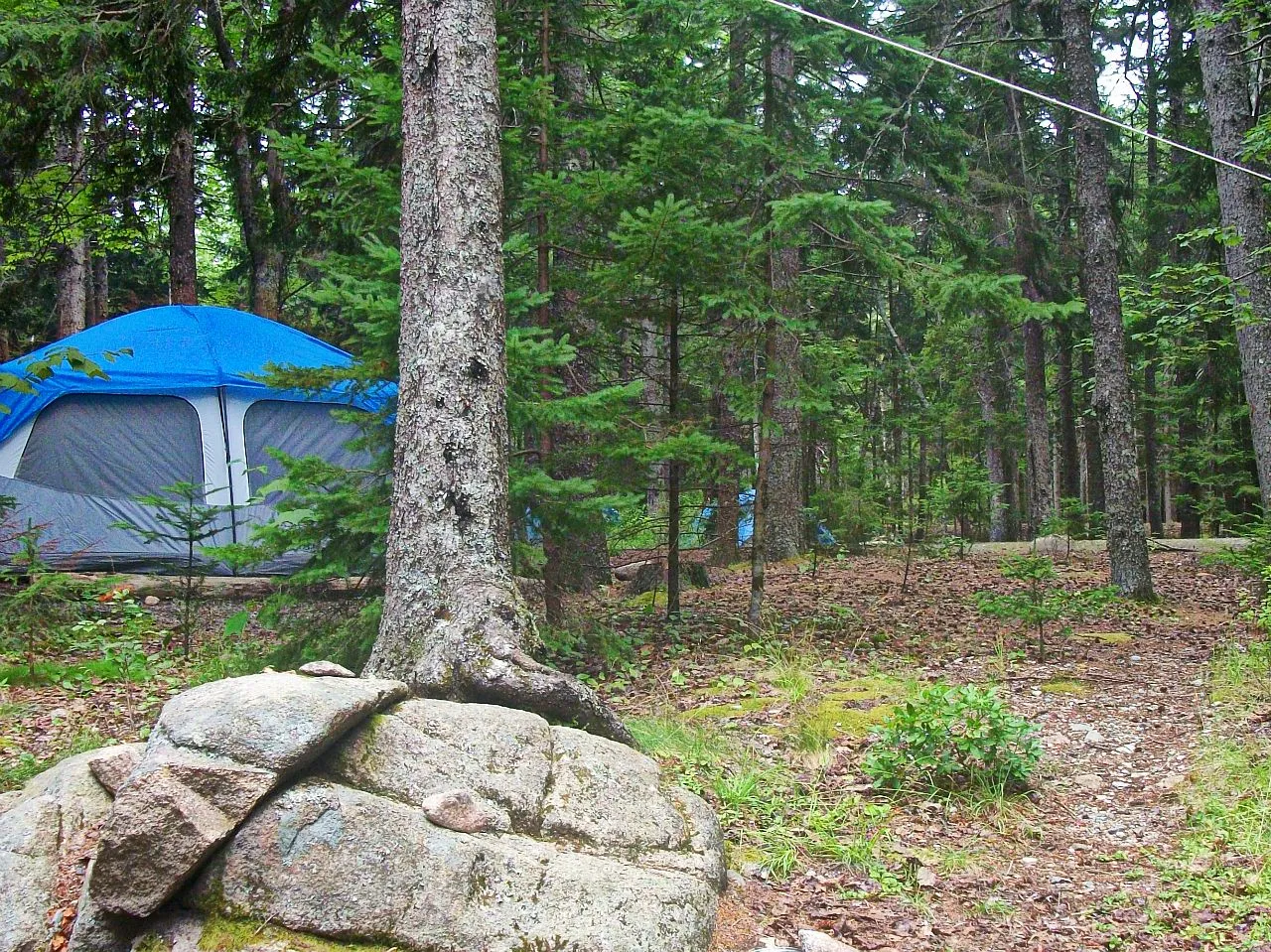
Ground cover. Leaf litter and tall grass around your tent is tick habitat. Ticks wait at the tips of grass blades and grab onto anything that brushes past. Clear, packed-earth sites with short or no vegetation around the tent pad are safer. If you are at a primitive site, take five minutes to clear leaf litter away from your tent area.
When you arrive at a campground, walk the available sites before choosing. Feel for breeze. Check for standing water nearby. Look at ground cover and sun exposure. The extra ten minutes of scouting saves you hours of swatting after dark.
Tent Strategy
Your tent is your bug-free sanctuary, but only if you treat it that way. Most people get sloppy with mesh and end up sharing their sleeping bag with a dozen mosquitoes.
Zip your mesh at ALL times. Even when you step out for thirty seconds to grab something from the car. Mosquitoes are opportunistic. An open tent door at dusk is an invitation, and they do not need long. One quick in-and-out with the door unzipped and you will hear that whine all night.
Set up your tent before dusk. Get everything arranged while bugs are still low, typically before 5 or 6 PM. Getting in and out during peak mosquito hour, fussing with stakes and rainfly cords, lets them in. Have your sleeping bag laid out, headlamp in place, and water bottle inside before the sun drops.
Shake out sleeping bags and clothes. Ticks that fell off during the day end up on gear left on the ground. Before you get in your tent for the night, shake out your sleeping bag, pillow, and any clothes you plan to change into. Check the tent floor with a headlamp.
Permethrin-treat the tent vestibule and rainfly. Bugs that land on permethrin-treated fabric die within seconds. Spray the outside of your vestibule, the rainfly, and the mesh panels. One application lasts several weeks.
#1Budget
Sawyer Permethrin Spray
Who it’s forTreat clothing once, repels weeks
Why we picked itKills ticks on contact before they can bite
Pros
- Lasts through 6 washes per application
- Odorless once dry
- Effective against mosquitoes and blackflies too
Know before you buy
- Must be applied to clothing only, not skin
- Takes 2-4 hours to dry completely
Never use DEET inside a tent. The enclosed space concentrates fumes and creates an unpleasant chemical environment all night. DEET is designed for skin application outdoors where air circulates. Inside a tent, use nothing. The mesh is your protection. If you need repellent before zipping up for the night, apply picaridin outside and let it dry before getting in.
The Dusk Problem
Dusk is when camping and mosquitoes collide hardest. Between 6 and 9 PM, you are cooking, eating, sitting around the fire, and generally doing all the things that make camping great. Mosquitoes are doing the same thing, except what makes their evening great is your blood. A screen shelter is the best fix for this window, letting you cook and eat behind no-see-um mesh while the swarm is at its worst.
Build a fire early. Get smoke going before dusk hits. Smoke is a natural mosquito deterrent, not perfect, but noticeable. The key is having a steady drift of smoke through your cooking and eating area before the mosquitoes arrive in force. Sit on the upwind side so smoke passes between you and the tree line.
Cook and eat early. Finish dinner by 6:30 if possible. Food smells, particularly anything sweet or savory, attract mosquitoes from a distance. The earlier you eat, the less time you spend standing over a camp stove during peak bug hour. Clean up immediately. Food scraps and dirty dishes keep drawing them in.
Wear your bug gear. Long sleeves, permethrin-treated pants, picaridin on exposed skin. Yes, even at camp. A lot of people think bug protection is just for the trail, then sit around in shorts and a t-shirt at dusk and wonder why they are covered in bites. Camp is where you get bit the most because you are stationary.
#2Budget
Ranger Ready Picaridin 20%
Who it’s forSkin-safe picaridin, no smell
Why we picked it12-hour protection against ticks and mosquitoes
Pros
- Does not damage gear or synthetic fabrics
- No greasy residue, pleasant scent
- Safe for use on skin and clothing
Know before you buy
- Slightly less effective than DEET in extreme conditions
- More expensive per ounce than DEET
Wear a head net for cooking. You look ridiculous. You also are not inhaling mosquitoes while flipping burgers or stirring a pot. A lightweight mesh head net costs a few dollars and fits in your pocket. It is the single most underrated piece of bug season camping gear.
Old Maine camping trick: throw a handful of green pine needles on the fire. The thick, resinous smoke drives off mosquitoes at least as effective as citronella candles. Smells better too. Dry pine burns fast and clean, but green needles smolder and produce heavy smoke that fills the campsite. Mainers who spend summers at camp have been using this one for generations.
Campground Picks for Bug Season
Not all campgrounds are created equal for bugs. Location and exposure make a huge difference.
Coastal campgrounds have the ocean breeze advantage. The steady onshore wind that makes coastal camping feel refreshing also keeps mosquitoes down. These are your best bets for comfortable summer camping:
- Blackwoods, Acadia has moderate bugs thanks to ocean proximity. Not bug-free, but manageable with basic precautions.
- Hermit Island sits on an exposed peninsula where wind does most of the work for you.
- Lamoine State Park gets a steady bay breeze that keeps evenings tolerable.
Avoid lakeside lowland sites in June. These campgrounds are beautiful but buggy during peak season:
- Lily Bay State Park on Moosehead Lake is gorgeous, but bugs are fierce at dusk in June and July. If you go, bring a screen shelter.
- Sebago Lake State Park gets heavy lake mosquitoes, especially in wet years. Midday swimming is great. Dusk at your site is rough.
Higher-elevation options trade lakeshore scenery for airflow and relief:
- Grafton Notch area offers mountain sites with better airflow and fewer standing water sources.
- Baxter State Park is legendary for June blackflies. They are intense. But the wilderness experience is worth the battle, and conditions improve significantly by mid-July.
Essential Bug Gear for Camp
Hiking bug gear and camping bug gear overlap, but camp has its own needs. You are stationary, cooking, and sleeping in one place for hours. That changes what matters.
Bug Season Camping Kit
- Permethrin spray (treat tent vestibule, camp chair, hammock)
- Picaridin skin repellent (odorless, gear-safe)
- Head net (for cooking and campfire sitting at dusk)
- Fine-mesh screen tent or tarp with netting (luxury item, worth it)
- Tick key or fine-tipped tweezers
- Lint roller (quick tick check on clothing)
- Light-colored clothing for camp
- Headlamp (for post-dusk tick checks)
The screen tent is the biggest upgrade on this list. A pop-up screen shelter over the picnic table lets you eat dinner without swatting. It is extra weight and bulk, but for car camping during bug season, nothing else comes close for comfort. If you are backpacking, a head net and treated clothing will have to do.
For detailed reviews of every product on this list, read our full bug protection gear guide. If you are building a complete packing list, our camping gear guide covers everything else.
The Morning Tick Check
Ticks are quieter than mosquitoes and easier to forget about. But they are crawling around your campsite all day, especially if you are near grass, leaf litter, or brush. A morning tick check before you break camp catches the ones that found you overnight.
Check your gear. Tent floor, sleeping bag seams, pack straps, boot tops. Ticks that dropped off your clothing during the day can end up in these spots and reattach when you handle them in the morning.
Check yourself. Hairline, waistband, ankles, behind ears. These are the spots ticks gravitate toward. Use your headlamp or a mirror. Ask your camping partner to check your back.
Bag your dirty clothes. Put yesterday’s hiking clothes in a stuff sack or gallon ziplock. Seal them until you can run the dryer on high heat at home. The dryer kills ticks. The washing machine does not.
Bring a gallon ziplock bag for each day’s worn clothes. Seal them at camp and do not open them until you are standing in front of the dryer at home. This prevents ticks from migrating out of dirty laundry into your pack, your car, or your clean clothes. Ten minutes on high heat kills everything.
For a deeper dive on tick prevention, our tick hiking guide covers the full system. The Maine bug season calendar breaks down exactly which bugs are active each month, and our mosquito guide covers the broader picture beyond camping.
Is camping in Maine in June worth it?
Yes, if you prepare. June has the longest days, warmest swimming, and the most wildflowers. The bugs are real, but permethrin clothing, picaridin, and smart campsite selection make them manageable. Most people who say June camping was miserable skipped the prep.
Do bug zappers or citronella candles work at campsites?
Bug zappers kill beneficial insects and do little for mosquitoes. Studies show they attract and kill moths, beetles, and other harmless bugs while mosquitoes fly right past. Citronella candles help slightly in perfectly still air but are useless in any breeze. Smoke from a campfire is more effective than either.
Should I bring a screen tent for bug season?
If you are car camping, absolutely. A pop-up screen shelter for the picnic table area is the single biggest comfort upgrade for summer camping in Maine. Eating dinner without swatting is worth the extra weight. For backpacking, a head net and treated clothing are the lightweight alternatives.
Are bugs worse at primitive campsites vs. developed campgrounds?
Generally yes. Primitive sites tend to be closer to water, more shaded, and less cleared. Developed campgrounds with mowed grass, cleared pads, and more open space have slightly fewer ticks and mosquitoes. The trade-off is solitude, so pick your priority.
Can I camp in Maine without bugs?
September and October. Flying insects are done after the first hard frosts. Ticks are still active but manageable with permethrin clothing. The foliage is peak, the nights are cool, and the campgrounds are emptier. Fall camping is the best-kept secret in Maine.