


Pack for a Maine beach day the way you would pack for Florida and you will spend the morning shivering in fog, the afternoon hungry because there was no snack bar, and the walk back to the car limping over barnacle-covered rock in bare feet. Maine beaches are spectacular. They are also their own thing, and the packing list reflects that.
Here is the short version: the water is cold, even in August. Mornings on the coast often start gray and cool before the fog burns off around midday. The afternoon sun is strong once it arrives. Sand frequently gives way to rocks and tide pools, which is half the fun if you brought the right footwear. And the parking lots at the popular state park beaches fill up by 10am on summer weekends, so the people who get the good day are the ones who packed the night before and left early.
This list comes from years of beach days at Popham, Kettle Cove, Pemaquid, and a few dozen other spots on our Maine beaches hub. Everything on it has earned its place.
The Maine Beach Day Checklist
- Windbreaker or light fleece for every person (yes, in July)
- Swimsuit plus a full set of dry clothes
- Water shoes for rocky entries and tide pools
- Real cooler with lunch, snacks, and more water than you think
- Sunscreen, sun hat, sunglasses
- Beach umbrella that can handle wind
- Sand-free mat or old blanket
- Backpack chair so your hands are free for the carry
- Quick-dry towels (one per person plus a spare)
- Small bucket and a tide chart for tide pooling
- Cash or card for the park entrance fee
- Trash bag (many Maine beaches are carry-in, carry-out)
The sections below explain the reasoning, because a list without the why is easy to second-guess at 7am while you load the car.
The Non-Negotiables
A layer for everyone. This is the item that separates people who have done a Maine beach day from people who have not. Coastal mornings regularly start in the low 60s with fog and a steady sea breeze, and that breeze does not quit just because the sun comes out. A windbreaker or light fleece per person weighs nothing in the bag and gets used on most trips, especially by kids coming out of the water with blue lips and by anyone who stays for the late afternoon when the heat drops fast.
Dry clothes for the ride home. Maine ocean water does not encourage the gradual air-dry. A full change per person, left in the car, is the difference between a miserable ride home and a fine one.
The carry setup. At Popham, the walk through soft sand between the lot and your spot is real, and you are doing it loaded. A backpack cooler chair solves two problems at once: it carries cold drinks on your back and unfolds into your seat, which frees both hands for the umbrella and the kid gear.
#1Mid-range
Tommy Bahama Backpack Cooler Chair
Who it’s forThe backpack chair that frees your hands for everything else
Why we picked itCarries cold drinks and unfolds into a seat
Pros
- Backpack carry frees both hands
- Combines a cooler and chair
- Handles the soft-sand walk from the lot
Water. More than you think. Many of the best Maine beaches have a bathroom and a parking lot and nothing else. Plan on a liter per person minimum for a full day, more in August.
The Cold Water Reality
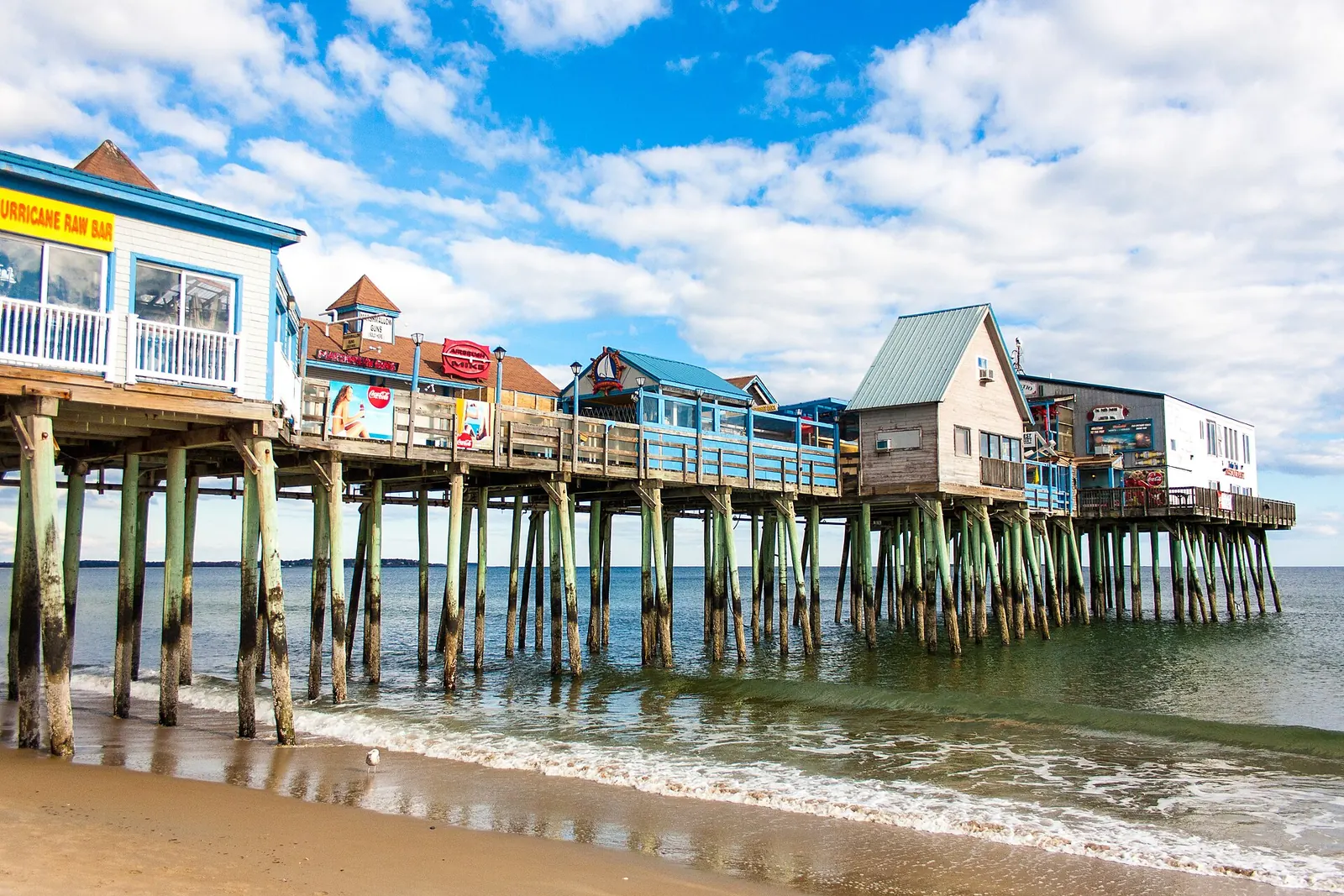
Maine ocean water runs in the 50s and low 60s Fahrenheit for most of the summer. Southern beaches like Gooch’s and Old Orchard might touch the mid 60s by late August. Downeast, it stays colder than that all year. Nobody eases into Maine water. You commit, you gasp, you adjust, and after a few minutes it is genuinely pleasant in the way cold-water swimmers will not shut up about.
What this means for packing:
- Kids need a warm-up plan. Children will stay in 58-degree water far past the point of sense. Pack an extra towel per kid, a hooded sweatshirt, and something warm to drink. A kid wrapped in a dry towel with a warm drink goes back in for round two. A kid with one damp towel is done for the day and lets you know about it.
- A rash guard or thin wetsuit top changes the math. Even a basic long-sleeve swim shirt takes the edge off the wind chill when wet and adds real time in the water. For families who do beach days every weekend, a shorty wetsuit for the kids is the upgrade that pays off fastest.
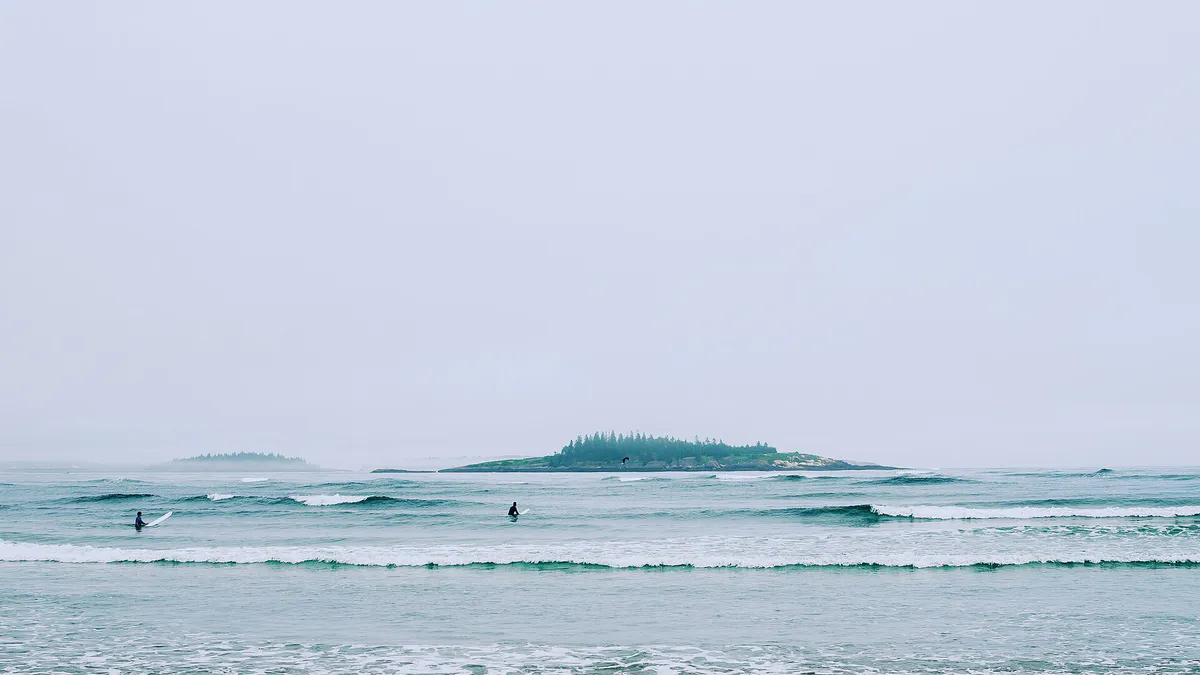
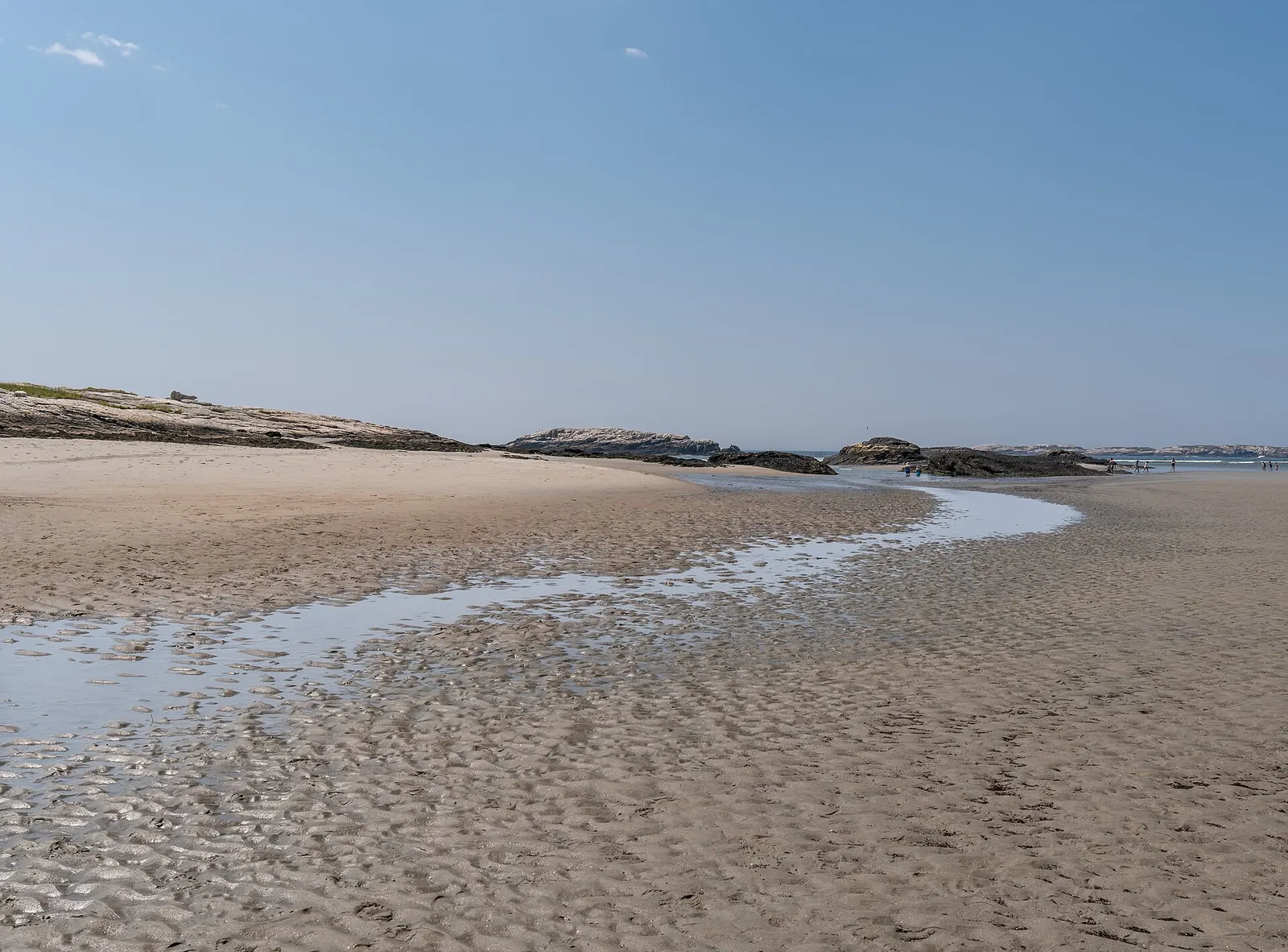
- Swimming happens at the sandbar beaches. Spots like Popham and Pemaquid have gradual sandy entries where the shallows warm up a few degrees over the flats on a sunny afternoon. Low tide on a hot day is your best swimming window.
Several Maine beaches sit at river mouths, and Popham is the famous example. The Kennebec runs hard past the beach, and the channels between sandbars fill fast on an incoming tide. Swim near the lifeguarded section where there is one, keep kids off the outer bars as the tide turns, and treat any current that moves you sideways as your cue to get out.
Sun and Wind
The fog that starts many coastal mornings fools people. It burns off around midday, and then the sun on open sand with water glare is as strong as anywhere in New England. The breeze keeps you from feeling it, which is exactly how fair-skinned visitors end up lobster-colored by 3pm.
Sunscreen goes on before the fog lifts, not after you notice the burn. Reapply after swimming. A sun hat and real sunglasses round it out.
Shade you bring is the only shade there is. Maine beaches are open sand and rock. No palm trees, no rentable cabanas at the state parks. An umbrella is the difference between a two-hour visit and a full day, and this is where the sea breeze becomes a gear problem: a cheap umbrella becomes a kite. You want one built for wind, with a sand anchor you actually screw in.
#2Budget
AMMSUN 7.5ft Heavy Duty High Wind Beach Umbrella
Who it’s forAn umbrella that survives a sea breeze
Why we picked itWind-ready shade turns a short stop into a full beach day
Pros
- Built for sea breeze
- Sand anchor screws into place
- Can be angled into the wind
Screw the anchor deep, tilt the canopy so the wind pushes down on it rather than under it, and re-check it when the sea breeze picks up early afternoon. An umbrella cartwheeling down a crowded beach is dangerous, and on summer weekends you will see at least one make a run for it.
Food and Drink: The Cooler Section
Here is the planning fact that surprises first-timers: many Maine beaches have no concessions at all. Popham has no snack bar. Pemaquid has a small seasonal one with limited hours. Kettle Cove has nothing but a parking lot, a bathroom, and one of the prettiest coves in Casco Bay. If you did not bring it, you are driving to find it, and your parking spot may not survive the trip.
So the cooler is not an accessory. It is the centerpiece of the day. A real hard-sided or well-insulated soft cooler keeps lunch safe and drinks cold through eight hours of sun, and it doubles as a table and a third seat. Our Maine cooler guide breaks down the options by trip type, and the backpack cooler chair above covers the drinks if a second carry is too much.
What goes in it, from a lot of trial and error:
- Sandwiches that hold up (nothing that wilts)
- Cut fruit in containers, frozen grapes if you want to be the hero
- More cold water than seems reasonable, plus one treat drink per person
- A block of ice or frozen water bottles instead of loose cubes, since they last hours longer and you can drink the meltwater
And the underrated companion item: something to keep the sand out of all of it. A sand-free mat sheds whatever gets kicked onto it, which on a breezy Maine beach is a lot, and it packs down small enough to live in the beach bag all summer.
#3Budget
Sand-Free Beach Mat
Who it’s forA clean, sand-shedding base camp for the food and the gear
Why we picked itSheds kicked-up sand away from food and gear
Pros
- Packs small enough for a beach bag
- Creates a clean base for food
- Can live in the beach bag all summer
Pack the cooler the night before and leave it in the fridge with the ice packs in the freezer, then assemble at 7am and go. The popular state park lots, Popham especially, fill by 10am on July and August weekends, and once the lot closes your options are a long walk or a ranger waving you away. Early cars get the whole morning of low-key beach before the crowd, and the fog burning off over the water is the best show of the day anyway.
Tide Pooling Extras
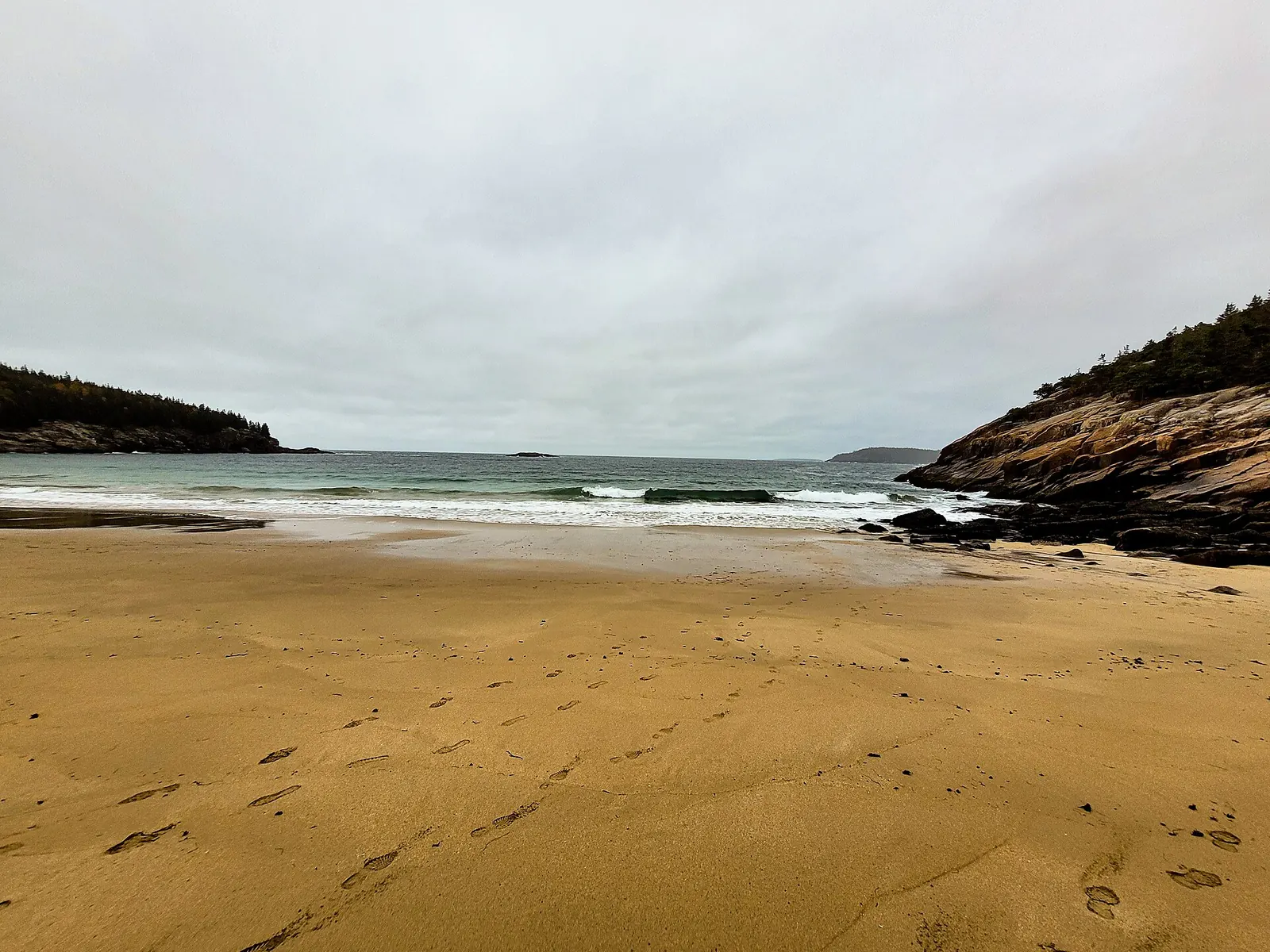
This is where Maine beats the warm-water states. The rocky edges of beaches like Kettle Cove and the low-tide flats at Popham expose tide pools full of crabs, periwinkles, sea stars, and anemones, and a kid with a bucket will choose the pools over the waves most days.
The add-ons that make it work:
- Water shoes. The single most Maine-specific item on this list. The rocks are slick, the barnacles are sharp, and bare feet end tide pooling early. Closed-toe water shoes also handle the rocky and pebbly entries at half the swimming beaches on this coast. We compared the best options for the coast and the swimming holes in our Maine water shoes guide.
#4Budget
Water Shoes (Adult Sizes)
Who it’s forRocky entries, slick ledge, and barnacles, all handled
Why we picked itClosed toes protect against slick rock and sharp barnacles
Pros
- Handle rocky and pebbly water entries
- Add grip on wet ledge
- Keep tide pooling from ending early
- A small bucket or clear container. For temporary viewing only. Everything goes back in the pool it came from before you leave.
- A tide chart. Tide pooling is a low-tide activity, and the window is roughly the two hours on either side of low. Check the tide table for your specific beach the night before and plan the day around it. Our tide pooling guide covers the best spots on the coast and the etiquette that keeps the pools healthy.
- A dry bag or zip-top bag for phones, since the person photographing the sea star is standing on wet rock.
What You Can Skip
Every item you leave home makes the soft-sand carry shorter. Confidently skip:
- The giant inflatable anything. The sea breeze takes flamingo floats out to sea, lifeguards spend half their summer chasing them, and the water is too cold for lounging on one anyway.
- Snorkel gear. Visibility is modest and the water temperature makes long floats unpleasant without a wetsuit. The tide pools show you more marine life with your face dry.
- Boogie boards at the protected beaches. Worth it at surf beaches like Popham on the right day. Dead weight at coves like Kettle Cove where the water is calm.
- A second full-size cooler of drinks. Freeze half your water bottles instead. They keep the food cold and become cold drinking water by mid-afternoon.
- Beach games that need still air. Badminton and paddle ball lose to the sea breeze. A football or a frisbee handles the wind.
A roomy daypack ties the whole load together for the walk in, and the one you hike with already works. If you are shopping anyway, our daypack guide has picks that pull double duty on trails and sand.
Frequently Asked Questions
How cold is the ocean in Maine in summer?
Generally in the 50s to mid 60s Fahrenheit, depending on the beach and the month. Southern Maine beaches are warmest, often reaching the low to mid 60s by August. Midcoast beaches typically run a bit cooler, and Downeast water stays in the 50s most of the summer. Shallow, sandy areas warm noticeably on sunny low-tide afternoons, which is the best swimming window.
Do Maine beaches have parking fees?
Most of the popular ones do, in one form or another. State park beaches like Popham and Pemaquid-area parks charge day-use entrance fees, usually per person, and town beaches often require a parking pass or charge per car during the summer season. Fees and rules change year to year, so check the specific beach's page or the Maine Bureau of Parks and Lands site before you go, and bring a card plus a little cash to be safe.
When is low tide best for tide pooling?
Plan around the two hours on either side of low tide, and aim for the lower tides of the month if you can. The very best pooling happens during the lowest tides, around the new and full moons, when rocks and flats that normally stay submerged are exposed. Check a tide chart for your exact beach the night before, since low tide can differ by a meaningful amount between beaches even a few miles apart.
Are Maine beaches good for kids?
Excellent, with the right expectations. The cold water means swimming comes in short bursts, but tide pools, sandbars, and beachcombing fill the rest of the day. Protected coves like Kettle Cove and the lifeguarded sandy stretches at Popham and Pemaquid are the family standouts. Pack extra towels, warm layers, and a warm-up drink, and the cold water becomes part of the adventure rather than the end of it.
Can you have a fire or a cookout on a Maine beach?
Usually not without permission. Most state park beaches prohibit open fires outside designated areas, and town rules vary widely, with some requiring permits. Grills are restricted at many parks too. The reliable plan is a packed cooler lunch, and if a beach fire is the goal, call the specific park or town office ahead of time rather than assuming.