

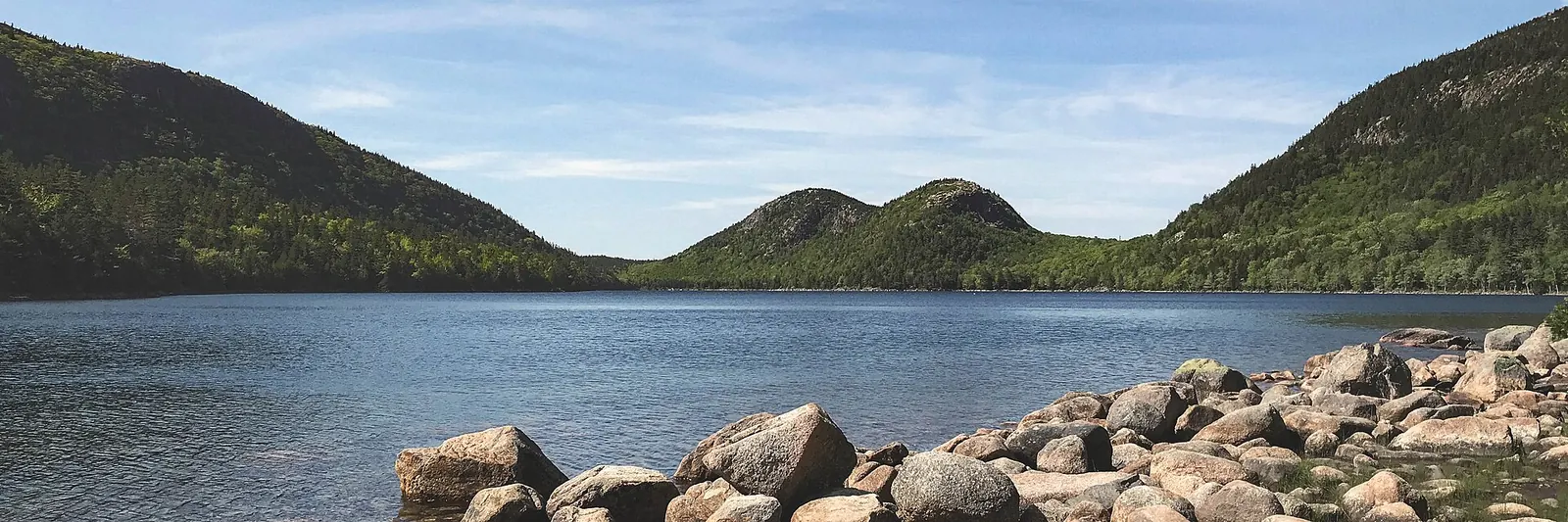
Acadia throws a lot at you in a single day. You might start the morning on an exposed granite ridge in fog, spend the afternoon on a sunny beach, and finish with a sunset hike where the temperature drops 15 degrees in an hour. Packing right is the difference between a great trip and a soggy, blistered, bug-bitten one. Here is everything you actually need.
Hiking Essentials
Trail Gear
- Waterproof hiking boots with aggressive tread
- Daypack (20-30 liters)
- Water bottles or hydration bladder (2+ liters)
- Trail map or downloaded offline map
- Headlamp with fresh batteries
- Trekking poles (optional but worth it)
- First aid kit with moleskin and ankle wrap
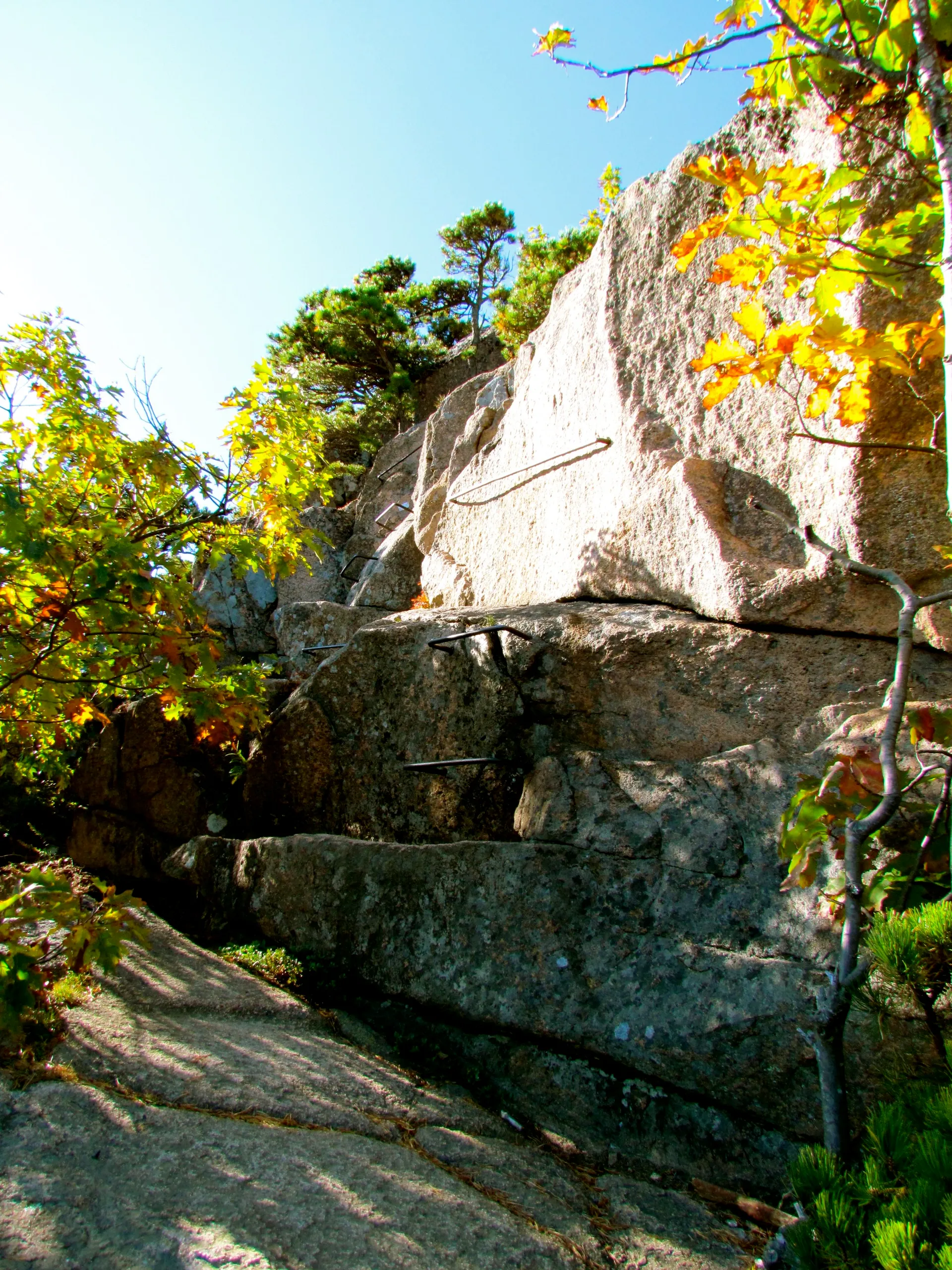
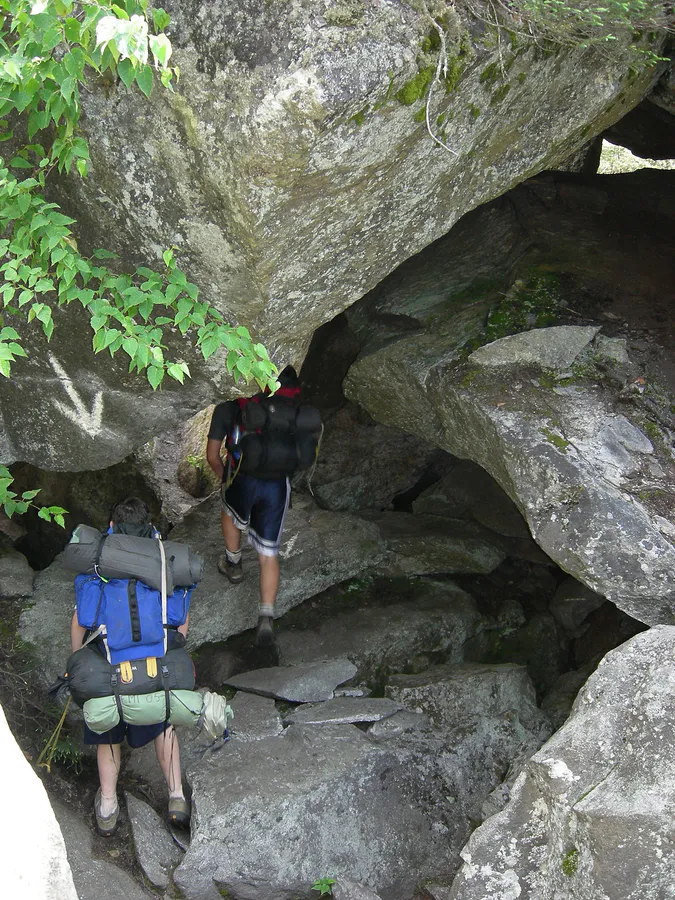
Your boots are the single most important item on this list. Acadia’s granite is dangerously slippery when wet, and the trails are full of roots and uneven rock. Trail runners are fine for carriage roads, but for summit hikes you want ankle support and waterproofing. Check our hiking boot recommendations for options chosen for these exact trails.
#1Premium
Salomon X Ultra 4 Mid GTX
Who it’s forRocky terrain & wet trails
Why we picked itOutstanding grip on wet granite
Pros
- Lightweight for a mid-cut boot
- Gore-Tex keeps feet dry through stream crossings
- Advanced Chassis midsole provides stability on uneven terrain
Know before you buy
- Runs narrow, may not work for wide feet
- Lace hooks can catch on brush
#2Premium
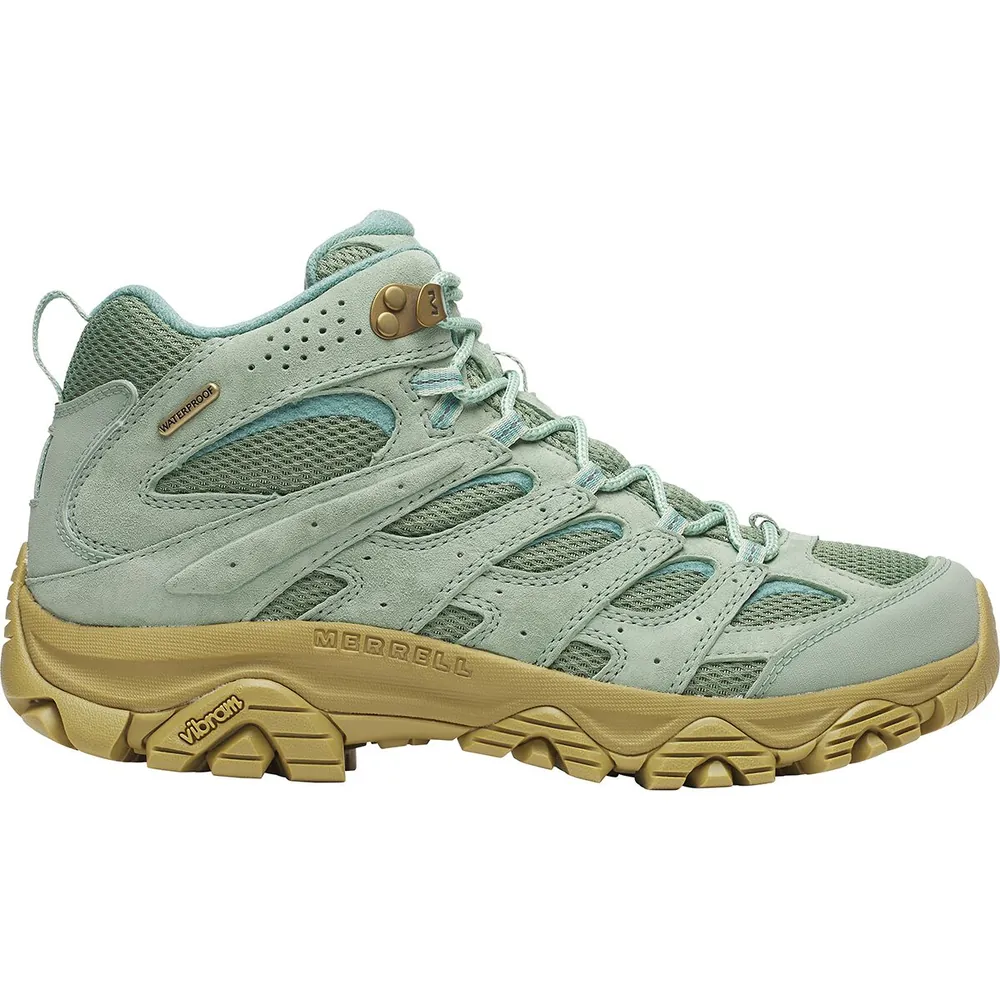
Merrell Moab 3 Mid Waterproof
Who it’s forComfort right out of the box
Why we picked itComfortable out of the box with minimal break-in
Pros
- Wide toe box fits most foot shapes
- Vibram TC5+ sole grips well on roots and mud
- Excellent value for the performance
Know before you buy
- Waterproof membrane wets out faster than Gore-Tex in sustained rain
- Ankle support is moderate compared to stiffer boots
Carry at least 2 liters of water. There is no potable water on the trails. Fill up at trailheads or in Bar Harbor before heading out.
Download the Avenza map of Acadia or pick up a paper map at the Hulls Cove Visitor Center. Cell service is unreliable on many trails, and “I’ll just use my phone” has gotten people turned around more than once.
Optional but highly recommended for steep descents like Cadillac South Ridge and Pemetic Mountain. They reduce knee strain significantly on the way down and give you extra stability on wet granite. Collapsible poles pack easily and weigh almost nothing.
#6Mid-range
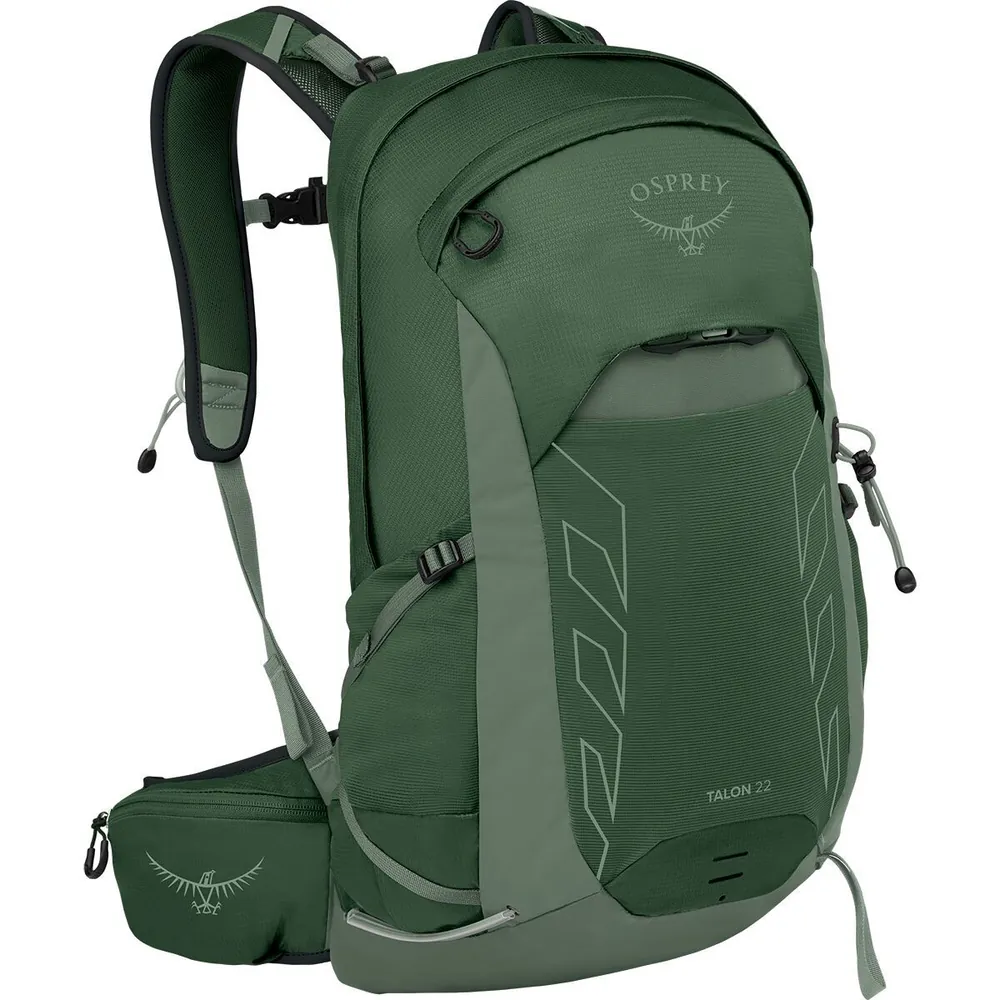
Osprey Talon 22
Who it’s forDay hikes & scrambles
Why we picked itExcellent ventilation with AirScape backpanel
Pros
- Body-hugging fit stays stable on scrambles
- Versatile 22L capacity hits the sweet spot
- Hipbelt pockets for snacks and phone
Know before you buy
- Not enough space for overnight gear
- Mesh back collects sweat in high humidity
Clothing and Layers
Acadia weather changes fast. A sunny morning can turn to fog and drizzle by noon, and summit temperatures are often 10 to 20 degrees cooler than Bar Harbor.
Clothing
- Moisture-wicking base layer (no cotton)
- Lightweight fleece or synthetic puffy
- Packable rain jacket with hood
- Rain pants (spring/fall priority)
- Quick-drying hiking pants or shorts
- Wool or synthetic hiking socks (2+ pairs)
- Sun hat and warm hat
- Lightweight gloves (spring/fall/sunrise)
The rain jacket is non-negotiable. Rain comes quickly on the coast and without much warning. A packable waterproof shell with a hood is essential no matter what the forecast says when you leave your hotel.
#3Mid-range
Marmot PreCip Eco Rain Jacket
Who it’s forBest value rain jacket for Maine day hikes
Why we picked itStraightforward waterproof coverage for routine trail rain
Pros
- Adjustable hood and full-zip protection
- Packs easily for day hikes and travel
- Costs less than premium technical shells
Know before you buy
- Lightweight construction is less durable than heavier 3-layer shells
- Breathability is still limited in high humidity
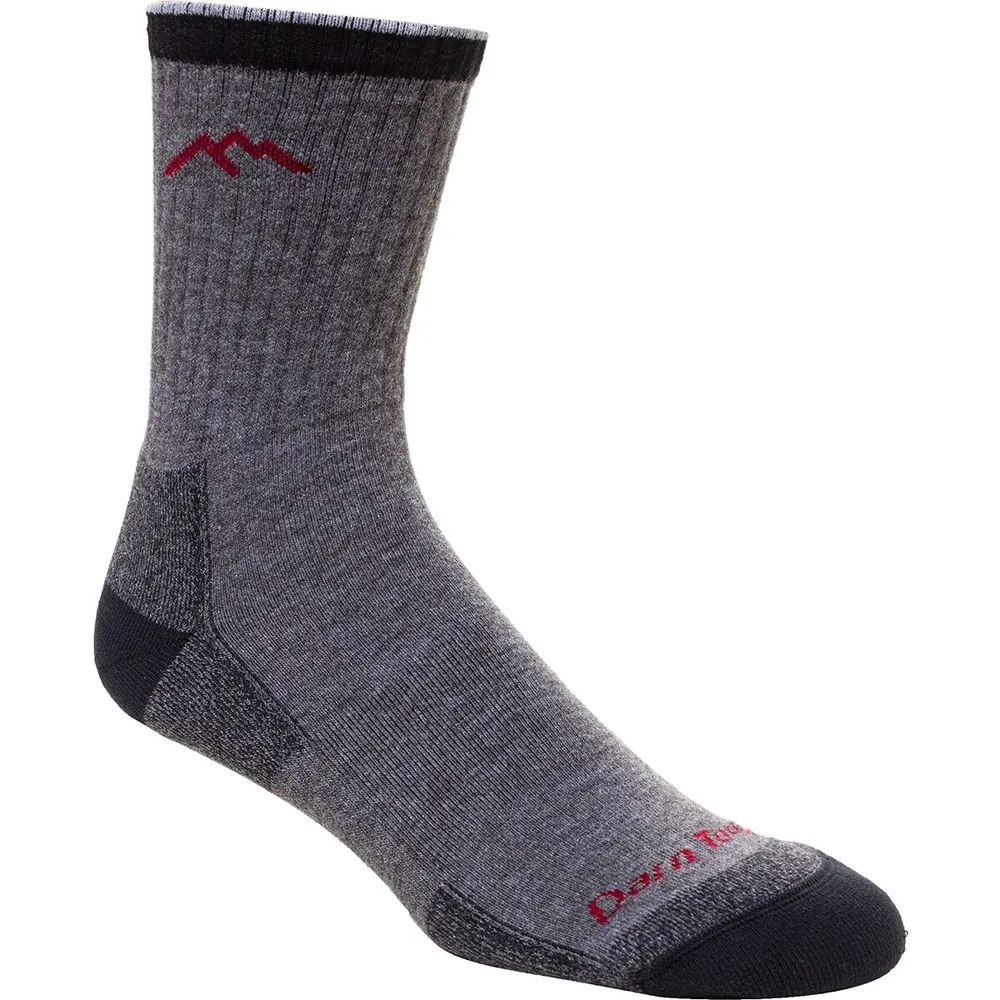
Bring at least two pairs of hiking socks so you always have a dry pair. Wet socks cause blisters faster than anything else. Merino wool dries faster than you would expect and does not develop the smell that synthetic socks do after a day or two.
Lifetime warranty, the only hiking socks you'll buy once
Bug and Tick Protection
Maine’s bugs are serious, especially from May through August. Ticks are active April through November.
Bug Protection
- DEET or picaridin insect repellent
- Permethrin spray for clothing
- Tick removal tool or fine-tipped tweezers
- Head net (late May through mid-June)
Permethrin-treated clothing is the most effective tick prevention available. Spray your hiking pants, socks, and shirts before the trip and let them dry. The treatment lasts through several washes. This alone makes a bigger difference than any repellent you put on your skin.
#4Budget
Sawyer Permethrin Spray
Who it’s forTreat clothing once, repels weeks
Why we picked itKills ticks on contact before they can bite
Pros
- Lasts through 6 washes per application
- Odorless once dry
- Effective against mosquitoes and blackflies too
Know before you buy
- Must be applied to clothing only, not skin
- Takes 2-4 hours to dry completely
#5Budget
Ranger Ready Picaridin 20%
Who it’s forSkin-safe picaridin, no smell
Why we picked it12-hour protection against ticks and mosquitoes
Pros
- Does not damage gear or synthetic fabrics
- No greasy residue, pleasant scent
- Safe for use on skin and clothing
Know before you buy
- Slightly less effective than DEET in extreme conditions
- More expensive per ounce than DEET
The head net sounds dramatic until you hike the Cadillac South Ridge during peak blackfly season in early June. Then it sounds like the best $8 you ever spent.
Read our full tick and bug protection guide for specific product recommendations.
Beach and Water Gear
Acadia has both ocean beaches and freshwater lakes. You should experience both.
Water Gear
- Swimsuit and quick-dry towel
- Water shoes or sport sandals
- Rash guard or wetsuit top
- Dry bag for phone, wallet, keys
Sand Beach is ocean water. That means roughly 55 degrees even in August. Most people go in up to their knees, gasp, and come back out. A wetsuit top or rash guard makes actual swimming possible. Echo Lake, on the other side of the island, is freshwater and significantly warmer. Aim for Echo Lake if you want to swim without the cold shock.
Sun Protection
The combination of granite reflection, ocean glare, and high-elevation exposure means you burn faster than you expect in Acadia.
Sun Protection
- Sunscreen SPF 30+ (water-resistant)
- Polarized sunglasses with UV protection
- Lip balm with SPF
Reapply sunscreen every two hours. Polarized lenses cut the glare off water and granite slabs, which matters more than you think on summit hikes. Lip balm with SPF is the item everyone forgets and everyone regrets forgetting.
Food and Snacks
Food
- High-calorie trail snacks (nuts, bars, jerky)
- Packed lunch for full-day outings
- Electrolyte packets
There are no food vendors on the trails. The Jordan Pond House is the only in-park restaurant, and the summer wait can exceed an hour. Pack your own lunch for full-day outings. You will burn more calories on Acadia’s granite than you think.
Driving and Logistics
Logistics
- Park entrance pass ($35/vehicle or Annual Pass)
- Cadillac Summit Road reservation
- Cash for overflow parking
- Reusable water bottle for refills in town
Book the Cadillac Summit Road reservation well in advance for sunrise slots. They sell out weeks ahead. Purchase your park entrance pass at recreation.gov before you arrive.
Items Most People Forget
These are the things that do not make standard packing lists but make a real difference in Acadia:
- Binoculars. Peregrine falcons nest on Precipice and Jordan Cliffs. Bald eagles fish in the sounds. Harbor seals haul out on rocks near Otter Point. You will wish you had optics.
- Layers for Cadillac sunrise. The summit is 1,530 feet and fully exposed. Even in July it can be in the 40s at dawn with wind. Bring a fleece and windbreaker.
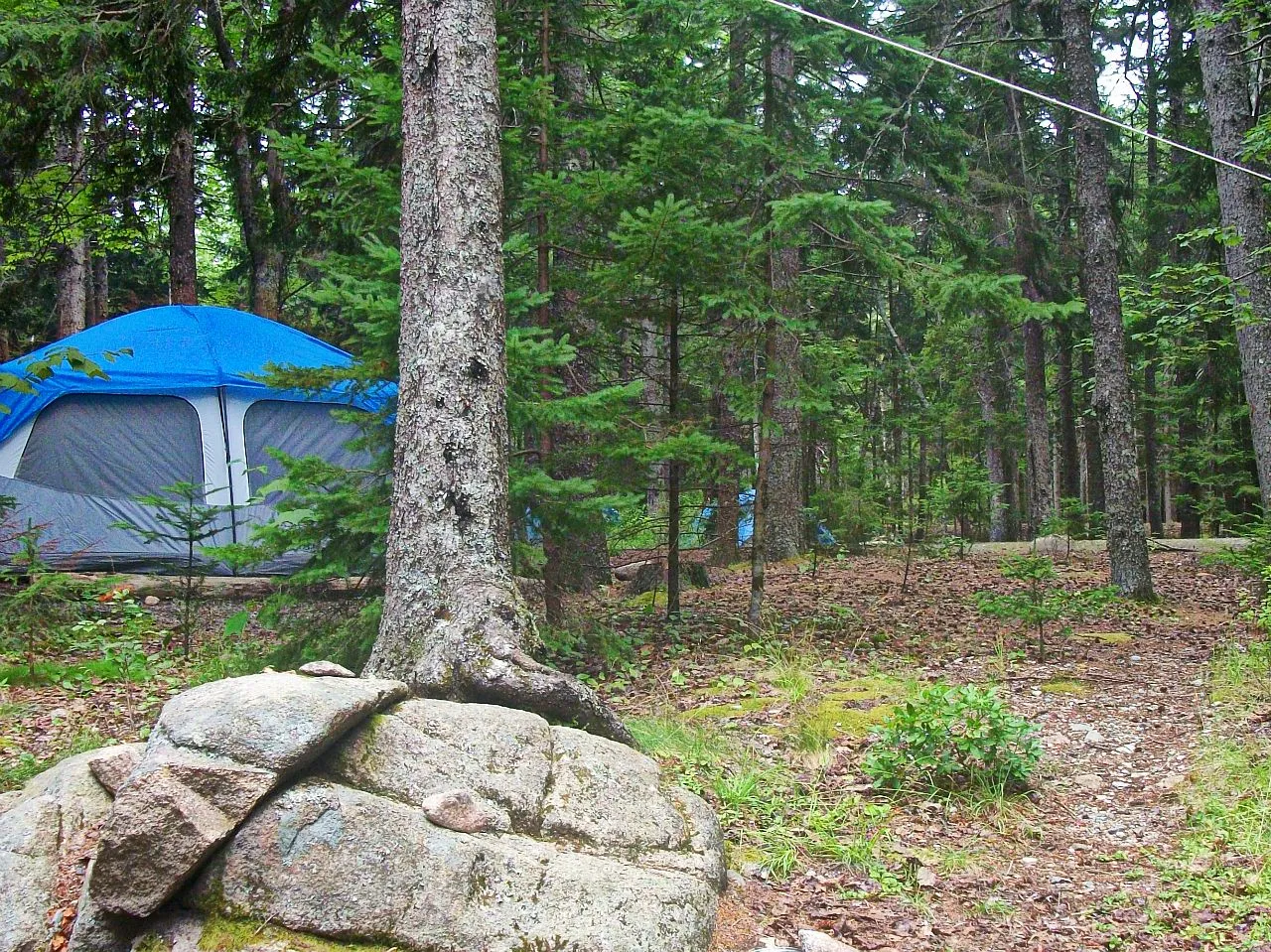
- Quarters for showers. If you are camping at Blackwoods or Seawall, the shower facilities (located off-site in Bar Harbor) often require quarters.
- Bug spray for the campsite. Most people pack repellent for the trail and then suffer at camp when mosquitoes peak at dusk.
- A second pair of shoes. After a day in wet boots, having dry shoes for the evening changes your whole outlook.
What NOT to Bring
Skip these. They take up space, add weight, or create problems:
- Cotton clothing. Cotton absorbs water, dries slowly, and chills you when wet. Synthetic or merino for everything.
- Jeans for hiking. Heavy, slow to dry, restrictive. Wear quick-dry hiking pants or shorts.
- Bear spray. There are no grizzly bears in Maine. Black bears live in the state but are extremely shy and rarely seen in Acadia. Bear spray is unnecessary and some campgrounds prohibit it.
- A full-size towel. Pack a quick-dry camp towel instead. It dries in an hour and weighs almost nothing.
- Too many books/devices. You will be too tired from hiking to use them. One is enough.
Bar Harbor has several outdoor shops that rent trekking poles, daypacks, and even hiking boots if you forgot something or want to try before buying. Cadillac Mountain Sports on Cottage Street is the best-stocked. Acadia Outfitters on Main Street also rents gear. You do not need to buy everything before your trip.
Season-Specific Additions
Spring (April-May): Extra warm layers, waterproof everything, bug head net for blackflies. Some trails may still have ice at higher elevations into May.
Summer (June-August): Sun protection is the priority. Pack light, breathable layers and plenty of water. Beach gear gets daily use. Bug repellent is essential near water.
Fall (September-October): The best hiking season. Temperatures can swing 30 degrees in a day, so pack for both. A fleece and wind shell are essential. The crowds thin dramatically after Columbus Day.
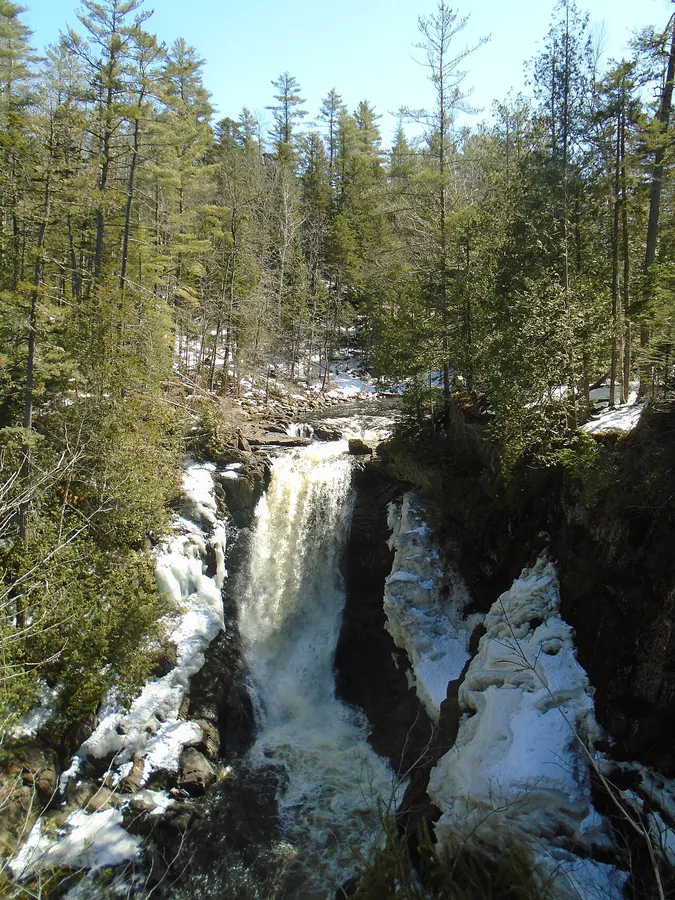
Winter (November-March): Microspikes or crampons, insulated waterproof boots, heavy layers, and hand warmers. Many roads and facilities close, but the trails remain open and the solitude is worth the cold.
The Maine Society Acadia Day-Hike Kit
These are the products we actually use on Acadia’s trails. Every item on this list solves a specific problem that Acadia’s terrain, weather, or bugs will throw at you.
Acadia Day-Hike Kit
Chosen for Beehive, Precipice, Cadillac, and the carriage roads. Built for wet granite, coastal weather, and Maine's bugs.
As an Amazon Associate, Maine Society earns from qualifying purchases. Some links may earn Maine Society a commission at no extra cost to you.
Free: Acadia Day-Hike Checklist (PDF)
A printable one-page checklist with everything you need for a day in Acadia.
What shoes should I wear for hiking in Acadia?
Waterproof hiking boots with aggressive tread for any summit hike or rocky trail. Acadia's granite is dangerously slippery when wet. Trail runners or sneakers are fine for paved paths like Ocean Path and the carriage roads, but boots are essential for anything involving rock scrambling.
Do I need bear spray in Acadia?
No. Maine has black bears, not grizzlies, and they are extremely shy. Bear encounters in Acadia are rare. Proper food storage at campsites is important, but bear spray is unnecessary and some campgrounds prohibit it.
Can I rent gear in Bar Harbor?
Yes. Cadillac Mountain Sports on Cottage Street and Acadia Outfitters on Main Street rent trekking poles, daypacks, and hiking boots. If you forgot something or want to test gear before buying, rentals are a solid option.
How should I pack for rain in Acadia?
Bring a packable waterproof rain jacket with a hood regardless of the forecast. Rain comes quickly on the coast. A rain jacket, quick-dry clothing (no cotton), and waterproof hiking boots handle most situations. Add rain pants for spring and fall trips when cold rain is more likely.