The Edge of the Road System
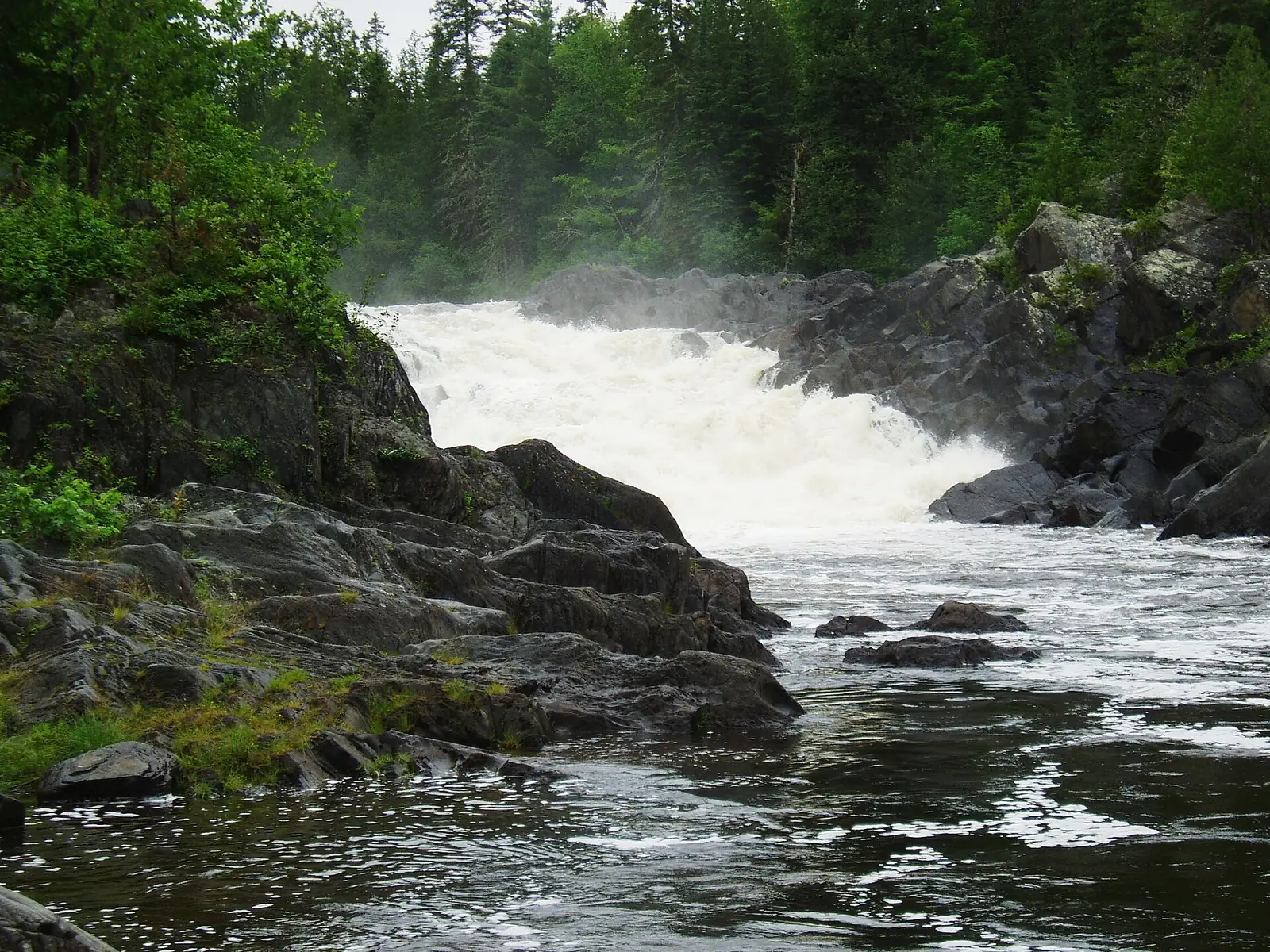
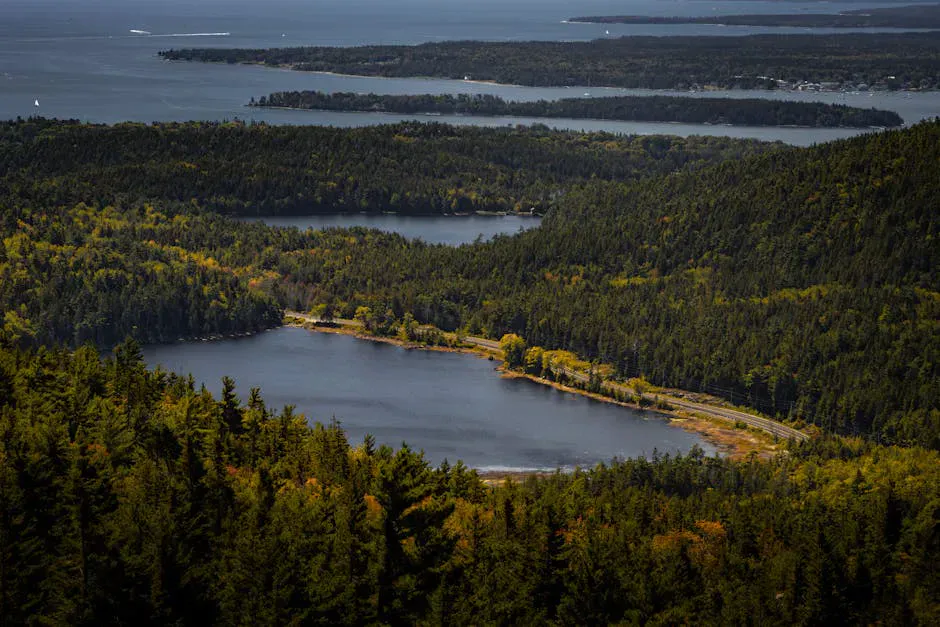
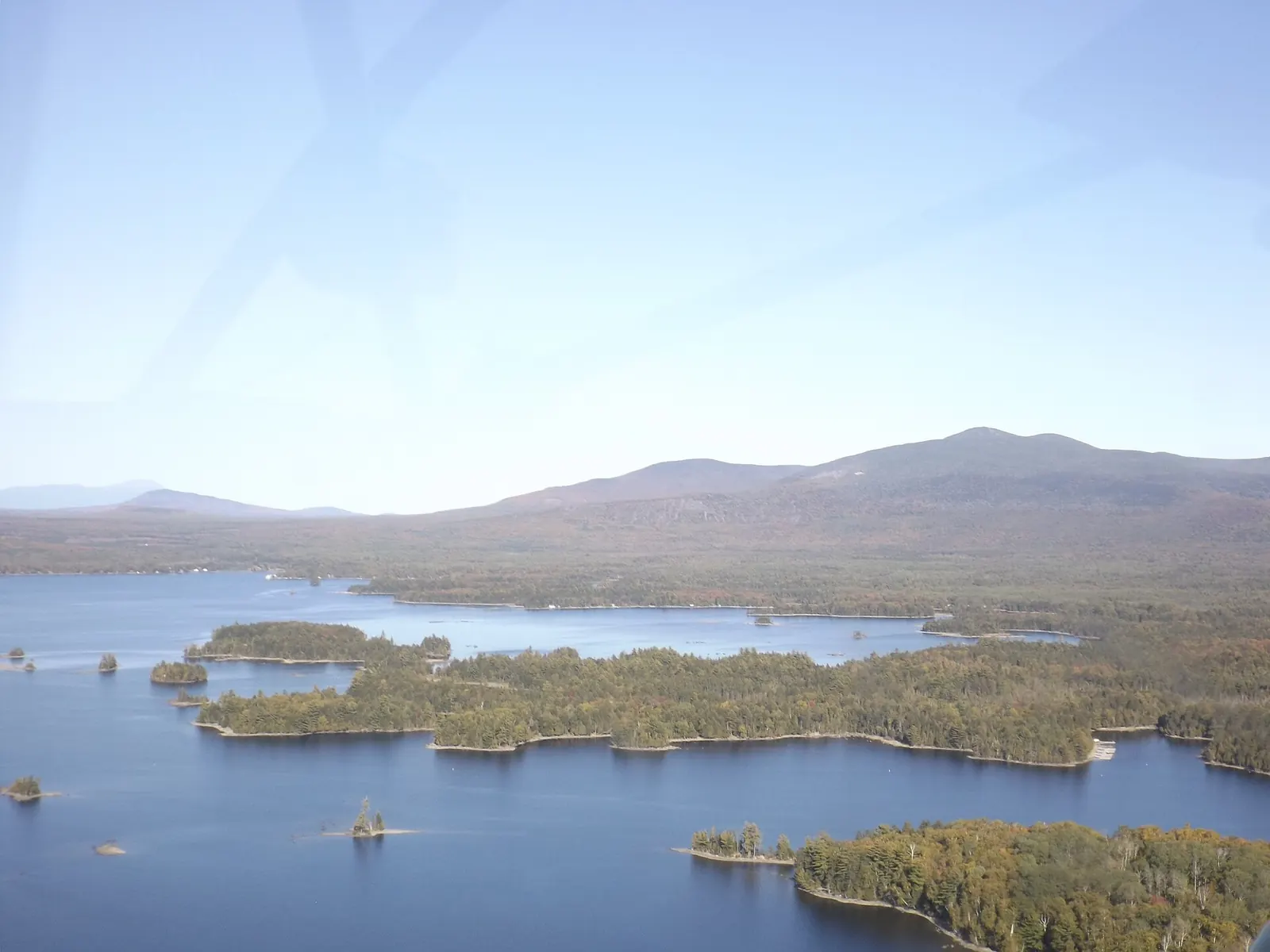
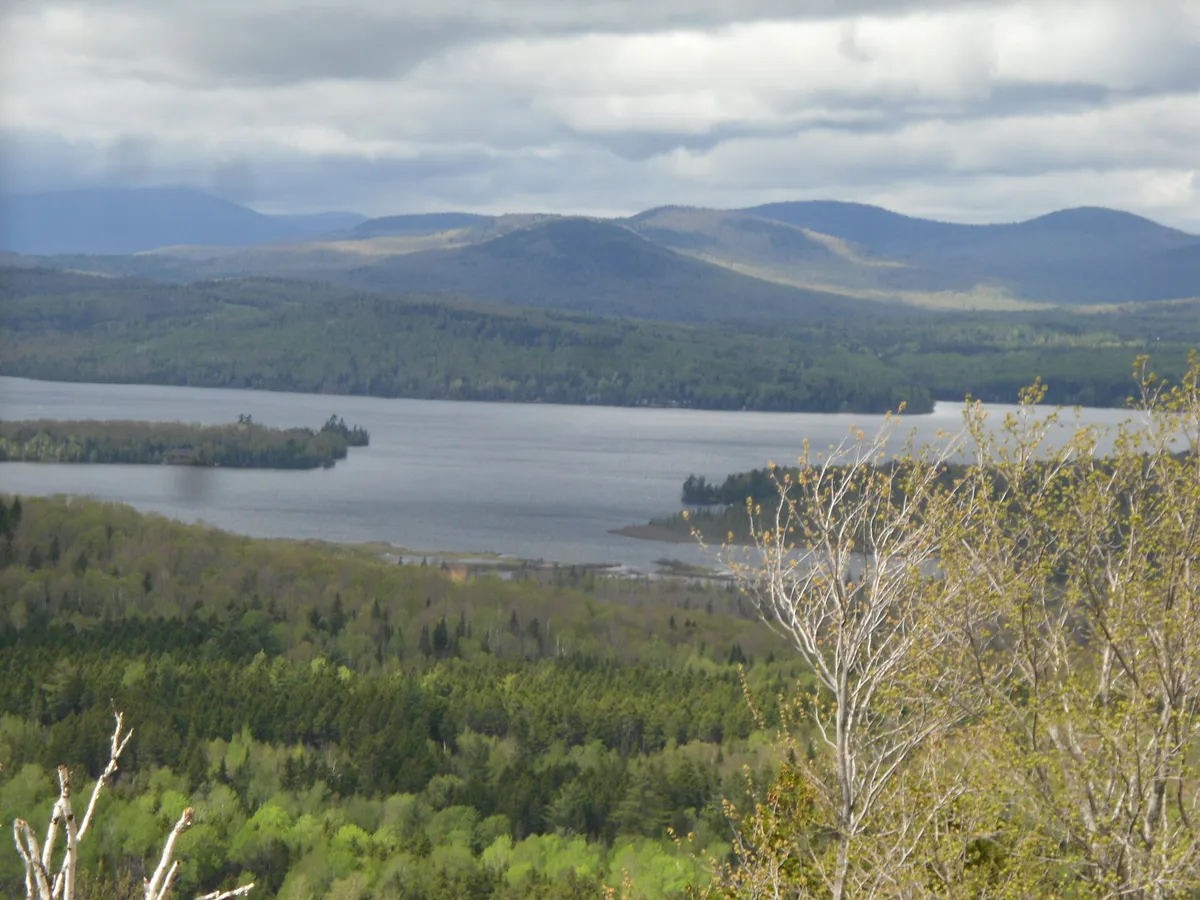
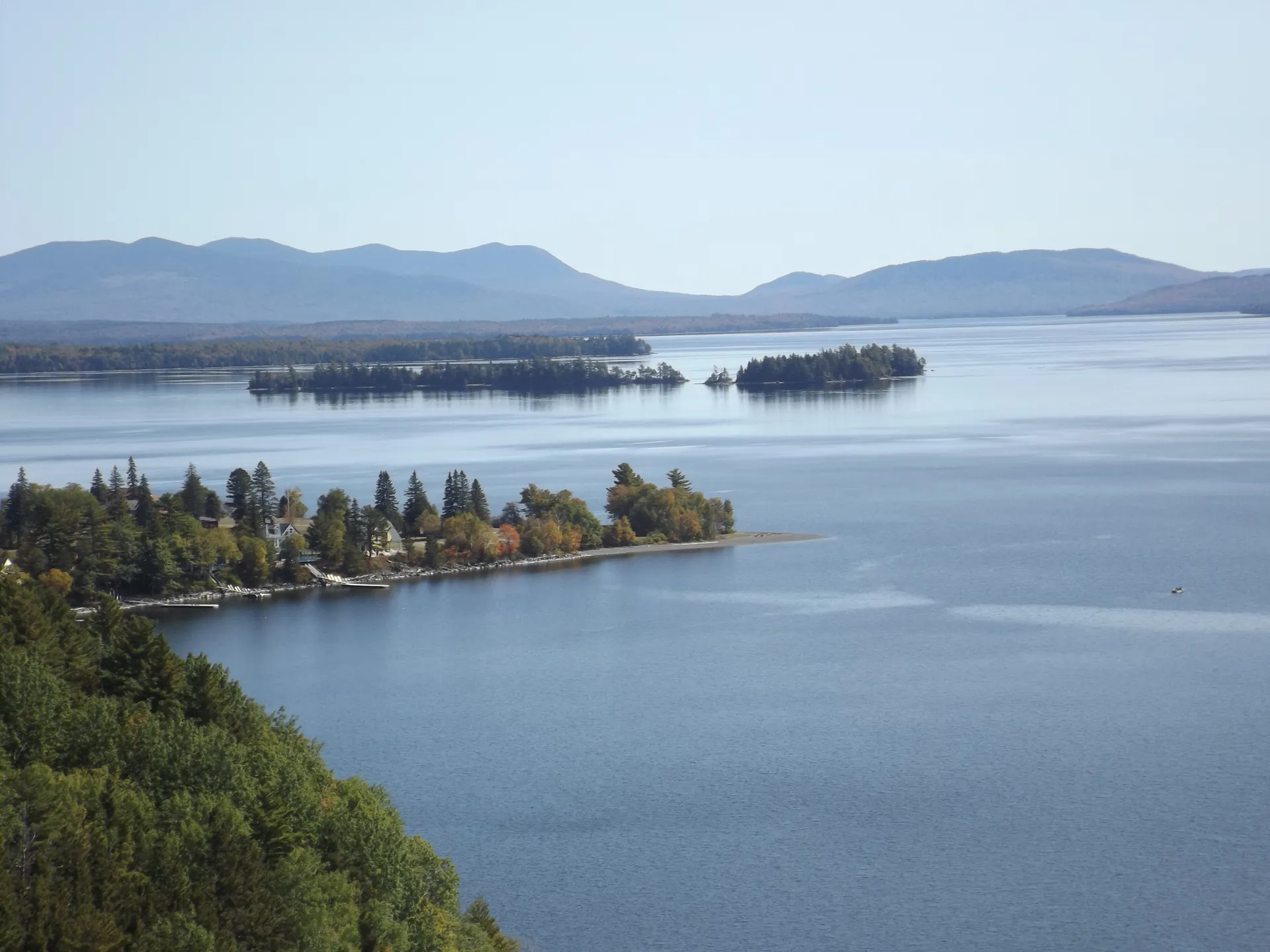
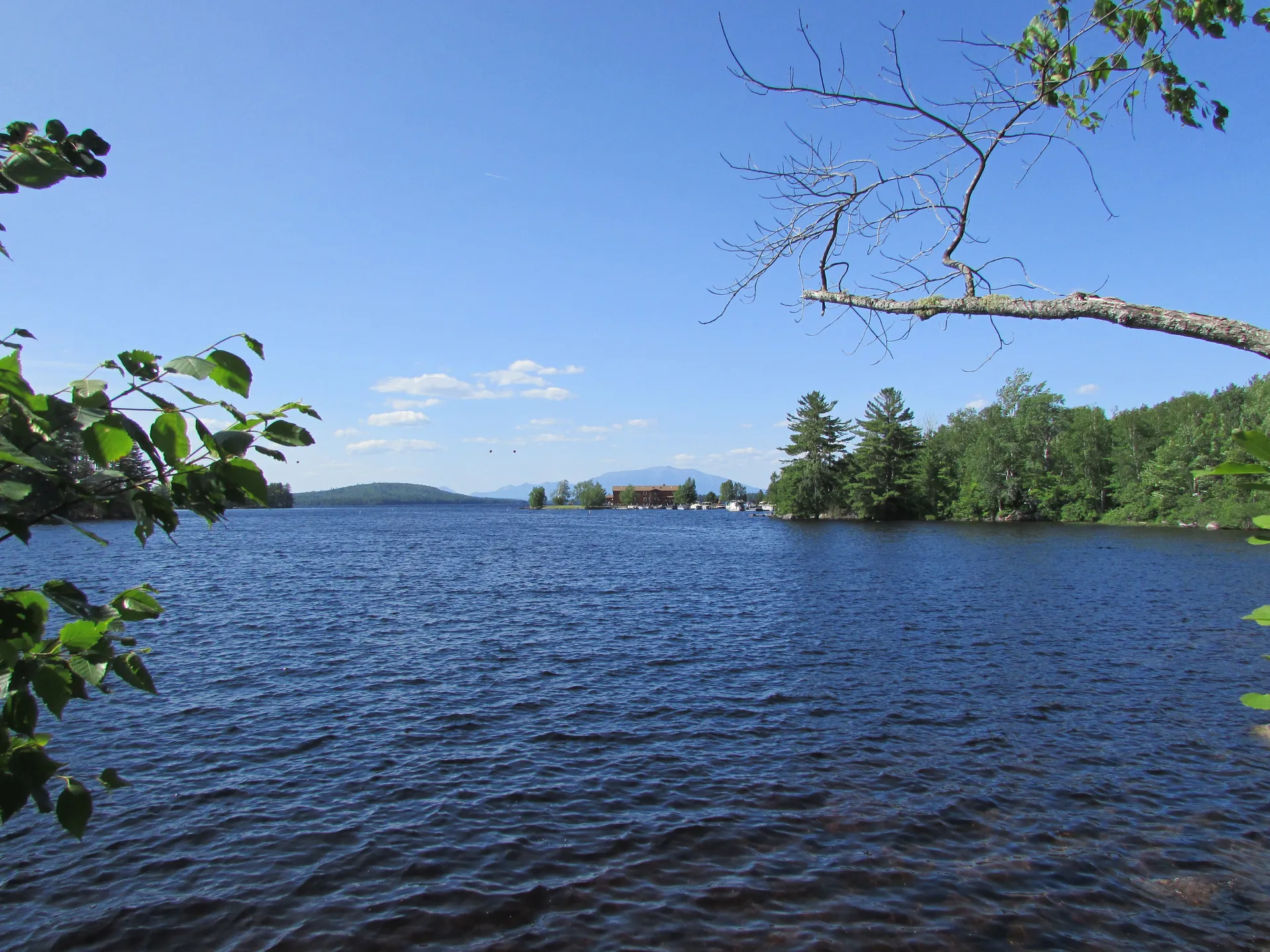
Caucomgomoc Lake sits at the far reach of the North Maine Woods road system, a 5,080-acre body of water in the unorganized township of T5R14 WELS that represents one of the most remote lakes in Maine that you can actually drive to. The emphasis on “drive to” matters here, because the journey itself, hours on gravel logging roads through unbroken spruce forest, past checkpoints operated by North Maine Woods Inc., is as much a part of the experience as the lake itself.
The lake lies at an elevation of about 980 feet, its irregular shoreline cut with coves, points, and rocky shoals that create excellent habitat for lake trout (known locally as togue) and landlocked salmon. The surrounding forest is commercial timberland managed for harvest, but on the water you see only trees, granite, and sky. No permanent homes. No power lines. No paved roads for many miles in any direction.
Caucomgomoc is connected to Chesuncook Lake to the south via the Caucomgomoc Stream, and the two lakes together form part of a vast watershed that drains into the West Branch of the Penobscot River. The entire area is part of the North Maine Woods, a 3.5-million-acre working forest that operates under a cooperative management agreement between private landowners, allowing public recreation access through a checkpoint and fee system.
Fishing Caucomgomoc Lake
The fishing at Caucomgomoc is the primary draw, and the lake delivers the kind of quality you expect from water this remote. Lake trout, togue, are the signature species. These cold-water fish thrive in the lake’s deep, oxygen-rich water and grow to impressive size. Togue in the four-to-eight-pound range are caught regularly, and double-digit fish are a real possibility.
Landlocked salmon share the lake with togue and provide outstanding fishing, particularly in the spring after ice-out and again in the fall when they move into tributary streams to spawn. Brook trout hold in the tributaries and along the cooler shoreline margins, adding a third species to the mix.
For togue, focus on the lake’s deeper structure and points. In spring and fall, togue hold in 20-40 feet of water and respond to trolled streamers and spoons. In summer, drop to 40-60 feet and use lead-core line or downriggers. The biggest fish often come from the deep water near underwater humps and drop-offs.
The lake is managed under general law regulations, but always check the current Maine fishing law book for any special rules that may apply. A Maine fishing license is required for anyone 16 and older.
Camping on Caucomgomoc
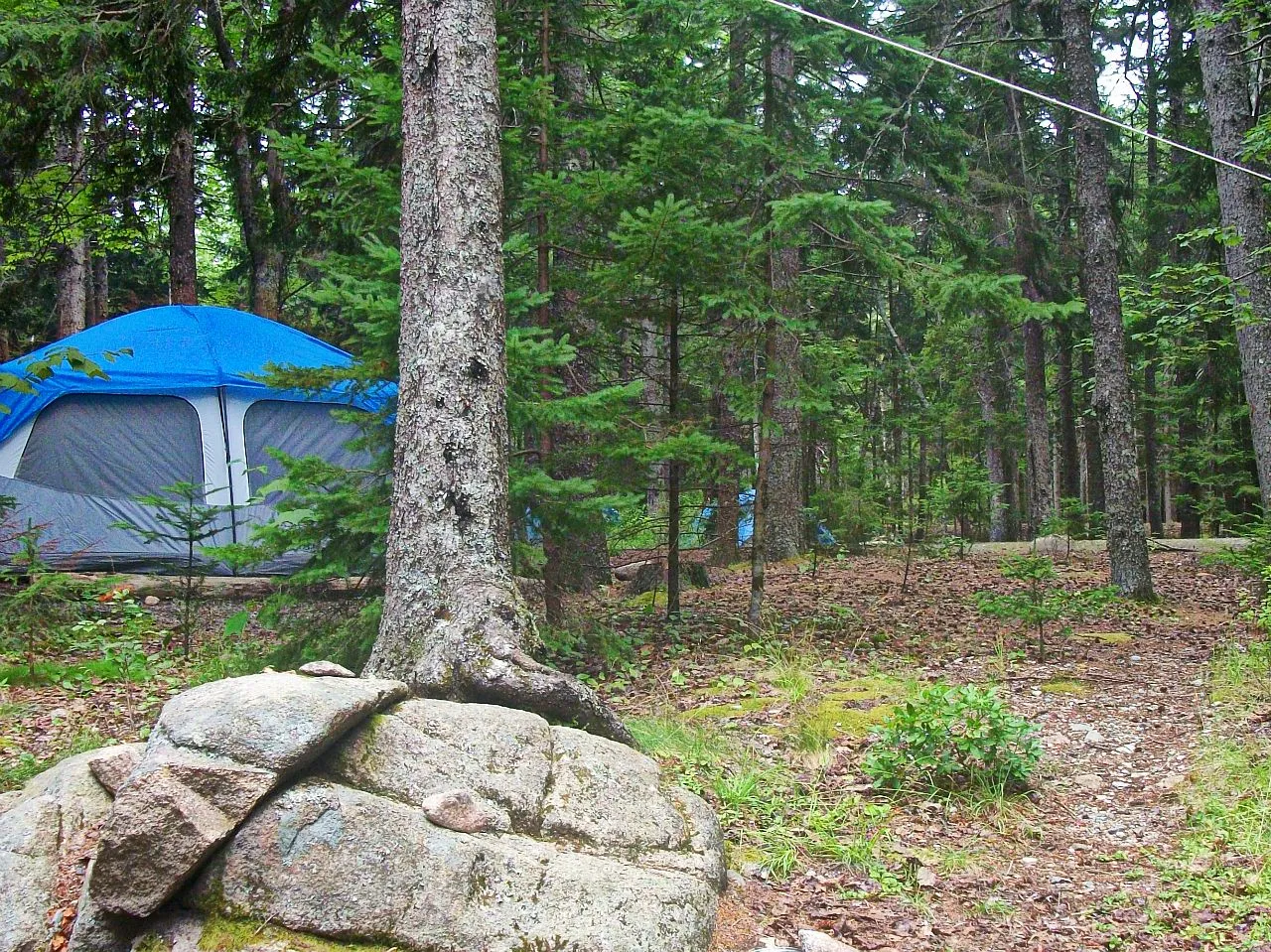
There is no commercial lodging on Caucomgomoc Lake. Accommodation means camping, and that is part of the appeal. North Maine Woods maintains several designated campsites around the lake, typically cleared areas with a fire ring and an outhouse. Sites are available on a first-come, first-served basis, and the camping fee is included in the North Maine Woods daily access charge.
Claim your campsite early. On summer weekends, the better sites can fill by Friday afternoon. If you are coming for a long weekend, consider arriving Thursday night. The sites with direct lake access and good boat launch proximity go first.
Camp in bear country etiquette: hang food from a tree or store it in a bear canister, keep a clean camp, and never leave food unattended. Black bears are active throughout the region, and a clean camp is both safer and more considerate to the next camper.
Caucomgomoc Lake is extremely remote. The nearest hospital is in Greenville, over two hours by gravel road. There is no cell service. Carry a satellite communicator or personal locator beacon. Travel with a full tank of gas, extra food and water, a first aid kit, and emergency supplies. Let someone know your trip plan before you leave.
Wildlife and Landscape
The North Woods around Caucomgomoc is prime moose habitat, and sightings are nearly guaranteed during summer months. Moose feed in the boggy coves and shallow margins of the lake, especially at dawn and dusk. Bald eagles and osprey patrol the shoreline, loons nest on the lake, and the boreal forest hosts spruce grouse, gray jays, boreal chickadees, and a variety of warblers.
Black bears are common in the area. River otters, beavers, and fishers are present but less frequently seen. The night sky at Caucomgomoc, far from any light pollution, is spectacular on clear evenings.
Planning Your Visit
Spring
Ice-out late April to mid-May. Fishing picks up fast for salmon and togue. Roads muddy. Blackflies peak late May through June.
Summer
Warmest weather. Best road conditions. Moose sightings common. Long days for fishing. Mosquitoes and deerflies present.
Fall
Togue and salmon fishing peaks. Foliage spectacular mid-September. Cool nights. Few visitors. Some roads close after Columbus Day.
Winter
Roads not plowed. Access by snowmobile only. Ice fishing for togue is productive for those with winter experience and the right equipment.
Caucomgomoc Lake Trip Packing List
- Fishing gear: trolling rod, fly rod, lead-core line, streamers, spoons
- Maine fishing license (required for age 16+)
- Canoe, kayak, or boat with motor
- Tent, sleeping bag, and sleeping pad
- Camp stove and cookware (campfires allowed at designated sites)
- Bear hang rope or bear canister for food storage
- Bug spray and head net (essential May through August)
- Full tank of gas and spare fuel
- Satellite communicator or PLB
- Topographic map and compass (no cell service for GPS apps)
Getting There
From Greenville, travel north on Lily Bay Road and then onto the gravel road system managed by North Maine Woods. You will pass through a checkpoint where you pay the access fee ($12/person/day for nonresidents, $8/person/day for Maine residents). From the checkpoint, follow signs toward Caucomgomoc Lake. The total drive from Greenville is roughly 2.5 to 3 hours on gravel roads. From Bangor, plan on about 3.5 hours total. From Portland, allow 5.5 hours.
Road conditions vary with the season and recent weather. These are active logging roads, and loaded trucks have the right of way. Drive with headlights on, yield to trucks, and carry a good road map, the North Maine Woods publishes a map of the road system that is essential for navigation.
FAQ
How remote is Caucomgomoc Lake?
Very remote. It is one of the farthest drive-to lakes in the North Maine Woods. The nearest town is Greenville, over two hours away by gravel road. There is no cell service, no electricity, and no commercial services at the lake.
What fish are in Caucomgomoc Lake?
Lake trout (togue) and landlocked salmon are the primary species. Brook trout hold in tributaries and along cooler margins. Togue in the four-to-eight-pound range are common, with larger fish possible.
Do I need to pay to access the lake?
Yes. North Maine Woods charges a daily access fee at their checkpoints: $12 per person per day for nonresidents and $8 for Maine residents. Camping fees are included. A Maine fishing license is required separately.
Is there lodging at Caucomgomoc Lake?
No commercial lodging exists at the lake. Camping at designated North Maine Woods sites is the only option. The nearest motels and sporting camps are in the Greenville area.
When is the best fishing at Caucomgomoc?
Spring (mid-May through June) for salmon and togue in shallow water, and fall (September through October) when fish are active before winter. Summer fishing is good but requires deeper tactics for togue.