Deep, Cold, and Full of Fish
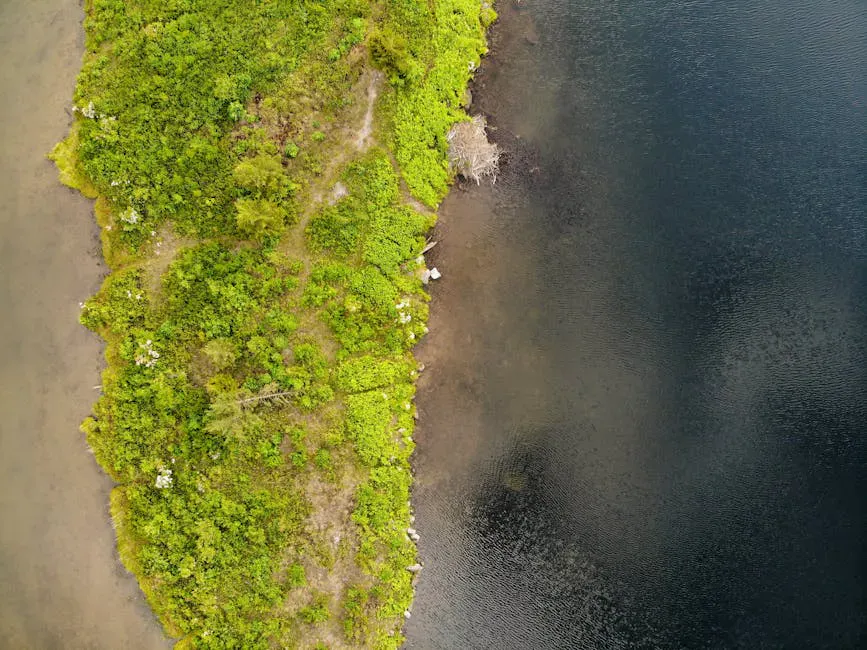
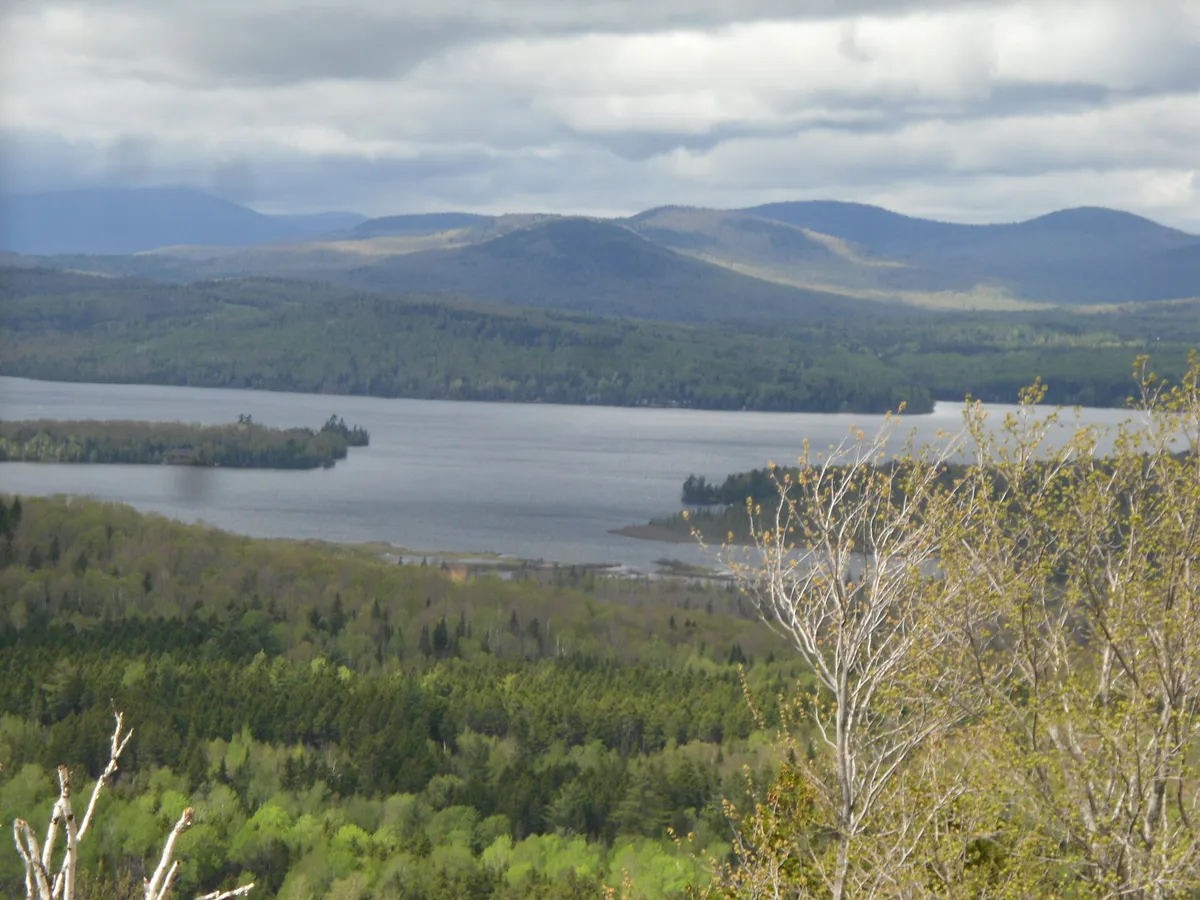
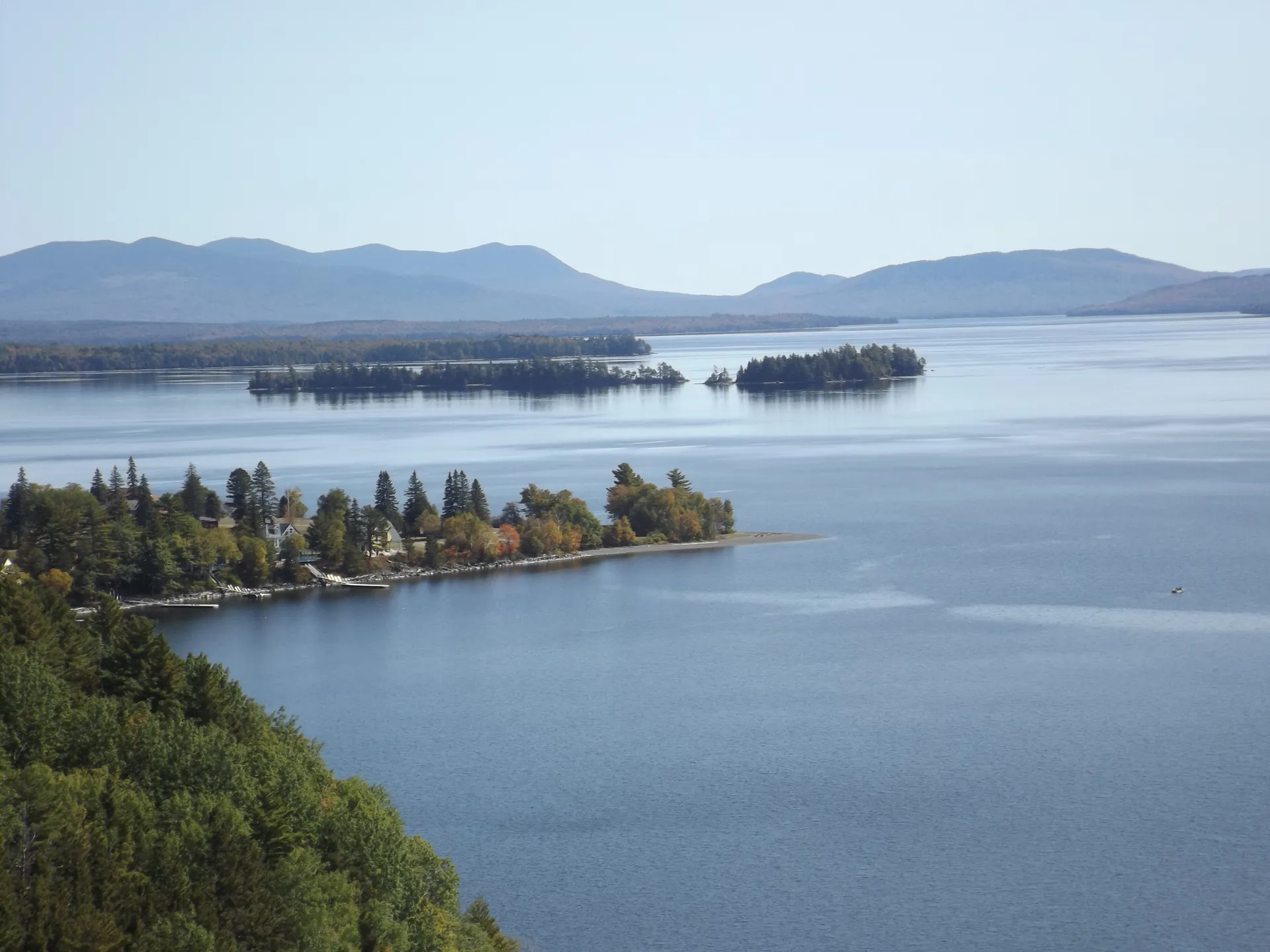
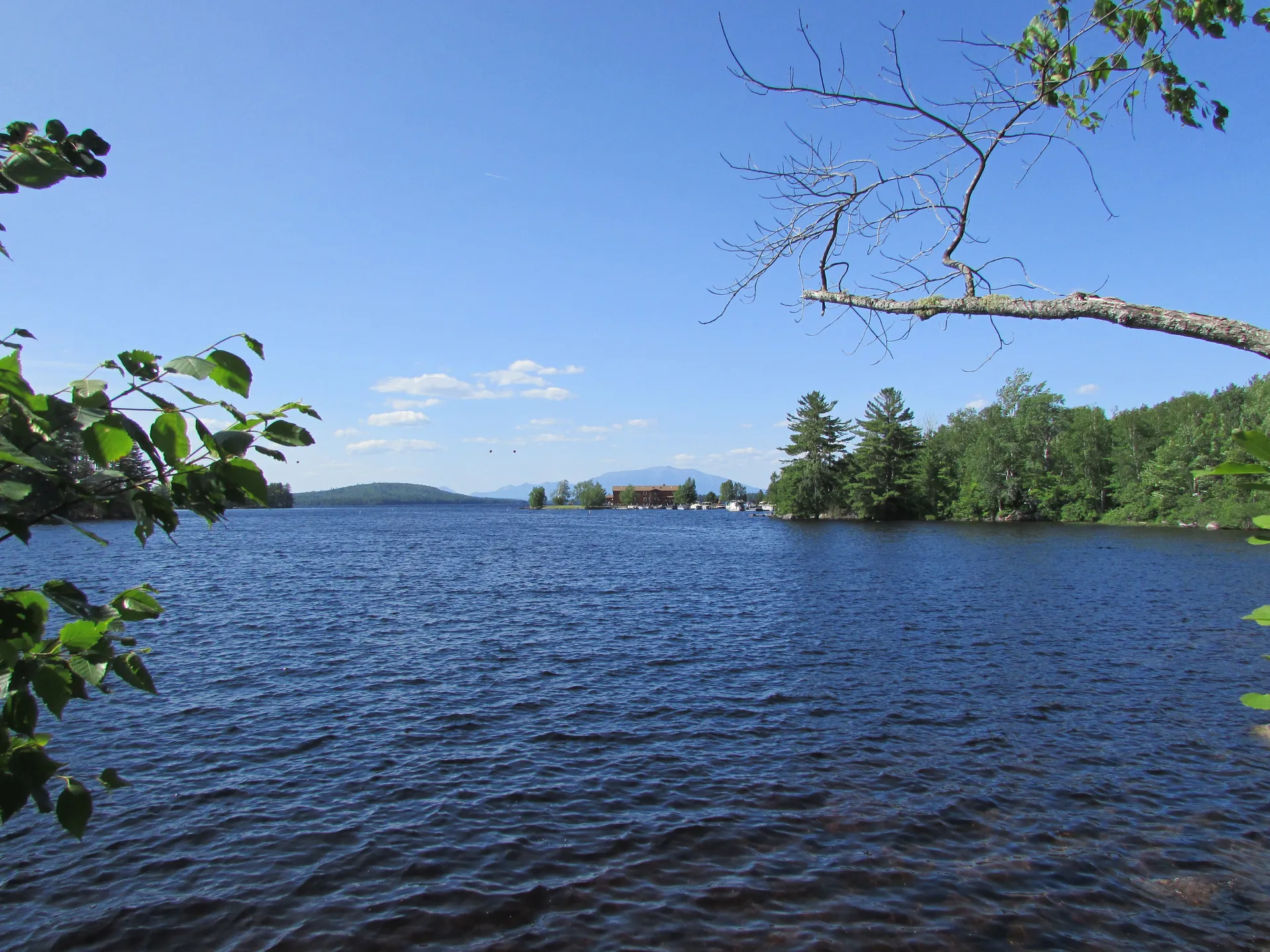
Cold Stream Pond lives up to its name. Covering 3,628 acres across the towns of Enfield, Lincoln, and Lowell in Penobscot County, it is one of the largest and deepest lakes in central Maine. The south basin alone stretches over 2,900 acres with a maximum depth of 104 feet, while the smaller north basin adds another 700 acres at 56 feet deep. The water is cold, clear, and fed by underground springs and the aptly named Cold Stream.
The lake sits about 50 minutes north of Bangor, just off I-95, making it one of the most accessible quality cold water fisheries in the state. Despite that accessibility, Cold Stream Pond has never attracted the tourist traffic of Moosehead or Rangeley. The surrounding area is working forest and small towns, and the lake’s appeal is rooted in its fishing rather than resort amenities.
The shoreline is a mix of camps, year-round homes, and undeveloped stretches of spruce and hardwood. The town of Enfield sits at the southwestern end, and Lincoln is a short drive to the northeast.
On the Water
A concrete boat ramp at the southwestern corner of the lake, off Old Hatchery Road near the center of Enfield, provides the primary public access. The ramp is in good condition and can handle boats of various sizes. Parking is free. A second access point exists near the north basin.
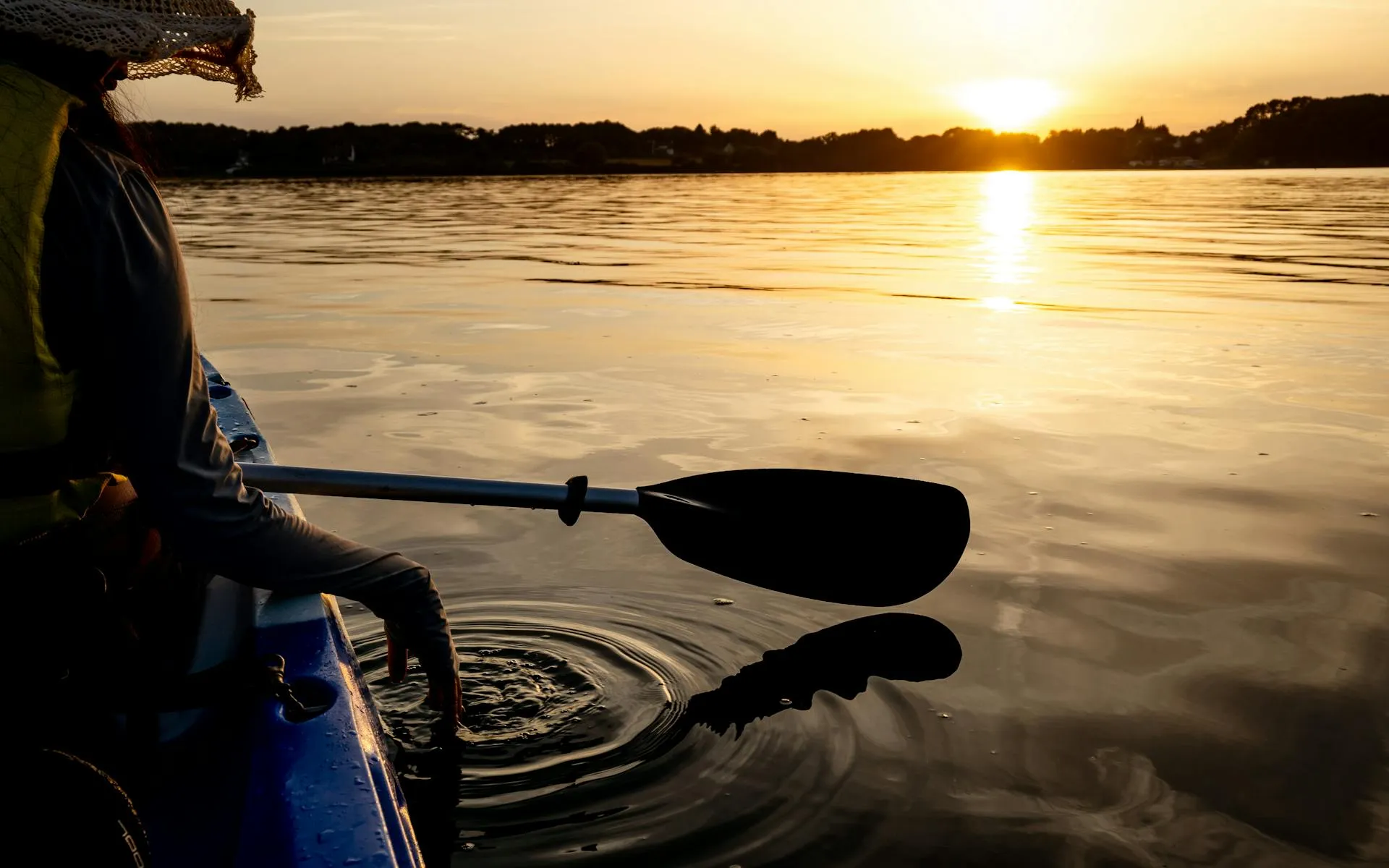
Cold Stream Pond is big enough for serious boating. The south basin opens up into broad water where afternoon winds can build, so kayakers and canoeists should plan accordingly. The north basin, connected by a narrows, is more sheltered and better suited for paddling.
The narrows between the north and south basins are worth exploring by kayak. The water shallows here, and you will often see fish activity along the weed edges. It is also a transition zone where the character of the lake shifts noticeably.
Fishing
Cold Stream Pond is one of Maine’s premier togue (lake trout) waters. The lake trout population here is self-sustaining through natural reproduction on spawning beds in Webb Cove. No stocking is required, which speaks to the quality of the habitat. Togue in Cold Stream Pond occasionally exceed 20 pounds, and fish in the 4 to 8 pound range are caught regularly.
Landlocked salmon are the other headline species, stocked by MDIFW to supplement the fishery. Salmon fishing is best in spring, right after ice-out, when fish cruise the shallows before the surface water warms and pushes them deep.
The deep, cold water of the south basin is where togue spend most of the year. In summer, you need downriggers or lead-core line to reach them at 50 to 80 feet. Spring and fall bring togue shallower, within reach of trolled streamers and spoons.
Rainbow smelt, the primary forage fish, support both the togue and salmon populations. Smelt fishing through the ice is a winter tradition on Cold Stream Pond.
The Webb Cove area on the south basin’s eastern shore is the primary togue spawning habitat. In October, togue move onto the rocky shoals here to spawn. This area also produces well for trolling in spring when fish are still in the shallows after ice-out.
A Maine fishing license is required for anyone 16 and older. Purchase one at the MDIFW website or at shops in Lincoln.
When to Go
Spring
Ice-out in late April or early May. Salmon and togue in the shallows. The best fishing window of the year.
Summer
Warm surface water pushes fish deep. Downriggers needed for togue. Good for swimming and paddling.
Fall
Togue spawn in October. Lake cools and fish return to accessible depths. Foliage along the forested shore.
Winter
Ice fishing for smelt, togue, and salmon. Reliable ice by January. Cold and remote.
Practical Notes
Cell service is spotty around Cold Stream Pond. You will get a signal near the Enfield boat launch and along Route 188, but coverage fades on the water and along the north basin. Download maps and fishing regulations before arrival.
The pond is dog-friendly. No restrictions at the boat launch or along the shoreline.
Swimming is informal but excellent. The water is cold and clear. On warm summer days, the south-facing shoreline near the boat launch area warms enough for comfortable swimming, though the water stays noticeably cooler than nearby shallow ponds.
The deep water of Cold Stream Pond stays cold year-round. Even in August, temperatures below 20 feet drop sharply. Wear a life jacket when boating, as cold water shock is a real risk if you capsize.
Cold Stream Pond Packing List
- Fishing license (if fishing)
- Downriggers or lead-core line (summer togue)
- Bug spray (May through July)
- Layers for cool mornings on the water
- Life jackets for every passenger
- Sunscreen
- Downloaded maps (spotty cell service)
- Cooler for fish (togue regulations allow harvest)
Getting There
From Bangor, take I-95 North to Exit 217 (Howland), then Route 188 South to Enfield. The boat launch is off Old Hatchery Road. Total drive is about 50 minutes. From Portland, take I-95 North through Bangor to the same exit. About 2 hours and 50 minutes.
Lincoln, the nearest town with full services, is about 15 minutes northeast and has gas, groceries, and restaurants.
FAQ
What is togue?
Togue is the Maine name for lake trout (Salvelinus namaycush). Cold Stream Pond has a self-sustaining native population that reproduces naturally on spawning beds in Webb Cove, with no stocking needed.
How deep is Cold Stream Pond?
The south basin reaches 104 feet. The north basin is 56 feet at maximum. The deep, cold water is what sustains the lake trout and salmon fisheries.
Is there a boat launch on Cold Stream Pond?
Yes. A concrete boat ramp at the southwestern corner of the lake, off Old Hatchery Road in Enfield, provides free public access with parking.
Can you swim in Cold Stream Pond?
Yes. There is no formal beach, but the water is clean and clear. Surface temperatures warm enough for swimming by midsummer, though the water stays cooler than shallow ponds in the area.
What is the best time to fish Cold Stream Pond?
Spring, right after ice-out in late April or early May, is the classic window. Togue and salmon are in the shallows and accessible without deep-water gear. Fall is the other prime season, as togue move shallow to spawn in October.