Where Maine Meets New Hampshire, and Moose Outnumber People
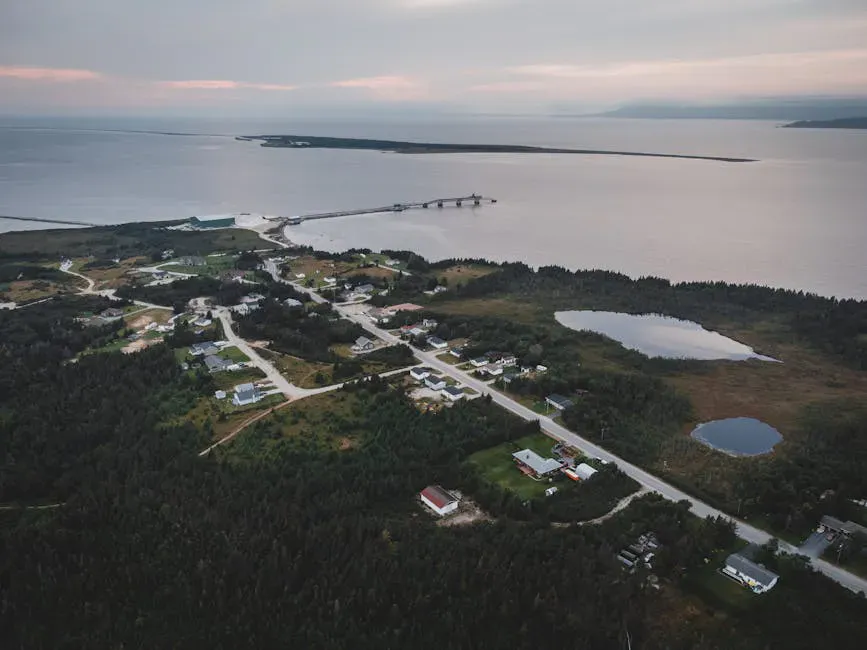
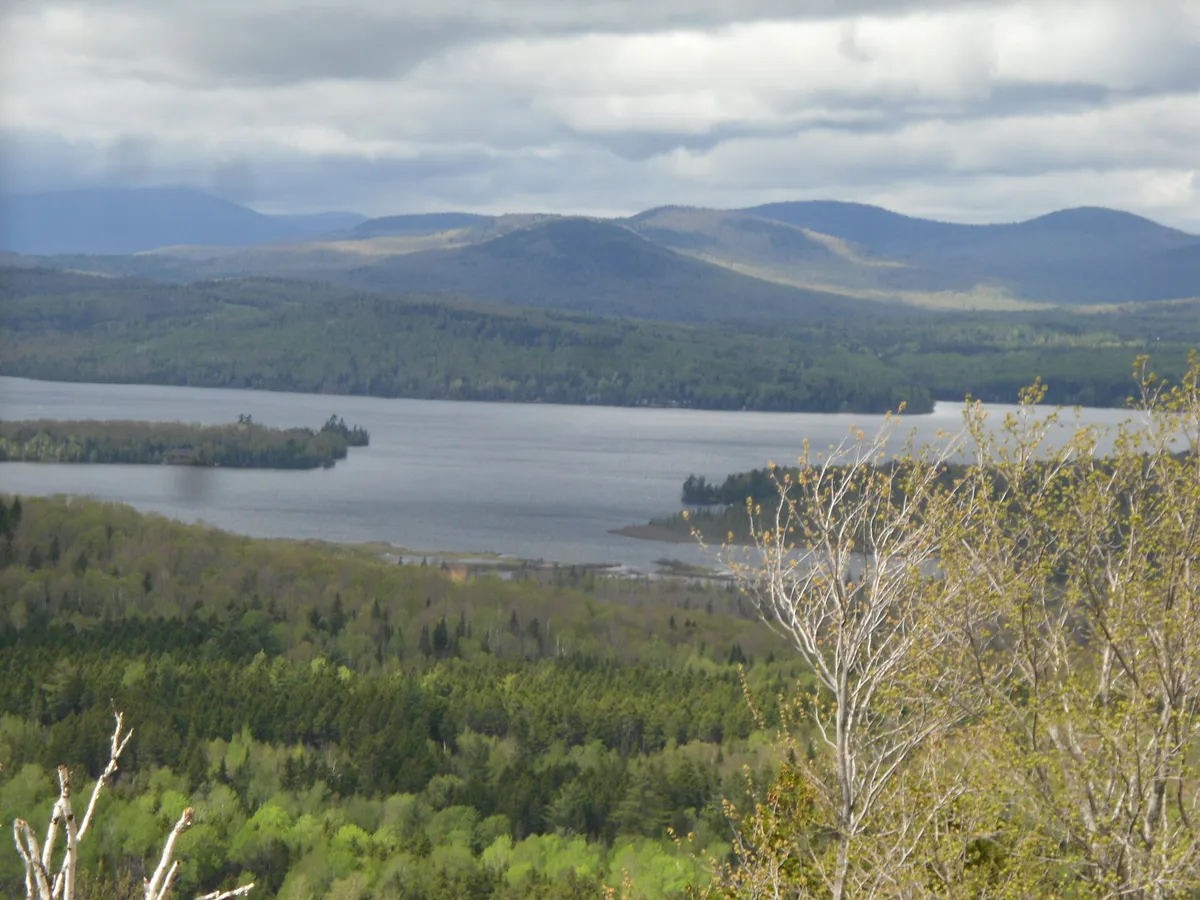
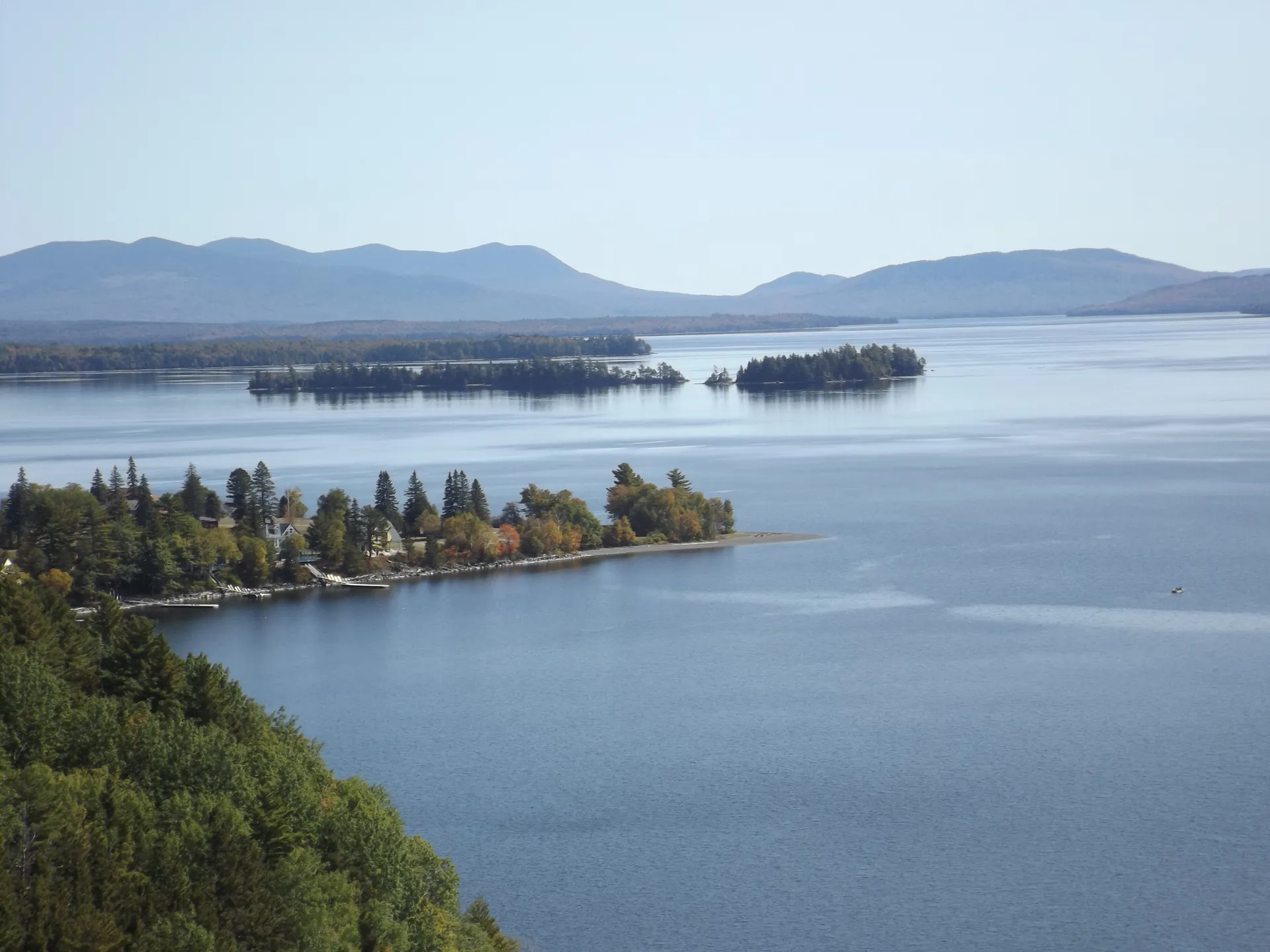
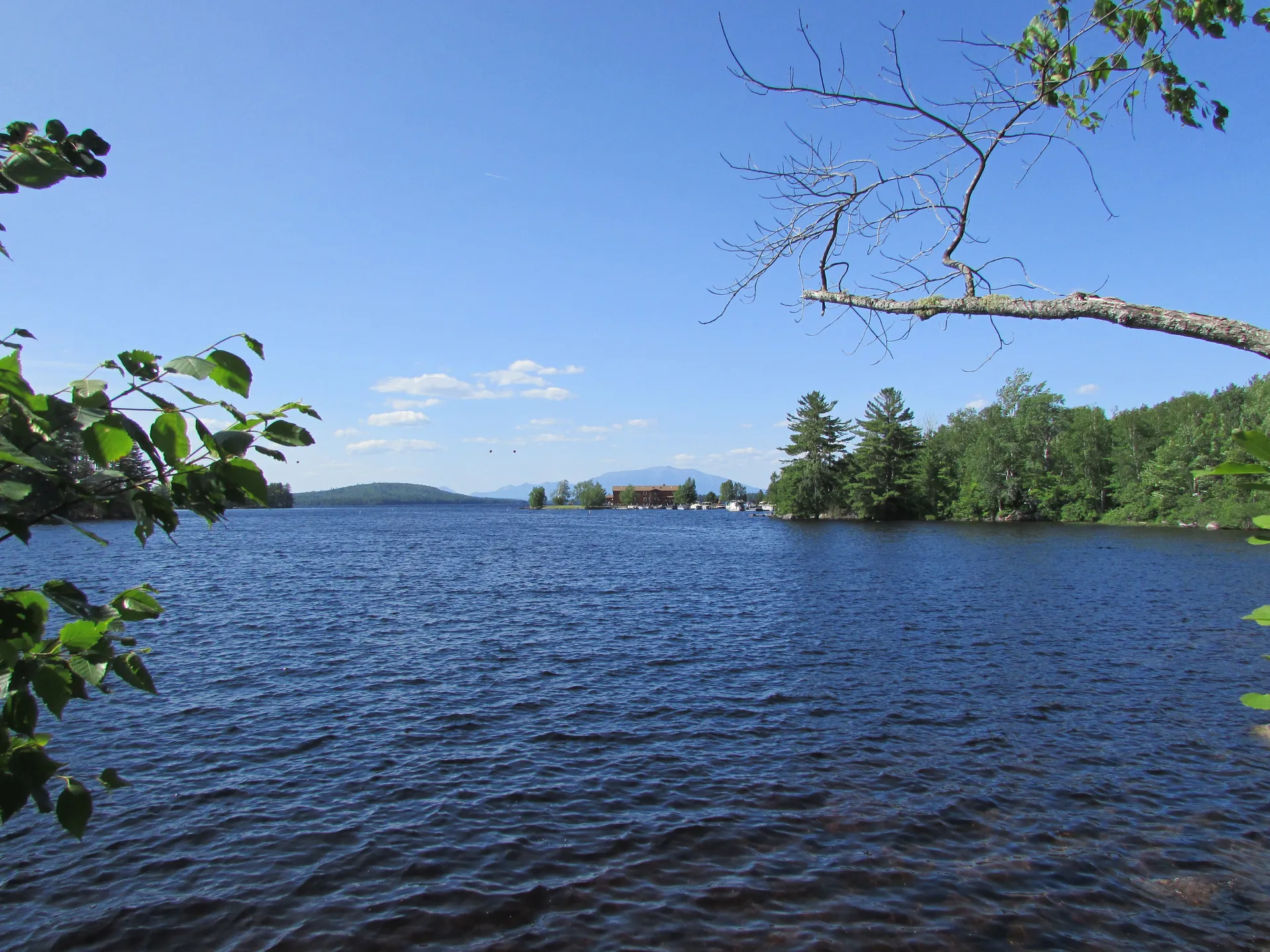
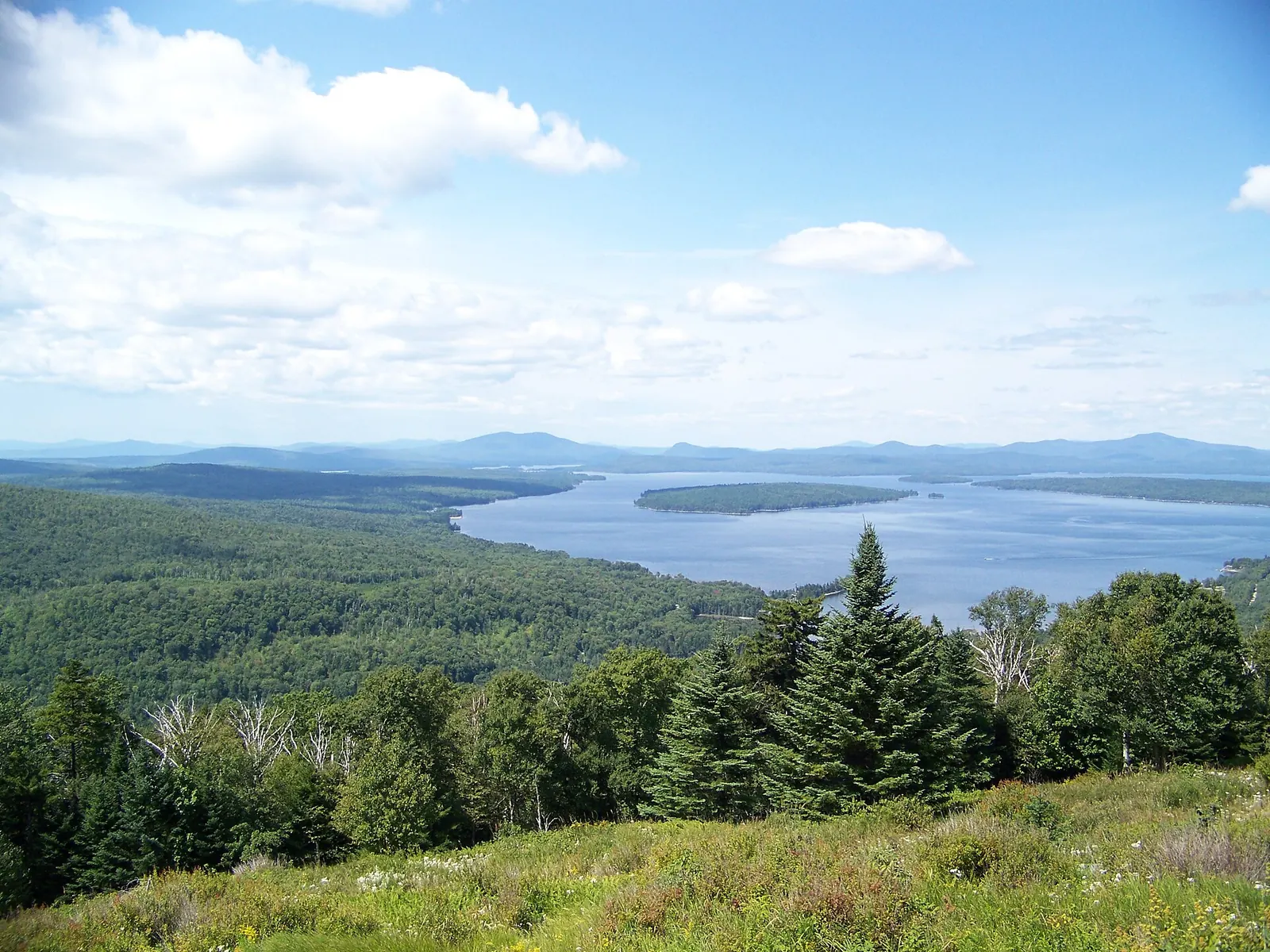
Umbagog Lake is a 7,850-acre wilderness lake that straddles the Maine-New Hampshire border, with roughly 30% of its area in Maine (Oxford County) and 70% in New Hampshire. The lake sits at the heart of the Umbagog National Wildlife Refuge, which protects over 25,650 acres of wetland, forest, and shoreline. This is one of the wildest and most biologically rich lakes in the Northeast.
The name is Abenaki, often translated as “clear water” or “shallow water.” Both descriptions fit. The lake is relatively shallow for its size, with extensive marshy arms and boggy inlets that create prime habitat for moose, nesting loons, bald eagles, mink, otter, and beaver. On a summer morning, paddling the marshy edges, you are more likely to see a moose than another person.
The Maine side of the lake is accessed through the town of Upton, a tiny settlement on Route 26. The New Hampshire side, near Errol, has more infrastructure. Between the two states, you are looking at one of the last truly wild lakes within a day’s drive of Boston.
On the Water
Multiple boat launches serve the lake. On the Maine side, access from the Upton area puts you on the southeastern arm. On the New Hampshire side, launches near Errol provide access to the wider northern basin. All launches are free.
Umbagog is a paddler’s lake. The marshy arms, boggy coves, and meandering inlets are best explored by kayak or canoe, moving slowly and watching for wildlife. The Magalloway River enters from the north, and the Rapid River from the east, both offering additional paddling opportunities.
Motorboats are permitted, and some anglers use them to reach distant coves. But the shallow, marshy character of much of the lake favors smaller, quieter craft.
The Magalloway River arm on the north side is the best area for moose sightings. Paddle upriver at dawn or dusk, staying quiet and moving slowly. Moose feed on aquatic vegetation in the shallows, and sightings are common from May through September. Keep a respectful distance.
Fishing
Umbagog Lake holds a variety of fish species. Smallmouth bass are abundant along the rocky sections of shoreline and provide consistent action on light tackle. Chain pickerel patrol the weedy shallows and hit spinnerbaits and live bait.
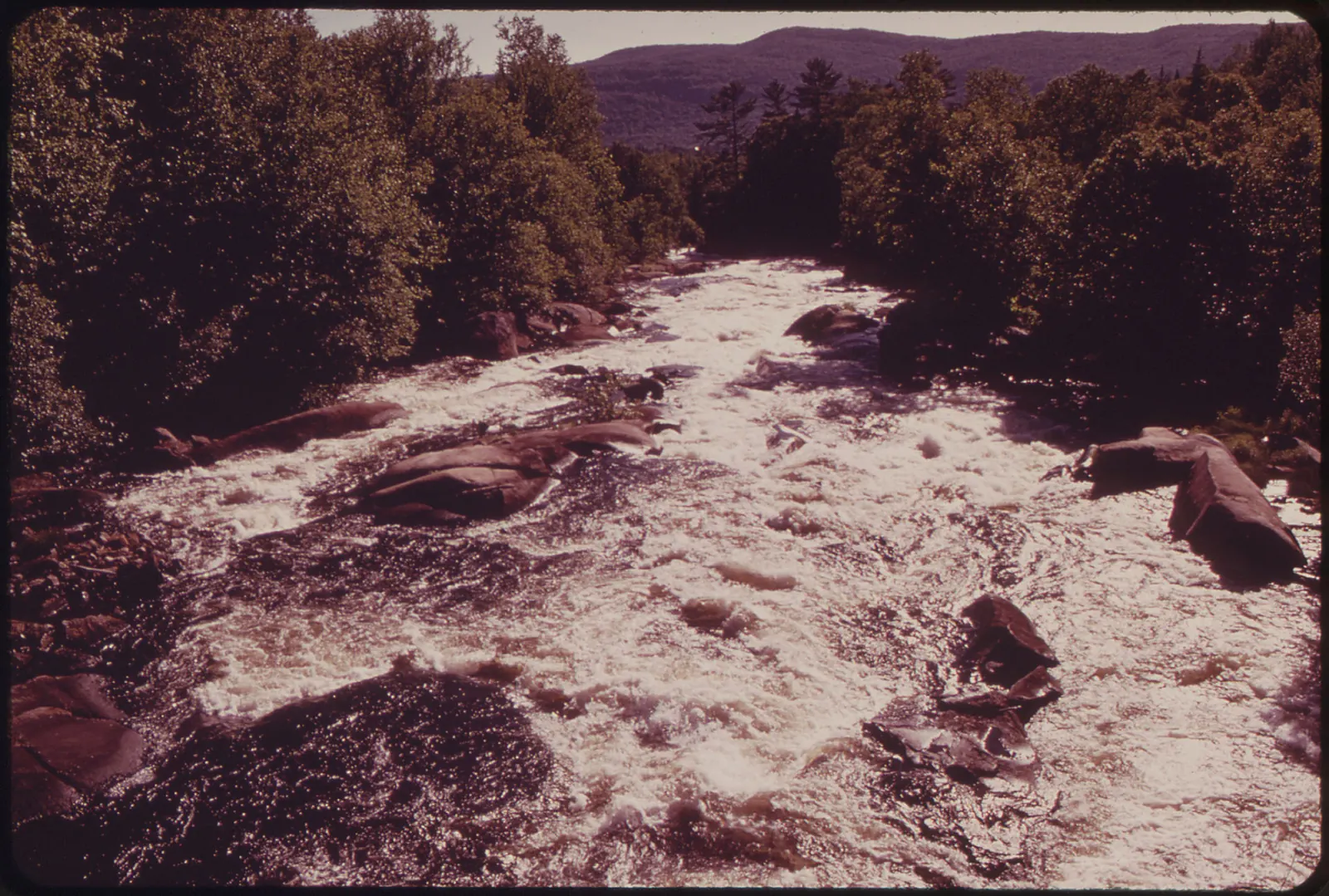
Brook trout are found in the tributary streams, particularly the Rapid River, which is one of the best wild brook trout rivers in the region. The Rapid River has special regulations, including fly fishing only and catch-and-release in some sections.
Landlocked salmon inhabit the deeper water and are targeted by trolling. White perch, yellow perch, and hornpout fill out the warm water roster.
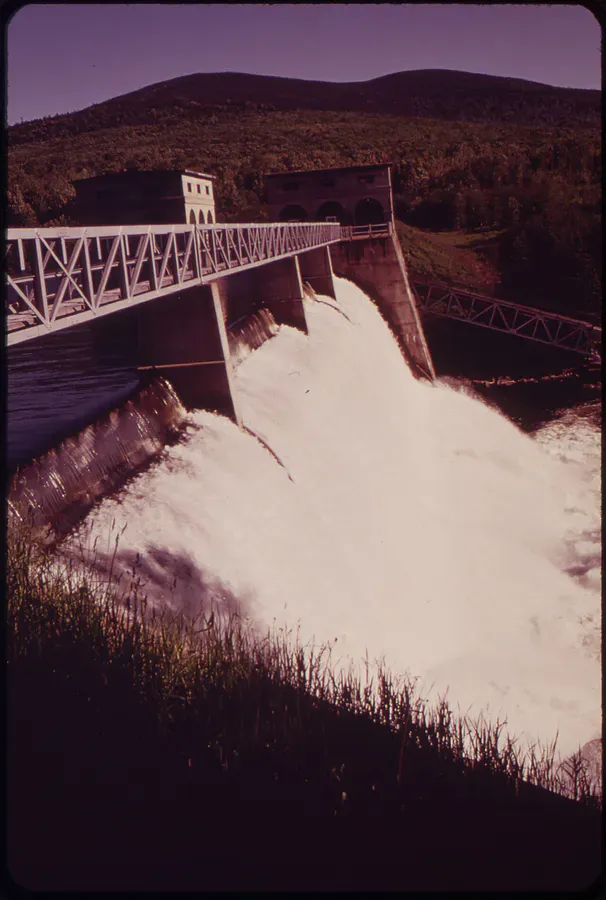
The Rapid River, entering Umbagog from the east through Middle Dam, is legendary among fly anglers for wild brook trout and landlocked salmon. It is a separate destination from the lake itself, but if you are in the area and carry a fly rod, it deserves a visit. Check regulations carefully, as special rules apply.
A fishing license from the state you are in is required. If you cross the state line on the lake, you technically need licenses from both Maine and New Hampshire. Most anglers carry both.
Wildlife
The Umbagog National Wildlife Refuge was established in 1992 to protect nesting habitat for bald eagles and common loons. Today it supports one of the higher concentrations of nesting loons in New Hampshire and hosts multiple bald eagle nesting pairs.
Moose are the most visible large wildlife. The dense population in the uplands around the lake means sightings are frequent, especially at dawn and dusk near the water’s edge. Black bear, bobcat, fisher, marten, white-tailed deer, and river otter are also present.
Birding is exceptional. Warblers, flycatchers, waterfowl, and raptors are abundant during migration and breeding season.
The roads around Umbagog Lake, particularly Route 26 between Upton and Errol, are high-risk areas for moose-vehicle collisions. Drive slowly, especially at dawn and dusk. Moose are dark-colored and difficult to see, and a collision with a moose is extremely dangerous.
When to Go
Spring
Ice-out in May. Loons return. Blackflies are severe through mid-June. Fishing opens up.
Summer
Peak wildlife viewing. Moose in the shallows. Warm enough for paddling all day. Loon chicks on the water.
Fall
Foliage over the western mountains. Moose in rut. Fewer bugs. Nights are cold.
Winter
Ice fishing. Snowmobiling on the corridor trails. Deep cold and short days.
Practical Notes
There is no cell service at Umbagog Lake. None on the water, none at the launches, none along most of the surrounding roads. Plan accordingly. Tell someone your plans.
The lake is dog-friendly in most areas. Check specific wildlife refuge trails for any seasonal restrictions related to nesting birds.
Swimming is possible in the shallows, but the water stays cool (mid-60s in summer) and the bottom is often mucky in the marshy areas. The rocky southern shore offers better swimming spots.
Umbagog Lake Packing List
- Kayak or canoe (essential for the best experience)
- Binoculars (moose, loons, eagles)
- Fishing licenses for Maine AND New Hampshire
- Bug spray and head net (June is the worst)
- Life jackets
- Camera with zoom lens
- Layers (cool mornings, even in summer at 1,200+ feet)
- Full day of food and water
- First aid kit
- Downloaded maps (no cell service)
Getting There
From Portland, take Route 26 North through Norway, South Paris, and Bethel, continuing to Upton. The drive is about 3 hours, scenic and increasingly remote. From Bangor, take Route 2 West to Rumford, then Route 26 North. About 3.5 hours.
Errol, NH, on the north side of the lake, has a general store, gas, and a few lodging options. Bethel, Maine, about an hour south, has full services. Stock up before the final stretch.
FAQ
What is the Umbagog National Wildlife Refuge?
A 25,650-acre federal wildlife refuge surrounding Umbagog Lake, established in 1992 to protect nesting habitat for bald eagles and common loons. It spans both Maine and New Hampshire and is free to visit.
Will I see moose at Umbagog Lake?
Very likely. The area has a dense moose population. The marshy arms of the lake, particularly the Magalloway River inlet, are prime viewing areas. Dawn and dusk are the best times.
Do I need fishing licenses from both states?
If you fish on both the Maine and New Hampshire sides of the lake, yes. The state line runs through the lake, and each state requires its own license.
Is there cell service at Umbagog Lake?
No. There is effectively no cell service at the lake or along the surrounding roads. Plan ahead and bring paper maps.
Can you camp at Umbagog Lake?
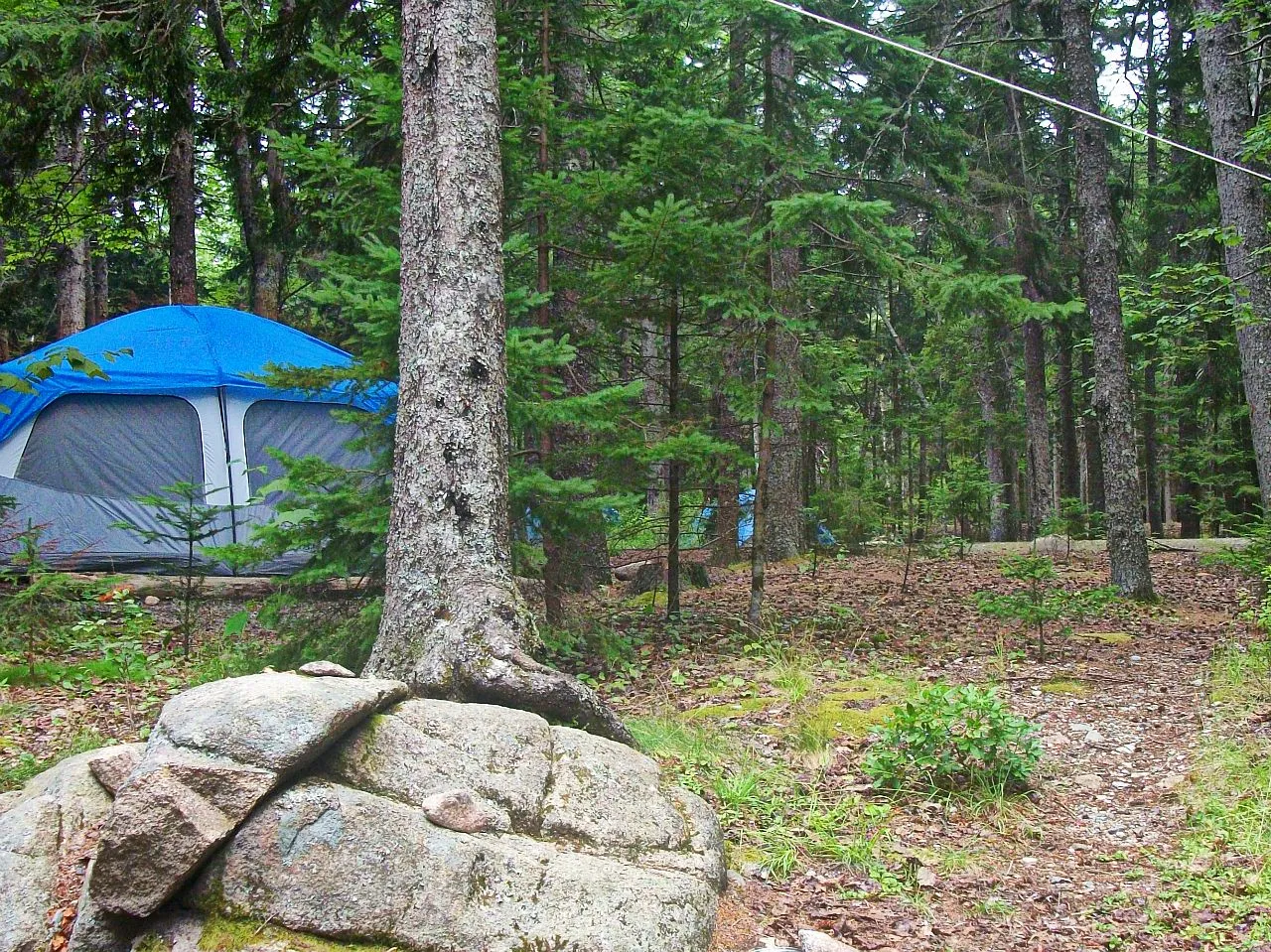
Yes. Remote campsites are available along the lakeshore and within the wildlife refuge, accessible by boat. Some require permits or reservations through the US Fish and Wildlife Service or New Hampshire state parks.