The Bass Capital of Maine
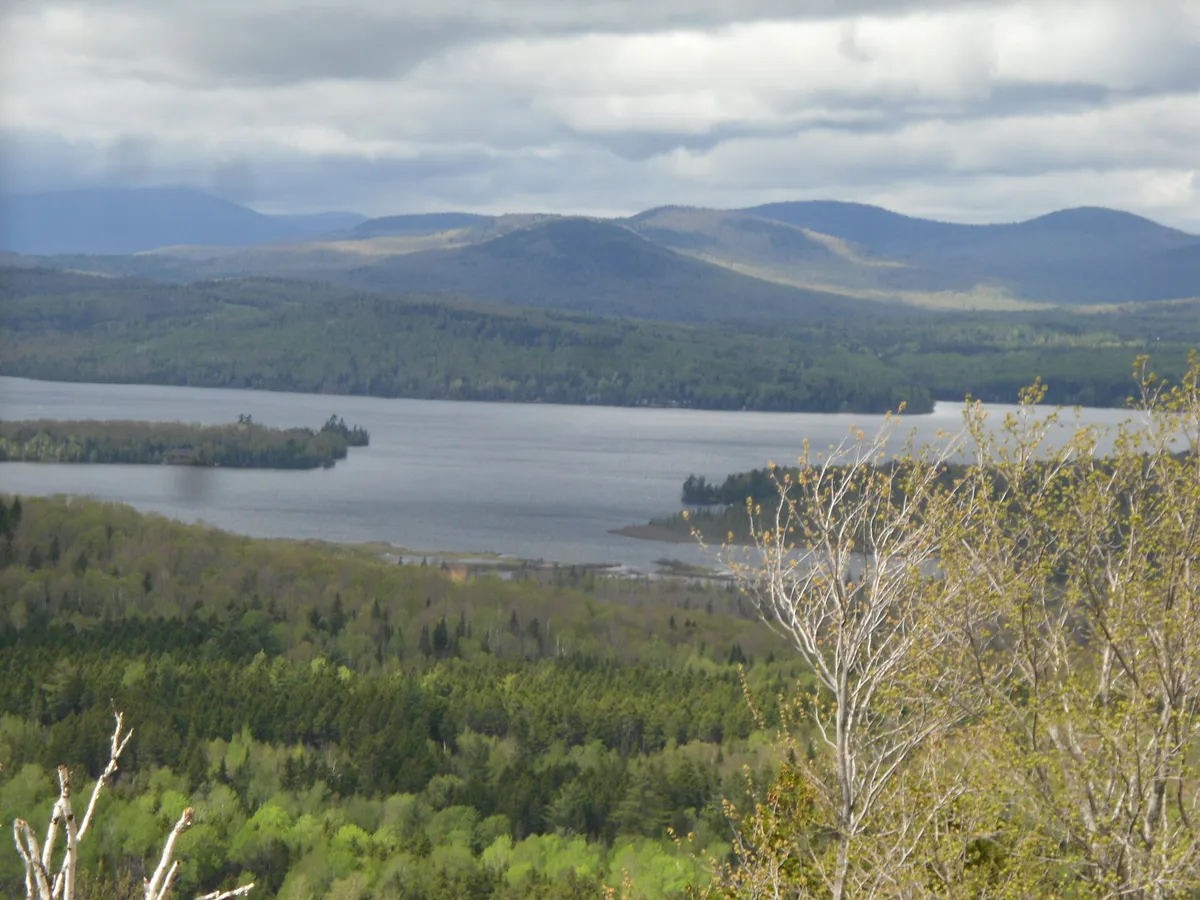
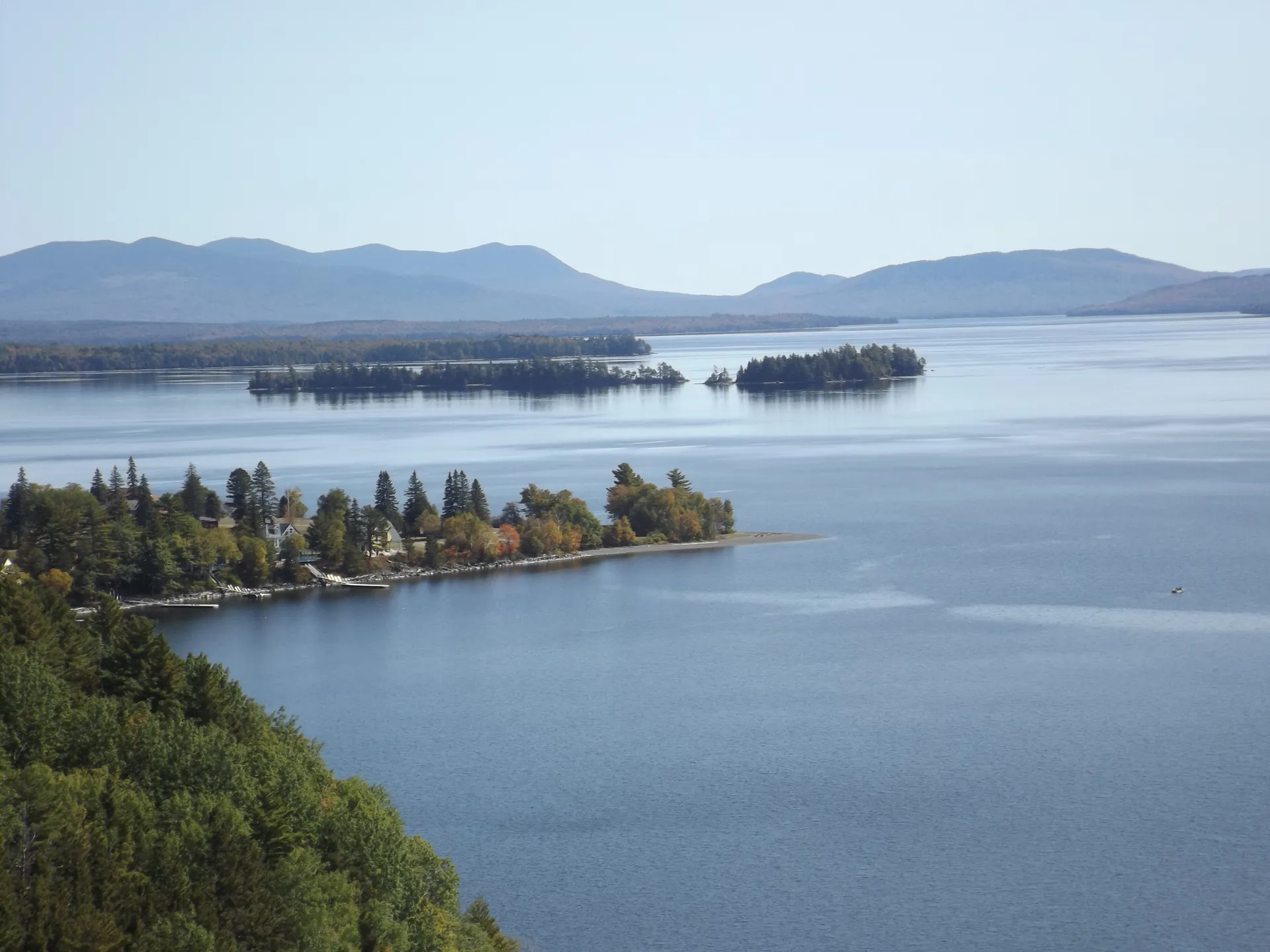
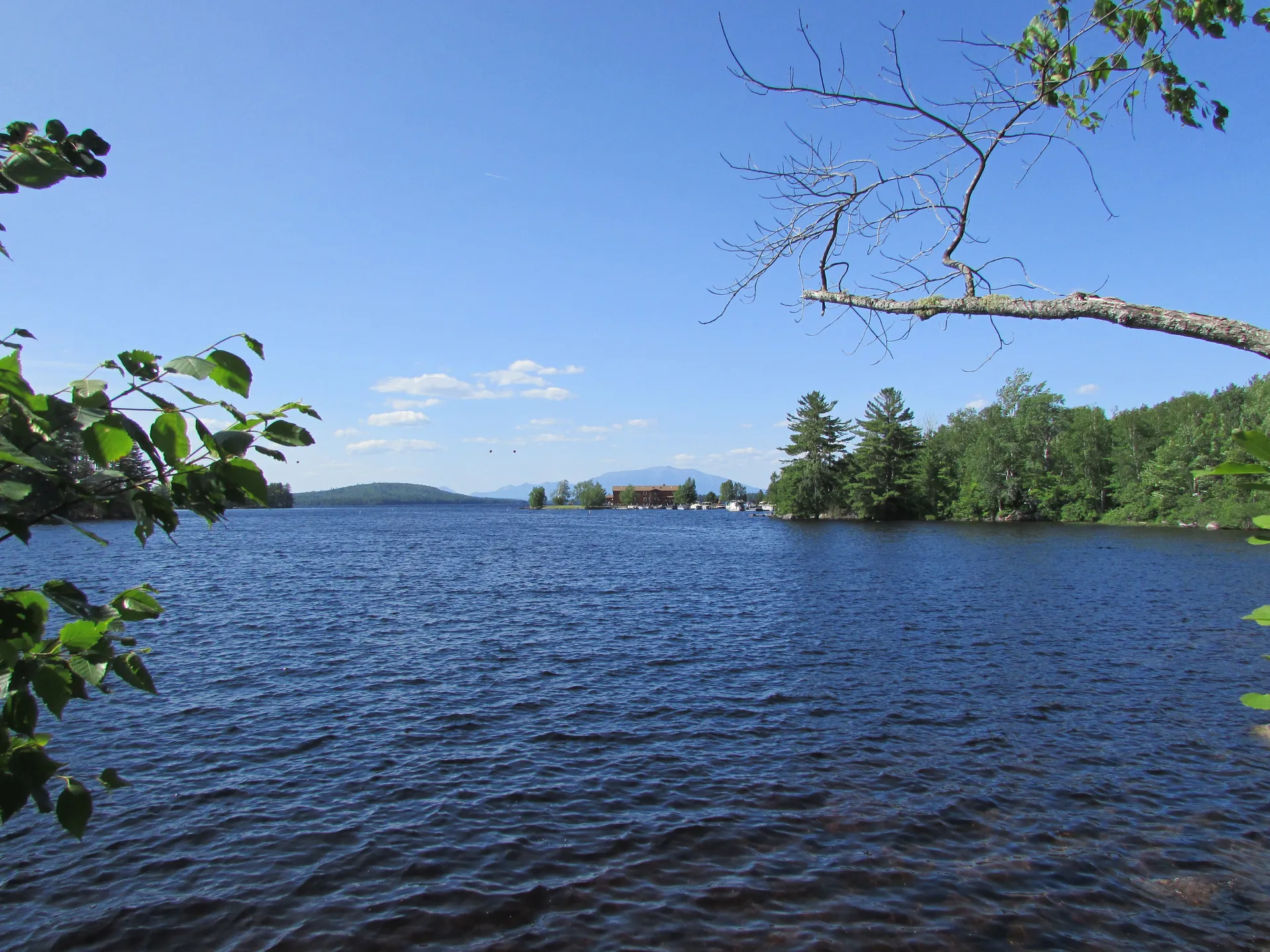
West Grand Lake is 14,340 acres of cold, clear water in the center of downeast Maine’s lake country, and it holds what many anglers consider the finest smallmouth bass fishery in the northeastern United States. The lake sprawls across Washington County’s interior, its shoreline carved into dozens of coves, points, and islands that create an almost infinite variety of bass habitat.
The lake sits at 319 feet of elevation with depths exceeding 100 feet in places. The water is remarkably clean, fed by undeveloped tributaries and the vast forested watershed that surrounds it. That clarity and cold-water foundation support a bass fishery that has been legendary since the late 1800s, when Grand Lake Stream first became known as a sporting destination.
At the south end of West Grand Lake, the water narrows and pours through a natural outlet to become Grand Lake Stream, a short but famous river that flows into Big Lake. The village of Grand Lake Stream, population around 100 year-round, sits along this outlet and serves as the gateway to the lake. This tiny community has an outsized reputation in the fishing world, home to a tradition of registered Maine guides that stretches back more than a century.
Smallmouth Bass Fishing
West Grand Lake is to smallmouth bass what the Miramichi is to Atlantic salmon: a legendary fishery that has defined the species for generations of anglers. The smallmouth here are wild, hard-fighting fish that thrive in the lake’s clean, cold water and rocky structure.
Fish in the two-to-four-pound range are routine. Every season produces smallmouth over five pounds, and the occasional fish pushes past six. But the quality of West Grand Lake fishing is not just about size. It is about the sheer number of big, healthy bass concentrated around the lake’s rocky points, boulder fields, gravel bars, and island drop-offs.
Work the rocky points and island shorelines with crayfish-pattern soft plastics or tube jigs on light tackle. Smallmouth bass on West Grand Lake respond to presentations that match their natural forage. A 1/4-ounce tube jig in brown or green pumpkin, hopped slowly along the bottom in 8-15 feet of water, is as close to a sure thing as bass fishing gets.
Fly fishing for smallmouth is outstanding. Weighted Clouser Minnows, Woolly Buggers, and crayfish patterns on a 6-weight rod produce explosive strikes, particularly in early morning and evening. Topwater action with poppers and Gurglers heats up in July and August when surface temperatures warm enough to push bass shallow.
West Grand Lake also holds landlocked salmon, lake trout, and white perch, adding variety for anglers who want to target multiple species. A Maine fishing license is required for anyone 16 and older.
Grand Lake Stream Village
Grand Lake Stream is one of those places that fishing built. The village grew up around the outlet stream and the sporting camp tradition, and today it remains a small, tight community of year-round residents, seasonal visitors, and registered guides who know these waters like most people know their neighborhood.
The village has a general store, a few lodging options ranging from sporting camps to rental cabins, and a community energy that revolves around the outdoors. The Grand Lake Stream Guides Association hosts the annual Folk Art Festival each July, drawing hundreds of visitors for a weekend of outdoor demonstrations, craft vendors, and community gathering.
Hire a registered Maine guide for at least one day on the lake. The guides in Grand Lake Stream have fished these waters their entire lives and know which points, reefs, and coves are producing on any given day. A guided day will accelerate your learning curve dramatically, and the stories are worth the price on their own.
Paddling West Grand Lake
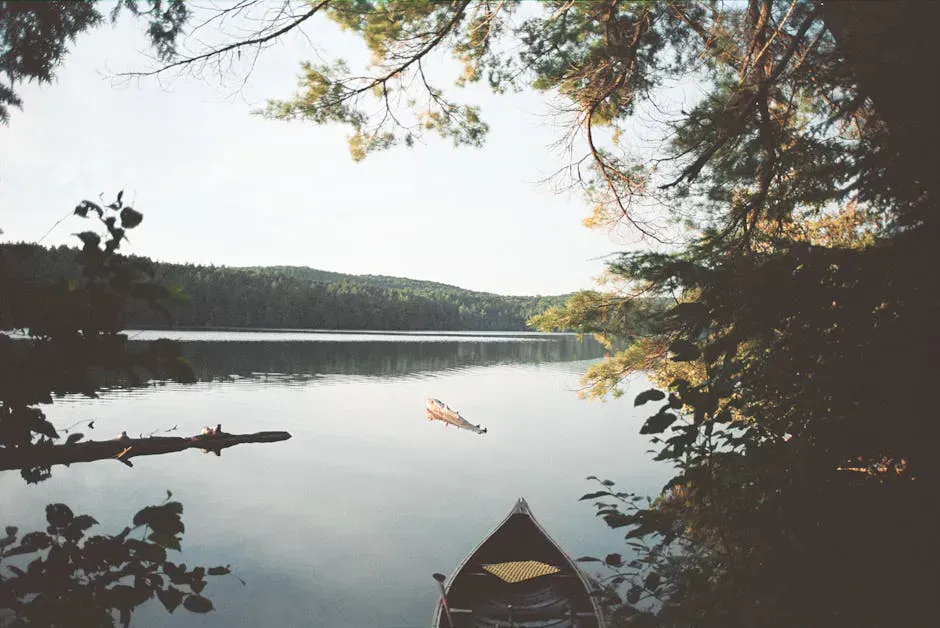
Beyond fishing, West Grand Lake is a superb paddling destination. The lake’s size means multi-day canoe and kayak trips are possible, with camping on islands and remote shoreline sites. The water is clean enough to drink with treatment, and the sense of wilderness is real despite the relative accessibility.
The lake connects to a network of other waters, Big Lake, Long Lake, and the West Branch chain. That allows paddlers to extend trips for a week or more. The traditional Grand Lake canoe, a wide, stable craft designed for these waters, was developed here and is still built by local craftspeople.
West Grand Lake can build large waves quickly when the wind picks up. The lake’s open stretches are exposed, and a calm morning can turn into whitecapped chop by early afternoon. Stay close to shore when conditions are uncertain, carry safety gear, and be prepared to wait out wind on an island or point.
Wildlife
The West Grand Lake watershed supports the full suite of Maine’s North Woods wildlife. Bald eagles nest along the shoreline and are seen daily during summer months. Loons are abundant, with multiple nesting pairs on the lake. Osprey dive for fish over the shallows. Moose feed in the boggy coves, black bears forage along the forest edge, and river otters play along the rocky shoreline.
The lake’s islands are important nesting habitat for loons and eagles. Paddlers should keep a respectful distance from nesting sites, especially during the spring and early summer nesting season.
Planning Your Visit
Spring
Ice-out mid to late April. Salmon fishing is immediately productive. Smallmouth become active by mid-May. Blackflies peak late May through June.
Summer
Peak smallmouth bass fishing June through August. Warm enough for swimming. Topwater action heats up in July. Longest days. Folk Art Festival in July.
Fall
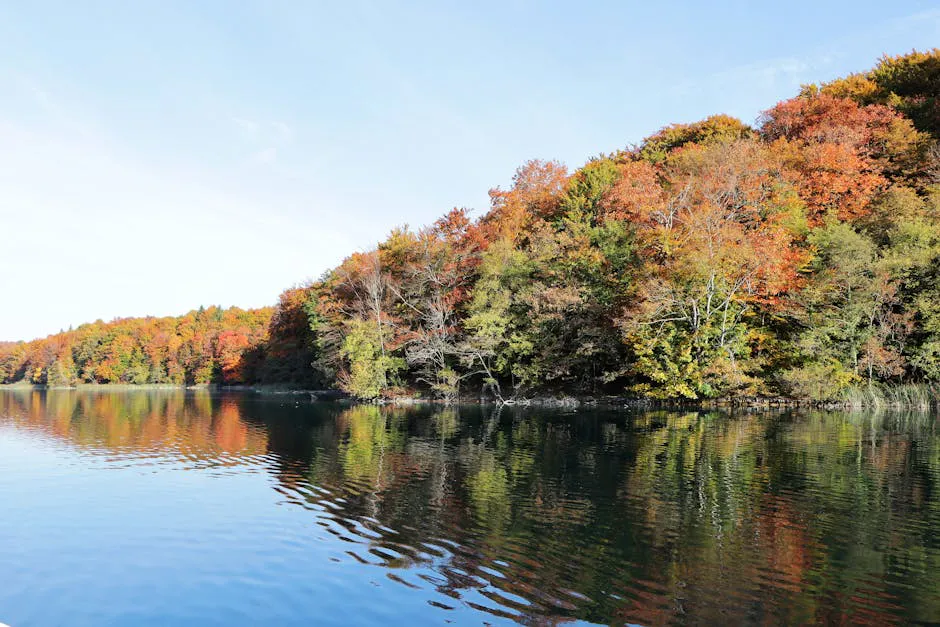
Bass fishing remains strong through September. Foliage peaks late September. Cooler temperatures. Far fewer visitors. Salmon active again.
Winter
Ice fishing for lake trout and salmon. Quiet, cold, remote. Most seasonal services closed. Snowmobile access to the lake.
West Grand Lake Trip Packing List
- Fishing gear: spinning rod with light line, or 6-weight fly rod
- Tube jigs, crayfish plastics, Clouser Minnows, poppers
- Maine fishing license (required for age 16+)
- Canoe, kayak, or boat with motor
- PFDs and safety gear (big lake with open-water exposure)
- Sunscreen and hat
- Bug spray (essential May through August)
- Camera for eagles, loons, and scenery
- Cooler and ice
- Rain gear (weather changes fast on open water)
Getting There
From Bangor, take Route 9 east (the Airline) to Route 1 south at Calais, then take Route 1 south briefly before turning west toward Grand Lake Stream. The drive is about 2 hours and 20 minutes. From Portland, the drive is approximately 4 hours and 40 minutes via I-95 north to Bangor and then east on Route 9. From Calais, Grand Lake Stream is about 30 minutes west.
Cell service is spotty in the Grand Lake Stream area. Verizon has limited coverage in the village; other carriers are unreliable. Download maps and directions before arrival.
FAQ
What makes West Grand Lake's smallmouth bass fishing so good?
The combination of cold, clean water, abundant rocky structure, and minimal development creates ideal smallmouth habitat. The bass population is healthy and self-sustaining, with fish commonly reaching two to four pounds and occasional fish exceeding five pounds.
Where is the boat launch on West Grand Lake?
A public boat launch is available in the village of Grand Lake Stream. Additional access points exist at other locations around the lake. The main launch can accommodate trailered boats.
Is there lodging in Grand Lake Stream?
Yes. Several sporting camps, rental cabins, and small lodges operate in and around the village. Options range from rustic to comfortable. The nearest chain hotels are in Calais, about 30 minutes away.
Can I paddle across West Grand Lake?
Yes, but plan carefully. At 14,340 acres, the lake has significant open-water crossings that are exposed to wind and waves. Experienced paddlers can handle it, but beginners should stay close to shore and island-hop.
What other fish are in West Grand Lake?
In addition to smallmouth bass, the lake holds landlocked salmon, lake trout (togue), and white perch. The salmon and togue fishery adds variety, especially in spring and fall.