Lakes and Forest Northeast of Bangor
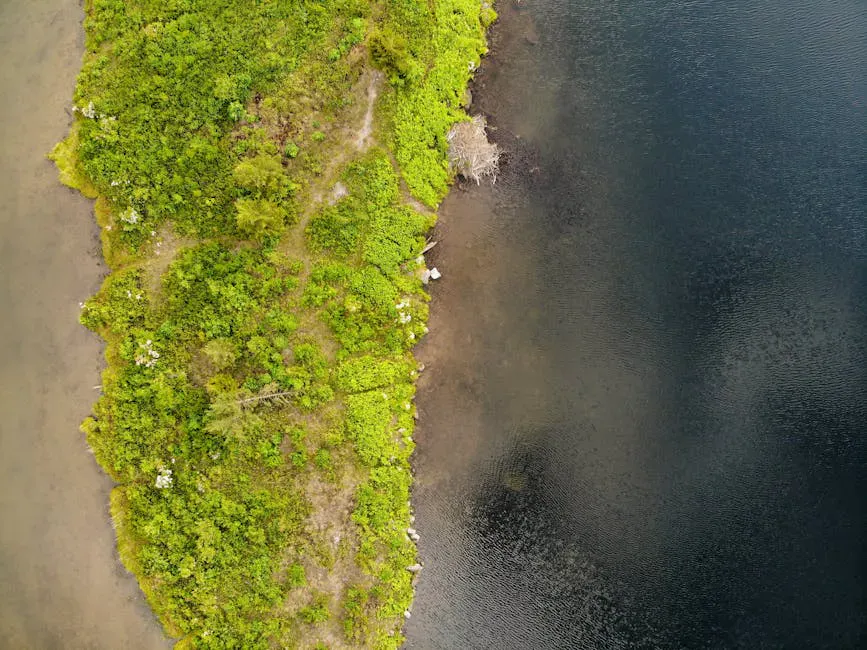
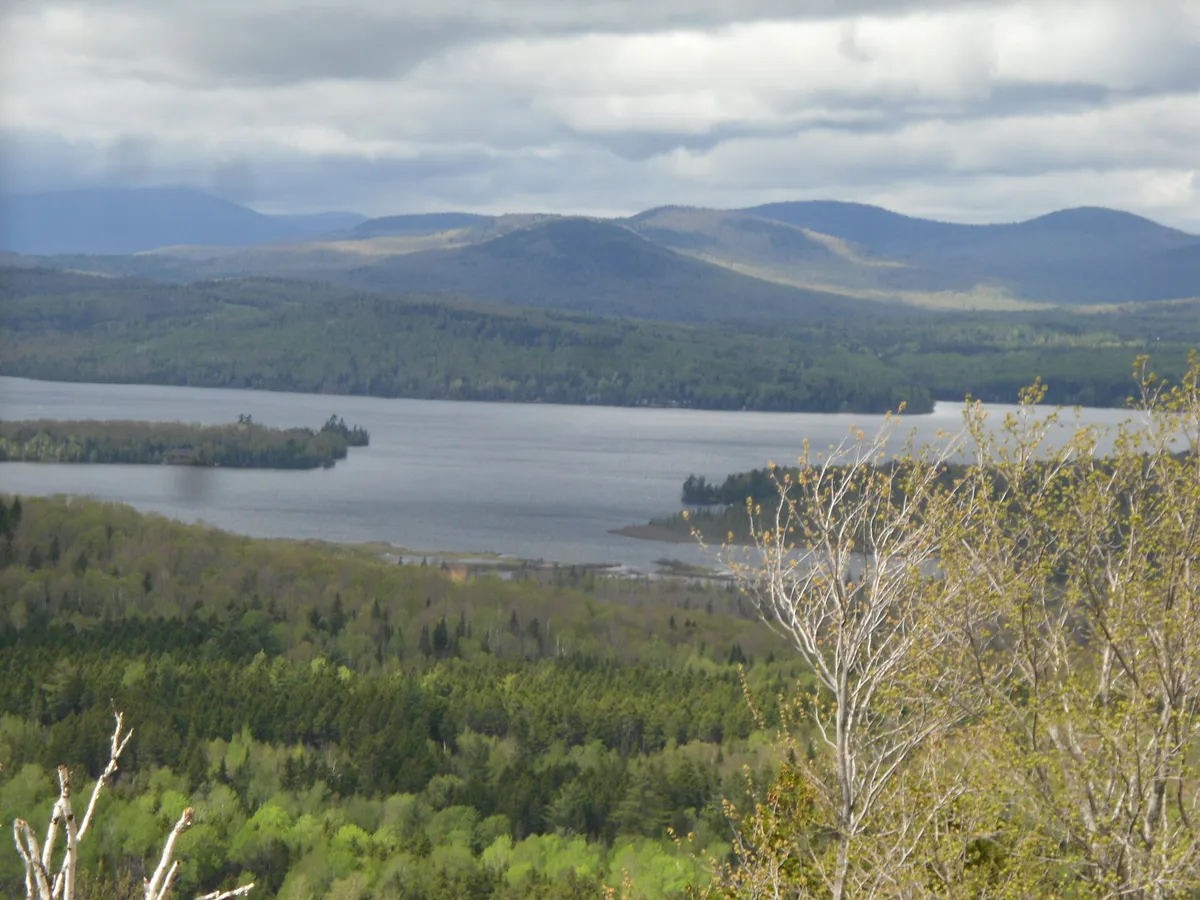
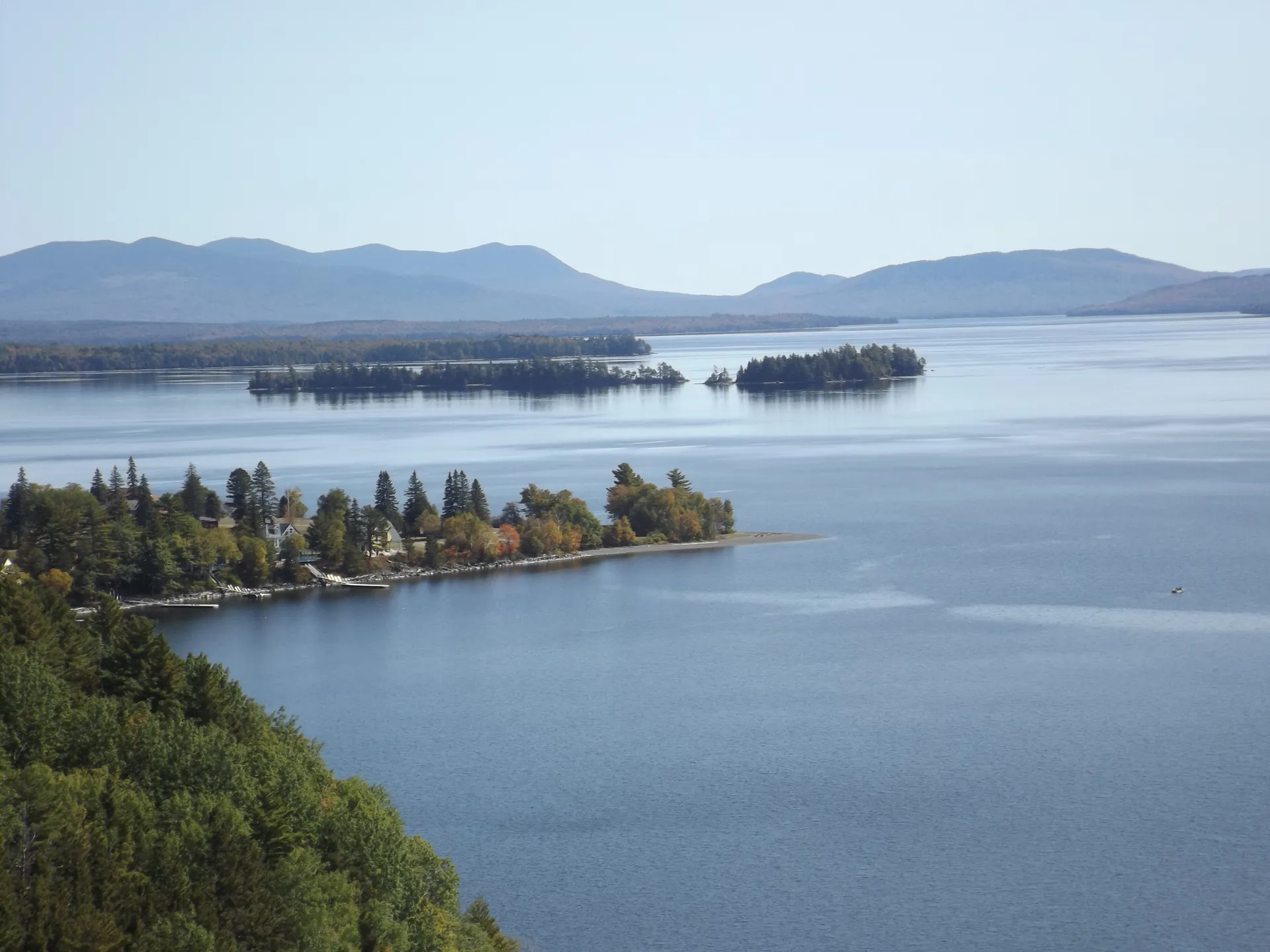
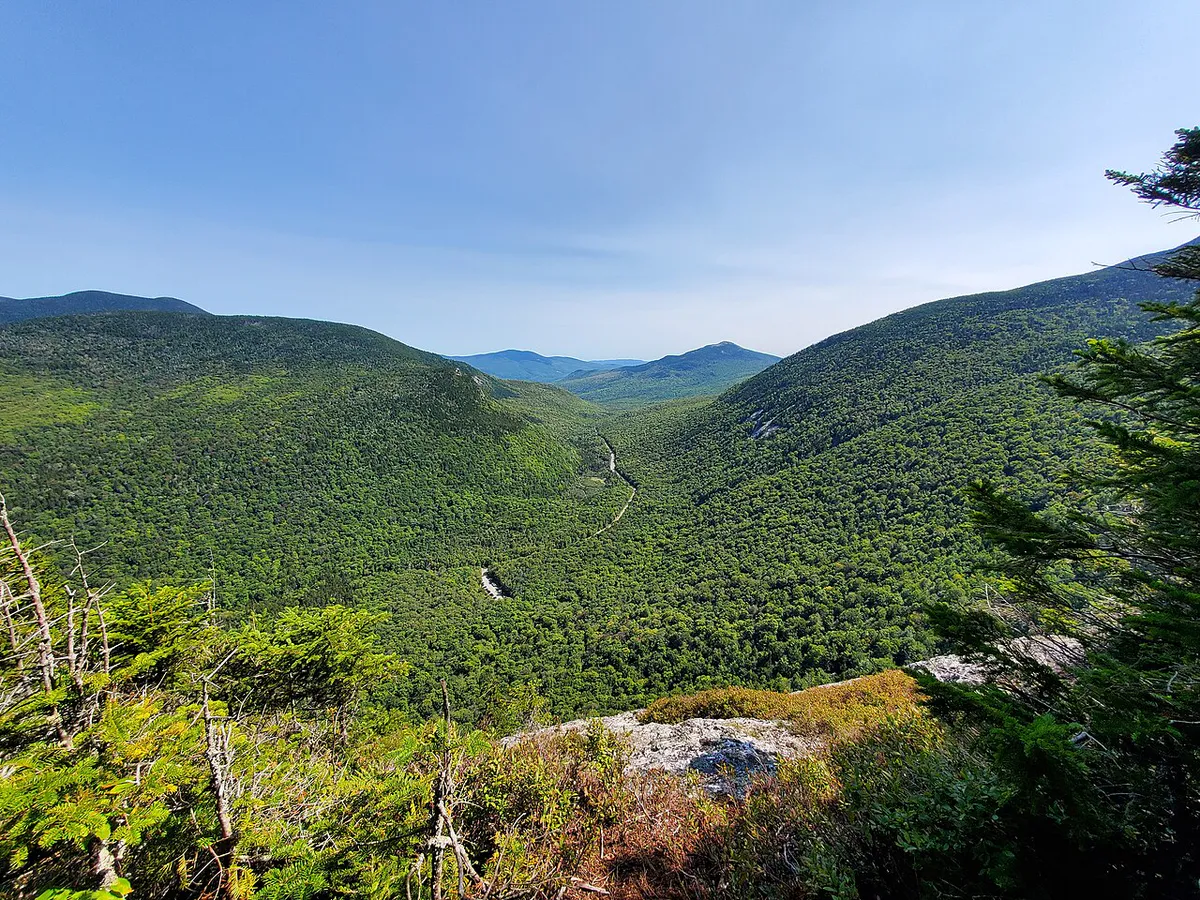
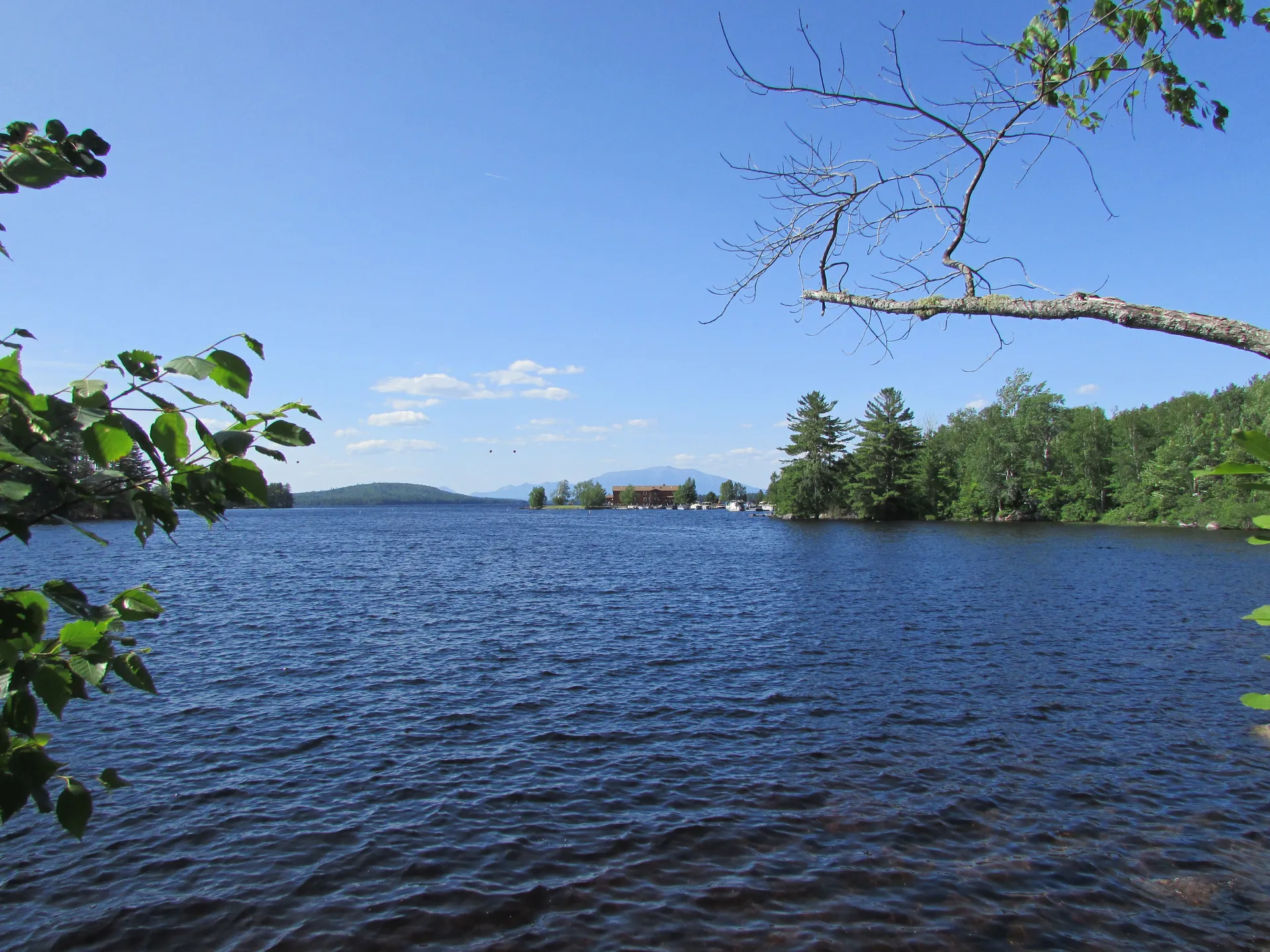
Duck Lake Public Reserved Land sits in northern Hancock County, roughly 70 miles northeast of Bangor, and covers about 27,000 acres of gently rolling forest threaded with lakes, streams, and wetlands. The Maine Bureau of Parks and Lands keeps it deliberately undeveloped. The facilities here are primitive, the roads are gravel, and the whole point is self-reliance in a semi-remote setting that holds nearly all 200 of Maine’s native wildlife species.
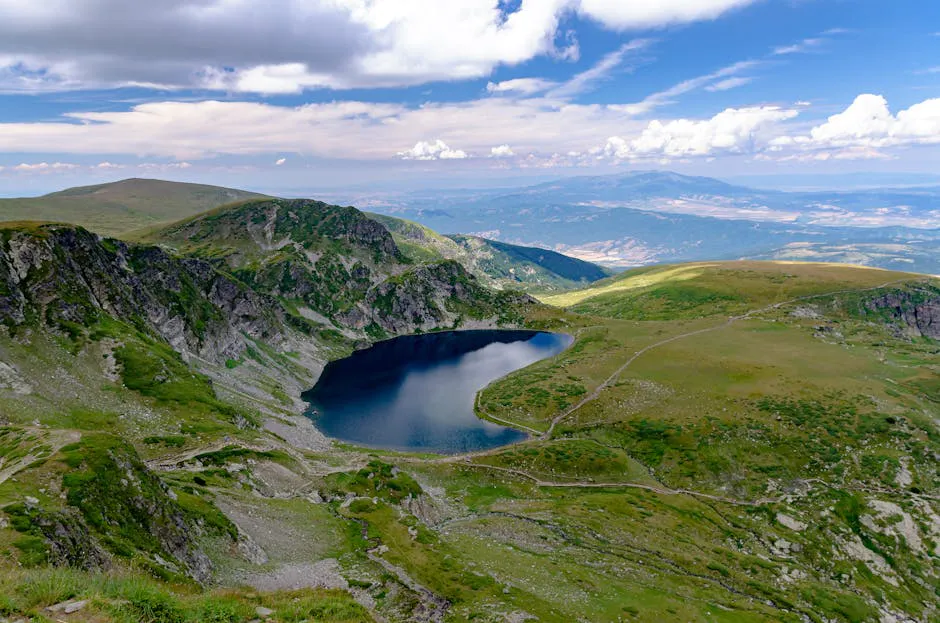
The water defines the place. Duck Lake itself anchors the unit, along with Gassabias Lake, Fourth and Fifth Machias Lakes, Nicatous Lake, and a string of smaller waters known as the Unknown Lakes. The eastern side holds the Duck Lake Ecological Reserve, nearly 6,000 acres set aside for scientific study and low-impact use, with important loon and Atlantic salmon habitat and zoned deer wintering areas. This is Wabanaki homeland, and the lakes carry that long history.
Paddling and Fishing
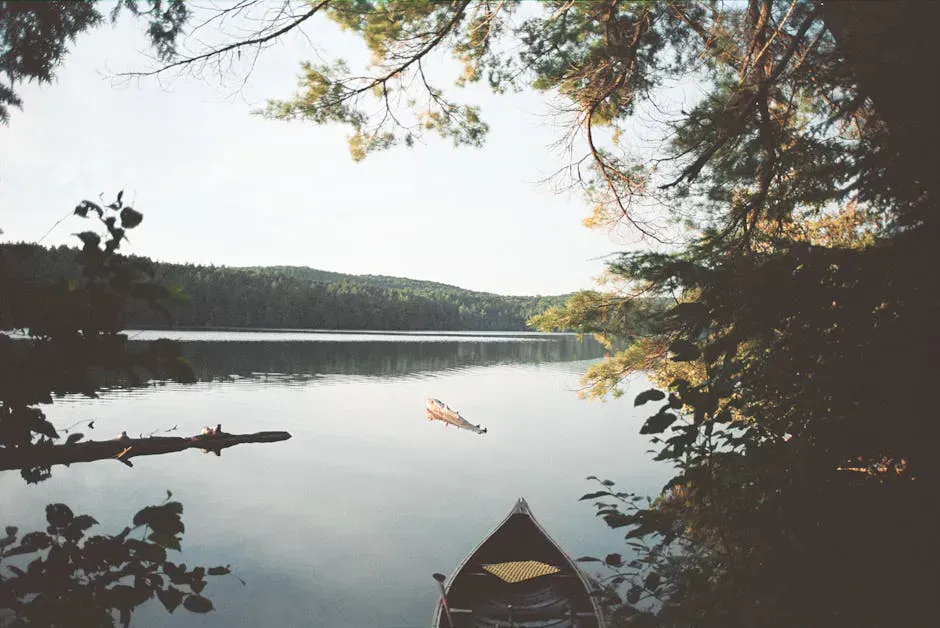
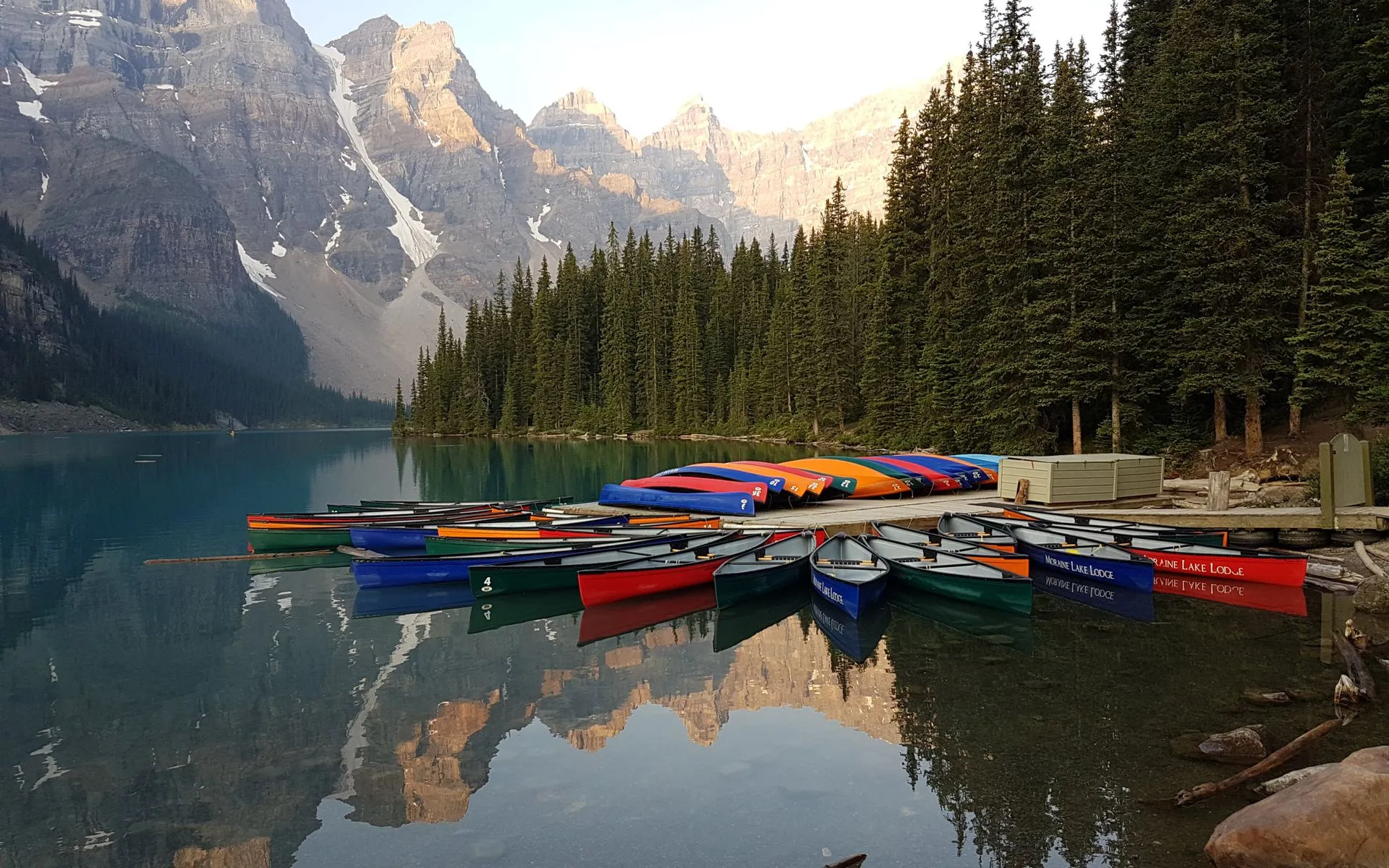
Canoes and kayaks are the natural way to travel here. Small trailered boats launch at gravel ramps on Duck and Nicatous Lakes, where you should watch for big boulders near the Duck Lake launch at low water. Hand-carry craft go in at Middle and Lower Unknown Lakes and at Gassabias Lake. Hardy canoeists pass through the unit on the Eastern Maine Canoe Trip and the Machias River route.
The fishing splits between warm and cold water. Anglers find bass, pickerel, and perch in Gassabias, Fourth Machias, and the Unknown Lakes; landlocked salmon and brook trout in Duck Lake, which is unusual for this part of Maine; and bass, perch, and brown trout in Nicatous Lake. Use lead-free sinkers and jigs to keep lead out of the loons and eagles. Families with kids often hike the half-mile trail to Upper Unknown Lake to picnic on a sandy beach and fish for pickerel.
#1Mid-range
Pflueger President Spinning Combo
Who it’s forReliable all-around spinning setup
Why we picked itButtery smooth drag system
Pros
- Lightweight graphite body
- Corrosion-resistant construction
- Excellent value for the performance
Know before you buy
- Cork handle can degrade over time
- Line included is basic
Camping
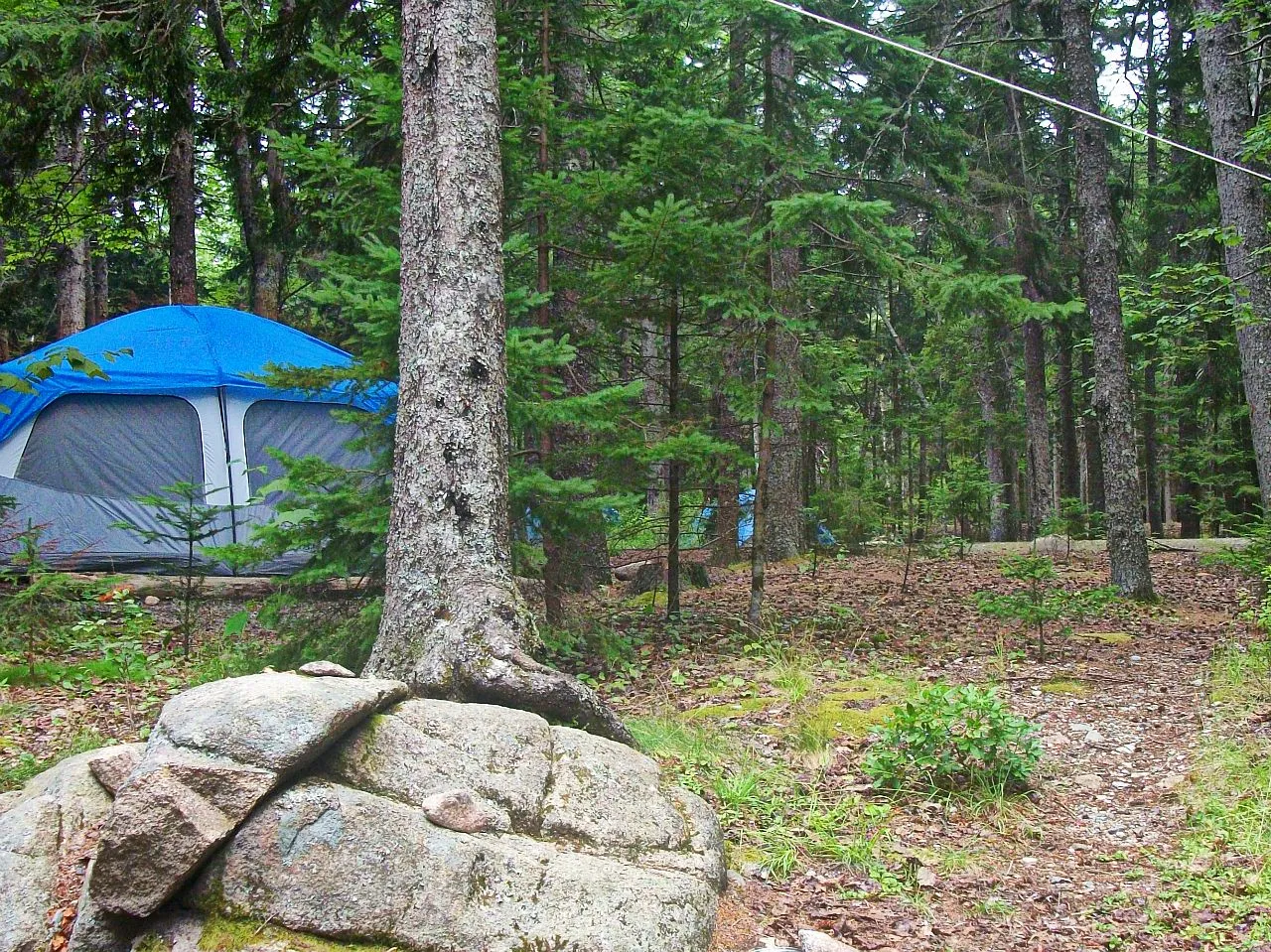
All campsites are first-come, first-served with no fees and no permits, and each has a table, fire ring, and nearby pit toilet. Drive-to sites sit at Longfellow Cove on Duck Lake, on the spit between Middle and Lower Unknown Lakes, and on the south shore of Gassabias Lake; many of these take small self-contained RVs. You can hike in to more remote sites on Upper Unknown Lake, and boat-in sites are on Duck, Nicatous, and Fourth Machias Lakes. Camp only at marked sites, keep stays under 14 days in any 45-day period, and carry out all trash.
This is bear and moose country, and food must be stowed securely and kept out of your tent. Kindle fires only in authorized rings; you may camp at unmarked spots, but you may not build a fire there. Cell phones are unreliable, so do not plan on a working phone in an emergency.
Getting There
Access is all over rough private gravel roads, and there is no single easy route. From the west, the unit is reached off an extension of Route 188 out of Burlington, following Main Road east to the Nicatous Road. Other approaches come off the Stud Mill Road from the south and east. The roads near Springfield and Grand Lake Stream often stay impassable by car until mid-summer because of mud and washouts, so the realistic season is summer into fall.
Treat these as working logging roads. Trucks have the right of way regardless of direction, so pull over and stop for them, avoid lanes too narrow for two vehicles, and never block a side road. Travel slowly, carry a full-size spare tire, and check the Bureau’s ice-out listing before any shoulder-season trip.
When to Visit
Spring
Snow and ice linger, and mud season often keeps the access roads closed to cars until summer. Check ice-out before going.
Summer
The main season. Warm and cold-water fishing, paddling, swimming, and the most reliable road access.
Fall
Cool air and foliage, with some hunting for moose, deer, and grouse. Wear blaze orange in season.
Winter
Roads are not plowed. Most visitors arrive by snowmobile on ITS 84 to ice fish.
Plan on summer. Even in a normal year the roads in from Springfield and Grand Lake Stream may not be passable by car until the ground dries out.
Packing List
Duck Lake Backcountry Trip
- Canoe or kayak with PFDs
- Tent, sleeping bag, and bear-proof food storage
- Maine fishing license and lead-free tackle
- Full-size spare tire and basic tools
- Heavy bug protection
- Water filter or plenty of drinking water
- Paper map; cell service is none
- Blaze orange in hunting season
FAQ
Do I need a permit or reservation to camp?
No. Every campsite is first-come, first-served with no fees and no permits. Each has a table, fire ring, and a nearby pit toilet.
How remote is Duck Lake Public Reserved Land?
Very. It is about 70 miles northeast of Bangor, reached only over private gravel logging roads, with no cell coverage and primitive facilities. Plan to be self-reliant.
When can I drive in?
Summer into fall is the safe window. The access roads near Springfield and Grand Lake Stream are often impassable by car until mid-summer because of mud and washouts, and they are not plowed in winter.
What can I catch here?
Bass, pickerel, and perch in Gassabias, Fourth Machias, and the Unknown Lakes; landlocked salmon and brook trout in Duck Lake; and bass, perch, and brown trout in Nicatous Lake.
Can I bring an RV?
Small self-contained RVs work at several drive-to sites, including Longfellow Cove and the Gassabias Lake shore, but there are no hookups and the roads in are rough.
For more remote Downeast water, see nearby Sysladobsis Lake or the backcountry route through the Machias River Corridor.