
The Wild Heart of the West Branch Chain
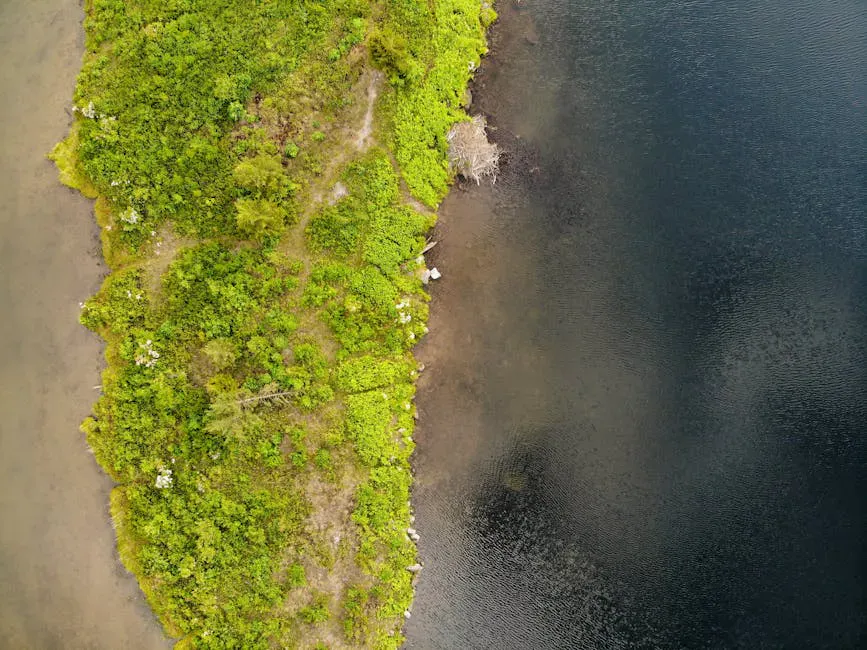
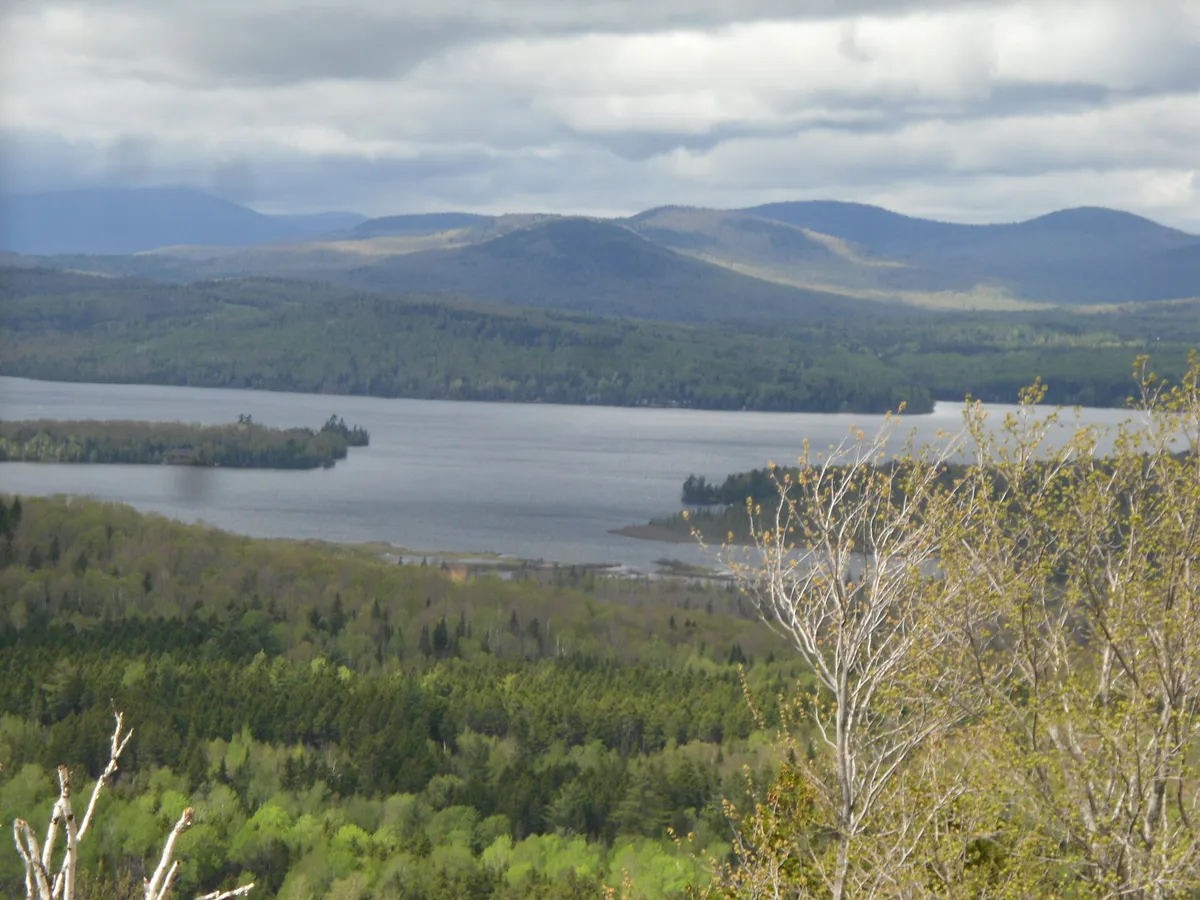
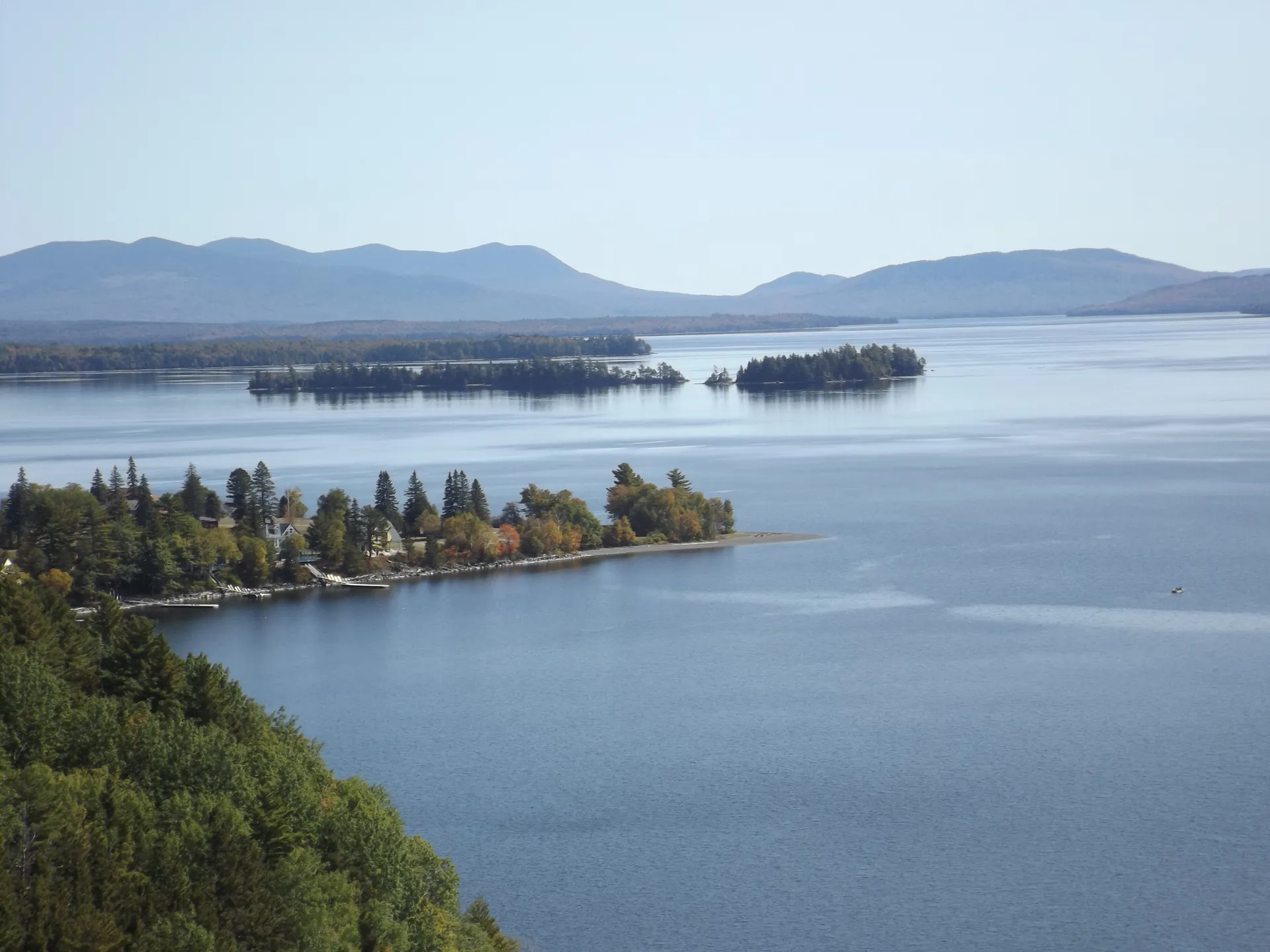
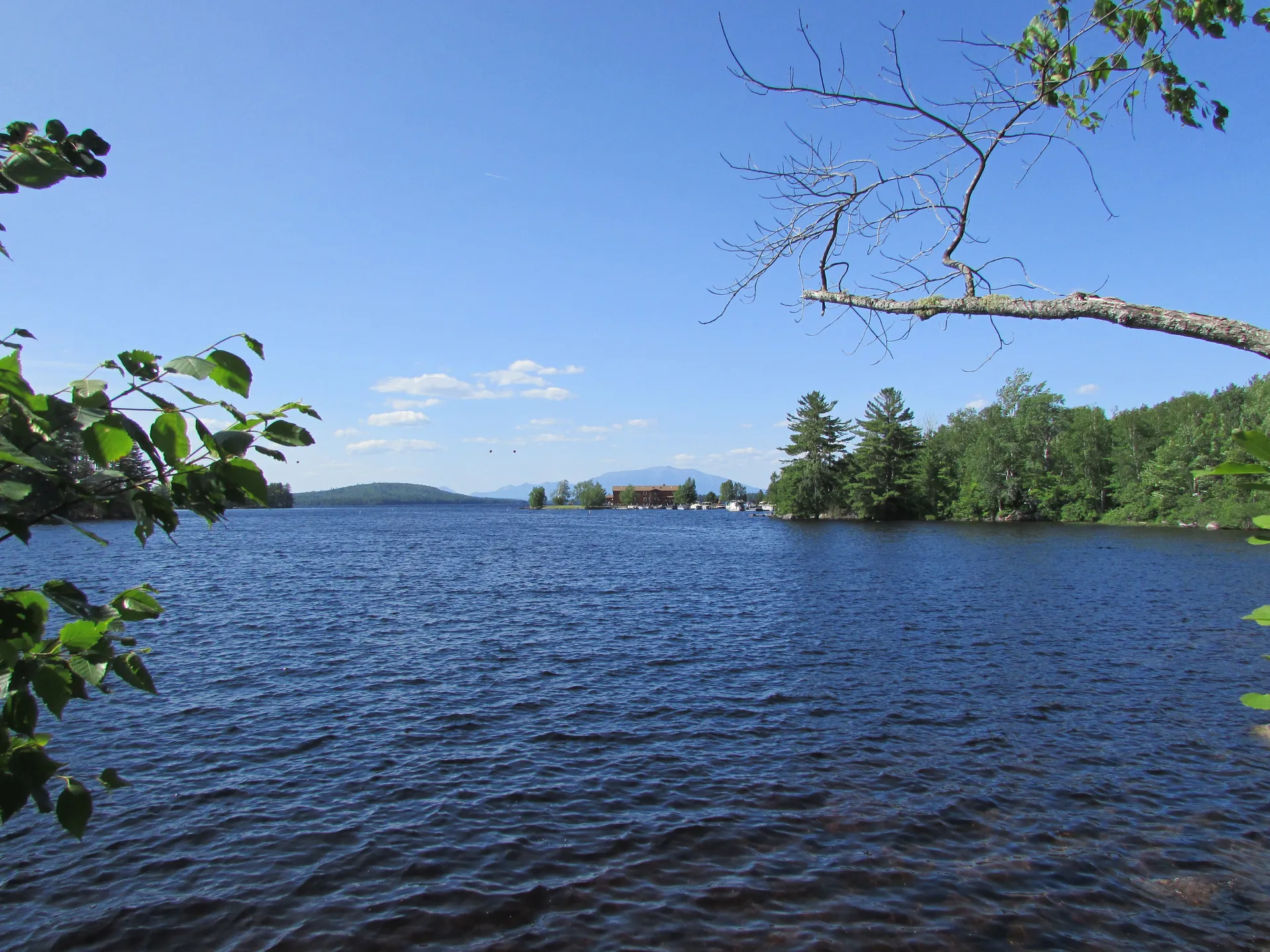
Sysladobsis Lake, pronounced roughly “siz-la-DOB-sis” by the locals who bother to say it at all, and often shortened to simply “Dobsis”, sprawls across the unorganized territory of T5R1 NBPP in Washington County’s interior. The lake covers roughly 5,000 acres and forms a central link in the West Branch chain, a connected series of lakes and streams that drains through the downeast backcountry into the St. Croix River watershed.
This is remote water. No paved roads reach the shoreline. No towns or villages sit along the lake. The access is via gravel roads through commercial timberland, and once you reach the shore, the only signs of human presence are a few seasonal camps, a rough boat launch, and the occasional angler or paddler making their way along the shoreline. What you get in return for the effort is one of the most pristine lake experiences remaining in the eastern United States.
The name is Passamaquoddy in origin, reflecting the deep history of indigenous use of these waterways. The West Branch chain has been a travel corridor for thousands of years, and paddling Sysladobsis today follows routes that predate European settlement by millennia.
Fishing Sysladobsis Lake
The lake supports a healthy population of smallmouth bass, landlocked salmon, white perch, and chain pickerel. The smallmouth fishing is strong, benefiting from the same clean, cold water and rocky structure that makes the entire West Branch chain productive for bass. Fish in the two-to-three-pound range are common, with larger specimens available to anglers who work the deeper structure.
Landlocked salmon hold in the cooler, deeper sections of the lake and provide exciting spring and fall fishing. Trolling streamer flies after ice-out is a time-tested approach, and fly fishers find willing fish near tributary inlets when salmon stack up during spring and fall migrations.
Explore the thoroughfares. The connecting streams and narrows between Sysladobsis and adjacent lakes in the chain concentrate fish, especially during spring and fall when water temperatures are changing. Bass and salmon move through these corridors, and fishing a thoroughfare can produce fast action when the main lake is slow.
A Maine fishing license is required for anyone 16 and older. Check current regulations for any special rules on the West Branch chain waters.
Paddling the West Branch Chain
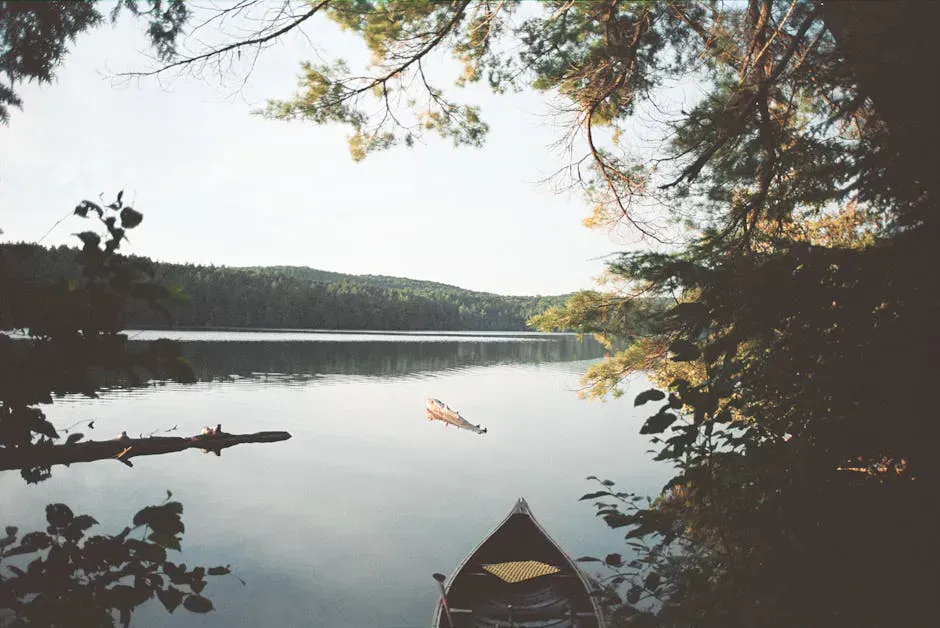
Sysladobsis Lake is a keystone of one of downeast Maine’s great paddling routes. The West Branch chain offers days of connected paddling through a series of lakes, thoroughfares, and short portages that string together into a wilderness trip rivaling anything in the North Maine Woods.
From Sysladobsis, paddlers can work north through Pocumcus Lake and Junior Lake, or south toward West Grand Lake and Big Lake. The thoroughfares between lakes are navigable by canoe and kayak at normal water levels, though some may require wading or short carries during dry spells.
The paddling is flatwater and suitable for intermediate paddlers, but the remoteness and exposure demand preparation. Wind can build significant waves on the open sections of Sysladobsis, and the distance from help means you need to be self-sufficient.
Sysladobsis Lake is exposed and remote. Wind can turn the lake from calm to dangerous in under an hour. Always carry safety gear, stay close to shore when conditions are questionable, and be prepared to wait out weather. There is no cell service for calling help.
Bald Eagle Nesting
Sysladobsis Lake is one of the important bald eagle nesting sites in downeast Maine. Multiple active nests are located along the shoreline, typically in large white pines near the water’s edge. Eagles are a constant presence on the lake from April through October, and watching a bald eagle swoop down to pluck a fish from the surface is a regular occurrence here.
During nesting season (March through August), keep a respectful distance from nest trees. Eagles will abandon nests if repeatedly disturbed. A 300-foot buffer from active nests is the recommended minimum. Use binoculars or a telephoto lens to observe from a distance.
Early morning is the best time for eagle watching on Sysladobsis. The birds are most active in the first two hours of daylight, hunting fish in the calm water before the wind picks up. Paddle quietly along the shoreline and scan the tops of the tallest pines.
Camping
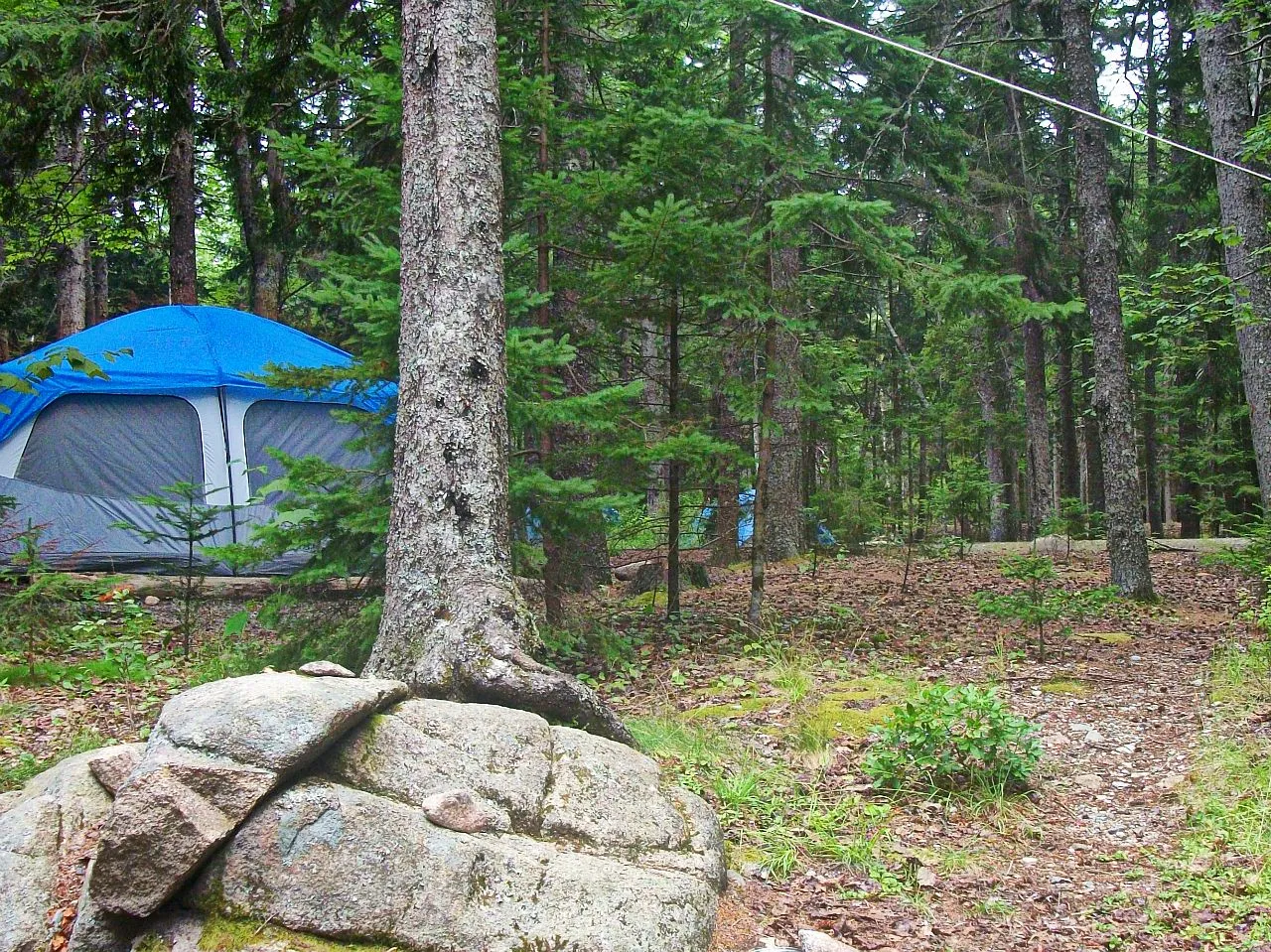
Primitive camping is available at several informal sites around the lakeshore. These are not maintained or designated campsites. They are clearings used by generations of paddlers and anglers, with fire rings and flat ground. Leave no trace principles are essential here. Pack out all trash, bury human waste properly, and leave your campsite cleaner than you found it.
The remote character of these campsites is part of the appeal. You may have an entire section of shoreline to yourself, with no sound but loons, wind, and the occasional splash of a rising fish.
Planning Your Visit
Spring
Ice-out late April. Salmon fishing productive immediately. Blackflies peak late May through June. Roads may be muddy.
Summer
Warmest weather and best road conditions. Bass fishing peaks. Eagle activity high. Long days for paddling. Mosquitoes and deerflies present.
Fall
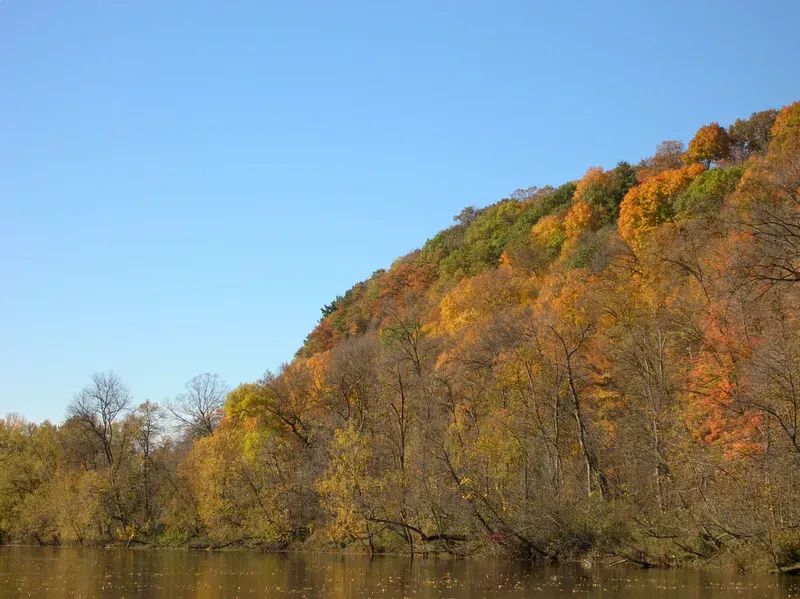
Spectacular foliage mid to late September. Salmon fishing picks up. Fewer visitors. Cool, clear air. Some access roads may close after Columbus Day.
Winter
Roads not maintained. Ice fishing possible with snowmobile access. Extreme cold and isolation. For experienced winter adventurers only.
Sysladobsis Lake Trip Packing List
- Canoe or kayak with spray skirt or cover for wind protection
- PFDs and paddle float for self-rescue
- Fishing gear and Maine fishing license
- Camping gear: tent, sleeping bag, pad, cook stove
- Water filter or purification tablets
- Bug spray and head net (absolutely essential)
- Binoculars for eagle and wildlife watching
- Topographic map and compass (no cell service for GPS apps)
- Satellite communicator or PLB for emergencies
- Dry bags for gear protection
Getting There
From Bangor, take Route 9 east (the Airline) to Springfield, then turn north on gravel roads toward the lake. The drive from Bangor is about 1 hour and 50 minutes, with the last portion on gravel. From Portland, allow about 4 hours and 20 minutes via I-95 to Bangor and then Route 9. Detailed directions and current road conditions can be obtained from local sporting camps or the Maine Atlas and Gazetteer (DeLorme), which is essential for navigating the gravel road network.
There is no cell service at Sysladobsis Lake or along the access roads. Plan your navigation before leaving paved roads.
FAQ
How do you pronounce Sysladobsis?
Most locals say 'siz-la-DOB-sis' and often shorten it to 'Dobsis.' The name is Passamaquoddy in origin.
What fish are in Sysladobsis Lake?
Smallmouth bass, landlocked salmon, white perch, and chain pickerel. The bass fishing is strong, and salmon provide excellent spring and fall action.
Is Sysladobsis Lake good for paddling?
Excellent. The lake is part of the West Branch chain, offering connected paddling through multiple lakes and thoroughfares. Multi-day canoe trips through the chain are a classic downeast experience.
Are there bald eagles on Sysladobsis Lake?
Yes. Multiple active bald eagle nests are located along the shoreline. Eagles are commonly seen fishing the lake from April through October. Keep a respectful distance from nest trees during nesting season.
Is there cell service at Sysladobsis Lake?
No. There is no cell service at the lake or along the access roads. Carry a satellite communicator for emergencies and download maps before leaving paved roads.