The Outermost Island in Casco Bay
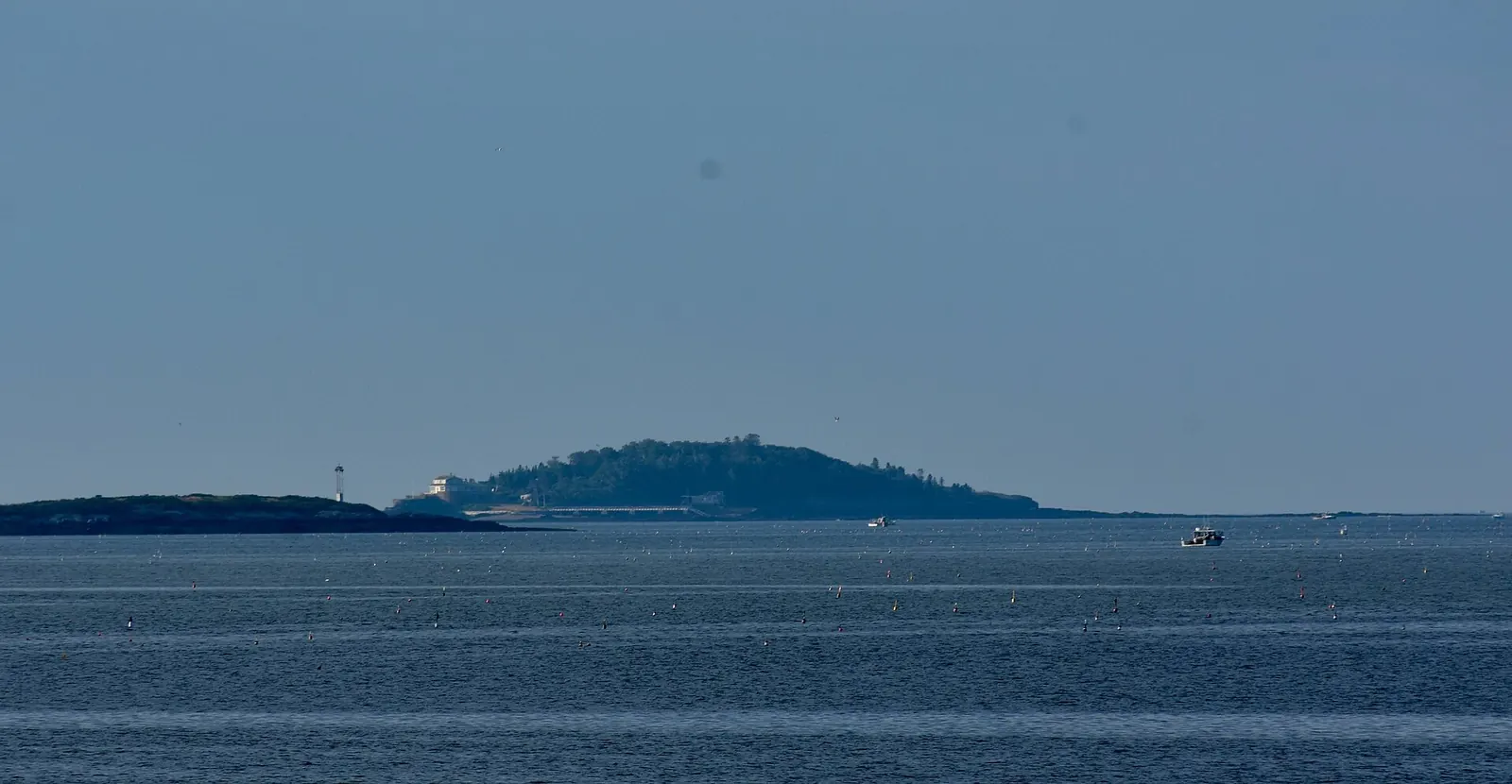
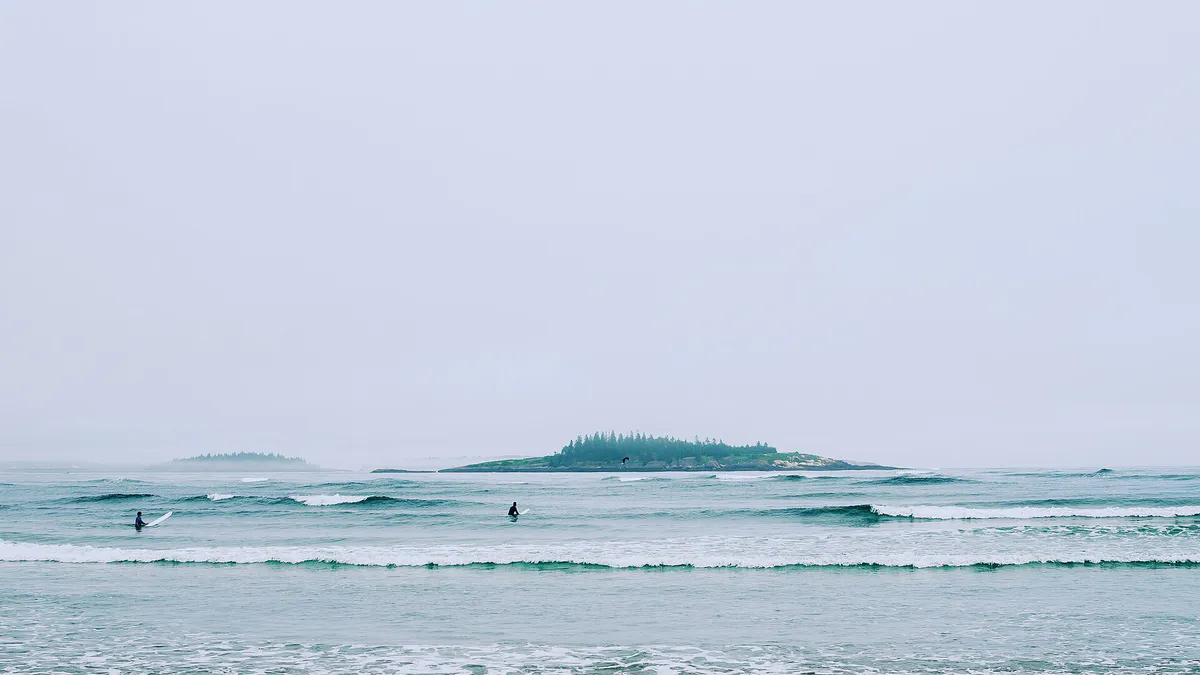
Jewell Island is the last green hump of land at the seaward edge of Casco Bay, a 221-acre uninhabited island owned by the Maine Bureau of Parks and Lands and managed for low-impact recreation. It is the prize of the bay’s kayak campers: far enough out to feel genuinely wild, close enough to reach from the Portland waterfront in a long morning paddle. Crumbling concrete observation towers from World War II rise out of the spruce, and a network of trails ties together coves, ledges, and the old military battery that once guarded the harbor approaches.
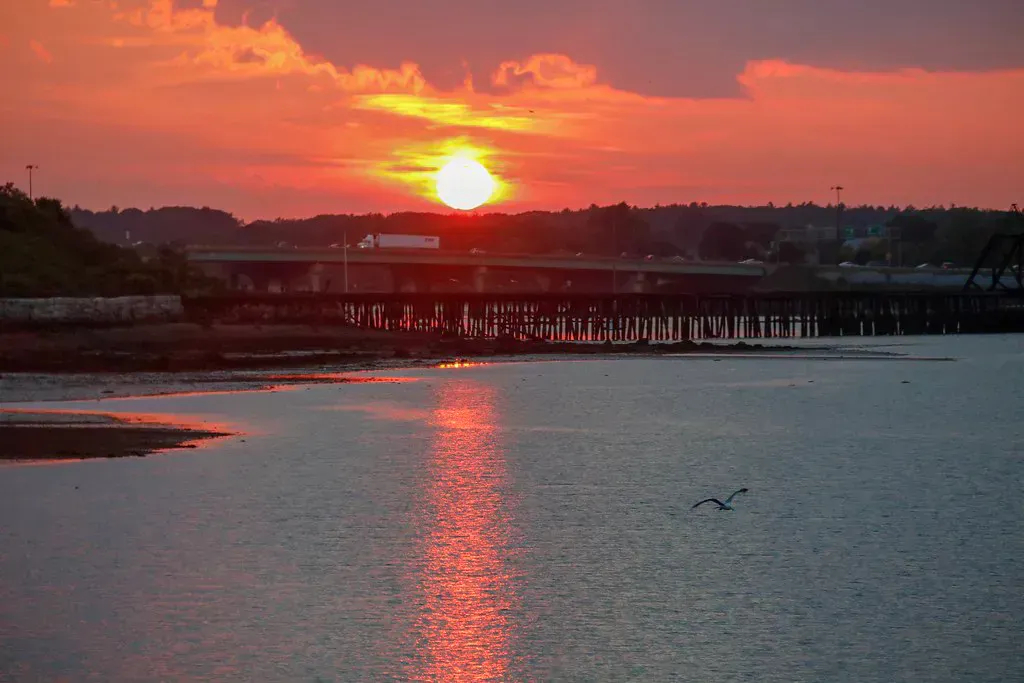
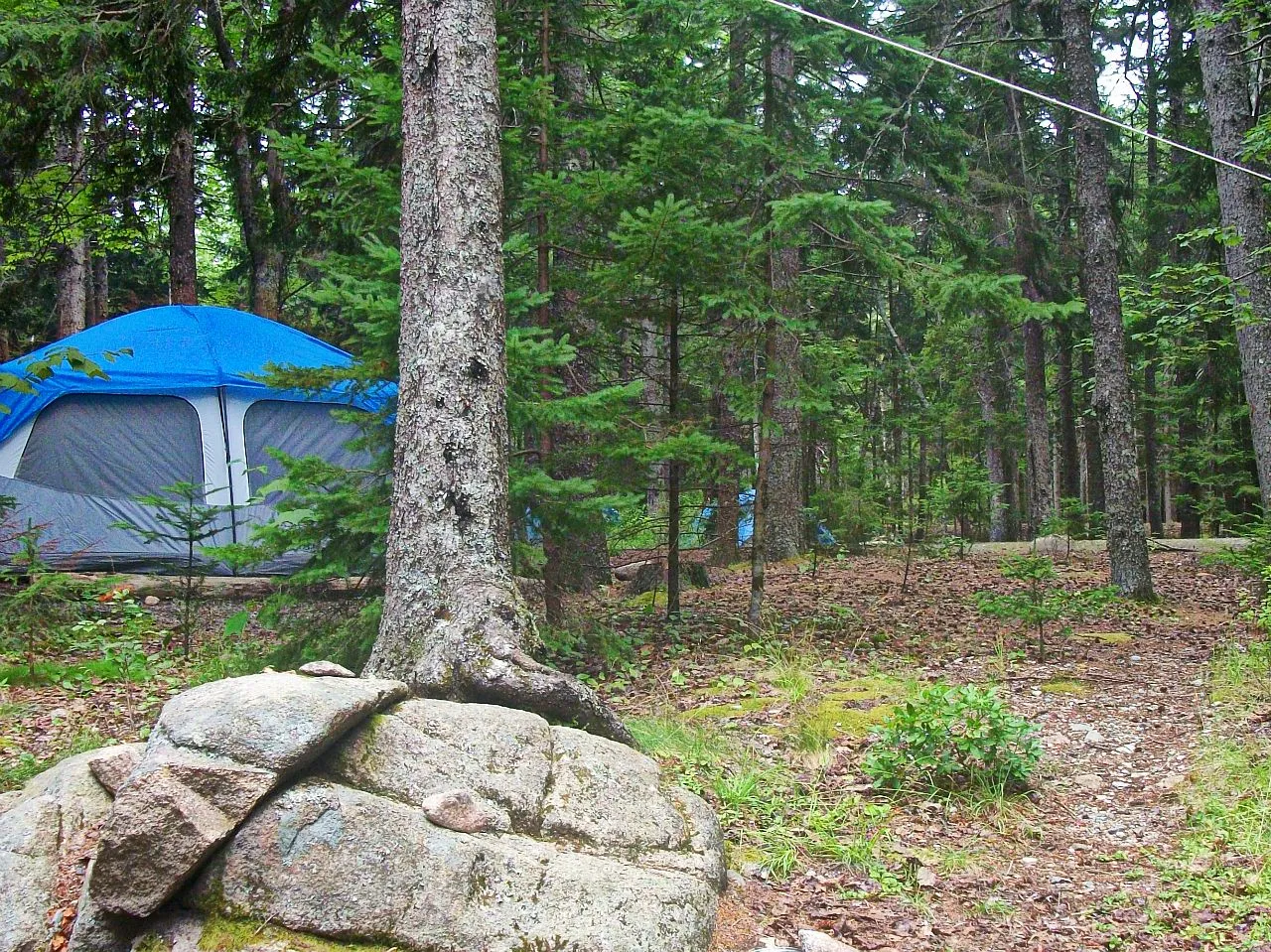
The island lies about 8 miles from Portland’s East End Beach, across open and frequently choppy water. Getting there by kayak is a committing crossing, not a casual outing, but the reward is one of the best wilderness island camps in southern Maine. You can pitch a tent above a cobble cove, watch the sun set over the bay, and explore the towers by flashlight after dark.
Camping is first-come, first-served, with a seasonal caretaker on the island during the busy months. There are no fees and no services, which means you carry in everything, including water, and carry out everything you bring.
Paddling to Jewell
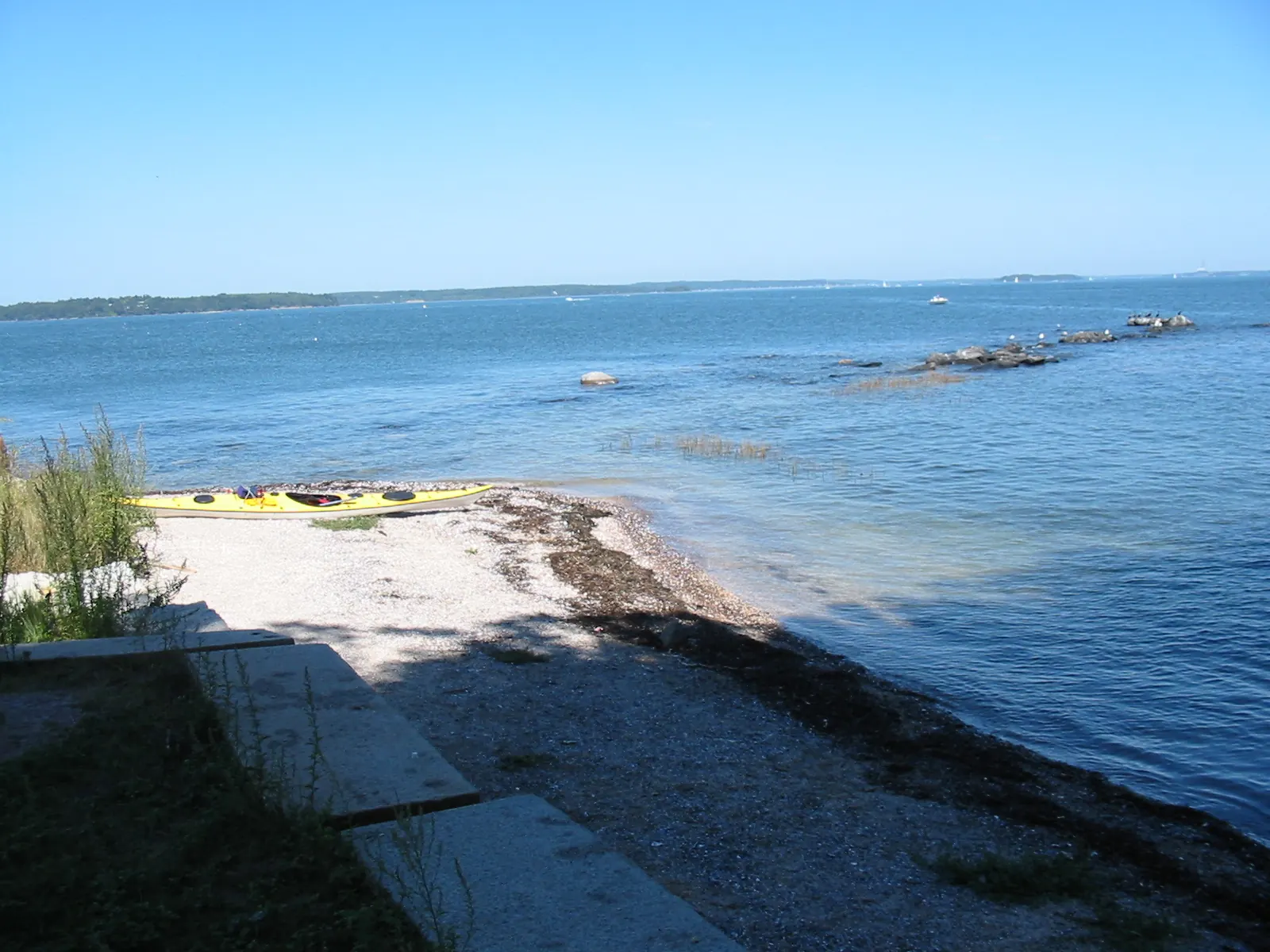
The standard approach is from East End Beach in Portland (about 43.6699, -70.2414), the all-tide launch on the Eastern Promenade. From there it is roughly 7 to 8 miles out, threading past the Diamond Islands, Long Island, and Little Chebeague before the final exposed crossing to Jewell. South Portland, Falmouth, and South Harpswell launches offer alternative approaches that can shorten the open-water leg.
This is part of the Maine Island Trail’s Casco Bay segment, and the Maine Island Trail Association rates these as advanced waters. The crossing crosses ferry lanes and lobster-boat traffic, and the wind builds a serious chop in the afternoon. Cross in the calm of early morning, keep your group together, and have the skills to self-rescue.
Reaching Jewell means an open-ocean paddle of about 8 miles across cold, busy water with afternoon chop, fog, and tidal current. Water temperatures stay cold into summer. Dress for immersion, file a float plan, carry a chart, compass, and VHF, and turn back if the forecast deteriorates. Beginners should go with a guided outfitter.
On the Island
Once ashore, Jewell rewards exploring on foot. About 3 miles of trails loop the island, including the Towers Trail out to the two concrete WWII observation towers, the Cove Trail, the Punchbowl Trail, and the Smugglers Trail. The towers and the tree-covered battery can be entered with a flashlight, but the concrete is old and crumbling, so step carefully and keep an eye on children. The Punchbowl, a tidal pool on the eastern shore, is a highlight at the right tide.
Campsites sit near the coves on the southwest end. Bring a headlamp, treat the bugs, and watch for poison ivy, which grows thick near the Punchbowl and along some trail edges.
#1Budget
Sawyer Permethrin Spray
Who it’s forTreat clothing once, repels weeks
Why we picked itKills ticks on contact before they can bite
Pros
- Lasts through 6 washes per application
- Odorless once dry
- Effective against mosquitoes and blackflies too
Know before you buy
- Must be applied to clothing only, not skin
- Takes 2-4 hours to dry completely
Getting There
There is no road to Jewell Island; you reach it only by boat. The closest kayak launch is East End Beach at the foot of Portland’s Eastern Promenade, a few minutes from I-295 Exit 8 via Washington Avenue and Cutter Street. Parking at East End Beach is daytime fee parking, and overnight campers should arrange parking accordingly.
From Bangor, drive I-95 south to I-295 into Portland, about two hours, then launch from East End Beach. Guided trips and rentals are available from Portland outfitters if you do not have your own sea kayak.
Carry all your fresh water in. Jewell has no potable water source, so plan on at least a gallon per person per day for drinking, cooking, and cleanup, and bring extra in case the weather strands you an extra night. Pack it in dry bags low in the boat to keep your kayak stable on the crossing.
When to Visit
Spring
The island is quiet, but the crossing is cold and foggy. For experienced, drysuit-equipped paddlers only.
Summer
Warmest water and weather, the seasonal caretaker on site, and the easiest crossings on calm mornings. Bugs peak in July and August.
Fall
Clear, stable air and solitude. Water cools quickly, so dress for immersion. Settled high-pressure days are superb.
Winter
Frigid water and harsh conditions make the crossing dangerous. Not a recreational season.
Summer is the prime camping season, with warm weather, the longest days, and a caretaker on the island. September offers clear, quiet paddling with fewer boats, balanced against colder water and shorter days.
Packing List
Jewell Island Kayak Camping
- Sea kayak with spray skirt and bulkheads
- PFD worn at all times
- Wetsuit or drysuit for cold-water immersion
- All drinking water (no source on the island)
- Tent, sleeping bag, pad, and headlamp
- Stove, fuel, and food
- Dry bags, chart, compass, and VHF or phone pouch
- Bug spray and head net (July and August)
- Trash bags to carry out everything you bring
FAQ
How do you get to Jewell Island?
Only by boat. Most kayakers launch from East End Beach in Portland and paddle about 7 to 8 miles across open Casco Bay. South Portland, Falmouth, and South Harpswell launches offer alternative approaches.
Can you camp on Jewell Island?
Yes. Jewell is owned by the Maine Bureau of Parks and Lands and offers first-come, first-served camping with a seasonal caretaker. There are no fees and no services, so pack in everything including water.
How hard is the paddle to Jewell?
It is an advanced open-water crossing of roughly 8 miles across cold, busy water with afternoon chop, fog, and tidal current. It is not a beginner trip. Inexperienced paddlers should go with a guided outfitter.
What are the towers on Jewell Island?
They are concrete observation towers built during World War II to spot ships approaching Portland Harbor, part of the island's coastal defense battery. You can climb into them with a flashlight, but the concrete is old, so use caution.
Is there drinking water on the island?
No. There is no potable water on Jewell. Carry in all the water you will need, planning for at least a gallon per person per day plus a reserve in case weather extends your stay.