Islands a Paddle-Stroke From the City
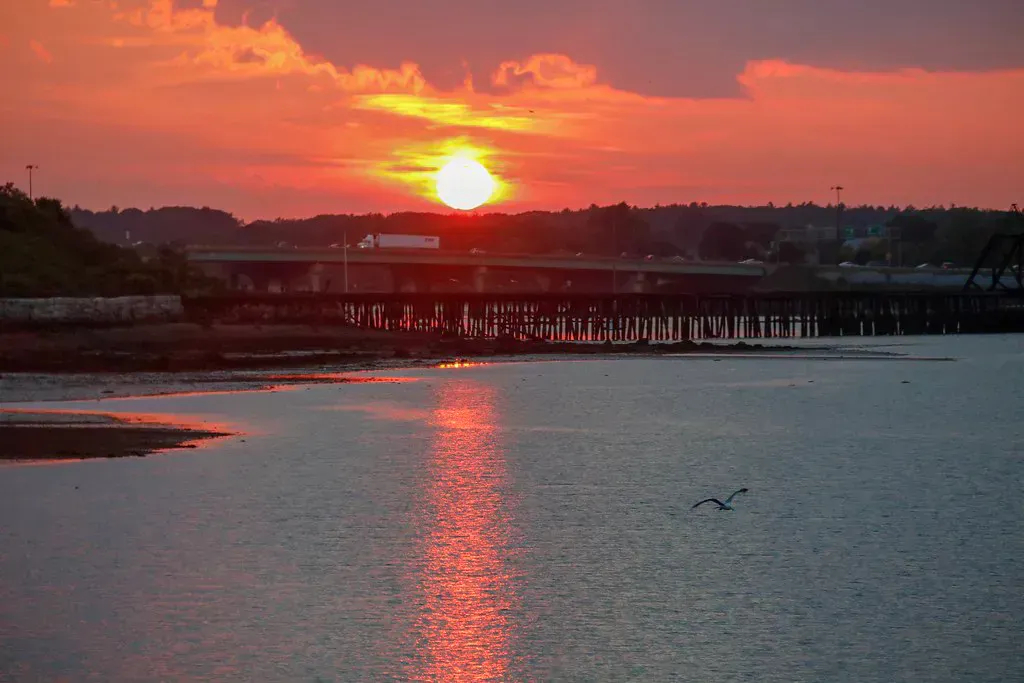
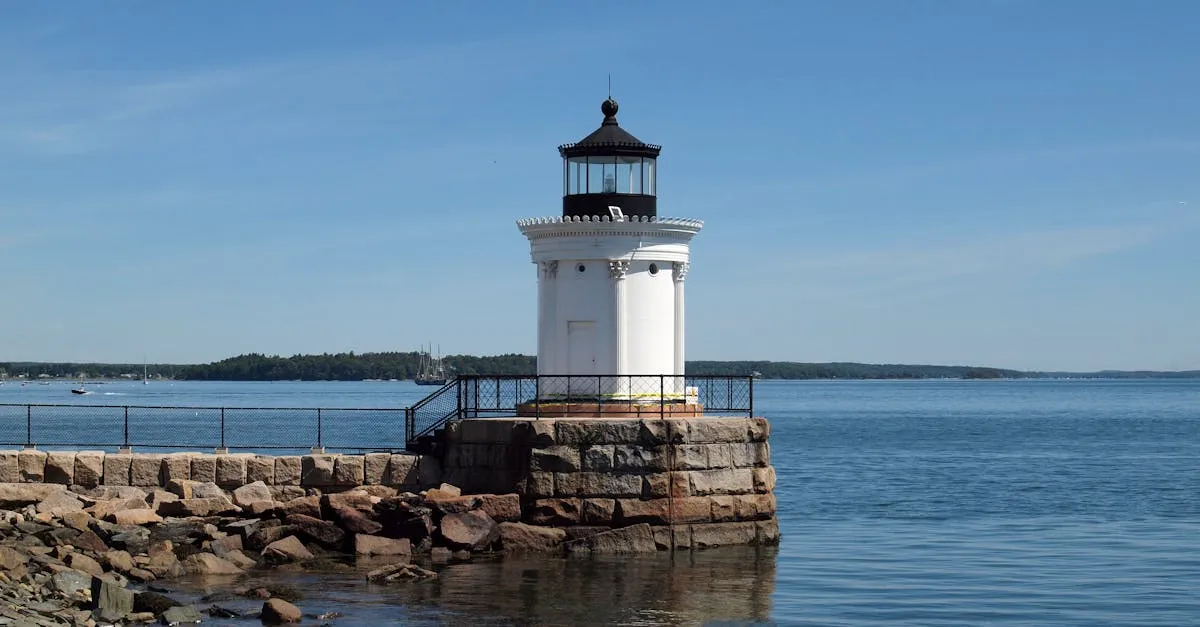
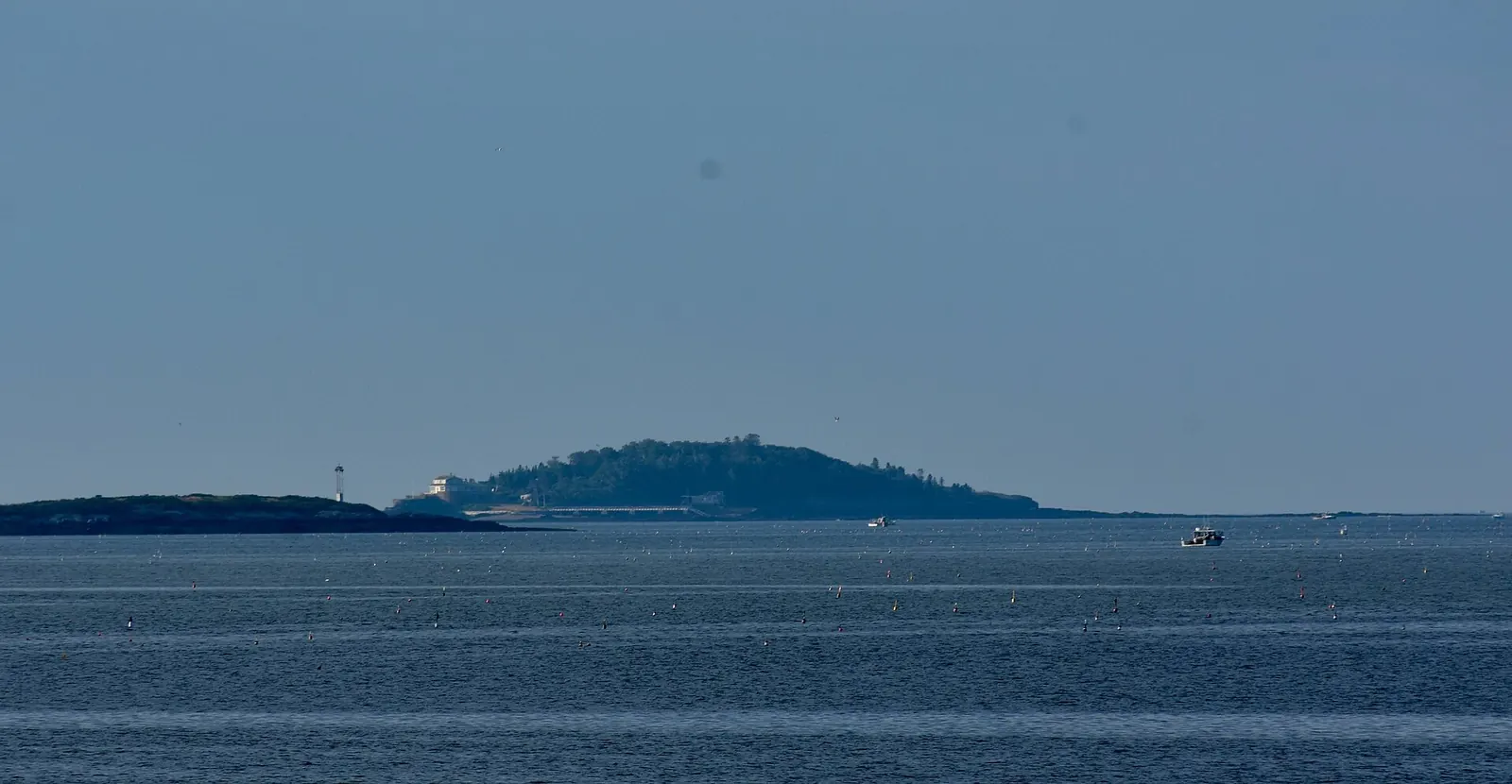
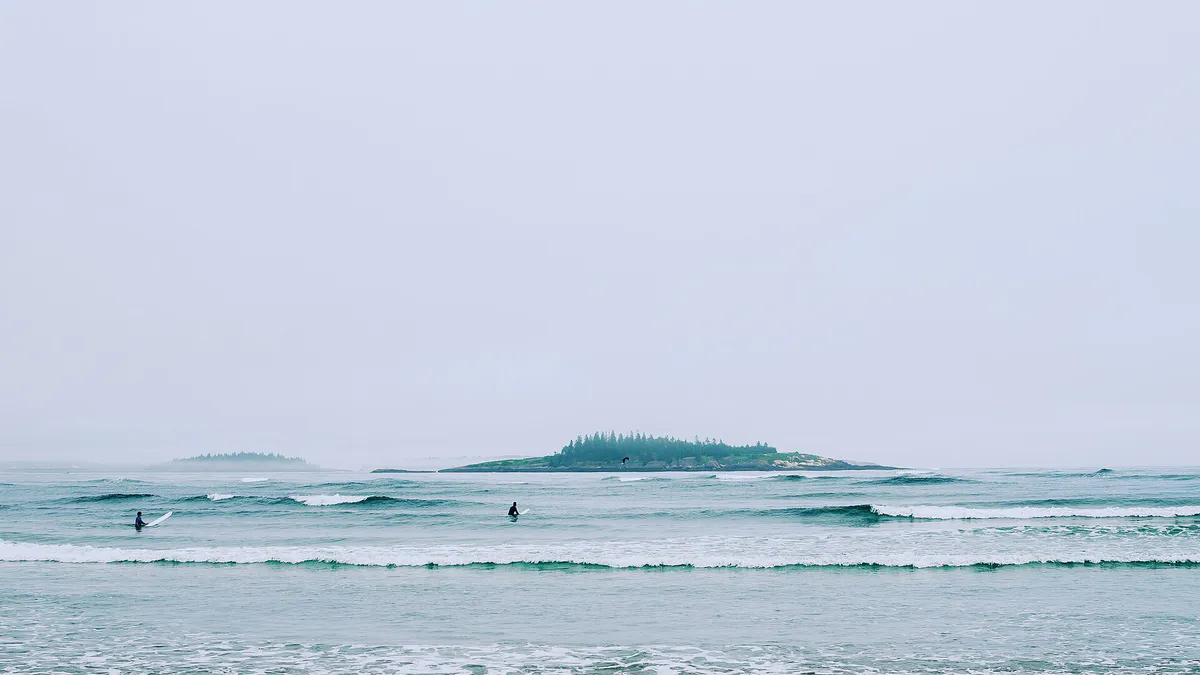
The Maine Island Trail is the country’s oldest recreational water trail, founded in 1988 and now stretching about 375 miles from the New Hampshire border to the Canadian line, linking more than 240 sites along the coast. The Casco Bay segment is its front door for most sea kayakers, because you can launch right from Portland’s East End Beach and be among wild spruce-topped islands within an hour. From the city waterfront you can see Fort Gorges, the Diamond Islands, and the low green line of the outer bay where the trail leads.
This is real ocean paddling, not a pond. The Casco Bay run covers roughly 20 miles one way out to the outer islands, with open crossings, boat wakes, ferry traffic, and tidal currents that demand respect. The Maine Island Trail Association rates this as advanced water, and rightly so. Calm mornings can turn into a stiff afternoon chop, and fog rolls in fast. Paddlers who are comfortable with chart and compass, who can self-rescue, and who watch the marine forecast will find some of the best island-hopping in New England here.
Three islands anchor the segment. Jewell Island, the outermost, is the premier kayak-camping destination with its WWII observation towers. Eagle Island preserves the summer home of Arctic explorer Admiral Robert Peary. Little Chebeague has sand and gravel beaches and the ruins of an old resort and military camp, a good lunch stop on the way out.
The Route
The standard launch is East End Beach in Portland, the southernmost all-tide paved ramp on the bay. From there the trail threads out through the inner islands and toward the outer bay.
A common progression runs from East End Beach past Great and Little Diamond, out to Long Island and Little Chebeague, then across to Jewell Island, roughly 7 to 8 miles of paddling with exposed crossings near the end. Eagle Island sits to the east and is often paddled as its own out-and-back. The full segment, working out to the outer islands and back, adds up to about 20 miles, which most people break into a day trip to a single island or an overnight on Jewell.
Distances between islands are short, but the water between them is open and busy. Plan your crossings for slack or favorable current, keep groups tight, and stay clear of the marked ferry lanes serving Peaks, Long Island, and Chebeague.
Casco Bay is exposed to ocean swell, fog, cold water, strong tidal currents, and heavy ferry and lobster-boat traffic. Water temperatures stay cold into summer, so dress for immersion. Check the NOAA marine forecast, file a float plan, carry a chart and compass, and be able to self-rescue. Beginners should book a guided trip with a Portland outfitter rather than head out alone.
Access Points and Put-ins
East End Beach (about 43.6699, -70.2414) off Cutter Street on Portland’s Eastern Promenade is the main launch: a paved all-tide ramp with daytime parking for a fee and public restrooms. Mere Point in Brunswick offers a free launch on the eastern side of the bay if you want a different approach to the outer islands.
Camping is allowed only at designated sites. Jewell Island is state-owned and managed for first-come, first-served camping with a seasonal caretaker; many other island sites are MITA member sites. Joining the Maine Island Trail Association gets you the annually updated trail guide and app, which is the single most useful planning tool for the bay.
Getting There
East End Beach is at the foot of the Eastern Promenade in Portland, a few minutes from I-295 Exit 8. Take the exit toward Washington Avenue, follow it toward the water, and turn onto Cutter Street down to the launch. From Bangor, take I-95 south to I-295 and follow it into Portland, about two hours.
Mere Point Boat Launch in Brunswick is off Mere Point Road, about 30 minutes north of Portland, and gives a shorter open-water approach to the eastern islands.
Launch early. Casco Bay is usually glassy at dawn and builds a brisk sea breeze and chop by early afternoon. Getting to your island before lunch means you cross the open stretches in the calmest water and have the afternoon to explore on foot instead of fighting whitecaps home.
When to Visit
Spring
Long days return, but water is dangerously cold and fog is common. For drysuit-equipped, experienced paddlers only.
Summer
Warmest water and weather, longest days, and the camping season on Jewell. Mornings are calm; afternoons get a sea breeze.
Fall
Crisp, clear air and fewer boats. Water cools quickly, so dress for immersion. Stable high-pressure days are excellent.
Winter
Frigid water and harsh conditions. Not a season for recreational sea kayaking here.
Summer is the prime season, with warm air, the longest daylight, and open camping on Jewell. September brings clear, stable weather and quieter water, but the ocean cools fast, so paddle prepared for cold-water immersion.
Packing List
Casco Bay Sea Kayak Trip
- Sea kayak with spray skirt and bulkheads
- PFD worn at all times
- Wetsuit or drysuit for cold-water immersion
- Nautical chart, compass, and float plan
- VHF radio or phone in a waterproof pouch
- Dry bags for gear and a change of clothes
- Bilge pump and paddle float for self-rescue
- MITA guide and tide table
- Water and food (no services on the islands)
When you are ready for the next stretch of the trail, Muscongus Bay offers a quieter archipelago with shorter crossings and more forgiving conditions.
FAQ
Where do you launch for the Casco Bay island trail?
Most paddlers launch from East End Beach in Portland, an all-tide paved ramp on the Eastern Promenade with daytime fee parking. Mere Point in Brunswick is a free alternative for reaching the eastern islands.
Can you camp on the islands?
Yes, at designated sites only. Jewell Island is state-owned with first-come, first-served camping and a seasonal caretaker. Many other island campsites are Maine Island Trail Association member sites that require membership.
Is this trip suitable for beginners?
No. The Casco Bay segment involves open ocean crossings, cold water, fog, tidal currents, and ferry traffic, and is rated advanced. New paddlers should go with a guided Portland outfitter rather than self-guide.
How far is it to Jewell Island?
Jewell Island is roughly 7 to 8 miles from East End Beach, with the most exposed crossings near the end. Plan it as a long day trip or, better, an overnight.
Do I need to join the Maine Island Trail Association?
Membership is not legally required to paddle, but it is strongly recommended. It provides the annually updated trail guide and app and grants access to member-only island sites.