

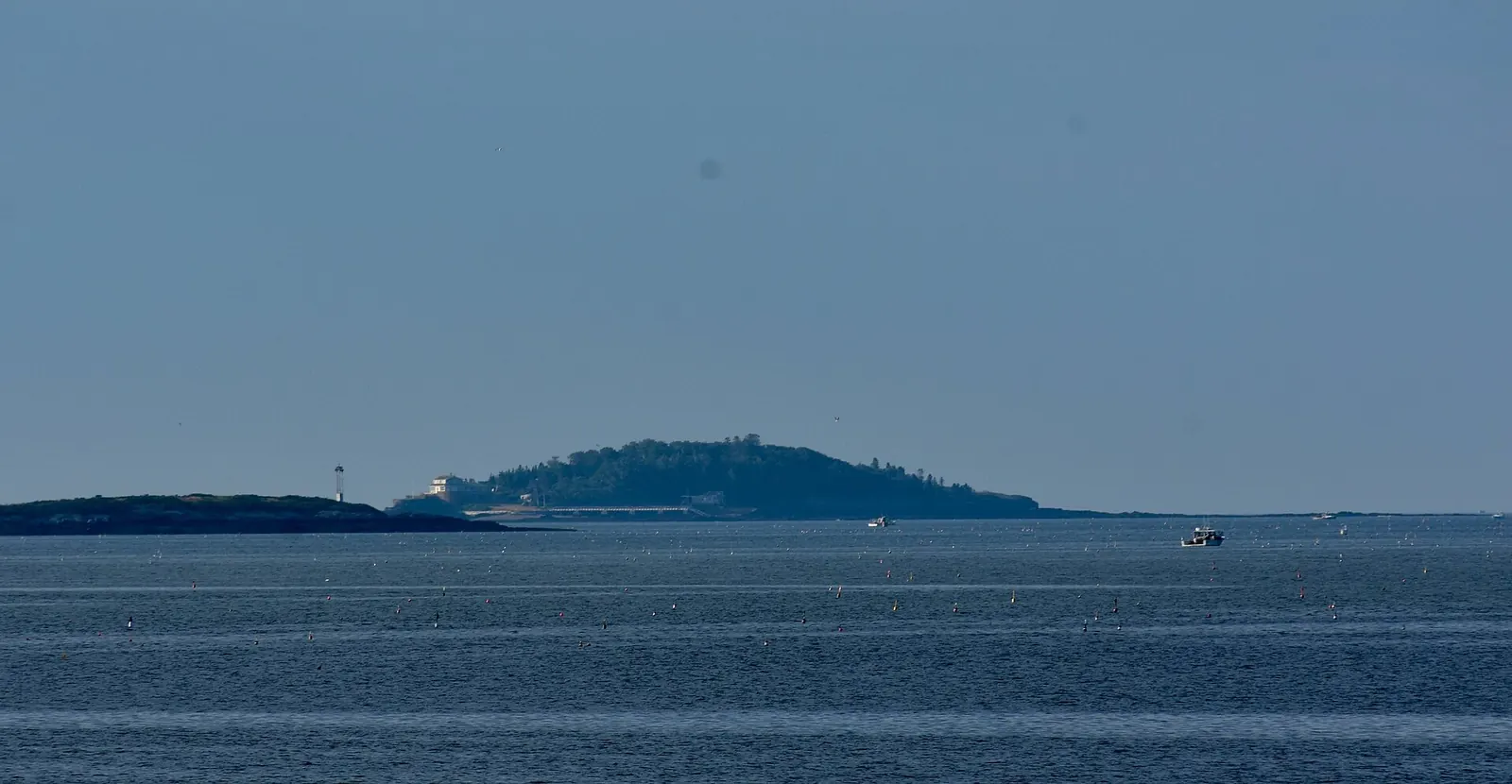
Maine has roughly 4,600 islands, but only a small share work as straightforward visitor destinations. Some have year-round ferry service and a village around the landing. Some connect to the mainland by bridge or causeway. Others require a tour boat, a private boat, or an exposed sea-kayak crossing. A few are places to camp; others are best for a short walk, a lighthouse visit, or an unhurried day in a working island community.
This guide is a practical map rather than a catalog of every rock and ledge. It organizes the site’s island guides from southwest to northeast, beginning in Casco Bay and ending in Downeast Maine. Use it to answer three questions: which mainland departure area fits your trip, how much transportation planning you want, and what you actually want to do once you land.
The quickest way to narrow the list is by access:
- For a simple passenger-ferry day: start with the inhabited islands served from Portland, Rockland, Lincolnville, or Bass Harbor.
- For an island without a ferry commitment: choose a bridge- or causeway-connected place such as Mackworth, Bailey, Georgetown, Deer Isle, or Great Wass.
- For a lighthouse or nature landing: look at the boat-access islands off Harpswell, Boothbay, Phippsburg, and Cutler.
- For an overnight outdoors: focus on Jewell Island, Warren Island, Duck Harbor, or Hermit Island, then read the full destination guide before planning transportation.
Ferry Routes to Know (checked July 2026)
These are the verified scheduled-service facts used throughout this directory. They were checked July 2026. Operators can revise departure times and landing patterns, so use this as the route map and confirm the trip itself with the operator.
- Maine State Ferry Service runs from Rockland to Vinalhaven, North Haven, and Matinicus; from Lincolnville to Islesboro; and from Bass Harbor to Swan’s Island and Frenchboro.
- Casco Bay Lines runs year-round from Portland to Peaks, Little Diamond, Great Diamond, Long, Chebeague, and Cliff islands.
- Monhegan is served year-round from Port Clyde by Monhegan Boat Line. Hardy Boat Cruises from New Harbor and Balmy Days Cruises from Boothbay Harbor provide seasonal service.
- Isle au Haut Boat Services runs year-round from Stonington, with a seasonal landing serving the Acadia and Duck Harbor side of Isle au Haut.
Matinicus and Little Diamond appear in that ferry map even though this directory does not yet have dedicated guides for them. The regional lists below link only to destination pages that already exist on the site.
Casco Bay and the Portland Side
Casco Bay offers the broadest range of easy island choices. A traveler can board in Portland, drive across a bridge or causeway, or make a more serious paddle toward the outer bay. Start here if the island day needs to fit into a Portland-area trip.
Peaks Island
Peaks Island is the most straightforward Portland island day. It combines a lived-in village with a bike-friendly perimeter road, beaches, rocky backshore, and the remains of Battery Steele. Choose it when a group wants enough variety to fill a day without a complicated landing.
Chebeague Island
Chebeague Island is larger and more spread out than Peaks, with quiet roads, sandy shore, and a year-round community. It suits travelers who want a slower island day and are comfortable covering more ground after leaving the ferry.
Cliff Island
Cliff Island is the small, outer-bay choice. Unpaved roads, a working lobster community, and very little visitor infrastructure make it better for walking and observing than for arriving with a long attraction checklist.
Great Diamond Island
Great Diamond Island pairs an island outing with the brick buildings and converted military campus of Fort McKinley at Diamond Cove. Pick it for harbor atmosphere, historic architecture, and a compact visit close to Portland.
Long Island
Long Island in Casco Bay is a year-round fishing community with quiet roads and South Beach. It works for visitors who want beach time and a residential island feel rather than a concentrated set of tourist sites.
Jewell Island
Jewell Island is the advanced paddling and primitive-camping choice at the outer edge of Casco Bay. Its coves, trails, and World War II observation towers reward the crossing, but the open-water approach makes it a destination for capable sea kayakers, not a substitute for a ferry day.
Mackworth Island
Mackworth Island is connected to Falmouth by causeway, so it offers an island walk without boarding a boat. The shoreline loop, Casco Bay views, and fairy-house area make it the easiest option for a short outing or a family that does not want ferry logistics.
Eagle Island State Historic Site
Eagle Island State Historic Site preserves Admiral Robert Peary’s summer island off Harpswell. It is boat access only and best chosen for the combination of maritime history, island grounds, and the trip across the bay rather than for an all-day trail system.
Bailey Island
Bailey Island sits at the end of the bridge-linked Harpswell chain. The granite Cribstone Bridge, Giant’s Stairs, Land’s End, and fishing-village roads make it a strong no-ferry day trip with several short stops.
Cedar Beach is on Bailey Island but is not open to the general public. Its access is limited to Harpswell residents, nonresident taxpayers, and their guests. Read the beach guide before including it; the island’s public coastal stops are the dependable plan for most visitors.
Midcoast and Boothbay Islands
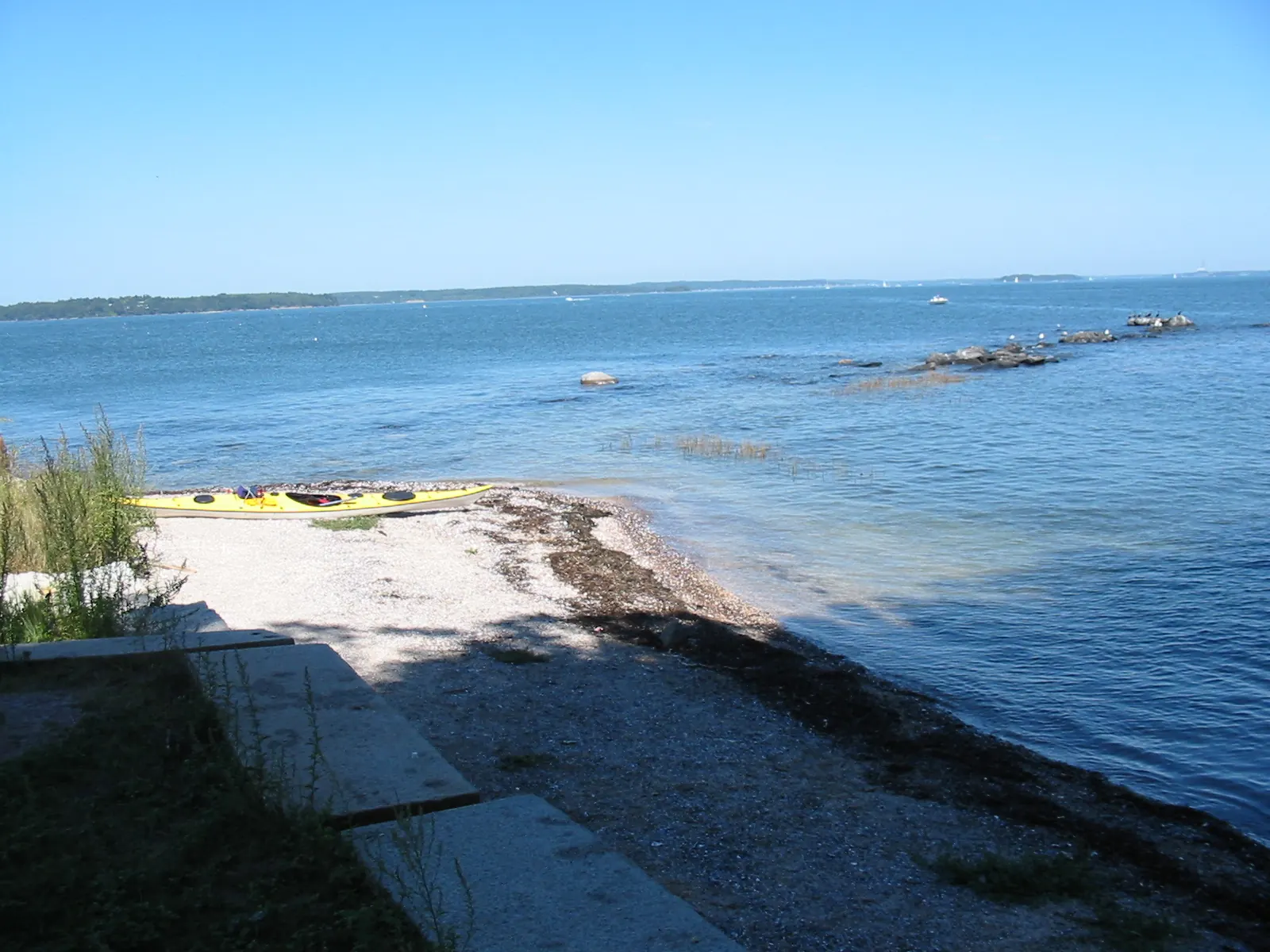
The Midcoast group mixes passenger boats, historic light stations, preserves reached only by private craft, and bridge-connected peninsulas. Boothbay Harbor, Port Clyde, New Harbor, Phippsburg, and Georgetown serve different pieces of this coast, so choose the island before choosing a base.
Monhegan Island
Monhegan Island is the full-day island for hikers, artists, and visitors who want sea cliffs and a car-free village in one trip. Its trail network and working harbor justify spending the day rather than treating the boat ride as the main attraction.
Damariscove Island
Damariscove Island is a boat-access preserve off Boothbay with early-settlement history, meadow and shoreline trails, and seabird habitat. There is no scheduled ferry in its guide, so it belongs on the list for travelers arranging a private boat, charter, or expert paddle.
Squirrel Island
Squirrel Island is a historic summer colony off Boothbay Harbor with no motor vehicles and a wooden shoreline boardwalk. Visitors should treat it as a respectful walk through a private residential community, staying on the public paths rather than expecting shops or attractions.
Seguin Island Lighthouse
Seguin Island Lighthouse is the lighthouse-focused offshore trip near the mouth of the Kennebec. The island holds Maine’s highest lighthouse setting and the state’s only first-order Fresnel lens, making it the choice for visitors who care more about maritime history than village life.
Georgetown Island
Georgetown Island connects by bridge and works as a full driving day of beaches, forest, and fishing-village scenery. Five Islands at the southern tip supplies the classic wharf-and-spruce-islands view, while the island guide helps connect that stop with the rest of Georgetown.
Burnt Island Lighthouse
Burnt Island Lighthouse is a small light-station island near Boothbay Harbor. Choose it for a boat trip with a historic tower, keeper’s house, and short nature trails rather than for a remote wilderness experience.
Hermit Island
Hermit Island is not a true offshore island. It is a 255-acre Phippsburg peninsula reached by a narrow causeway, but its tent-focused campground, rocky headlands, and eight beaches create an island-like stay. It belongs in this directory for travelers whose real goal is several nights beside the ocean without a ferry.
Penobscot Bay and the Deer Isle Side
Penobscot Bay holds larger working islands, car-ferry destinations, boat-access camping, and the remote island section of Acadia National Park. Rockland and Lincolnville serve the western side of the bay; Stonington is the departure port for Isle au Haut and is mentioned here without linking its town page.
Vinalhaven
Vinalhaven is the larger Fox Island and a working lobstering community shaped by its granite-quarry history. Choose it for a substantial island day with harbor life, quarry swimming, and a short preserve walk, not just a loop around a ferry landing.
North Haven
North Haven Island is the quieter Fox Island, with a compact village, arts community, and gentler summer-colony character. It fits travelers who prefer a slower village day to Vinalhaven’s larger road network and quarry landscape.
Islesboro
Islesboro is a long, narrow island reached from Lincolnville. Quiet roads, Grindle Point Lighthouse, and views toward the Camden Hills make it well suited to a driving or cycling day with the scenery spread along the island rather than concentrated at one stop.
Warren Island State Park
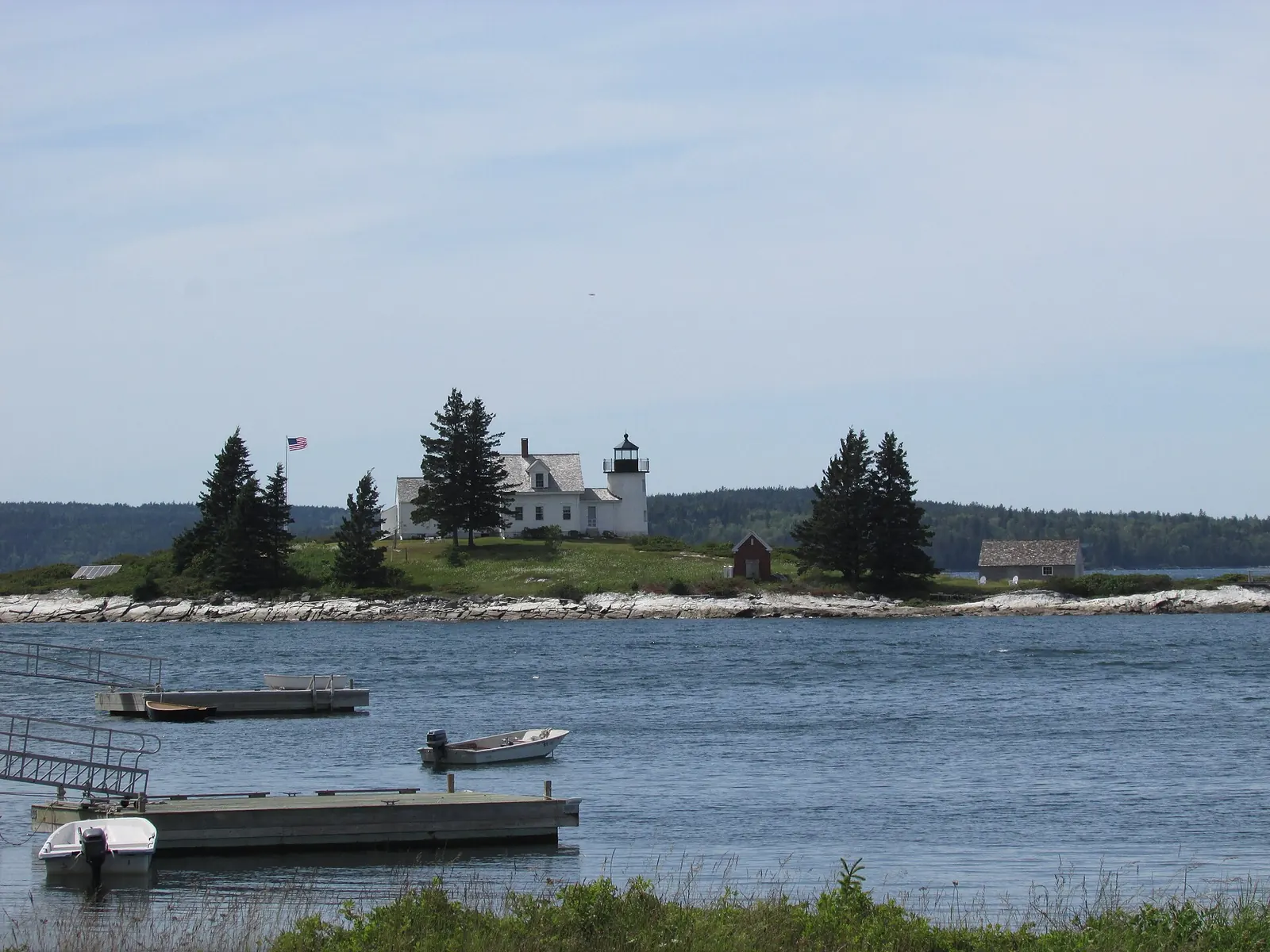
Warren Island State Park is a boat-access camping island near Islesboro. Its small campsite inventory and wooded shoreline suit paddlers and boaters seeking an overnight in Penobscot Bay, provided they plan the crossing and carry what the stay requires.
Isle au Haut
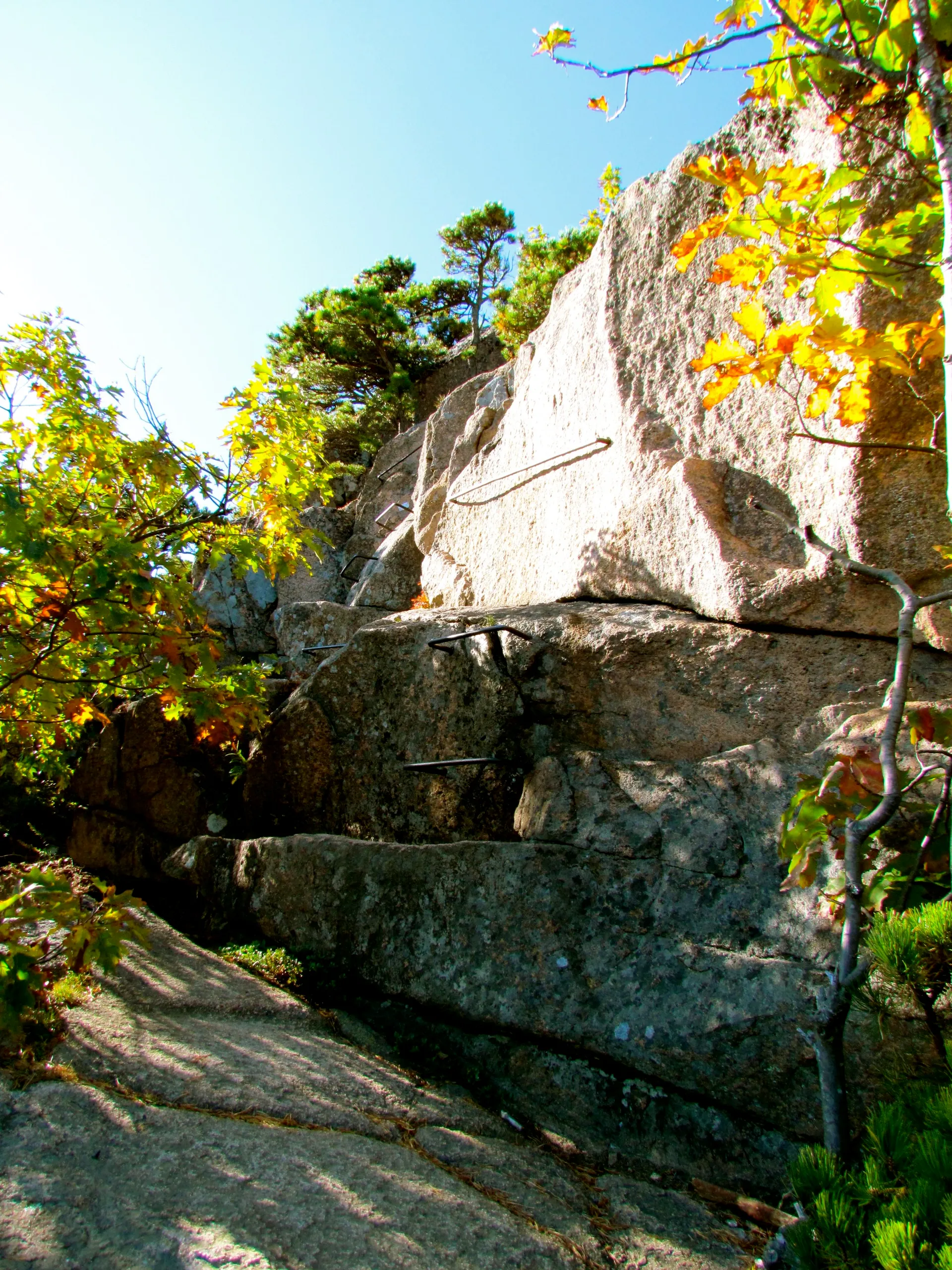
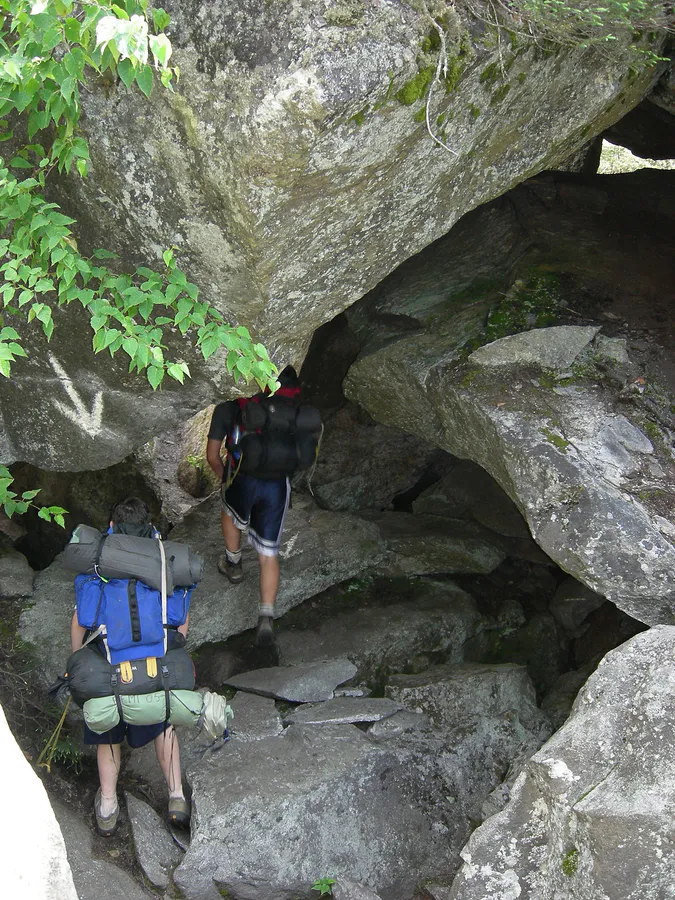
Isle au Haut is the remote island section of Acadia, reached by boat from Stonington. Choose it for a serious hiking day among forest, headlands, and open-ocean shore, with fewer services and more transportation discipline than an ordinary Mount Desert Island outing.
Duck Harbor
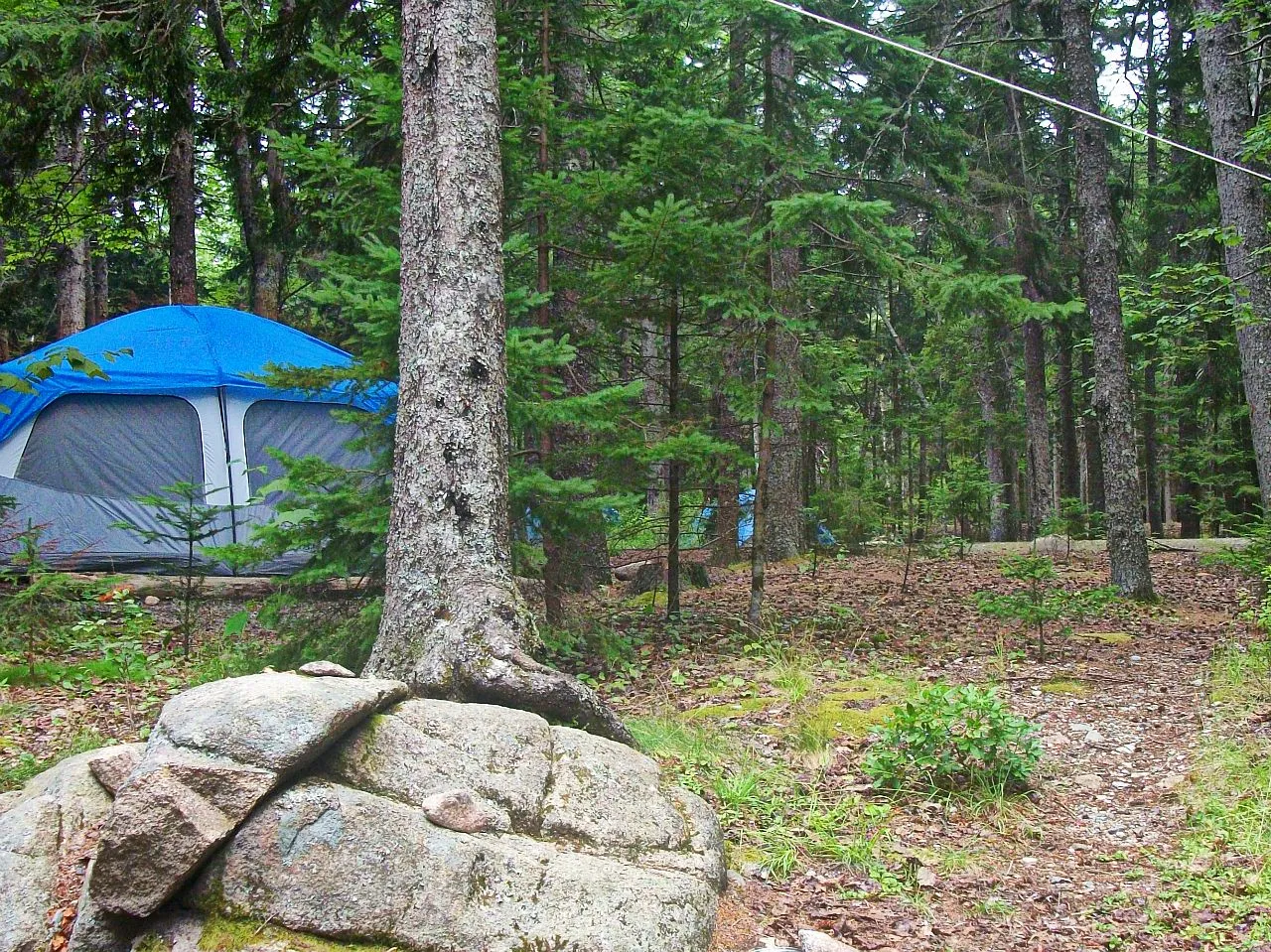
Duck Harbor Campground is the overnight version of Isle au Haut. Five lean-to shelters create an unusually small Acadia campground, so the destination fits visitors prepared to coordinate a hard-to-get reservation with the correct boat landing.
Deer Isle
Deer Isle is bridge-connected and combines working harbors, galleries, craft traditions, old granite quarries, and winding island roads. It is the flexible Penobscot choice for travelers who want island character without surrendering their car to a ferry schedule.
Downeast and the Acadia Region
East of Penobscot Bay, island trips become quieter and more dispersed. Some depart near Mount Desert Island, while Great Wass connects by bridge and Machias Seal requires a tightly controlled boat trip from Cutler. This is the region for working communities, remote preserves, and a trip planned around one specific purpose.
Swan’s Island
Swan’s Island is a working island in Blue Hill Bay reached from Bass Harbor. Burnt Coat Harbor Light, sandy shore, and three small villages make it a manageable community-focused day away from the busiest parts of the Acadia region.
Frenchboro
Frenchboro is a much smaller and more remote year-round community on Long Island in outer Blue Hill Bay. Its large coastal preserve and lack of ordinary visitor services make it best for self-sufficient hikers who want quiet headlands rather than convenience.
Cranberry Isles
Cranberry Isles is the overview for the small inhabited islands south of Mount Desert Island. Use it when you want a working-island day with harbor walks, local history, and views back toward Acadia rather than another day on park roads.
Islesford
Islesford on Little Cranberry Island narrows that choice to a single village. Its historical museum, lobster dock, and walkable roads make it the focused pick for visitors who want a compact cultural stop after the boat ride.
Great Wass Island
Great Wass Island Preserve is bridge-connected through Beals and built around a rugged coastal hike. Rare jack-pine barrens, peatland, spruce, and open shoreline make it the Downeast choice for trail time, with rougher and wetter footing than a village walk.
Machias Seal Island
Machias Seal Island is the specialized wildlife trip. Authorized boat tours from Cutler carry a limited number of visitors toward the island’s Atlantic puffin colony, and ocean conditions can prevent a landing even after the boat reaches the area. Choose it for puffins, not as a general island day.
How to Build the Trip
Pick one primary island per day. Ferry and tour connections set the outside edges of the plan, and island roads or trails often take longer than their mileage suggests. Trying to combine two boat-served islands usually turns the day into a transportation exercise.
Then match the island to the group:
- Young children or limited time: Mackworth, Bailey, Georgetown, Peaks, or a focused Great Diamond visit minimize the amount of remote travel.
- A full walking day: Monhegan, Isle au Haut, Great Wass, or Frenchboro puts trails ahead of shops and dining.
- Working-island character: Vinalhaven, North Haven, Deer Isle, Long Island, Swan’s Island, and the Cranberry Isles center year-round or fishing-community life.
- Camping: Jewell, Warren Island, Duck Harbor, and Hermit Island each require a different access and reservation plan. Read the destination page before committing.
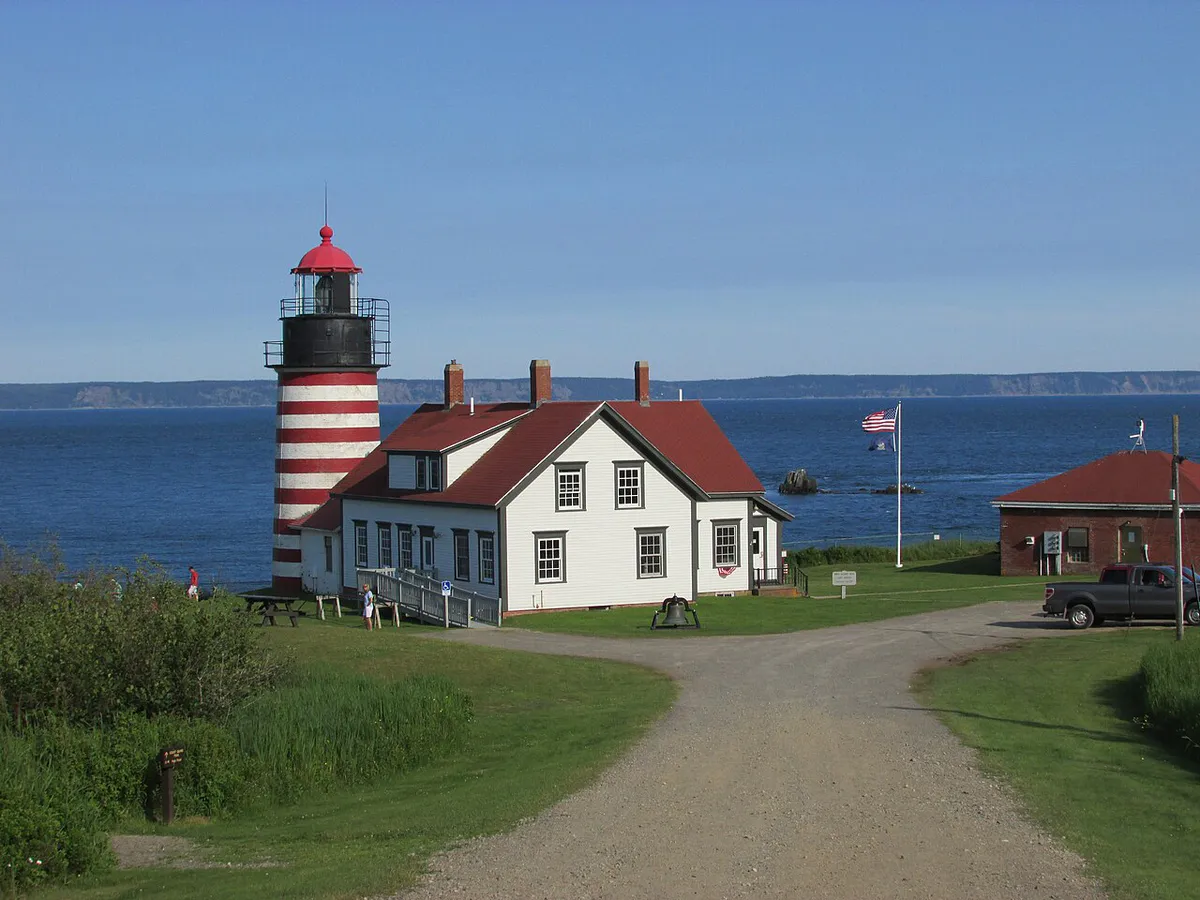
- Lighthouse history: Eagle, Seguin, Burnt Island, Bailey Island, and Mulholland Point near Lubec represent very different access levels, from bridge-connected viewing to boat-only landings.
Finally, check the return before boarding or launching. Save the operator’s current information, know the correct landing, and carry enough food, water, and layers for a delay. On a bridge-connected island, the road is your margin. On a boat-served island, the return trip is the plan.