Moose Country on the Water
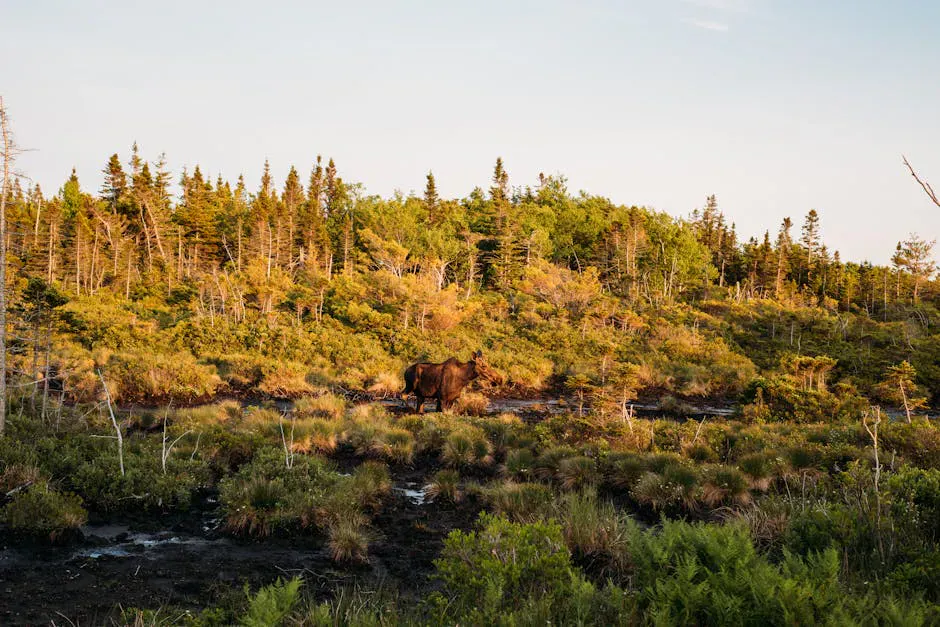
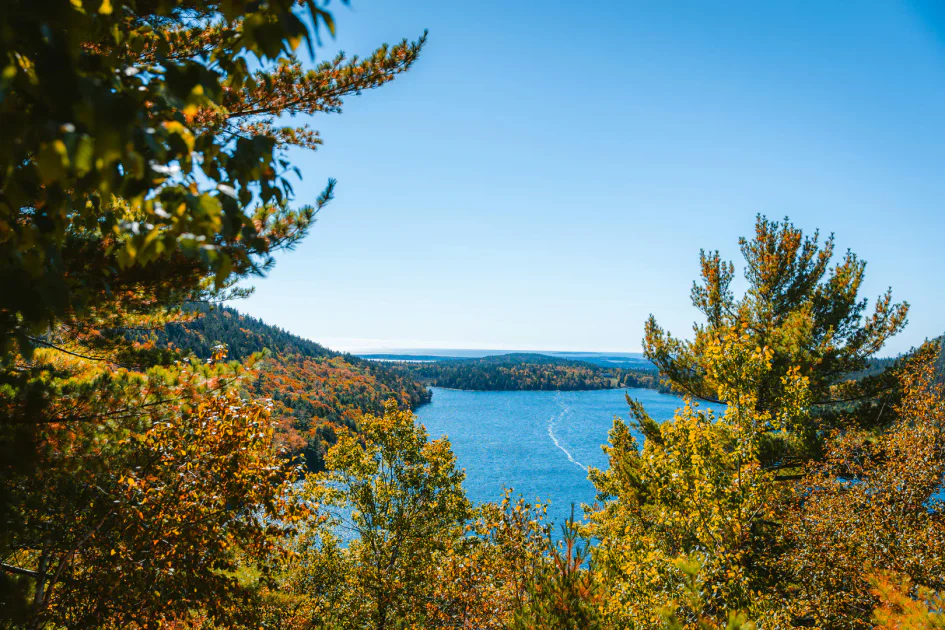
The Moose River near Jackman flows through some of the densest moose habitat in the eastern United States, and paddling it at dawn is about as close to a guaranteed moose sighting as you will find in Maine. The river meanders through broad, boggy floodplains where moose feed on aquatic vegetation in the shallows, often standing belly-deep with water streaming off their muzzles while you drift quietly past in a canoe.
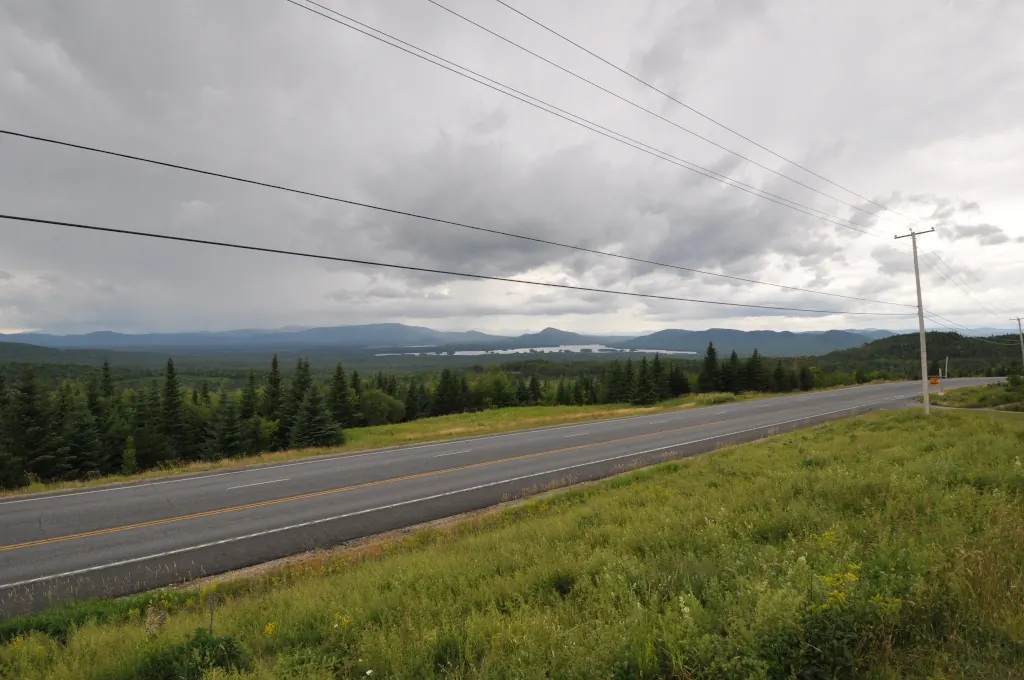
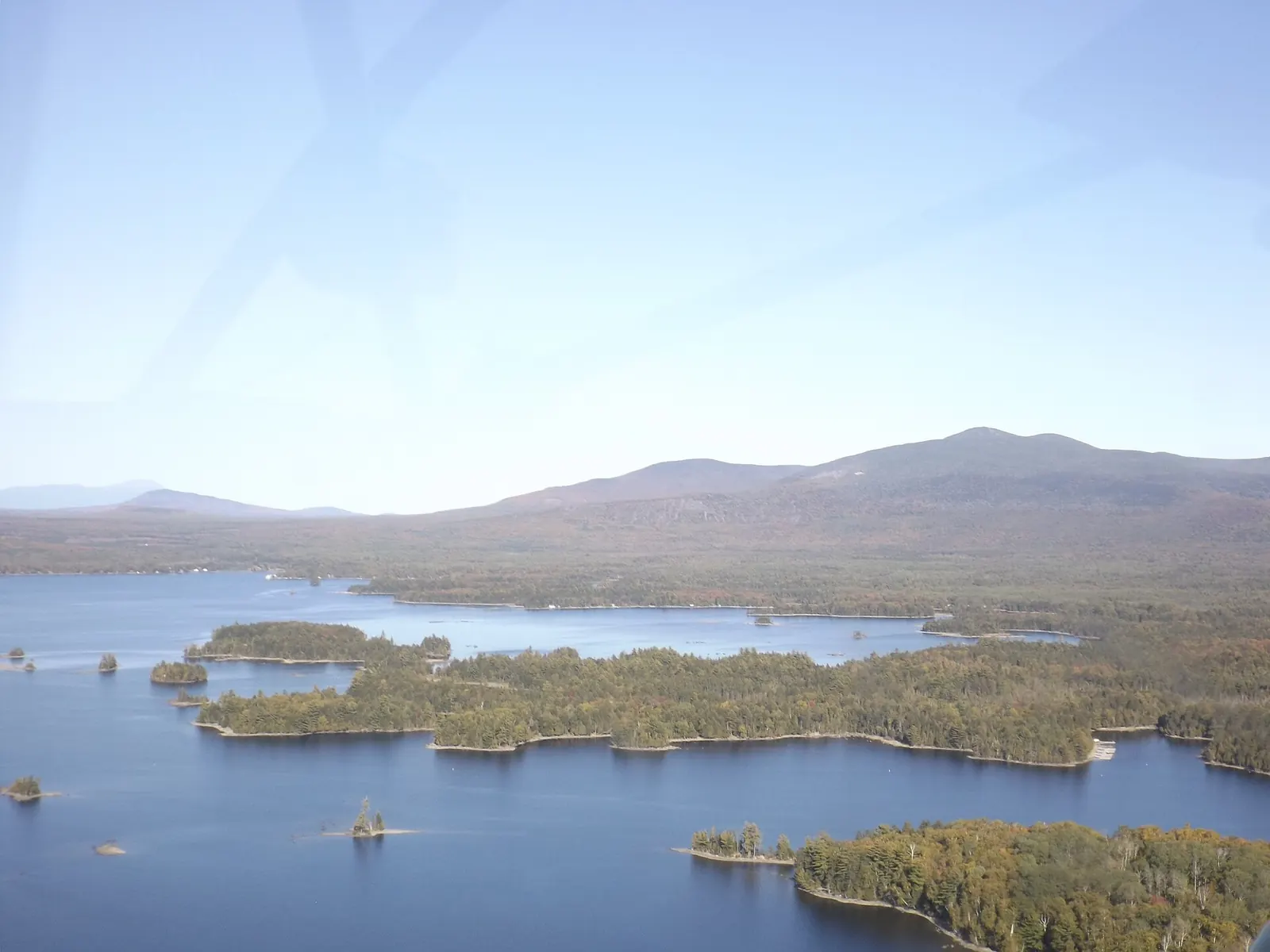
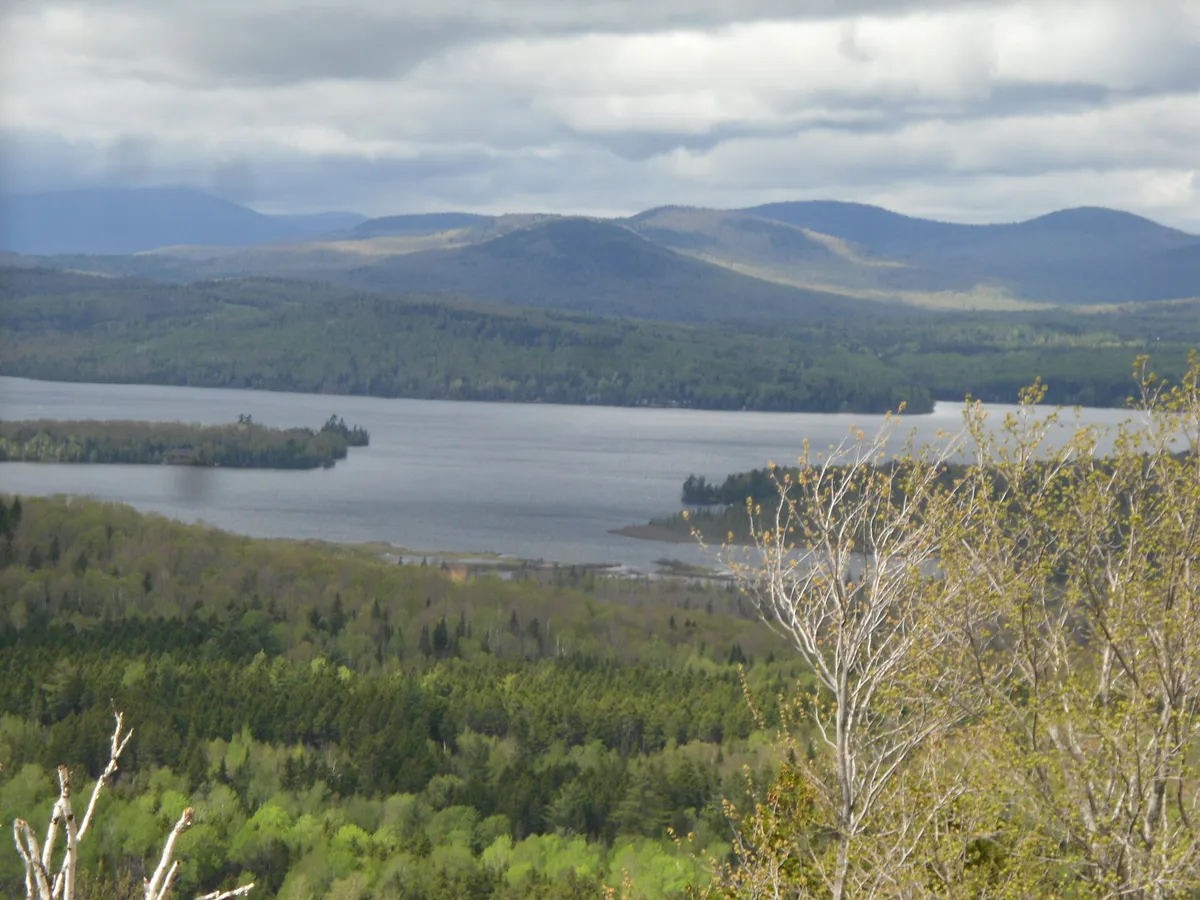
Jackman sits at the headwaters of the Moose River in northern Somerset County, less than 20 miles from the Quebec border. The town has about 700 year-round residents and exists primarily as a gateway to the North Woods. The surrounding landscape is a mix of boreal forest, bogs, and interconnected ponds and streams that constitute prime moose habitat. Maine has the largest moose population in the lower 48 states, with an estimated 60,000 to 70,000 animals, and the Jackman area holds one of the highest concentrations.
The paddling itself is straightforward. The Moose River between Jackman and its outlet into Long Pond is gentle flatwater with minimal current. There are no rapids, no portages, and no technical challenges. The river is 30 to 50 feet wide, shallow, and weedy in places, with a dark, tannic water color typical of rivers that drain boggy terrain. This is a wildlife viewing paddle, not an athletic one.
If you want to see moose, you must be on the water at first light. Moose feed in the river and along its banks from roughly 4:30 to 7:30 AM in summer, then retreat into the forest for the day. An 8 AM start is too late. Set your alarm, skip breakfast, and get on the water before sunrise. You can eat when you get back.
Where to Paddle
The most productive section for moose viewing runs from the Route 201 bridge in Jackman downstream about five miles to the confluence with Heald Stream. This stretch passes through open bog and marsh habitat with low brush along the banks, which gives you long sightlines and makes it easy to spot moose at a distance.
Put in at the informal launch below the Route 201 bridge. The banks are low and the water is shallow near shore, so launching a canoe or kayak is simple. Paddle downstream slowly, staying quiet and avoiding sudden movements. Moose have poor eyesight but excellent hearing, and a banged paddle or loud conversation will send them into the trees.
The return upstream is easy because the current is negligible. A round trip of six to ten miles is typical for a morning paddle. If you want to extend the trip, continue downstream toward Long Pond, where the river widens and the moose habitat gives way to lake-edge forest.
Moose are large, unpredictable animals. A bull moose stands six feet at the shoulder and weighs up to 1,200 pounds. Keep at least 100 feet of distance. Never approach a cow with calves. If a moose pins its ears back or raises the hair on its neck, you are too close. Back away quietly. A moose can capsize a canoe if it decides to charge.
Beyond Moose
While moose are the headliner, the Moose River supports a rich community of wildlife. Bald eagles nest along the corridor and are frequently seen perching in dead trees above the river. Great blue herons fish the shallows. Loons call from the deeper pools. Beaver lodges appear along the banks, and the animals themselves are active at dawn and dusk. River otters are present but harder to spot. A pair of binoculars lets you study moose and eagles from a respectful distance.
The fishing is decent for brook trout in the cooler upstream sections and smallmouth bass in the warmer downstream stretches, so it is worth bringing fishing gear along on the paddle. The tannic water makes fly fishing challenging because the fish are hard to see, but they are there. Spin fishing with small lures is productive.
If you do not have your own canoe, several sporting camps and lodges in the Jackman area rent canoes and kayaks. The Jackman Landing is a convenient starting point. Some camps offer guided dawn moose paddles, which are worth the money if you are not familiar with the river or moose behavior.
When to Go
Spring
High water. Moose start coming to the river in May as aquatic plants emerge. Black flies are brutal in June.
Summer
Peak moose viewing June through August. Warm mornings make early starts comfortable. Water lilies in bloom.
Fall
Moose are very active during the September-October rut. Bulls are visible and vocal. Foliage is at its peak. Cool mornings.
Winter
River is frozen or too cold for paddling. Moose move to wintering areas deeper in the forest.
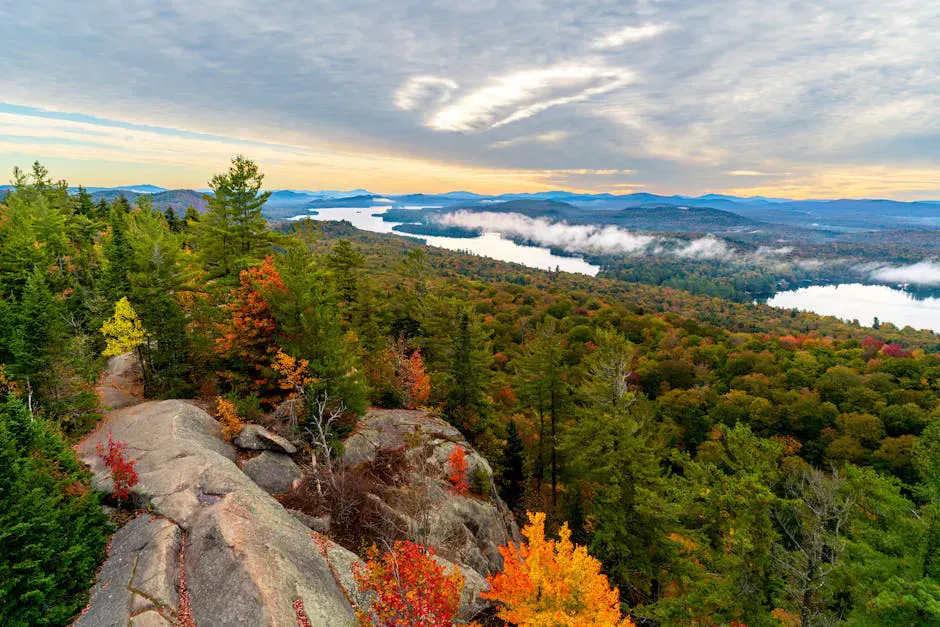
Late June through early October is prime season. Summer mornings offer reliable moose sightings and comfortable paddling conditions. September and October during the rut bring the largest bulls out of the forest, and the fall foliage along the river is spectacular. Spring is productive but comes with severe black fly pressure in June.
Packing List
Moose River Dawn Paddle
- Canoe or kayak (quiet boats; avoid motorized craft)
- PFD/life jacket
- Binoculars (essential for moose viewing at distance)
- Camera with telephoto lens (100mm minimum)
- Warm layers (mornings are cold, even in summer)
- Bug spray and head net (black flies and mosquitoes)
- Thermos of coffee (you will skip breakfast to make the dawn start)
- Quiet paddle technique (no banging gunwales or talking loudly)
- Waterproof bag for camera and phone
Getting There
Jackman is on Route 201, roughly 75 miles north of Skowhegan. From Portland, take the Maine Turnpike to Augusta, then Route 201 north through Skowhegan and Bingham to Jackman. The drive is about 3.5 hours. From Bangor, take Route 15 west to Greenville, then Route 6/15 north to Jackman, about 2.5 hours.
The primary put-in is at the Route 201 bridge in Jackman village. Parking is available on the road shoulder near the bridge.
GPS coordinates for the Route 201 bridge: 45.6310, -70.2530
FAQ
Will I definitely see a moose?
No wildlife sighting is guaranteed, but the Moose River near Jackman has one of the highest moose encounter rates in Maine. If you paddle at dawn between June and October, your chances of seeing at least one moose are very high. Multiple moose in a single morning is common.
What time should I start paddling?
Be on the water at first light, which is roughly 4:30-5:00 AM in summer. Moose feed in and along the river from dawn until about 7:30 AM, then retreat to the forest. Starting at 8 AM or later dramatically reduces your chances.
Do I need my own canoe?
Several sporting camps and outfitters in the Jackman area rent canoes and kayaks. Some offer guided moose viewing paddles. If renting, reserve in advance during peak summer season.
Is the Moose River safe for beginners?
Yes. The section near Jackman is gentle flatwater with negligible current. There are no rapids, portages, or technical challenges. Anyone who can paddle a canoe or kayak in a straight line can handle this river.
Can I see moose from the road instead?
Yes. Route 201 between Jackman and the Quebec border is one of Maine's best moose-viewing roads, especially at dawn and dusk. But seeing a moose from 50 feet while floating silently in a canoe is a fundamentally different experience than seeing one from a car.