

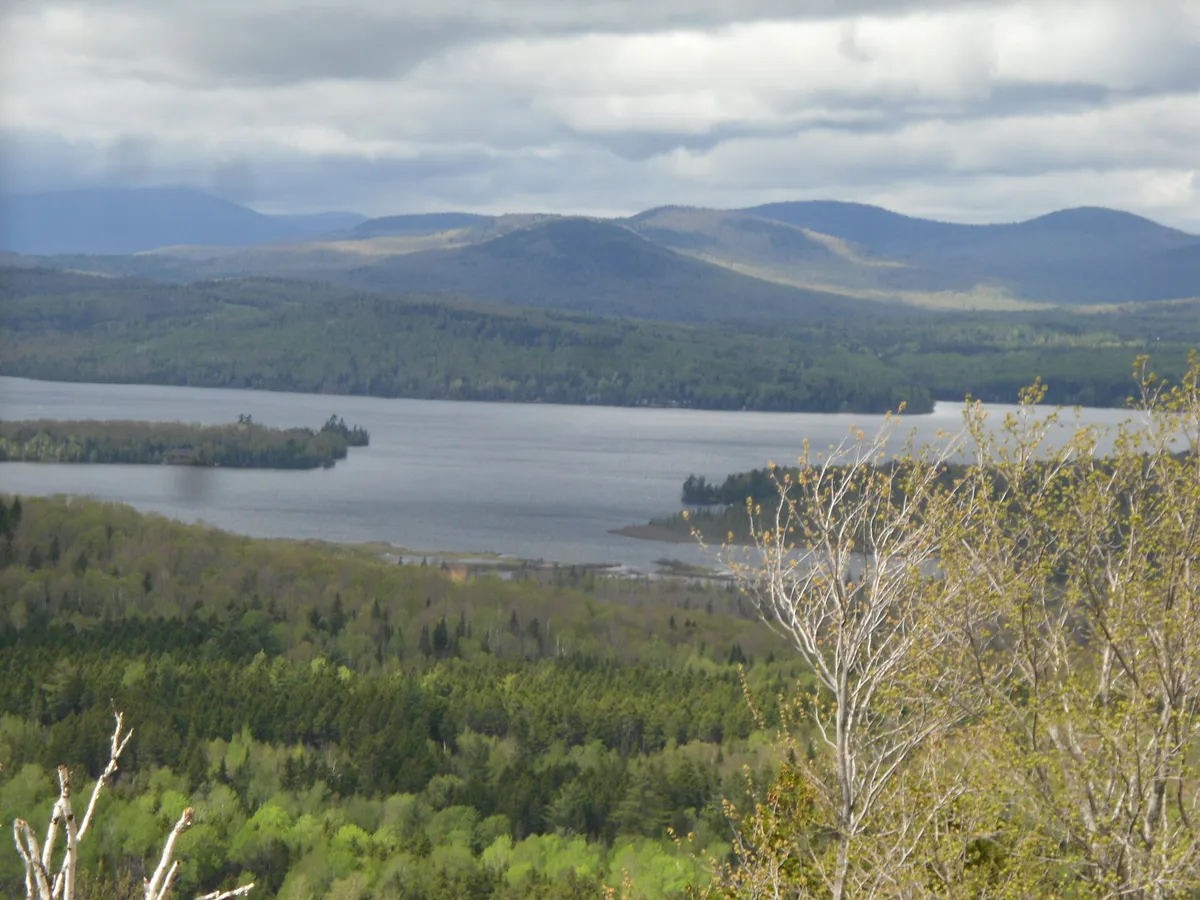

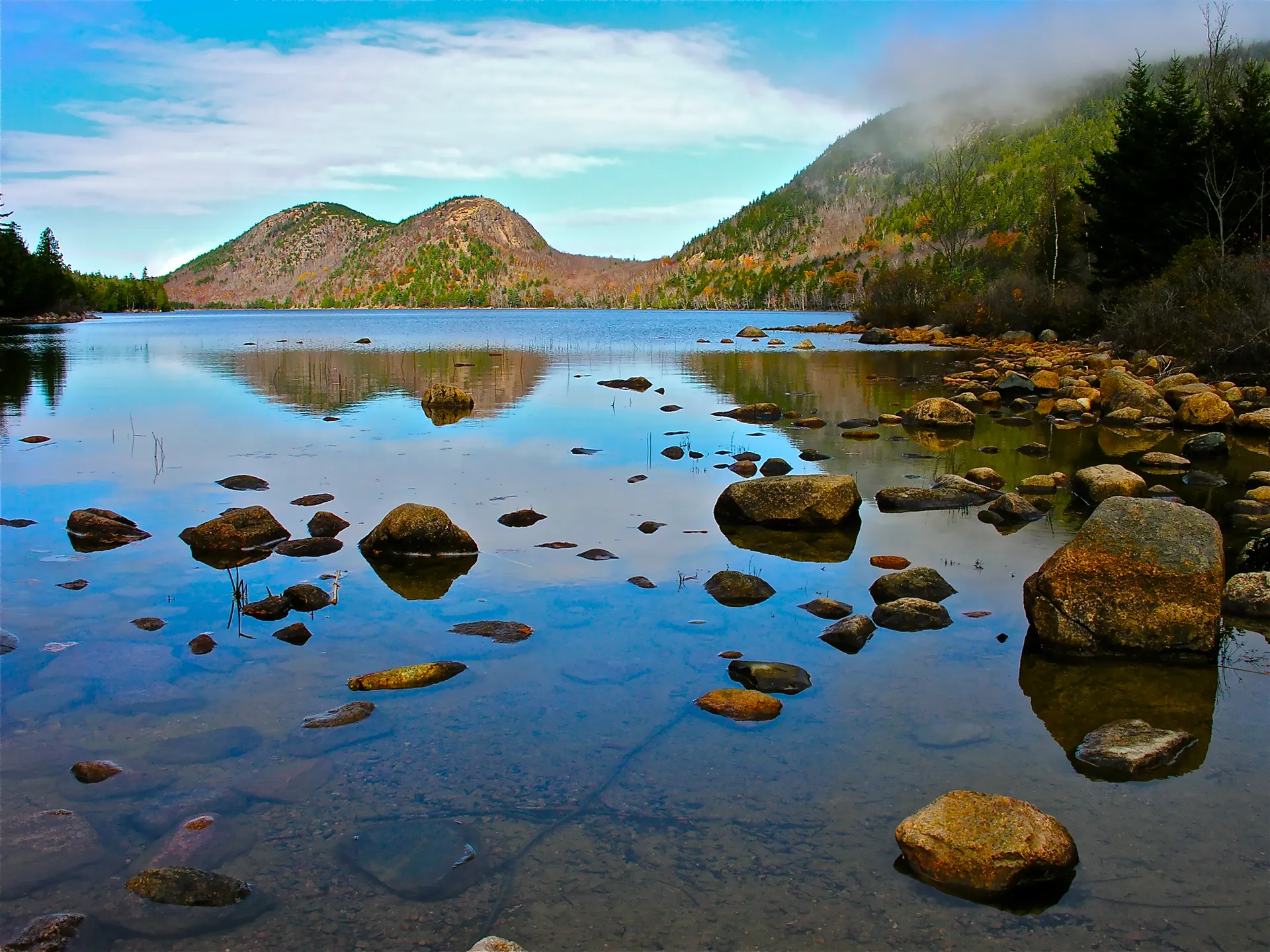





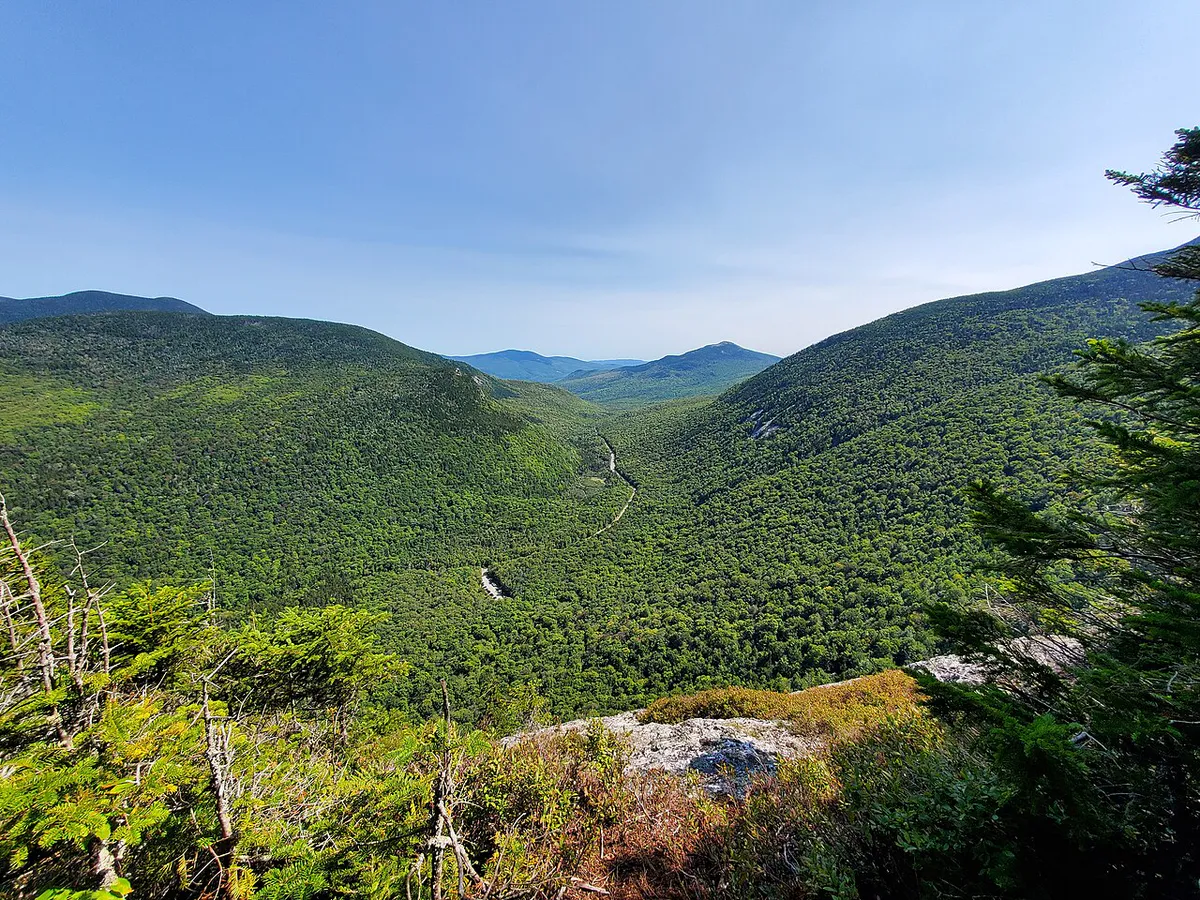


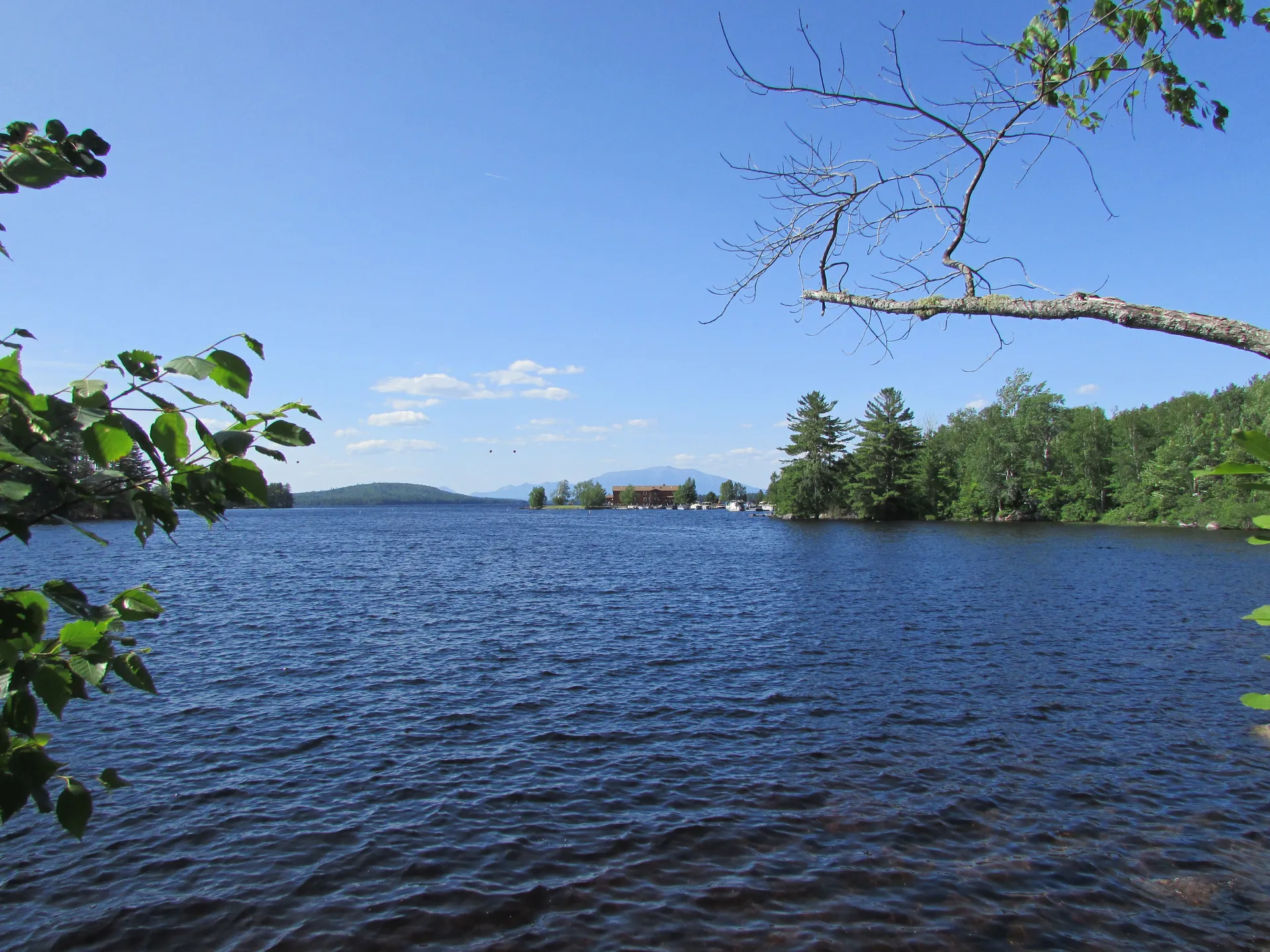

Ticks are part of hiking in Maine. From April through November, they are out there on every trail, every field edge, every patch of tall grass. You cannot avoid them entirely. But you can reduce your risk to near zero with the right system. This is not vague advice about “being careful.” This is exactly what to do before, during, and after every hike in Maine, based on years of walking these trails and finding far too many ticks along the way.
Maine has seen a sharp increase in tick-borne illness over the past decade, particularly Lyme disease. Southern and midcoast Maine are the highest risk areas, but ticks are now found statewide, including in Baxter State Park and the Bold Coast. The good news: a consistent prevention routine makes tick bites rare and disease transmission rarer.
Before You Hit the Trail
The most important tick prevention happens at home, before you leave. Your clothing is your first line of defense, and treated clothing is the single most effective tool available.
Pre-Hike Tick Prevention
- Treat hiking pants, socks, and shirt with permethrin (labels rate it for about 6 washes)
- Wear light-colored clothing (ticks are easier to spot)
- Tuck pants into socks (looks ridiculous, works perfectly)
- Apply picaridin or DEET to exposed skin
- Pack a tick removal tool
- Tell someone your plan and expected return
Permethrin is the most important item on this list. It is a synthetic insecticide that you spray on clothing, not skin. When a tick contacts permethrin-treated fabric, it dies. Spray your hiking pants, socks, gaiters, and shirt at home and let them dry overnight. One treatment lasts through about six washes or six weeks of wear. You can also buy pre-treated clothing if you prefer not to spray your own. For our full gear breakdown, see the tick and bug protection guide, and for the spray-and-dry process itself, the permethrin treatment guide.
#1Budget
Sawyer Permethrin Spray
Who it’s forTreat clothing once, repels weeks
Why we picked itKills ticks on contact before they can bite
Pros
- Lasts through 6 washes per application
- Odorless once dry
- Effective against mosquitoes and blackflies too
Know before you buy
- Must be applied to clothing only, not skin
- Takes 2-4 hours to dry completely
#2Mid-range
ExOfficio BugsAway Hiking Shirt
Who it’s forInsect-repellent fabric, all-day wear
Why we picked itFactory-treated with permethrin (lasts 70+ washes)
Pros
- UPF 50+ sun protection
- Moisture-wicking and quick-drying
- No need to reapply permethrin yourself
Know before you buy
- Expensive compared to treating your own clothes
- Limited color and style options
- Permethrin effectiveness fades over time
Light-colored clothing serves two purposes. The obvious one is that ticks are easier to spot on khaki or light gray than on black. The less obvious one is that dark clothing actually attracts more ticks. Deer ticks use visual cues in addition to heat and CO2, and dark silhouettes against a bright sky draw them in.
Skin repellent is your second layer. Permethrin goes on clothes. Repellent goes on exposed skin: hands, neck, face, ankles if your socks do not cover them. Picaridin is the best option for most hikers. It is odorless, does not damage synthetic fabrics or plastics, and works as well as DEET in independent tests. DEET at 30% concentration is the proven standard if you prefer it, but it can damage some gear.
#3Budget
Ranger Ready Picaridin 20%
Who it’s forSkin-safe picaridin, no smell
Why we picked it12-hour protection against ticks and mosquitoes
Pros
- Does not damage gear or synthetic fabrics
- No greasy residue, pleasant scent
- Safe for use on skin and clothing
Know before you buy
- Slightly less effective than DEET in extreme conditions
- More expensive per ounce than DEET
On the Trail
Your behavior on the trail matters as much as your gear. Ticks do not jump, fly, or drop from trees. They wait on the tips of grass blades and leaf edges with their front legs outstretched, a behavior called questing. When you brush against that vegetation, they grab on.
Stay on trail center. Walk the middle of the path, not the edges. Ticks are sitting on the grass and low shrubs that line the trail, not on the packed dirt and rock in the middle. On wide trails this is easy. On narrow trails, it takes conscious effort.
Avoid brushing against trailside vegetation. On tight sections where brush lines both sides, slow down and watch your leg placement. This is especially important on overgrown trails and in areas where grass encroaches on the footpath.
Skip the shortcuts through tall grass. Bushwhacking and off-trail exploration during tick season puts you directly into prime tick habitat. If you are hiking Gulf Hagas or the Bold Coast Trail, stick to the established path even where it looks like you could save time cutting through the brush. It is not worth the extra tick exposure.
Choose your break spots carefully. Stone walls, log piles, and leaf litter are tick habitat. That perfect shady spot under an old maple with a mossy stone wall is also a tick nursery. Mid-trail breaks on exposed rock slabs or packed dirt are safer than the shady forest floor. If you are having lunch, pick a spot with minimal ground cover.
Check yourself periodically. A quick glance at your lower legs every 30 minutes takes five seconds and can catch a tick before it finds skin. This is particularly useful on long hikes where you are out for four or more hours.
If you are hiking with a dog, check them at every rest stop. Dogs pick up ticks at roughly ten times the rate of humans because they walk through brush at tick height and their fur provides perfect cover. Our dog-friendly hikes guide covers trail-specific tips, but the short version is: check ears, neck, and legs every time you stop. Talk to your vet about year-round tick prevention for any dog that hikes in Maine.
After Every Hike: The Post-Trail Protocol
What you do in the two hours after a hike is critical. Most tick-borne disease transmission requires the tick to be attached and feeding for 24 or more hours. A thorough post-hike check catches ticks before they reach that window.
Post-Hike Tick Check
- Strip completely and do a full-body tick check within 2 hours
- Check these spots first: hairline, behind ears, armpits, waistband, groin, behind knees
- Shower within 2 hours of returning (washes off unattached ticks)
- Put hiking clothes directly in the dryer on high heat for 10 minutes
- Inspect gear: pack straps, boot tops, gaiters
- Check your dog thoroughly (ears, between toes, under collar)
Ticks survive the washing machine. They do NOT survive the dryer. Throw your hiking clothes in the dryer on high heat for 10 minutes BEFORE washing them. This kills ticks that are hiding in folds and seams. Washing first, even in hot water, lets ticks survive the cycle and potentially crawl out onto your laundry room floor.
The full-body check is non-negotiable. Use a mirror or ask a partner to check your back. Nymphal deer ticks are the size of a poppy seed. They are nearly invisible against skin, especially in areas with hair. The spots listed in the checklist above are where ticks most commonly attach, but they can end up anywhere. Take your time with this.
Keep a lint roller in your car. Before you get in after a hike, do a quick pass over your clothing, especially your lower legs and waistband. It will not catch ticks that have already crawled under your clothes, but it grabs the ones still walking on the surface. It takes 30 seconds and has caught many a tick that would have otherwise made it home.
If you are packing for Acadia, add a tick removal kit and a gallon zip-lock bag (for sealing clothes until you can get to a dryer) to your list.
Know Your Ticks: Identification Guide
Maine has three tick species that bite humans. Knowing which one you are dealing with matters because different species carry different diseases.
| Tick | Size | Color | Diseases | Active Season | Where in Maine |
|---|---|---|---|---|---|
| Deer Tick (Black-legged) | Poppy seed to sesame seed | Dark brown/black legs, orange-brown body | Lyme, anaplasmosis, babesiosis | April-November (peaks May-June, Oct-Nov) | Statewide, densest southern/ midcoast |
| American Dog Tick | Bigger than deer tick | Brown with white/cream markings | Rocky Mountain spotted fever (rare in ME) | April-August | Southern and central Maine |
| Lone Star Tick | Medium | Brown with white dot (female) | Alpha-gal syndrome (red meat allergy) | June-August | Expanding into southern Maine |
The deer tick is the one to worry about. It carries Lyme disease, anaplasmosis, and babesiosis, all of which are present in Maine and increasing. The American dog tick is larger and easier to spot, and the diseases it carries are rare here. The lone star tick is a relatively recent arrival in Maine and is still uncommon, but its range is expanding northward each year.
The nymphal (juvenile) deer tick is the most dangerous stage because of its size. At 1 to 2 millimeters, it is smaller than the period at the end of this sentence. These are the ticks most likely to transmit Lyme disease because people do not notice them until they have been feeding for 24 or more hours. Peak nymph activity in Maine is May through July, which overlaps with the busiest hiking season.

How to Remove a Tick
If you find an attached tick, do not panic. Remove it promptly and correctly. The method matters.
- Use fine-tipped tweezers or a tick removal tool. Standard household tweezers are often too blunt and can squeeze the tick body.
- Grasp the tick as close to the skin surface as possible. You want to grab the mouthparts, not the body.
- Pull upward with steady, even pressure. Do not twist. Do not jerk. Slow, straight, steady pressure.
- Clean the bite area with rubbing alcohol or soap and water.
- Save the tick in a sealed plastic bag with the date written on it. If you develop symptoms, your doctor or the Maine CDC can test it.
- Monitor the bite site for 30 days. Take a photo each week so you can track any changes.
#4Budget
TickKey Tick Remover
Who it’s forQuick, clean tick removal
Why we picked itRemoves ticks cleanly without squeezing the body
Pros
- Flat design fits on a keychain
- Works on all tick sizes including nymphs
- Nearly indestructible aluminum construction
Know before you buy
- Requires practice to use correctly the first time
- Small nymph ticks can be tricky to grab
Do not squeeze the tick body. Do not burn it with a match. Do not coat it in nail polish or petroleum jelly. These folk remedies can cause the tick to regurgitate stomach contents into the wound, which increases infection risk. The only safe method is steady upward pressure with fine-tipped tweezers or a purpose-built removal tool. Pull straight up, clean the site, save the tick.
When to See a Doctor
Not every tick bite requires a doctor visit, but some situations demand prompt medical attention. If any of the following apply, call your doctor or visit an urgent care clinic:
- Bullseye rash (erythema migrans) within 3 to 30 days. This expanding red ring around the bite site is the classic sign of Lyme disease. It appears in about 70 to 80% of Lyme cases. The other 30% never develop it, which is why you should not wait for a rash to seek care if you have other symptoms.
- Flu-like symptoms within 1 to 4 weeks: fever, fatigue, joint pain, headache, muscle aches. These can indicate Lyme, anaplasmosis, or babesiosis.
- The tick was attached for more than 24 hours. If the tick was engorged (swollen with blood), it had been feeding for a significant period. Some doctors prescribe a single prophylactic dose of doxycycline in this situation.
- You cannot identify the tick species. If you were hiking in southern Maine or the midcoast and removed a very small tick, assume it could be a deer tick and consult a doctor.
Photograph the tick before and after removal. A clear photo of the tick next to a coin or ruler for scale helps your doctor determine the species and assess risk without needing to send the tick for testing. Keep the photo on your phone along with the date and location of the hike.
For more on tick season timing and regional risk levels in Maine, our seasonal guide has county-by-county data.
The Bottom Line
Ticks are a fact of life in Maine. They are not a reason to stay off the trails. The system is straightforward: treat your clothes with permethrin, wear light colors, stay on trail center, do a thorough check when you get home, and throw your clothes in the dryer. Hikers who follow this routine consistently find fewer ticks, and the ones they do find are dead or crawling on the outside of treated clothing rather than embedded in skin.
The trails are worth it. Gulf Hagas in late spring, the Bold Coast in fall, Cadillac Mountain on a clear morning. You just have to be smart about the small things that live alongside the trail. This system works. Use it every time.
For full product recommendations and detailed gear reviews, see our complete tick and bug protection gear guide. If blackflies are also a concern (and in June, they will be), that guide covers both.
How long does a tick need to be attached to transmit Lyme disease?
Maine CDC puts the usual window at 24 to 72 hours of attachment before Lyme transmission starts. That is not a hard guarantee, and other tick-borne infections move faster. Powassan virus can transmit in as little as 15 minutes. Remove ticks as soon as you find them regardless of how long they have been attached.
Can I get a tick bite in winter in Maine?
Yes, if temperatures are above 35 degrees Fahrenheit. Deer ticks do not die in cold weather. They go dormant under leaf litter and become active on warm winter days. A stretch of 40-degree days in January or February can bring them out. It is uncommon but not impossible.
Are ticks worse in the woods or in fields?
The transition zone between them is worst. Trail edges, stone walls, and the border between forest and meadow are prime tick habitat. Ticks thrive in the damp, shady conditions at these margins. Deep mature forest with little underbrush tends to have fewer ticks than brushy edges and overgrown fields.
Does tucking pants into socks actually work?
Yes. It prevents ticks from crawling up your legs under your clothing, which is the most common route to skin. It looks silly and it works. Pair it with permethrin-treated socks for maximum protection. Light-colored socks also make it easy to spot ticks crawling upward before they reach your waistband.
Should I get a Lyme disease test after a tick bite?
Talk to your doctor. Testing too early, within 4 to 6 weeks of a bite, often produces false negatives because the body has not yet developed detectable antibodies. Some doctors prescribe a single preventive dose of doxycycline after a confirmed deer tick bite, especially if the tick was attached for more than 24 hours.
Is Lyme disease curable?
Yes, when caught early. A 2- to 3-week course of antibiotics (typically doxycycline) is effective in the vast majority of cases. The vast majority of patients recover fully with early treatment. Delayed treatment can lead to more serious symptoms affecting joints, heart, and the nervous system, which may require longer treatment and have a slower recovery.
The locals who spend every day in the Maine woods, trail maintainers, foresters, hunting guides, all do the same thing: permethrin on clothes, tuck pants into socks, full check at the end of the day. It is not complicated. The people who get Lyme disease are usually the ones who skip the check after a “quick hike” because it did not seem like tick country. Every trail in Maine is tick country from April through November. Do the check every time.