

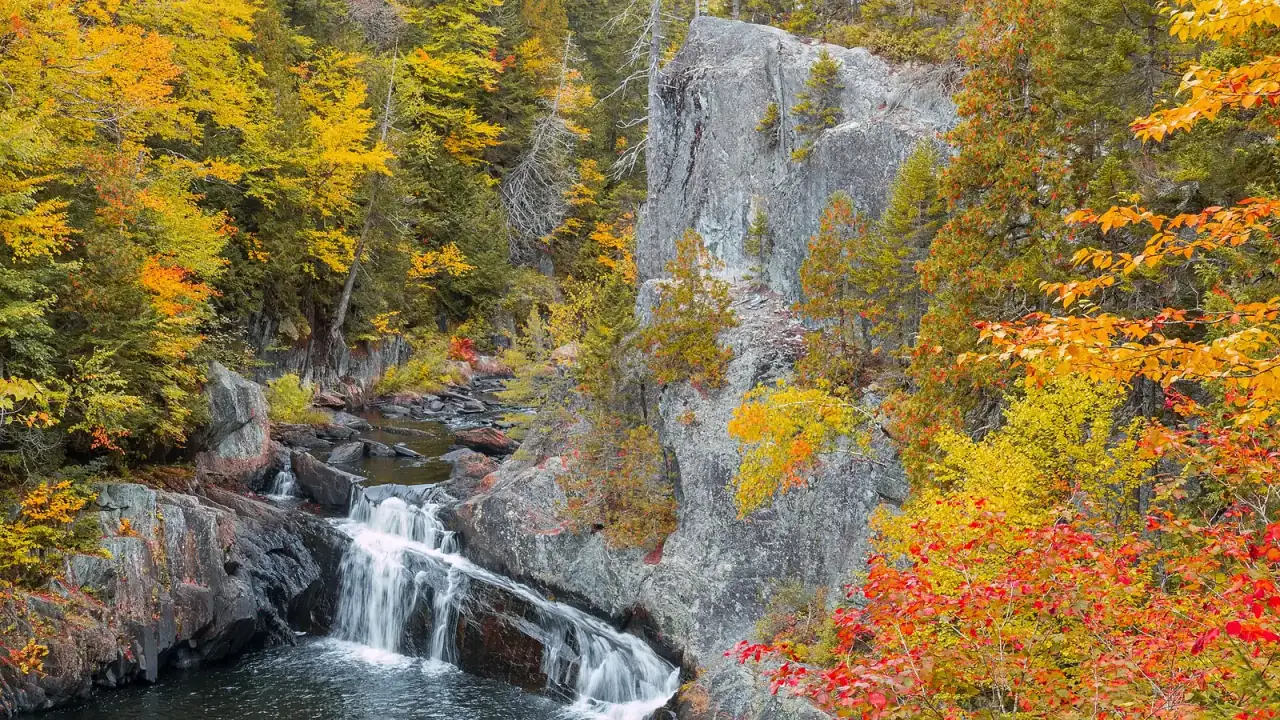
They don’t buzz. They don’t announce themselves. You just feel the sting, look down, and see blood running down your neck. Blackflies are the tax you pay for hiking in Maine between late May and mid-June, and some trails collect that tax harder than others.
I’ve hiked in clouds of them so thick I inhaled one mid-sentence. I’ve watched first-time visitors swat frantically for ten minutes, then turn around and drive home. That’s a reasonable response. But if you know which trails are the worst and bring the right gear, you can still get out there during peak season without losing your mind.
Here are the trails where blackflies are at their absolute worst, a few where they’re manageable, and everything I know about surviving them.
When Blackfly Season Hits
Blackfly season in Maine runs from roughly late May through mid-June. The timing is tied to snowmelt and water temperature. As streams warm into the 50s, larvae that have been clinging to rocks all winter hatch into adults with one job: find blood.
They breed in running water. Not ponds, not puddles, but flowing streams and rivers. That’s why trails that follow waterways are so much worse than dry ridgelines. Elevation matters too. Low-elevation trails near the Moosehead and Western Mountains regions hit peak earlier, while higher terrain delays the hatch by a week or two.
Blackfly bites swell more than mosquito bites and can itch intensely for days. Some people develop welts the size of quarters. If you’ve never been bitten before, your first reaction may be worse than expected. Carry antihistamines and hydrocortisone cream.
The Worst Trails for Blackflies
These trails earn their reputation every year. If you hike them between Memorial Day and Father’s Day, come prepared or come suffering.
1. Gulf Hagas
The “Grand Canyon of Maine” follows the West Branch of the Pleasant River for miles through a deep slate gorge. Running water on both sides, humid air trapped below the canopy, and a river ford at the trailhead that serves as your official welcome to blackfly country. Late May at Gulf Hagas is legendary among Maine hikers, and not in a good way. The gorge is spectacular, but you will earn every waterfall view.
2. Bigelow Range
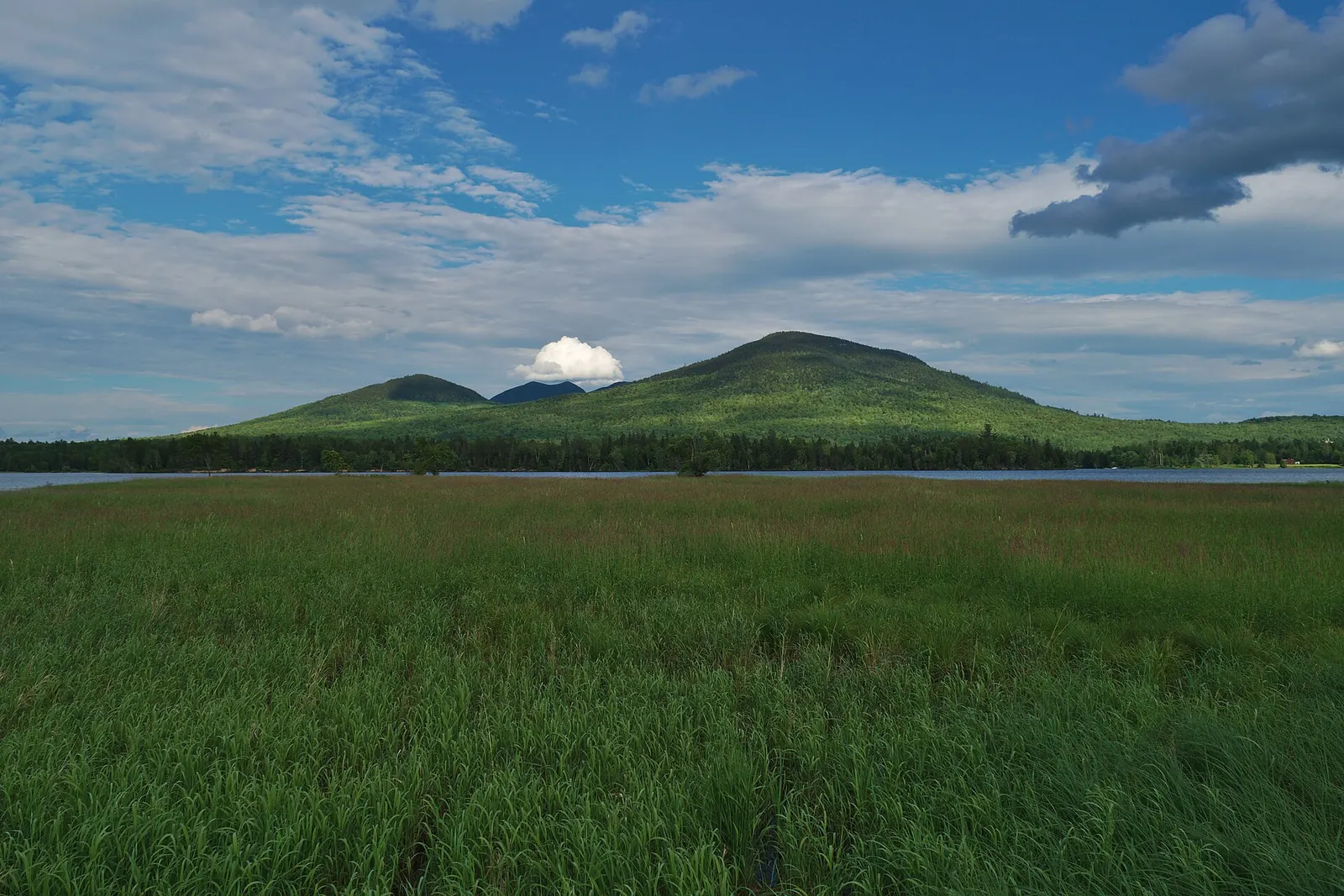
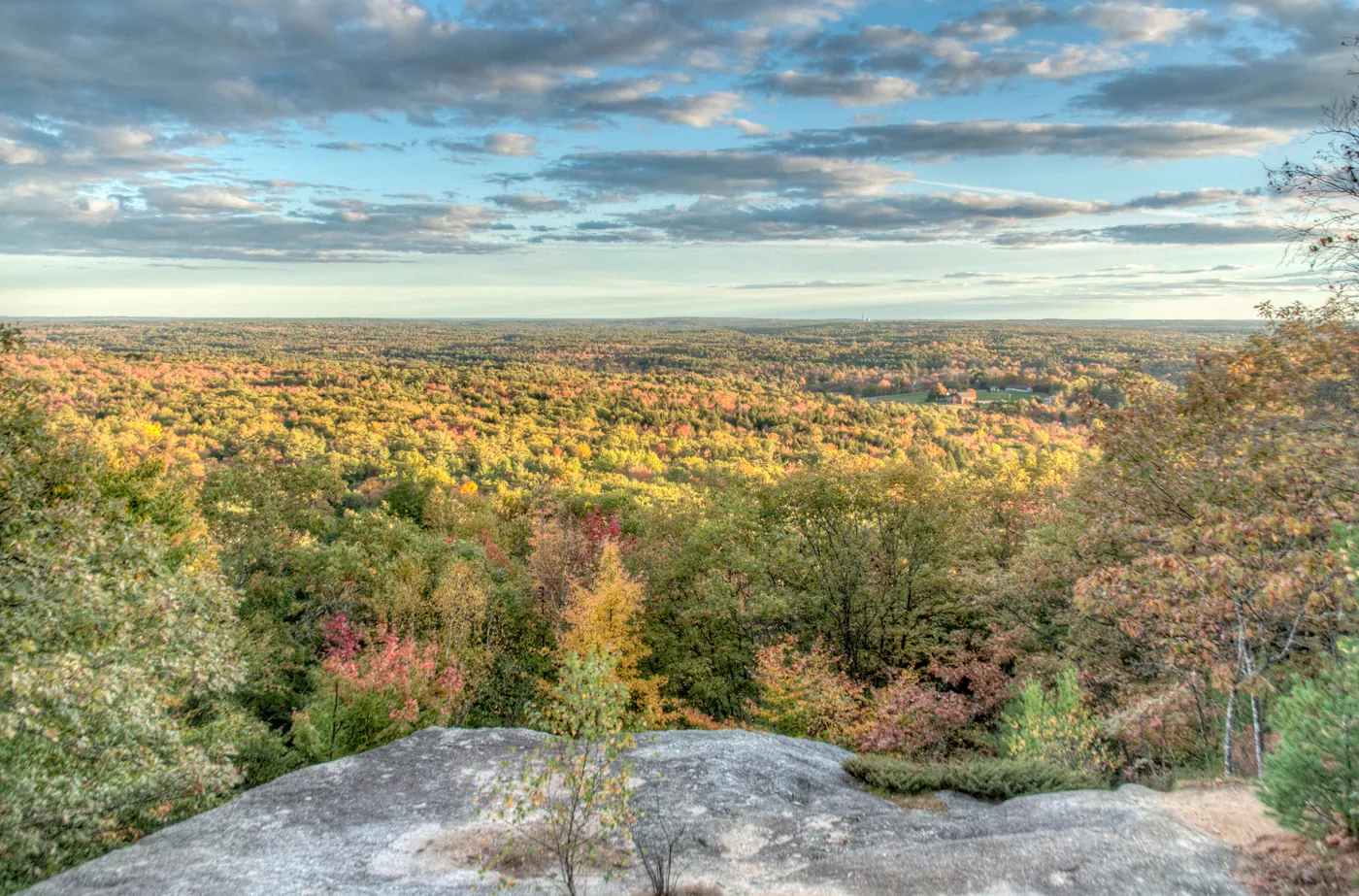
The Appalachian Trail approach to Bigelow crosses boggy lowlands that are prime blackfly breeding ground. As you gain elevation, you pass through different hatches at different stages. Below treeline is brutal. The only mercy is that once you crest the ridge, wind finally shows up. Plan to move fast through the lower sections and linger on the exposed peaks.
3. Tumbledown Mountain
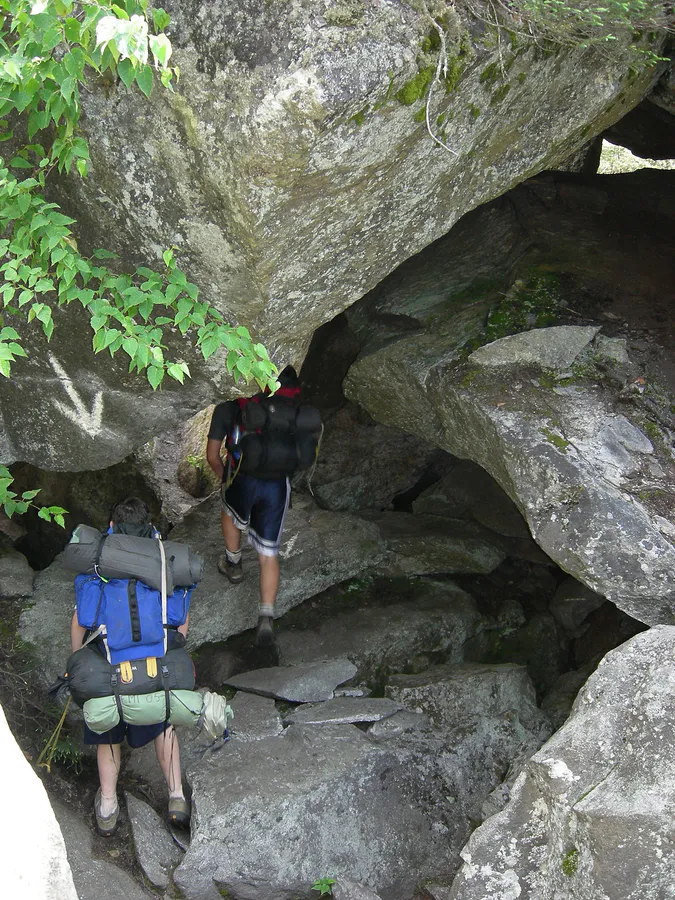
Brook Trail is the most popular route up Tumbledown, and it follows a stream the entire way. Fat Man’s Misery, the narrow rock slot near the top, concentrates you in a tight space with zero breeze. You’re basically a buffet in a phone booth. The alpine pond at the summit is the reward, and by the time you get there, you’ll want to submerge your entire head in it.
4. Katahdin (Hunt Trail)
Abol Campground in early June might be the single worst blackfly location in Maine. The lower Hunt Trail isn’t much better. Streams everywhere, dense forest, still air. Thousands of AT thru-hikers have cursed this stretch. The good news: once you break above treeline on the Tablelands, the wind clears them out. The bad news: that’s three miles of suffering to get there.
5. Bold Coast Trail
The inland sections of Bold Coast cut through dense spruce forest that traps humidity like a greenhouse. Blackflies AND mosquitoes work in shifts here. The coastal cliffs are the only relief, where ocean wind keeps the bugs at bay. Time your hike so you’re in the forest sections during windier parts of the day, and save the cliff views for when you need to stop and breathe.
6. 100-Mile Wilderness
Remote, wet, and crisscrossed with stream crossings. Thru-hikers hitting this section in early June earn every single mile. There’s nowhere to escape, no road to bail to, and resupply is days away. If you’re planning a 100-Mile trip, aim for late June at the earliest. Seriously.
7. Grafton Notch (Lower Trails)
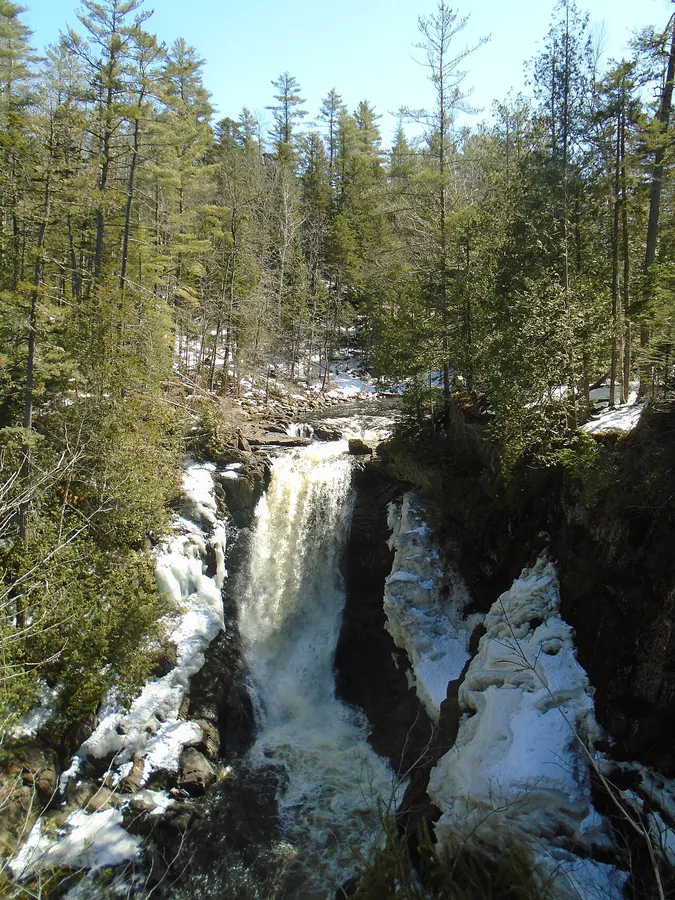
Old Speck’s lower sections and the trails near Screw Auger Falls sit right next to cascading water, which is exactly where blackflies want to be. The falls are beautiful, the bugs are relentless. Higher up on Old Speck the situation improves, but those first couple miles along the brook are a gauntlet.
Trails Where Blackflies Are Manageable
Not every trail in Maine is a blackfly hellscape. Wind and exposure are your best friends.
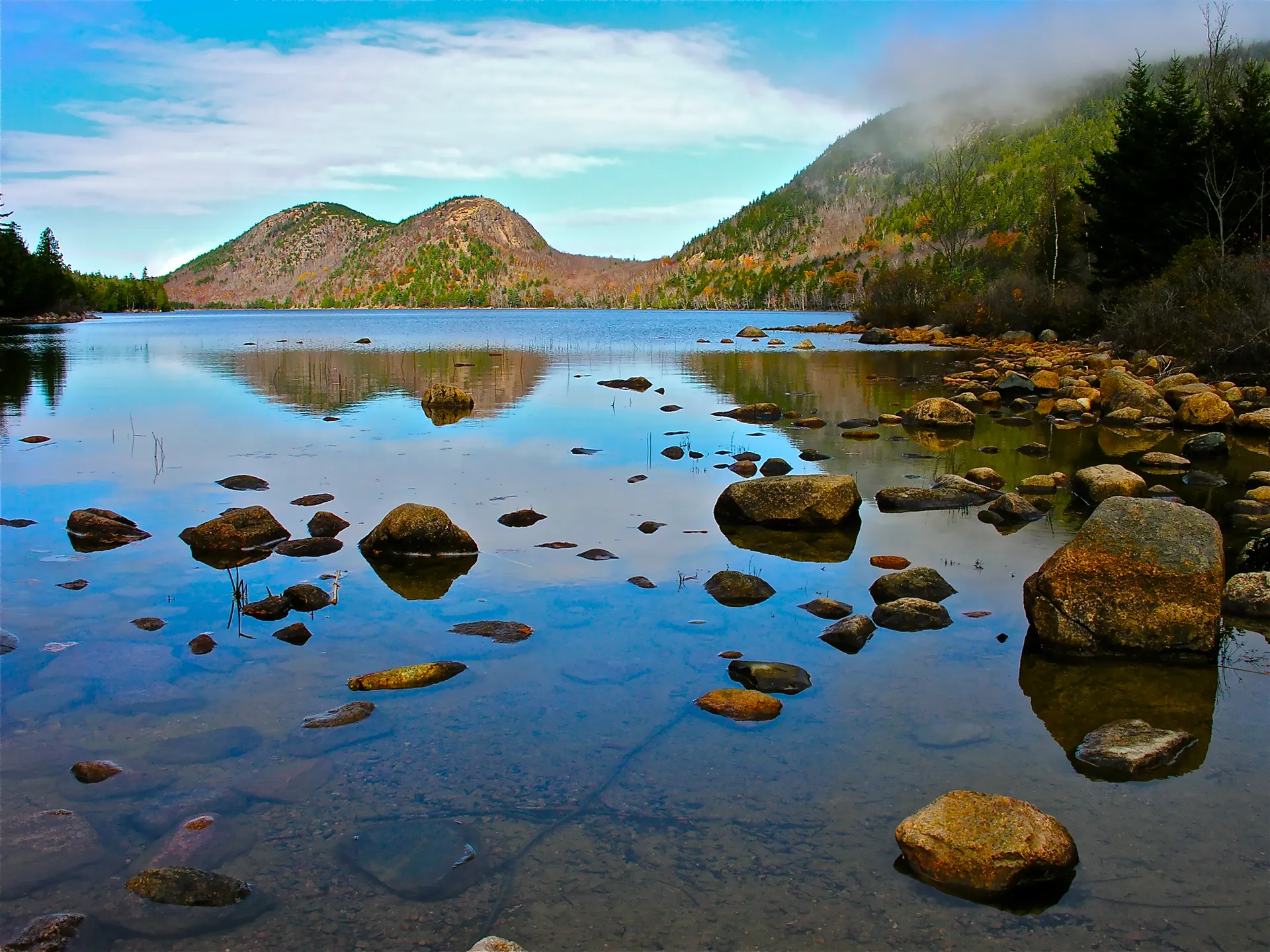
Wind-exposed summits and ridges are reliably better. Cadillac Mountain in Acadia gets enough breeze to keep blackflies grounded most days. The Beehive is exposed enough that bugs can’t hover. Mount Battie in Camden Hills is short, open, and breezy.
Coastal trails are your safest bet. Ocean Path in Acadia runs along the shoreline where ocean wind handles pest control for free.
During blackfly season, choose ridge hikes and exposed summits over valley trails. A windy day on a bald peak beats a calm day in the woods every time. Check the forecast for wind speed, not just rain. Anything above 10 mph keeps blackflies from flying effectively.
How to Beat the Blackflies
You can’t eliminate them. You can make yourself a harder target.
Timing helps a little. Blackflies are daytime feeders, most active from mid-morning to late afternoon. Before 9 AM and after 6 PM are slightly better windows, though they won’t leave you completely alone.
A head net is the single most effective piece of gear. It weighs an ounce, costs a few dollars, and changes the entire experience. I used to think head nets were for people who couldn’t tough it out. Then I tried one. I’m never going back. You will look ridiculous. You will not care. If you don’t own one yet, our picks for the best bug head nets for Maine cover the styles that actually keep flies off your face.
Permethrin on clothing is your second line of defense. Treat your shirt, pants, hat, and socks before the trip and it lasts through several washes.
#1Budget
Sawyer Permethrin Spray
Who it’s forTreat clothing once, repels weeks
Why we picked itKills ticks on contact before they can bite
Pros
- Lasts through 6 washes per application
- Odorless once dry
- Effective against mosquitoes and blackflies too
Know before you buy
- Must be applied to clothing only, not skin
- Takes 2-4 hours to dry completely
DEET at high concentration is the nuclear option. It smells terrible, it melts synthetic fabrics, and it works. For blackfly season, go 30% or higher, some hikers swear by 100% DEET for peak blackfly season, though the CDC says effectiveness plateaus around 50%.
#2Budget
Repel 100 DEET
Who it’s forMax-strength biting bug protection
Why we picked itMaximum strength DEET for severe bug pressure
Pros
- 10+ hours of protection per application
- Effective against ticks, mosquitoes, and blackflies
- Affordable
Know before you buy
- Strong chemical smell
- Can damage synthetic fabrics and plastics
- Greasy feel on skin
Picaridin is the gentler alternative. Doesn’t damage gear, doesn’t feel greasy, and is nearly as effective as DEET for blackflies.
#3Budget
Ranger Ready Picaridin 20%
Who it’s forSkin-safe picaridin, no smell
Why we picked it12-hour protection against ticks and mosquitoes
Pros
- Does not damage gear or synthetic fabrics
- No greasy residue, pleasant scent
- Safe for use on skin and clothing
Know before you buy
- Slightly less effective than DEET in extreme conditions
- More expensive per ounce than DEET
Wear light-colored clothing. Blackflies are attracted to dark colors, especially dark blue and black. A light gray or tan hiking shirt makes a measurable difference.
Long sleeves, pants tucked into socks. Yes, in June. Yes, you’ll be warm. You will not be bleeding from forty tiny cuts on your ankles. Worth the trade.
For the full breakdown on repellents, treated clothing, and head nets, check out our complete bug and tick protection guide. And if you’re also worried about ticks (you should be), read our guides on Maine tick season 2026 and avoiding ticks while hiking.
Blackfly Survival Kit
- Head net (non-negotiable)
- Permethrin-treated shirt and pants
- DEET or picaridin repellent
- Buff or bandana for neck
- Light-colored long sleeves
- Pants tucked into socks
If you can wait until the last week of June, most blackflies are done. The window between blackfly season ending and mosquito season peaking, roughly June 25 to July 10, is the best two weeks of hiking all year. Warm days, long light, no bugs trying to drink your blood. Locals plan their big trips around this window for a reason.
When do blackflies go away in Maine?
Most years, peak blackfly season is over by late June. Higher elevations like Katahdin and the Bigelows may see them into early July. Unlike mosquitoes, blackflies do not come back in fall. Once they're done, they're done until next May.
Do blackflies carry diseases?
No serious diseases from blackflies in Maine. The bites themselves are the problem. Some people react with significant swelling, and repeated bites over several days can cause fatigue and mild flu-like symptoms called 'blackfly fever.' Clean bites with soap and water and use hydrocortisone for itching.
Does DEET work on blackflies?
Yes, especially at concentrations of 30% or higher. Picaridin is also effective. But neither repellent is as reliable as a physical barrier like a head net. The best approach combines treated clothing (permethrin), skin repellent (DEET or picaridin), and a head net.
Are blackflies worse than mosquitoes?
Different beasts. Blackflies bite during the day while mosquitoes peak at dawn and dusk. Blackfly bites often swell more and itch longer. But blackfly season is much shorter, about 3 to 4 weeks compared to mosquitoes lasting all summer. Many hikers consider blackflies worse because you can't escape them during prime hiking hours.
Can I avoid blackflies completely?
Nearly. Hike above treeline on windy days, stick to coastal trails, or wait until July. Exposed summits like Cadillac Mountain and ridge walks in Acadia are mostly blackfly-free even during peak season. If you must hike forested, low-elevation trails in early June, a head net and permethrin-treated clothing make it survivable.