

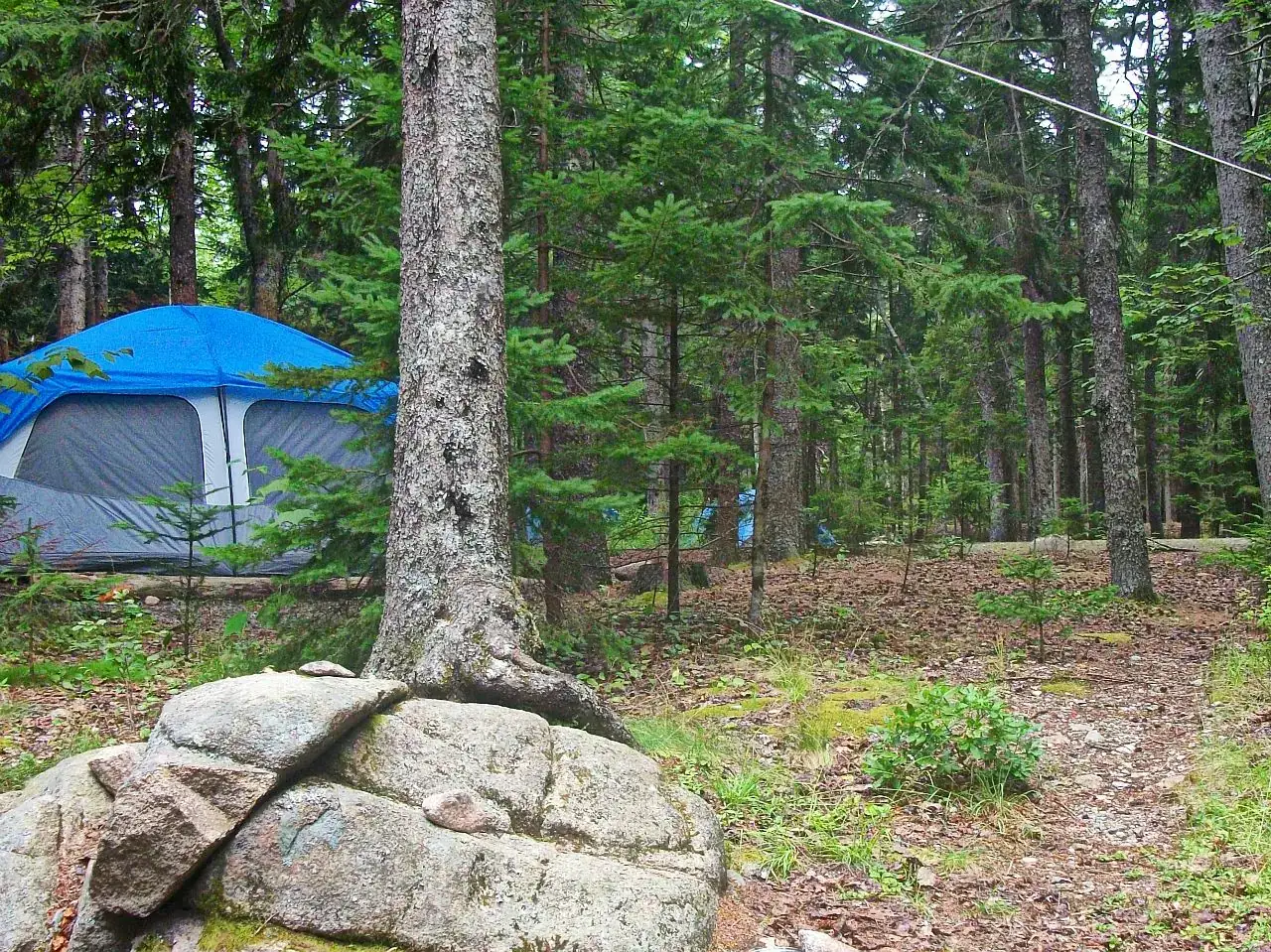
Mosquitoes in Maine are not a maybe. They are a guarantee. From June through September, especially anywhere near water, they will find you. You will hear them before you see them, that high-pitched whine near your ear right as you are trying to fall asleep in your tent.
The 2026 season has been brutal. A wet spring left standing water in every ditch, bog, and forest hollow across the state. More standing water means more breeding habitat, and more breeding habitat means clouds of mosquitoes that make a lakeside campsite feel like a punishment. I counted eleven bites on one arm after cooking dinner at a Penobscot River campsite in early June. That was with repellent on.
But mosquitoes do not have to ruin a trip. They follow patterns. If you understand the timing, pick the right spots, and layer your protection, you can camp and hike through the worst of it without losing your mind. Here is everything I know.
When Mosquitoes Are Worst in Maine
Peak mosquito season in Maine runs from June through August. They do not disappear in September, but numbers drop significantly after the first cool nights. The absolute worst windows are dawn and dusk, roughly 5 to 8 AM and 6 to 9 PM. Midday on a sunny trail is usually manageable.
Wet years are worse. Standing water is where mosquitoes lay eggs, and 2026 has been one of the wettest springs in recent memory. Every vernal pool, road ditch, and overturned canoe became a nursery. Dry summers calm things down. Wet summers keep the cycle going all season.
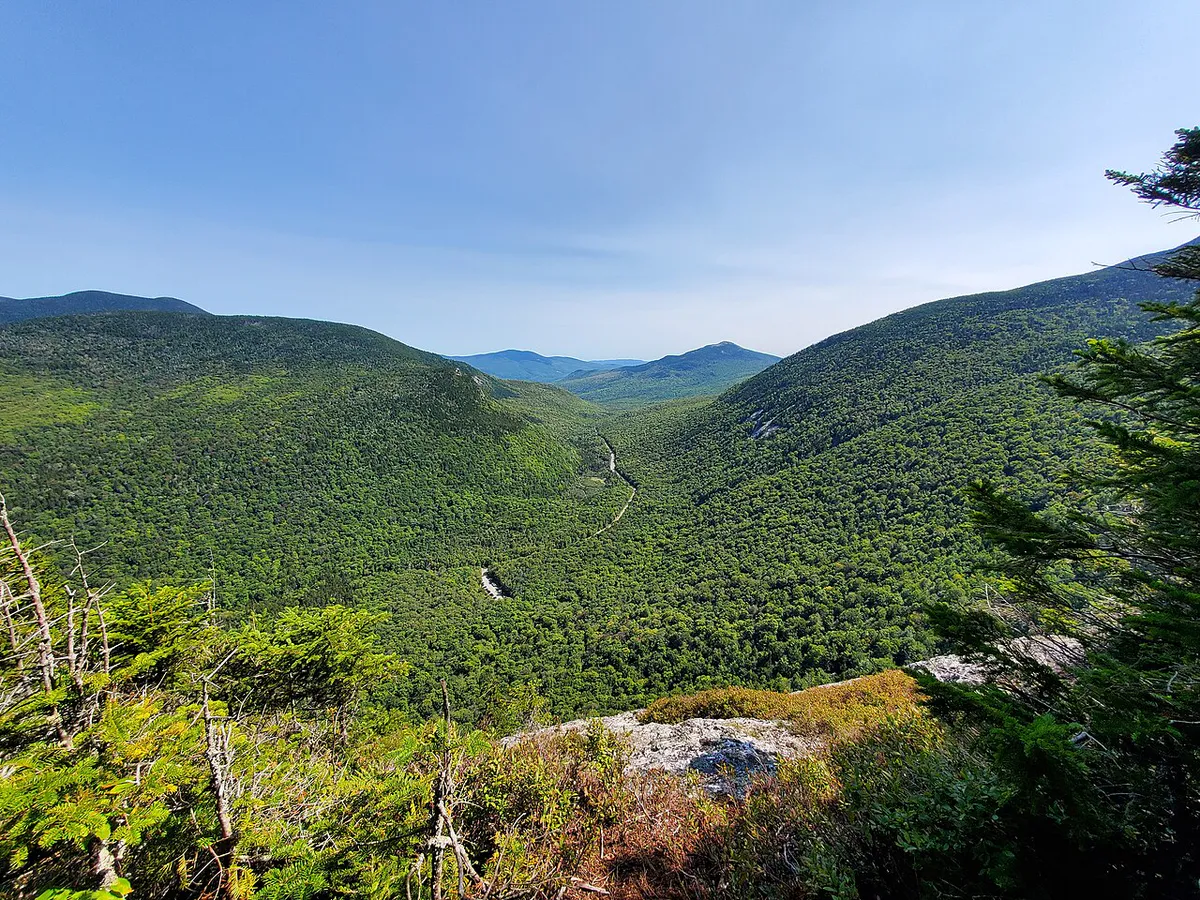
Elevation matters more than most people realize. Lowland bogs, lake shores, and river valleys are the worst. Get above treeline or onto a windy ridge, and mosquitoes thin out fast. They are weak fliers. A steady breeze of 10 mph or more grounds them.
| Month | Activity Level | Worst Conditions | Best Strategy |
|---|---|---|---|
| May | Low-Moderate | Warm, still evenings near wetlands | Standard repellent, light layers |
| June | High | Dawn/dusk near any standing water | Full protection system, avoid lakeside dusk |
| July | Highest | Hot, humid days after rain | Permethrin clothing + picaridin, camp on high ground |
| August | High | Stagnant water, calm evenings | Same as July, watch for late-season surge after rain |
| September | Moderate | Warm spells near marshes | Lighter protection, still carry repellent |
Where They’re Worst
Some places in Maine are mosquito factories. If you camp at these spots during peak season, plan accordingly.
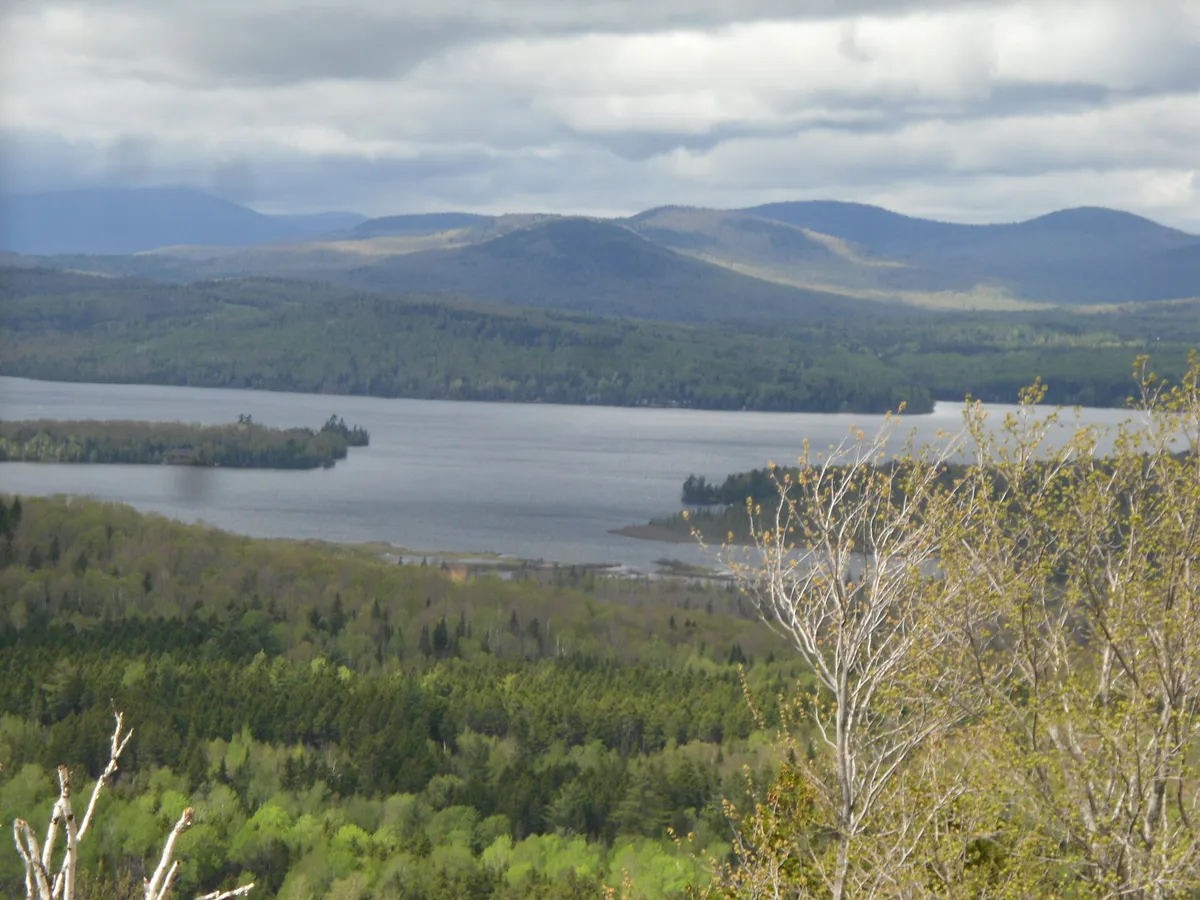
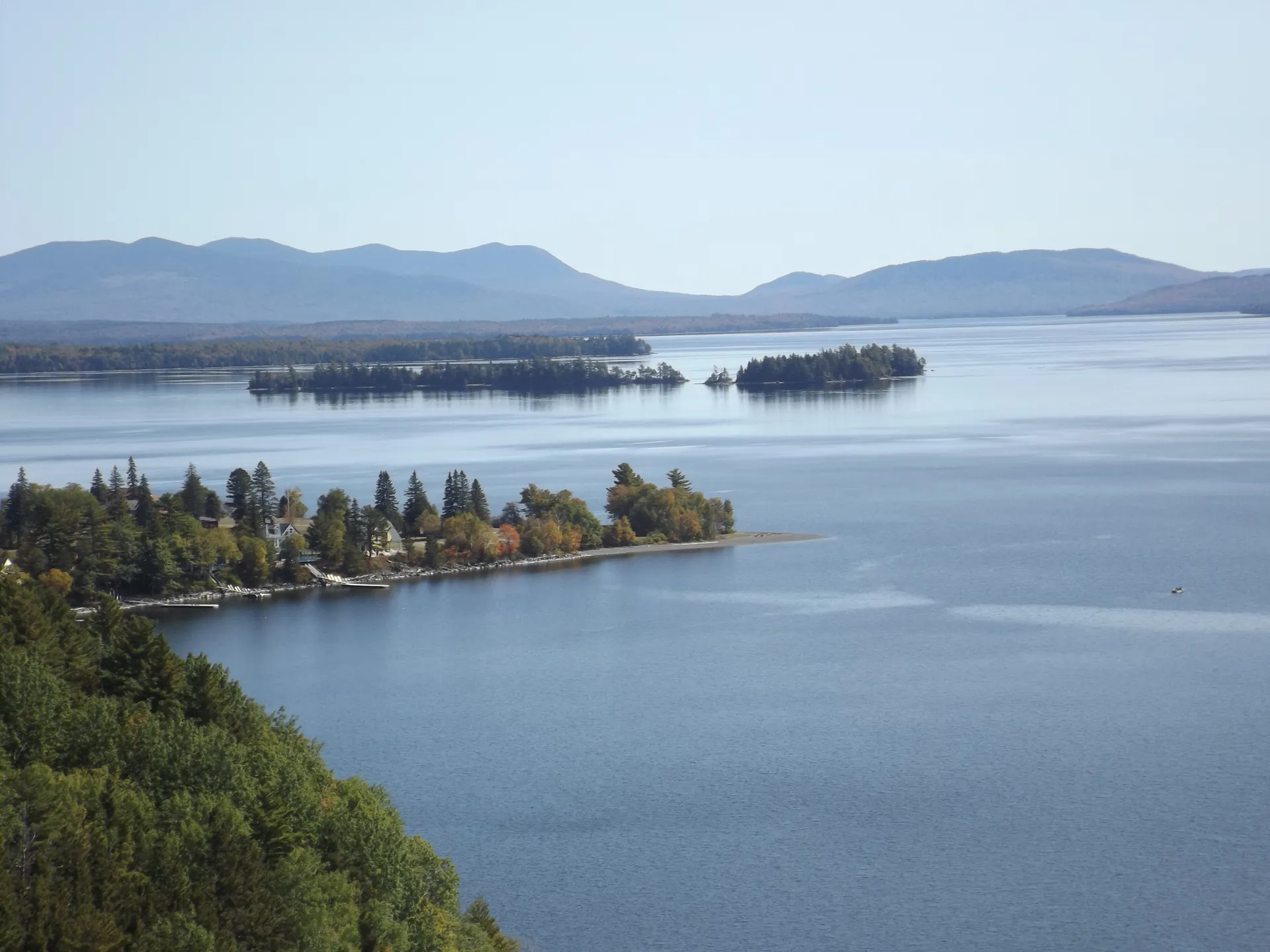
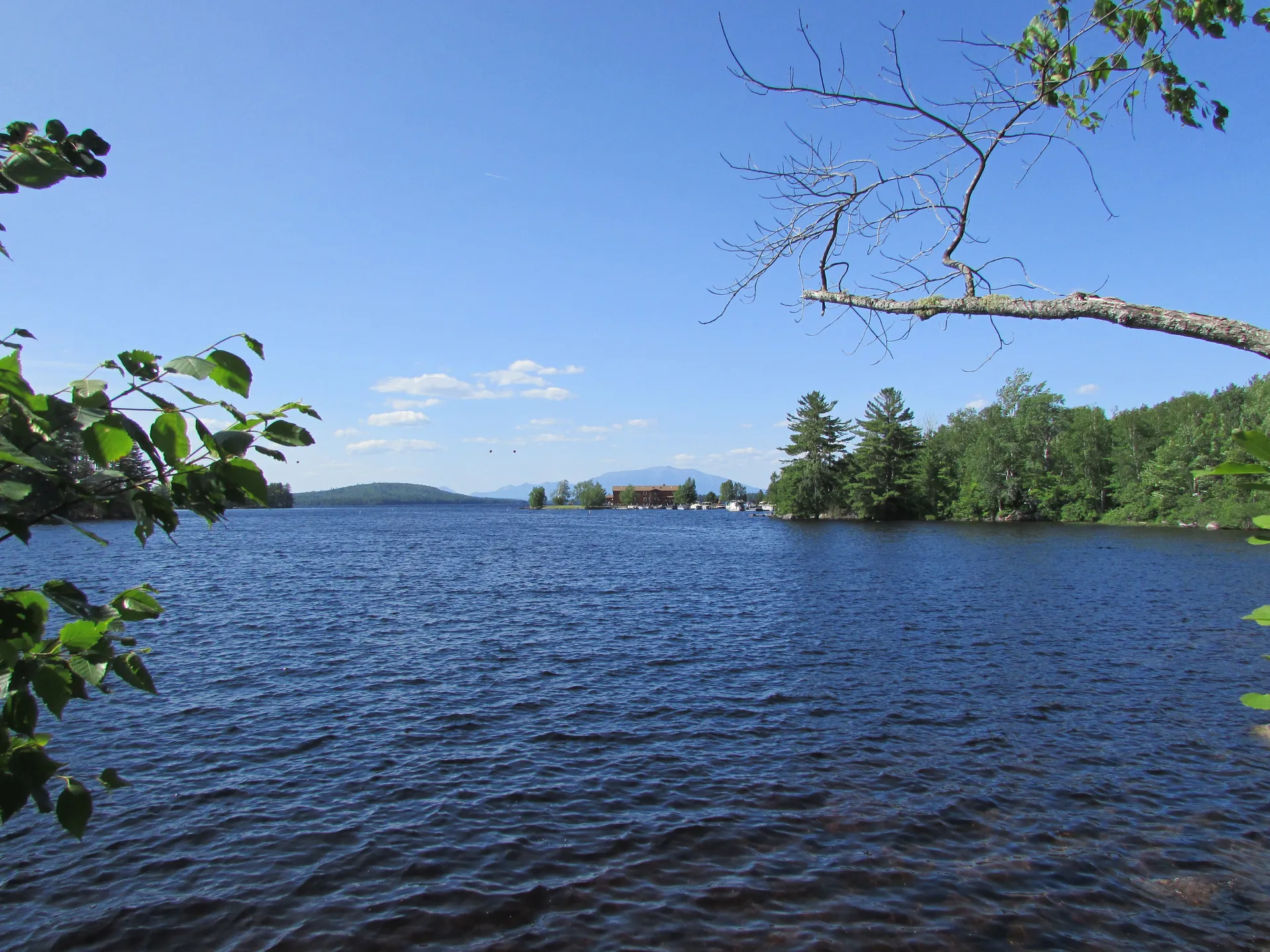
Lake shores at dusk are the classic worst-case scenario. Moosehead Lake campsites at sunset can be overwhelming, and Sebago Lake shore trails are not much better. The combination of still water, warm air, and fading light is exactly what mosquitoes want.
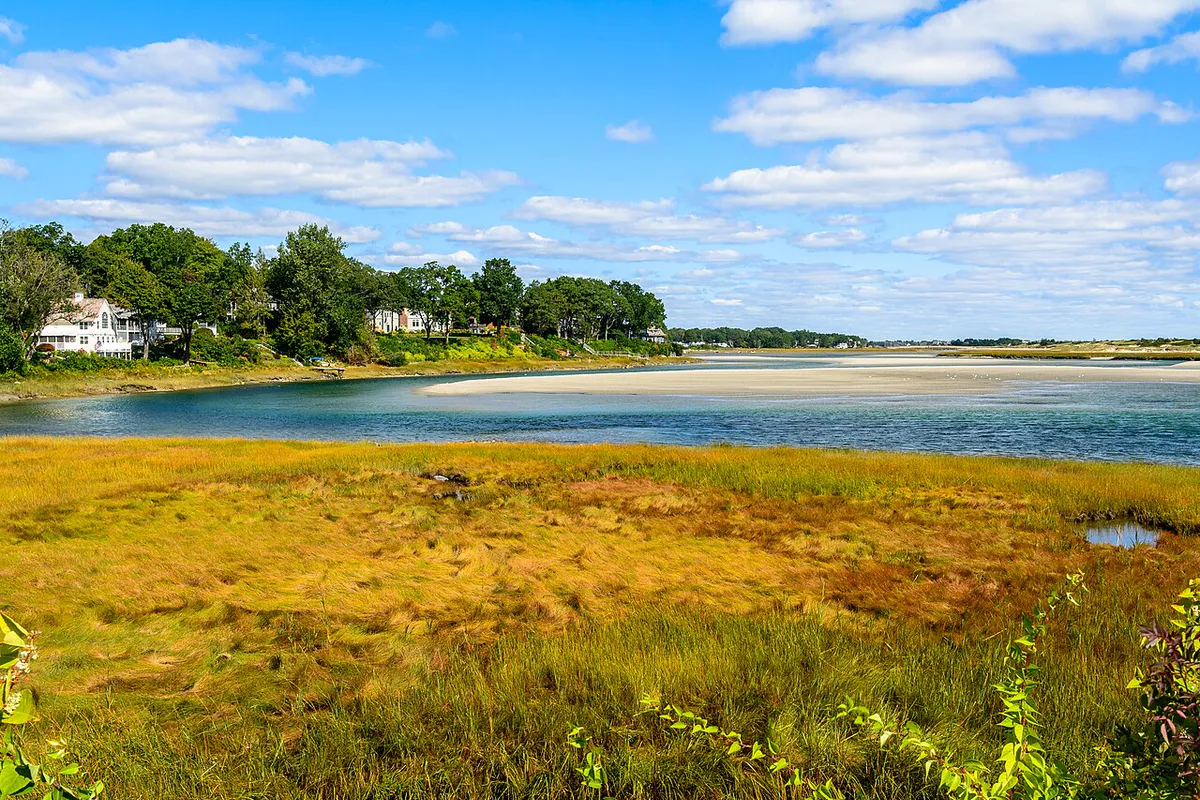
Bog and wetland areas breed them in massive numbers. Orono Bog Boardwalk, Scarborough Marsh, and any trail that crosses or borders wetlands will be thick with mosquitoes from June through August.
Riverside campsites along the Kennebec, Penobscot, and Allagash are beautiful and buggy. The slower the water, the worse it gets. Backwater pools and eddies are prime breeding sites.
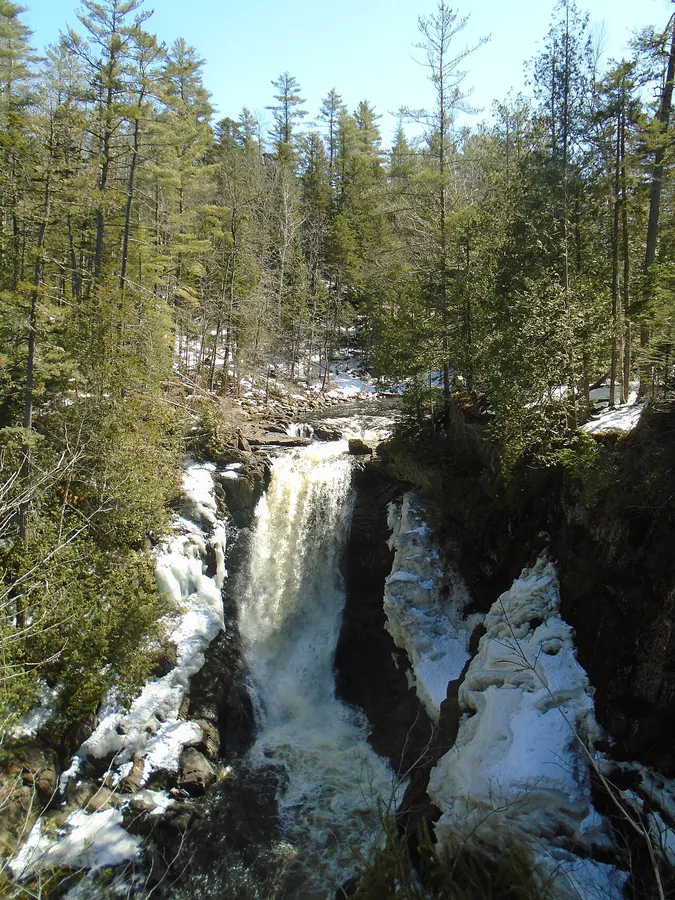
Dense forest with standing water is a trap. The lower sections of Gulf Hagas combine shade, humidity, and water into ideal mosquito habitat. You will hear them before you reach the gorge.
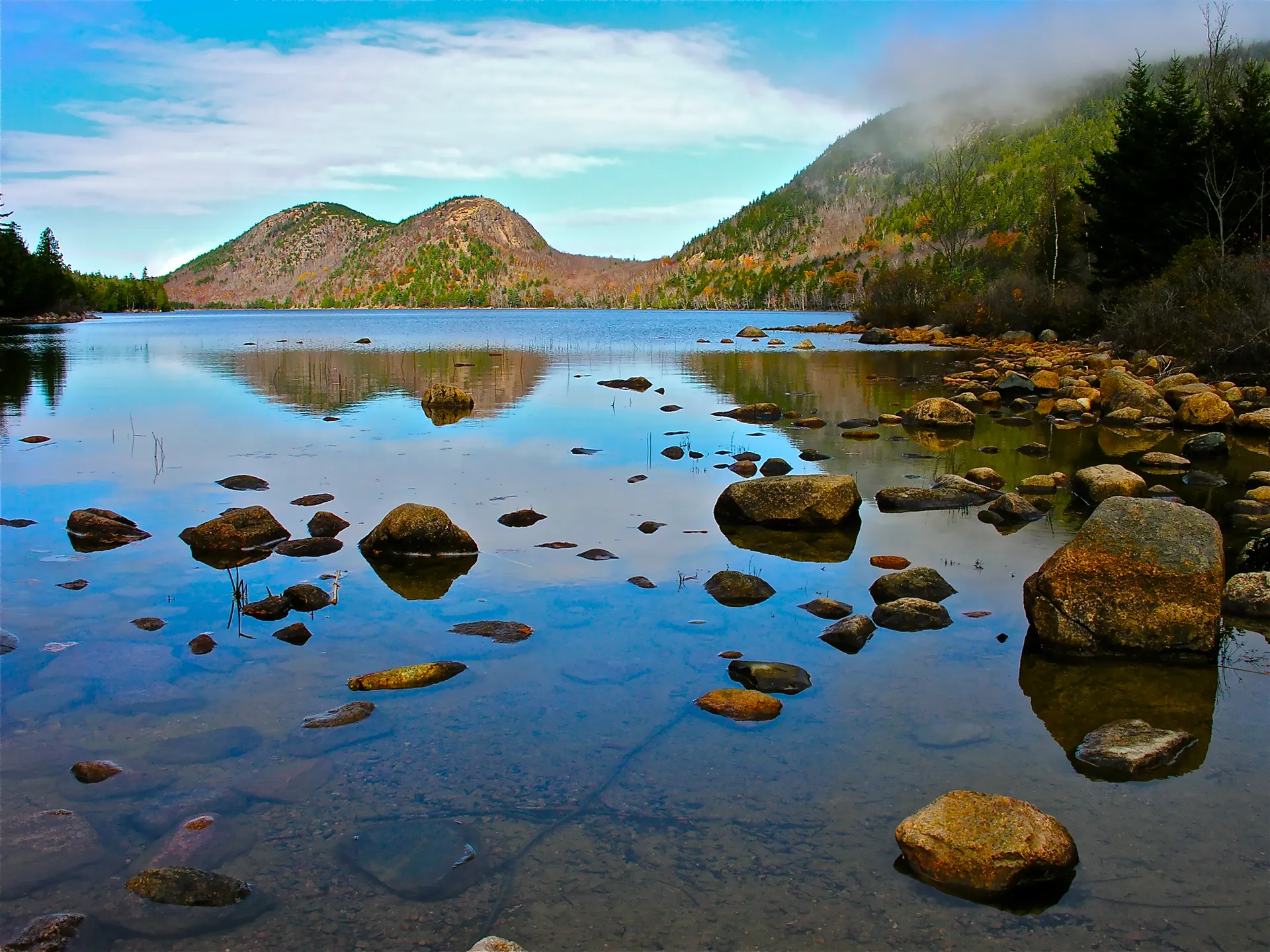
Campgrounds near water get hit hardest at dusk. Blackwoods Campground in Acadia can be rough on calm evenings, and Lily Bay State Park on Moosehead Lake is legendary among campers who have spent a July evening swatting while trying to cook dinner.
The combination of a mild winter and a very wet spring created ideal mosquito breeding conditions across Maine in 2026. Expect higher-than-normal numbers through at least August. Bring more repellent than you think you need and treat your clothing with permethrin before every trip.
Where They’re NOT Bad
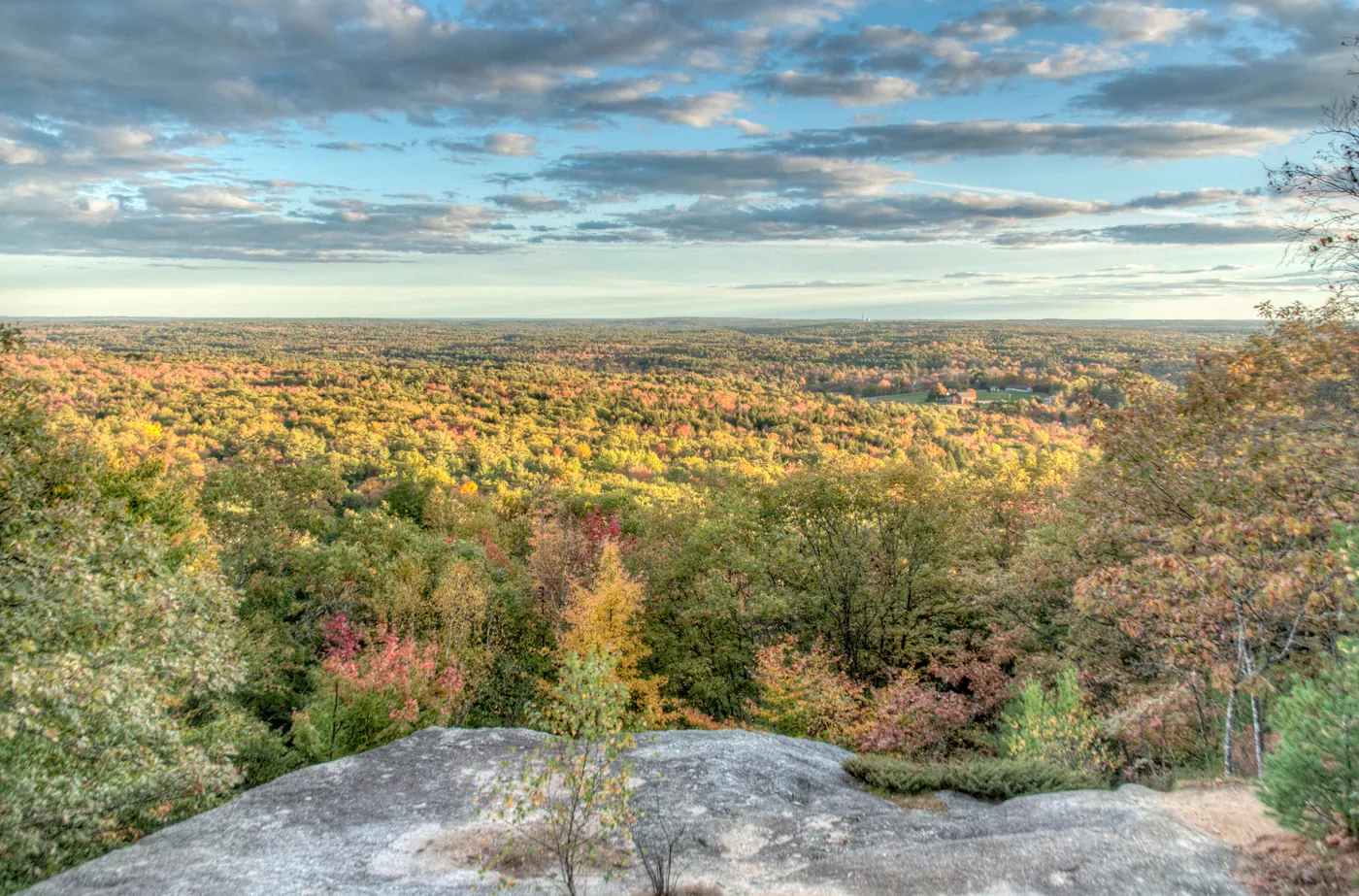
Not every trail in Maine is a mosquito gauntlet. Wind and exposure are your best friends.
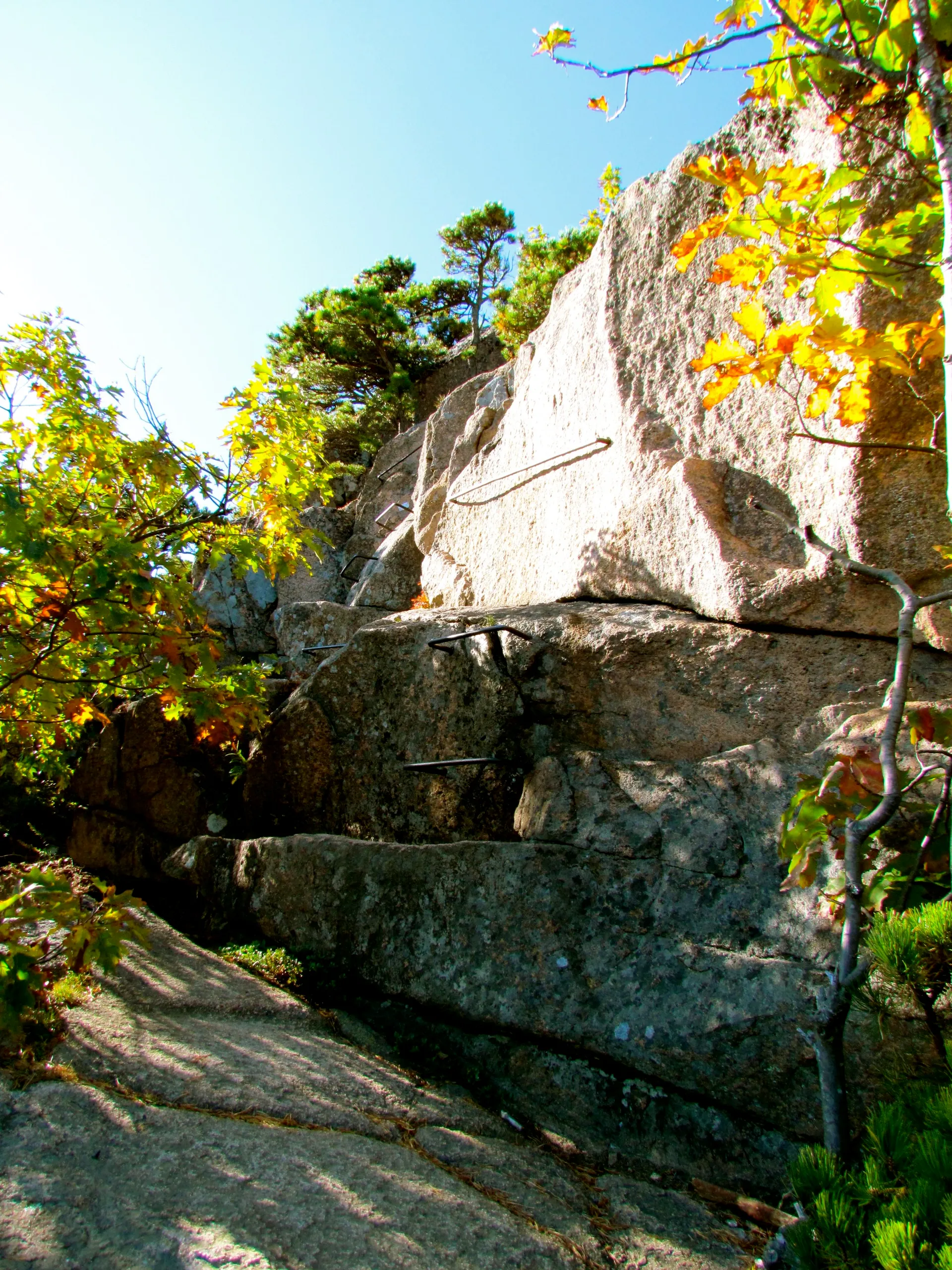
Exposed summit hikes are reliably better. Cadillac Mountain gets enough breeze to keep mosquitoes away most of the time. The Beehive Trail is exposed rock with minimal standing water nearby. Any hike that puts you above treeline for most of the route will be noticeably less buggy.
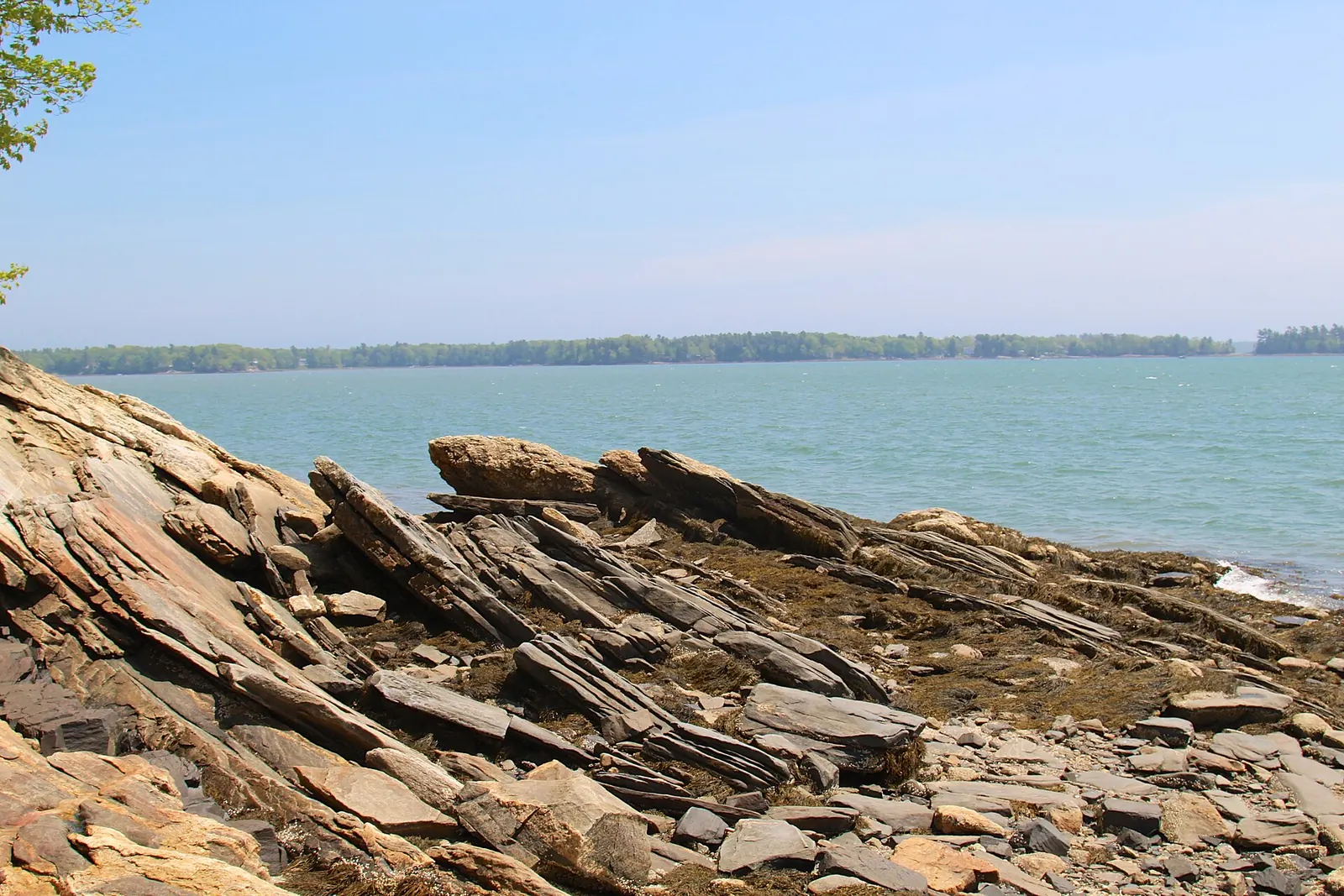
Windy coastal trails like Ocean Path in Acadia and the Bold Coast are some of the best summer hiking in the state precisely because ocean wind handles bug control. Salt air and steady breeze make these trails pleasant even in peak mosquito season.
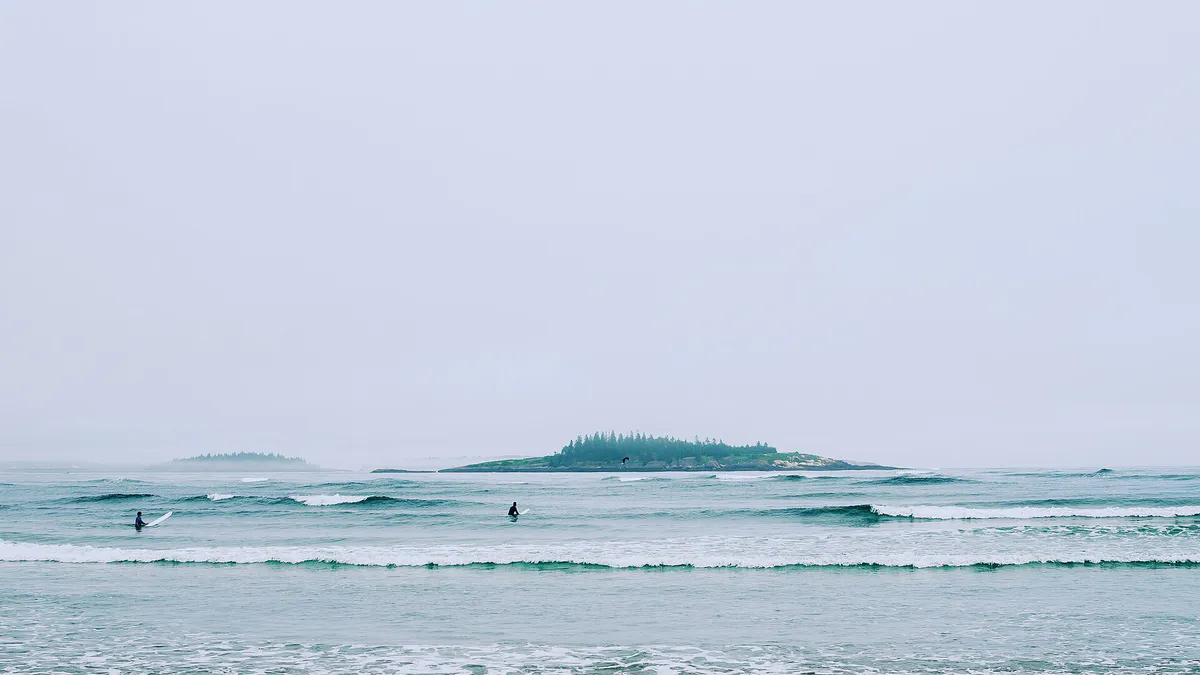
Open beaches are almost always fine. Sand and wind do not mix well with mosquitoes. If your evening plan is a beach campfire rather than a lakeside cookout, you will have a much better time.
When choosing a campsite during mosquito season, prioritize elevation and breeze over scenery. A site on a slight rise with airflow will be dramatically more comfortable than a sheltered spot near the water’s edge. Even 20 feet of elevation and a gentle wind makes a noticeable difference.
The Protection System That Actually Works
Mosquito protection works best as a system, not a single product. You need layers: treated clothing, skin repellent, and smart camp setup. Any one of these alone is not enough during a bad year like 2026.
Permethrin on clothing is the foundation. Spray it on your pants (especially around the ankles), shirt collar, cuffs, socks, and hat. Permethrin kills mosquitoes on contact and lasts through six washes. It does not go on skin. It goes on fabric.
#1Budget
Sawyer Permethrin Spray
Who it’s forTreat clothing once, repels weeks
Why we picked itKills ticks on contact before they can bite
Pros
- Lasts through 6 washes per application
- Odorless once dry
- Effective against mosquitoes and blackflies too
Know before you buy
- Must be applied to clothing only, not skin
- Takes 2-4 hours to dry completely
Picaridin on exposed skin fills the gaps. It is odorless, does not damage gear or synthetic fabrics, and provides about eight hours of protection per application. I switched from DEET to picaridin three years ago and have not looked back. It works just as well without the sticky film or chemical smell.
#2Budget
Ranger Ready Picaridin 20%
Who it’s forSkin-safe picaridin, no smell
Why we picked it12-hour protection against ticks and mosquitoes
Pros
- Does not damage gear or synthetic fabrics
- No greasy residue, pleasant scent
- Safe for use on skin and clothing
Know before you buy
- Slightly less effective than DEET in extreme conditions
- More expensive per ounce than DEET
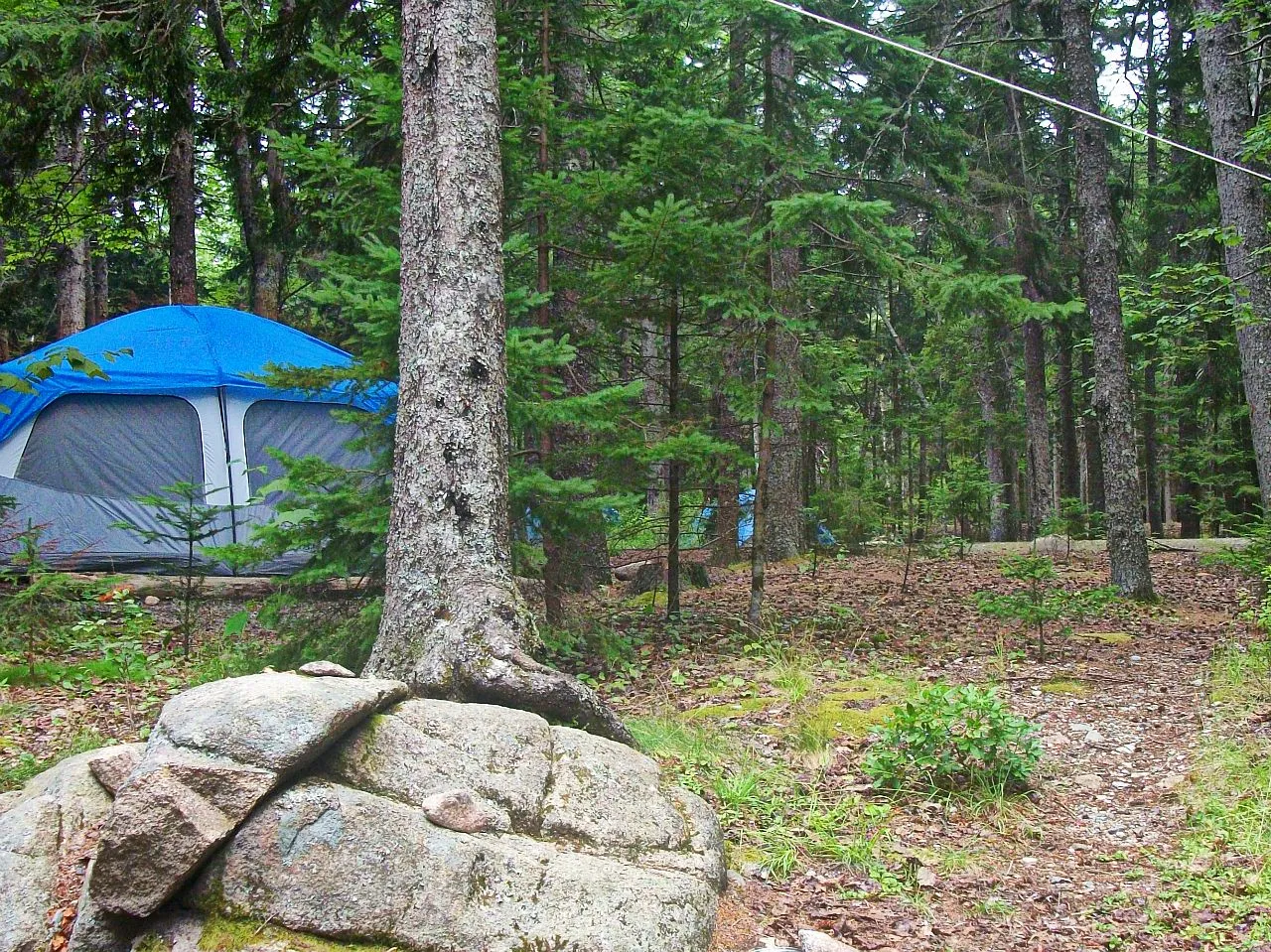
Camp setup matters. Pitch your tent on high ground, upwind of any standing water. A campfire helps because smoke is a natural mosquito deterrent. Eat dinner early or by the fire, not sitting in the open at dusk. Keep your tent mesh zipped at all times, even when you are just running to grab something.
Clothing choices make a difference. Long sleeves at dusk are not optional during peak season. Light-colored clothing attracts fewer mosquitoes than dark colors. Tight-weave fabrics are harder for them to bite through than loose knits.
Timing is everything. Plan your lakeside and waterside activities for midday, not dawn or dusk. Save the summit views for the golden hour and stay near the fire when mosquitoes are hunting.
Campsite Mosquito Strategy
Setting up camp the right way is half the battle. Most of the miserable camping stories I hear come down to site selection and timing.
Mosquito-Proof Camping Checklist
- Camp on high ground with breeze, not in a sheltered hollow
- Set up your tent before dusk and keep the mesh zipped
- Eat dinner early or by the fire, not in the open at dusk
- Dump any standing water near camp (buckets, tarps, flipped canoe)
- Carry a headnet for cooking and camp chores at dusk
- Permethrin-treat your tent vestibule, camp chair, and hammock
Build your evening campfire with a mix of dry wood for heat and a few pieces of green or damp wood on top for smoke. The smoke drifts through the campsite and pushes mosquitoes out. It is not a perfect solution, but it is a noticeable improvement. Sit on the upwind side so smoke drifts between you and the tree line. Mainers who spend summers at camp have been doing this forever.
DEET vs Picaridin vs Natural Options
Not all repellents are equal, and the debates about them never end. Here is the honest breakdown based on what I have used in the field.
| Repellent | Effectiveness | Duration (per label) | Smell | Gear Safe | Best For |
|---|---|---|---|---|---|
| DEET (30%+) | Excellent | 6-8 hours | Strong chemical | No, melts synthetics | Maximum protection in severe conditions |
| Picaridin (20%) | Excellent | 8 hours | None | Yes | All-around best option for hiking and camping |
| Lemon Eucalyptus (OLE) | Moderate | 2-4 hours | Pleasant citrus | Yes | Short hikes; EPA says not for children under 3 |
| Citronella | Low-Moderate | 1-2 hours | Mild herbal | Yes | Backyard use only |
DEET is the oldest and most studied repellent. At 30% concentration, it is highly effective and lasts for hours. The downsides are real though. It smells strong, it leaves an oily film on skin, and it damages synthetic fabrics, watch faces, and some plastics. If you grab a tent pole after applying DEET, you might leave a mark.
Picaridin matches DEET in effectiveness without the drawbacks. No smell, no gear damage, no greasy feeling. It was developed in Europe in the 1990s and has become the go-to for serious outdoor users. Twenty percent concentration lasts about eight hours. This is what I carry.
Natural options like oil of lemon eucalyptus (OLE) and citronella work, just not as long or as well. OLE is the strongest natural option and label-rates at two to four hours of moderate protection. Note that the EPA says OLE products should not be used on children under 3. Citronella candles and sprays are fine for a backyard barbecue but will not cut it at a backcountry campsite during a Maine July.
Here is the honest take: if mosquitoes are bad, use picaridin or DEET. Natural options have their place, but a lakeside campsite at dusk in July is not it. Pair whichever repellent you choose with permethrin-treated clothing for the best results.
For a full breakdown of every repellent, treated garment, and bug protection product worth carrying, read our tick and bug protection gear guide. And if you are building a packing list for your trip, check out our best camping gear for Maine guide.
If ticks are also on your radar (they should be), read our guides on Maine tick season 2026, avoiding ticks while hiking, and the worst blackfly trails in Maine.
Frequently Asked Questions
When is mosquito season in Maine?
June through September, with July being the worst month in most years. Dawn and dusk are peak activity times. Dry years are significantly better than wet years. In 2026, the wet spring has pushed numbers well above average.
Do mosquitoes in Maine carry diseases?
Confirmed human cases are rare, but Eastern equine encephalitis (EEE), West Nile virus, and Jamestown Canyon virus are all endemic to Maine, and Maine CDC warns these infections can cause severe neurological disease. The odds of any single bite mattering are low, but avoiding bites is genuinely worth the effort, not just a comfort question. Use repellent and wear long sleeves at dusk.
Does a campfire keep mosquitoes away?
Smoke helps, but a campfire alone is not enough. It works best as part of a layered system: permethrin on clothing, repellent on skin, and smoke filling the campsite. A smoky fire with some green wood on top is more effective than a clean-burning fire.
Are mosquitoes bad in Acadia National Park?
Moderate compared to inland Maine. Coastal breezes help a lot on exposed trails like Ocean Path and Cadillac Mountain. Campgrounds at dusk, especially Blackwoods and Seawall, can be rough in wet years like 2026. Always bring repellent even for day hikes.
What time of day are mosquitoes worst in Maine?
Dawn (5 to 8 AM) and dusk (6 to 9 PM) are the worst windows. Midday is usually manageable, especially on sunny trails with some breeze. If you plan waterside activities for the middle of the day and retreat to your tent or the campfire at dusk, you will avoid the worst of it.