The Wild River of the Flagstaff
The Dead River earns its name not from danger but from the flat, still stretches of deadwater that alternate with its rapids. Below Long Falls Dam in the Flagstaff region of western Maine, the river comes alive during scheduled dam releases, transforming a modest stream into 16 miles of continuous Class III-IV whitewater that charges through one of the most remote and beautiful valleys in the state.
The Dead River run is different from Maine’s other big whitewater rivers. Where the Kennebec Gorge is narrow and concentrated, and the West Branch Penobscot is technically severe, the Dead River is long and sustained. Sixteen miles of rapids with minimal flatwater between them means you are paddling hard for four to five hours. The river drops roughly 250 feet from the put-in below Long Falls Dam to the take-out above the Spencer Stream confluence, a steady gradient that keeps the water moving and the rapids coming.
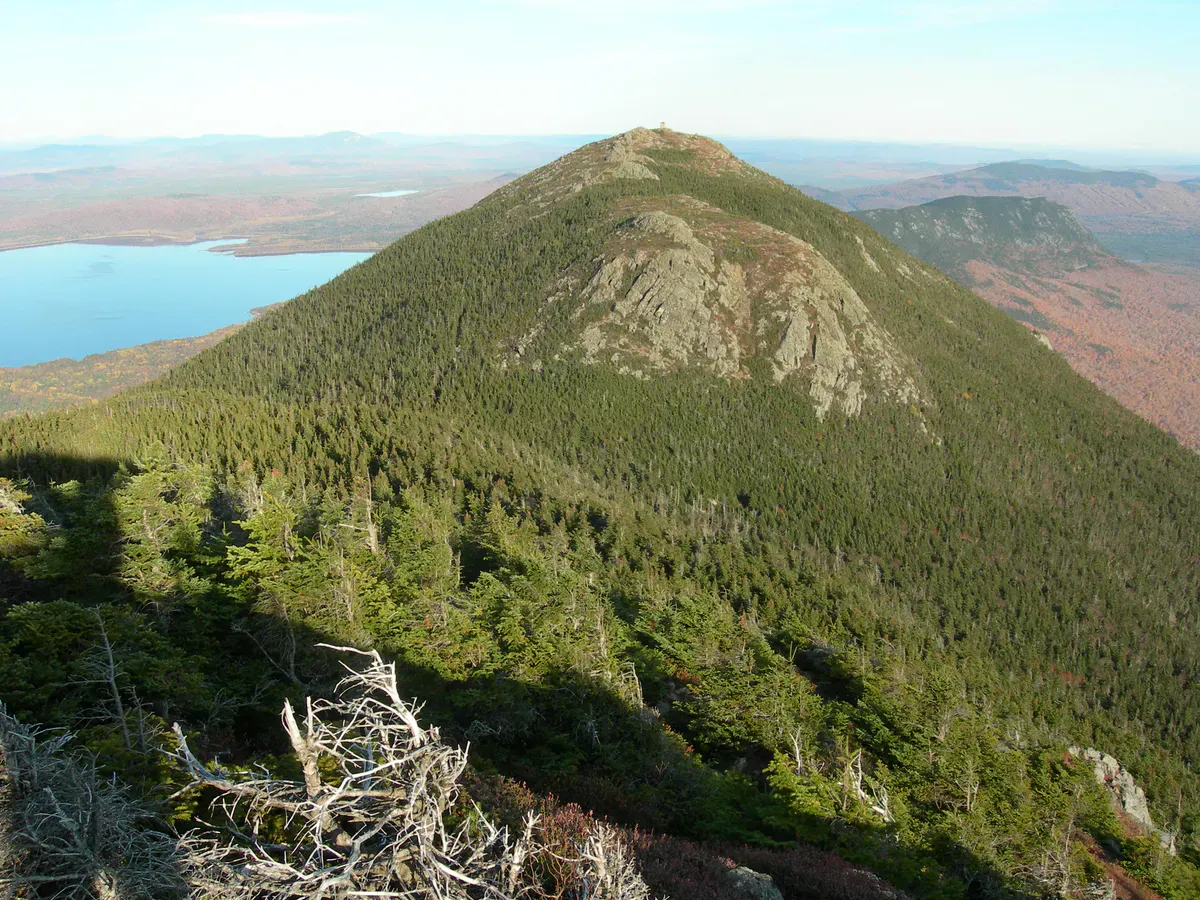
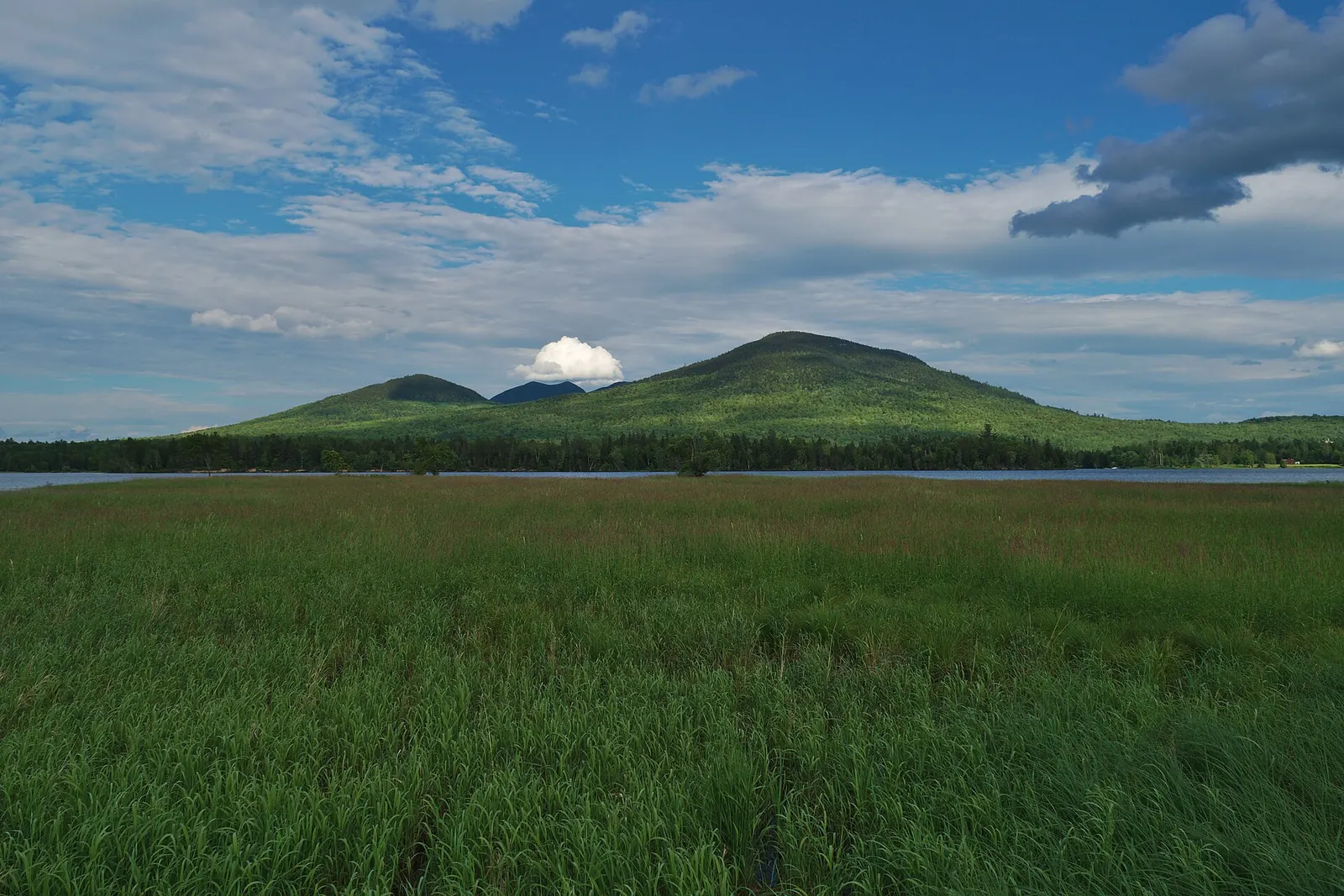
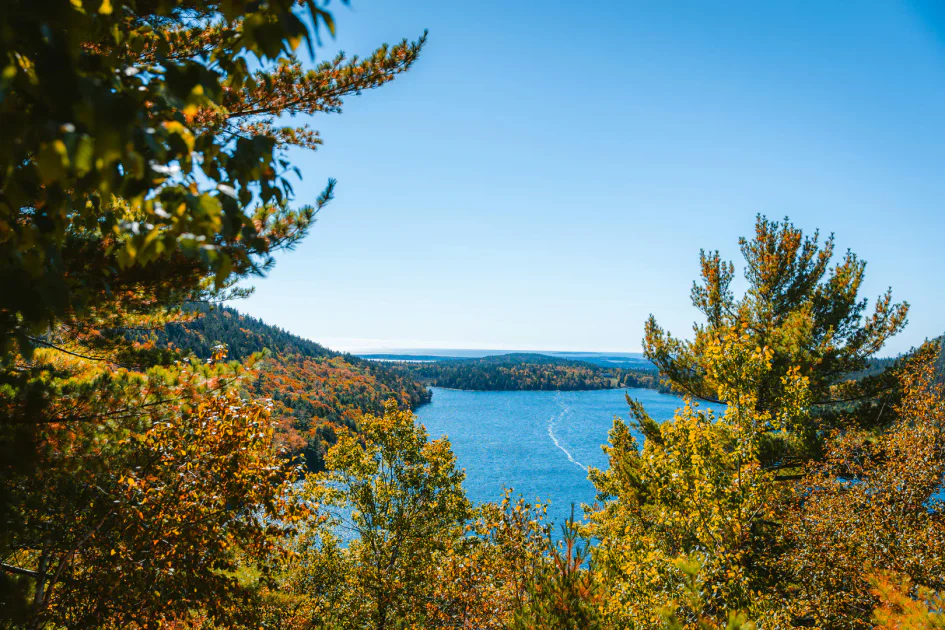
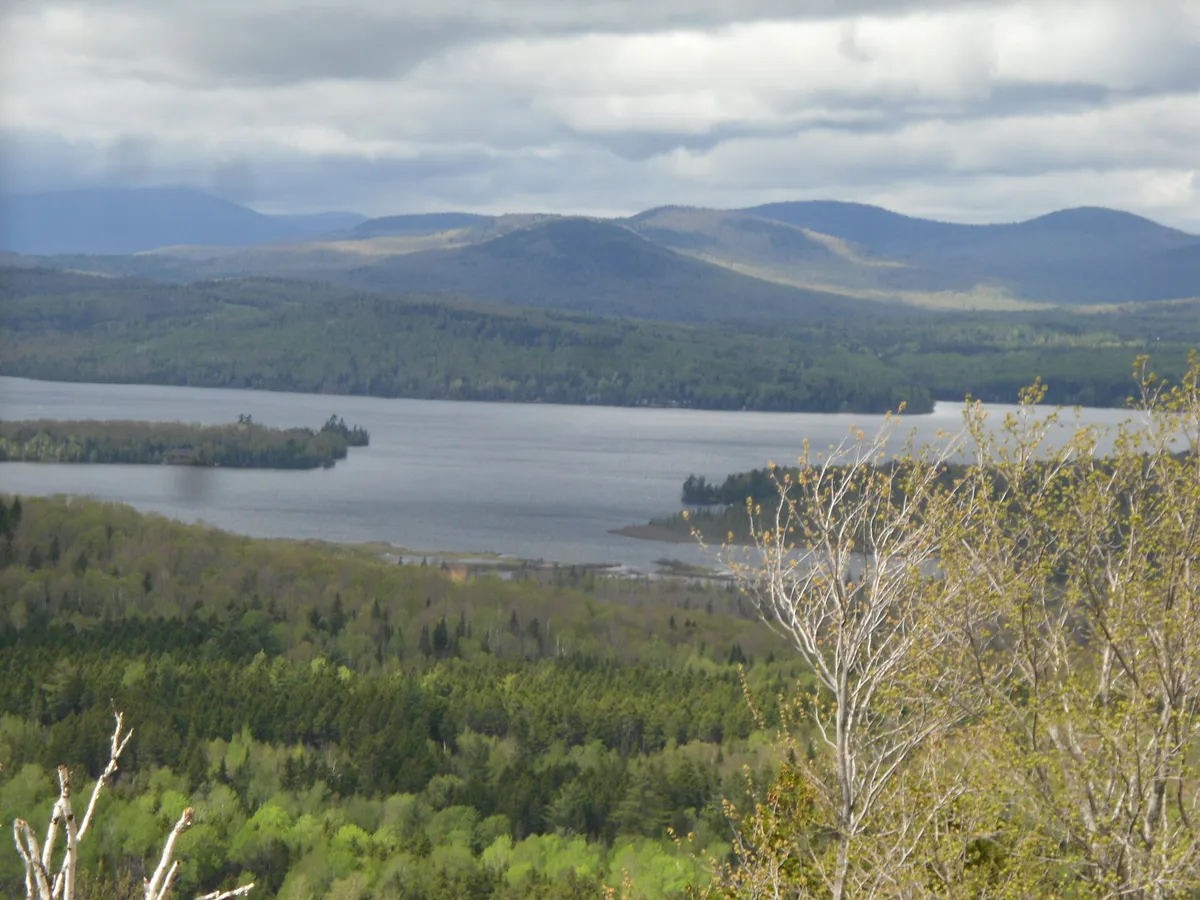
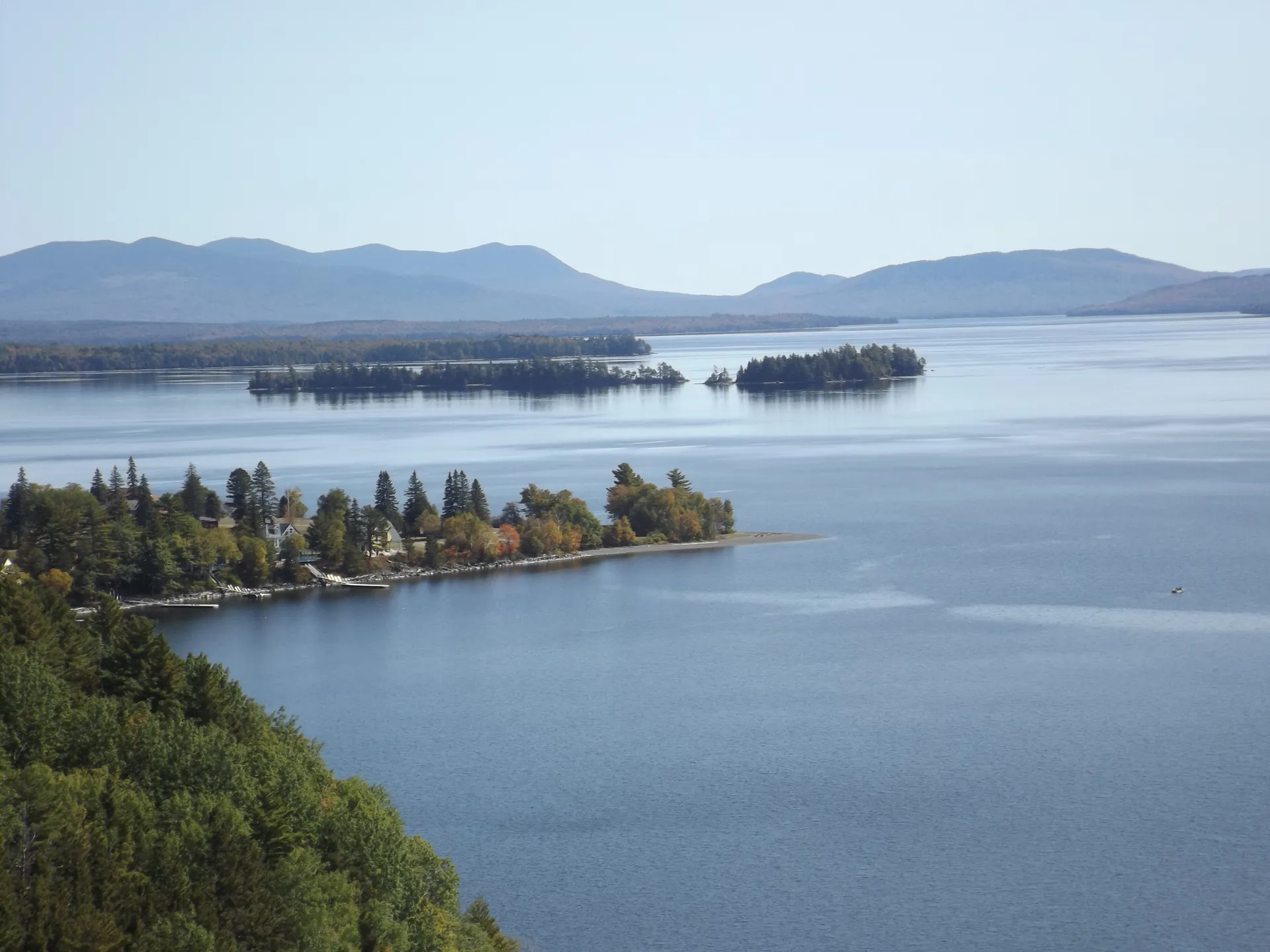
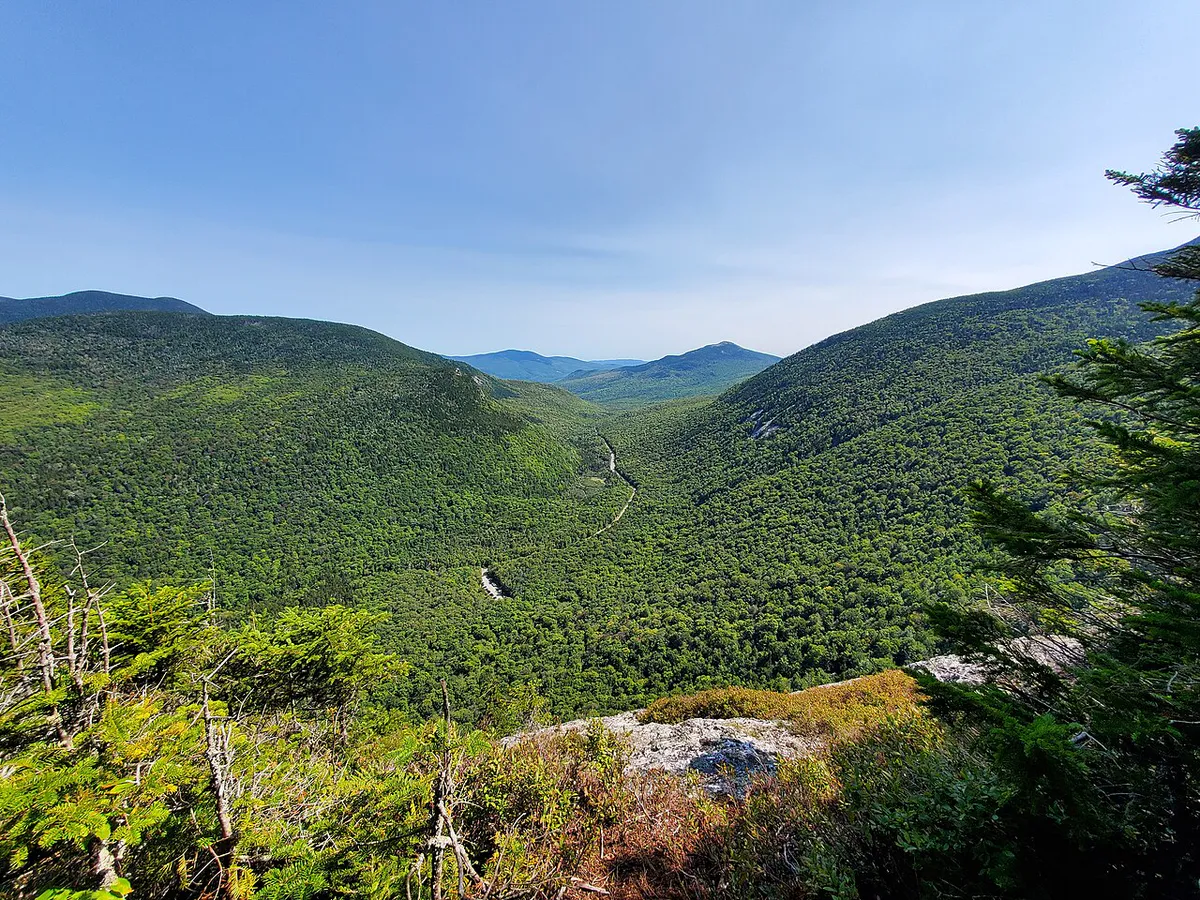
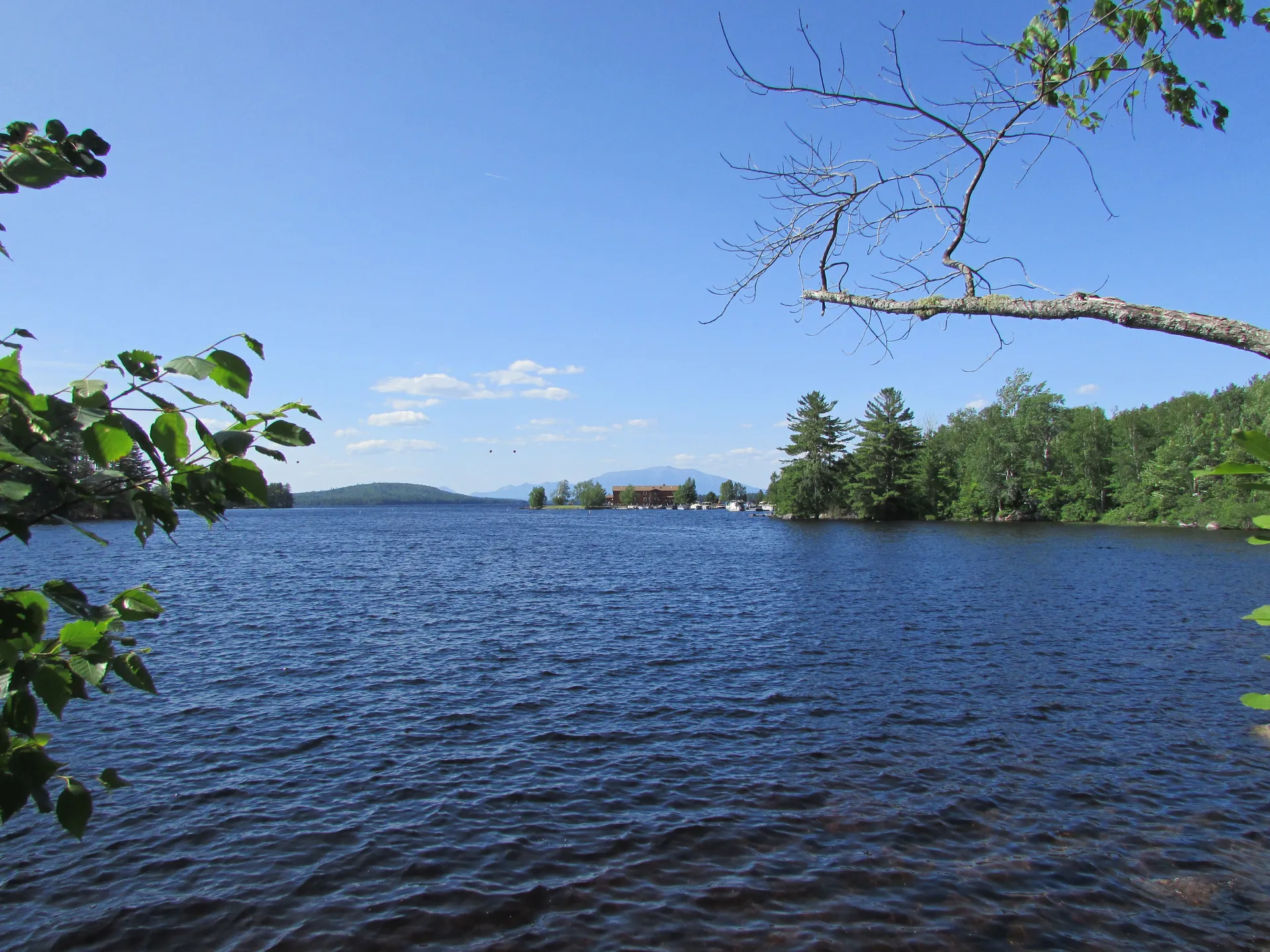
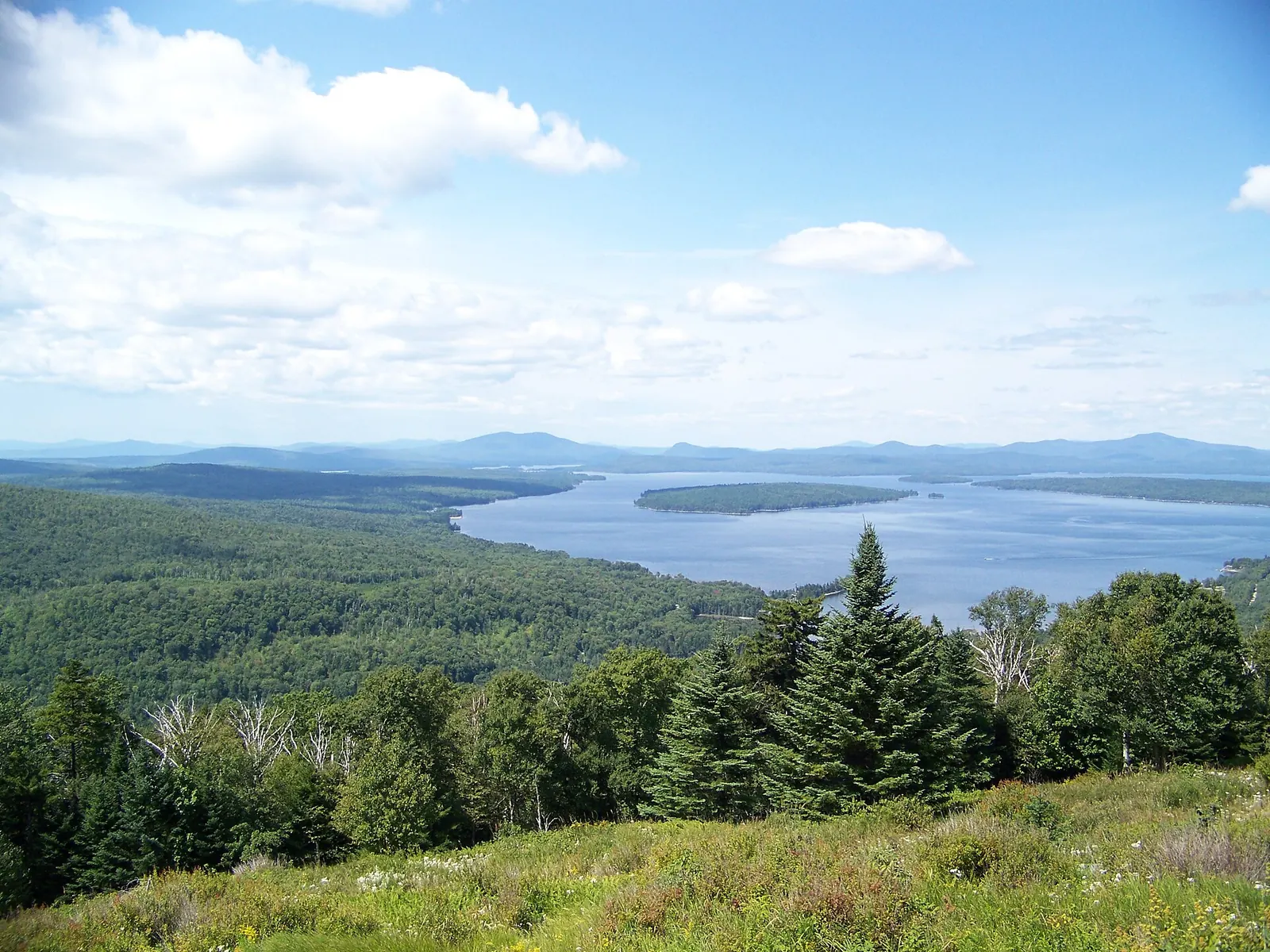
The landscape along the Dead River is wild. The Bigelow Range rises to the south, Flagstaff Lake stretches behind the dam, and the valley is thickly forested with no roads, no buildings, and no sign of human presence beyond the dam itself. Benedict Arnold marched his Continental Army up this valley in 1775 on the disastrous Quebec Expedition, and the terrain has not changed much since.
The Dead River is 16 miles with no road access between put-in and take-out. Once you launch, you are committed for the full distance. The rapids are continuous Class III-IV, and fatigue is a real factor by mile 12. This is not a run for beginners. Be honest about your fitness and experience level when booking.
The Rapids
The Dead River produces more than 30 named rapids over its 16-mile course. The difficulty builds gradually, with Class II-III in the first few miles ramping up to sustained Class III-IV by the midpoint.
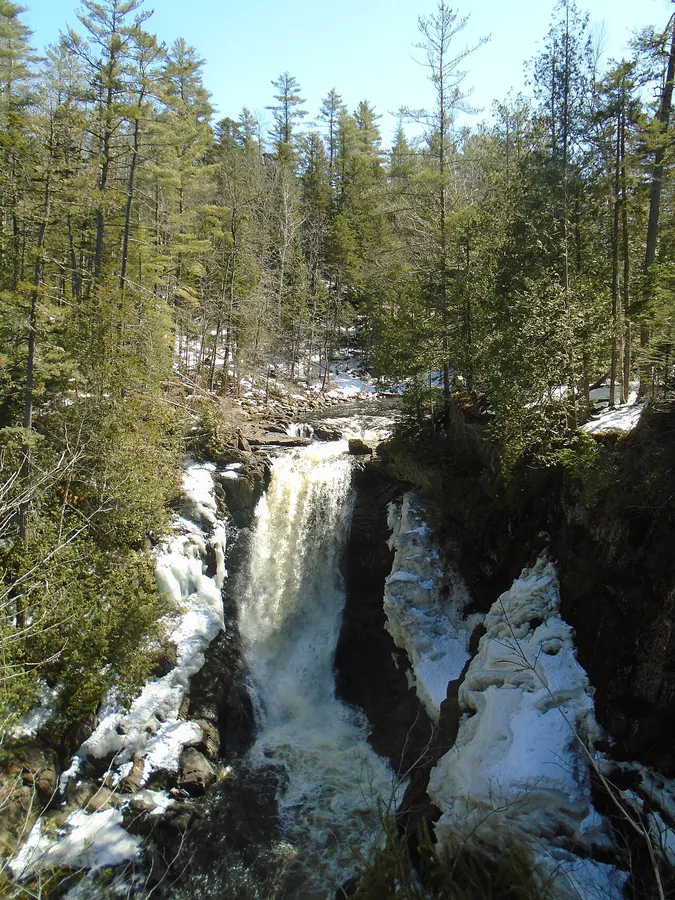
Poplar Hill Falls is the first significant rapid, a straightforward Class III drop that introduces the river’s character: big waves, strong eddy lines, and a fast pace. The falls section drops about 10 feet over several ledges.
Elephant Rock marks the transition to bigger water. A massive boulder splits the river, and rafts must choose left or right. The left channel is a narrow, technical Class IV chute. The right is wider and more forgiving at Class III.
Spencer Falls and the rapids in the lower third of the run are where the Dead gets serious. By this point, the river has collected tributary flow from several streams, and the volume is noticeably higher. Spencer Falls is a long, powerful Class IV rapid with large waves and hydraulics that demand active paddling.
The river sustains this intensity through the final miles, with rapids coming in quick succession and short pools between them. The cumulative effect is physically demanding. Arm fatigue and cold are the biggest challenges for most paddlers.
If you have never rafted Class IV water, the Dead River is not the place to start. Run the Kennebec first to get comfortable with big waves and powerful hydraulics. The Dead River’s length and lack of road access make it less forgiving of mistakes. Experienced paddlers find it one of the most rewarding days on water in the Northeast.
Dam Releases and Scheduling
The Dead River runs on a limited release schedule. Unlike the Kennebec, which releases most days in season, the Dead River typically sees only 12 to 20 release days per year, concentrated in spring and early summer. Brookfield Renewable Partners controls Long Falls Dam and coordinates releases with the rafting outfitters.
Release days fill up fast. Most outfitters open reservations months in advance, and popular dates sell out quickly. If the Dead River is on your list, book early and be flexible on dates. The release schedule is usually published by April for the upcoming season.
On non-release days, the Dead River is too low for rafting. Some kayakers paddle it at natural flows in spring during high snowmelt, but this is a self-supported, expert-only proposition that demands full whitewater kayaking gear.
The drive to the put-in from The Forks or Eustis involves long stretches of gravel logging road. Plan on adding 45 minutes to an hour beyond pavement. Outfitters handle the shuttle logistics, but if you are driving yourself, have a full tank of gas and a printed map. Cell service does not exist in the valley.
When to Go
Spring
Most release days scheduled in May and June. Biggest water. Cold conditions require full wetsuits. Black flies.
Summer
Fewer releases. July and August have the warmest air but the fewest scheduled release days.
Fall
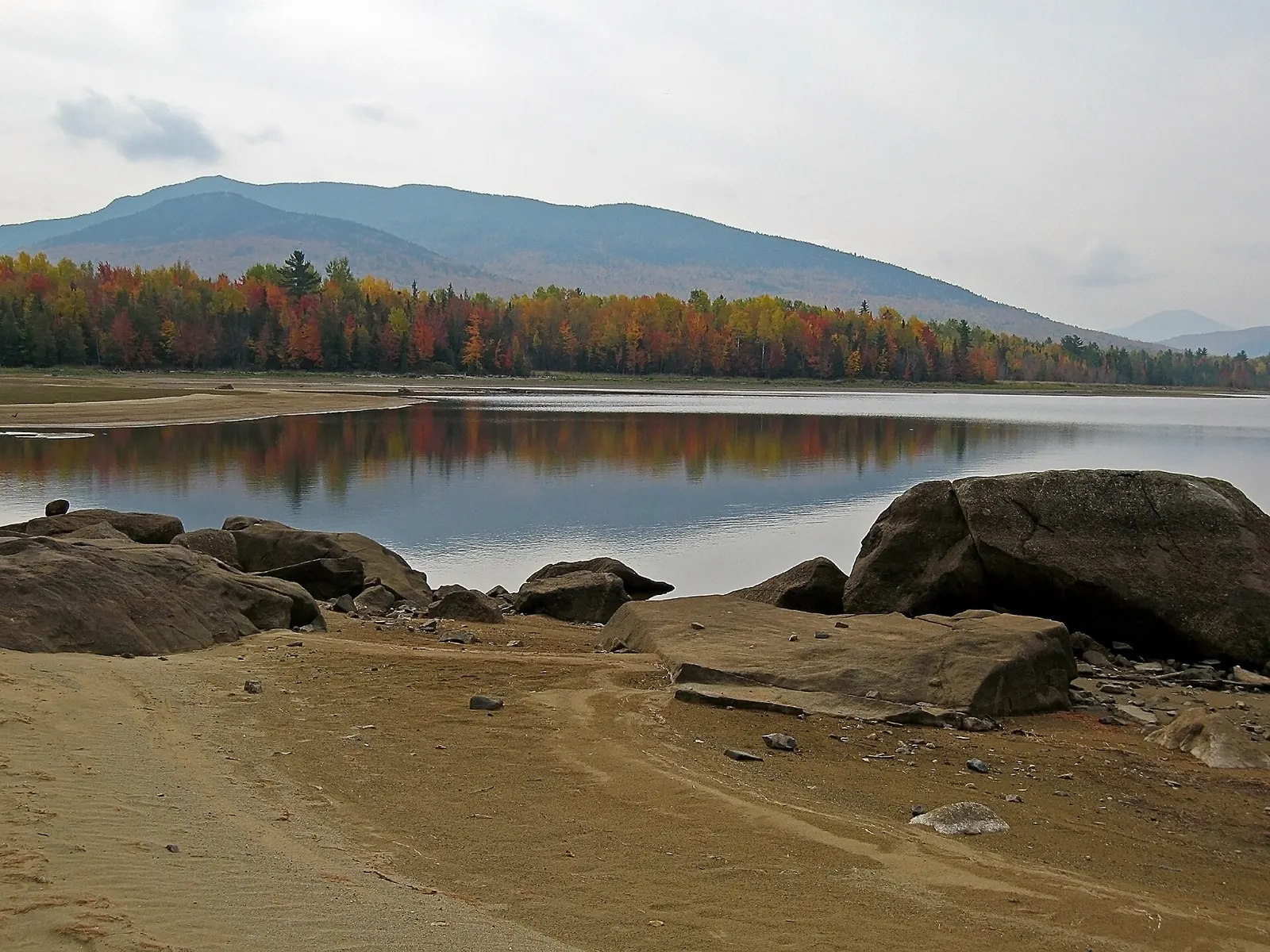
Occasional releases in September and October. Foliage along the Bigelow Range is spectacular. Cooler air.
Winter
No dam releases. River is frozen or too low. Not a winter destination.
Spring is prime season for the Dead River. May and June typically have the most release days and the highest water levels. The trade-off is cold water, cold air, and black flies, so pack good bug protection for the put-in and shuttle. Summer releases are rarer but offer warmer conditions. Fall releases, when they happen, provide some of the most beautiful scenery of any river trip in Maine.
Packing List
Dead River Raft Trip
- Swimsuit and synthetic layers for under the wetsuit
- Water shoes with secure straps (you will be in the boat a long time)
- Towel and complete change of warm clothes
- High-energy snacks (16 miles is a long day on the water)
- Waterproof sunscreen
- GoPro or waterproof camera with tether
- Warm hat and gloves for spring trips
- Bug spray (June is peak black fly season)
- Full gas tank (no fuel between Eustis and the put-in)
Getting There
The Dead River runs through the Flagstaff region of western Maine, north of Eustis and south of the Bigelow Range. From Portland, take Route 4 north through Farmington and Phillips to Rangeley, then Route 16 east to Eustis. The drive is about 3 hours. From Bangor, take Route 2 west to Skowhegan, then Route 201 north to The Forks, and Route 201 continues northwest toward Eustis, about 3 hours.
Most commercial outfitters are based in The Forks (30 miles east) and provide shuttle service to the Dead River put-in. Some outfitters operate from Eustis or Stratton. The put-in is below Long Falls Dam, accessible by logging roads.
GPS coordinates for the general put-in area: 45.1340, -70.2820
FAQ
How many release days does the Dead River have?
The Dead River typically has 12-20 scheduled release days per year, concentrated in May and June. The schedule is set by the dam operator and published before each season. Release days sell out quickly with outfitters.
How long does the Dead River trip take?
The 16-mile run takes 4-5 hours of active paddling at dam-release flows. With shuttle time, lunch, and safety briefings, expect a full-day commitment of 7-8 hours from check-in to return.
Is the Dead River harder than the Kennebec?
The individual rapids on the Dead are similar in difficulty (Class III-IV), but the Dead is more demanding overall because it is 16 miles long with no road access. The length, continuous rapids, and commitment make it a harder day than the 12-mile Kennebec run.
Can I kayak the Dead River?
Yes. Experienced whitewater kayakers run the Dead River both on release days and during spring natural flows. On release days, coordinate with outfitters for put-in access. Self-supported spring runs at natural flow are expert-only and require knowledge of the river.
What is the best time to raft the Dead River?
May and June have the most release days and the biggest water. Check outfitter websites for the release schedule, which is published each spring. Book early because popular dates sell out months in advance.