Headwaters of the Aroostook, Deep in the North Woods
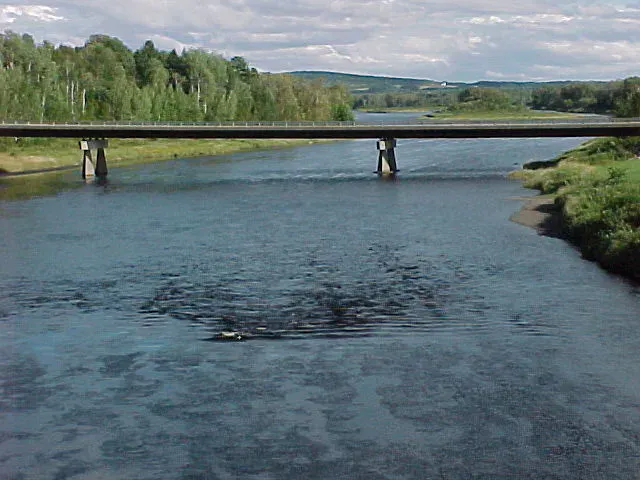
Munsungan Stream is a paddle for experienced wilderness trippers. It runs through the North Maine Woods in remote country reached only by private gravel roads, and it is best known as the upper portion of a canoe route that becomes the Aroostook River. The classic line begins at Chase Lake, works through Munsungan Lake, and then follows Munsungan Stream to its meeting with Millinocket Stream, where the two streams form the Aroostook.
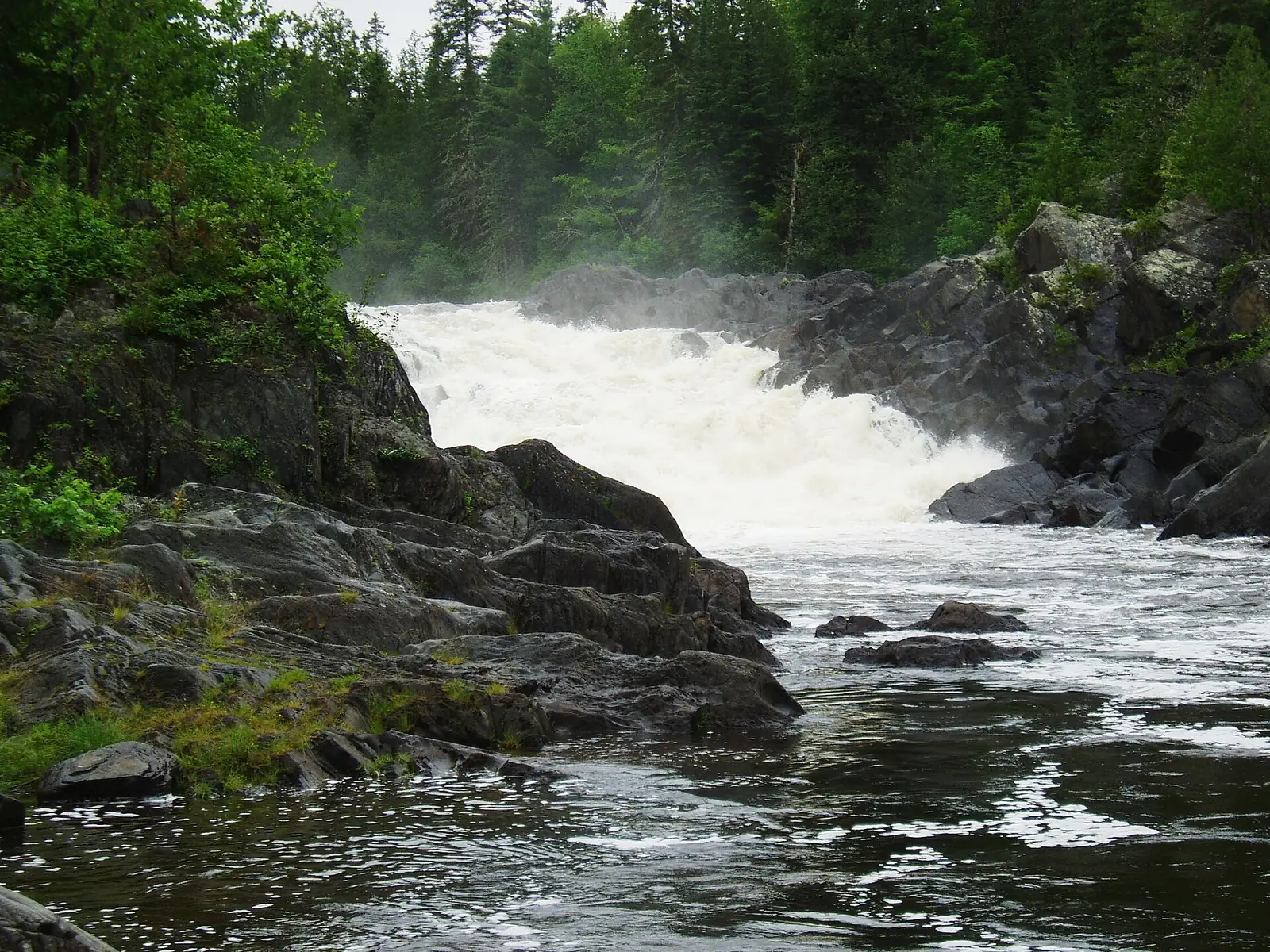
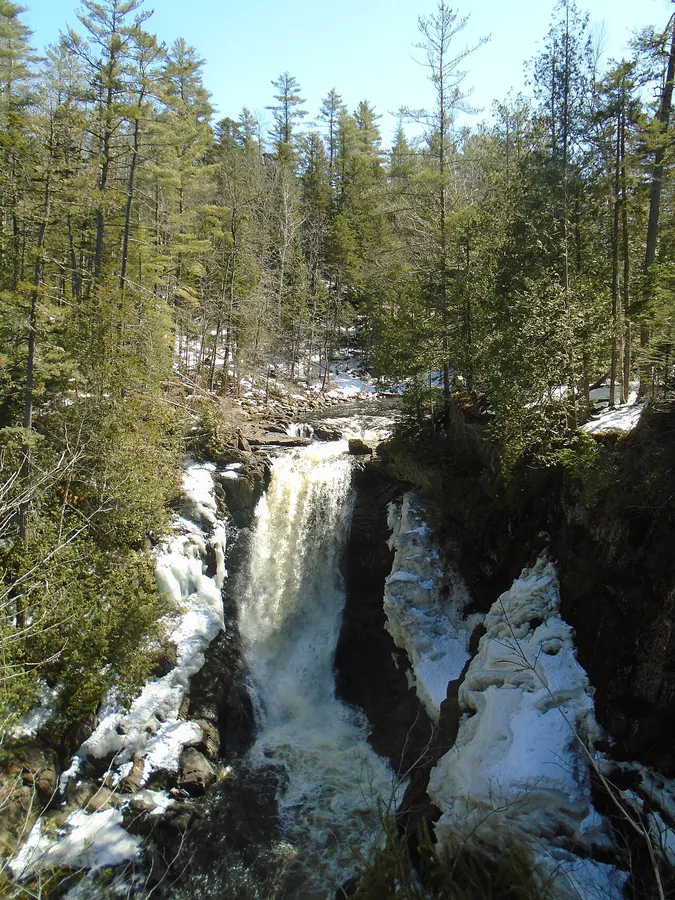
The water is a mix of lake paddling and moving water. One whitewater listing rates the run from Chase Lake to Libby Camp, about 21 miles, as Class I to II, but detailed descriptions are scarce. Just above the confluence with Millinocket Stream, Munsungan Falls drops over a series of ledges. None of that is extreme on its own, but the remoteness raises the stakes: help is a long way off, the roads in are private logging roads behind North Maine Woods checkpoints, and you should not expect cell service. A trip here demands solid moving-water skills, careful attention to water levels, and a real plan.
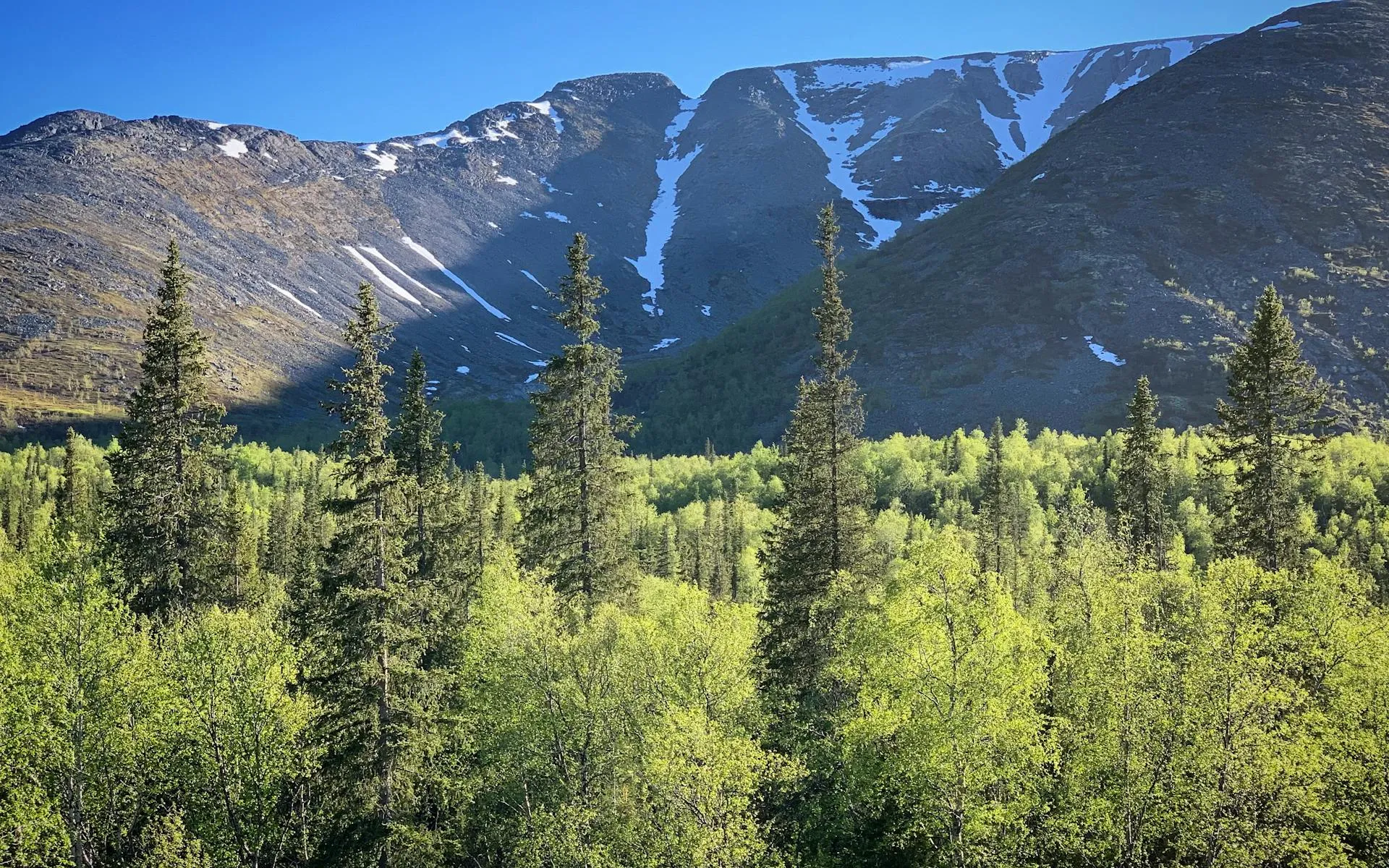
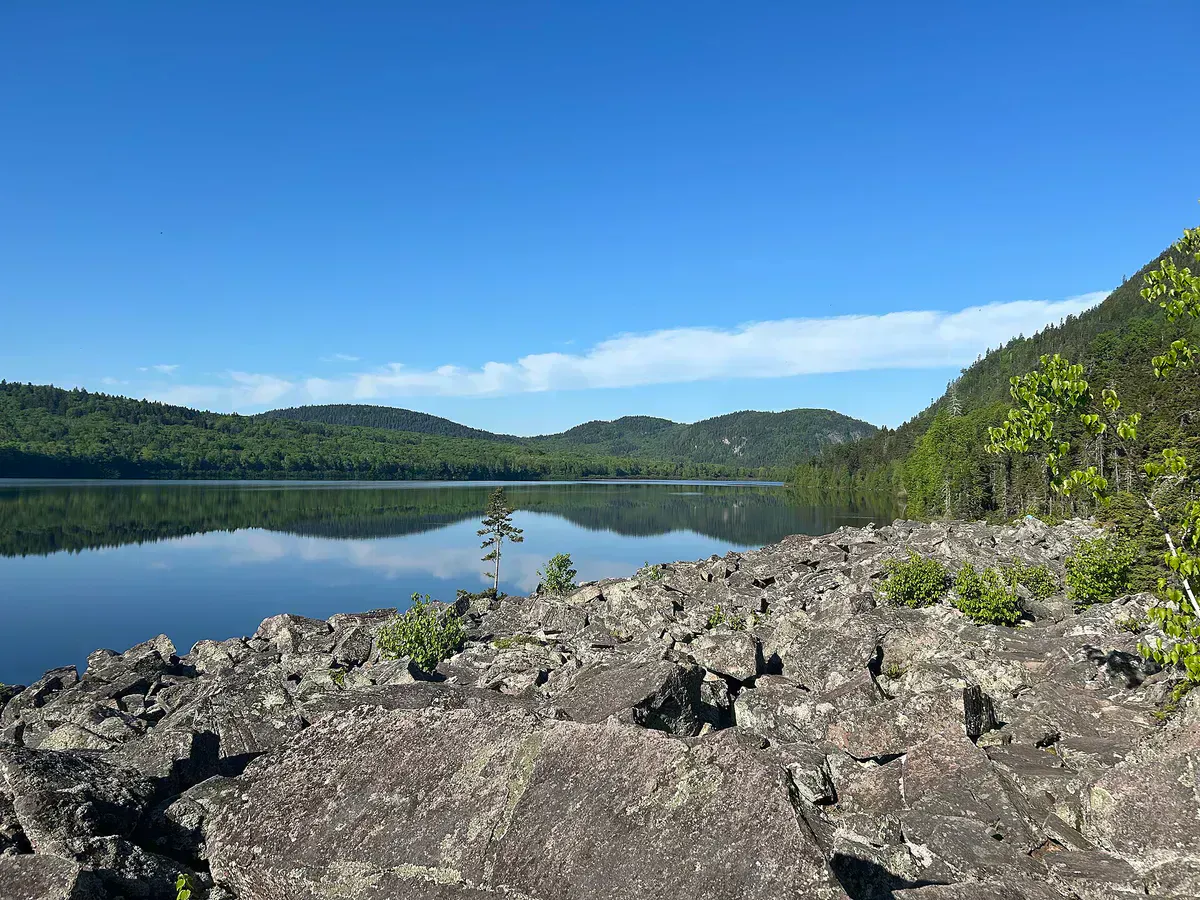
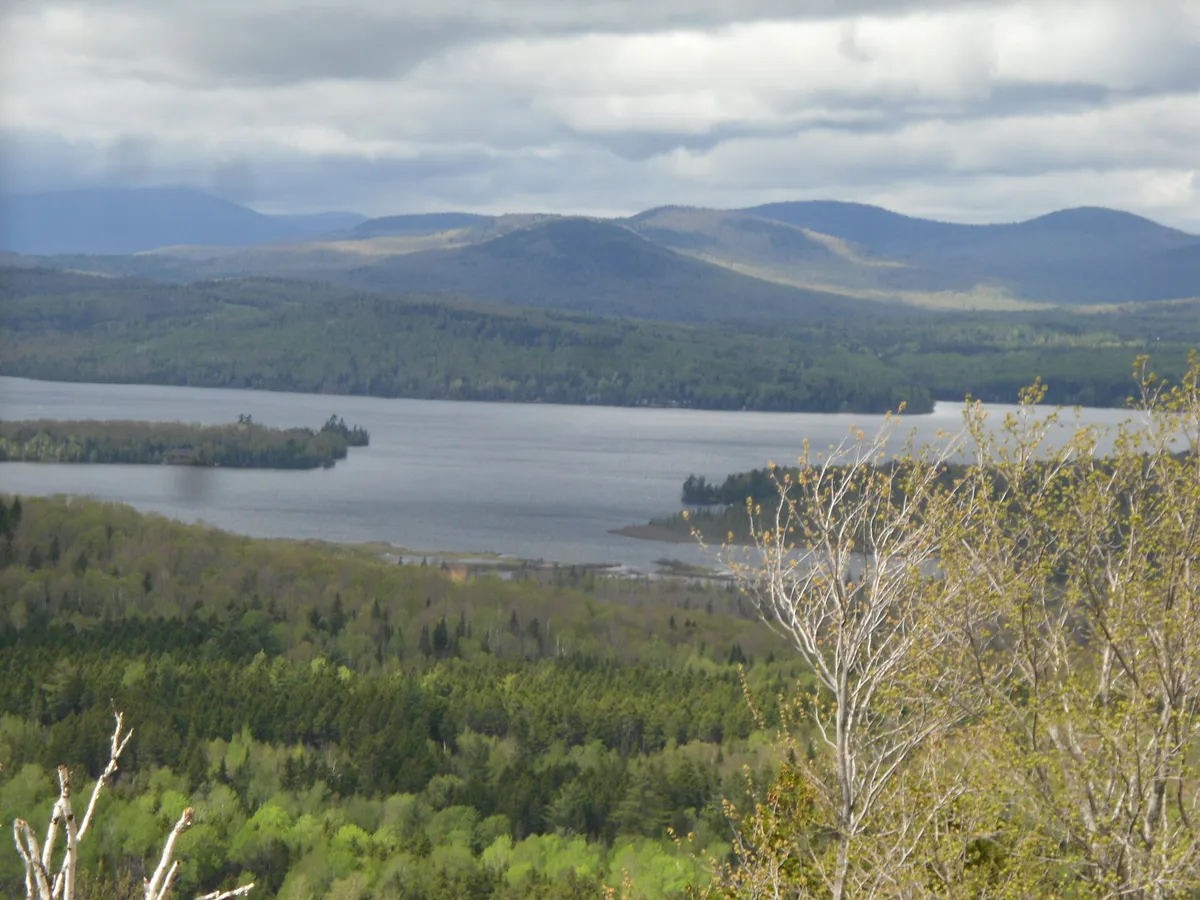
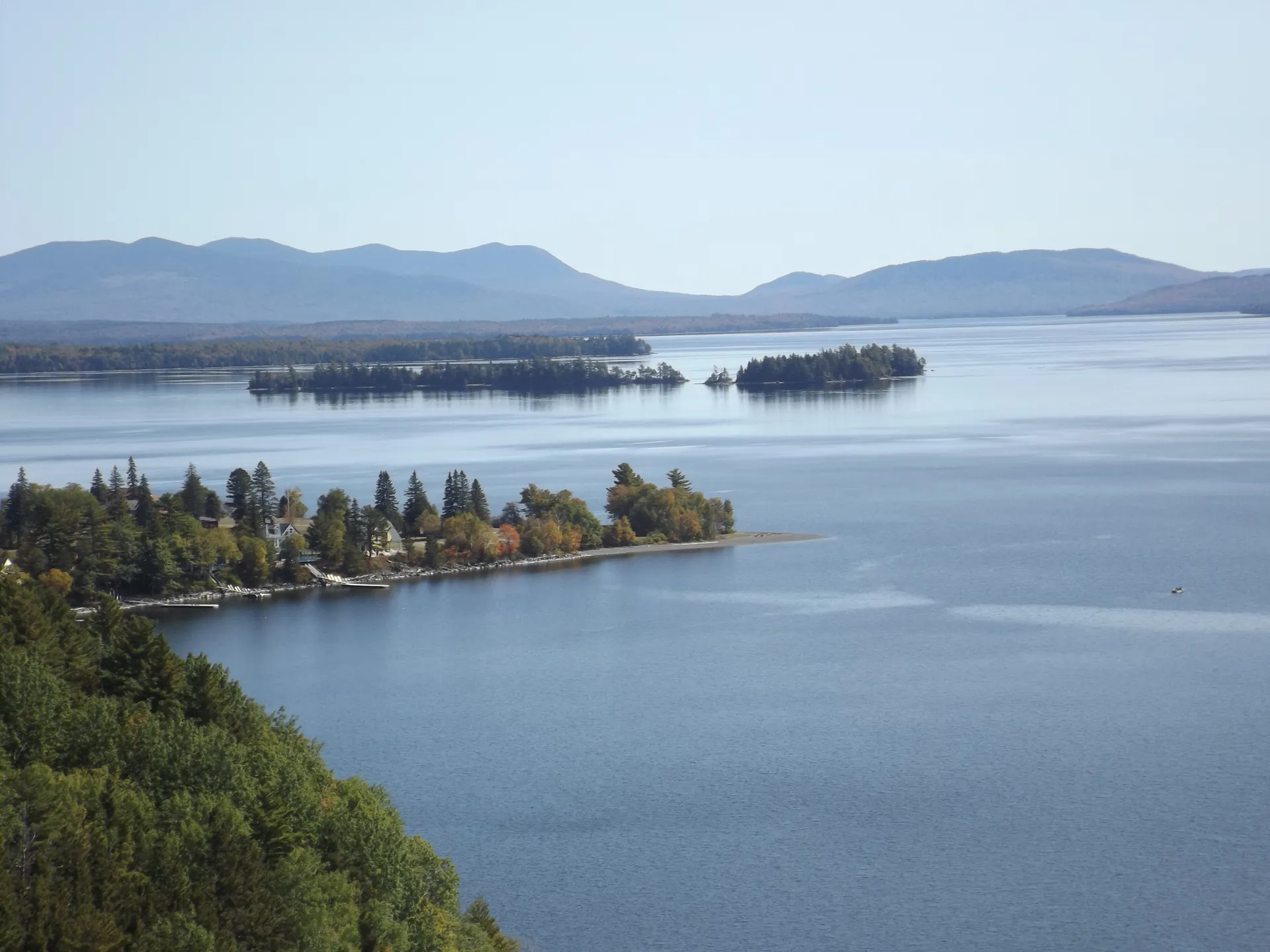
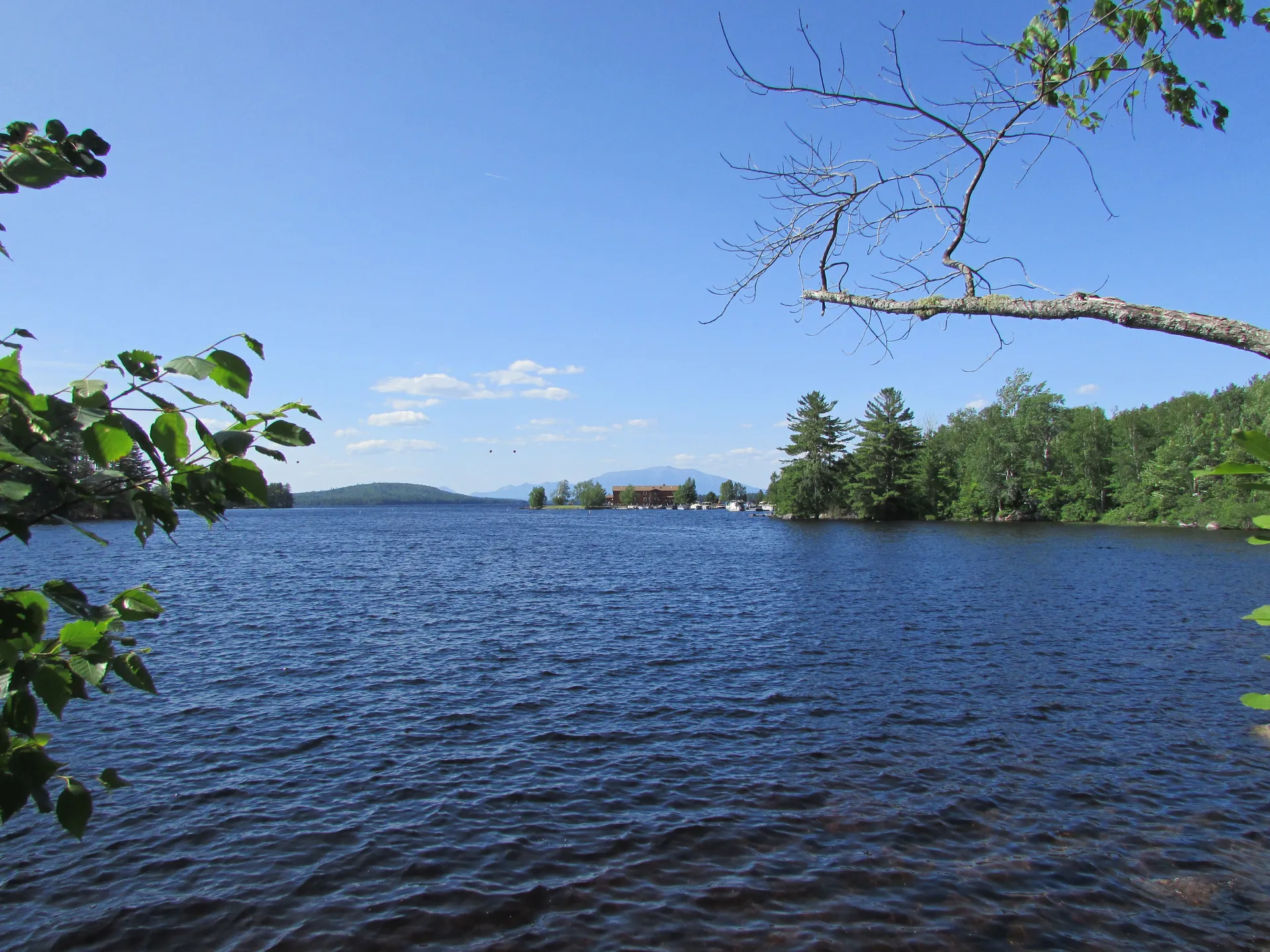
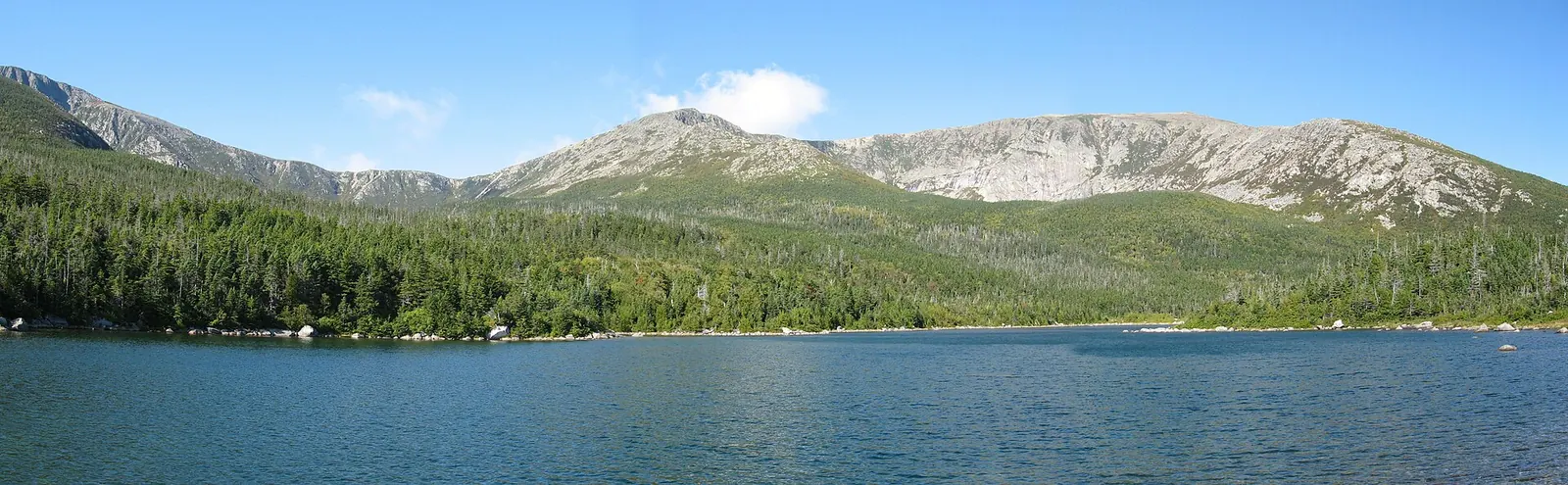
Munsungan Lake itself covers about 1,620 acres at the base of Norway Bluff and reaches 123 feet at its deepest. The lake has an irregular shape, and a narrow passage leads out to its broader water, where forested ridges rise around the shore. The state manages the lake for its wild lake trout, landlocked salmon, and brook trout, so check current fishing regulations before you wet a line. It is wild, quiet country.
Packable gear protection
The Route
The traditional trip puts in at Chase Lake, follows a short waterway called The Thoroughfare into Munsungan Lake, and then descends Munsungan Stream. Expect long flatwater paddling on the lakes, then quickwater and Class I to II rips on the stream. Scout Munsungan Falls before you commit to running it, and be ready to line or carry your boat if the ledges look wrong at that day’s level. Below the Munsungan and Millinocket confluence, the route continues onto the Aroostook River toward Masardis and Ashland.
Water levels make or break the moving sections, and there is no gauge on Munsungan Stream. The nearest USGS gauge, on the Aroostook River near Masardis (01015800), sits well downstream and gives only a rough sense of whether the watershed is running high or low. In dry conditions the stream can become too bony to paddle comfortably, and what reads as easy quickwater on a good day turns into dragging over gravel on a low one. Get a recent first-hand report if you can, and be ready to change plans.
This is committing backcountry water far from help, with quickwater, the ledges at Munsungan Falls, and no dependable cell service. It suits experienced wilderness canoeists who can read moving water, navigate by map and compass, and self-rescue. Travel with a capable group, carry a satellite communicator, and confirm water levels and access before you commit.
Access Points
Access is over private gravel roads maintained by the large landowners, with recreational use managed through North Maine Woods checkpoints. Improved gravel roads reach the Munsungan Lake area, and light boats can be launched at an unimproved four-wheel-drive access near the lake’s outlet. Trips on the full route start at Chase Lake and end downstream on the Aroostook River at a take-out arranged as part of a shuttle.
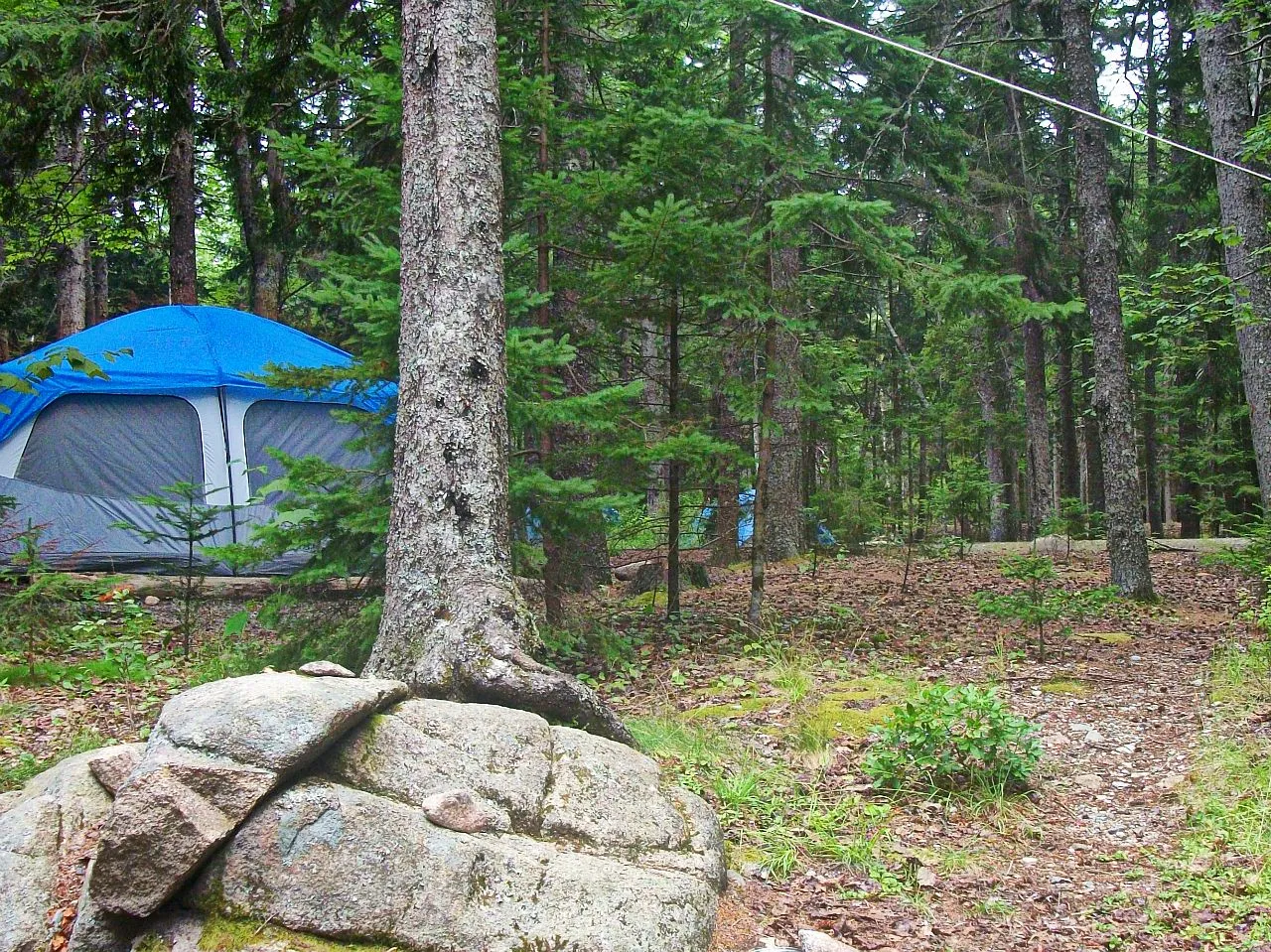
North Maine Woods charges by the person. For 2026, day use is $13 for Maine residents and $18 for nonresidents, and camping adds $12 a night for residents or $15 for nonresidents. Visitors under 18 pay nothing, and visitors 70 and older pay no day-use fee. Staffed checkpoints take cash, checks, or credit cards, while automated checkpoints take only cash or checks. Camping is allowed only at designated sites, first come, first served, with no reservations and a two-week limit per site.
If you would rather not plan the access, shuttle, and gear yourself, a Registered Maine Guide can handle the logistics. If you go on your own, work out the roads, checkpoints, and take-out in detail before leaving pavement.
Getting There
The Munsungan country lies in the North Maine Woods southwest of Ashland, reached over long stretches of private logging road through North Maine Woods checkpoints. There is no public highway to the put-in, and the route depends on which checkpoint and roads you use, so plan it with North Maine Woods ahead of time rather than relying on a phone.
Fuel up, carry a spare tire, and treat the drive itself as part of the expedition. Logging trucks have the right of way, and help is far away.
When to Visit
Spring
High water makes the moving sections more serious and the cold raises the risk. Roads can be soft and buggy. For very experienced paddlers only.
Summer
The most practical season, with warmer weather and more settled conditions. Watch for low water late in the summer that can leave the stream too bony to paddle.
Fall
Cool and quiet, but short daylight and cold water add risk on a committing trip. Confirm levels before going.
Winter
Frozen and not a paddling season.
Summer is the most practical season, and even then water level decides the trip. High spring flows raise the danger, and late-summer low water can leave you dragging over gravel. With no gauge on the stream, try to get a recent report from someone who has been on the water, and use the Masardis gauge only as a rough trend.
Packing List
Munsungan Stream Wilderness Trip
- Whitewater-capable canoe with full flotation
- PFD for each paddler and spare paddle
- Dry bags for all gear, food, and clothing
- Water filter or purification
- Map, compass, and GPS (do not count on cell service)
- Satellite communicator for emergencies
- North Maine Woods fees (automated checkpoints take cash or check only)
- Full tent and overnight camping kit
- Spare tire and full fuel for the logging roads
FAQ
Where does Munsungan Stream go?
It flows out of Munsungan Lake through the North Maine Woods and meets Millinocket Stream. Together the two streams form the Aroostook River.
Is Munsungan Stream a beginner paddle?
No. It is a committing wilderness route with quickwater, Class I to II rips, and the ledges of Munsungan Falls, far from help. It suits only experienced wilderness canoeists.
How do you access the put-in?
Over private logging roads through North Maine Woods checkpoints, where you pay a per-person fee. The classic trip starts at Chase Lake. Plan the route, checkpoints, and take-out in advance.
How much are the North Maine Woods fees?
For 2026, day use is $13 per person for Maine residents and $18 for nonresidents, and camping adds $12 or $15 a night. Visitors under 18 pay nothing, and visitors 70 and older pay no day-use fee.
Do I need a guide?
Not required. A Registered Maine Guide can handle access, shuttle, and gear if you prefer. Going on your own demands strong skills and careful planning.
What about water levels?
Levels make the trip, and there is no gauge on the stream. The Aroostook River gauge near Masardis gives only a rough downstream trend. High spring water increases the danger on the moving sections, and low late-summer water can leave the stream too shallow to paddle.