The Puffin Island
Fifteen miles off the coast of Cutler, a treeless granite island barely 20 acres in size hosts the largest colony of Atlantic puffins in the Gulf of Maine. Machias Seal Island is one of only two places in the United States where you can observe puffins at close range on their breeding grounds, the other being Seal Island National Wildlife Refuge, which allows no landings. Here, you can sit in a wooden blind just feet from nesting puffins and watch them go about their business as if you were not there.
The island sits in disputed waters. Both the United States and Canada claim sovereignty, making it one of the last territorial disputes between the two countries. Canada staffs a lighthouse and maintains a year-round presence through the Canadian Wildlife Service, which manages the island as a Migratory Bird Sanctuary. In practice, this means access is tightly controlled, and the limited number of visitors allowed each day is what keeps the puffin colony thriving.
The Puffins
Atlantic puffins are the marquee attraction, and they deliver. Roughly 5,000 pairs nest on Machias Seal Island, digging burrows in the thin soil and wedging into rock crevices. Puffins arrive in late April and stay through August, with peak activity in June and July when adults are feeding chicks.
From the observation blinds, you watch puffins at distances of five to fifteen feet. They walk past the blind openings, stand on rocks preening their colorful bills, and launch themselves off the cliff edge in that distinctive puffin flight: rapid wingbeats, stubby body, feet trailing behind. Adults return from fishing runs with beaks full of small fish, lined up like silver combs, and disappear into their burrows to feed the chick waiting inside.
The experience is unlike any wildlife encounter on the Maine coast. Puffins are comically endearing, with their upright posture, orange feet, and oversized triangular bills painted in blue, orange, and yellow. They look as if they were designed by a committee that prioritized charm over aerodynamics.
Beyond Puffins
Machias Seal Island is not exclusively a puffin colony. Razorbills, close relatives of puffins in the auk family, nest here in significant numbers and are often overlooked by visitors fixated on puffins. Razorbills are handsome birds with thick black bills marked by a white line, and they share ledge space with the puffins.
Arctic terns nest on the island in aggressive colonies. They will dive-bomb anyone who strays from the marked paths, which is one reason visitors are confined to blinds and boardwalks. Common murres, Leach’s storm-petrels, and various gull species also breed on the island.
The waters surrounding the island are productive fishing grounds, and marine mammals are common on the boat ride out. Harbor porpoises surface around the boat, and humpback and minke whales are spotted with some regularity during the crossing.
Getting There
The only way to visit Machias Seal Island is through an authorized tour operator. The primary US-based operator is Bold Coast Charter Company in Cutler, captained by Andrew Patterson. Tours depart from Cutler Harbor early in the morning and the round trip takes most of the day, with approximately two hours on the island. The crossing takes about 90 minutes each way depending on conditions.
Tour capacity is strictly limited. The Canadian Wildlife Service allows approximately 30 visitors per day on the island, split between US and Canadian operators. During peak season (late June through mid-July), tours book out months in advance. Reserve your spot as early as possible, ideally by March or April for summer dates.
The Island Experience
Landing on Machias Seal Island is not guaranteed even if the boat reaches the island. Swells around the island can make the small boat landing at the rocky shore impossible. When conditions allow, visitors transfer from the tour boat to a small skiff, which deposits them on the island’s rocky landing area.
Once ashore, a boardwalk leads from the landing to a cluster of wooden observation blinds positioned near the puffin nesting areas. Groups rotate through the blinds in shifts of 20 to 30 minutes, with a Canadian Wildlife Service guide managing the schedule. Between blind sessions, you stand on the boardwalk and observe terns, razorbills, and the island’s lighthouse.
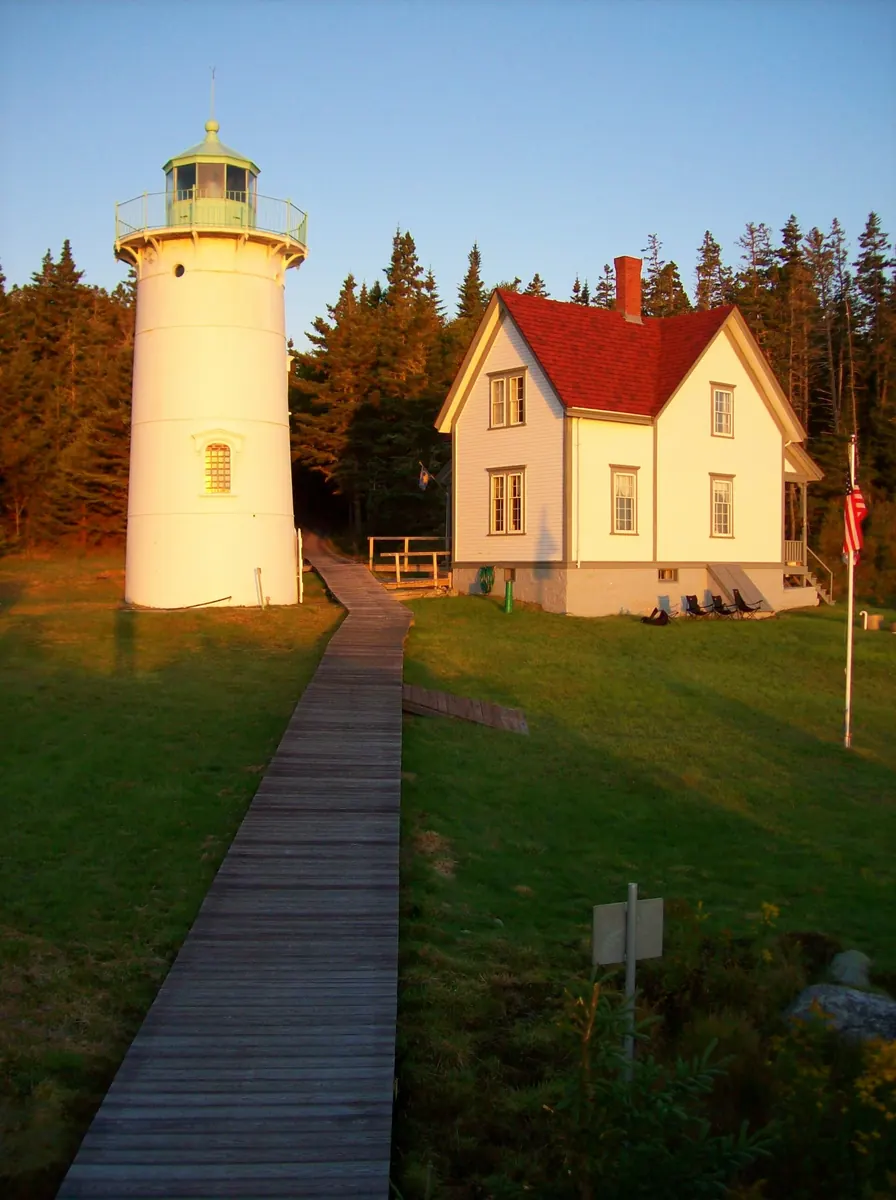
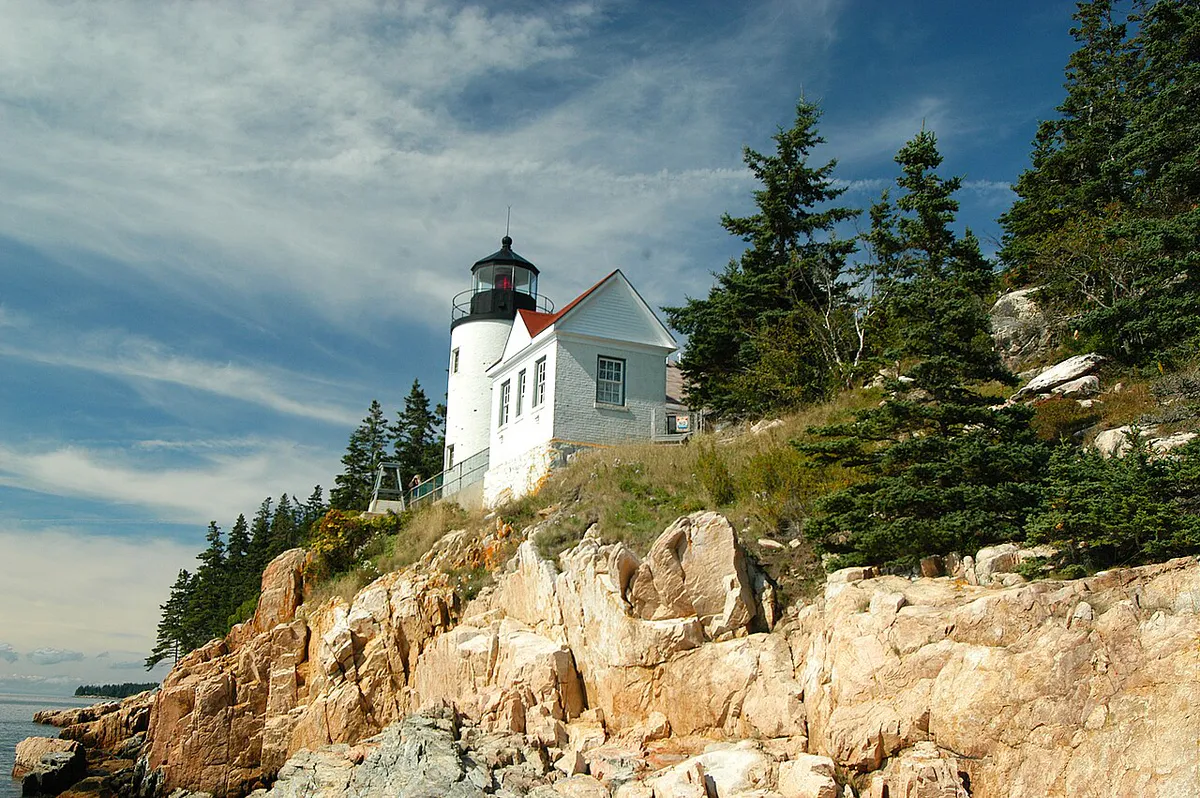
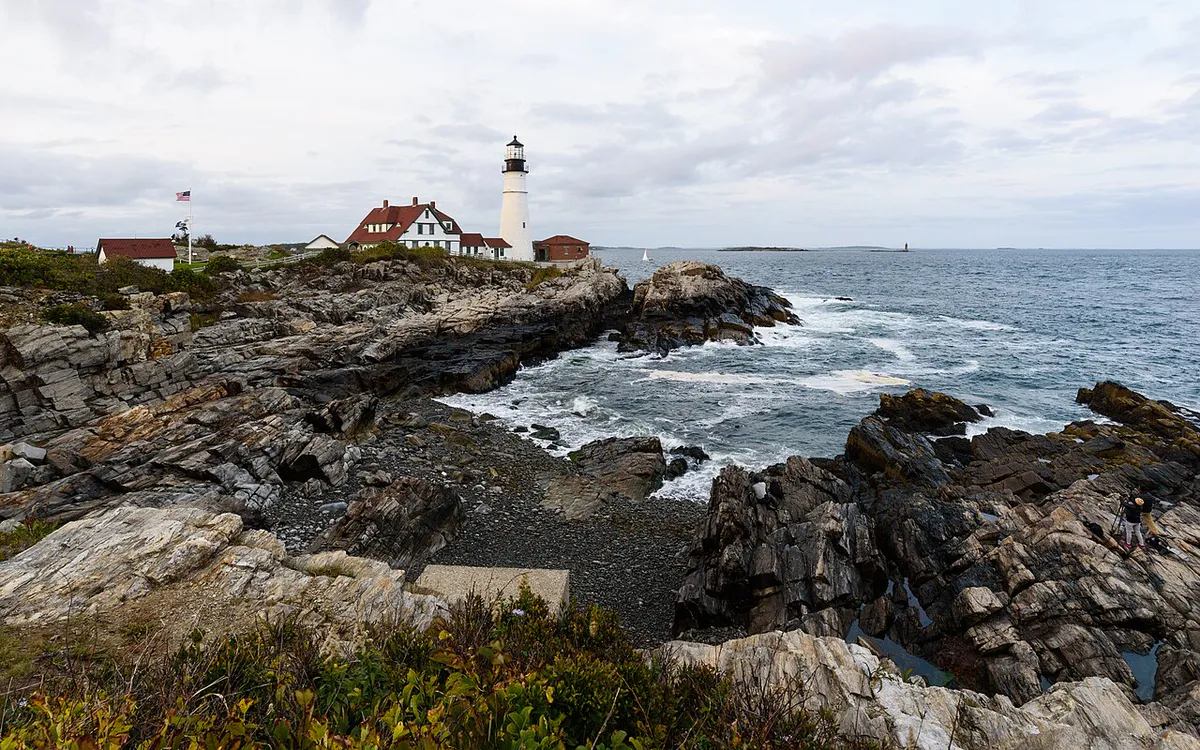
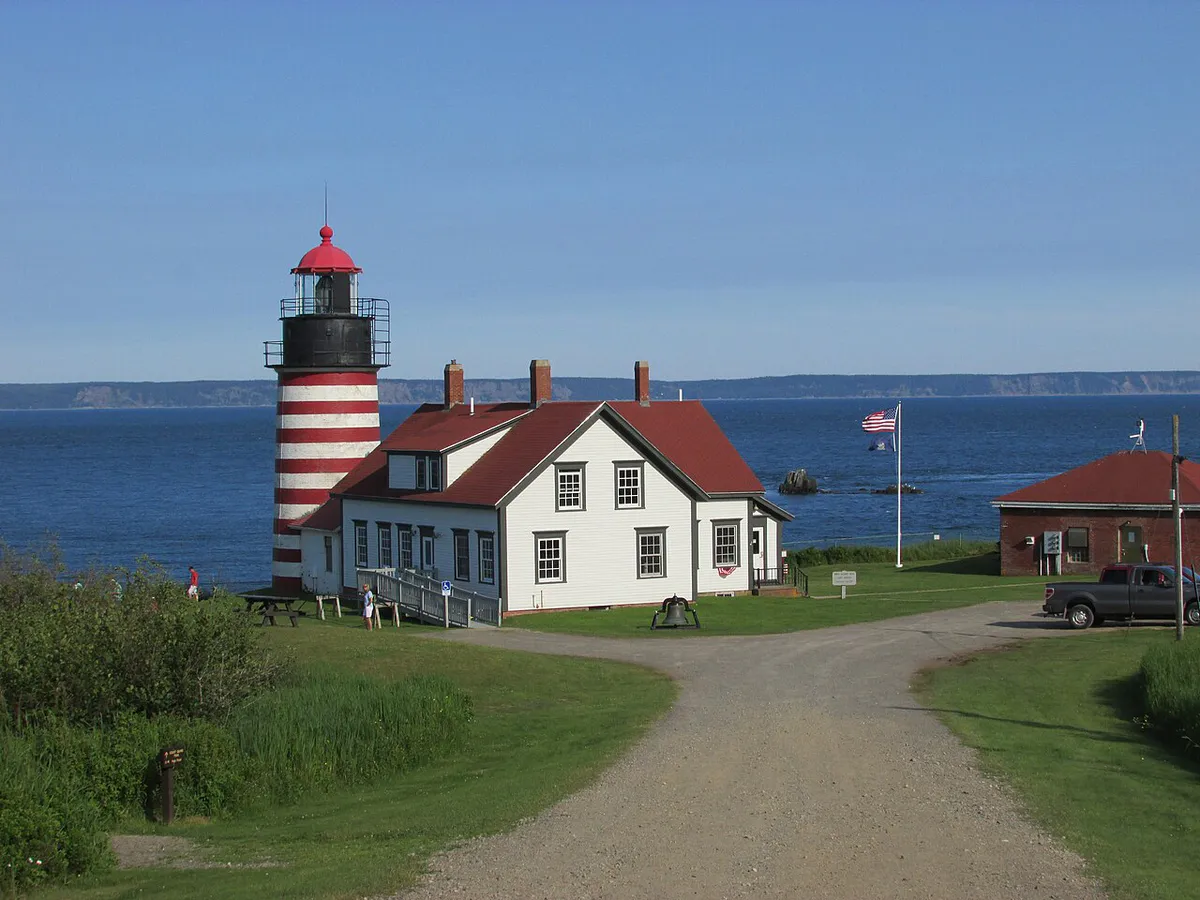
The lighthouse, built in 1832 and automated in 1996, is one of the oldest in the Bay of Fundy. Canadian lightkeepers still live on the island during the nesting season, maintaining the light and the wildlife sanctuary.
When to Go
Summer
The only season for visits. Puffin activity peaks mid-June through mid-July when adults feed chicks. Tours run through mid-August but puffins begin departing by late July. Book months in advance.
Fall
Puffins have departed. No tours run. The island is closed to visitors.
Winter
No access. The island is uninhabited except by wintering seabirds and the lighthouse.
Spring
Puffins return in late April. Tours have not yet begun. No visitor access.
Checklist
What to Bring
- Book your tour 3-6 months in advance
- Bring seasickness medication for the open-ocean crossing
- Pack warm layers even in July, the island is wind-exposed
- Long telephoto lens (200mm+) for puffin photography
- Binoculars for whale and porpoise spotting during the crossing
- Waterproof outer layer for spray on the boat
- Bring snacks and water, no services on the island
- Plan extra days in case weather cancels your trip
- Wear shoes with good grip for rocky island surfaces
- Leave flexible return plans in case of delayed return
FAQ
When is the best time to see puffins on Machias Seal Island?
Mid-June through mid-July, when adults are actively feeding chicks. Puffin numbers on the island begin declining in late July as birds return to the open ocean.
How do I book a trip to Machias Seal Island?
Through Bold Coast Charter Company in Cutler, Maine. Book 3 to 6 months in advance for peak season dates. The operator handles all permits and coordination with the Canadian Wildlife Service.
Is landing on the island guaranteed?
No. Even if the boat reaches the island, ocean swells can make the rocky landing unsafe. The captain and Canadian Wildlife Service make the final call. If landing is not possible, you observe puffins from the boat circling the island.
Why do both the US and Canada claim this island?
The Treaty of 1783 that ended the American Revolution left the ownership of several small islands in the Bay of Fundy ambiguous. Canada has maintained a lighthouse presence on Machias Seal Island since 1832 and manages it as a Migratory Bird Sanctuary. The US also claims the island. It remains one of the few unresolved territorial disputes between the two countries.
How close can you get to the puffins?
Very close. The observation blinds are positioned five to fifteen feet from active nesting areas. Puffins walk past the blind openings and perch on rocks directly in front of you. This is among the closest puffin encounters available anywhere.
While in the Downeast area, combine your trip with the Cutler Coast trail, one of Maine’s most dramatic coastal hikes, or drive to Quoddy Head State Park in Lubec.