A Local Swimming Spot on the Bull Branch
Cataract Falls is not the kind of place that shows up on the big tourist maps, which is part of why people who live around Bethel and Newry keep coming back to it. The falls sit on the Bull Branch of the Sunday River, a clear mountain stream that tumbles down through the western Maine highlands not far from the Sunday River ski area and the southern edge of Grafton Notch. Rather than one tall plunge, Cataract Falls is a run of ledgy cascades and pools, where the water slides and steps over tilted bedrock and collects in clear basins between the drops.
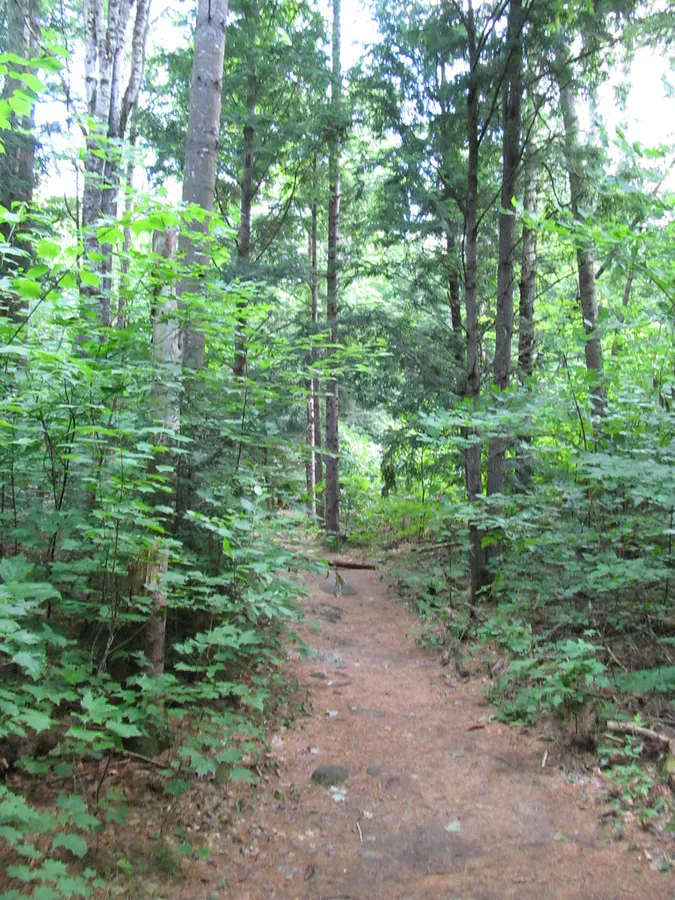
The walk in is short and easy, a few minutes from the gravel road, which makes this a popular stop on a warm afternoon. On a hot summer day you will often find a handful of families and groups of young people spread across the rock ledges, with kids wading the shallow edges while braver swimmers ease into the deeper pools. It has the feel of a swimming hole that locals have known about for generations, and it usually is.
The ledges around the cascades are smooth and stay slick even when they look dry. In spring and after heavy rain the Bull Branch runs fast and cold, and the current through the chutes is stronger than it appears. There are no lifeguards here. Keep well back from the moving water at high flow, never jump into pools without checking the depth and for submerged rocks first, and watch children closely.
The Falls
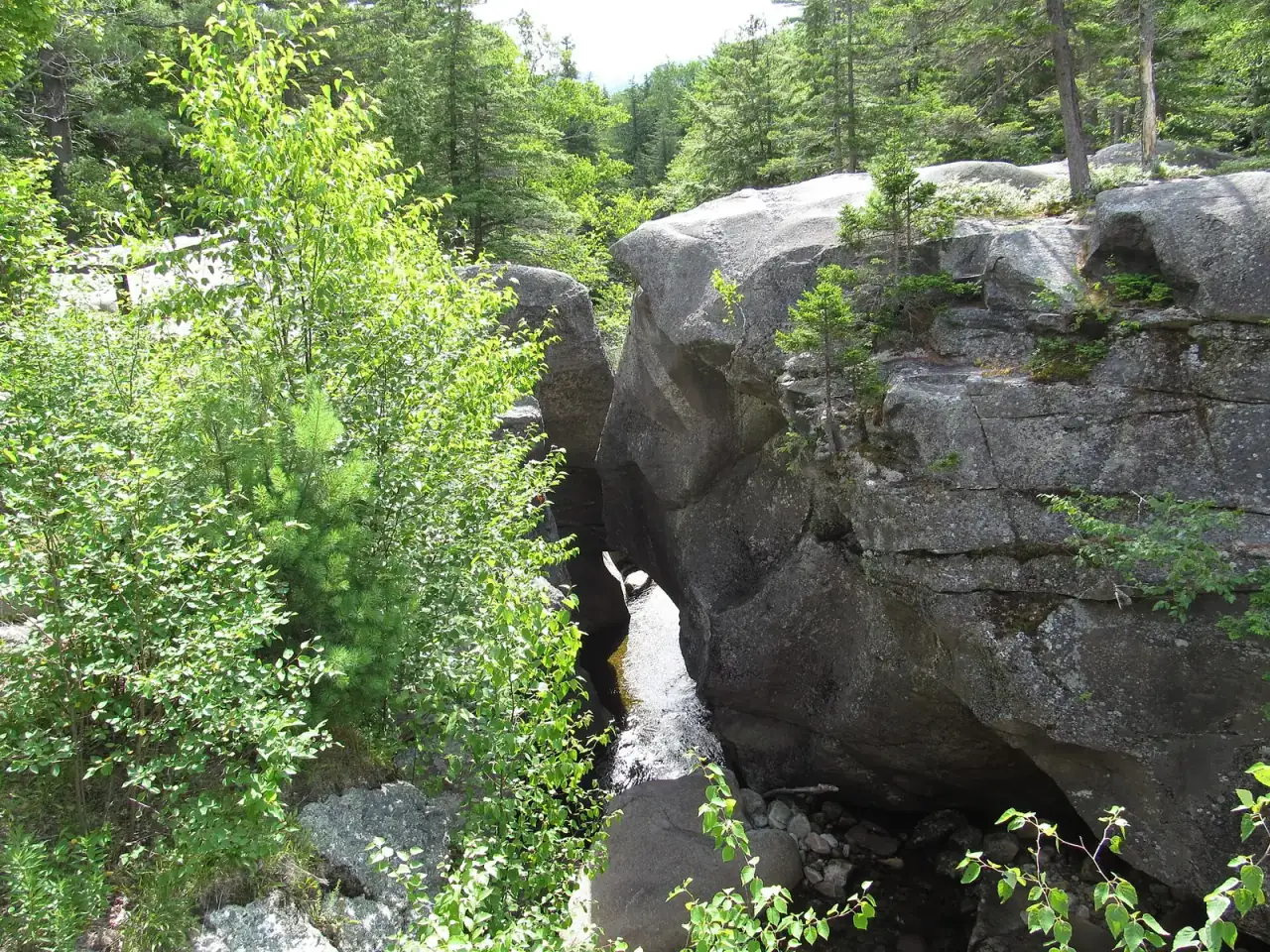
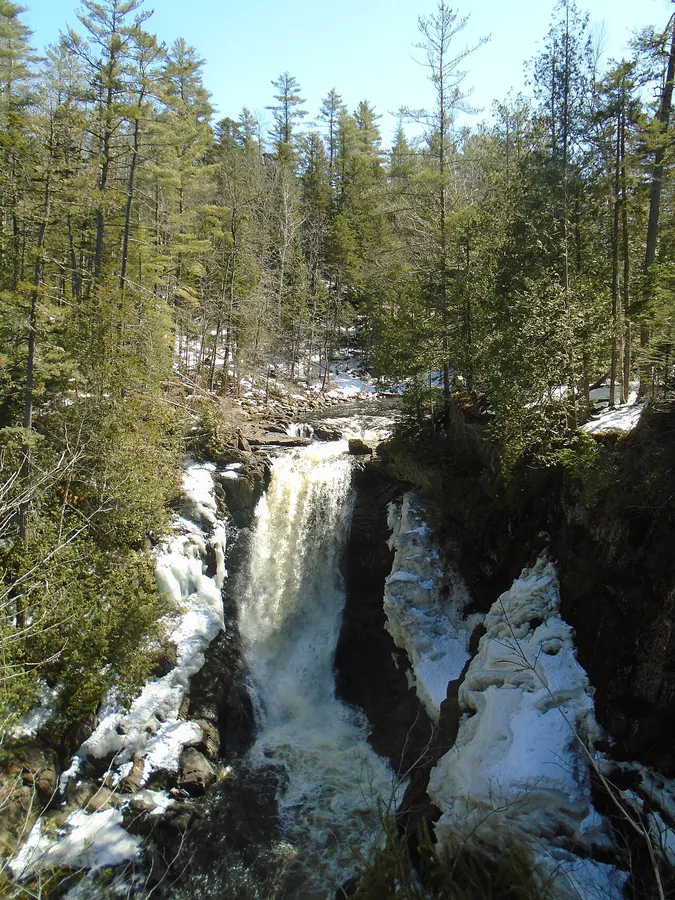
Cataract Falls is best understood as a series rather than a single waterfall. The Bull Branch drops over a stretch of ledgy bedrock, forming a string of cascades that step down through a small rocky gorge. Between the drops the water gathers into clear pools, some shallow enough to wade and some deep enough to swim when the stream is running well. The rock is the typical hard, polished stone of the western mountains, worn smooth by years of moving water and tumbling gravel.
The character of the spot changes with the season and the water level. In high water the cascades merge into a continuous, noisy rush of whitewater pouring through the gorge. In the lower flows of mid and late summer the same ledges quiet down into a gentler set of slides and tiered pools, and more of the rock is exposed for sitting and sunning. Either way it is a scenic, intimate spot, framed by the spruce and hardwood forest that runs right down to the water.
This is a cascade and swimming-hole destination, not a grand single drop. Set your expectations for a pretty mountain stream working its way over ledges, with pools good for a cold dip, rather than for a towering waterfall.
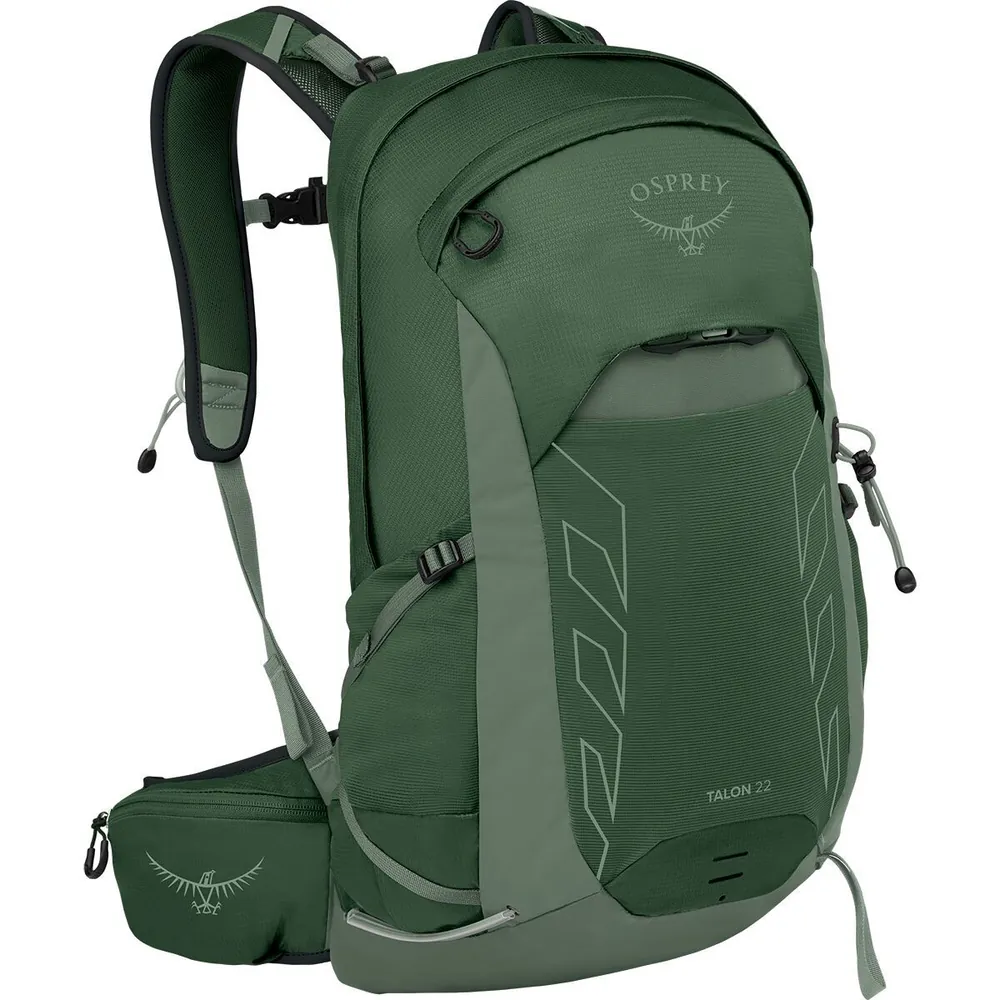
#1Mid-range
Osprey Talon 22
Who it’s forDay hikes & scrambles
Why we picked itExcellent ventilation with AirScape backpanel
Pros
- Body-hugging fit stays stable on scrambles
- Versatile 22L capacity hits the sweet spot
- Hipbelt pockets for snacks and phone
Know before you buy
- Not enough space for overnight gear
- Mesh back collects sweat in high humidity
Getting There
Cataract Falls lies off the gravel Bull Branch Road, which branches off Sunday River Road in Newry. The general approach is to head toward the Sunday River area from US Route 2 near Bethel, then follow Sunday River Road and continue onto the Bull Branch Road, a maintained gravel forest road that runs along the stream. The falls are reached by a short walk of roughly four tenths of a mile from a roadside pullout near the stream.
There is no developed parking lot or formal trailhead sign, just informal roadside pullouts used by other visitors. Park well off the travel lane so log trucks and other vehicles can pass, and do not block any gates or side roads.
Access is seasonal. The gravel road is not a place you want to be in winter or during mud season, and conditions can change with weather and logging activity. The road is generally passable for ordinary cars in summer and fall, but it is gravel, so drive slowly and watch for washboard and potholes. Cell service in this area is spotty, so download directions before you leave Bethel.
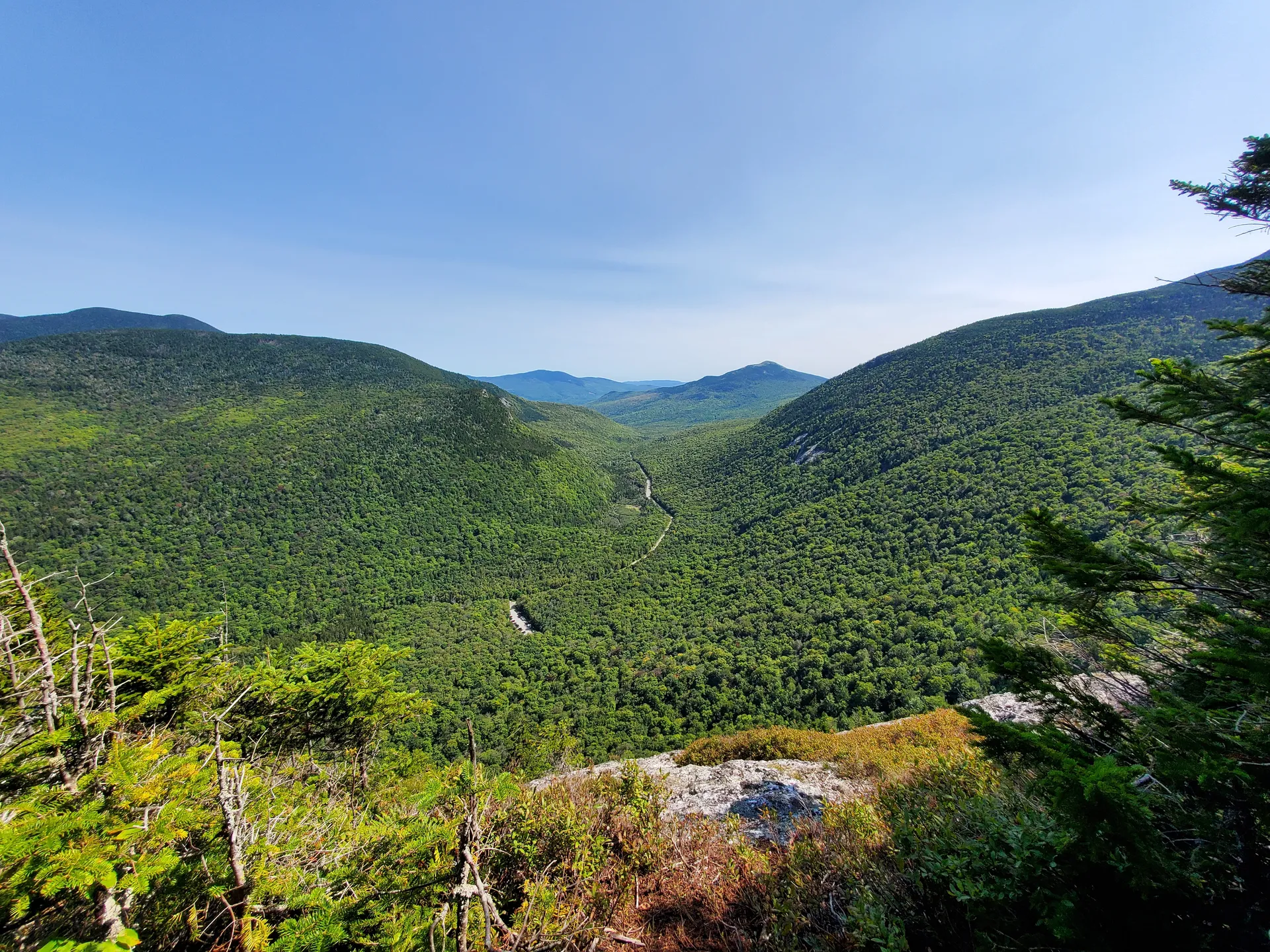
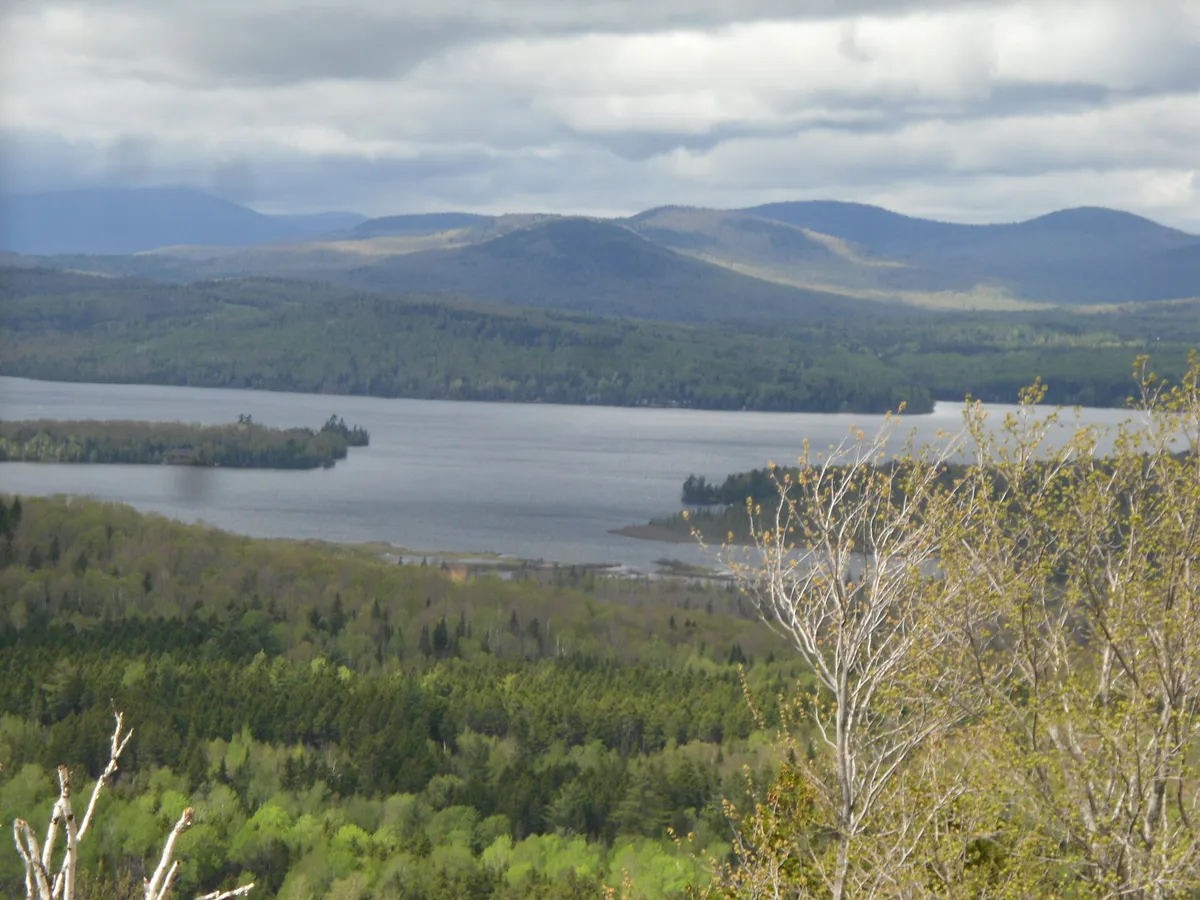
If you would rather pair the falls with a view, Mount Will in Newry has a short loop trail with overlooks of the Androscoggin valley and the Bethel area, and it is an easy add-on the same day. Combining a morning hike with an afternoon dip at Cataract Falls makes for a full, low-mileage day in the western mountains.
Swimming and Safety
The pools between the cascades are the main reason people come to Cataract Falls. In summer, the deeper basins are cold but swimmable, and the rock ledges make natural perches for spreading out a towel. The water comes off the mountains and stays cool all season, so expect a bracing dip rather than a warm one even in August.
Footing is the biggest hazard. The bedrock around the cascades is polished and slick, and a slip near the moving water can be dangerous. Wear water shoes or sport sandals with grippy rubber soles, and move slowly and deliberately on the wet ledges. Avoid the immediate edges of the chutes where the current is strongest.
Do not explore this spot barefoot. The smooth, wet rock is treacherous, and there can be hidden edges and submerged stones in the pools. Water shoes with real tread give you secure footing on the ledges and protect your feet in the water. Pack them along with bug spray, since the streamside forest produces blackflies and mosquitoes through early summer.
There are no lifeguards, no posted depths, and no rescue services close at hand. Swim within your limits, keep a close eye on children, and treat the stream with respect when it is running high. Cold water can sap strength quickly, so do not overestimate how long you can stay in.
When to Visit
Spring brings the most dramatic version of Cataract Falls. Snowmelt and spring rain swell the Bull Branch, and the cascades run loud and full through May and into June. This is the best time to see the falls at full power, but it is the worst time to swim. The water is frigid, the current is strong, and the rocks are at their most slippery. Come in spring to look, not to wade.
Summer is the prime swimming season. By July and August the flow has dropped to friendlier levels, the pools are clear and inviting, and the sun warms the rock ledges even though the water stays cold. Weekends and hot afternoons draw the most people, so an early start or a weekday visit gives you the quietest experience. Blackfly pressure eases by mid summer, but bug spray is still worth carrying.
Fall is quiet and scenic. The hardwoods around the stream turn color in late September, water levels are usually low, and the crowds thin out. Swimming is generally too cold by then, but it is a fine season for a streamside walk and photos. By late fall the gravel road becomes a poor bet, and winter access is not practical.
FAQ
Where is Cataract Falls in Maine?
Cataract Falls is on the Bull Branch of the Sunday River in Newry, Oxford County, in Maine's western mountains. It sits near the Sunday River ski area and the southern end of Grafton Notch, about an hour and a half from Portland and a short drive from Bethel.
How long is the walk to Cataract Falls?
The walk is short, roughly four tenths of a mile from a roadside pullout along the gravel Bull Branch Road. The terrain is easy, and most visitors reach the cascades in just a few minutes.
Can you swim at Cataract Falls?
Yes. The pools between the cascades are a longtime local swimming spot. The water is cold all season because it comes off the mountains. There are no lifeguards, the rocks are slippery, and the current runs strong in spring, so swim carefully and check depths before getting in.
How do you get to Cataract Falls?
From the Bethel area, head toward Sunday River, follow Sunday River Road, and continue onto the gravel Bull Branch Road that runs along the stream. Park at a roadside pullout and walk the short distance to the falls. The road is gravel and best driven slowly, and access is seasonal.
When is the best time to visit Cataract Falls?
Spring offers the most powerful cascades from snowmelt, but the water is too cold and fast for swimming. Summer is best for swimming, with lower, clearer pools and warm rock ledges. Fall is quiet and scenic but usually too cold for a dip, and winter access is not practical.
Is Cataract Falls dog friendly?
Yes. Dogs are welcome at this informal streamside spot, and the short, easy walk in suits most dogs. Keep your dog under control near the moving water, especially in spring when the Bull Branch runs high and fast, and bring water and waste bags since there are no facilities here.