

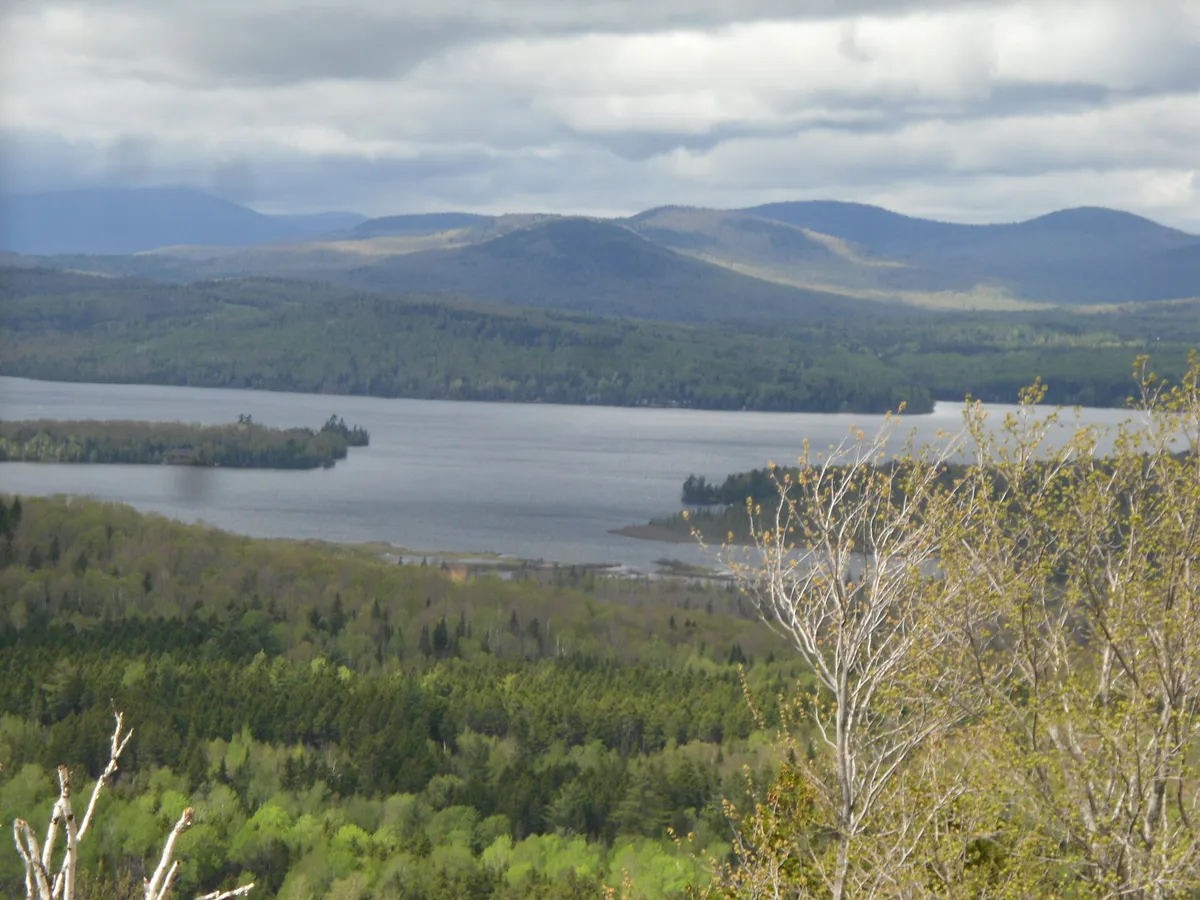
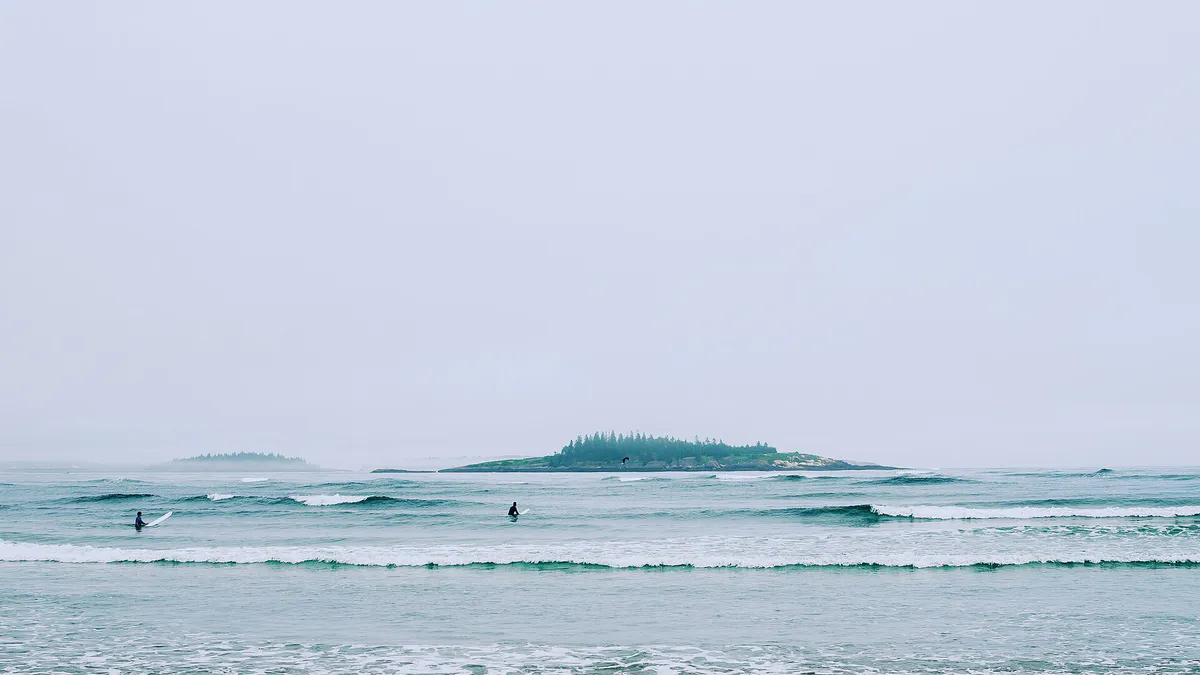
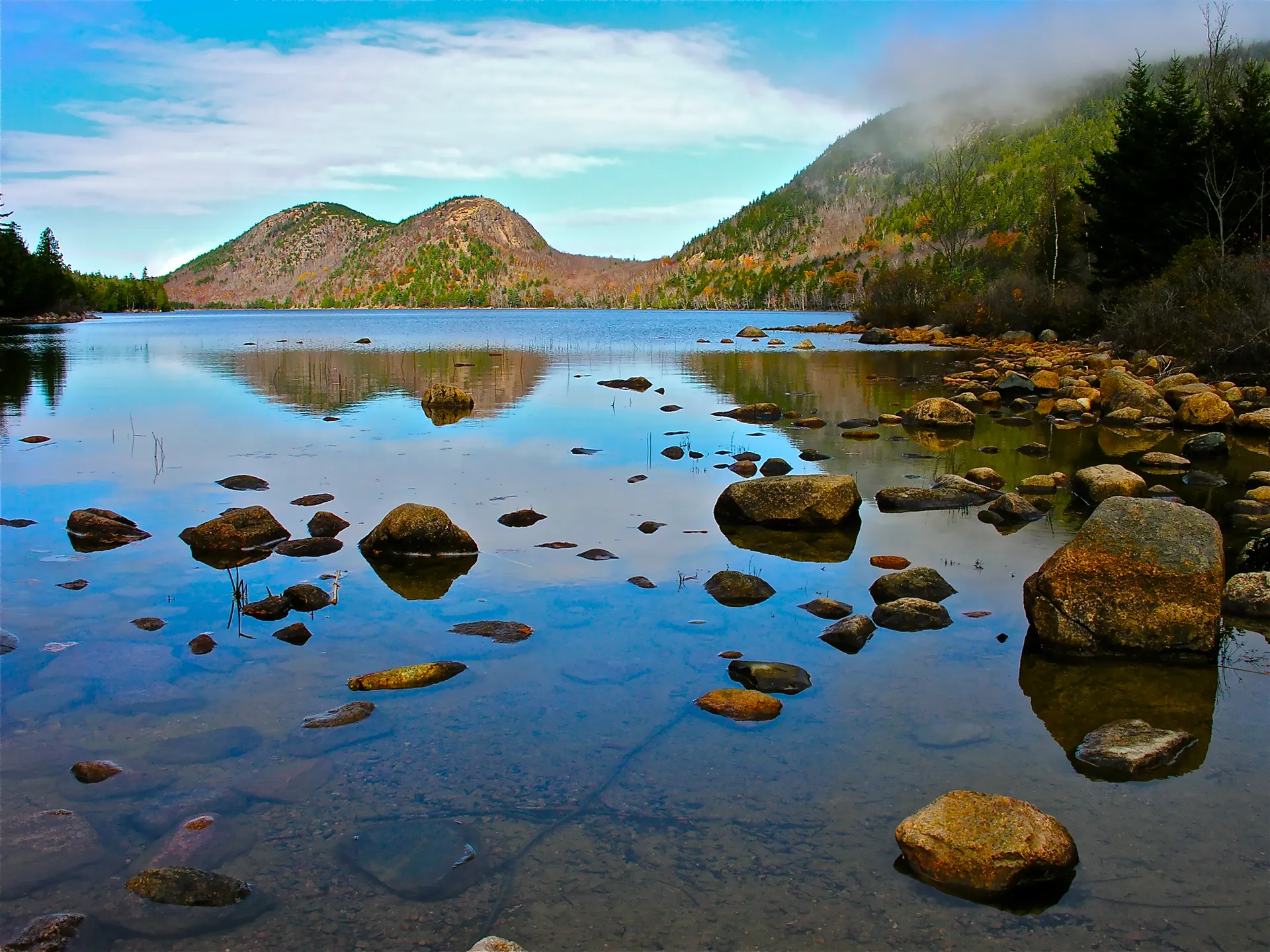
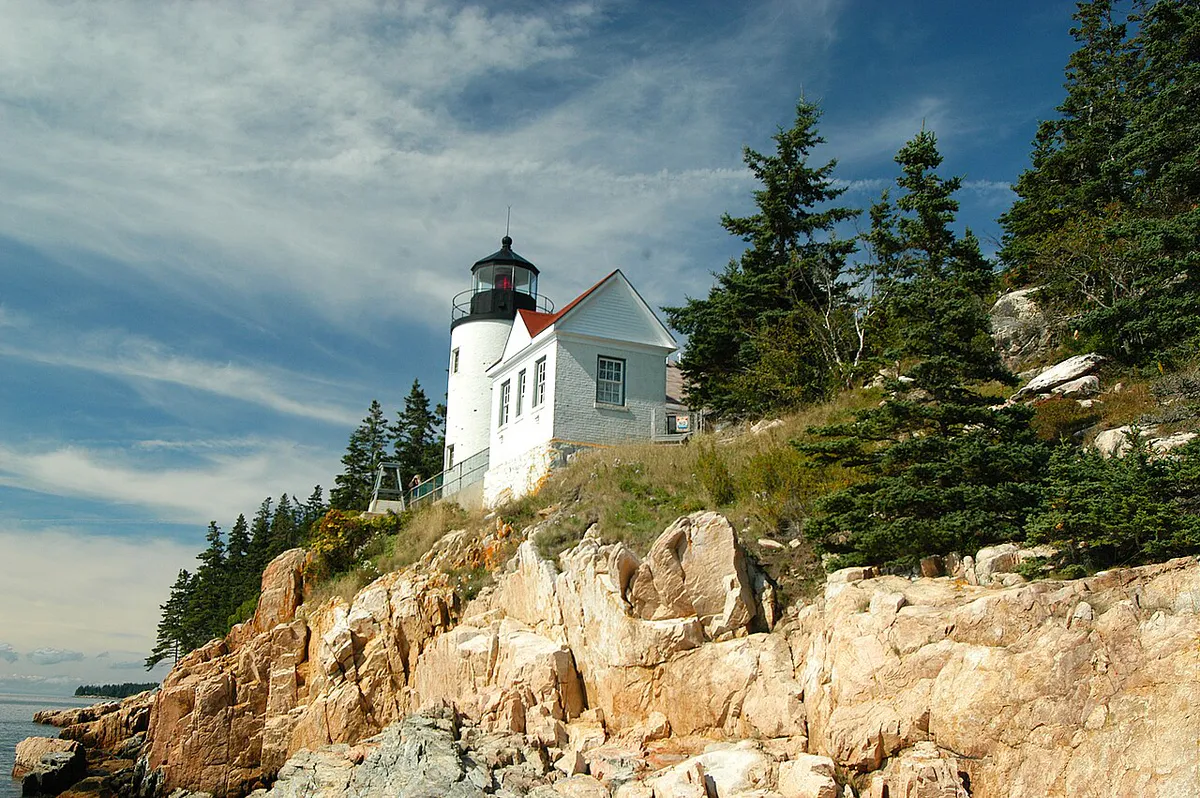
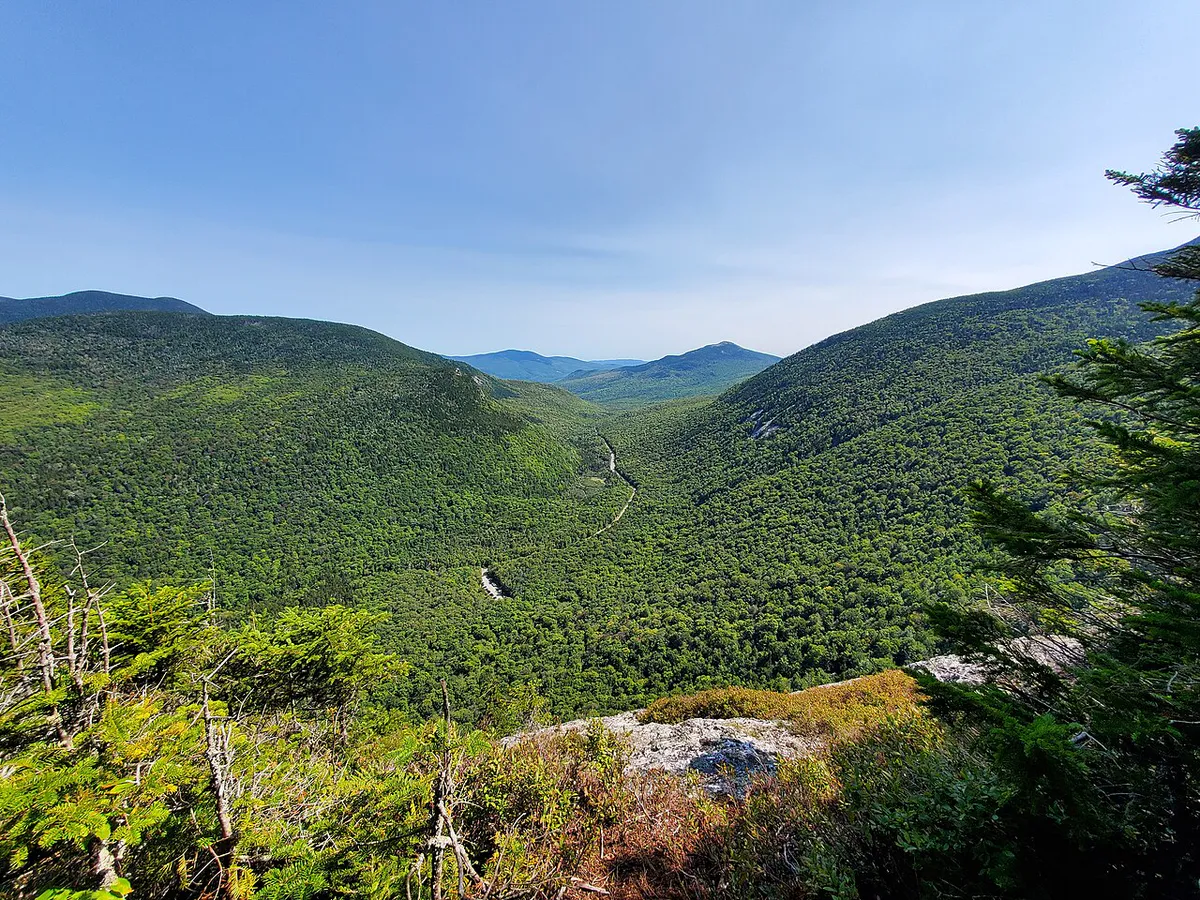
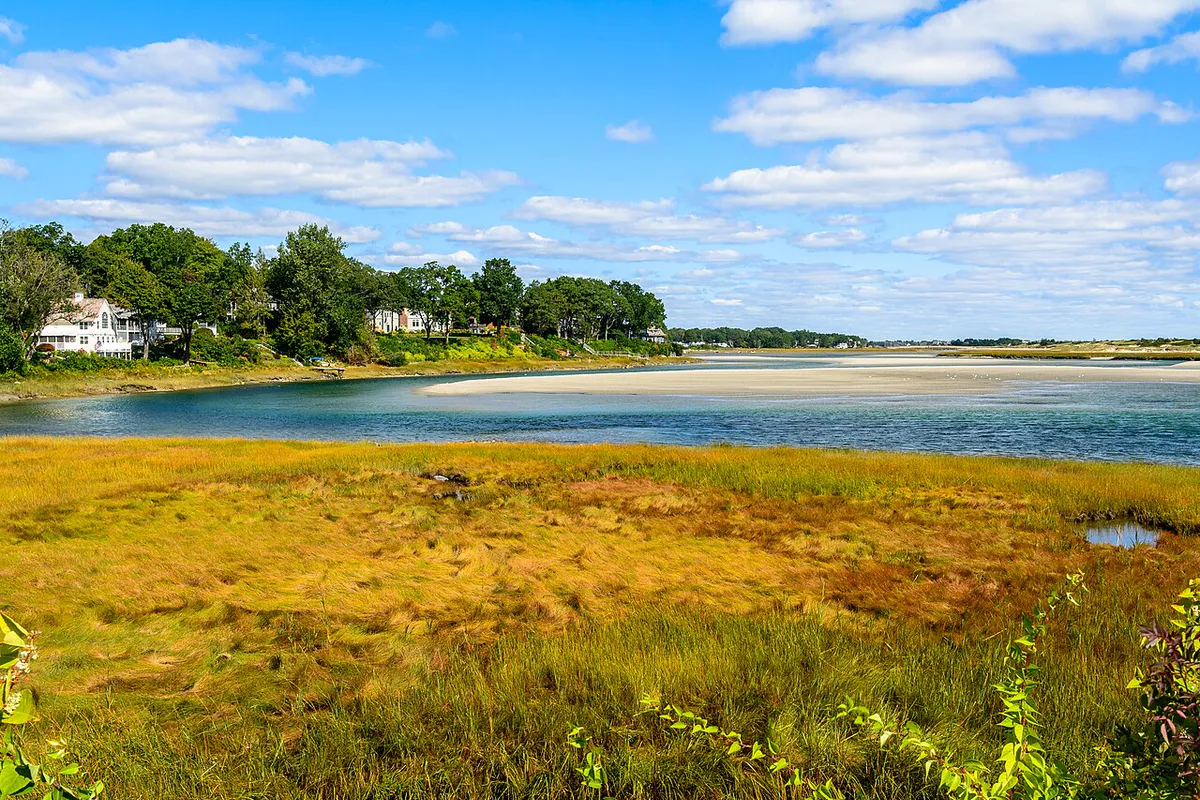
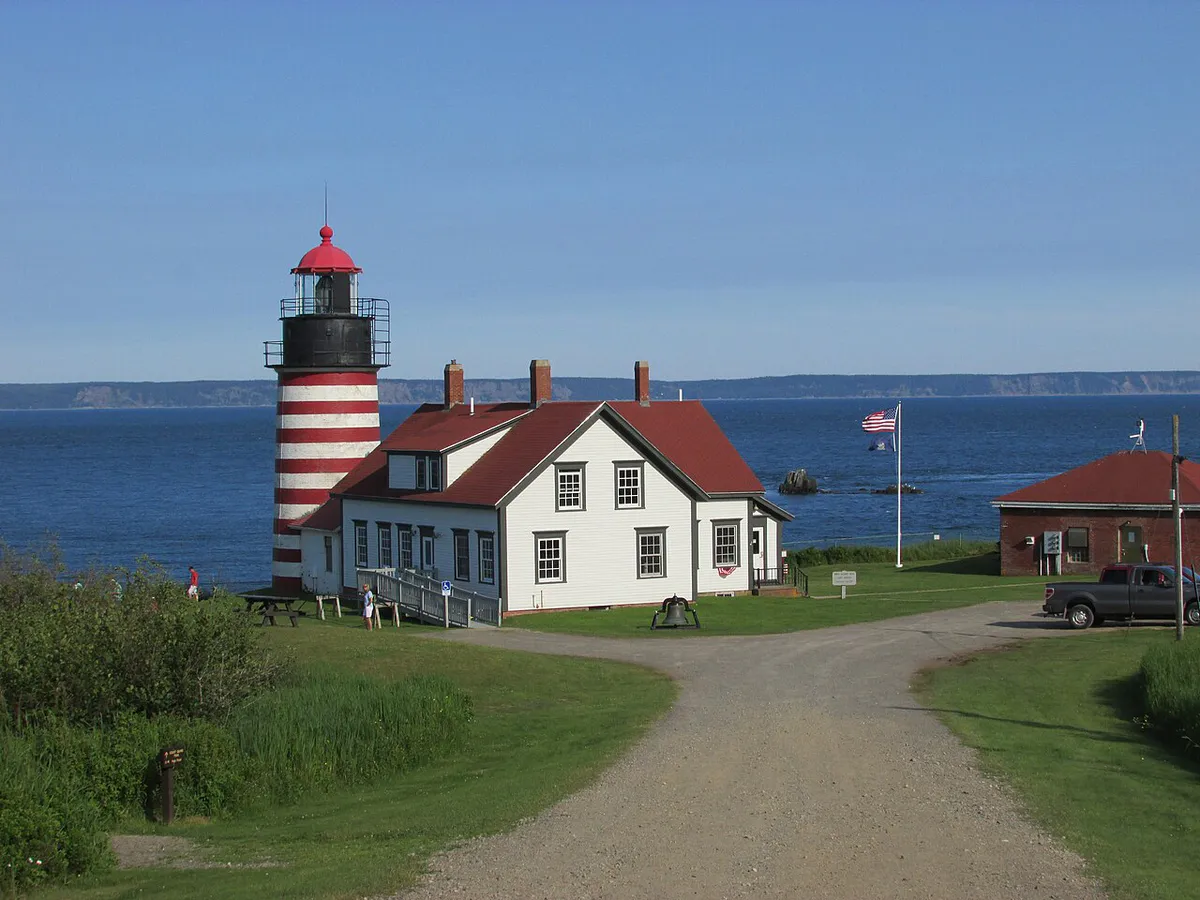
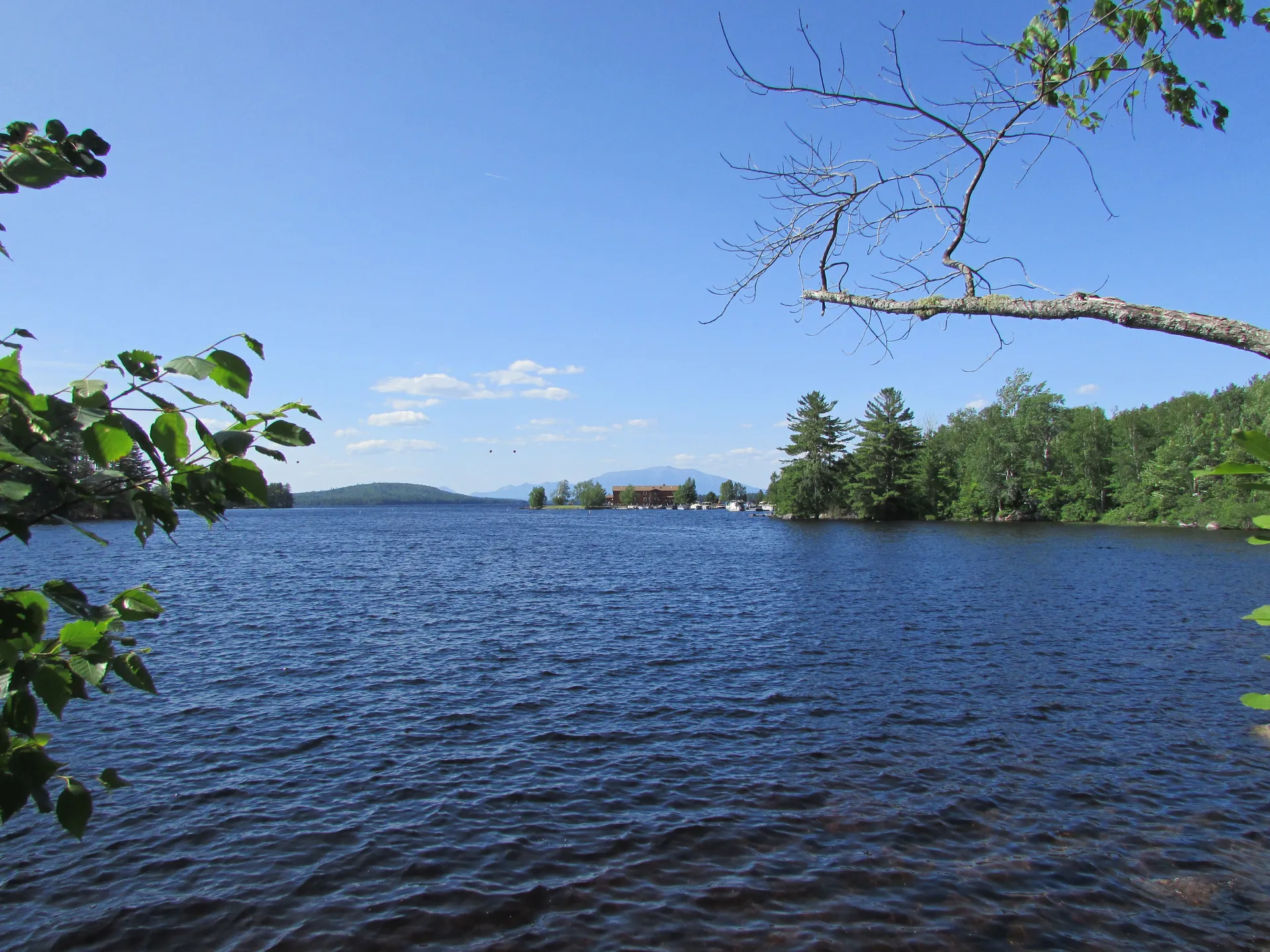
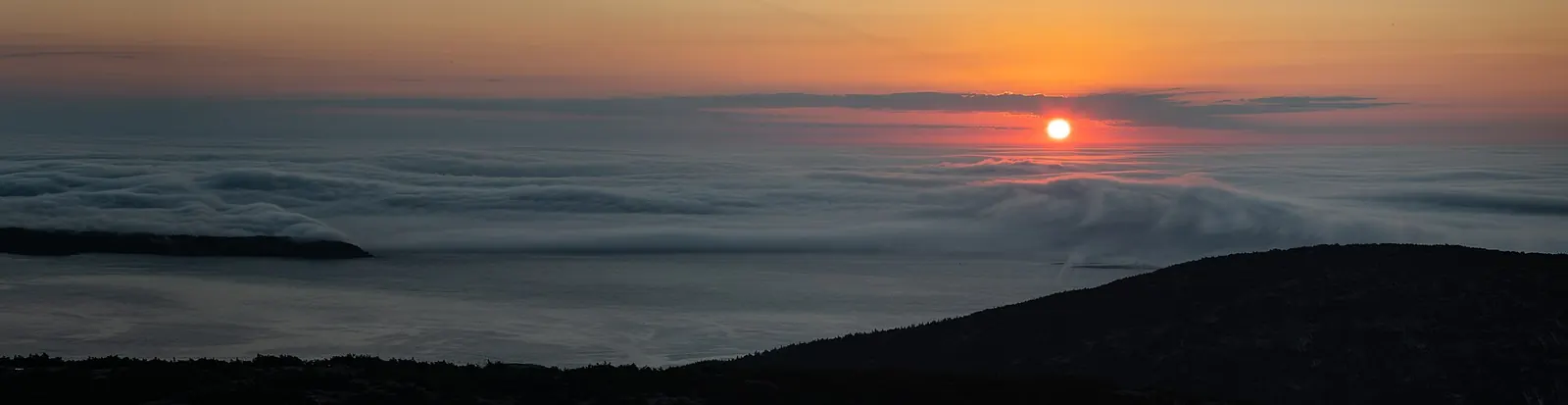
Maine has two crown jewel parks. They sit about three hours apart by car. They have almost nothing else in common.
Acadia National Park is 49,000 acres of mountain-meets-ocean coastline on Mount Desert Island, with paved scenic drives, restaurants nearby, and around 4 million visitors a year. Baxter State Park is 209,000 acres of deep wilderness in northern Maine, with one rough gravel road, no cell service, and about 125,000 visitors a year. One is the easiest national park in New England to visit. The other is one of the hardest.
This is the head-to-head, with a strong opinion on who should pick which.
Quick Verdict
Pick Acadia if: this is your first trip to Maine, you have kids or mixed ability hikers, you do not own a 4WD vehicle, you want to combine hiking with restaurants and a town, or you are coming for a long weekend.
Pick Baxter if: you are an experienced hiker, you want to climb Katahdin or bag 4,000-footers, you actively want fewer people, you can plan months ahead, and you are willing to be uncomfortable for the wilderness.
If you are still not sure, pick Acadia. It is harder to mess up.
Head to Head
| Category | Acadia | Baxter |
|---|---|---|
| Size | 49,000 acres | 209,000 acres |
| Annual visitors | ~4 million | ~125,000 |
| Type | National Park | State Park (privately funded trust) |
| Scenery | Coastline, granite peaks, lakes | Mountains, wilderness, no ocean |
| Highest peak | Cadillac (1,530 ft) | Katahdin (5,268 ft) |
| Best hike | Beehive or Cadillac North Ridge | Katahdin (Hunt or Knife Edge ) |
| Camping | 3 reservable campgrounds, RVs ok | 10 wilderness campgrounds, no hookups |
| Fees (2026) | $35/vehicle + $100/person non-US-resident surcharge | Free for ME residents, $20/vehicle non-res |
| Cell service | Decent in Bar Harbor , spotty in park | None. Zero. Plan accordingly |
| Dogs | Allowed on most trails | Not allowed anywhere |
| Accessibility | Some paved paths, easy stops | Limited, gravel roads, rough access |
| Reservation difficulty | Cadillac timed entry, easy otherwise | Day-use parking + camping book months out |
| Best season | Late May to mid-October | May 15 to October 15 (gate hours) |
| Wilderness feel | Crowded but beautiful | Genuinely remote |
Acadia: What It Is Great For
Acadia is the most accessible great national park in the East. The Park Loop Road is paved and one-way, so you can drive 27 miles past Sand Beach, Thunder Hole, Jordan Pond, and the Cadillac summit road in a single morning. Most of the iconic stops are short walks from a parking lot. The free Island Explorer shuttle covers the major sites in summer, so you do not even need a car if you base in Bar Harbor.
That ease is why 4 million people come, and why some of them leave grumpy. Summer parking lots fill by 9 a.m. The popular trailheads (Beehive, Precipice) have lines. Cadillac Mountain sunrise requires a $6 reservation booked 90 days out. None of this is a secret. Plan around it and Acadia is wonderful.
What makes Acadia great:
- Variety in a small footprint. You can hike a granite peak in the morning, swim in a lake, eat lobster on a working pier, and watch a lighthouse sunset all in the same day.
- Real elevation, real ocean. Cadillac Mountain at 1,530 feet is not Katahdin, but it is the highest point within 25 miles of the Atlantic shoreline between Canada and Mexico. Between Cadillac, Sand Beach, and Jordan Pond, the landscape mix is remarkable.
- A working town next door. Bar Harbor is a real town with restaurants, breweries, ice cream, and rainy-day options. After a long hike you can eat something good without driving 90 minutes.
- The carriage roads. 45 miles of crushed-stone, no-cars roads through the woods, designed by Frederick Law Olmsted Jr. and funded by John D. Rockefeller Jr. Bike them. They are the easiest way to see a lot of the park interior without traffic.
- A working lighthouse. Bass Harbor Head Light at sunset is the postcard.
The honest downside: in July and August, you are sharing the experience with thousands of people. Sunrise on Cadillac in mid-summer is a parking lot of cars. Jordan Pond House has a 90-minute wait for a popover. If solitude is your reason for coming to Maine, Acadia is the wrong park in summer.
Visit Acadia in late May, June, September, or early October. The weather is good, the crowds are smaller by half, and you can still get into restaurants without reservations. The park does not change between June and August. The crowds do.
Baxter: What It Is Great For
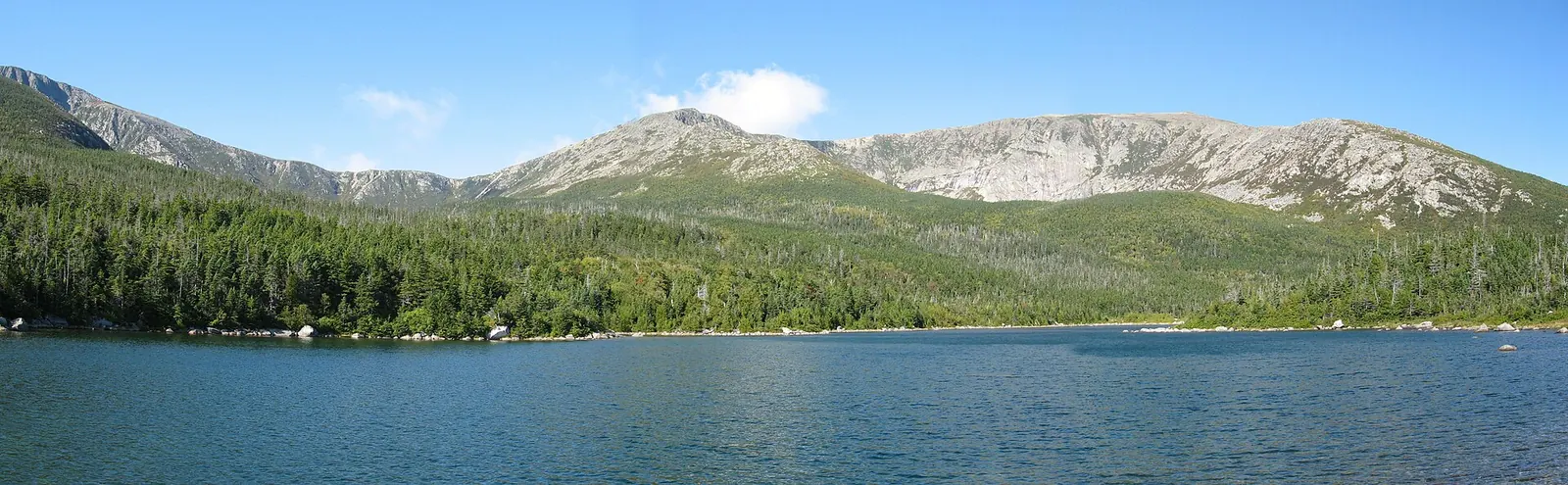
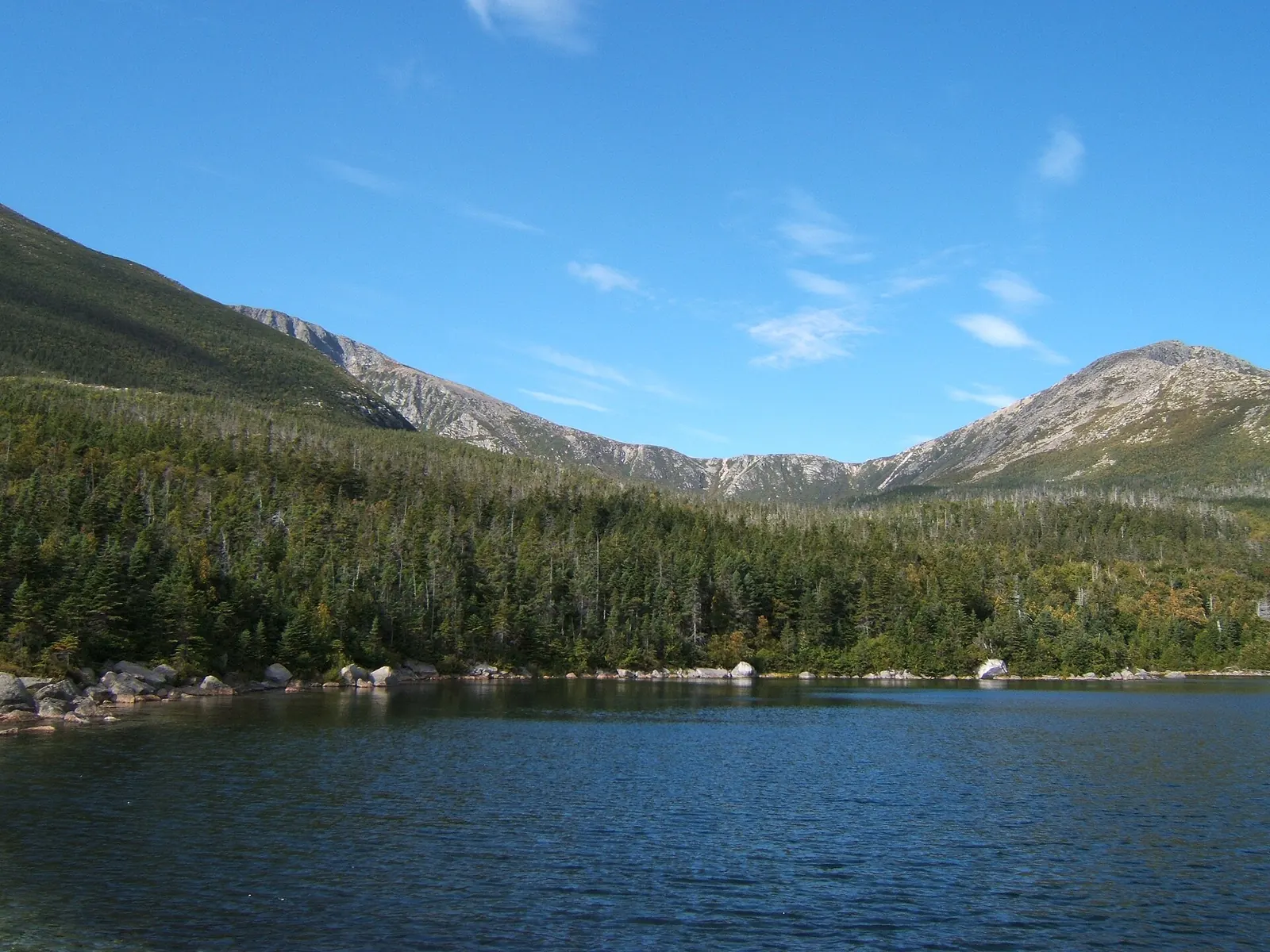
Baxter State Park was deeded to the people of Maine by Governor Percival Baxter, who bought the land piece by piece between 1930 and 1962 and gave it to the state on the condition it stay “forever wild.” That phrase is on every sign. The park enforces it.
What that means in practice: no electricity in campgrounds. No paved roads inside the park. No pets. No motorbikes. No drones. Limited cell service that mostly does not work. Day-use parking is capped per trailhead and fills early in summer (the Roaring Brook lot for the Knife Edge can fill by 6 a.m.). Camping requires reservations released months in advance, and the popular sites (Chimney Pond, Roaring Brook) book out within minutes.
You earn Baxter. The reward is a wilderness experience that does not exist anywhere else east of the Mississippi.
What makes Baxter great:
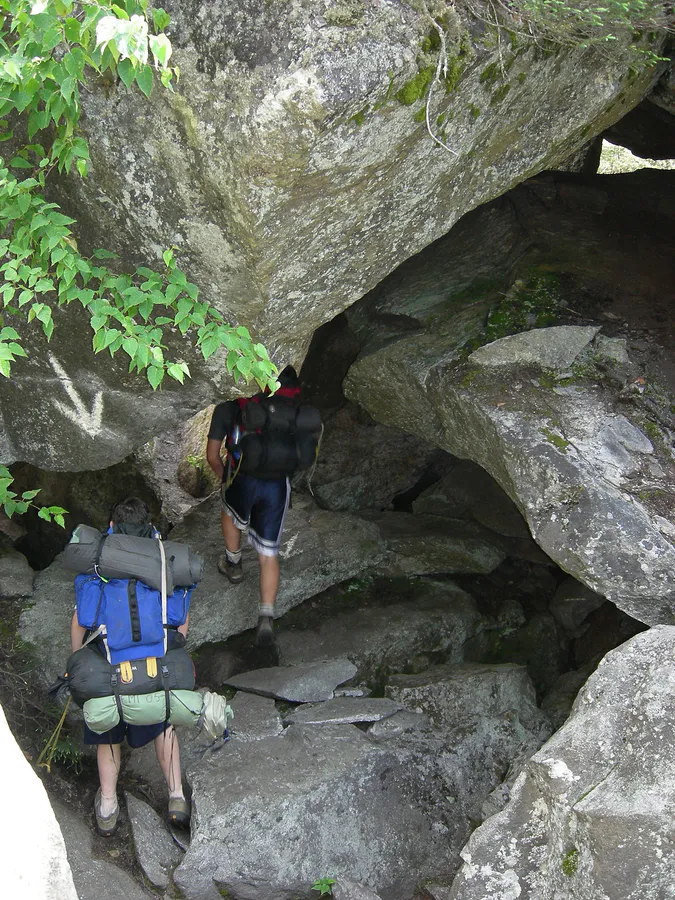
- Katahdin. Mount Katahdin is the northern terminus of the Appalachian Trail and the highest mountain in Maine at 5,268 feet. The Hunt Trail (the AT route) is a 10.4-mile day hike with 4,200 feet of gain that finishes on the Tableland and the Baxter Peak summit. The Knife Edge is a 1.1-mile traverse along a knife-thin ridge with thousand-foot drops on both sides. Some people do not make it across.
- Real solitude. Outside of the Katahdin trails on a peak summer day, Baxter is empty. You can hike trails in this park without seeing another person all day.
- The 4,000-footers. Beyond Katahdin, Hamlin Peak (4,756 ft), the Howe Peaks, Doubletop, North Brother (among Maine’s highest peaks at 4,151 ft), and several others give peak-baggers weeks of work.
- The 100-Mile Wilderness. Just south of Baxter is the 100-Mile Wilderness, the longest stretch of the AT without a road crossing. Baxter is the gateway in or out.
- Wildlife. Moose are common. Black bears, beaver, fisher, occasional lynx. The further from the Katahdin trails, the better the chances.
- No phone reception. This sounds like a downside. After 24 hours it stops being one.
The honest downside: Baxter is a grind to get into. The reservation system is unforgiving, especially for non-residents, who pay an additional $20 per vehicle and lose the resident booking priority. The Tote Road (the main park road) is gravel, washboarded, and slow. There are no restaurants, no gas, no services in the park. You bring everything in and pack everything out. If you sprain an ankle on the Knife Edge, the rescue is hours.
The Knife Edge has killed people. It is exposed to weather, the rock is loose in places, and there is no good escape route in the middle. Do not start it if the forecast looks bad. Turn around before the worst section if it does not feel right.
Side by Side
Hiking difficulty
Baxter wins for hardcore. The Hunt Trail and the Knife Edge are some of the most demanding day hikes in the eastern United States. Even the easier Baxter peaks (South Turner, Doubletop) have steeper grades than most Acadia trails.
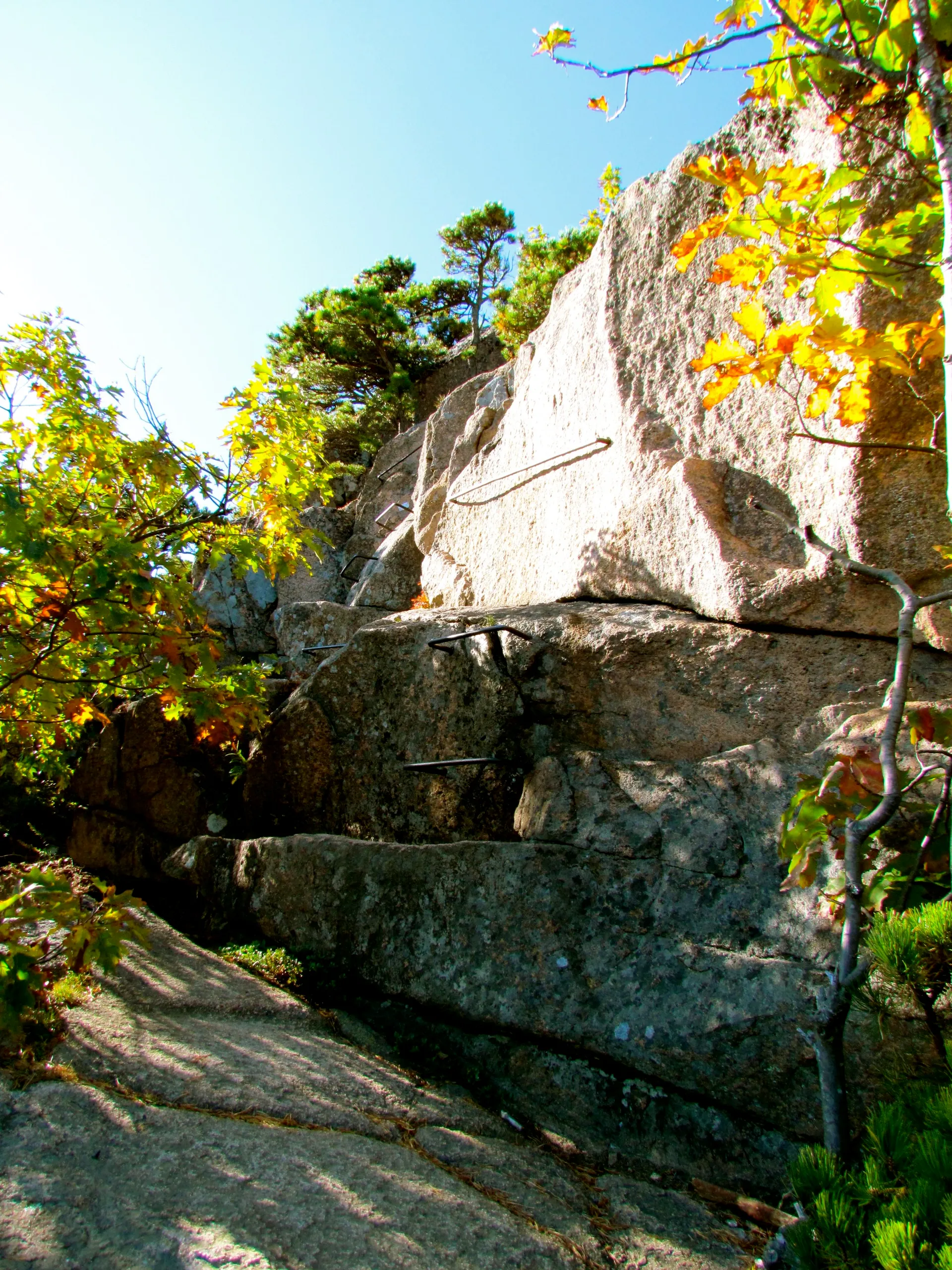
Acadia wins for variety. From the flat Ocean Path to the iron-rung scramble of the Beehive to the open granite walk of Cadillac North Ridge, Acadia covers more ability ranges in a smaller area. If you have a group with mixed fitness, Acadia is easier to make work.
Camping
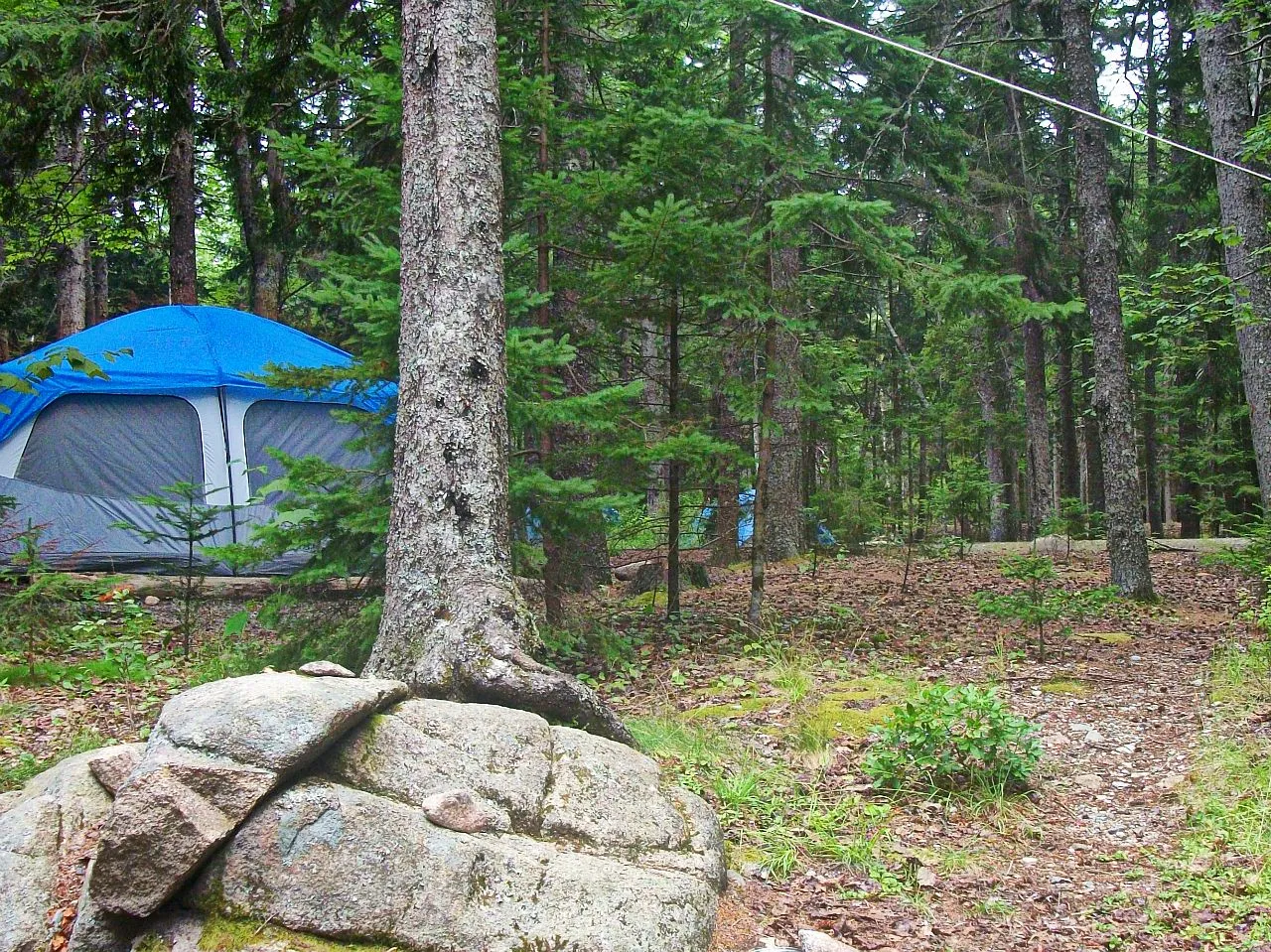
Baxter is wilderness camping. Ten campgrounds, mostly tent sites and lean-tos, no electricity, pit toilets. Some have cabins. Reservations required, no walk-ins for popular sites. Bring everything (food, water filter, bear-safe storage). Chimney Pond and Roaring Brook fill within minutes of opening.
Acadia is family camping. Three campgrounds (Blackwoods, Seawall, Schoodic Woods), reservable, RVs allowed at Blackwoods and Schoodic Woods. Real bathrooms with running water. Easier to book, especially Schoodic Woods. You can buy ice and sometimes wood on site.
Scenic drives
Acadia is built for the drive. Park Loop Road is one-way, 27 miles, paved, with parking pull-offs at every iconic stop. The Cadillac summit road climbs 1,500 feet on a clean asphalt switchback. You can see most of the park from the windshield if you want to.
Baxter Tote Road is rough. The main park road is 41 miles of gravel, slow (25 mph speed limit, often less in practice), and no RVs allowed. There is no scenic drive in Baxter in the Acadia sense. You drive in to a trailhead, hike, drive back out.
Kid friendliness
Acadia wins clearly. Sand Beach has lifeguards. The carriage roads are great for biking with kids. Junior Ranger program is one of the best in the system. Most of Park Loop Road has stops a five-year-old can manage. Plenty of ice cream within driving distance.
Baxter is for older kids. Day hikes like Owl, South Turner, or the lower section of the Hunt Trail can work for older kids and teens. There is no shortcut and no ice cream waiting at the parking lot. Younger kids will struggle with the long days and lack of services.
Crowds
Acadia: ~4 million visitors per year. Concentrated June through August. Parking lots full by 9 a.m. on summer weekends. Popular trails have lines. The Island Explorer shuttle helps but does not eliminate the feeling of being in a crowded park.
Baxter: ~125,000 visitors per year. Day-use parking caps prevent overcrowding at trailheads. Outside of Katahdin trails on a perfect summer day, you can have entire mountains to yourself. The wilderness feel is real.
Fees in 2026
Acadia: $35 per vehicle for a 7-day pass, $70 for an annual Acadia pass. 2026 brings a new $100 per person surcharge for non-US-resident visitors age 16 and older (on top of the entrance fee, applied per adult rather than per car). Cadillac Summit Road costs an extra $6 with a timed-entry reservation. America the Beautiful federal pass covers the entrance fee.
Baxter: Free for vehicles registered in Maine. $20 per non-Maine vehicle per day, or $50 for a non-resident season pass. Camping fees are separate (around $32 to $42 per night for tent sites, more for cabins). No federal passes accepted.
For a non-US-resident planning a one-week visit: a solo adult pays roughly $135 at Acadia ($35 vehicle + $100 per-person surcharge), while a family of four adults pays about $435 ($35 + $100 x 4). Baxter costs $20 for a single day-use entry, or $50 for a season pass plus camping fees if you stay. Baxter is dramatically cheaper for groups; Acadia can compete only for solo travelers staying multiple nights.
Who Picks Acadia
- First-time visitors to Maine
- Families with kids under 12
- Mixed-ability hiking groups
- Anyone without a 4WD or high-clearance vehicle
- Travelers who want a town nearby
- People combining a park visit with the Maine coast (lighthouses, lobster, beach time)
- Anyone who needs cell service for work or emergencies
- Long weekend trips
Who Picks Baxter
- Experienced hikers, especially Northeast peak-baggers
- Anyone hiking the AT (Katahdin is the terminus)
- Solitude seekers willing to plan months ahead
- Backpackers wanting wilderness camping
- Photographers chasing big landscape shots without infrastructure
- Repeat Maine visitors who have already done Acadia
- Anyone who wants to feel genuinely off the grid
Can You Do Both?
Yes, and a lot of people do. The two parks are about three hours apart and complement each other well. A reasonable 7-to-10 day Maine itinerary:
- Days 1 to 3: Acadia (Park Loop, one big hike, quiet side, Schoodic). See our 3-day Acadia itinerary.
- Day 4: Drive Acadia to Millinocket (3 hours). Stop in Bangor or at one of the gear shops in Millinocket.
- Days 5 to 7: Baxter (Hunt Trail or Knife Edge if weather is good, plus a second 4,000-footer or Daicey Pond day, plus a recovery day). Camp at Daicey Pond or Roaring Brook.
- Days 8 to 10 (optional): Moosehead Lake or the 100-Mile Wilderness gateway towns to slow down before the drive home.
The order matters. Start with Acadia, end with Baxter. Acadia eases you into Maine. Baxter takes commitment and works better when you are already adjusted.
If you are doing both, base in Millinocket for the Baxter portion. The town is a 30-minute drive to the park’s main southern gate, has a few decent restaurants (the New England Outdoor Center, Pelletier’s), gear shops, and the only real grocery for an hour in any direction. Greenville is also an option but adds drive time.
Other Maine Park Options
If neither Acadia nor Baxter quite fits, Maine has alternatives. We covered them in detail in our Acadia alternatives guide, but the short list:
- Camden Hills State Park: Smaller, free, ocean and mountain views from Mount Battie, less crowded than Acadia.
- Grafton Notch State Park: Real mountains in the western Maine high peaks, including Old Speck and Table Rock. Good if you want hiking without crowds and you cannot get a Baxter slot.
- Bigelow Preserve: A 36,000-acre wilderness around the Bigelow Range, with peaks over 4,000 feet and far fewer people than Baxter.
- Katahdin Woods and Waters National Monument: A newer 87,500-acre federal monument east of Baxter, with views of Katahdin from a different angle and almost no visitors.
Which is harder, Acadia or Baxter?
Baxter, on every dimension. The hikes are longer and steeper (Hunt Trail is 10.4 miles with 4,200 feet of gain), the access is rougher (gravel roads only), there are no services inside the park, and there is no cell phone signal. Acadia is paved, signed, and has a town next door.
Which is cheaper, Acadia or Baxter?
It depends on residency and trip length. For Maine residents, Baxter is free for vehicle entry. For non-US-residents in 2026, Acadia is $35 per vehicle for 7 days plus a new $100 per-person surcharge for visitors age 16 and older (so a solo adult pays $135, a family of four adults pays $435). Baxter is $20 per non-resident vehicle per day, or $50 for a season pass. Short trip or group: Baxter is cheaper. Solo traveler with a long stay: Acadia can compete.
Can you see Mount Katahdin from Acadia?
On clear days from the summit of Cadillac Mountain, yes, you can see Katahdin to the northwest at about 100 miles distance. It is more often hazy than not. Best chance is on a cold, dry day in autumn or early winter.
Is Baxter or Acadia better for first-time Maine visitors?
Acadia, almost always. It is easier to access, has more variety in a smaller area, and combines well with the rest of the Maine coast. Save Baxter for a return trip when you know you want the wilderness experience and have time to plan around the reservation system.
Can you bring dogs to either park?
Acadia yes, Baxter no. Acadia allows dogs on more than 100 miles of trails and most carriage roads, with a 6-foot leash requirement. Baxter does not allow dogs anywhere in the park, including campgrounds and day-use areas. Service animals follow different rules.
When does Baxter open and close?
The Tote Road and most facilities are open from May 15 (often later, depending on conditions) through October 15. Winter access is allowed on foot, but with limited services and serious cold-weather requirements. Day-use parking gates open at 6 a.m. in summer.
Do I need a permit to climb Katahdin?
No permit, but you do need a day-use parking reservation at the trailhead (Katahdin Stream Campground for the Hunt Trail, Roaring Brook for Knife Edge approaches via Chimney Pond). Reservations open online and fill quickly. The park caps the number of cars per day, which effectively caps hikers.
Which park has better fall foliage?
Both are spectacular, with peak typically in late September (Baxter) to early October (Acadia). Baxter has the more dramatic mountain backdrop. Acadia has the ocean-mountain combination. Baxter peaks one to two weeks earlier than Acadia because of latitude and elevation. See our Maine fall foliage road trip for timing.