

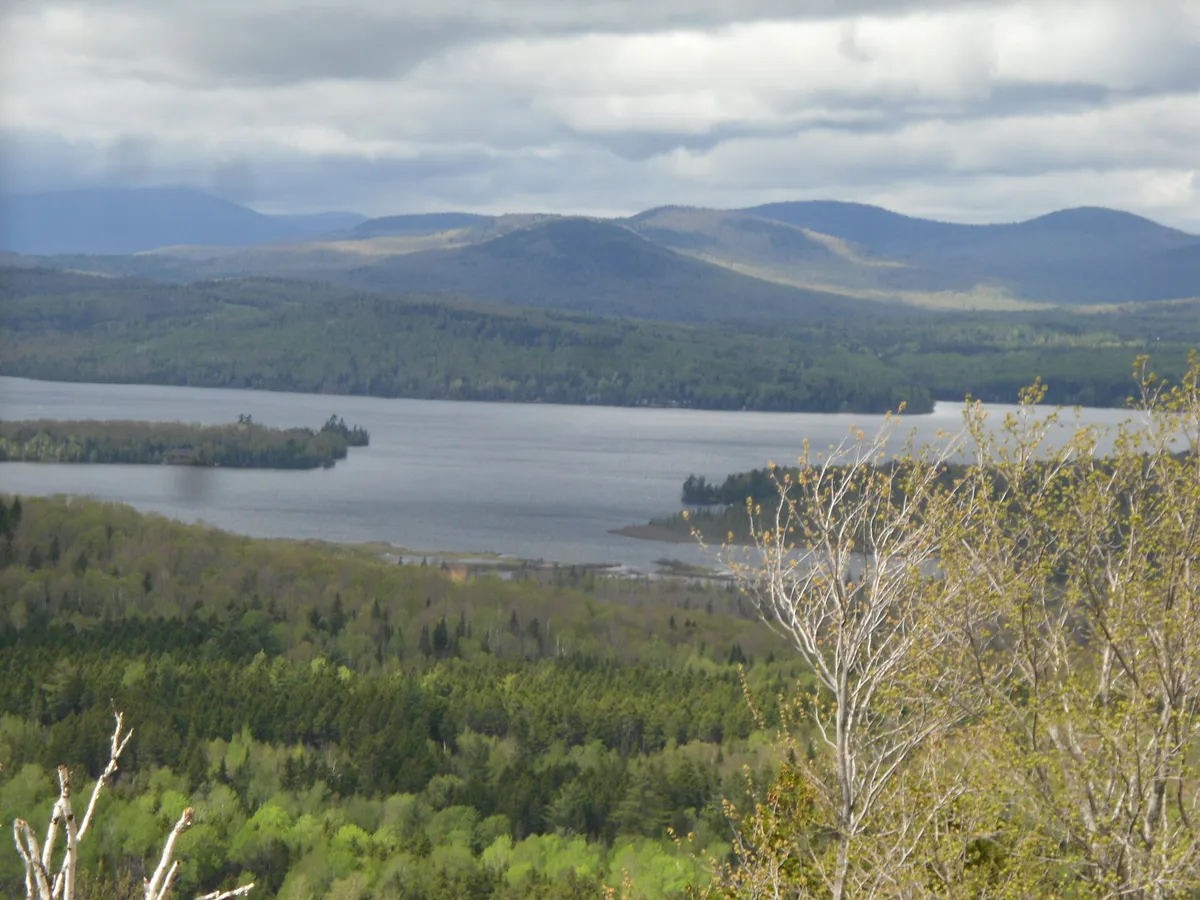
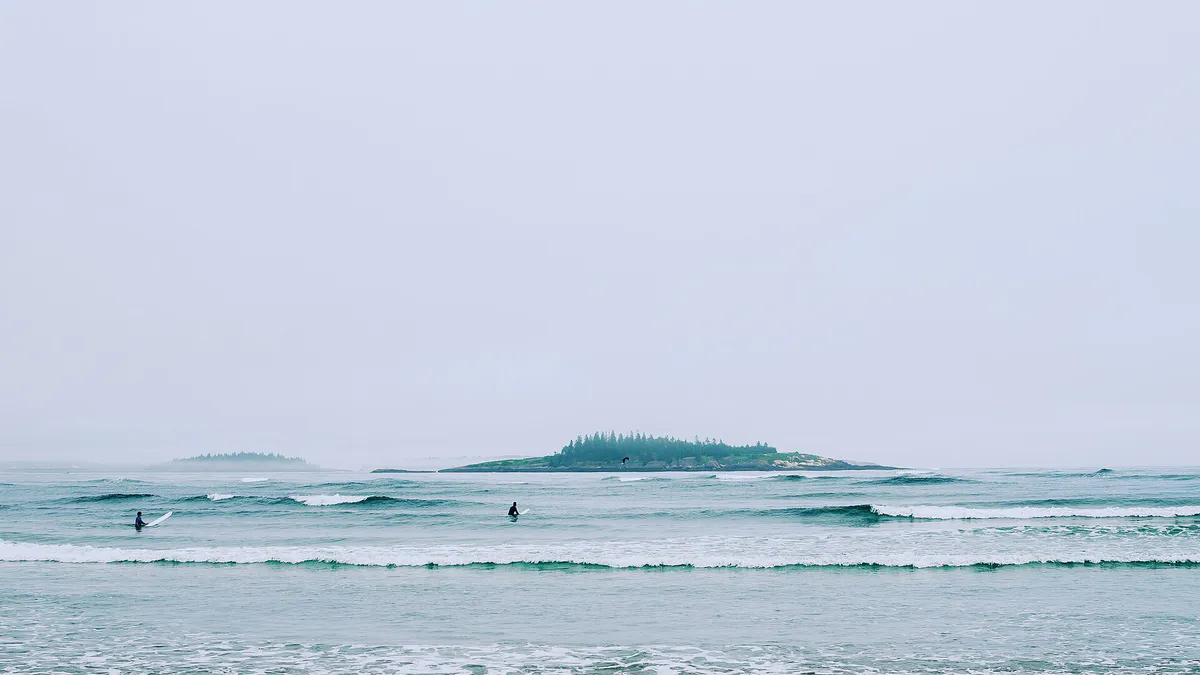
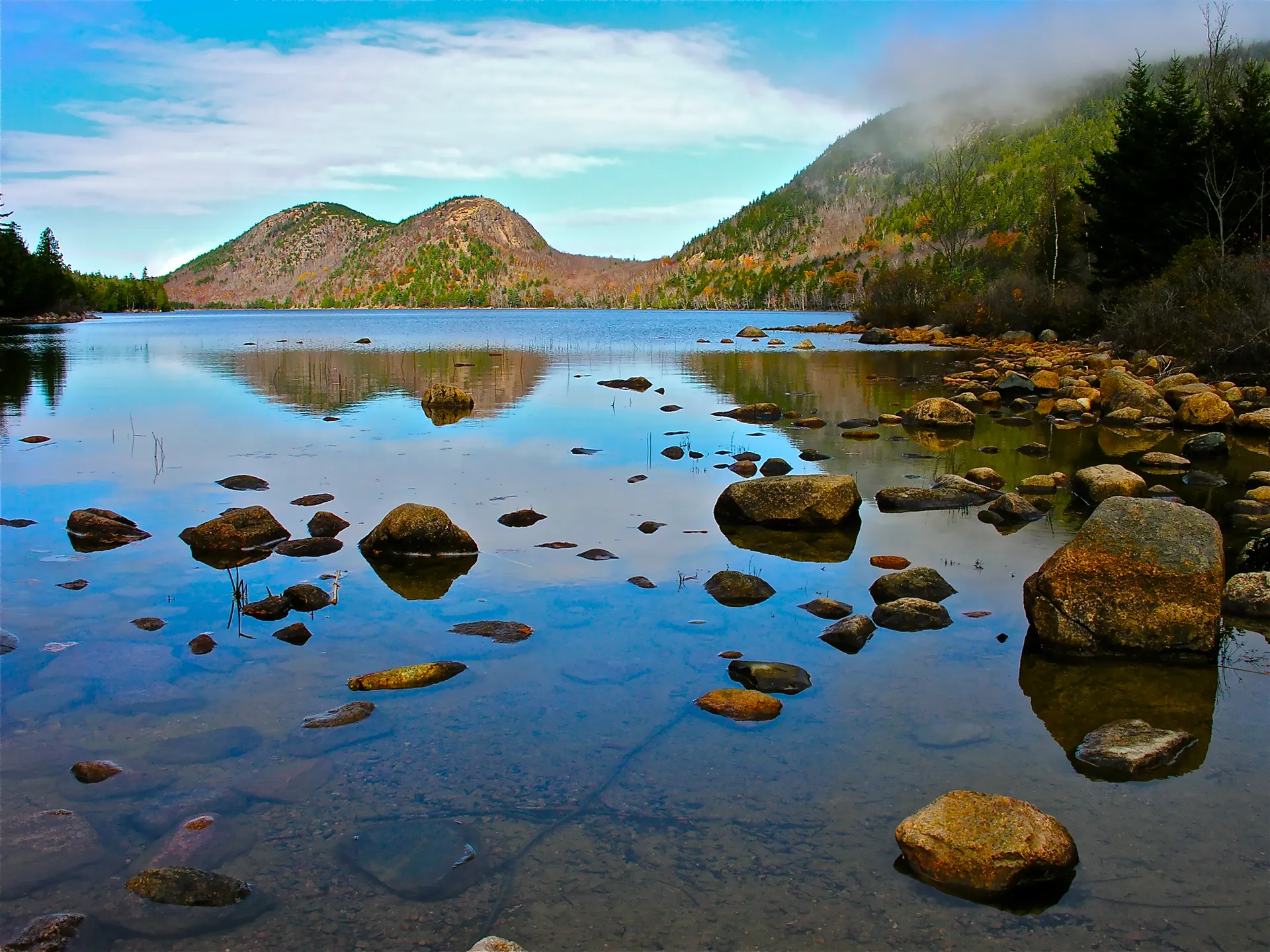
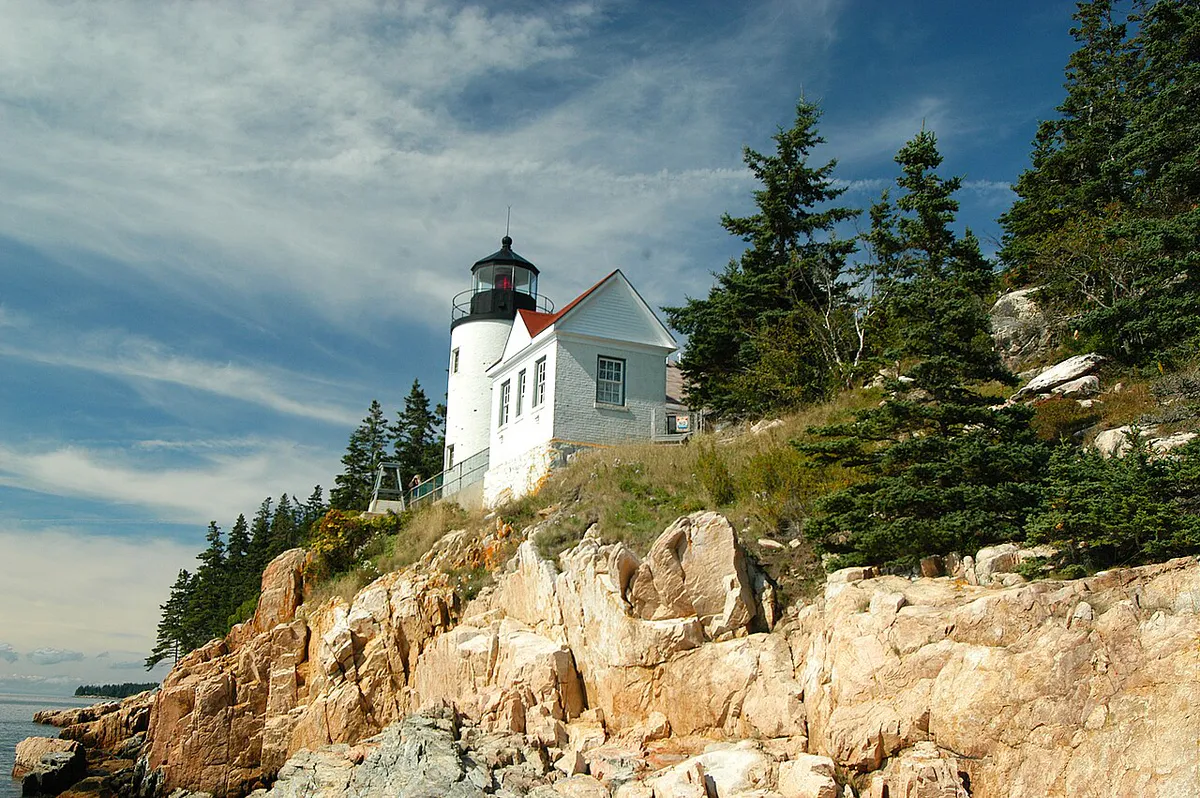
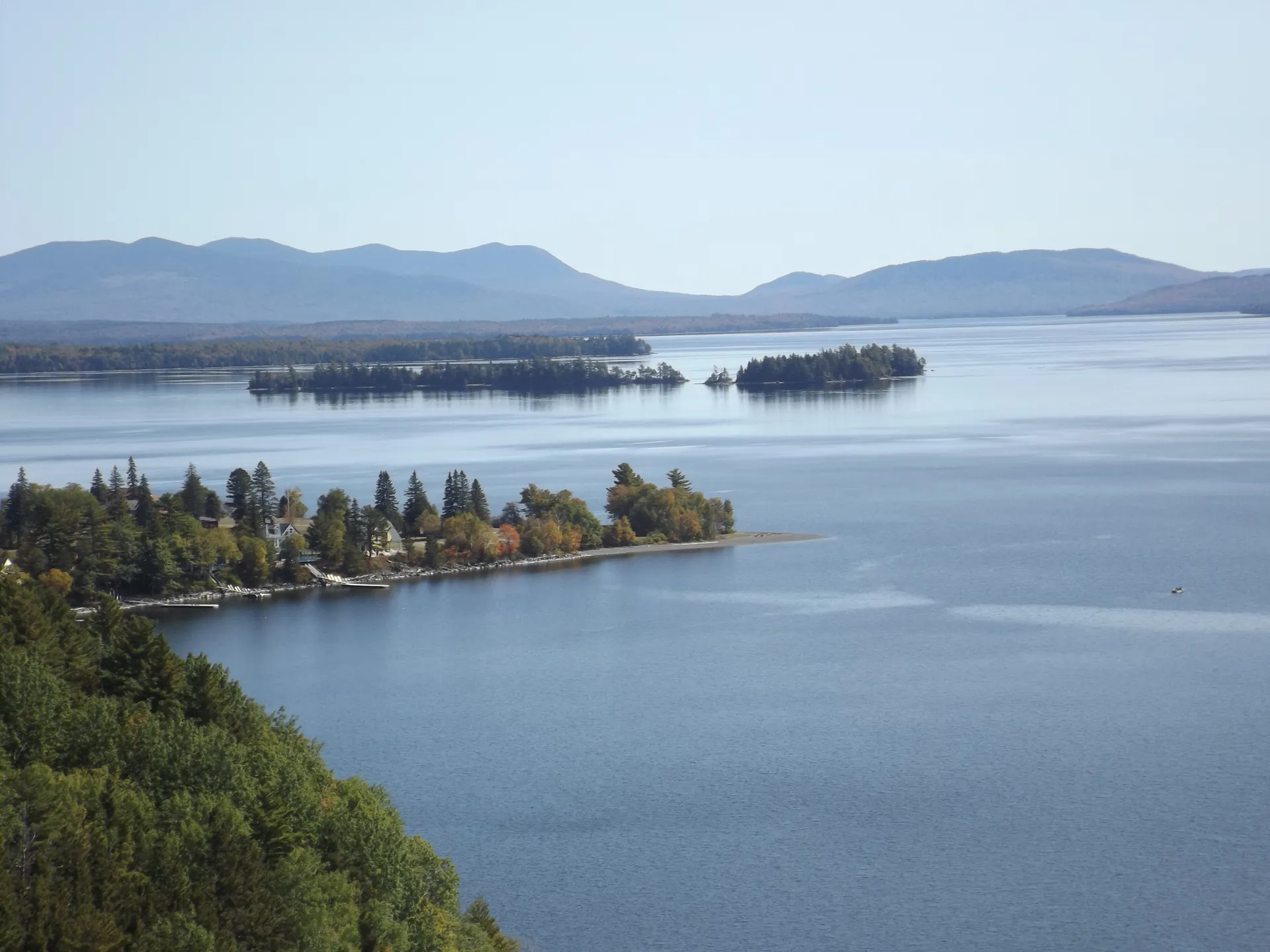
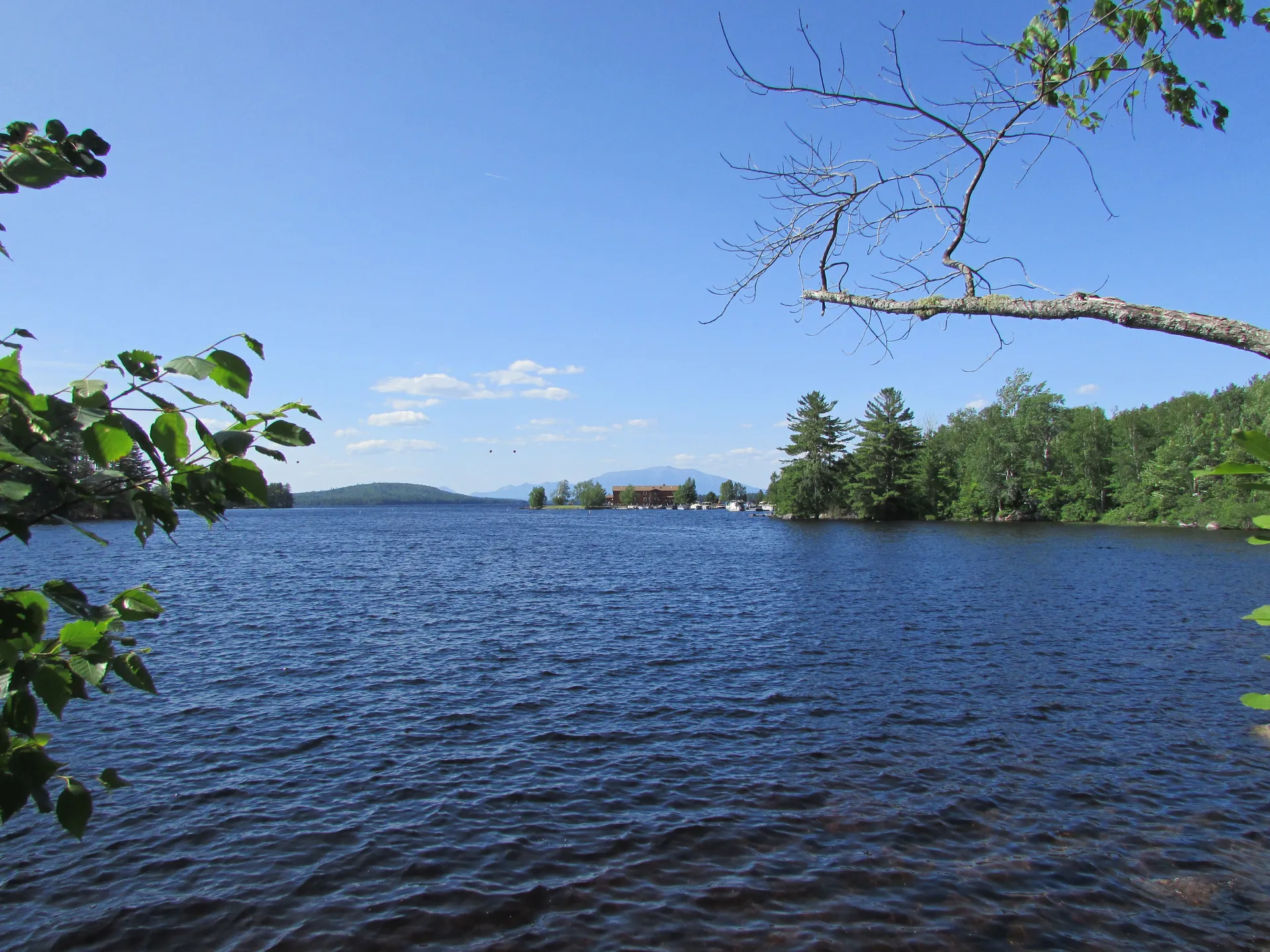
Moosehead Lake is Maine’s largest lake by a wide margin. At nearly 75,000 acres, it is bigger than the next three largest Maine lakes combined. The shoreline stretches over 400 miles if you trace every cove and inlet, and most of it is undeveloped. No condos. No strip malls. Just forest, water, and the occasional moose standing chest-deep in a bog eating lily pads like it owns the place. Which, honestly, it does.
This is the lake that makes people rethink what “remote” means. You can drive here from Portland in about three hours, but once you arrive, the rest of the state feels very far away. The cell service gets spotty. The stars get brighter. The loons get louder. And if you time it right, you will see a moose. Probably more than one.
Here is everything you need to plan a trip to Moosehead Lake.
How to Get There
Greenville is the gateway town, sitting at the southern tip of the lake. From Portland, take I-95 north to Newport (exit 157), then Route 7 north through Dexter and on to Guilford, where you pick up Routes 6/15 into Greenville. The drive takes roughly 3 hours depending on where you start.
From Bangor, it is about 90 minutes. Take I-95 north to the Dover-Foxcroft exit, then Route 15 north straight into Greenville.
There is no public transit. You need a car. A car with decent clearance is even better if you plan to explore the logging roads north of town.
Fuel up before you arrive. Gas stations exist in Greenville but thin out rapidly once you head north along the lake. If you are going to Kokadjo, Chesuncook, or anywhere deeper into the North Woods, fill the tank in Greenville.
Best Things to Do at Moosehead Lake
Fishing
Moosehead Lake has landlocked salmon and lake trout (togue) that draw anglers from across New England. The lake produces some of the largest landlocked salmon in the state, with fish in the 3-5 pound range caught regularly and occasional specimens pushing 7 or 8 pounds.
Spring fishing (May through mid-June) is prime time. The salmon feed aggressively after ice-out, and trolling with streamer flies or small lures near the surface works well. By midsummer the fish go deep, and you need downriggers or lead-core line to reach them.
Brook trout fishing is excellent in the surrounding ponds and streams. Roach River, the outlet of First Roach Pond, is one of the best brook trout fisheries in the state. You need a boat to access it from Moosehead, or you can drive in on logging roads.
A Maine fishing license is required. Non-resident licenses are available online through the Maine Department of Inland Fisheries and Wildlife.
Boating
The sheer size of Moosehead Lake makes it one of the best boating destinations in the northeast. You can run for miles without seeing another boat on a weekday. The views are constant, Mount Kineo rising 700 feet straight out of the water on the east shore, mountains framing every horizon.
Public boat launches are located at:
- Greenville, the town ramp on Moosehead Lake Road
- Lily Bay, the ramp at Lily Bay State Park
- Rockwood, on the west shore, closest launch to Mount Kineo
Kayak and canoe rentals are available from outfitters in Greenville. Motorboat rentals are harder to find but some lodges and marinas offer them.
Moosehead Lake can go from flat calm to whitecapped in 20 minutes. The north end is especially exposed. Always check the forecast before heading out, carry a VHF radio, and do not fight the wind. If it builds, get off the water.
Kayaking and Canoeing
Moosehead is a spectacular paddling lake, but its size demands respect. Stick to the shoreline, especially on the main lake body. The west shore between Rockwood and the Moose River inlet has protected coves and marshy areas that are perfect for wildlife watching. The east shore near Kineo is scenic but exposed.
For calmer paddling, try:
- Prong Pond, a small, quiet pond just off the Lily Bay Road. No motors allowed. Great for beginners and wildlife.
- First Roach Pond, excellent fishing and paddling with mountain views.
- The Moose River, paddle upstream from the inlet on the west side of the lake into classic North Woods river scenery.
The Moosehead Lake backcountry area offers multiday canoe-camping trips that connect Moosehead to surrounding ponds via portage trails.
Hiking
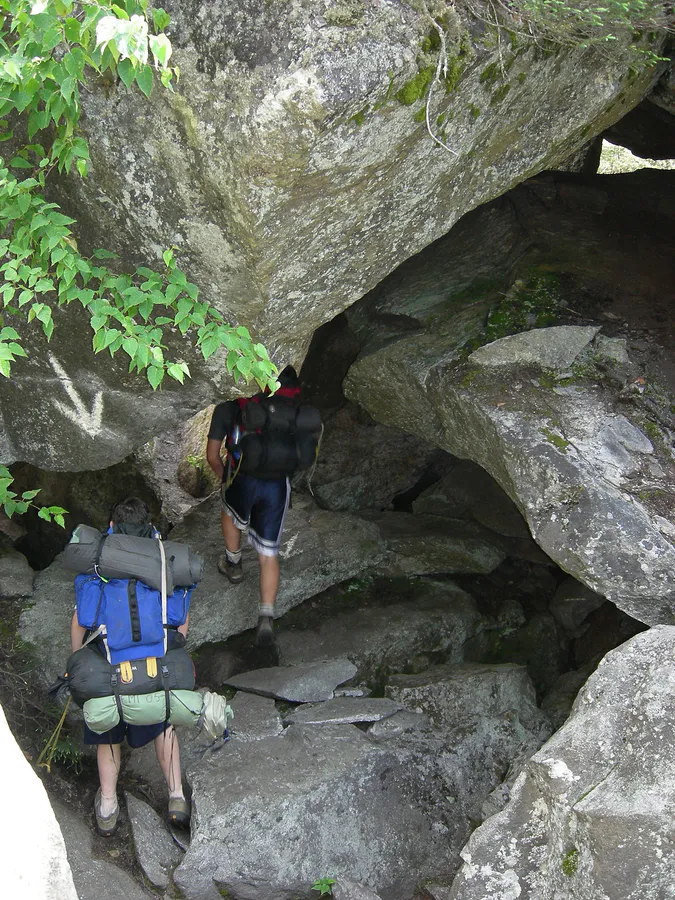
You are not going to run out of trails near Moosehead Lake. The terrain ranges from easy lakeside walks to serious mountain climbs.
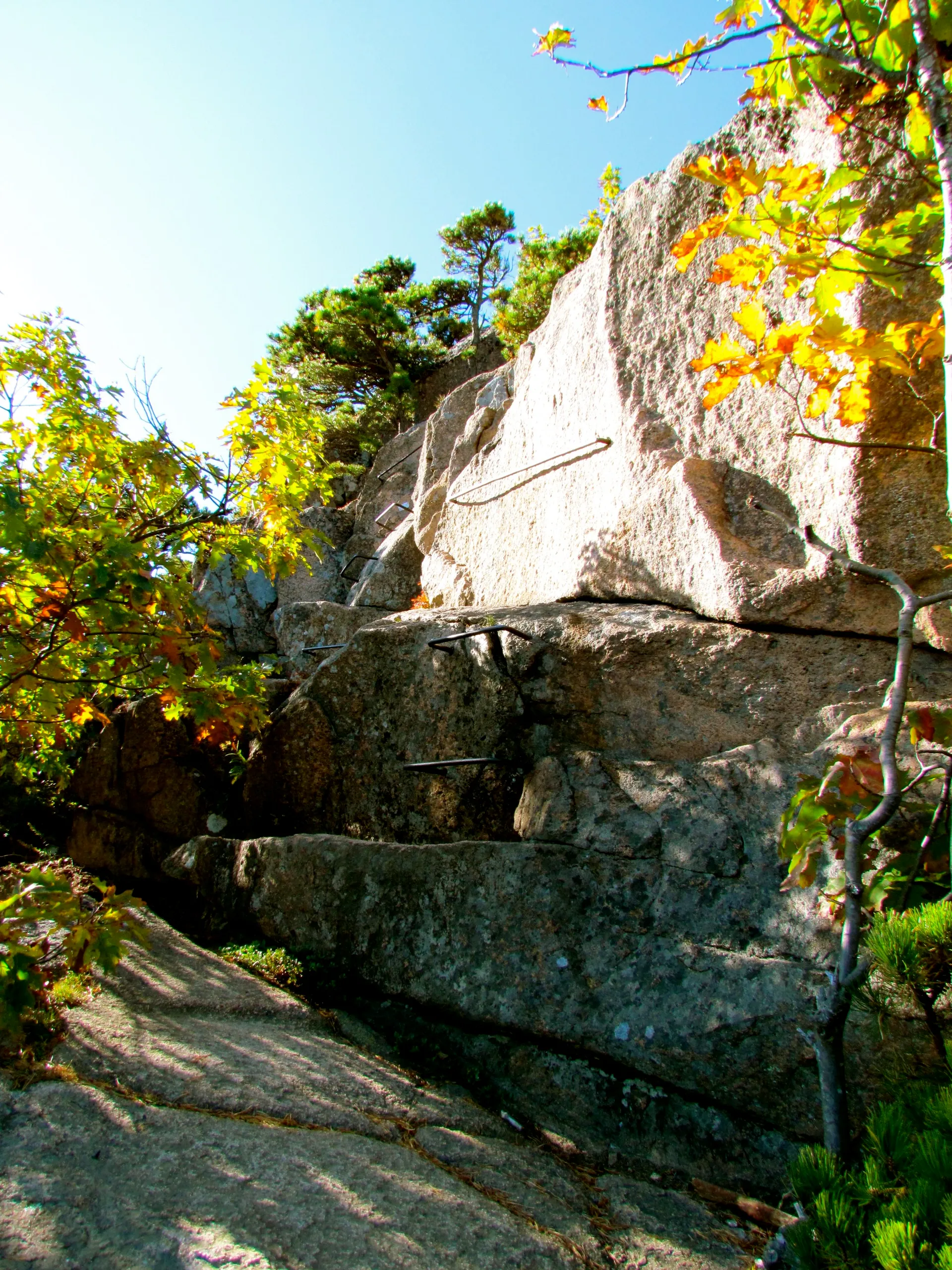
Mount Kineo is the signature hike. You take a boat (shuttle or your own) from Rockwood to the base, then hike to the summit for one of the best views in Maine. The Indian Trail is the most direct route up, about 1.5 miles with steep sections and fire tower views at the top. It is a moderate hike that feels harder than the mileage suggests because of the rocky terrain. Check out our Mount Kineo trail guide for details.
Other great hikes near Moosehead:
- Big Moose Mountain, a 3.8-mile round trip with panoramic views from the summit fire tower
- Borestone Mountain, a beautiful climb near Monson with two summit ponds and an Audubon sanctuary at the base
- Gulf Hagas, the “Grand Canyon of Maine,” a dramatic slate gorge about an hour from Greenville
- Little and Big Spencer Mountains, for experienced hikers wanting solitude and long views
Swimming
Let’s be honest: Moosehead Lake is cold. Even in August the water temperature hovers in the low 60s. Some people love it. Others last about 30 seconds. But on a hot day after a hike, the cold feels earned.
The best swimming spots:
- Greenville town beach, free, right in town, sandy bottom
- Lily Bay State Park, longer sandy beach, slightly warmer water in the shallow cove, much less crowded
- Prong Pond, smaller and shallower, so it warms up faster than the big lake
The beach at Lily Bay State Park is worth the 8-mile drive from Greenville. It is bigger, sandier, and the water in the shallow cove is noticeably warmer than the main lake. Camp here if you can get a site, the waterfront spots are among the best in the state.
Moose Watching
This is moose country. The Moosehead Lake region has one of the highest moose densities in the lower 48 states. If you spend a few days here, the odds of seeing at least one moose are very good. If you know where and when to look, the odds approach certainty.
Best times: Dawn and dusk. Moose are crepuscular feeders and most active in the first two hours after sunrise and the last two before sunset.
Best months: Late May through early July. Moose come to roadsides and ponds to escape blackflies (the flies are thinner over water and open gravel). September and October are also good. It is rut season and bulls are active.
Best locations:
- Lazy Tom Bog, off Lily Bay Road, one of the most reliable moose-watching spots in the area
- Kokadjo and the Golden Road, the logging roads north of Greenville are moose alley, especially at dawn
- Route 6/15 between Greenville and Rockwood, scan the bogs and pond edges
- Moose River area, the marshy inlet on the west side of the lake
For more detail, see our full moose watching guide.
Rules of the road: Stay in or near your car. Do not approach moose. They are not friendly. A cow moose weighs 800 pounds and can kick in any direction. Bulls weigh over 1,000 pounds during rut and are unpredictable. Use binoculars. A 100-yard minimum distance is the standard.
Where to Stay and Camp
Camping
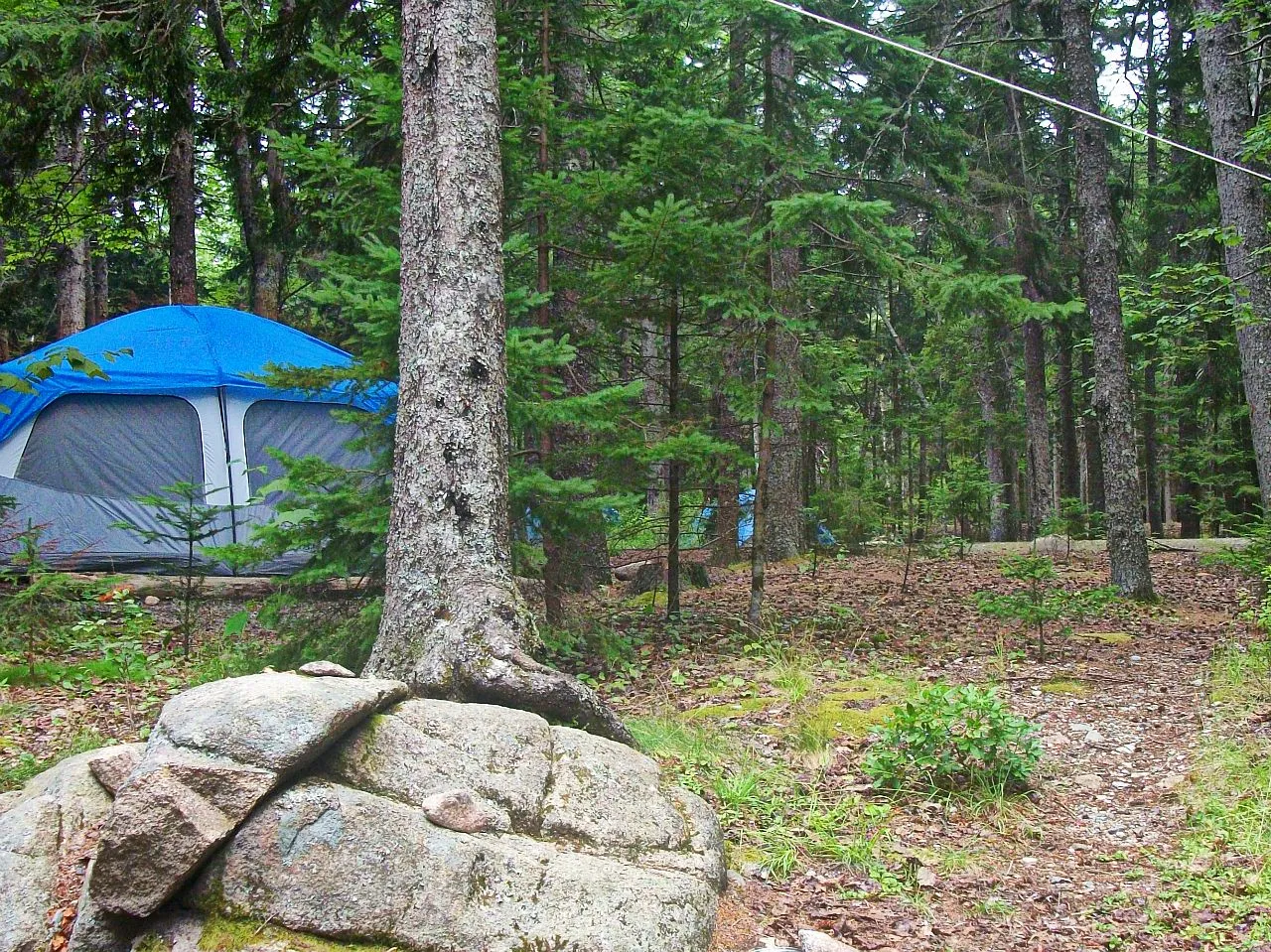
- Lily Bay State Park, the best option. 93 sites, many right on the water. Two campground loops (Rowell Cove and Dunn Point). Reserve early for waterfront sites. Open mid-May through mid-October.
- Peaks-Kenny State Park, about 30 minutes south in Dover-Foxcroft. On Sebec Lake, not Moosehead, but a good fallback if Lily Bay is full.
- Primitive camping, dispersed camping is available on many of the logging roads and on North Maine Woods land north of Moosehead. A gate fee applies at North Maine Woods checkpoints.
Lodges and Cabins
Greenville has several classic sporting lodges that have been hosting hunters, anglers, and outdoors people for over a century. These are not fancy resorts. They are comfortable, unpretentious places where muddy boots on the porch are normal and the food is hearty.
The town also has motels, Airbnbs, and vacation rentals. Rockwood, on the west shore, has a smaller selection of camps and lodges with more direct lake access and closer proximity to Kineo.
Best Time to Visit
- Late May–June: Fishing season peaks. Moose watching is excellent. Blackflies are brutal. You will need bug spray, a head net, and tolerance.
- July–August: Best weather for swimming, boating, and hiking. Lake is at its warmest (still cold). Crowds peak but remain modest by coastal Maine standards.
- September–October: Fall foliage peaks across the hills. Moose rut season. Fewer people. Nights get cold. Many facilities start closing mid-October.
- Winter: Snowmobiling, ice fishing, cross-country skiing. Greenville is a major snowmobile hub. The lake freezes solid by January and the ice fishing for togue can be excellent.
Day Trips from Moosehead Lake
Gulf Hagas
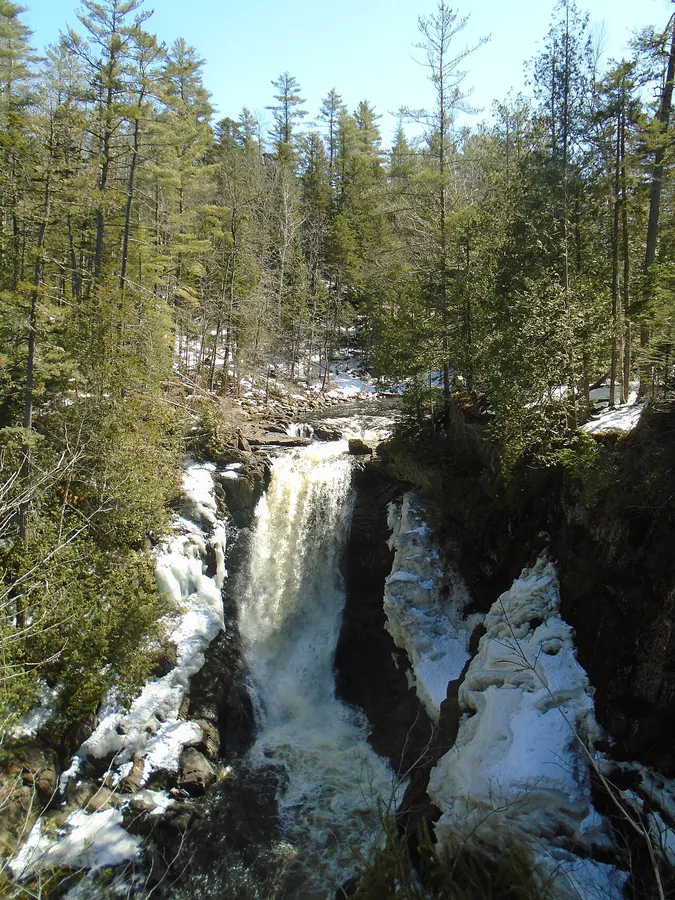
The “Grand Canyon of Maine” is a 3-mile slate gorge on the West Branch of the Pleasant River, about an hour east of Greenville. The rim trail runs about 8 miles round trip with multiple waterfall views. It is one of the most dramatic natural features in the state. Plan a full day.
Mount Kineo
Take the boat shuttle from Rockwood (or paddle your own canoe/kayak) to the base of Kineo. Hike to the summit, explore the old resort ruins, and return. Half-day trip.
Baxter State Park
Baxter is about 90 minutes east of Greenville via the Golden Road. Mount Katahdin, Maine’s highest peak, is the centerpiece. Day-trip access requires arriving very early to claim a parking spot, as Baxter limits daily visitors. On busy summer weekends, the gate can close by 7 AM.
Allagash Wilderness Waterway
The Allagash is a 92-mile canoe route through some of the wildest country in the northeast. A full trip takes 7-10 days, but you can access the southern end for day paddles from Chesuncook or Chamberlain Lake.
Monson and the 100-Mile Wilderness
Monson is about 30 minutes south of Greenville and marks the southern terminus of the 100-Mile Wilderness section of the Appalachian Trail. Day hikes into the southern end of the Wilderness offer a taste of true backcountry without committing to the full thru-hike.
Elephant Mountain B-52 Crash Site
A short, mostly flat walk leads to the wreckage of a B-52 bomber that went down on Elephant Mountain in 1963, about 40 minutes east of Greenville on the logging roads. The debris field is preserved as a memorial to the crew, and it makes a quiet, moving half-day stop.
Practical Tips
Cell service: Spotty in Greenville, essentially nonexistent north of town. Download offline maps before you go.
Supplies: Greenville has a grocery store, gas stations, hardware store, and a few restaurants. Stock up here. North of town there is nothing.
Bugs: Blackfly season runs late May through late June. Mosquitoes persist into August. Bring DEET, permethrin-treated clothing, and a head net. See our Maine bug season guide for month-by-month details.
Road conditions: Many roads north and east of Moosehead are private logging roads. They are maintained but unpaved, and logging trucks have the right of way. Drive slowly, pull over for trucks, and keep headlights on.
Fuel: Fill up in Greenville. The next gas station north is a long way off.
How big is Moosehead Lake?
Moosehead Lake is approximately 74,890 acres (about 117 square miles), making it the largest lake in Maine and one of the largest in the eastern United States. It is roughly 40 miles long and up to 10 miles wide.
Can you swim in Moosehead Lake?
Yes, but the water is cold. Even in peak summer, temperatures hover in the low 60s Fahrenheit. The Greenville town beach and Lily Bay State Park both have sandy swimming areas. Lily Bay tends to be slightly warmer in the shallow cove.
When is the best time to see moose at Moosehead Lake?
Late May through early July is prime moose-watching season. Dawn and dusk are the best times of day. Lazy Tom Bog, the Kokadjo area, and the logging roads north of Greenville are the most reliable spots.
How do I get to Mount Kineo?
Mount Kineo sits on a peninsula accessible only by water. Take the shuttle boat from Rockwood Landing (runs seasonally, about $15 round trip) or paddle your own canoe or kayak across the narrow channel. The crossing is short, about 0.3 miles, but can be windy.
Is Moosehead Lake good for fishing?
Excellent. Moosehead Lake is one of the top landlocked salmon and lake trout (togue) fisheries in New England. Spring fishing (May through mid-June) is prime time. Brook trout fishing in surrounding ponds and streams is also exceptional.
Where should I camp near Moosehead Lake?
Lily Bay State Park is the top choice, with 93 campsites including waterfront spots on the lake. Reserve early for summer weekends. Primitive camping is available on North Maine Woods land and along logging roads, typically with a gate fee.