

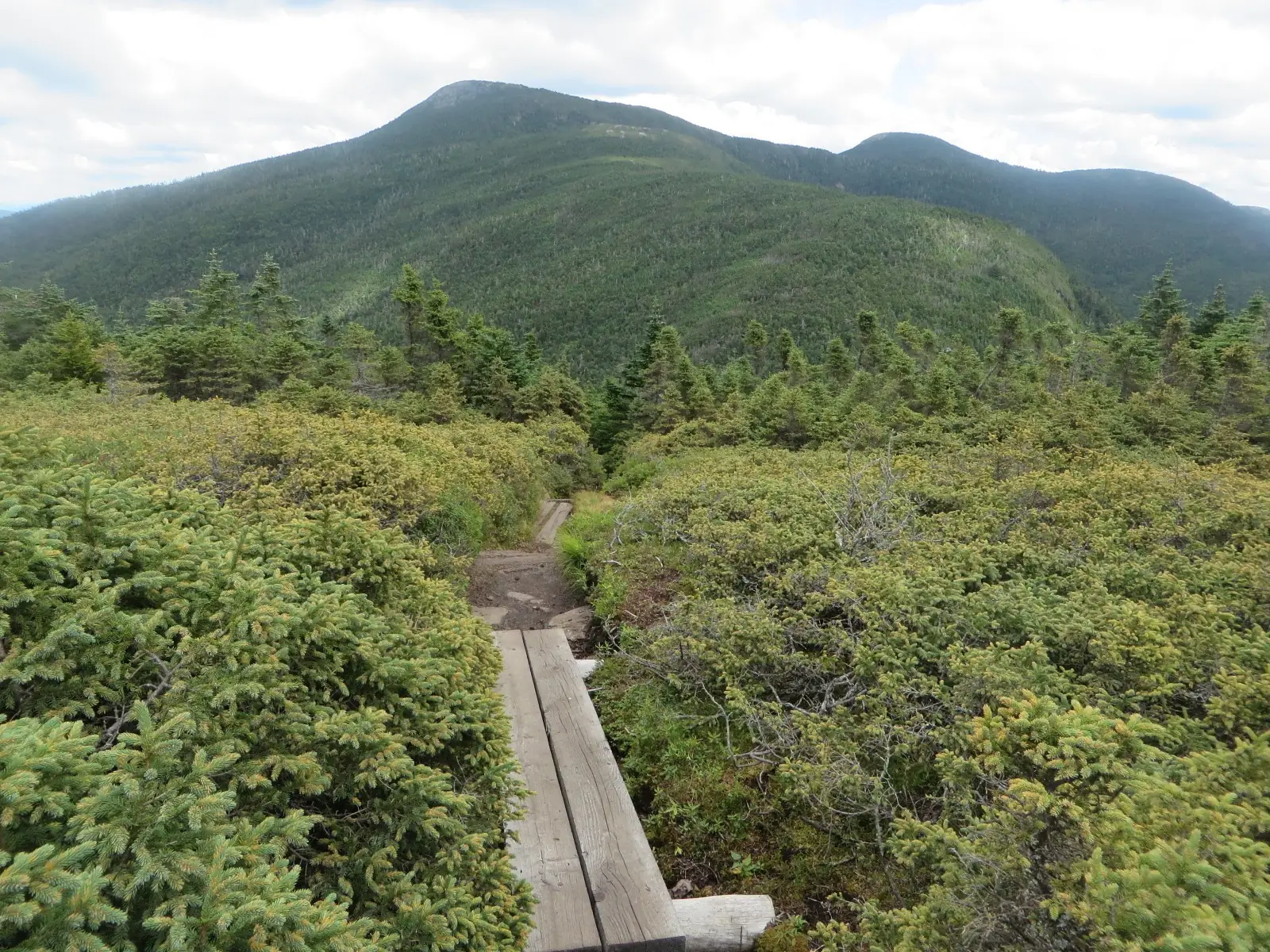
Maine has more backcountry than most hikers realize. Beyond the day trips and car campgrounds, the state holds thousands of miles of trail through lake-dotted wilderness, alpine ridgelines, and forest so deep you will not see another person for days. These seven multi-day routes range from a single overnight on the coast to a full week through the most remote stretch of the Appalachian Trail. All of them reward the weight on your back.
1. 100-Mile Wilderness
Distance: 92 miles | Duration: 7-10 days | Difficulty: Strenuous
The 100-Mile Wilderness is the longest stretch of the Appalachian Trail without a road crossing, running from Monson north to Abol Bridge at the southern boundary of Baxter State Park. It is the gold standard of Maine backpacking.
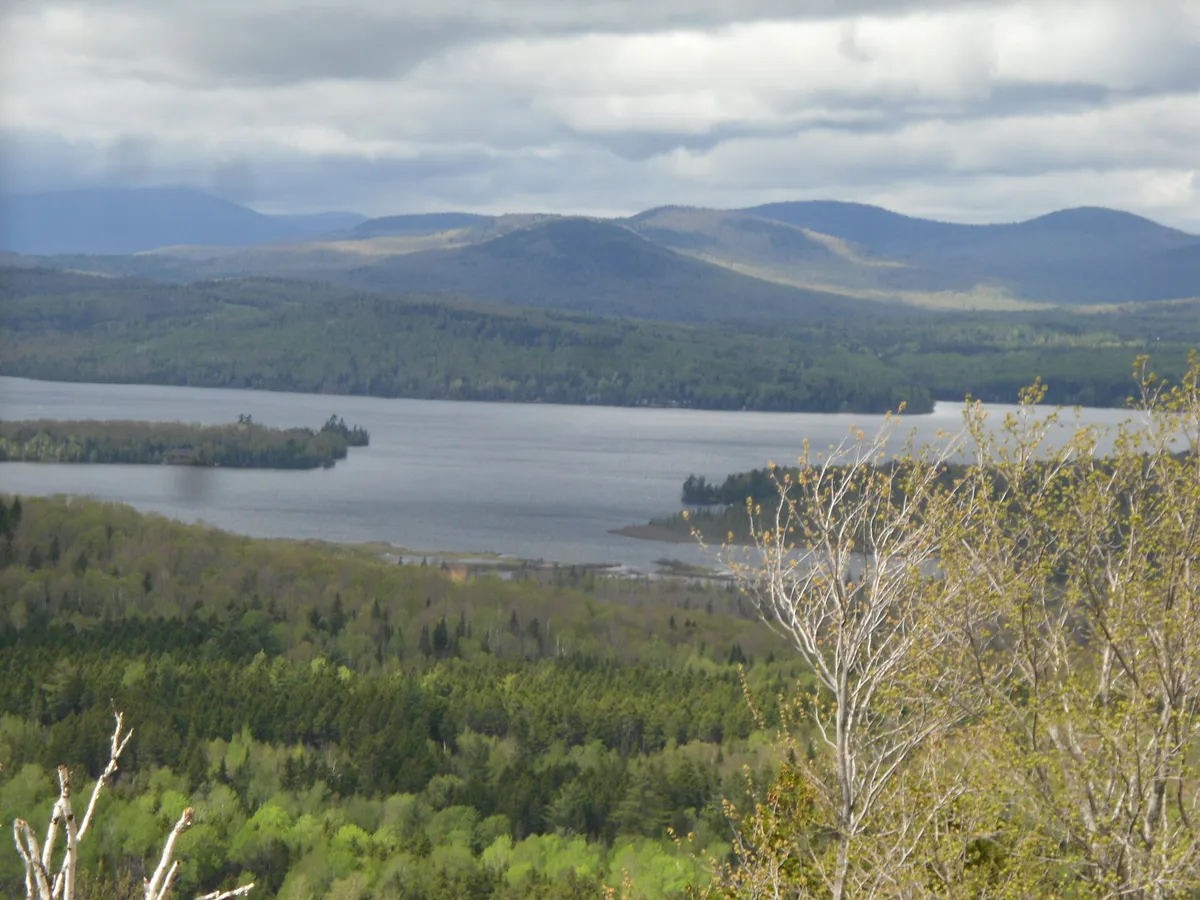
The trail climbs the Barren-Chairback Range in the first third, with open ledges above the treeline and views south over Borestone Mountain and the slate-gray hills beyond. The middle section drops to a chain of remote ponds, Long Pond, Nahmakanta, Rainbow Lake, where moose wade in the shallows at dusk. The final push crosses White Cap Mountain, the last major summit before Katahdin, with a panoramic view north to the mountain itself.
Resupply is the main logistical challenge. Most thru-hikers carry a full week of food from Monson or arrange a mail drop at Shaw’s Hiker Hostel. Water is plentiful, the trail crosses dozens of streams and ponds, but always filter. Shelters and tent sites are spaced every 8 to 12 miles.
#1Budget
Sawyer Squeeze Water Filter
Who it’s forBackcountry water filtration
Why we picked itFilters to 0.1 microns (removes bacteria and protozoa)
Pros
- Lightweight at 3 oz
- No pumping required, gravity or squeeze operation
- Filters up to 100,000 gallons with proper maintenance
Know before you buy
- Flow rate slows when filter needs backflushing
- Squeeze bags can fail at the seam over time
2. Baxter State Park: Chimney Pond to Russell Pond
Distance: 20-25 miles depending on route | Duration: 3-4 days | Difficulty: Strenuous
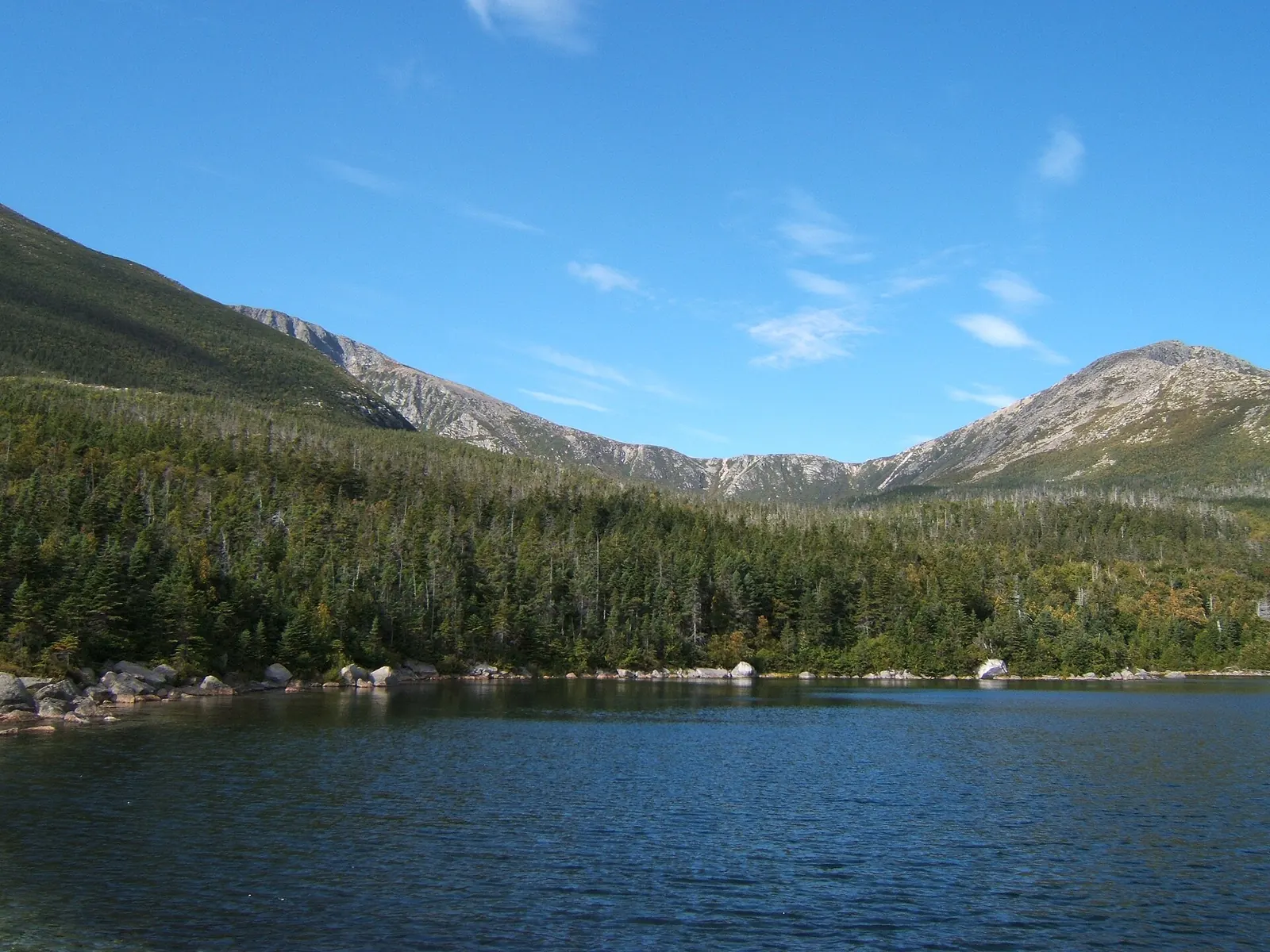
This loop takes you from the alpine basin beneath Katahdin’s headwall into the quiet interior wilderness that most Baxter visitors never see. Start at Roaring Brook Campground and hike 3.3 miles to Chimney Pond, set in a glacial cirque directly below the Knife Edge. Spend your first night here and use day two for a Knife Edge traverse or a Saddle Trail summit, either way, you return to Chimney Pond that evening.
On day three, hike the Northwest Basin Trail over the Hamlin Ridge and descend to Russell Pond Campground, deep in the park’s interior. Russell Pond is a different world: lean-tos on a quiet pond, loons calling at night, and trails to Wassataquoik Lake and Grand Falls. Hike out on day four via the Wassataquoik Stream Trail.
Reservations are mandatory for all backcountry sites in Baxter. Book through the park’s reservation system as early as possible, Chimney Pond lean-tos fill fast for summer weekends.
#2Premium
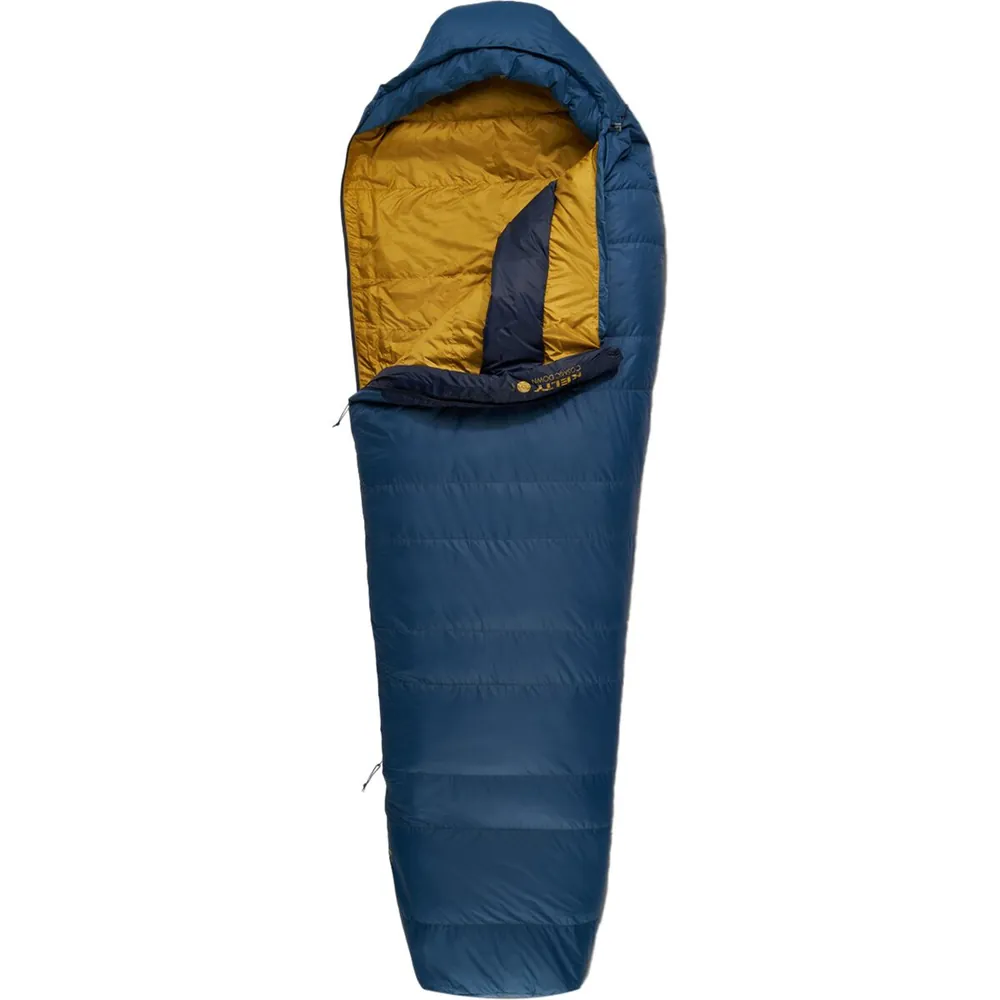
Kelty Cosmic 20
Who it’s for3-season camping
Why we picked it550-fill DriDown stays lofted when damp, a real edge in Maine humidity
Pros
- The best warmth-for-money 20F bag we recommend
- Roomy enough to sleep comfortably without feeling boxed in
- Holds up to seasons of hard car-camping use
Know before you buy
- Heavier and bulkier than premium down at the same rating
- 550 fill packs down less than higher-fill bags
3. Bigelow Range Traverse
Distance: 16-18 miles point to point | Duration: 2-3 days | Difficulty: Strenuous
The Bigelow Range is the finest ridge walk in Maine. The AT crosses Cranberry Peak on the eastern end, then follows the ridge over the South Horn, the North Horn, Avery Peak (4,088 ft), and West Peak (4,145 ft) before descending to Stratton Brook Pond Road.
Horns Pond is the overnight anchor. Two shelters and tent platforms sit between the twin Horn summits at 3,800 feet, with the pond reflecting the subalpine fir forest around it. From here, the traverse of Avery and West Peak is an exposed alpine walk with views in every direction, Flagstaff Lake to the north, Sugarloaf to the west, and on clear days, Katahdin 100 miles to the northeast.
The Bigelow Range was saved from becoming a ski resort by a 1976 citizen referendum that created the Bigelow Preserve. It is public land because Mainers voted to keep it wild.
All backcountry camping in Maine requires Leave No Trace practices. Pack out everything you pack in, camp on durable surfaces, and use established fire rings where available. In Baxter State Park, bear canisters are required for all overnight trips, park rangers enforce this strictly. Bears in Baxter have learned to associate shelters and tent sites with food. Hang your food at least 200 feet from camp on routes outside Baxter, or use a canister everywhere for simplicity.
4. Mahoosuc Range
Distance: 30 miles point to point | Duration: 3-5 days | Difficulty: Very Strenuous
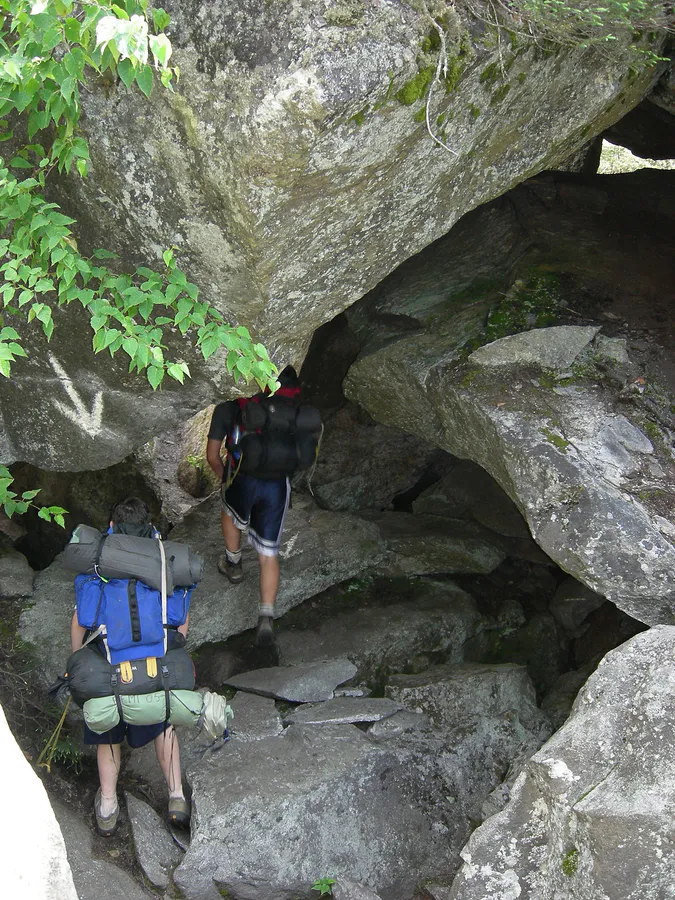
The Mahoosuc Range along the Maine-New Hampshire border is the roughest stretch of the Appalachian Trail in the northeast. The centerpiece is Mahoosuc Notch, a mile-long boulder cave where the trail threads under, over, and between house-sized rocks. Ice persists in the notch well into July. The notch is frequently called the hardest mile on the entire AT, and it earns the reputation.
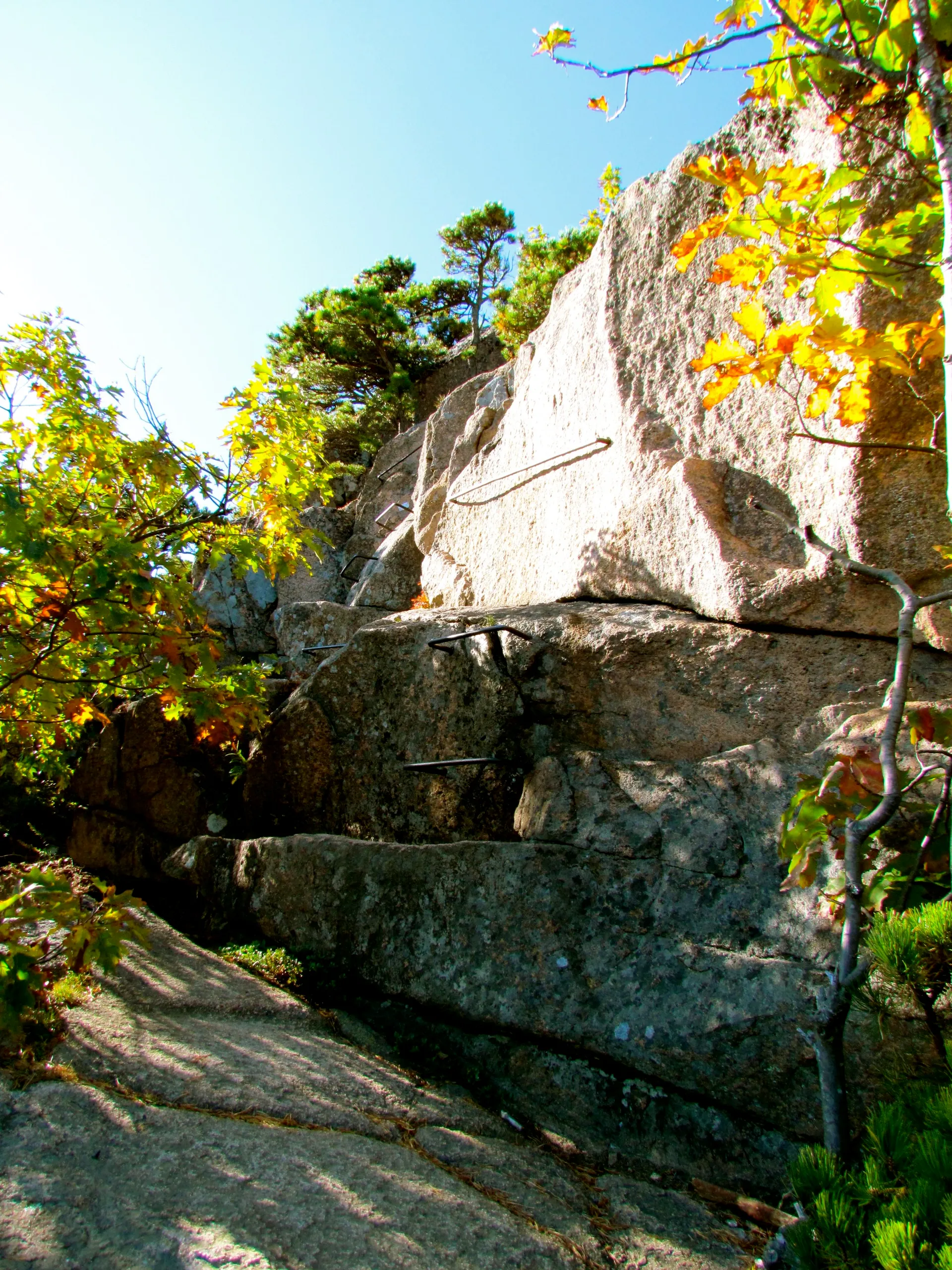
Beyond the notch, the trail climbs Mahoosuc Arm (the steepest mile on the AT, some say) to Old Speck Mountain (4,170 ft), the fourth-highest peak in Maine. Continue northeast over Goose Eye Mountain and the Baldpate summits for open alpine views and scrambling over exposed granite.
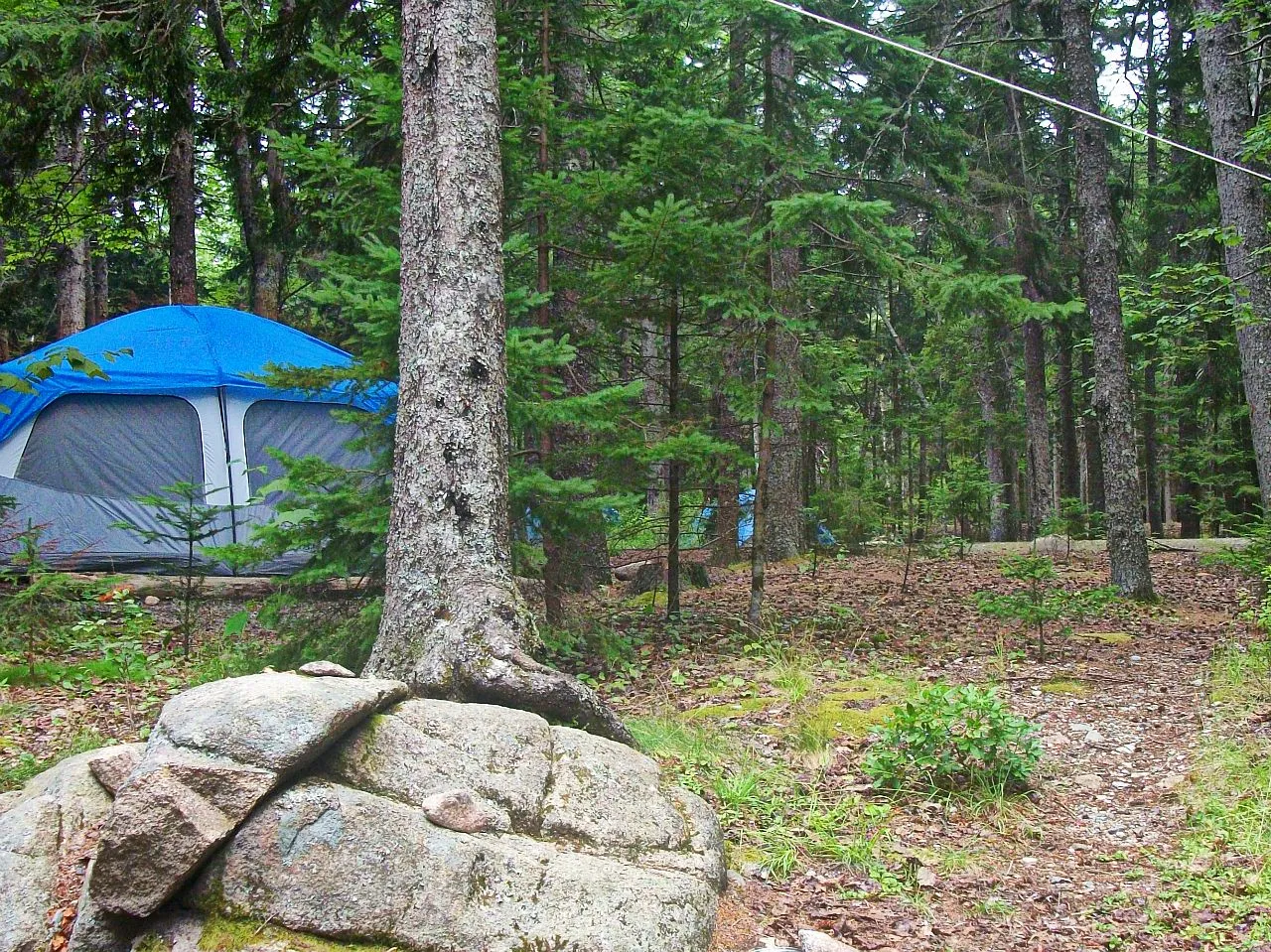
Shelters at Speck Pond, Full Goose, and Carlo Col break the route into manageable days. Water sources are reliable in the high shelters. The terrain is slow, budget more time per mile than you would on smoother trails.
#3Mid-range
BearVault BV500
Who it’s forBackcountry food storage
Why we picked itIGBC-certified bear-resistant hard canister
Pros
- 700 cubic inches fits 5-7 days of food for one person, 2-3 days for two
- Clear polycarbonate body lets you find dinner without unpacking everything
- Accepted at Baxter and on parks that require hard-sided storage
Know before you buy
- Heavy at 2 lb 9 oz before food
- Bulky shape eats real volume in a pack
- Lid can be stiff when cold
5. Bold Coast Trail
Distance: 9-10 miles | Duration: 2 days (overnight) | Difficulty: Moderate
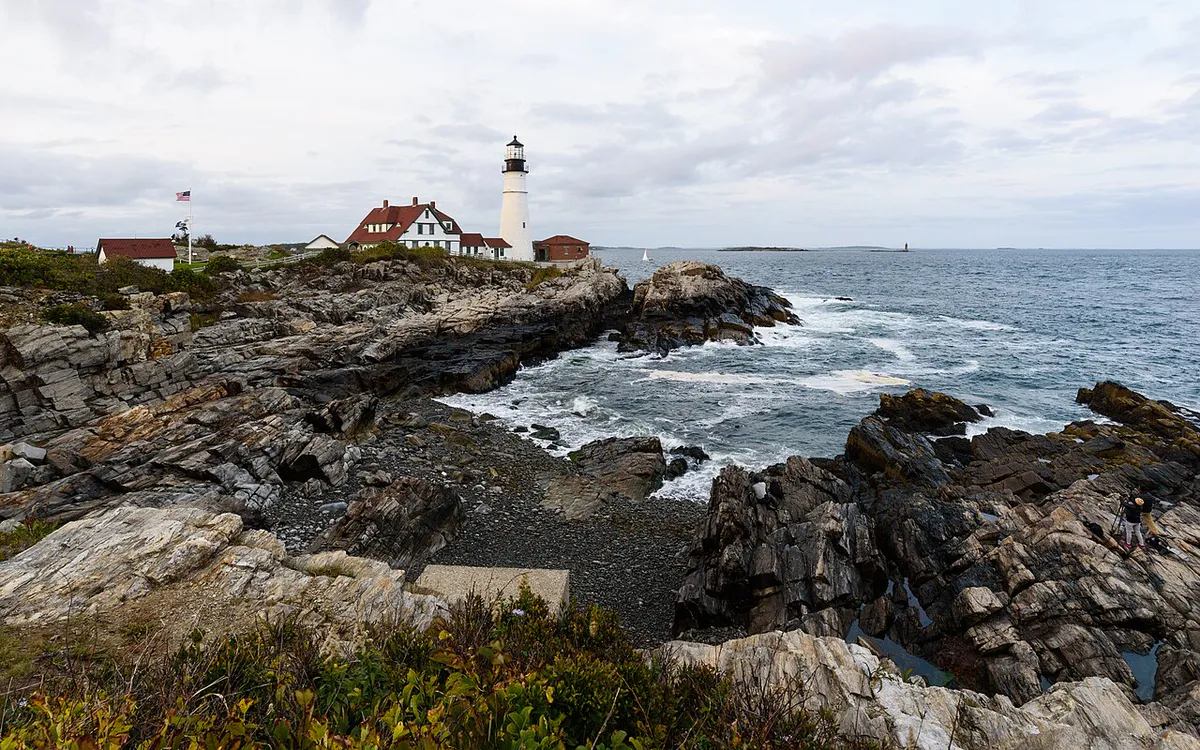
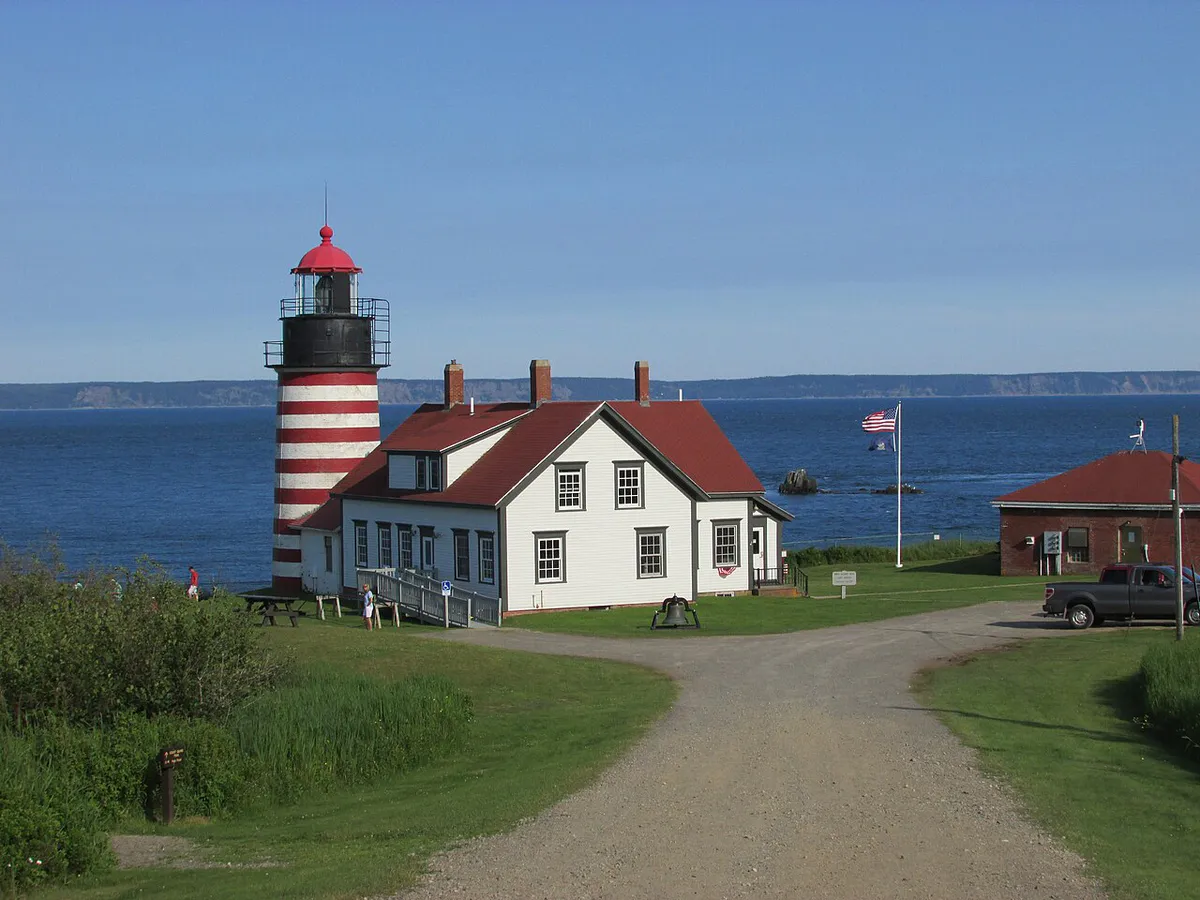
The Bold Coast Trail near Cutler is the most dramatic coastal hike in Maine and one of the few places on the East Coast where you can backpack along sea cliffs. The Fairy Head Loop follows the shoreline past 150-foot cliffs, cobblestone pocket beaches, and headlands looking out to Grand Manan Island across the Bay of Fundy.
Three designated campsites along the coast let you spend a night with the sound of the Atlantic below. Sites are first-come, first-served and rarely full except on peak summer weekends. The trail is managed by Maine’s Bureau of Parks and Lands, no permit required, but groups larger than 12 should contact the Cutler office.
This is an easy overnight for beginners looking to try backpacking without committing to a multi-day wilderness route. The total distance is manageable, the trail is well-marked, and you are never more than a few miles from the trailhead.
6. Gulf Hagas and Whitecap Mountain
Distance: 16-20 miles depending on route | Duration: 2-3 days | Difficulty: Moderate to Strenuous
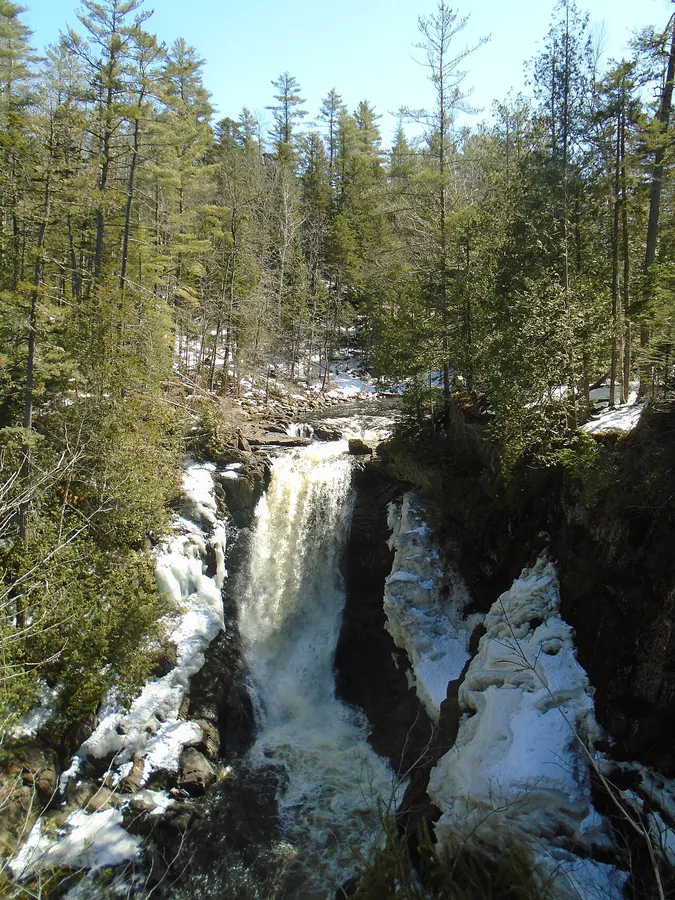
Gulf Hagas is a three-mile-long slate gorge carved by the West Branch of the Pleasant River, sometimes called the Grand Canyon of Maine. The rim trail passes five major waterfalls, Screw Auger Falls, Billings Falls, Buttermilk Falls, Stair Falls, and Head of the Gulf, where the river drops through narrow chutes and swirling potholes.
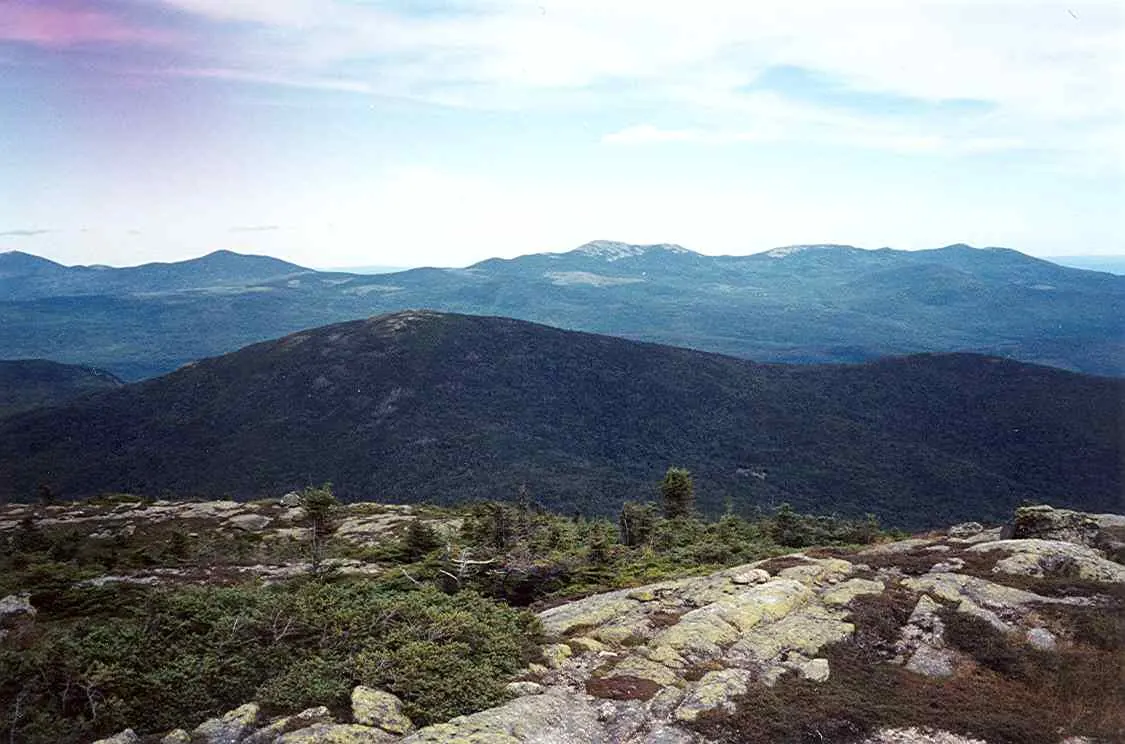
Combine the gorge with a climb of Whitecap Mountain (3,654 ft) for a full multi-day trip. Whitecap’s open summit offers one of the best 360-degree panoramas in the Maine woods, including a clear view of Katahdin to the north. The AT crosses the summit, and tent sites along the trail allow you to break this into a comfortable two or three-day trip.
Access is via the KI Road from Brownville Junction, a private logging road that charges a day-use fee. The checkpoint cabin is staffed seasonally. Cell service does not exist here.
#4Premium
Therm-a-Rest NeoAir XLite NXT
Who it’s forUltralight backpacking
Why we picked it4.5 R-value at just 13 oz is ideal three-season backpacking warmth
Pros
- Packs down to about the size of a water bottle
- Much quieter than the older XLite that crinkled all night
Know before you buy
- Premium price
- R 4.5 covers spring to fall, not deep winter cold
7. Maine Huts and Trails
Distance: 30+ miles of trail | Duration: 2-4 days | Difficulty: Moderate
If you want the multi-day hiking experience without the heavy pack, Maine Huts and Trails operates a system of backcountry lodges connected by groomed trails in the Carrabassett Valley near Sugarloaf. Four lodges, Poplar Hut, Flagstaff Hut, Grand Falls Hut, and Stratton Brook Hut, provide bunk rooms, hot meals, and composting toilets in the backcountry.
The trail passes through varied terrain: river valleys, ridgeline views of the Bigelow Range, and the cascades at Grand Falls of the Dead River. The huts are spaced 6 to 12 miles apart, making each day’s hike manageable even for strong beginners. This is the closest thing to the European hut-to-hut trekking experience in the northeastern United States.
Reservations are required and the huts book well in advance for fall foliage season. Rates include dinner, breakfast, and a trail lunch. You can hike the full traverse in either direction, though south to north puts the best views ahead of you.
The best months for Maine backpacking are mid-September through early October. Bugs are gone, temperatures are cool for hiking, fall color is peaking, and the backcountry crowds thin dramatically after Labor Day. Blackfly season (late May through June) and peak mosquito season (July) make earlier trips significantly less pleasant, especially on lowland routes near water. If you go in summer, bring a head net and plan for bugs at camp.
Gear Notes
Multi-day routes in Maine demand gear that handles wet conditions. Rain is possible on any day of the hiking season, stream crossings are frequent, and condensation in the dense forests soaks tents and gear overnight. A reliable water filter is non-negotiable, giardia is present in Maine backcountry water sources. A 20-degree sleeping bag handles overnight lows even in September, when temps at elevation can dip into the 30s. Bear canisters are required in Baxter and strongly recommended everywhere else.
Do I need permits for backpacking in Maine?
It depends on where you go. Baxter State Park requires advance reservations for all backcountry campsites and lean-tos, book through the park's reservation system. The 100-Mile Wilderness and most AT shelters in Maine are first-come, first-served with no permit required. The Mahoosuc Range shelters are also first-come. Maine Huts & Trails requires reservations and prepayment. Bold Coast campsites are first-come, first-served. Always check specific area regulations before your trip.
Are water sources reliable on Maine backpacking routes?
Yes, Maine is one of the most water-rich states for backpacking. The 100-Mile Wilderness crosses dozens of streams and ponds. The Mahoosuc Range has reliable springs at most shelters. Baxter State Park has streams throughout. That said, always carry at least one liter of capacity between sources and treat all water. Giardia and other waterborne pathogens are present in Maine backcountry water.
When is the best season for backpacking in Maine?
Mid-September to early October is ideal, cool temperatures, no bugs, fall foliage, and fewer people. Summer (July-August) offers the longest days but the worst bugs and most crowded trails. June is risky due to blackflies and lingering mud from snowmelt at elevation. Late May can still have snow on the Mahoosuc Range and Bigelow. Avoid late October onward unless you have cold-weather gear and experience, freezing rain and early snow are common at elevation.
Do I need to worry about bears while backpacking in Maine?
Maine has a healthy black bear population, and encounters on the trail are possible though rarely dangerous. In Baxter State Park, bear canisters are required for all overnight trips. On other routes, hang your food using the PCT method at least 12 feet high and 6 feet from the trunk, or carry a canister. Never cook or store food in your tent. Bears in Maine are generally wary of humans, but habituated bears near popular shelters on the AT are becoming more common.