






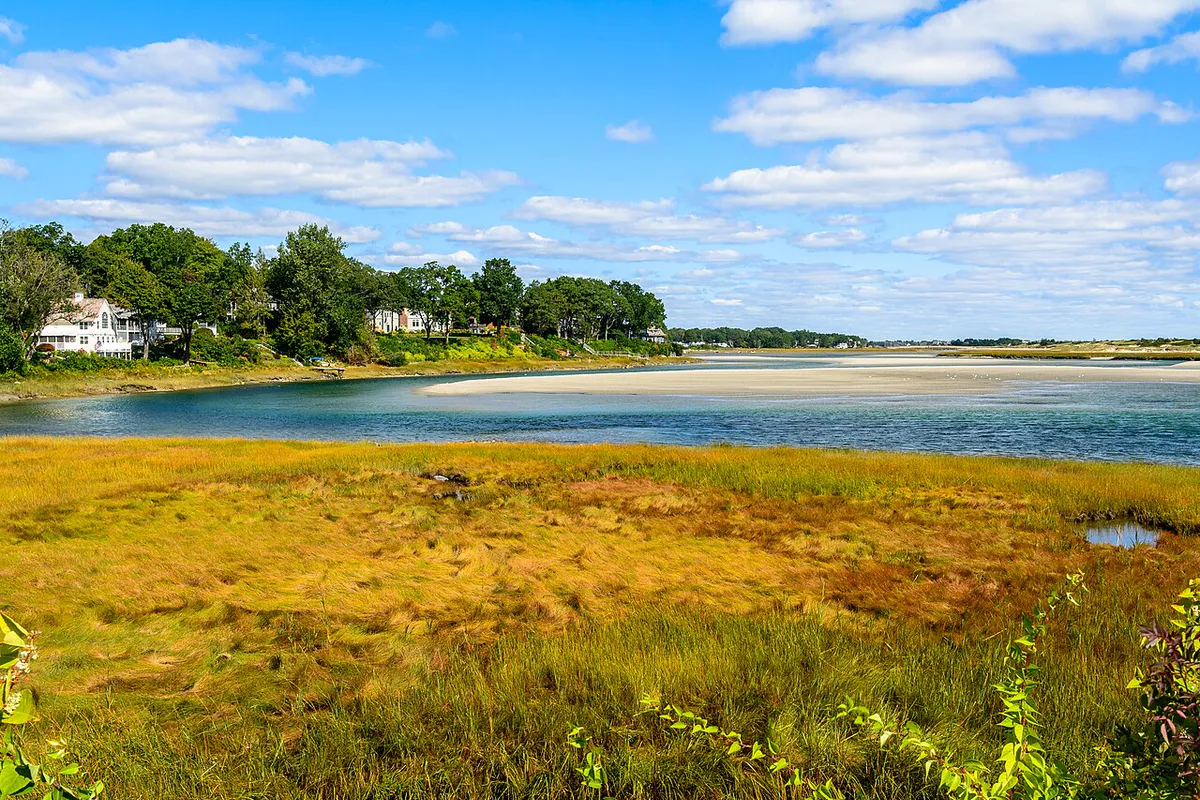

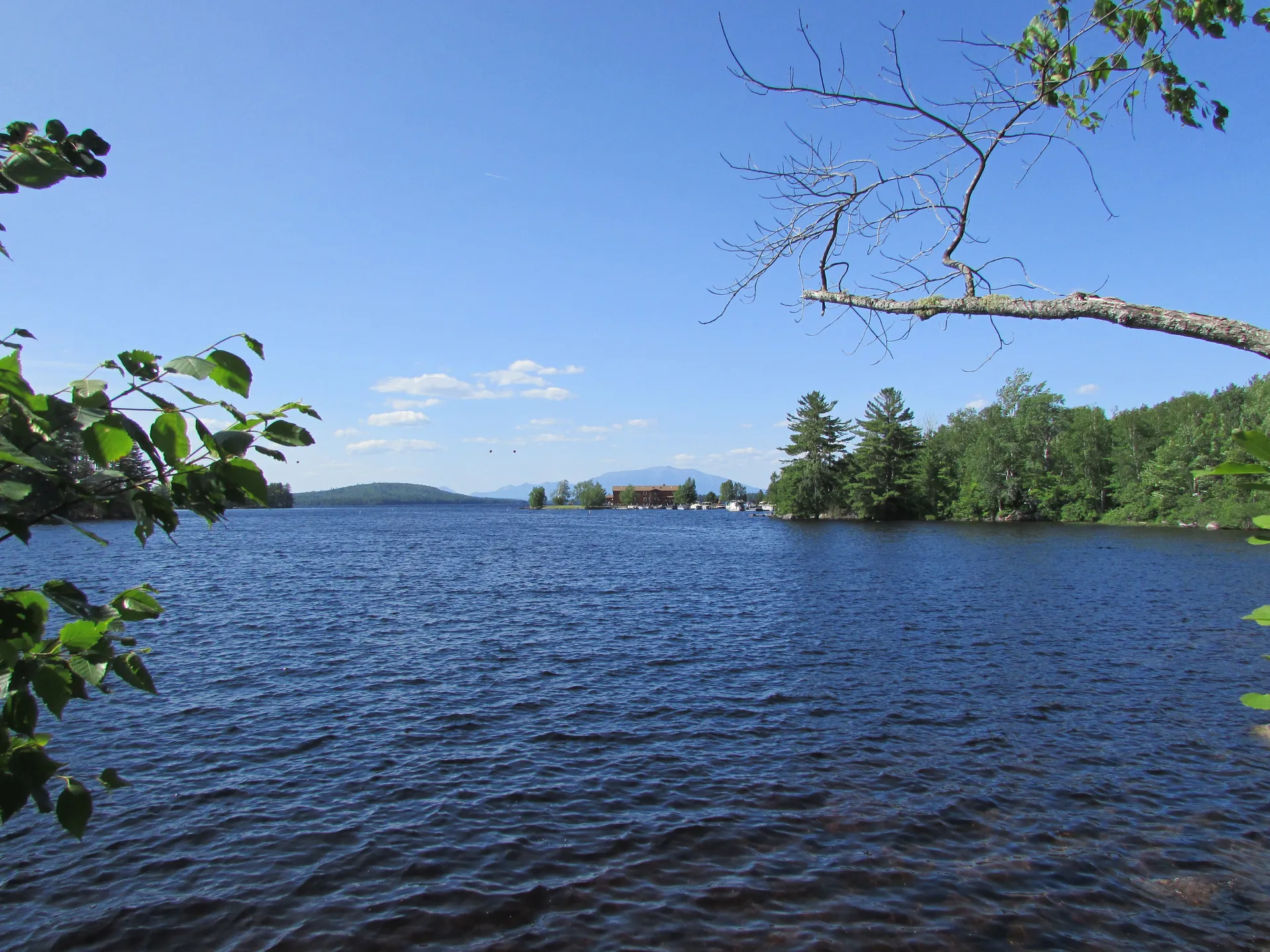
I pulled three ticks off my legs after a four-mile hike in May. That was one hike on one trail in midcoast Maine. A year ago, the same trail in the same month gave me zero. Something shifted this year, and the numbers back it up. Maine CDC has reported a spike in early-season Lyme cases, and every field researcher I have talked to says the same thing: 2026 is a bad one. If you are planning to hike, camp, or do anything in tall grass between now and November, read this first. Then read our full tick and bug protection gear guide.
Why 2026 Is Worse
The short answer is weather. A combination of recent mild winters and a wet spring created ideal conditions. Less sustained cold means less tick die-off. The ticks that survived entered spring healthy and hungry.
April and early May were wet across most of the state, pushing vegetation growth ahead of schedule. More leaf litter, more tall grass, more understory brush. That is tick habitat. The wetter and greener it gets, the more places ticks have to wait for a host.
Deer populations remain stable across southern and midcoast Maine, which keeps the tick reproduction cycle humming. And there is a newer problem: lone star ticks. This species has been expanding its range northward for years, and confirmed sightings in southern Maine are no longer unusual. They bring their own set of health risks, including alpha-gal syndrome, which can trigger a red meat allergy.
Maine consistently ranks in the top five states nationally for Lyme disease cases. In 2026, it may climb higher.
Peak Months in Maine
Ticks in Maine are not just a summer problem. They are active across three seasons, with different risk profiles in each window.
| Month | Active Stage | Risk Level | Notes |
|---|---|---|---|
| March-April | Adults, early nymphs | Moderate | Active on warm days above 40F |
| May-June | Nymphs | Highest | Tiny nymphs carry highest Lyme risk |
| July-August | Nymphs + adults | High | Peak hiking season overlaps peak activity |
| September-October | Adults | High | Second adult peak, fall hikers at risk |
| November-December | Adults | Low-Moderate | Active until sustained hard freeze |
Nymph deer ticks are roughly the size of a poppy seed. They are active from May through July and are responsible for the majority of Lyme disease transmission. You will not feel them attach. You will not see them unless you look carefully. Daily full-body tick checks are not optional during nymph season.
Highest-Risk Areas
Ticks do not hang out in the middle of a well-maintained trail. They live in the margins: the tall grass at the trail edge, the leaf litter on the forest floor, the ferns brushing your shins, the stone walls you sit on for lunch.
Southern Maine and the midcoast region have the highest tick density in the state. York, Cumberland, Lincoln, Knox, and Sagadahoc counties are consistently the worst. But ticks are spreading north. Penobscot and Hancock counties have seen sharp increases in the past three years, and even Piscataquis County is no longer the safe zone it used to be.
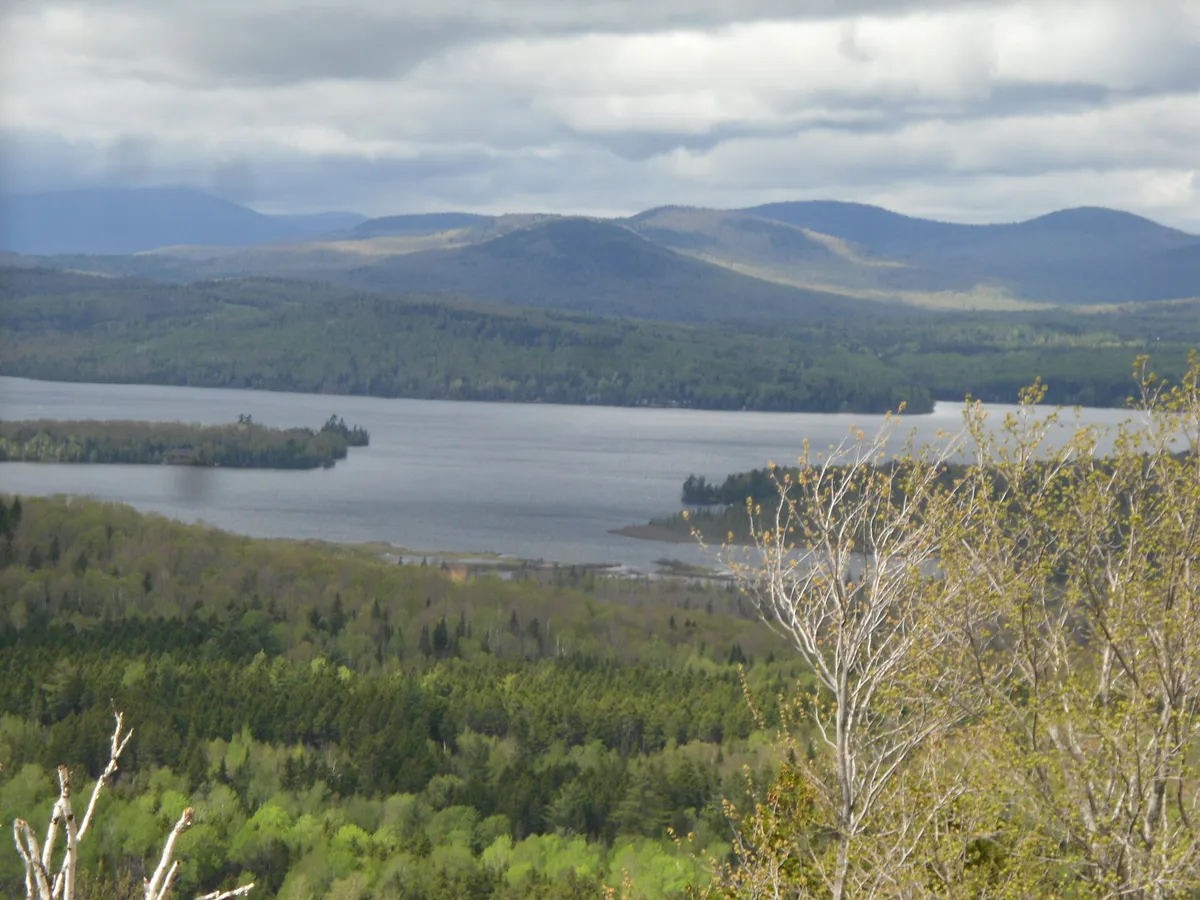
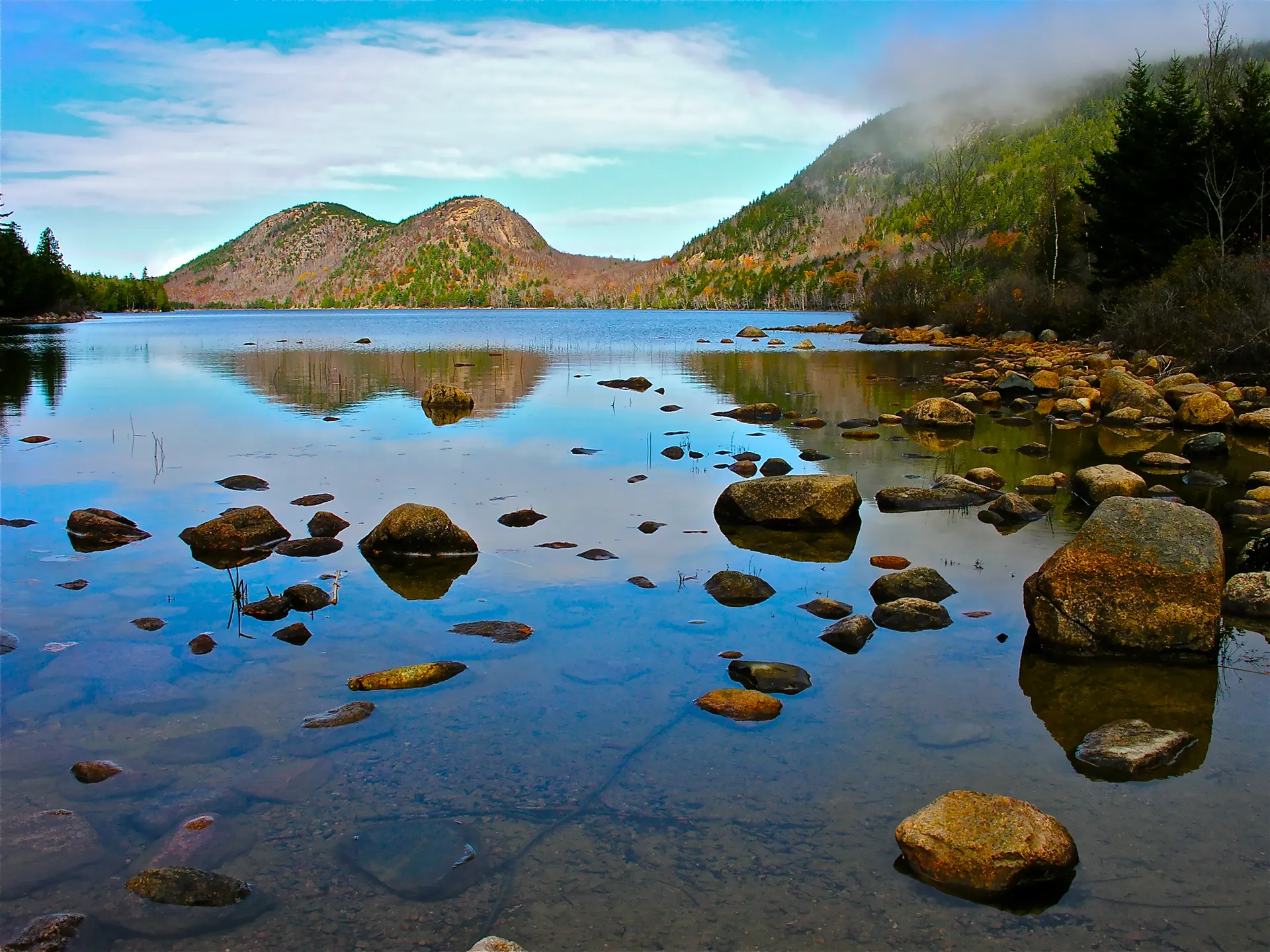
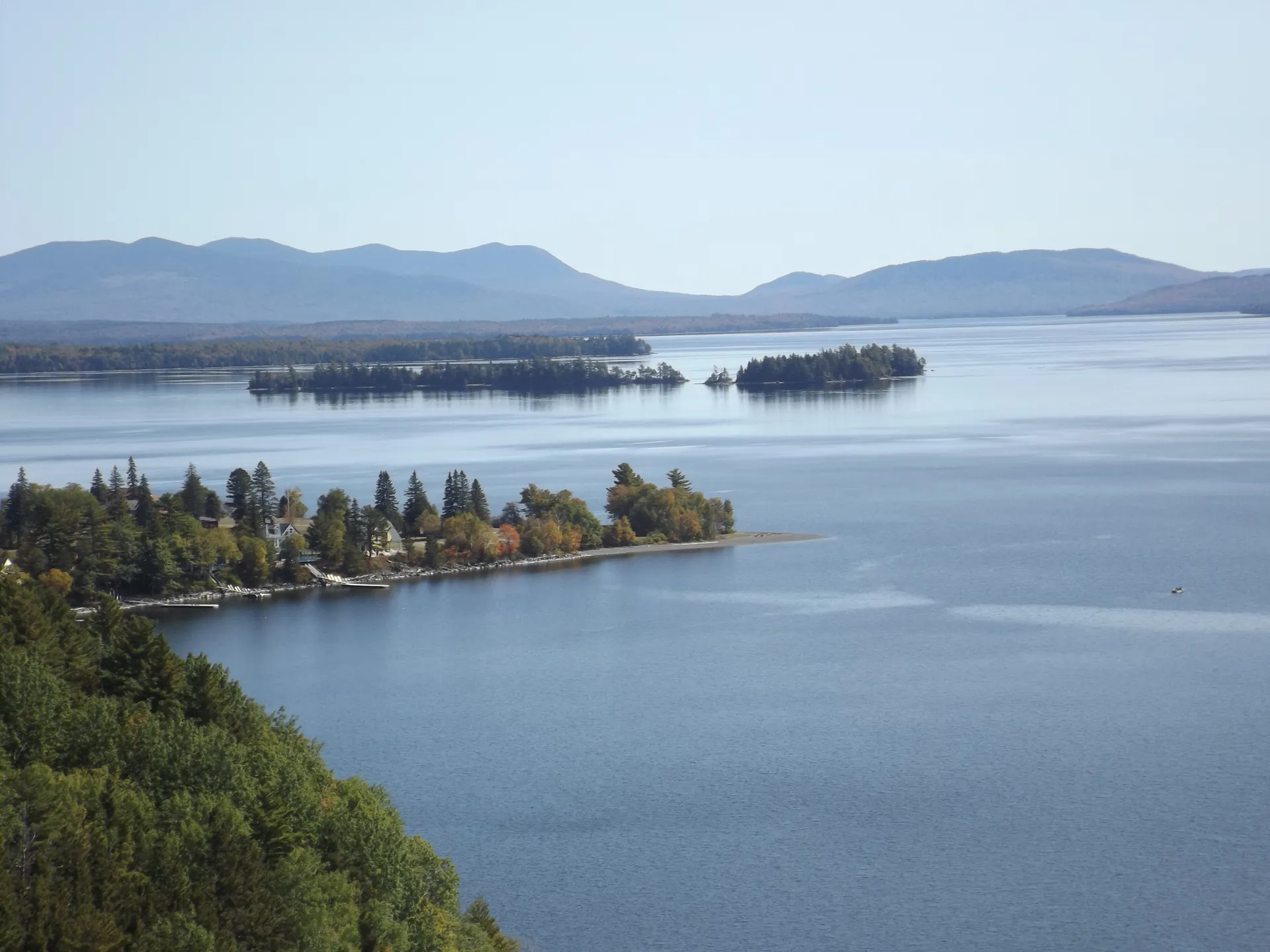
Specific places where I have had the worst tick encounters: edge habitats near Gulf Hagas where the trail brushes through ferns and young growth, lowland trails in Acadia especially around carriage roads with overhanging grass, and lakeside trails in the Moosehead region where meadow meets forest. The Bold Coast Trail has its share too, particularly the inland sections through dense spruce understory.
If you are camping at Baxter State Park, the backcountry sites with tall grass clearings are where you pick up the most ticks.
Walk in the center of the trail, not the edges. Ticks cannot jump or fly. They grab on by sitting on vegetation at knee height and latching onto whatever brushes past. Keeping to the beaten path, even by a foot, dramatically reduces your exposure.
Three Tick Species to Know
Maine has three tick species you are likely to encounter. Each one looks different, lives in different areas, and carries different diseases. Knowing which one you pulled off matters.
| Species | Size | Color | Diseases | Where in Maine | Peak Season |
|---|---|---|---|---|---|
| Deer tick (black-legged) | Poppy seed (nymph) to sesame seed (adult) | Dark brown/black legs, orange-red body | Lyme, anaplasmosis, babesiosis | Statewide, worst in south/midcoast | May-July (nymphs), Sept-Nov (adults) |
| Dog tick (American) | Watermelon seed | Brown with white markings | Rocky Mountain spotted fever (rare in ME) | Southern/central Maine, fields | April-August |
| Lone star tick | Sesame seed to small pea | Brown, female has white dot on back | Ehrlichiosis, alpha-gal syndrome | Southern Maine (expanding) | May-September |
The deer tick is your primary concern. It carries Lyme disease, anaplasmosis, and babesiosis. It is also the smallest and hardest to spot, especially in the nymph stage.
Dog ticks are bigger and easier to find during a tick check. They look alarming but carry less disease risk in Maine. Rocky Mountain spotted fever cases here are extremely rare.
The lone star tick is the newcomer. Females are easy to identify by the single white dot on their back. The big headline with lone star ticks is alpha-gal syndrome, an allergy to red meat that can develop after a bite. It sounds strange until it happens to you.
How to Protect Yourself
Protection works in layers, and no single method is enough on its own. You need treated clothing, skin repellent, and post-hike tick checks. All three. Every time.
Permethrin on clothing is the most effective single thing you can do. Spray it on your pants, socks, shoes, and gaiters. It kills ticks on contact and lasts through multiple washes. I treat my hiking pants at the start of every season and re-treat them monthly. Our permethrin guide walks through the whole treatment process step by step.
Treat clothing once, repels weeks
Skin repellent covers the gaps that treated clothing misses: your arms, neck, hands, and any exposed skin. Picaridin is my preference because it does not smell, does not damage synthetic fabrics, and works as well as DEET in field tests.
Skin-safe picaridin, no smell
Treated clothing takes the guesswork out of the permethrin step. Factory-treated shirts and pants have the repellent bonded into the fabric and last 70+ washes.
Insect-repellent fabric, all-day wear
Tick checks are non-negotiable. Check yourself thoroughly after every hike. Armpits, behind ears, waistband, behind knees, and the hairline are the spots ticks favor. Use a mirror or ask a partner. Shower within two hours of getting home.
Carry a tick removal tool. Fine-tipped tweezers work, but a dedicated tick key or tick removal card is small, light, and easier to use one-handed in the field. It belongs in your pack alongside antiseptic wipes and bite-care supplies, which is why one of the best first aid kits for Maine hiking is worth carrying on every trip.
Quick, clean tick removal
For the full breakdown of every product worth carrying, including gaiters, head nets, and treated socks, see our complete tick and bug protection gear guide. If you are packing for Acadia, add tick gear to the top of your list.
Long pants tucked into socks looks ridiculous and works incredibly well. Tuck light-colored pants into tall socks so you can see ticks crawling upward before they reach skin. Mainers who work in the field do this every single day from April through October.
What to Do If You Find a Tick
Do not squeeze the tick’s body. Do not twist it. Do not apply nail polish, petroleum jelly, or a hot match. All of these old methods increase the chance of the tick regurgitating bacteria into your skin. Steady, straight removal is the only correct technique.
Here is the right way to remove a tick:
- Use fine-tipped tweezers or a tick key. Grasp the tick as close to the skin surface as possible.
- Pull upward with steady, even pressure. Do not jerk or twist.
- After removal, clean the bite area with rubbing alcohol or soap and water.
- Save the tick. Put it in a small plastic bag with the date written on it. If you develop symptoms, your doctor or a tick testing lab will want to identify the species.
- Watch the bite area for 3 to 30 days. A bullseye rash (expanding red ring around the bite) is the hallmark sign of Lyme disease, but not everyone develops one. Up to 30% or more of Lyme cases never show the classic rash.
See a doctor if: you develop a rash of any kind near the bite, you have flu-like symptoms (fever, chills, body aches, fatigue) in the weeks after a bite, the tick was engorged (meaning it had been attached long enough to feed), or you are unsure how long it was attached.
Early Lyme disease is highly treatable with a standard course of antibiotics. The problems start when it goes undiagnosed. Do not wait and see. If something feels off after a tick bite, call your doctor.
For more on staying safe on the trail during tick season, check out our detailed guide on how to avoid ticks while hiking in Maine.
Frequently Asked Questions
How bad is Lyme disease in Maine?
Maine has among the highest Lyme disease rates in the United States, with over 3,000 cases reported annually in recent years. The state consistently ranks in the top five nationally. Early treatment with antibiotics is highly effective, so prompt diagnosis matters more than anything.
Can I get Lyme disease from a tick that's been attached less than 24 hours?
The risk is low but not zero. Most research suggests a deer tick needs to be attached for 36 to 48 hours to transmit Lyme bacteria, but this is not a guarantee. Other tick-borne diseases like anaplasmosis can transmit faster. Remove ticks as soon as you find them regardless of how long they have been attached.
Are ticks worse in certain parts of Maine?
Yes. Southern and midcoast Maine have the highest tick density, particularly York, Cumberland, Lincoln, and Knox counties. Northern Maine has historically had fewer ticks, but their range is expanding steadily northward. No part of the state is completely tick-free during warm months.
Do ticks die in winter in Maine?
Not usually. Deer ticks are active whenever temperatures rise above about 35 degrees Fahrenheit. They shelter under leaf litter and snow during the coldest stretches, then become active again on mild winter days. A warm January day in Maine can absolutely be a tick day.
Is DEET or picaridin better for ticks?
Both are effective. Picaridin is odorless, does not damage synthetic fabrics or plastics, and feels lighter on skin. DEET at 30% or higher concentration has decades of proven effectiveness and is slightly better studied. Either one works. The best repellent is the one you actually apply every time.