
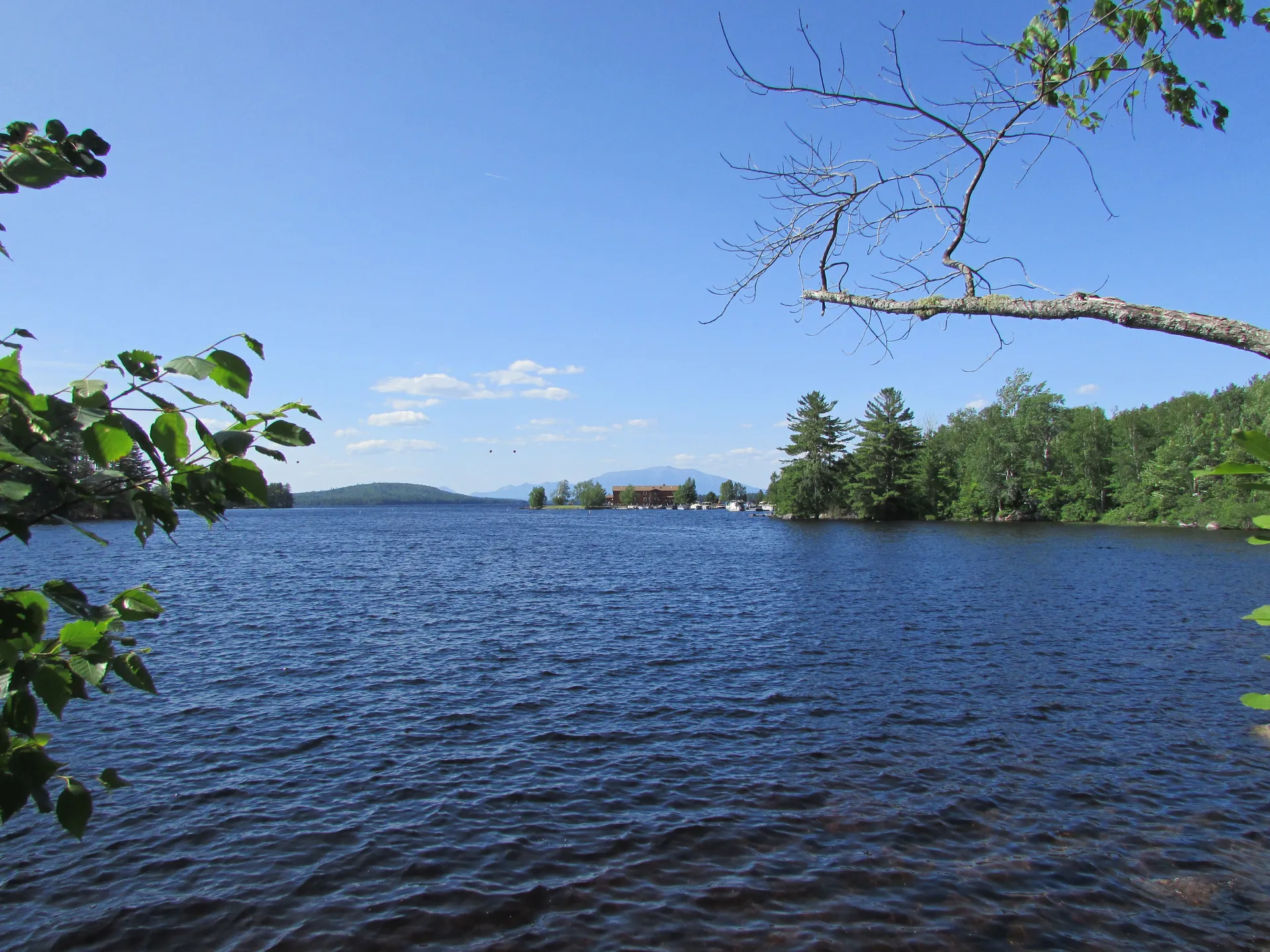
A first aid kit feels like overkill right up until the moment it is not. In Maine, that moment comes with no cell bars and a long way to the trailhead. Hike into the 100-Mile Wilderness or deep into Baxter and you can be a full day from the nearest road, with no signal to call for help, which means whatever is in your pack is the help. A rolled ankle, a deep cut, or a kid with a blister becomes your problem to solve, with your hands and your kit.
The honest answer is that the right kit depends on the trip. For a solo day hike, an ultralight kit like the Adventure Medical Kits Ultralight/Watertight .7 covers the basics without weighing you down. For a backcountry trip where help is hours away, the Mountain Series Hiker adds a wilderness first aid manual that tells you what to do. For a family at a campsite, a big organized kit like the Surviveware makes sense, and for serious trauma you step up to a kit with a tourniquet like the MyMedic MyFAK. And every single Maine kit should have one cheap item: a tick remover.
| Kit | Price | Best For | Type | Tick Tool |
|---|---|---|---|---|
| Mid-range | Solo day hikes | Ultralight | Yes | |
| Mid-range | Day hikes, small groups | Day-hike | Yes | |
| Mid-range | Backcountry trips | Backcountry + manual | Yes | |
| Mid-range | Family and group camps | Family | No | |
| Premium | Trauma, base camp | Comprehensive trauma | No | |
| Budget | Tick removal | Tick tool | Is the tool |
What Should a Maine First Aid Kit Actually Have?
Start with the basics that handle the common stuff: blister care like moleskin, because the most likely thing to ruin a Maine hike is your own feet, plus wound cleaning and bandaging, butterfly closures for cuts, an elastic wrap for a sprained ankle, gloves, and basic medications like ibuprofen and an antihistamine. Most of a real day’s first aid is unglamorous, and these are the items you will actually open.
Then add what Maine demands on top. A tick remover, because Lyme disease is here and you will pull ticks off yourself and your dog. And on remote trips, the knowledge of what to do, which is why a kit that includes a wilderness first aid booklet, like the Mountain Series Hiker, is worth more than a kit with twice the gauze. When there is no one to call, a small manual that walks you through a sprain or a wound is the most valuable thing in the bag.
Repackage and personalize whatever kit you buy. Pull the contents out, learn what is in there before you need it, and add your own essentials: any prescription meds, extra blister care, and a small bottle of any allergy medication that matters to your group. A pre-built kit is a starting point, not a finished product. The best kit is the one you have actually opened and understand.
The First Aid Kits We Recommend
Adventure Medical Kits Ultralight/Watertight .7 - Best for Solo Hikes
Mid-range
Adventure Medical Kits Ultralight/Watertight .7
Who it’s forSolo and ultralight day hikes where weight matters
Why we picked itGenuinely light at 5.8 ounces for a solo or duo trip
Pros
- Two-stage waterproofing keeps everything dry in a Maine downpour
- Includes splinter and tick remover forceps
Know before you buy
- Rated for only one to two people
- Light on serious trauma gear, no tourniquet
When you are hiking alone or counting ounces, this is the kit that comes along without complaint. It weighs just 5.8 ounces, which is light enough that you stop using weight as an excuse to leave the first aid at home. Inside is a solid spread of the essentials: wound dressings, butterfly closures, moleskin for blisters, gloves, and basic medications, plus the splinter and tick remover forceps that every Maine kit needs.
The standout feature is the waterproofing. It uses a two-stage system, a fully waterproof inner bag inside a water-resistant outer bag, so your bandages and pills stay dry even if your pack gets soaked crossing a stream or sitting out a Maine rainstorm. Wet first aid supplies are useless, and this kit takes that seriously.
The limits are what you would expect from something this small. It is built for one to two people, and it is light on serious trauma gear, with no tourniquet. For a solo day hike or a fast-and-light trip, that is the right set of compromises. For a group or a long backcountry trip, size up.
Adventure Medical Kits Ultralight/Watertight .9 - Best for Day Hikes
Mid-range
Adventure Medical Kits Ultralight/Watertight .9
Who it’s forDay hikes and weekends for one to four people
Why we picked it39 items covering wounds, blisters, and basic meds
Pros
- Adds a wound irrigation tool and closure strips over the .7
- Two-stage waterproof bag, still under 8 ounces
Know before you buy
- No tourniquet or major trauma module
- Best for short trips, not a week in the backcountry
The .9 is the .7’s bigger sibling, and the extra capacity is well spent. It carries 39 items and is rated for one to four people on trips up to four days, which covers most family day hikes and weekend trips. Over the smaller kit it adds a wound irrigation tool and wound closure strips, which matter when someone takes a real fall and you need to clean and close a cut properly rather than just slap a bandage on it.
It keeps the same two-stage waterproof bag as the .7, and it still comes in under 8 ounces, so you get the bump in capability without much weight penalty. The tick remover forceps are here too.
Like the rest of the Ultralight line, it stops short of major trauma gear, so there is no tourniquet. That is fine for the day hikes and short trips it is built for. If you are heading somewhere genuinely remote for several days, the Mountain Series or a trauma kit is the better call.
Adventure Medical Kits Mountain Series Hiker - Best for the Backcountry
Mid-range
Adventure Medical Kits Mountain Series Hiker
Who it’s forBackcountry hikers who want guidance when help is hours away
Why we picked itIncludes a Wilderness First Aid manual for when there is no signal
Pros
- 41 items in injury-specific labeled compartments
- Includes EMT shears and a tick remover, under 8 ounces
Know before you buy
- Water-resistant bag, not fully waterproof
- Rated for two people for a weekend, not a long expedition
This is the kit to carry where help is hours away, and the reason is one item: a Wilderness First Aid manual. When you are deep in Gulf Hagas or out past the trailhead in the 100-Mile Wilderness with no signal, knowing what to do for a sprain, a deep wound, or hypothermia is worth more than any single piece of gear. The booklet walks you through it when there is no one to call.
The kit itself holds 41 items in injury-specific labeled compartments, so under stress you open the pouch marked for the problem instead of dumping everything out. It includes EMT shears, blister and wound care, basic meds, and the tick remover. It is still under 8 ounces, so it earns its place in a backpacking load.
The one tradeoff against the Ultralight line is the bag. The Mountain Series uses a water-resistant bag rather than the fully waterproof DryFlex system, so on a soaking trip you will want to keep it inside a dry bag or pack liner. It is also officially rated for two people for a weekend, so a larger group or a longer trip needs a second kit or a bigger one.
Surviveware Large First Aid Kit - Best for Families
Mid-range
Surviveware Large First Aid Kit
Who it’s forFamily camping and group base camps
Why we picked itBig item count for covering a family or a group
Pros
- Labeled tri-fold organizer with a MOLLE-compatible mount
- Includes shears, a splint, a CPR mask, and a first aid handbook
Know before you buy
- Ships with no medications
- No tick removal tool included
For a family at a campsite or a group base camp, you want one big, organized kit that handles everything for everyone. The Surviveware Large fits that role. It carries a large item count, somewhere in the range of 184 to 200 pieces depending on the production run, laid out in a labeled tri-fold organizer so anyone can find the right supply fast, even someone who has never opened it.
The contents lean toward real injuries: trauma shears, a finger splint, a CPR face mask, a range of bandages and dressings, an emergency blanket, and a first aid handbook. The bag is MOLLE-compatible, so it straps to a pack or hangs in the truck, and it is built to take abuse at camp.
Two gaps to plan around. It ships with no medications at all, so you will need to add your own ibuprofen, antihistamine, and anything else your group takes. And it does not include a tick remover, which in Maine means pairing it with a Tick Key. Fill those two holes and it is a strong family kit.
MyMedic MyFAK Large - Best for Serious Emergencies
Premium
MyMedic MyFAK Large
Who it’s forSerious emergencies at base camp or in the truck
Why we picked itReal trauma capability including a tourniquet
Pros
- Around 150 items spanning wounds, burns, and basic meds
- Tough MOLLE panel, built to mount in a vehicle or at base camp
Know before you buy
- Heavy at over 5 pounds, not for ultralight trips
- Not waterproof, and no tick tool included
Most first aid kits handle scrapes and sprains. The MyFAK is built for the bad day. The Large Standard kit carries around 150 items, and the difference that matters is real trauma capability: it includes a tourniquet, the single piece of gear that can stop life-threatening bleeding from a deep cut with an axe, a saw, or a bad fall on sharp ground. It also covers burns, wounds, and basic medications, all in a tough MOLLE panel built to mount in a vehicle or hang at base camp.
This is the kit you want within reach when a group is working with tools, splitting wood, or operating somewhere a serious injury is a real possibility and an ambulance is far away. The build quality is a notch above the soft-pouch kits.
Be clear about what it is and is not. At over 5 pounds it is heavy, so this is a base-camp and truck kit, not something you carry on an ultralight day hike. It is not waterproof, so keep it out of the weather, and like the other large kits it does not include a tick tool. For trauma readiness in a fixed spot, it is the most capable kit here.
The Original Tick Key - The One Maine Add-On
Budget
The Original Tick Key
Who it’s forPulling ticks cleanly in Lyme country
Why we picked itRemoves the whole tick, head and all, without squeezing it
Pros
- Indestructible metal that lives on a keychain
- Works on people, kids, and dogs
Know before you buy
- Tiny and easy to lose
- Less precise than fine tweezers on the smallest nymph ticks
This is the cheapest item on the page and the one no Maine kit should skip. Ticks carry Lyme disease, and Maine has a lot of both, so you will be pulling ticks off yourself, your kids, and your dog. The way you pull a tick matters: squeeze its body with your fingers or the wrong tool and you can force its stomach contents into the bite, which raises the disease risk. The Tick Key avoids that.
It is a small metal tool with a teardrop-shaped slot. You slide the slot over the tick at skin level and pull, and the shape uses leverage to back the whole tick out, head and all, without squeezing the body. It is indestructible, it rides on a keychain or a zipper pull, and it works on people and pets alike.
The downsides are minor. It is tiny, so it is easy to misplace, and on the very smallest nymph ticks a pair of fine-tipped tweezers can be more precise. Keep one on your pack, one on your keychain, and one at home. For more on staying ahead of ticks, see our tick and bug protection guide and the rundown of Maine’s tick season.
How to Pick the Right Size Kit
Match the kit to the trip, not the other way around. For a solo day hike, an ultralight kit like the .7 covers the realistic problems without weighing you down. For a family day out or a weekend, the .9 or a family kit gives you enough supplies for several people. For genuinely remote backcountry, prioritize a kit with a wilderness first aid manual, because knowledge beats gear when you are far from help. And if your group works with tools or you want trauma readiness at base camp, step up to a kit with a tourniquet.
Whatever you choose, two things stay constant for Maine. Add a tick remover if the kit does not include one, and add your own medications, because most pre-built kits are light on or missing the pills you actually reach for.
Carry the kit on the trips you think you will never need it, because those are exactly the trips where it matters. The day hike to a swimming hole is when someone slips on a wet rock. Keep a small kit in your daypack permanently so you never have to decide whether today is a first-aid day. It always is.
For trips deep enough that a phone is useless, a first aid kit is only half the safety equation. The other half is being able to call for help when you cannot self-rescue, which is what a satellite communicator is for. In the real backcountry, the kit handles what you can fix and the communicator handles what you cannot.
A first aid kit is not a substitute for training. Knowing how to use a tourniquet, manage a sprain, or recognize hypothermia is what actually saves the day, and a wilderness first aid course is worth far more than any kit. For serious injuries, your job is to stabilize and get help, not to play doctor. When in doubt, treat for shock, keep the person warm, and get them out.
What to Bring
- A kit sized to your group and the length of the trip
- A tick remover, added separately if the kit does not include one
- Your own prescription and allergy medications
- Extra blister care, the most-used item on most hikes
- A way to keep the kit dry (waterproof kit or a dry bag)
- Basic knowledge of what is inside and how to use it
- A satellite communicator for trips beyond cell coverage
What size first aid kit do I need for hiking in Maine?
Match it to the trip. A solo day hiker is well served by an ultralight kit like the Adventure Medical Kits .7. A family or weekend group wants a larger kit like the .9 or a family kit with supplies for several people. For remote backcountry, prioritize a kit that includes a wilderness first aid manual, and for trauma readiness at base camp, step up to a kit with a tourniquet.
Does a hiking first aid kit need a tick remover?
In Maine, yes. Ticks carry Lyme disease and they are widespread here, so you will be removing ticks from yourself, your family, and your dog. The Adventure Medical Kits kits include tick remover forceps, but larger kits like the Surviveware and MyMedic do not, so add a standalone tool like the Tick Key. Removing a tick correctly, without squeezing its body, lowers the infection risk.
What is the best way to remove a tick?
Grasp the tick as close to the skin as possible and pull straight out with steady pressure, without squeezing or twisting the body, which can push infected fluids into the bite. A tick removal tool like the Tick Key or fine-tipped tweezers does this best. After removal, clean the bite, and watch it for a rash or flu-like symptoms over the following weeks.
Do I need a first aid kit for a short day hike?
Yes, even a small one. Most hiking injuries are minor, like blisters, small cuts, and tweaked ankles, and they happen on easy trips as often as hard ones. A pocket-sized kit handles the common problems, and in Maine the trailhead can still be a long way off with no cell signal. The ultralight kits weigh only a few ounces, so there is no real reason to skip it.
What should I add to a store-bought first aid kit?
Three things. Any prescription and allergy medications your group needs, since most kits ship with few or no meds. Extra blister care, because feet are the most common casualty on the trail. And a tick remover if the kit lacks one. It is also worth pulling the kit apart once at home so you know what is in it before you need it under stress.
Is a first aid kit enough for a remote backcountry trip in Maine?
It is necessary but not sufficient. For trips into areas like the 100-Mile Wilderness or deep Baxter, pair your kit with a wilderness first aid manual, ideally some first aid training, and a satellite communicator so you can call for help when there is no cell signal. The kit handles what you can treat in the field. The communicator handles the emergencies you cannot.