The 100-Mile Wilderness does not care what pack you bought. It cares whether that pack still rides comfortably on the third afternoon, when you have a full four days of food on your back, your boots are soaked from the last bog bridge, and the trail tips up toward Whitecap. That is the test we kept coming back to. A backpacking pack for Maine is not graded on a showroom floor. It is graded somewhere around mile 30 of the 100-Mile Wilderness, where the only way out is to keep walking.
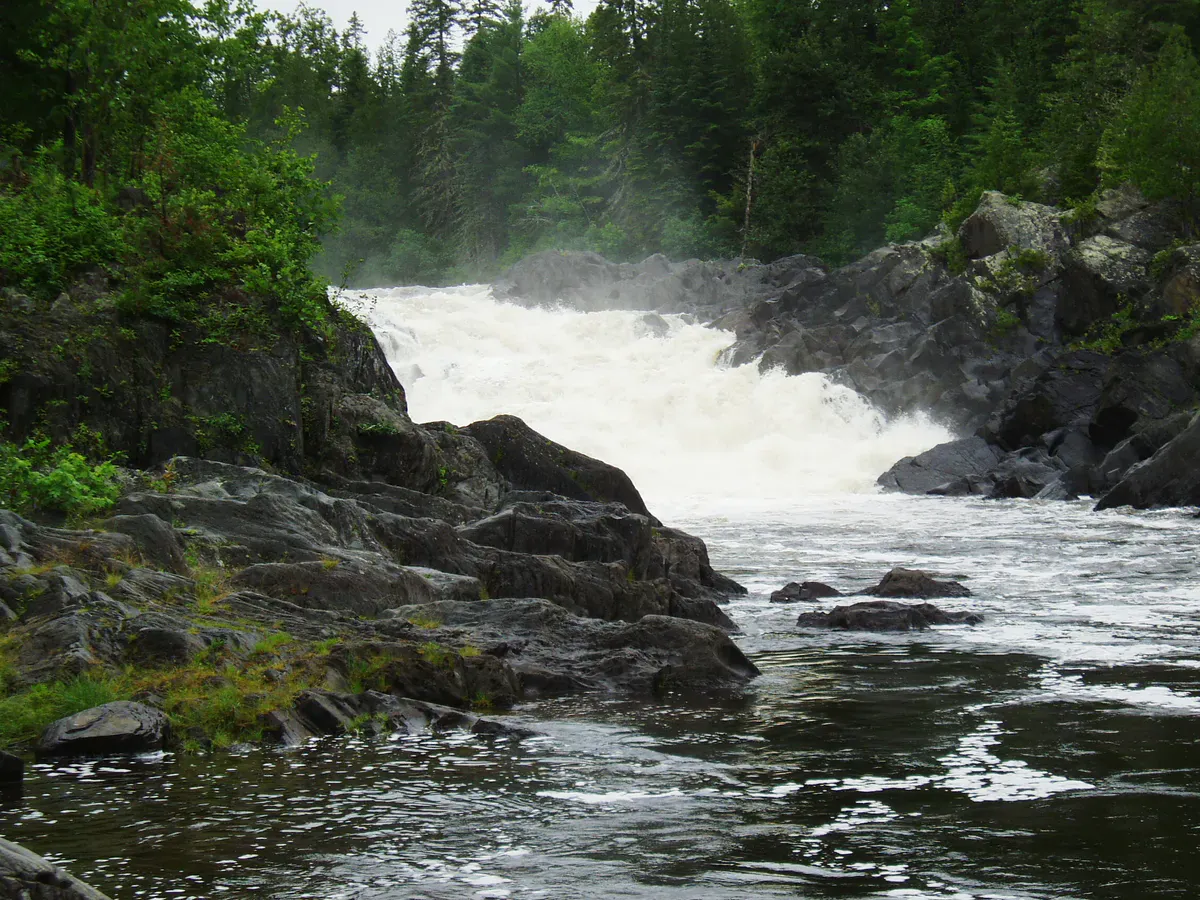
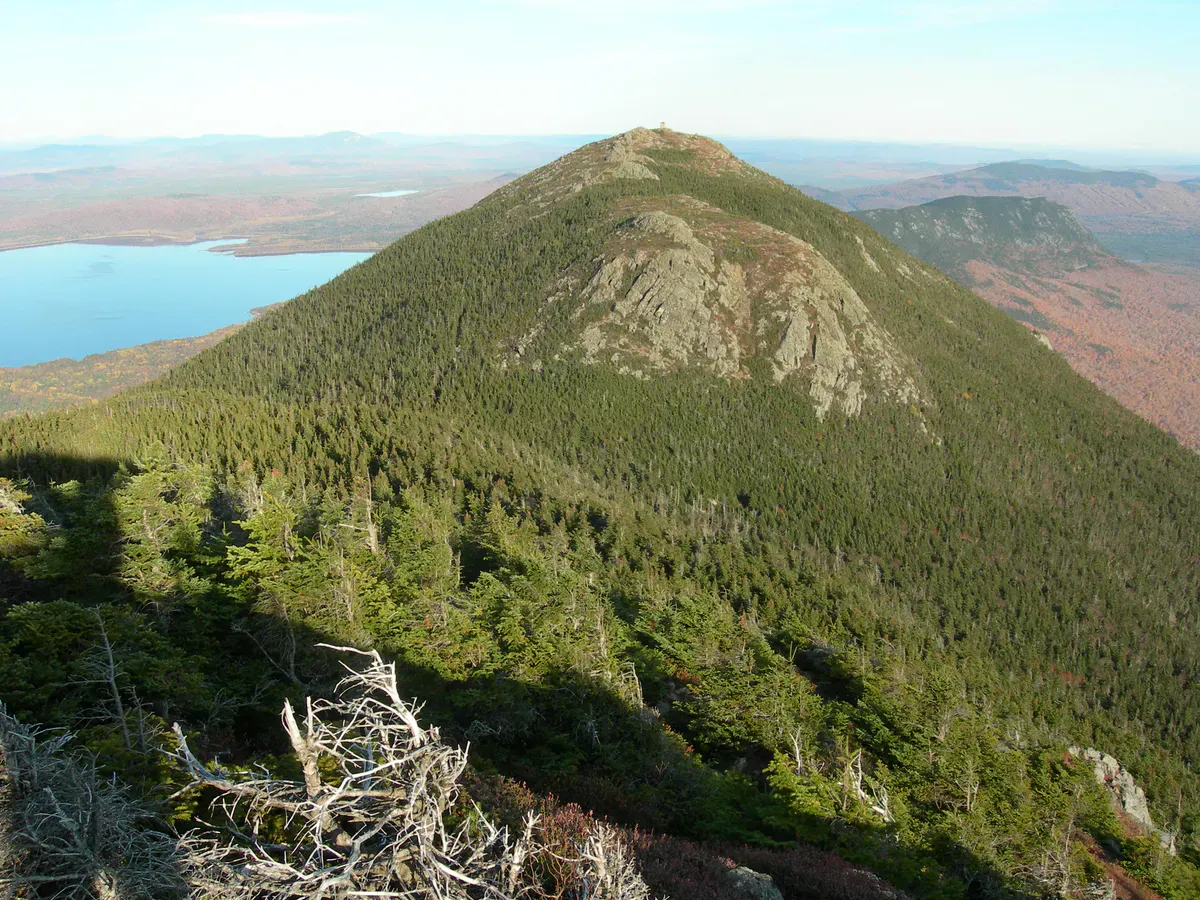
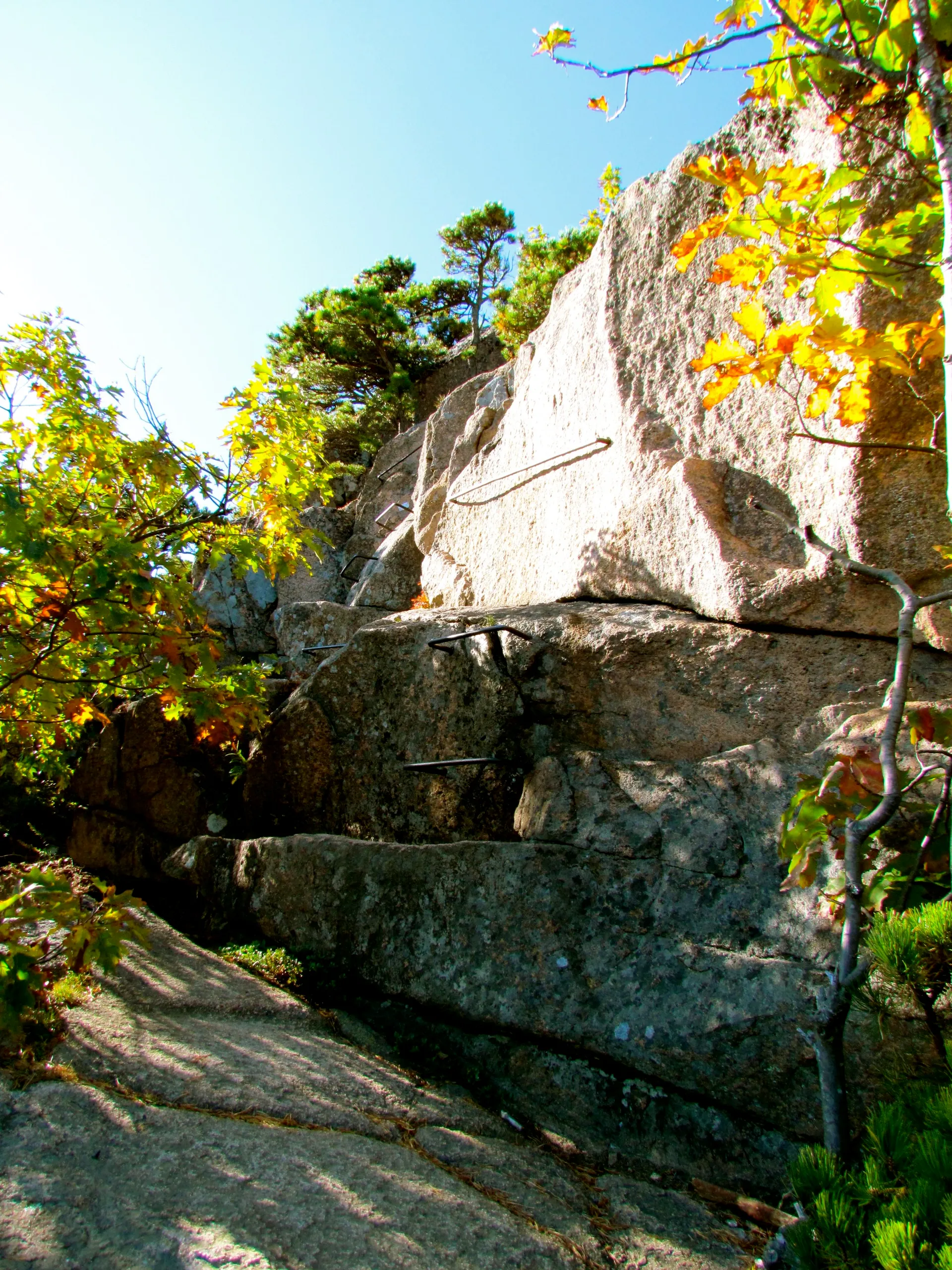
Maine adds problems most pack reviews skip. The mud and bog bridges of the wilderness section soak the bottom panel of any pack you set down. River and stream fords mean the pack has to keep your gear dry, or at least survive a dunking. The granite slabs on the Hunt Trail and the open ridge of the Bigelow Range demand a pack that stays glued to your back during scrambles, not one that sways and throws your balance on exposed rock. Blackflies and humidity in June mean a sweaty, hot back panel becomes its own kind of misery over a long climb.
We pulled together seven packs that earn their keep on real Maine multi-day trips, from a sub-two-pound waterproof Dyneema pack for the gnarliest wet routes to a serious load-hauler for long carries between resupplies. There is also a true weekender for fast overnights into Gulf Hagas and big single-day pushes. Whatever your trip looks like, one of these is the right tool.
| Pack | Price | Capacity | Weight | Rating |
|---|---|---|---|---|
| Premium | 65L | 4 lb 6 oz | 4.7 | |
| Premium | 65L | 5 lb 1 oz | 4.7 | |
| Granite Gear Crown3 60 | Mid-range | 60L | 2 lb 7 oz | 4.6 |
| REI Co-op Flash 55 | Mid-range | 55L | 2 lb 14 oz | 4.5 |
| Premium | 55L | 2 lb 1 oz | 4.6 | |
| Mid-range | 58L | 2 lb 9 oz | 4.6 | |
| Gregory Zulu 30 | Mid-range | 30L | 2 lb 7 oz | 4.5 |
How We Chose
We graded these packs on four things, in this order: how the suspension carries weight over long days, how the pack handles Maine’s wet and abrasive terrain, total weight, and how the load rides on technical ground. The suspension comes first because everything else is academic if the pack hurts at mile 25.
Suspension and load transfer matter most when you are carrying multi-day food. A pack that feels great empty in a store can collapse under 40 pounds of gear and a bear canister. We weighted real-world carry comfort heavily, and we looked closely at how each frame moves the weight off your shoulders and onto your hips, which is where it belongs on a long climb.
Durability and wet-weather behavior came second. Maine’s bog bridges, mud, and stream fords are hard on the bottom panel and base seams of a pack. We favored fabrics and constructions that handle moisture and abrasion, and we called out the packs that need more care around granite and deadfall.
Weight was the third filter. Carrying less is carrying farther, and a two-pound pack versus a five-pound pack is real energy saved over the 100-Mile Wilderness. But weight is a trade against suspension and durability, so we did not chase grams at the cost of comfort under load. The last filter was how each pack rides on technical terrain, because a pack that sways on the Hunt Trail’s granite is a safety problem, not just an annoyance.
The Packs We Recommend
Osprey Atmos AG 65, Best All-Around
Premium
Osprey Atmos AG 65
Who it’s forBest all-around pack for Maine multi-day trips
Why we picked itAnti-Gravity suspension floats heavy loads and breathes well on humid climbs
Pros
- Fit-on-the-Fly hipbelt and harness dial in a custom fit
- Tough enough for granite scrambles and bushwhacks
Know before you buy
- Heavier than minimalist 60L packs at over 4.5 lb
The Atmos AG 65 is the pack we would hand most people heading into the Maine backcountry for the first multi-day trip. The Anti-Gravity suspension is the headline, and it earns the attention. A continuous panel of mesh wraps from the back to the hipbelt, which spreads the load across a wide area and lets air move behind you on a humid June climb. On a long, sweaty pull toward a ridge, that ventilation is the difference between a soaked back and a tolerable one.
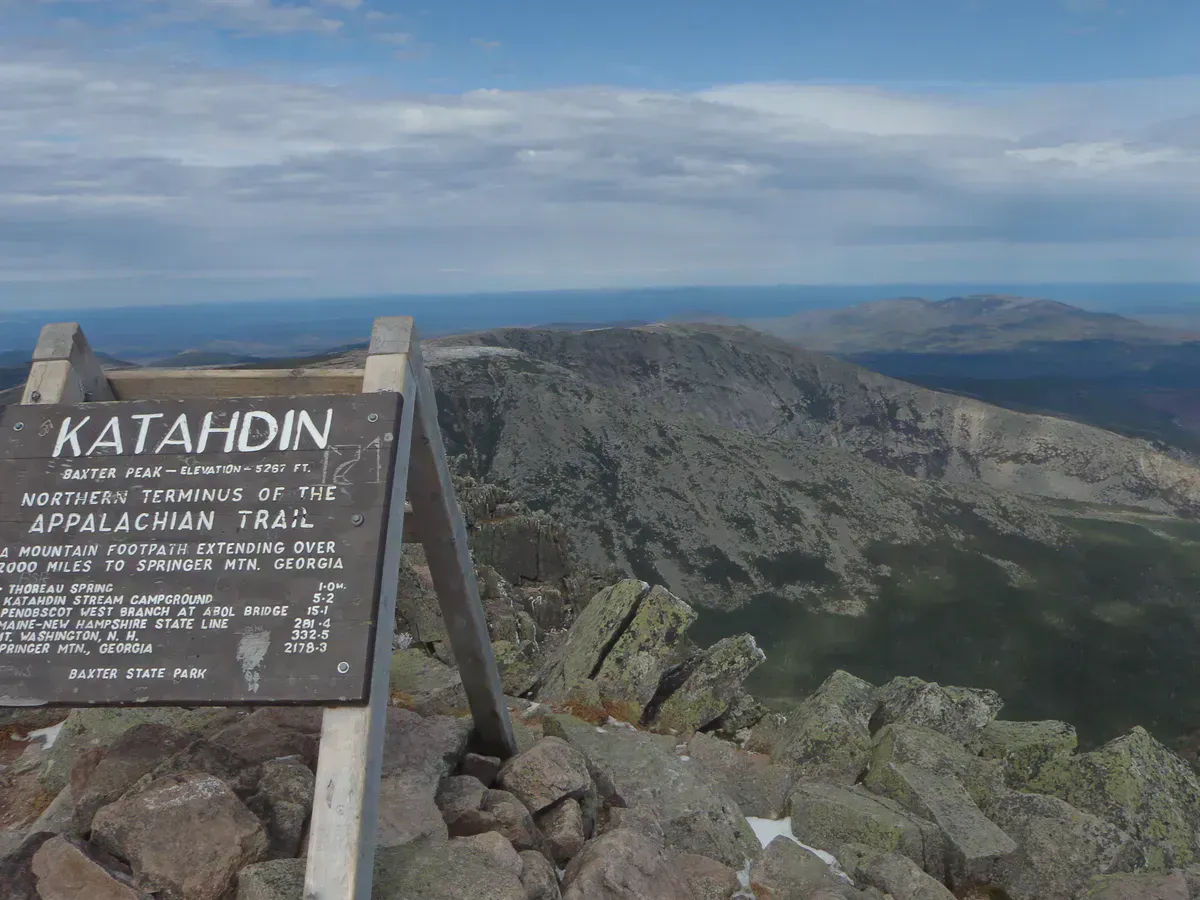
At 4 pounds 6 ounces, it is not light, and the Anti-Gravity frame is most of that weight. What you get for it is a pack that carries 40-plus pounds of food and gear like the load is smaller than it is. The Fit-on-the-Fly hipbelt and adjustable harness let you dial the fit precisely, which matters over four days when small fit problems become blisters and bruises. The fabric is tough enough for granite scrambles on Katahdin and the inevitable bushwhack around a washed-out bog bridge.
The honest trade-off is weight. If you are counting ounces for a thru-hike, the Crown3 or the Hyperlite below will save you real pounds. But for comfort under a heavy multi-day load, the Atmos is hard to beat, and it is the pack we recommend when someone is not sure exactly what kind of trips they will do.
Gregory Baltoro 65, Best Heavy-Load Hauler
Premium
Gregory Baltoro 65
Who it’s forBest heavy-load hauler for long resupply carries
Why we picked itResponse A3 suspension carries 40-plus pounds without complaint
Pros
- Rotating hipbelt tracks your hips on uneven Maine terrain
- Burly fabric handles years of hard backcountry use
Know before you buy
- One of the heaviest packs here at roughly 5 lb
- More pack than weekend trips need
When the load is genuinely heavy, the Baltoro is the pack we reach for. Long stretches between resupply points in the 100-Mile Wilderness mean carrying a week of food at a time, and a bear canister adds bulk and weight that lighter packs handle poorly. The Baltoro’s Response A3 suspension is built for exactly this. It moves big loads onto your hips and keeps them there, and it does not flinch at 45 pounds the way a minimalist pack does.
The rotating hipbelt is the feature you stop noticing, which is the point. As you step from rock to root to bog bridge on uneven Maine trail, the belt tracks the natural movement of your hips instead of fighting it. Over a long day that reduces the rubbing and chafing that a rigid belt causes. The fabric and construction are burly, built to take years of hard use without the seams or panels giving out.
The cost is weight. At roughly 5 pounds, the Baltoro is the heaviest pack here, and it is more pack than most weekend trips need. If you are doing fast overnights or short trips, this is overkill. If you are hauling heavy for many miles between resupplies, the comfort is worth every ounce of the frame.
Granite Gear Crown3 60, Best Lightweight Value
Mid-range
Granite Gear Crown3 60
Who it’s forBest lightweight value pack for the AT and 100-Mile Wilderness
Why we picked itUnder 2.5 lb with the removable lid and frame both kept on
Pros
- Strips down to a frameless daypack for summit pushes
- Excellent value for a true lightweight thru-hiking pack
Know before you buy
- Suspension tops out around 35 lb of comfortable load
- Fabric is less abrasion-resistant than burly expedition packs
The Crown3 60 is the pack that proves you do not need to spend a fortune to go light. The verified Amazon listing is the undyed Long torso version, so confirm your torso measurement before ordering. Kept fully loaded with its frame and lid, it still comes in under 2 pounds 8 ounces, and it strips down further if you remove the lid for shorter trips. For a thru-hiker on the Appalachian Trail section through Maine, or anyone doing the 100-Mile Wilderness light, this is a tremendous amount of capable pack for the money.
The clever part is how it adapts. Remove the frame and lid, and the Crown3 becomes a frameless daypack light enough to carry up to a summit and back while your main load waits at camp. That flexibility means one pack covers a multi-day base-camp trip and the summit push from it. The hipbelt and back panel carry a moderate load well, and most hikers find it comfortable up to around 35 pounds.
Where it shows its price is at the limits. Push past 35 pounds and the suspension starts to feel the strain in a way the Atmos and Baltoro never do. The fabric is lighter and less abrasion-resistant than burly expedition packs, so it wants a little care around granite and blowdowns. For light-and-fast Maine trips at a fair price, it is the best value here.
REI Co-op Flash 55, Best Customizable
Mid-range
REI Co-op Flash 55
Who it’s forBest customizable pack for weekend and weeklong trips
Why we picked itPacks-Within-Packs system lets you trim weight for shorter trips
Pros
- Comfortable framed suspension at well under 3 lb
- Big stretch pockets swallow wet rain gear and snacks
Know before you buy
- Lid and pockets are removable, so it is easy to lose pieces
- Stretch mesh can snag on spruce and blowdowns
REI currently lists this Flash pack as a member purchase. Check its membership requirement, size and stock before choosing it.
The Flash 55 is the pack for someone whose trips vary. The Packs-Within-Packs system lets you remove the lid, pockets, hipbelt pouches, and even compression straps you are not using, which means you can run it heavy and full-featured for a weeklong trip, then strip it down for a fast weekend into Gulf Hagas. That adaptability, at well under 3 pounds, is the pitch, and it delivers.
The framed suspension carries a real multi-day load comfortably, which separates the Flash from lighter frameless packs that fall apart under weight. The big stretch-mesh front and side pockets are genuinely useful in Maine. They swallow a wet rain shell, a damp tent fly, or snacks you want to reach without stopping, and keeping wet gear outside the main bag keeps the rest of your kit drier. For the price, the build quality is strong.
Two cautions. Because the lid and pockets are removable, it is easy to leave a piece at home or lose one on the trail, so do a parts check before every trip. And the stretch mesh, useful as it is, snags on spruce branches and blowdowns, which Maine has in abundance. Neither is a dealbreaker. For a do-everything pack at a fair price, the Flash is excellent.
Hyperlite Mountain Gear Southwest 55, Best Ultralight for Wet Trails
Premium
Hyperlite Mountain Gear Southwest 55
Who it’s forBest ultralight water-resistant pack for wet Maine routes
Why we picked itWaterproof Dyneema fabric shrugs off Maine rain and bog crossings
Pros
- Roughly 2 lb for a 55L framed pack
- Tough external pockets carry a wet tent and trekking poles
Know before you buy
- Premium price for a minimalist feature set
- Suspension favors lighter loads under 35 lb
The Southwest 55 is the pack we would choose for the wettest, gnarliest Maine routes. The body is Dyneema Composite Fabric, the same waterproof material used in high-end shelters, and it does not soak through. On the 100-Mile Wilderness, where bog bridges, mud, and stream crossings are constant, a pack that keeps water out instead of absorbing it is a real advantage. Waterproof fabric does not make the complete pack submersible. Use a liner or dry bags for your sleeping bag, spare layers and electronics.
At roughly 2 pounds for a 55L framed pack, it is remarkably light for its capacity. The framed back panel carries a moderate load well, and the tough external pockets are built to haul a wet tent, trekking poles, and water on the outside of the bag, away from your dry layers inside. For ultralight backpackers who want waterproof durability without going frameless, it occupies a category almost by itself.
The honest catch is price and feature set. This is a premium pack with a minimalist design, so you are paying for the fabric and the build, not for pockets and bells. The suspension is happiest under about 35 pounds, so it is not the pack for hauling a week of food and a bear canister. Keep critical gear in a liner or dry bags, including inside this pack.
Osprey Exos 58, Best Ventilated Lightweight
Mid-range
Osprey Exos 58
Who it’s forBest lightweight pack with a ventilated back panel
Why we picked itAirSpeed trampoline back keeps your spine cool on humid climbs
Pros
- Just under 2.6 lb without sacrificing real suspension
- Removable lid converts to a summit pack
Know before you buy
- Thin fabric needs care around granite and deadfall
- Hipbelt padding is light for loads over 35 lb
The Exos 58 splits the difference between Osprey’s heavy-duty Atmos and the true ultralight packs, and it does it well. The AirSpeed back panel is a trampoline-style mesh that holds the pack body off your spine, leaving a channel of moving air behind you. On a humid climb up out of a valley in blackfly season, that ventilated channel keeps your back far drier than a pack that sits flat against you. For sweaty summer Maine hiking, it is a genuine comfort upgrade.
At just under 2 pounds 10 ounces, the Exos gives you a real frame and a real hipbelt without the weight penalty of the Atmos. It carries a multi-day load comfortably up to around 35 pounds, and the removable lid converts to a small summit pack for a side trip up a peak like the Bigelow Range from a base camp. It is a thoughtful, well-balanced pack for hikers who want light weight but are not ready to give up suspension entirely.
The trade-off is fabric. To save weight, the Exos uses thinner material than the Atmos, so it needs more care around granite edges and deadfall. The hipbelt padding is also on the light side for loads pushing past 35 pounds. Keep the load moderate and treat the fabric with a little respect, and the Exos is one of the most comfortable lightweight packs you can carry in Maine heat.
Gregory Zulu 30, Best Weekender
Mid-range
Gregory Zulu 30
Who it’s forBest weekender pack for fast overnights and big day hikes
Why we picked itFreeFloat suspension carries an overnight load like a bigger pack
Pros
- Ventilated back panel for sweaty summer day hikes
- Light at roughly 2.5 lb for a fast overnight or big day
Know before you buy
- 30L is tight for anything beyond a single night
Not every Maine trip needs 60 liters. For a fast overnight into Gulf Hagas, a single night below the peaks, or a big day hike that carries extra layers, water, and lunch, the Zulu 30 is the right size. Gregory put a real FreeFloat suspension on it, which means this 30-liter pack carries an overnight load far better than its size suggests. The frame moves with your body and transfers weight to your hips instead of hanging it all off your shoulders.
The ventilated back panel makes it a strong choice for hot, buggy summer day hikes, keeping your back cooler on the climb. At roughly 2 pounds 7 ounces, it is light enough to feel agile on scrambles and granite, and the suspension keeps the load tight to your back so it does not sway when you are picking a line up rock. For a do-it-all small pack that covers both big day hikes and ultralight overnights, the Zulu is hard to beat.
The obvious limit is capacity. Thirty liters is tight for anything beyond a single night, and you will not fit a multi-day food load and a bear canister in it. That is the point. The Zulu is the pack you grab when the trip is short and fast, and it does that job better than a stripped-down big pack would.
The single biggest comfort factor on a multi-day Maine trip is hipbelt fit, not pack volume. A pack carries weight on your hips, so the belt has to wrap your iliac crest and cinch firmly without gapping. Load the pack with real weight before a trip, walk around for 20 minutes, and adjust. A 65L pack that fits your hips beats a “perfect size” pack that rides on your shoulders every single mile.
External rain covers blow off in wind and let water run down your back and into the top of the pack. For Maine’s all-day rain and bog crossings, line the inside of your pack with a heavy-duty trash compactor bag or a dedicated pack liner and roll the top closed. Your sleeping bag and dry layers stay dry even if the pack itself is soaked through. Use the same precautions with the Hyperlite: waterproof fabric does not guarantee that the closure and seams keep all water out.
Do not overload a lightweight pack. The Crown3, Southwest 55, and Exos 58 are designed for loads up to roughly 35 pounds. Push a bear canister and a week of food into one and you will exceed that, and the suspension will dump weight onto your shoulders right when the trail turns up. For long, heavy resupply carries in the 100-Mile Wilderness, choose the Atmos AG 65 or the Baltoro 65 instead. Match the pack to the load, not just to the trip length.
Set your pack down on a rock or a log, never directly in the mud or on a wet bog bridge. The bottom panel and base seams are the first thing to wear out and the first place water wicks in. On the wilderness section especially, two minutes of finding a dry rock to rest the pack on adds years to its life and keeps your gear drier when you shoulder it again.
How to Match a Pack to Your Maine Trip
The right pack depends on the trip, not on which one tested best in isolation. A few rules of thumb that hold up in Maine:
For a full 100-Mile Wilderness traverse with a heavy food carry, choose the Atmos AG 65 or the Baltoro 65. The long stretches between resupply mean you are carrying a lot of food, and a bear canister adds bulk. The serious suspension on these two is worth the extra weight when the load is genuinely heavy.
For a lightweight thru-hike of the Maine AT section, the Crown3 60 and the Southwest 55 shine. If you want to keep costs down, the Crown3 is the value pick. If you want waterproof durability for the wettest miles, the Southwest is worth the premium. Both reward a disciplined, light kit.
For weekend and weeklong trips with a moderate load, the Flash 55 and the Exos 58 are the sweet spot. The Flash adapts to the trip length, and the Exos keeps your back cool on humid climbs. Both carry comfortably without the weight of a full expedition frame.
For fast overnights and big day hikes, the Zulu 30 is the answer. It carries a single night’s gear far better than its size suggests, and it is light and agile on scrambles and granite.
If you are still building out the rest of your kit, our gear guides cover the layers, footwear, and lighting that go alongside the pack, and our hiking guides map out the trails these packs were built for.
FAQ
What size backpack do I need for the 100-Mile Wilderness?
For a full traverse with a heavy food carry, a 60 to 65 liter pack is the right range, because the long stretches between resupply mean carrying several days of food at once plus a bear canister. The Atmos AG 65 and Baltoro 65 handle that load best. Disciplined ultralight hikers can do it in a 55L pack like the Crown3 or Southwest, but capacity gets tight with a canister.
How much should a backpacking pack for Maine weigh?
It depends on the load you carry. A heavy-load hauler like the Baltoro weighs around 5 pounds because the frame is what makes 40-plus pounds comfortable. Lightweight packs like the Southwest 55 and Crown3 60 come in around 2 to 2.5 pounds but are happiest under 35 pounds of total load. Match the pack weight to the load, not just to your desire to go light.
Are waterproof backpacks worth it for Maine's wet trails?
The Hyperlite Southwest 55 uses waterproof fabric, but the complete pack is not a substitute for dry bags or a pack liner on wet routes or stream crossings. For other packs, a pack liner (a heavy trash compactor bag inside the pack) does the same job for your gear at a fraction of the cost. Either approach keeps your sleeping bag and dry layers dry. An external rain cover alone is not enough in all-day Maine rain.
Is a 30-liter pack big enough for an overnight in Maine?
For a single fast overnight with light gear, yes. The Gregory Zulu 30 has a real suspension that carries an overnight load well. But 30 liters will not fit a multi-day food supply and a bear canister, so it is a weekender and big-day-hike pack, not a multi-day pack. For two or more nights, step up to a 55 to 65 liter pack.
Do I need a ventilated back panel for Maine hiking?
It helps a lot in summer. Maine's humidity and blackfly-season heat make a sweaty back miserable on long climbs. Trampoline-style ventilated panels like the AirSpeed on the Exos 58 and the Anti-Gravity system on the Atmos AG 65 hold the pack off your spine and let air move behind you. It is not essential, but it is one of the most noticeable comfort upgrades on a humid climb.
Can I use the same pack for Baxter and a weeklong AT trip?
Often, yes. A 55 to 65 liter pack like the Atmos AG 65 or Flash 55 covers both a multi-day Baxter trip and a weeklong AT section. The Flash is especially adaptable because you can strip features for shorter trips and add them back for longer ones. The main thing to match is the food load. If a Baxter trip is short and an AT section is long, the longer trip's heavier food carry should drive your choice of suspension.