





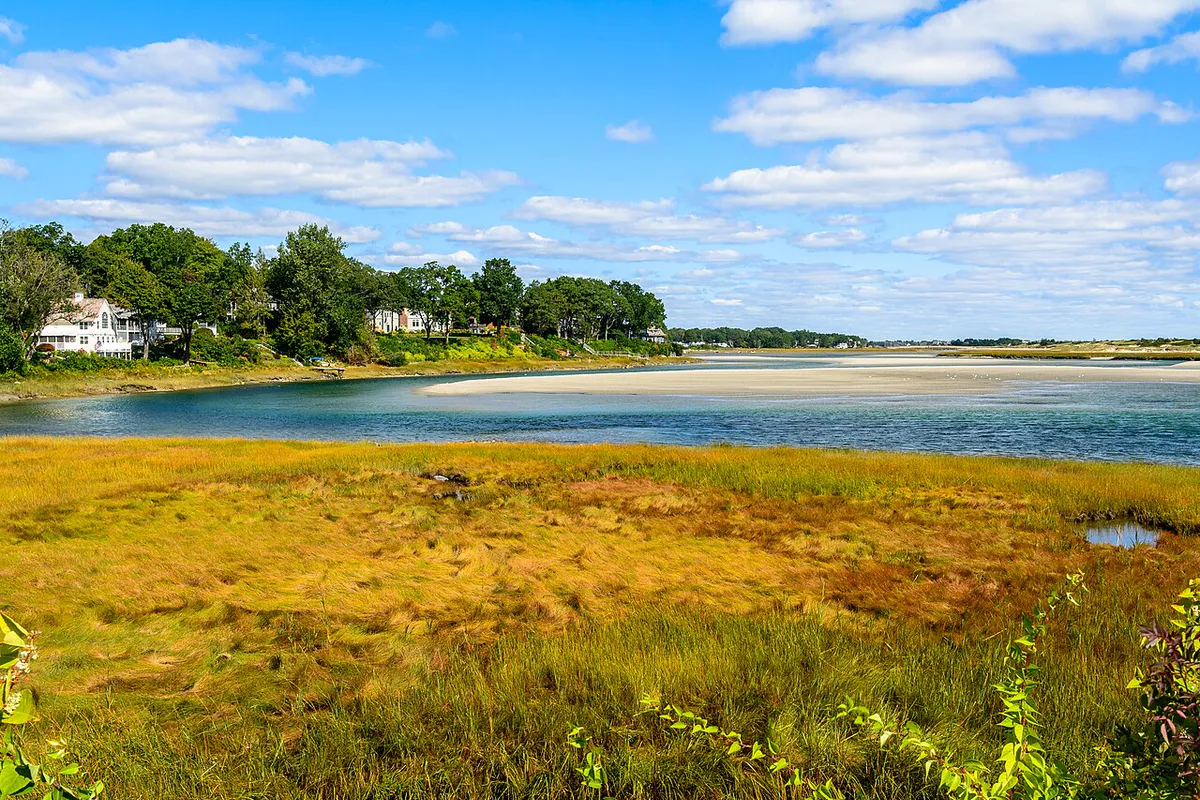


Maine water gets your gear wet in more ways than most places. A sea kayak day on the cold Gulf of Maine means saltwater coming over the deck. A week on the Allagash means rain, lake chop, and the chance of a swamped canoe. Even a summer hike can soak a pack when an afternoon storm rolls in off the coast. A dry bag is the difference between a damp annoyance and a real problem, because hypothermia in Maine is a four-season risk and a wet sleeping bag has no loft.
Here is the short answer. For saltwater sea kayaking and any trip where the bag gets abused, get the Sea to Summit Hydraulic, which is built from welded TPU-laminated fabric that does not care about rock. For a multi-day canoe trip with one big haul bag, the NRS Bill’s Bag in 110 liters is the guide standard. If you just want to keep a phone, a camera, and a dry layer safe on a calm lake paddle, the 20-liter Earth Pak Torrent does it cheaply and throws in a waterproof phone case.
| Gear | Price | Capacity | Best For | Type |
|---|---|---|---|---|
| Premium | 35 L | Sea kayaking, abuse | Welded TPU roll-top | |
| NRS Bill's BagSearch Amazon | Premium | 110 L | Canoe trips, one big bag | Backpack dry bag |
| Budget | 20 L | First dry bag | PVC + phone case | |
| Premium | 50 L | Submersion-proof duffel | Zippered dry duffel | |
| SealLine DiscoverySearch Amazon | Mid-range | 20 L | Compact gear loads | Roll-top dry bag |
| Mid-range | 35 L | Light, packs small | 70D nylon roll-top |
What’s the Difference Between a Dry Bag, a Dry Sack, and a Dry Duffel?
It matters more than it sounds, because the wrong one fails at the wrong time.
A roll-top dry bag or dry sack closes by folding the top down three or four times and clipping it. That fold is the seal, and it is splash-proof and rain-proof, not submersion-proof. Roll it tight and burp the air out and it will keep gear dry through chop and rain and a brief dunk, which covers most paddling. The lightweight versions, like the Sea to Summit Lightweight Dry Sack, are for keeping clothes and a sleeping bag dry inside your boat or pack. The heavy ones, like the Hydraulic, are for when the bag itself takes a beating.
A dry duffel like the YETI Panga seals with a waterproof zipper instead of a roll-top, which is the only design that survives full submersion. That is the bag for a boat deck where waves break over the bow, or a fly-in trip where the gear gets handled hard. It costs more and weighs more for the privilege.
The waterproof phone case is the small piece nobody packs until they lose a phone over the side. Get one. The Earth Pak Torrent comes with one rated IPX8, so the phone rides in its own sealed pouch instead of loose in a pocket.
The Dry Bags We Recommend
Sea to Summit Hydraulic 35L - Best for Sea Kayaking
Premium
Sea to Summit Hydraulic Dry Bag 35L
Who it’s forSea kayaking and whitewater where the bag takes a beating
Why we picked it600D TPU-laminated fabric shrugs off rock, ledge, and gravel-bar abrasion
Pros
- Welded seams and an interlocking roll-top keep saltwater out on real crossings
- Lash loops let you clip and strap it down inside a sea kayak hatch
- UV-stabilized fabric does not crack in cold, so it survives Maine shoulder seasons
Know before you buy
- Heavy for its size compared with a thin nylon sack
- More bag than a calm-water lake day usually needs
If you paddle the cold coast, this is the one. The Hydraulic is built from 600-denier fabric with TPU laminated to both sides, so it has two full waterproof layers and redundancy against a hole worn through by a ledge. The seams are radio-frequency welded, not sewn and taped, and the roll-top is an interlocking non-wicking closure. UV-stabilized fabric means it will not crack when you leave it in the sun or out in the cold.
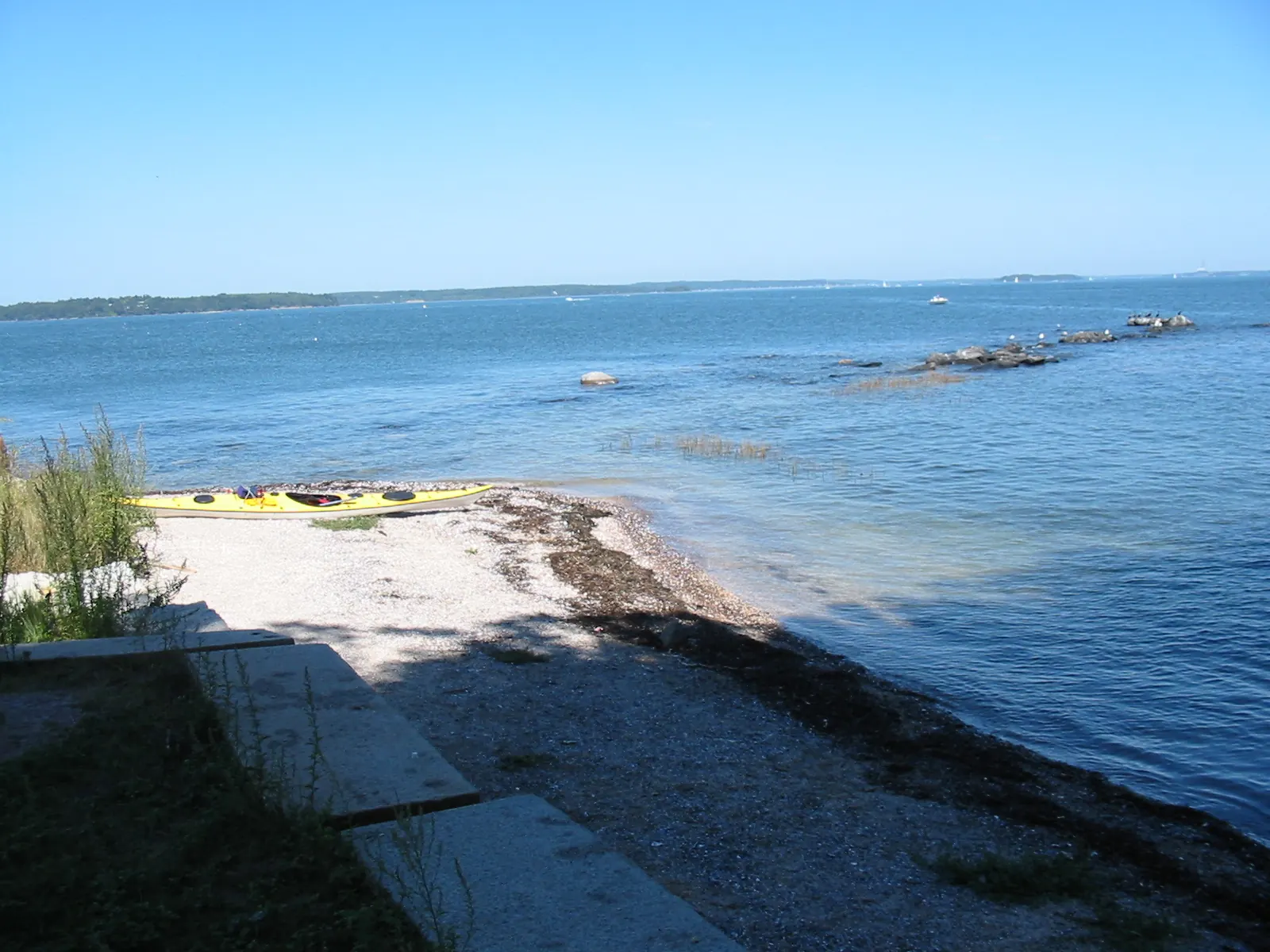
The practical detail for sea kayaking is the lash loops. You can clip the bag down inside a hatch so it does not float free if you take on water, and the oval base packs flat against the hull. This is the bag that handles a real crossing in Cobscook Bay or an open-water leg on the Maine Island Trail, where a swim is cold and a soaked sleeping bag is a genuine hazard.
The honest tradeoff is weight and price. TPU fabric is heavier than coated nylon, and this is more bag than a flatwater lake day needs. For that, drop down to the Lightweight sack below.
NRS Bill’s Bag 110L - Best for Canoe Trips
Premium
NRS Bill's Bag 110L Dry Bag
Who it’s forMulti-day canoe and raft trips that need one big haul bag
Why we picked it110 liters swallows a week of gear for an Allagash or canoe-camping trip
Pros
- Heavy TobaTex body with a reinforced bottom built for guides since 1977
- Removable padded backpack harness carries it across portages
- Four compression straps cinch a half-empty bag down so the load stays put
Know before you buy
- Huge and overkill for a day on the water
- The wide-mouth StormStrip closure rolls bulkier than a small sack
NRS has built Bill’s Bags for outfitters and guides since 1977, and the 110-liter version is the haul bag for a serious canoe trip. It swallows a week of gear for the Allagash or the Northern Forest Canoe Trail: sleeping bag, pad, clothes, and food, all in one bombproof bag. The body is heavy TobaTex with an even heavier reinforced bottom, and the StormStrip closure rolls down to a confident watertight seal.
Two features earn their keep on a trip with portages. The padded backpack harness is removable, so the bag becomes a real pack when you have to carry it around rapids or up a takeout, and comes off when you want a clean bag for flying. Four compression straps cinch a half-full bag down tight so the load does not shift and roll in the boat.
This is the wrong bag for a day paddle. It is enormous, and the wide mouth rolls bulkier than a small sack. Buy it for the trips where you want everything in one waterproof haul bag and nothing else.
Earth Pak Torrent 20L + Phone Case - Best Budget Pick
Budget
Earth Pak Torrent 20L Dry Bag with Phone Case, Orange
Who it’s forA first dry bag for casual paddling without spending much
Why we picked it20-liter roll-top bag plus an IPX8 phone case in one cheap bundle
Pros
- 500D PVC with thermowelded seams handles a kayak or canoe day without babying it
- Zippered outside pocket keeps keys and snacks handy without unrolling the top
- Backed by a 5-year warranty, which is rare at this price
Know before you buy
- PVC is heavier and stiffer than coated nylon
- Single shoulder strap on the 20L, not a real backpack harness
Most people do not need a guide-grade dry bag for an afternoon on a warm lake. They need to keep a phone, a camera, a snack, and a dry layer safe, cheaply, and the 20-liter Earth Pak Torrent does exactly that. The roll-top bag is 500-denier PVC with thermowelded seams, heavier and stiffer than coated nylon but tough enough that you will not baby it, and it comes with an IPX8 phone case that fits phones up to 6.5 inches, so your phone is not the thing that goes overboard.
Twenty liters is a sensible day-paddle size, with room for a fleece or rain shell, lunch, and a small first aid kit. A zippered pocket on the outside keeps keys and small items handy without unrolling the top, but Earth Pak rates that pocket splash-proof only, so keep electronics in the phone case or inside the rolled main bag. The 20L carries on a single adjustable shoulder strap. Earth Pak also sells this design in 5, 10, 30, and 40 liter sizes, and the 30 and 40 get backpack straps, but our link goes to the 20-liter bag in orange, which is easy to spot on the water. It carries a five-year warranty, which is unusual at this price.
It is not a sea kayaking bag for the open coast. Earth Pak says its roll-top bags are built to float and should not be held underwater for more than 5 to 10 seconds, and the PVC is not as refined as the Sea to Summit fabrics. As a first dry bag for casual paddling and rainy-day hikes, it is the easy call.
YETI Panga 50 - Best Submersible Duffel
Premium
YETI Panga 50 Submersible Duffel
Who it’s forBoat and camp gear you want sealed against a full soaking
Why we picked itHydroLok zipper stays dry even fully dunked, not just splashed
Pros
- Thick puncture-resistant shell and an EVA molded bottom for boat decks
- 50 liters is carry-on friendly for a fly-in fishing trip
- Removable shoulder straps and grab handles for hauling off the dock
Know before you buy
- The airtight zipper is stiff and needs the included lubricant to run smooth
- Empty weight is over five pounds, heavy for its size
When the bag has to survive going fully under, a roll-top is not enough, and that is what the Panga is for. It seals with a HydroLok zipper, the same idea as a drysuit zipper, so the bag stays dry dunked, not just splashed. The shell is a thick puncture-resistant material with an EVA molded bottom that takes the abuse of a wet boat deck, and the metal hardware does not corrode in saltwater.
At 50 liters it is carry-on friendly for most airlines, which makes it the bag for a fly-in fishing or hunting trip where gear gets handled rough. Removable shoulder straps and grab handles let you sling it off the dock or carry it over a portage.
Two honest cons. The airtight zipper is stiff, and you need to keep the included lubricant on it or it gets hard to run, and the empty bag is over five pounds, heavy for its size. You are paying in weight and price for a seal that nothing else here matches.
SealLine Discovery 20L - Best Compact Dry Bag
Mid-range
SealLine Discovery Dry Bag 20L
Who it’s forKeeping a compact load organized inside a boat or pack
Why we picked it20-liter capacity fits clothes, a compact sleeping bag, or food
Pros
- Roll-top design is straightforward to close and pack
- Useful middle size for a boat hatch or backpack
- Keeps smaller gear grouped inside a larger load
Know before you buy
- Smaller than a full expedition or group dry bag
- Not as burly as the heavy TPU and TobaTex bags above
The SealLine Discovery is a practical 20-liter dry bag for the gear that needs its own protected compartment. It is large enough for a change of clothes, a compact sleeping bag, or a couple of days of food without taking over an entire canoe hatch or backpack.
The roll-top format is simple to close and easy to fit among larger bags. Twenty liters is the useful middle ground between a small electronics sack and the expedition bags above, especially when you want one part of the load separated from everything else.
It is not as burly as the welded-TPU and TobaTex bags above, and it does not replace a large group bag. For organizing a compact load inside a boat or pack, though, the size is easy to use.
Sea to Summit Lightweight Dry Sack 35L - Best Lightweight Pick
Mid-range
Sea to Summit Lightweight Dry Sack 35L
Who it’s forKeeping clothes and a sleeping bag dry without the weight penalty
Why we picked itRecycled 70D nylon stays light and packs down to almost nothing
Pros
- Hypalon non-wicking roll-top closure with a D-ring at the buckle
- White interior coating makes small items easy to spot in low light
- The oval base keeps it from rolling off a sloped ledge or gravel bar
Know before you buy
- Splash and rain protection, not built for full submersion
- Thin fabric needs more care around sharp rock than a TPU bag
For backpacking and flatwater days, you want a dry bag that disappears in the pack, and this is it. The fabric is recycled 70-denier nylon, light and pliable, and it packs down to almost nothing when empty. The hypalon roll-top closure does not wick water, there is a D-ring at the buckle for clipping it down, and the white interior coating makes it easy to spot a small item inside in low light.
The oval base is a small thing that matters on a sloped Maine ledge or gravel bar, because the bag does not roll away the second you set it down. Use this one to keep your clothes and sleeping bag dry inside a backpacking pack or a canoe, not as your only line of defense against a swim.
This is a splash-and-rain bag, not a submersion bag. The thin fabric needs more care around sharp rock than the Hydraulic. The payoff is that you barely notice you are carrying it.
How Do You Pack a Dry Bag So It Actually Stays Dry?
A roll-top only seals if you use it right, and most leaks are user error.
Fill it about three-quarters full, not to the brim. You need slack fabric at the top to fold the closure down. Press the air out before you roll, because trapped air both wastes space and floats the bag awkwardly. Then roll the top down at least three times, ideally four, and clip the buckle so the rolled section is held flat. A single roll is not a seal.
Pack dry bags inside your pack or hatch by color or use, not by size. One bag for the sleeping system, one for clothes, one for food. When it rains and you need a dry layer fast, you grab the right bag without unpacking everything and exposing the rest to the weather.
For anything that absolutely cannot get wet, a phone, a wallet, a satellite messenger, double-bag it. Put it in a small dry sack inside the bigger one, or use the dedicated phone case. Redundancy is cheap insurance, and on cold Maine water a working phone is a safety item.
On a saltwater crossing, clip your dry bags to a perimeter line or inside the hatch, never just toss them loose. If you capsize and wet-exit, a loose bag floats off on the current and you are chasing it in cold water. A clipped bag stays with the boat, and so does your dry gear.
Do You Need a Dry Bag for Just a Day Paddle?
Yes, even on a calm lake. Weather turns fast in Maine, a phone in a pocket is one capsize from dead, and a dry insulating layer can matter if the wind comes up and the temperature drops on the way back. You do not need a 110-liter expedition bag for it. A small roll-top sack or the 20-liter Earth Pak with its phone case covers a day trip completely.
The bigger systems come out for the multi-day trips. If you are heading out on the Allagash or planning a coastal camping run, pair a dry bag with the rest of the kit in our kayaking gear guide, and never skip the PFD, which is the one piece of gear that is not optional on cold water.
A dry bag is not a flotation device and will not save you in cold water. The Gulf of Maine stays cold all summer, and cold-water immersion is the real danger on the coast. Wear a PFD every time, dress for the water temperature and not the air, and treat the dry bag as gear protection, not a safety device.
What to Bring
- A roll-top dry bag sized to the trip, packed three-quarters full and rolled four times
- A waterproof phone case or a small dry sack for phone, wallet, and keys
- A dry insulating layer sealed in its own bag, even on a day paddle
- Dry bags clipped to the boat or hatch, never loose
- A submersible dry duffel for boat decks and fly-in trips where gear gets dunked
- A PFD worn, not stowed
- A pump or bilge sponge for the boat if you are paddling open water
What is the best dry bag for sea kayaking in Maine?
The Sea to Summit Hydraulic in 35 liters is the strongest choice for the cold coast. Its TPU-laminated fabric and welded seams handle saltwater and rock abrasion, and the lash loops let you clip it down inside a hatch so it stays with the boat if you capsize. For most flatwater days, the lighter Lightweight Dry Sack is plenty.
Are dry bags actually waterproof, or just water resistant?
It depends on the closure. A rolled-down roll-top dry bag is splash-proof and rain-proof and survives a brief dunk, but it is not built for full submersion. A dry duffel with a waterproof zipper, like the YETI Panga, is the design that stays dry fully underwater. Roll a roll-top at least three or four times and burp the air out for the best seal.
What size dry bag do I need for a canoe trip?
For a multi-day Maine canoe trip like the Allagash, one large bag in the 100-liter range, such as the NRS Bill's Bag, holds a week of gear and carries as a pack across portages. For a day on the water you only need a small sack for a phone, a snack, and a dry layer. Many paddlers carry one big bag plus a couple of small color-coded sacks.
Do I need a waterproof phone case if I have a dry bag?
It is worth having both. A phone buried in a sealed dry bag is safe but useless when you want a photo or a map, and a phone loose in a pocket is one capsize from gone. A waterproof phone case keeps it reachable and lets you shoot through the window, while the dry bag protects everything else.
Can I use a dry bag for backpacking and rainy hikes too?
Yes, and a lightweight roll-top sack is one of the best ways to rain-proof a hike. Pack a recycled-nylon sack like the Sea to Summit Lightweight inside your pack to keep your sleeping bag and spare clothes dry, since most pack rain covers leak at the seams in a real Maine downpour. A liner sack inside the pack is more reliable than a cover over it.