The Easternmost Point
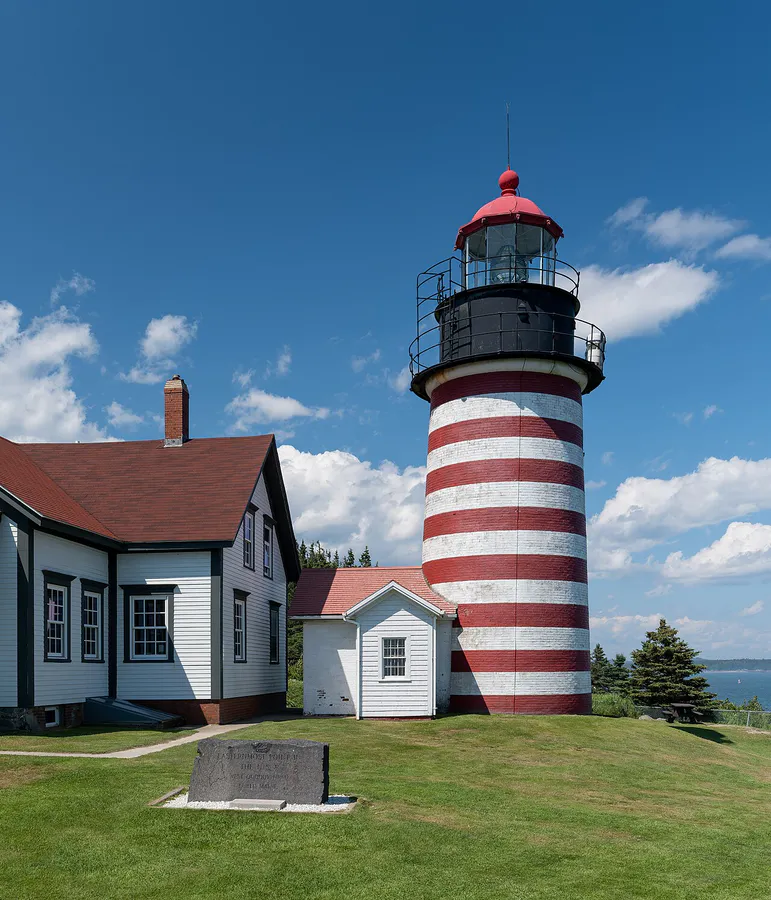
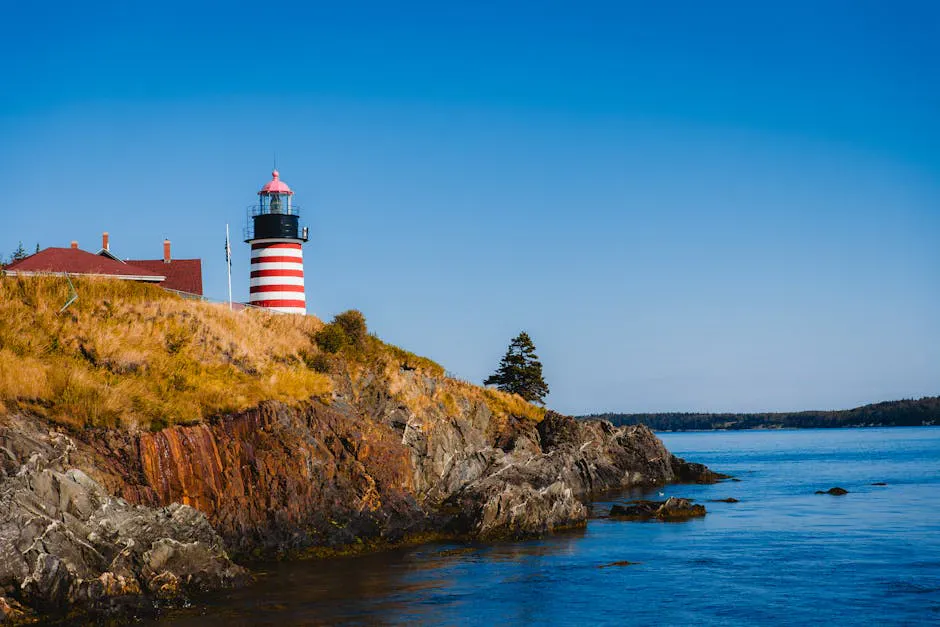
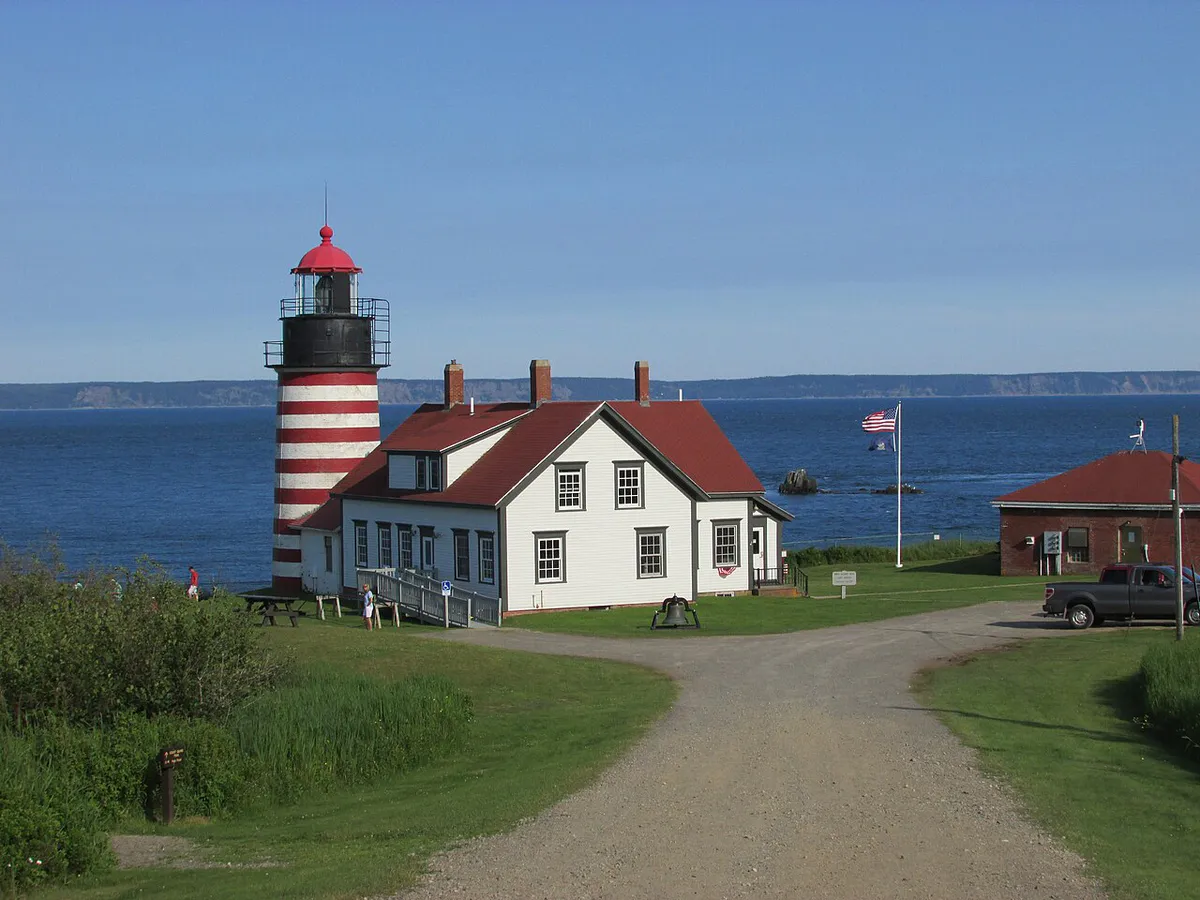
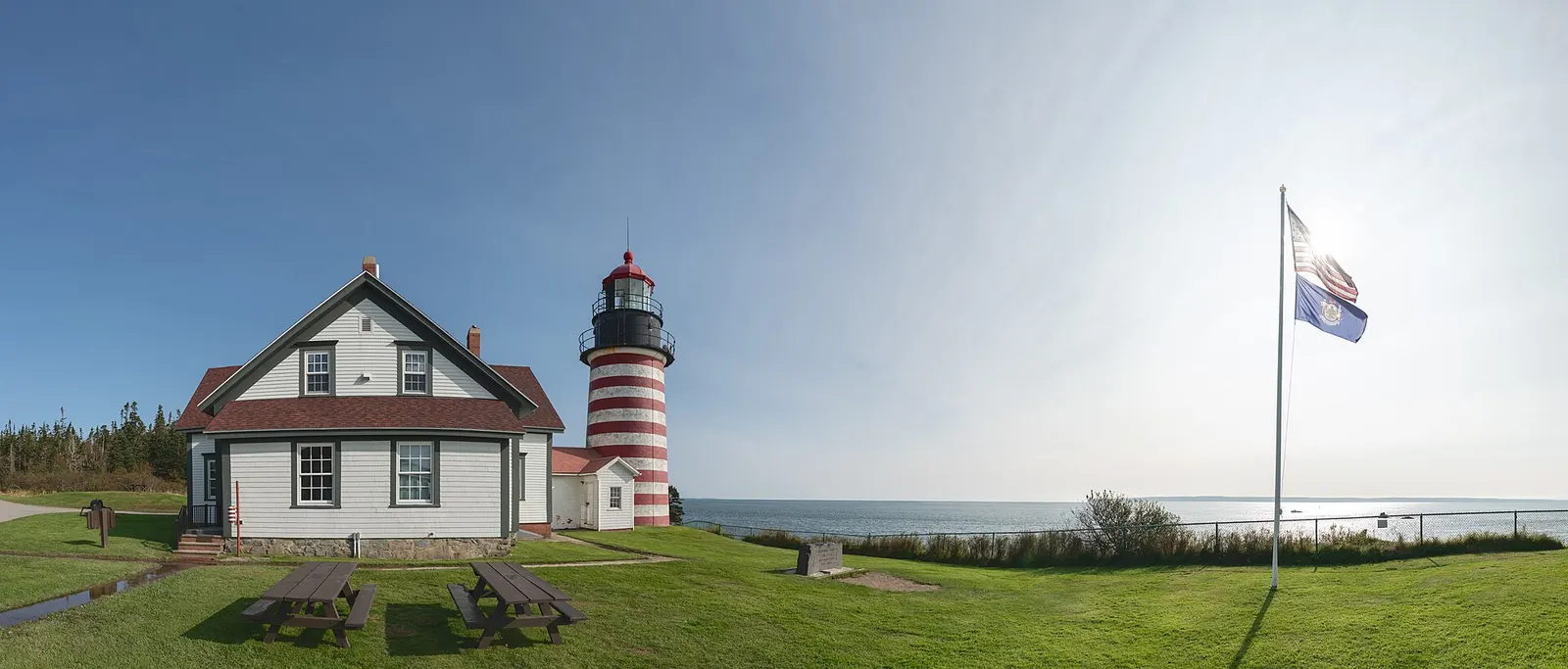
Quoddy Head State Park occupies 541 acres at the tip of a peninsula in Lubec, Maine, and holds the distinction of being the easternmost point of land in the continental United States. The park is best known for the West Quoddy Head Lighthouse, a candy-striped red-and-white tower that has guided mariners through the fog and currents of the Bay of Fundy approaches since 1808. The current tower, built in 1858, is one of the most photographed lighthouses in New England.
The park sits on a stretch of coast where the Bay of Fundy meets the Gulf of Maine. Tidal currents are strong, fog is frequent, and the landscape has the raw, windswept character that defines Downeast Maine. On clear days, you can see Grand Manan Island across the water in New Brunswick, Canada, roughly ten miles to the east.
This is remote Maine. Lubec is the easternmost town in the United States, and getting here requires commitment. The reward is a coastline that feels closer to the Scottish Highlands than to the tourist beaches of southern Maine.
The Lighthouse
The West Quoddy Head Light is an active aid to navigation maintained by the US Coast Guard. Its 15 alternating red and white horizontal stripes make it instantly recognizable. The stripes were added in 1858 to improve visibility against snow and fog, and they have become the tower’s signature.
The lighthouse grounds are within the state park, and you can walk right up to the base of the tower (see our West Quoddy Head Lighthouse guide for its history in detail). The tower itself is not open to the public, but the former keeper’s house operates as a visitor center and museum run by the West Quoddy Head Light Keepers Association, with exhibits on the lighthouse’s history, local maritime heritage, and the ecology of the surrounding coast.
Arrive early in the morning for the best light on the lighthouse. Around the spring and fall equinoxes this coast catches the first sunrise in the United States, and photographers line up at the tower for dawn shots all summer. The fog often burns off by mid-morning, opening up views across the bay.
Trails
The park has approximately 5 miles of trails that range from easy walks to moderate coastal hikes over rocky terrain.
Coastal Trail
The Coastal Trail is the park’s centerpiece, running about 2 miles along the cliffs south of the lighthouse (4 miles round trip; our Coastal Trail hiking guide covers it step by step). The trail hugs the edge of dark gabbro cliffs with views over the open ocean and Grand Manan. At 0.3 miles it passes Gulliver’s Hole, a tall, narrow chasm where waves surge in and out; farther on, High Ledge is the highest viewpoint, and Green Point is the usual turnaround. The rock formations along this stretch are striking, with columnar basalt, sea caves, and tidal pools visible from above. Sections of the trail are rooty and rocky, requiring decent footwear and attention to footing.
Bog Trail
The Bog Trail leads through a subarctic raised peatbog, one of the southernmost examples of this habitat type on the Atlantic coast. A boardwalk section crosses the bog, where you can find carnivorous sundew and pitcher plants, Labrador tea, sphagnum moss, and baked-apple berry. The bog is a fragile environment, and the boardwalk keeps visitors on the designated path. The plants bloom in late June and July, when pitcher plants put up red-purple flowers.
Inland Trail
The Inland Trail is a 0.75-mile loop through the spruce-fir forest that covers much of the park’s interior. It is the easiest walk in the park and provides a quiet alternative to the more exposed coastal sections. The 1.25-mile Thompson Trail links the Bog Trail to the Coastal Trail for loop options, and the short Coast Guard Trail leads out to a high cliff overlook.
Walk the Coastal Trail all the way to its southern end at Carrying Place Cove, about 1,200 feet of sandy beach backed by dark spruce forest, with the park’s second bog, Carrying Place Cove Bog, a National Natural Landmark, nearby. On a foggy day it feels like the edge of the world, and most visitors turn back before reaching it. The water stays very cold even in August, and there is no lifeguard.
Wildlife
The park’s coastal cliffs and surrounding waters support a variety of seabirds, including common eiders, black guillemots, razorbills, and Atlantic puffins on nearby Machias Seal Island. Harbor seals and gray seals are frequently visible on exposed ledges at low tide. Bald eagles patrol the coastline year-round.
The peatbog is a habitat island, supporting plant species typically found much farther north. The combination of maritime climate and acidic peat creates conditions more common in Labrador or Newfoundland.
During fall migration, the headland is a good spot for watching hawks, warblers, and other passerines moving south along the coast.
When to Go
Spring
The park opens mid-May. Spring comes slowly to Downeast Maine. Cool, foggy days are common. Migrating birds begin arriving.
Summer
Long days and the warmest weather the region offers. Fog is frequent but adds atmosphere. Wildflowers bloom in the bog. The lighthouse museum is open.
Fall
Foliage arrives by late September. Fewer visitors, clear air, and hawk migration along the coast. Nights turn cold.
Winter
The park is closed mid-October through mid-May. The area is accessible, but services in Lubec are extremely limited in winter.
Summer is the primary season. July and August bring the warmest days, though temperatures rarely top 75 degrees and fog can roll in at any time. Fall offers clear skies and solitude.
Practical Notes
Quoddy Head State Park is a day-use park only. There is no camping within the park. The nearest campground is Cobscook Bay State Park in Edmunds Township, about 20 miles north.
The park entrance is at the end of South Lubec Road, about 4 miles from downtown Lubec. Day-use fees are collected at the gate. The park is staffed May 15 through October 15. Off-season, the trails stay open: park outside the gate and walk in. Restrooms and picnic tables are available near the lighthouse.
The coastal cliffs are unfenced and the rock can be slippery when wet. Stay on marked trails and keep a safe distance from cliff edges, especially on foggy days when visibility is limited and the rock is damp.
Services in Lubec are limited. There is a general store, a few restaurants, and a gas station, but no large grocery store. Stock up in Machias or Calais before driving in. Cell service is spotty throughout the park and much of the Lubec peninsula.
Packing List
Quoddy Head Day Visit
- Sturdy hiking shoes (coastal trail is rocky and rooty)
- Rain jacket and layers (fog and wind are common even in summer)
- Binoculars for seabird and seal watching
- Camera (the lighthouse is one of the most photogenic in Maine)
- Water and snacks (no concessions in the park)
- Bug spray (black flies in June, mosquitoes in the bog)
- Cash for park entrance fee
Getting There
From Bangor, take Route 1A east to Ellsworth, then Route 1 east through Machias to Whiting. Turn south on Route 189 toward Lubec, then follow South Lubec Road to the park entrance. The drive from Bangor is about 2.5 hours. From Portland, allow 5 hours via I-295 and Route 1.
Lubec is also accessible from Campobello Island, New Brunswick, via the international bridge, though you will need a passport or enhanced driver’s license for the border crossing.
FAQ
Is Quoddy Head really the easternmost point in the US?
Yes. West Quoddy Head is the easternmost point of land in the continental United States. The easternmost point in all US territory is Point Udall in the US Virgin Islands.
Can I go inside the lighthouse?
The tower itself is not open to the public. The former keeper's house operates as a visitor center and museum during the summer season, with exhibits on lighthouse history and local ecology.
Can I camp at Quoddy Head State Park?
No. Quoddy Head is a day-use park only. The nearest campground is Cobscook Bay State Park, about 20 miles north in Edmunds Township.
Are dogs allowed?
Yes. Dogs are allowed on trails but must be on a leash no longer than 6 feet at all times.
Why are there red and white stripes on the lighthouse?
The 15 alternating red and white stripes were added in 1858 to make the tower more visible against snow and fog. The pattern is called a daymark and helps mariners identify the lighthouse during daylight and low-visibility conditions.