The Last Great Drop on the Allagash
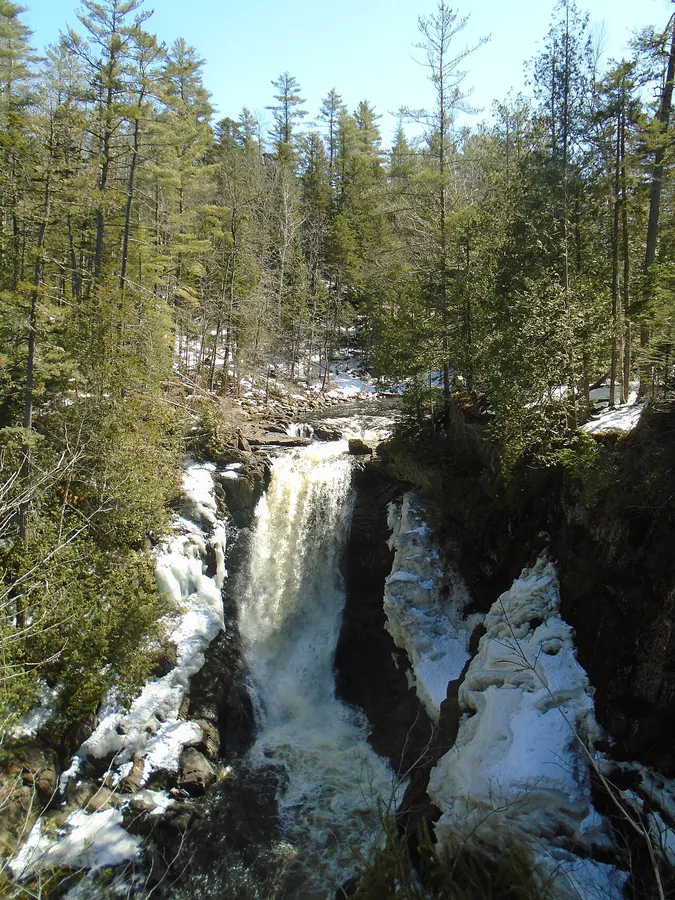
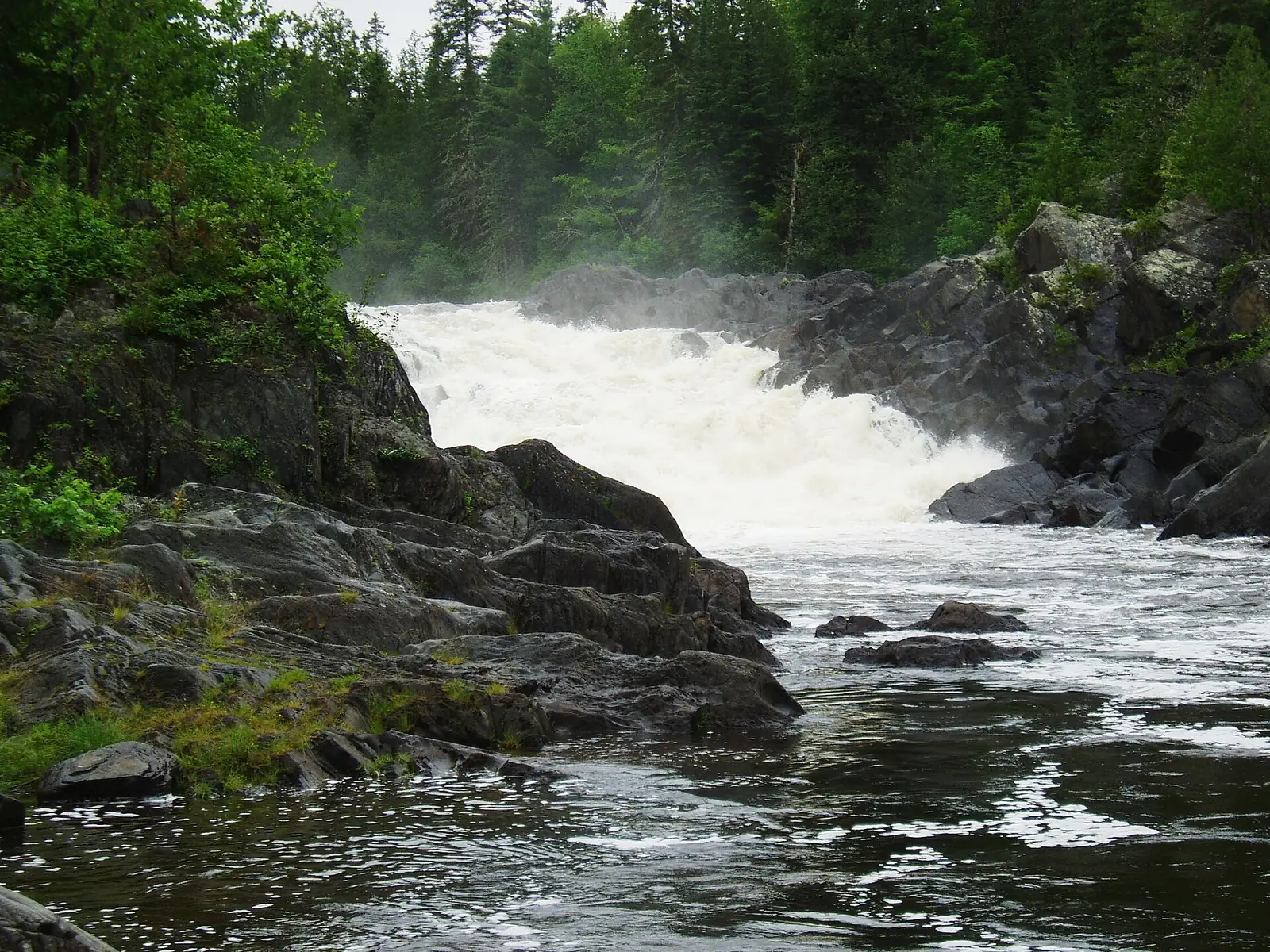
Allagash Falls is a 40-foot drop on the Allagash River, near the lower end of the Allagash Wilderness Waterway, and for many paddlers it is the highlight of the whole trip. After days of moving through lakes and quiet river miles in some of the most remote country in the eastern United States, the river suddenly steps off a ledge and pours down in a wide, loud cascade. It comes not long before the Allagash joins the St. John at the village of Allagash, so it tends to be one of the last big moments of a wilderness journey rather than the first.
There is no road to the falls. The only way to reach them is by canoe, which is the whole point of the Allagash Wilderness Waterway, the protected ribbon of lakes and river that the State of Maine manages as a wild canoe route. The falls are part of that experience, earned over many paddled miles, not pulled off a parking lot.
The Portage
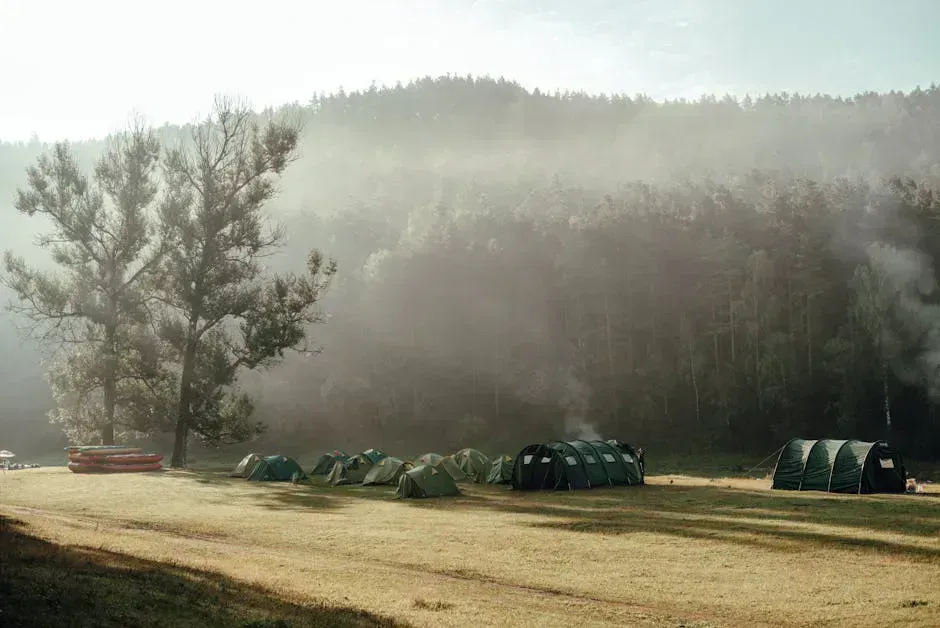
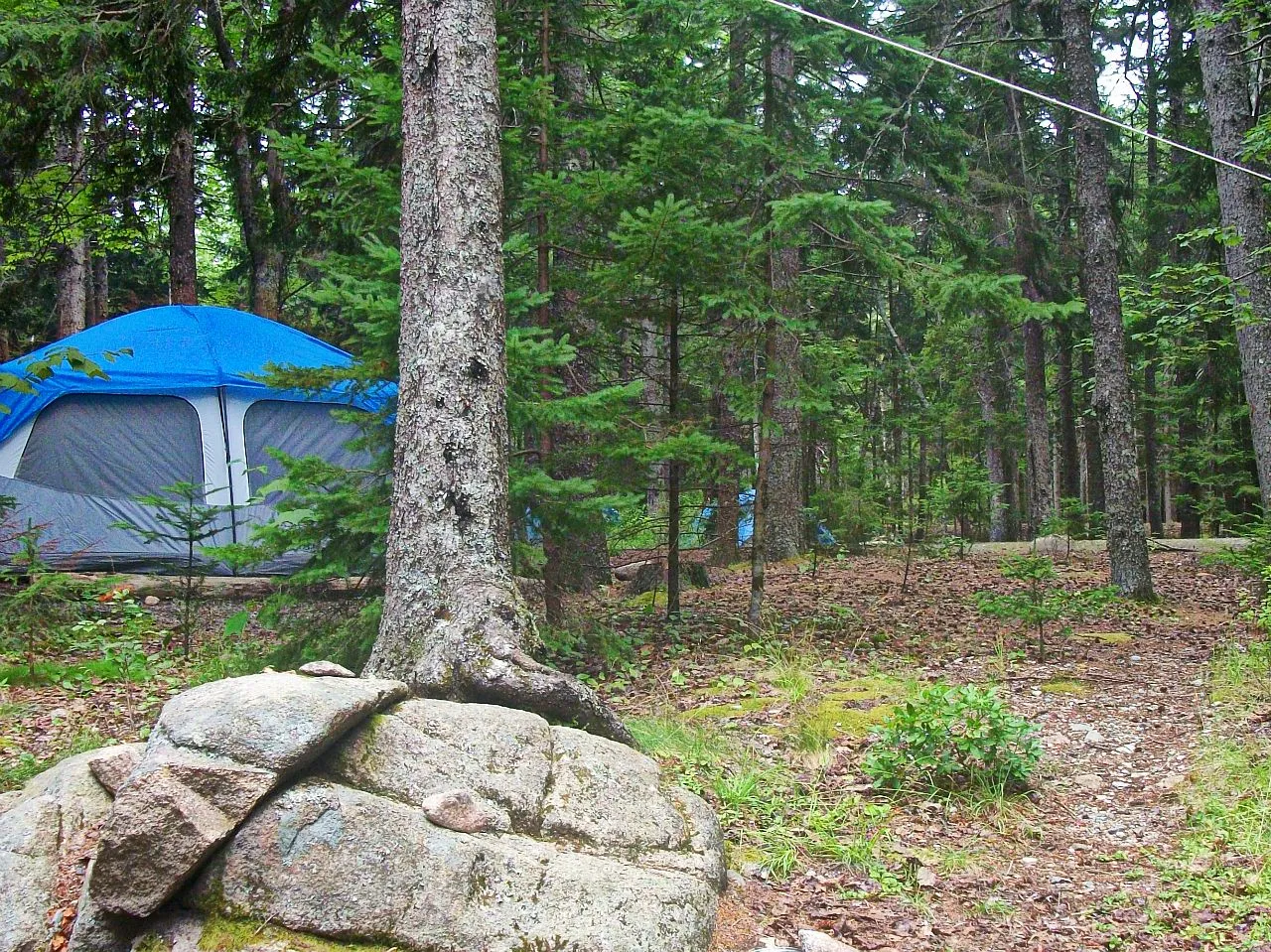
You do not run Allagash Falls. Every paddler portages around it, and there is a maintained carry trail of roughly a third of a mile along the bank. Boats and gear come out above the falls, get carried down the portage trail, and go back in below. There are campsites at the falls, which makes this a natural and popular place to spend a night, with the cascade right there.
Get out of the river well above the falls. The current builds as it approaches the drop, and being swept over a 40-foot ledge is fatal. Watch for the takeout and the portage signs, and do not cut it close in high or pushy water. The rocks around the falls are slick, the water is cold, and this is far from any help. Swimming is not allowed at the falls.
Because this is true wilderness, you have to be self-sufficient. There is no cell service, no road access, and rescue is hours away at best. Carry a first aid kit, know the route, and watch the river level.
Getting There
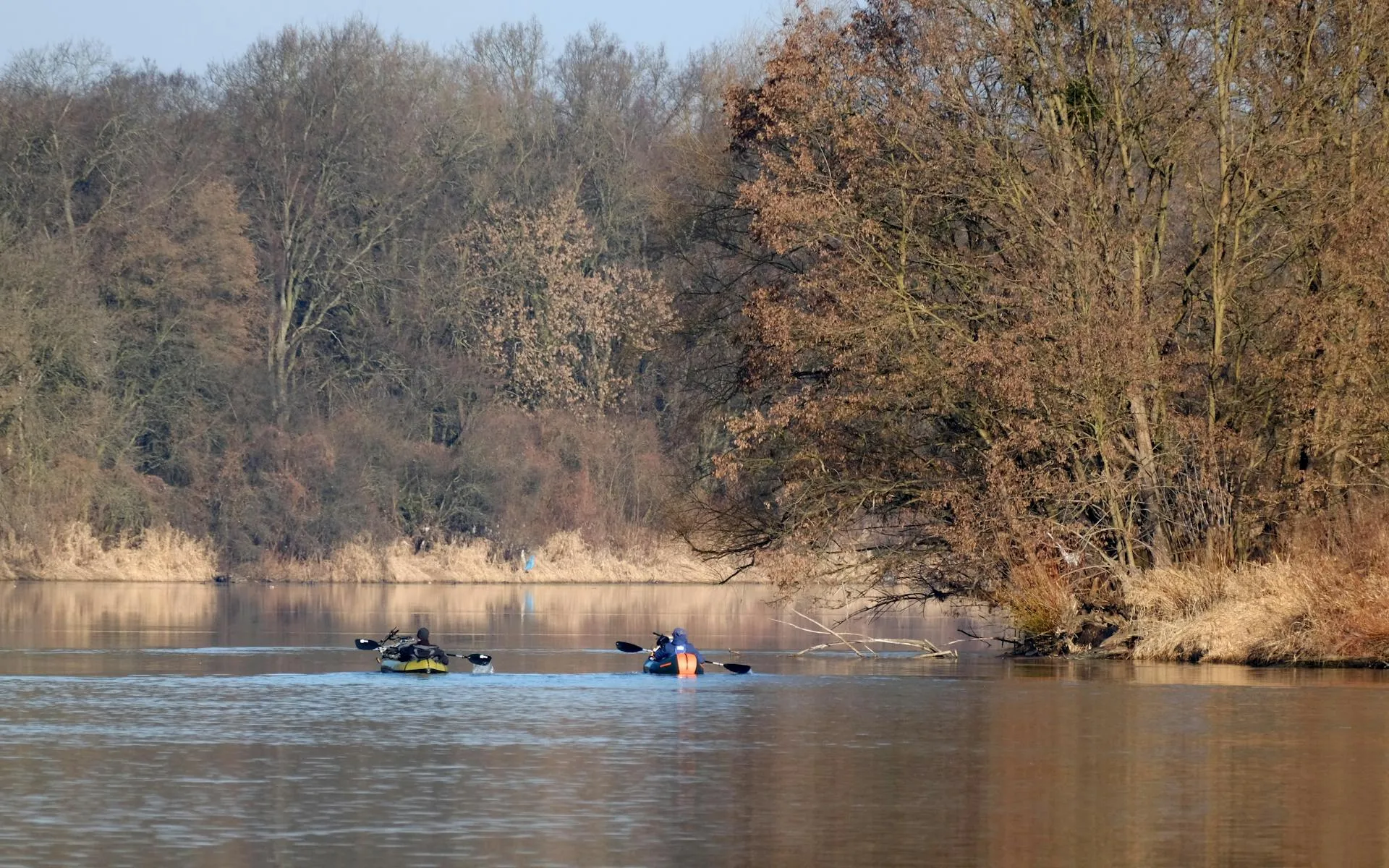
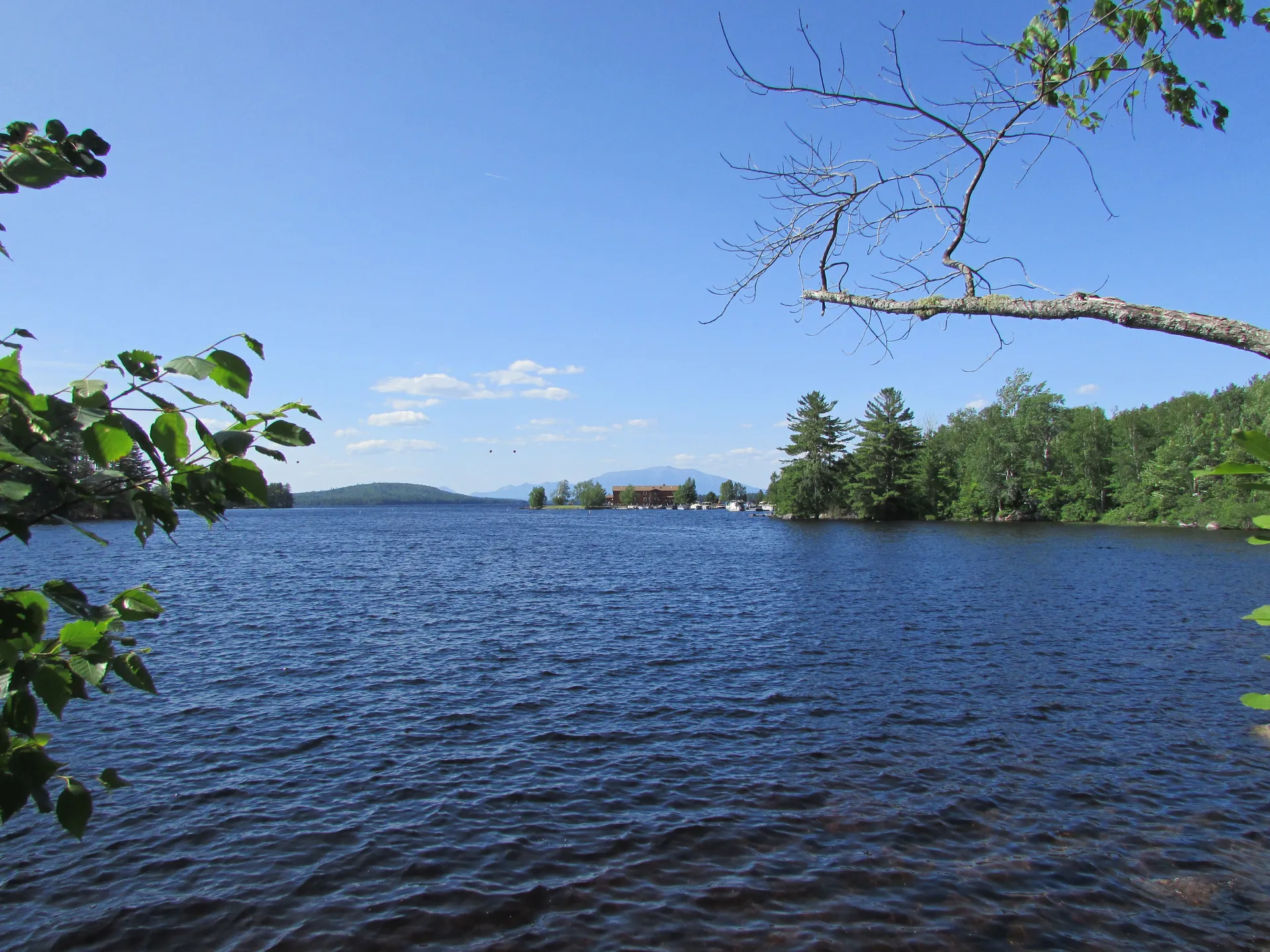
You reach Allagash Falls by canoe on the Allagash Wilderness Waterway. Most trips put in far upriver, on the chain of lakes such as Chamberlain Lake, and paddle north over several days, reaching the falls in the lower part of the waterway before the takeout near Allagash village above the St. John River. Access to the put-ins is over private logging roads in the North Maine Woods, where gate fees and long gravel drives are normal.
This is a planned multi-day expedition, not a day trip. Register and pay the waterway fees with the Maine Bureau of Parks and Lands, get a fire permit for campsites, and arrange your shuttle before you launch.
If you are building an Allagash trip, plan your nightly campsites in advance and consider timing your stay so you camp at the falls. Waking up next to Allagash Falls is one of the best nights on the whole waterway, and the site is popular, so it pays to plan around it.
When to Visit
Spring
High, cold, fast water from snowmelt. The falls roar, but the river is more demanding and the bugs are arriving. Experienced trippers only.
Summer
The main paddling season. Warmer water, settled weather windows, and the most reliable conditions for a multi-day Allagash trip.
Fall
Cool air, fewer bugs, and foliage along the river. Days shorten and weather turns; trips need to be timed before the cold sets in.
Winter
The waterway is not a winter paddling destination. Snow, ice, and remoteness put it out of reach for canoe trips.
The falls run year-round on a major river, but access is dictated by the open-water paddling season. Midsummer through early fall is the realistic window for an Allagash trip that includes the falls.
Packing List
Allagash Falls (Multi-Day Canoe Trip)
- Properly fitted life jacket for every paddler
- Dry bags for gear and food
- Water filter or purification
- Strong bug protection (head net, repellent)
- Fire permit and waterway registration
- Map of the Allagash Wilderness Waterway and campsites
- First aid kit and emergency communication (satellite messenger)
- Food for the full trip with margin for delays
FAQ
How tall is Allagash Falls?
About 40 feet. It is the largest drop on the Allagash River and a highlight of the Allagash Wilderness Waterway.
Can you drive to Allagash Falls?
No. There is no road to the falls. The only way to reach them is by canoe on the Allagash Wilderness Waterway, a multi-day paddling trip.
Do you portage around the falls?
Yes. Every paddler portages. There is a maintained carry trail of roughly a third of a mile along the bank. You take out above the falls and put back in below them.
Can you camp at the falls?
Yes. There are campsites at Allagash Falls, which makes it a popular overnight stop. A fire permit is required, and waterway fees apply.
Is it dangerous?
The falls themselves are deadly to run, so you must take out well above them. The whole trip is remote wilderness with no road access, no cell service, and slow rescue, so paddlers must be experienced and self-sufficient.
For the full route, see the Allagash Wilderness Waterway and the Allagash River.