





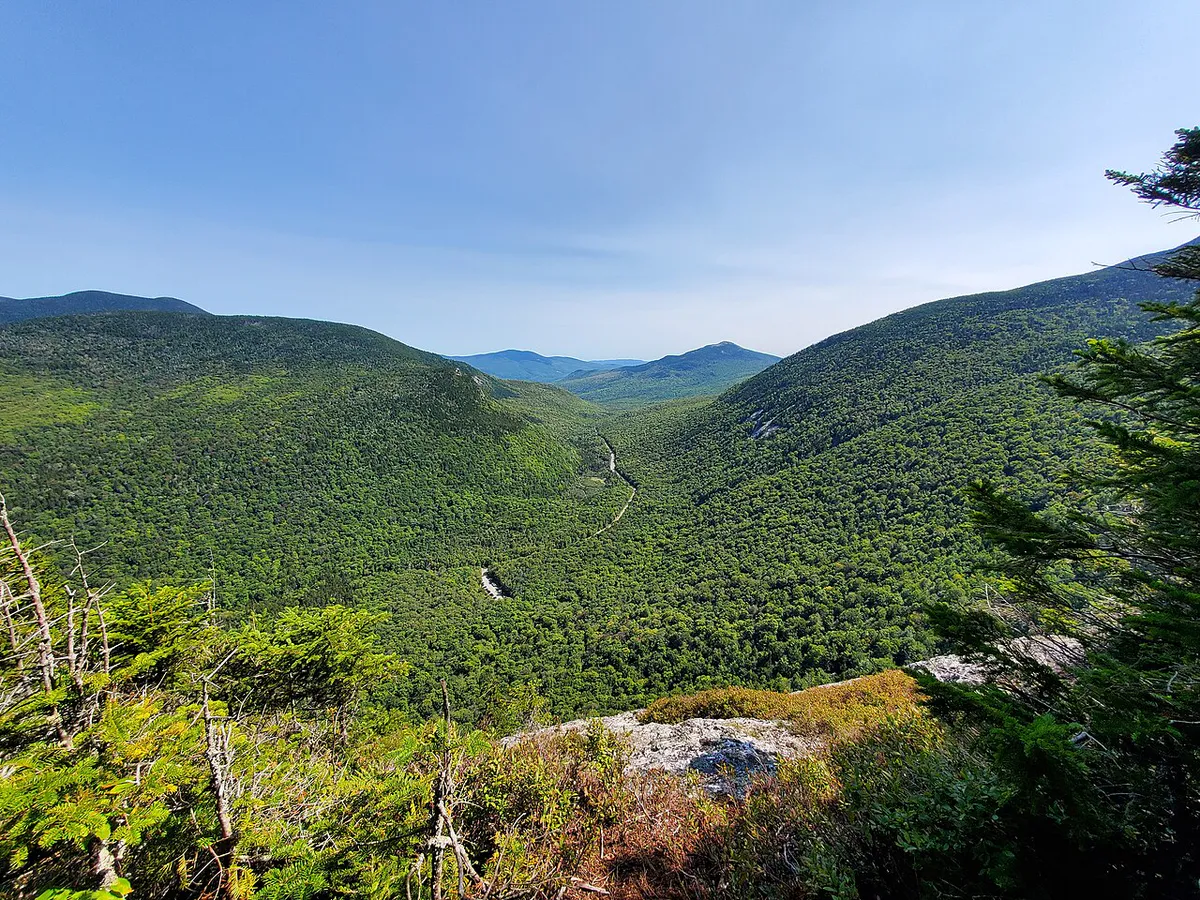
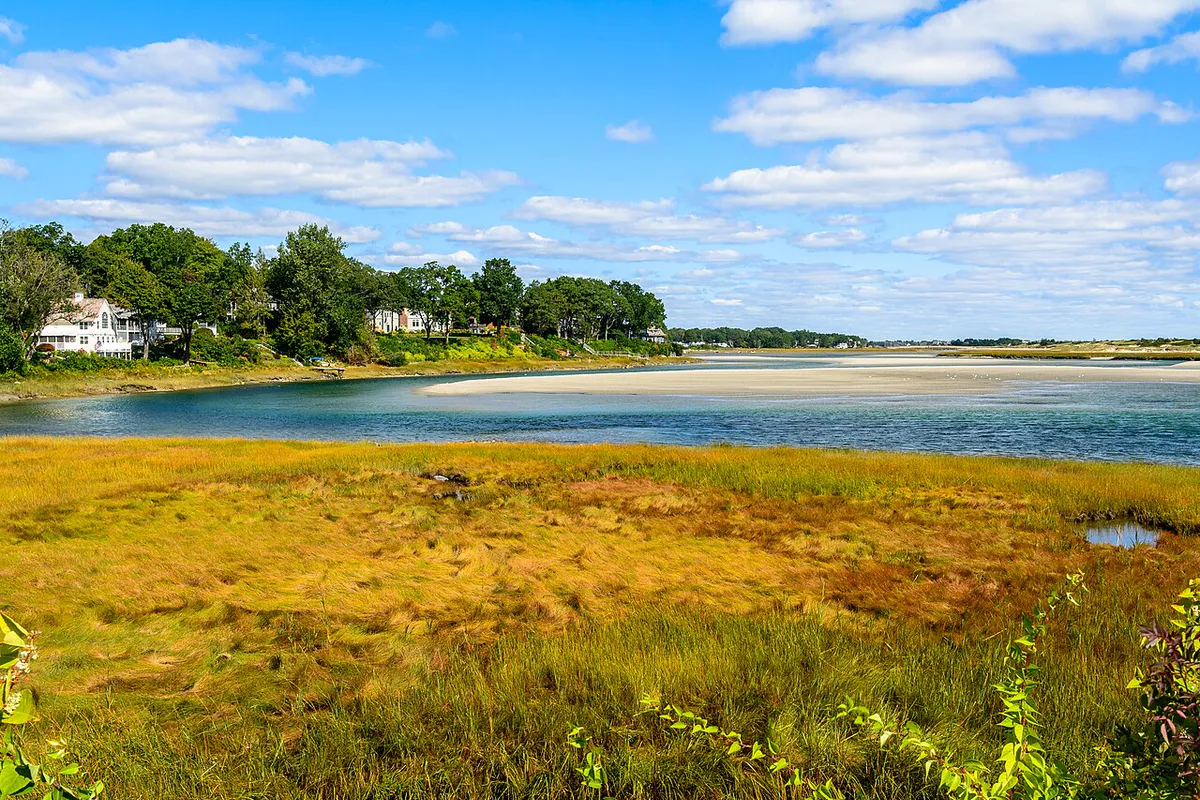

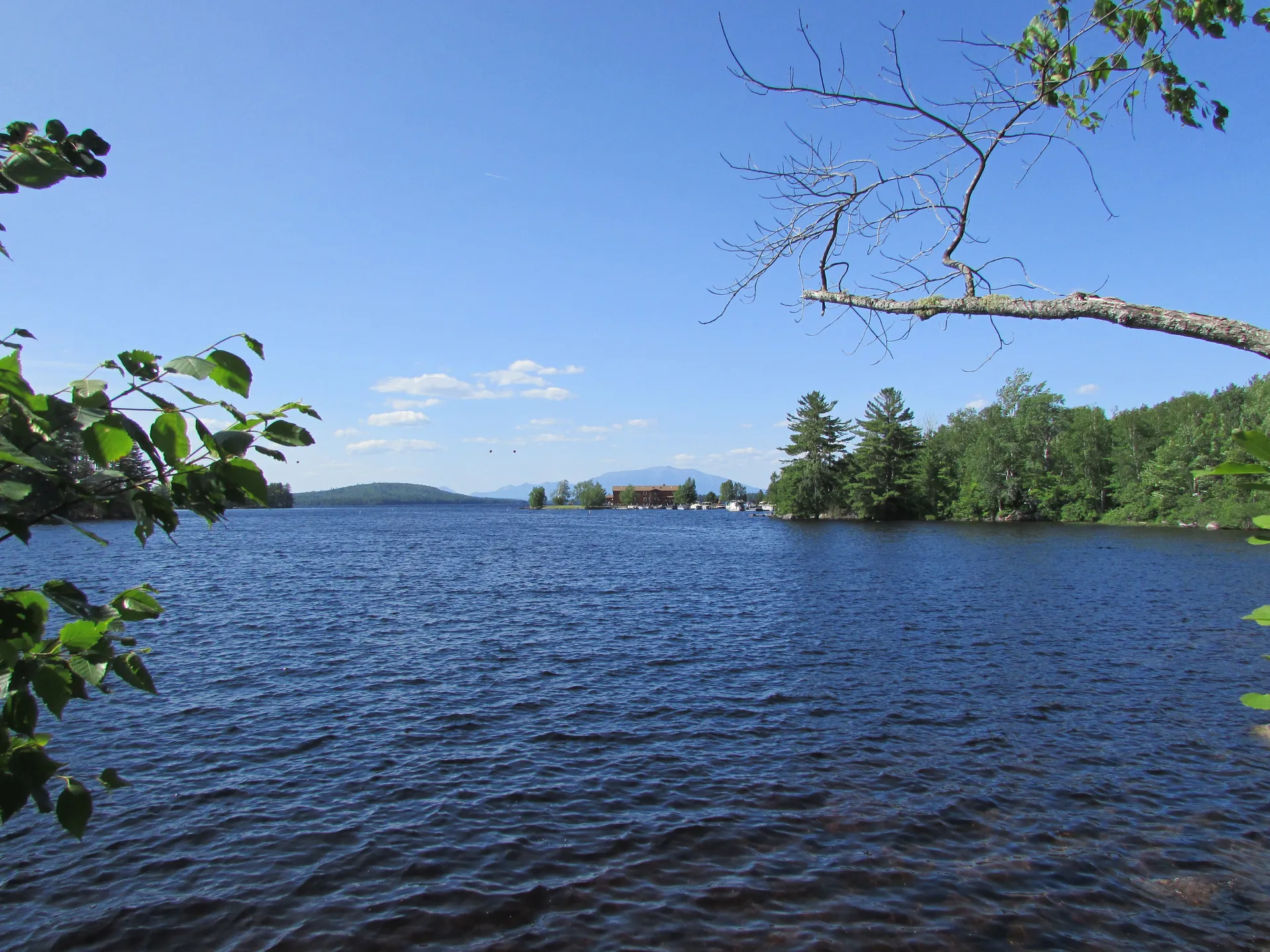
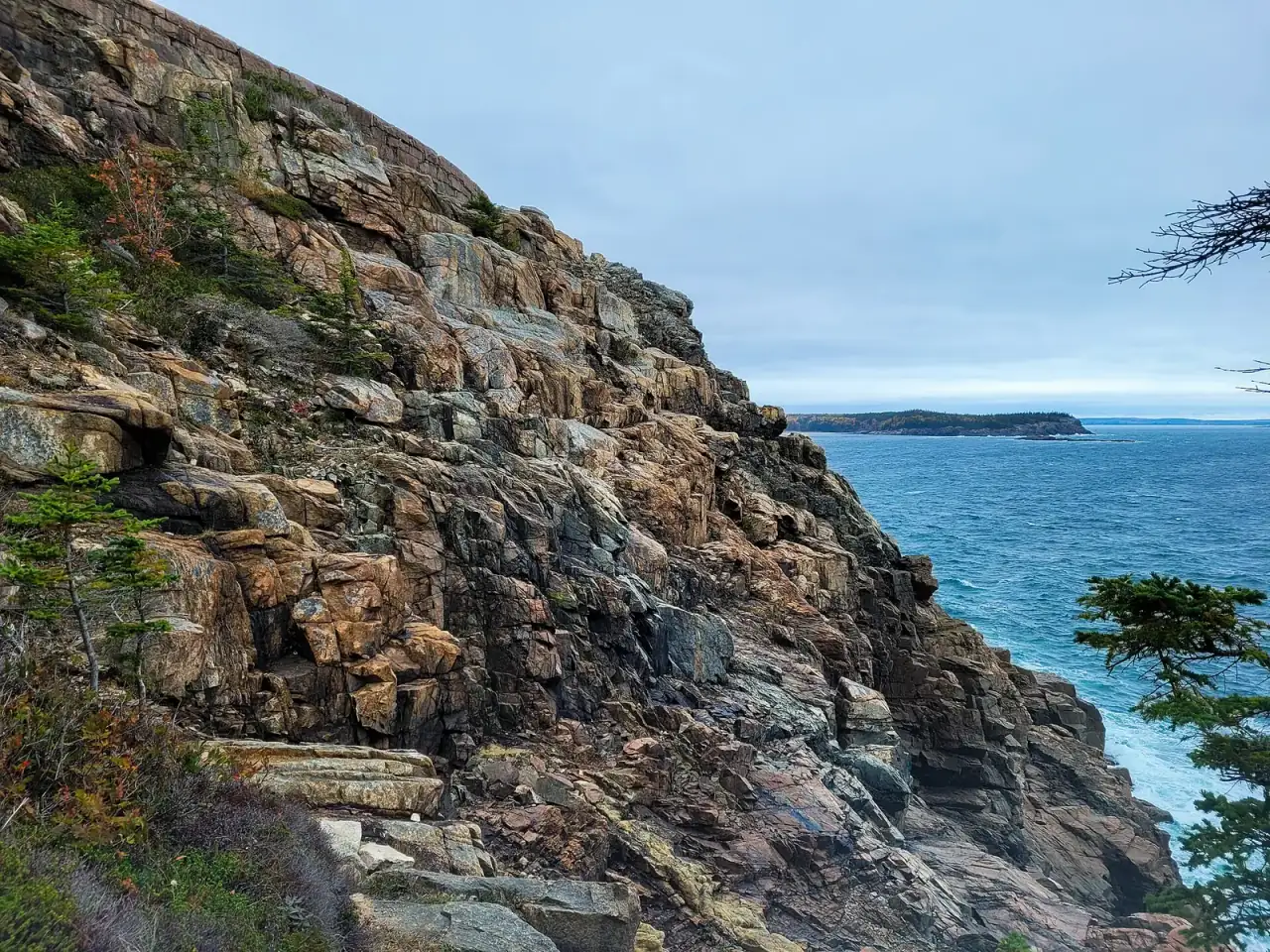
You do not have to choose between hiking and being eaten alive. Some trails in Maine stay relatively bug-free even during peak season, when blackflies own the forests and mosquitoes patrol every stream crossing. The secret is simple: bugs hate wind, sun, and exposed rock. The trails on this list give you all three.
If you have been avoiding Maine hiking in June because of the bugs, this is the guide that changes your mind. Pick the right trail and the right conditions, and you can hike comfortably while everyone on the shaded valley trails is swatting and cursing.
| Trail | Type | Region | Why It's Bug-Free |
|---|---|---|---|
| Ocean Path | Coastal | Acadia | Constant ocean breeze, full sun exposure |
| Quoddy Head Coastal Trail | Coastal | Downeast | Headland wind, exposed cliffs |
| Bold Coast Trail | Coastal | Downeast | Wind-scoured cliff sections |
| Marginal Way | Coastal | Southern Maine | Paved, mostly unshaded, ocean wind |
| Cadillac Mountain | Summit | Acadia | Above treeline, 360-degree exposure |
| Beehive Trail | Summit | Acadia | Exposed granite cliff face |
| Mount Battie | Summit | Camden | Open summit, Penobscot Bay breeze |
| Gorham Mountain | Summit | Acadia | Open granite, ocean views |
| Sargent Mountain | Ridge | Acadia | One of the longest above-treeline ridges in Acadia |
| Pleasant Mountain Ledges | Ridge | Western Maine | Open ledges, less canopy |
Why Some Trails Have Fewer Bugs
Not all trails are created equal for insects. The difference between a miserable hike and a comfortable one usually comes down to four factors.
Wind. Blackflies and mosquitoes are weak fliers. Sustained wind above 5 to 8 mph keeps them grounded or blows them off course. Coastal headlands and exposed summits get consistent wind that flying insects simply cannot fight. Check the forecast for wind speed before you choose a trail. Anything above 10 mph and you are in good shape.
Elevation. Above treeline means fewer bugs. No standing water, no leaf litter, no shade for them to rest in. The bugs that breed in forest streams rarely venture onto open granite. Once you clear the canopy, the situation improves dramatically.
Exposed rock. Granite ridges and coastal cliffs lack the vegetation where insects breed and shelter. Blackflies need flowing water for their larvae. Mosquitoes need standing water. Bare rock has neither. Trails that cross open ledges for significant stretches are reliably better.
Coastal breeze. Ocean wind is the most consistent and reliable bug deterrent in Maine. It blows almost every day, and the salt air seems to keep insects away even when the wind is light. Coastal trails are your safest bet during the worst weeks of bug season.
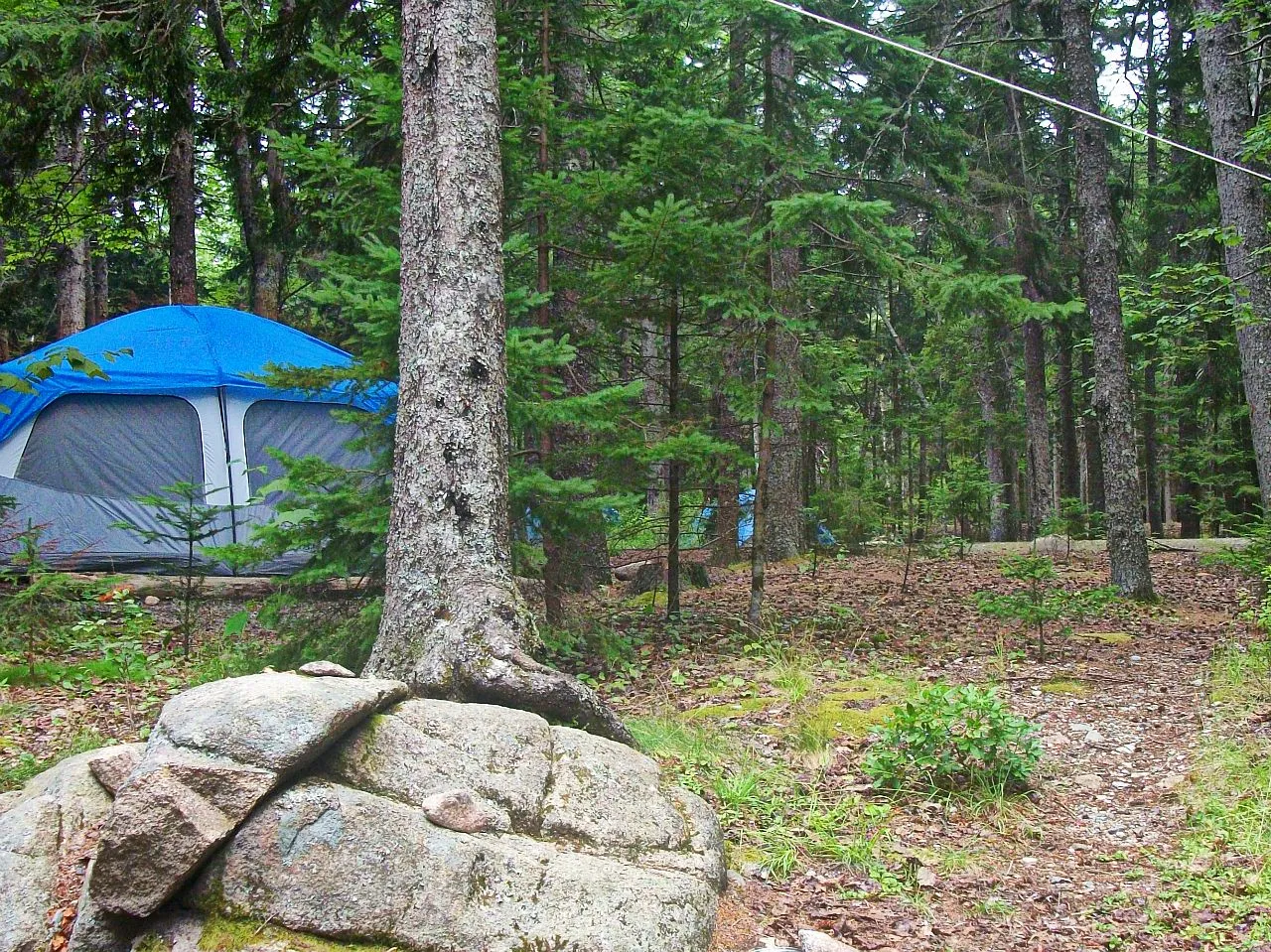
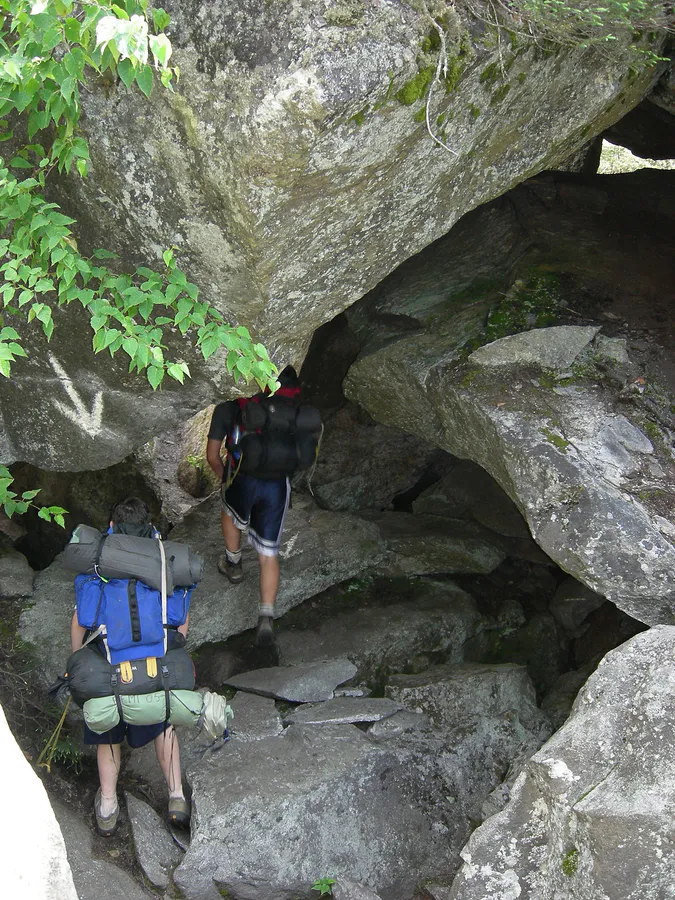
The worst trails are the opposite of all this: low elevation, near streams, dense canopy, sheltered from wind. If a trail follows a brook through a spruce forest at 1,000 feet, expect bugs. If it climbs onto open granite with ocean views, expect relief.
Best Coastal and Island Trails
1. Ocean Path, Acadia
Probably the most bug-free hike in the state. This partially paved trail runs along Acadia’s coastline from Sand Beach to Otter Point, fully exposed to the Atlantic for the entire 4.4 miles. Ocean breeze blows steadily across the trail. There is no canopy, no standing water, and no shelter for insects. Even during peak blackfly season in early June, Ocean Path is comfortable.
The views are world-class too. Pink granite ledges, Thunder Hole, Monument Cove. You are not compromising on scenery by choosing a low-bug trail here. You are choosing one of the best hikes in Maine, period.
2. Quoddy Head Coastal Trail
Maine’s easternmost point catches ocean wind from almost every direction. The coastal trail at Quoddy Head crosses exposed headlands, cliff edges, and bog boardwalks where bugs struggle to hold on. The wind off the Bay of Fundy is persistent and often strong enough to make you zip up your jacket, which also means no blackflies landing on your neck.
Bugs do exist here. The short forested sections between cliff viewpoints will remind you of that. But the exposed stretches are clean, and the headland views make this one of the most underrated hikes Downeast.
3. Bold Coast Trail
The cliff sections along the coast are wind-scoured and functionally bug-free. Hundred-foot sea cliffs facing the open Atlantic leave insects nowhere to hide. These are the sections you hike the Bold Coast for, and they deliver on both scenery and comfort.
Fair warning: the inland forest sections connecting the coastal stretches are a different story. Dense spruce, sheltered from wind, buggy in June. Time your breaks for the cliff viewpoints rather than the forest, and you will be fine. The payoff views are all on the exposed sections anyway.
4. Marginal Way, Ogunquit

A paved cliff walk along the southern Maine coast. Minimal shade, minimal tree cover, constant ocean breeze. Calling it a hike is generous, but calling it bug-free is accurate. Walk from Perkins Cove north toward Ogunquit Beach on a breezy morning and you will not see a single blackfly. The 1.25-mile path is fully exposed to sun and salt air the entire way.
This is the trail to recommend when someone says they refuse to hike in Maine during bug season. It is proof that comfortable options exist.
Best Exposed Summit Hikes
5. Cadillac Mountain

The highest point on the North Atlantic coast sits above treeline with 360-degree exposure. Wind is nearly constant on the summit, and the open granite leaves no place for insects to shelter. On most days from May through September, the summit of Cadillac is reliably bug-free.
The South Ridge Trail has some buggy sections in the trees during the lower third of the climb. If you want to avoid those, drive up and do the short summit loop instead. But even on the South Ridge, the upper half above treeline is clean. Once you step onto open rock, the bugs fall behind.
6. Beehive Trail, Acadia
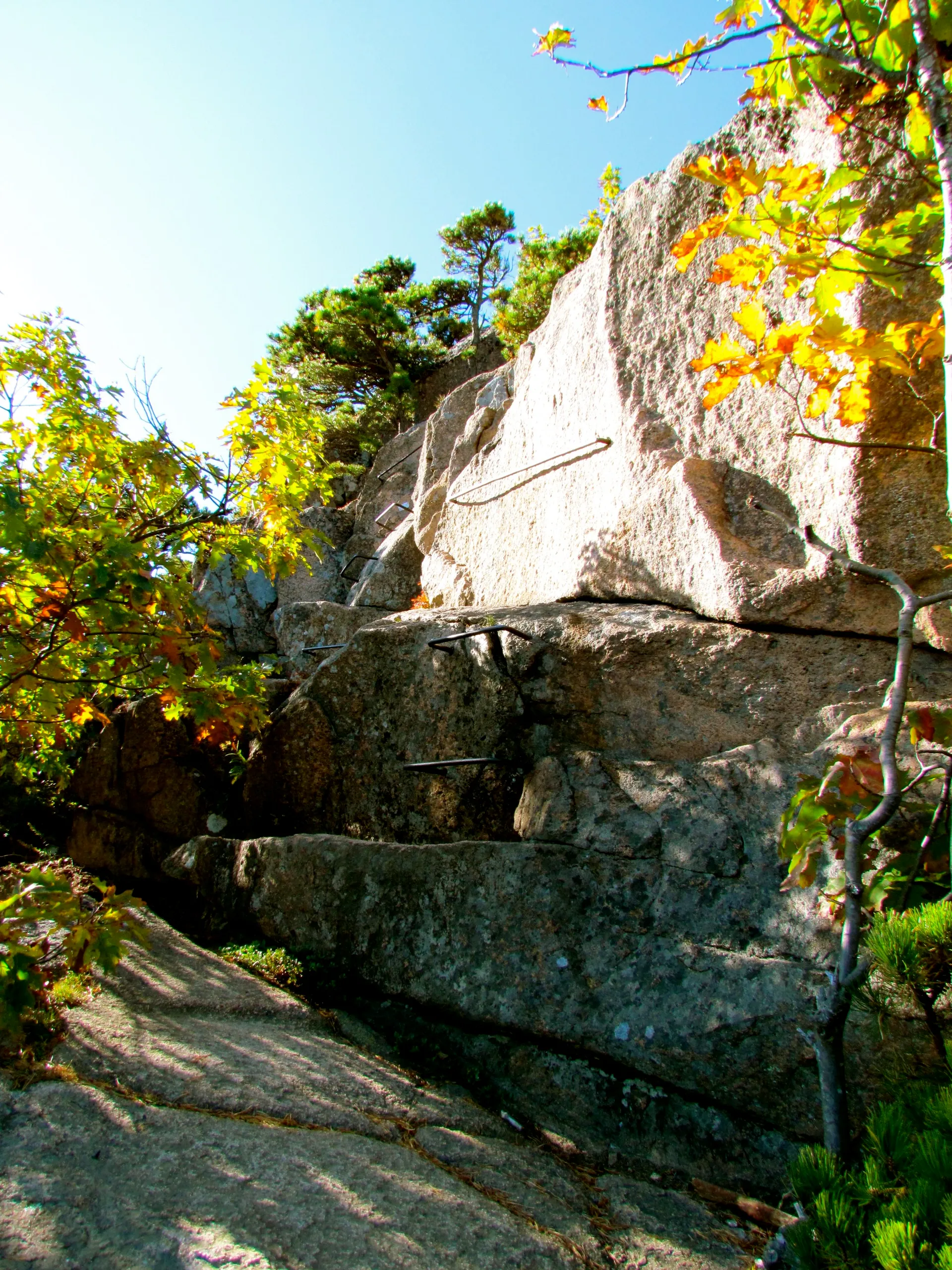
Exposed granite cliff face, iron rungs bolted into the rock, and wind whipping across the open ledge. Bugs cannot hold on to the rock in these conditions, and neither can you if you are not paying attention. The Beehive is an experience that demands your focus, and the reward is a nearly bug-free climb on one of the most dramatic trails in the park.
The summit is small and exposed with views across Sand Beach and the ocean. Bugs are almost nonexistent up top. The short forested approach from the Bowl parking area is the only stretch where you might notice them.
7. Mount Battie, Camden
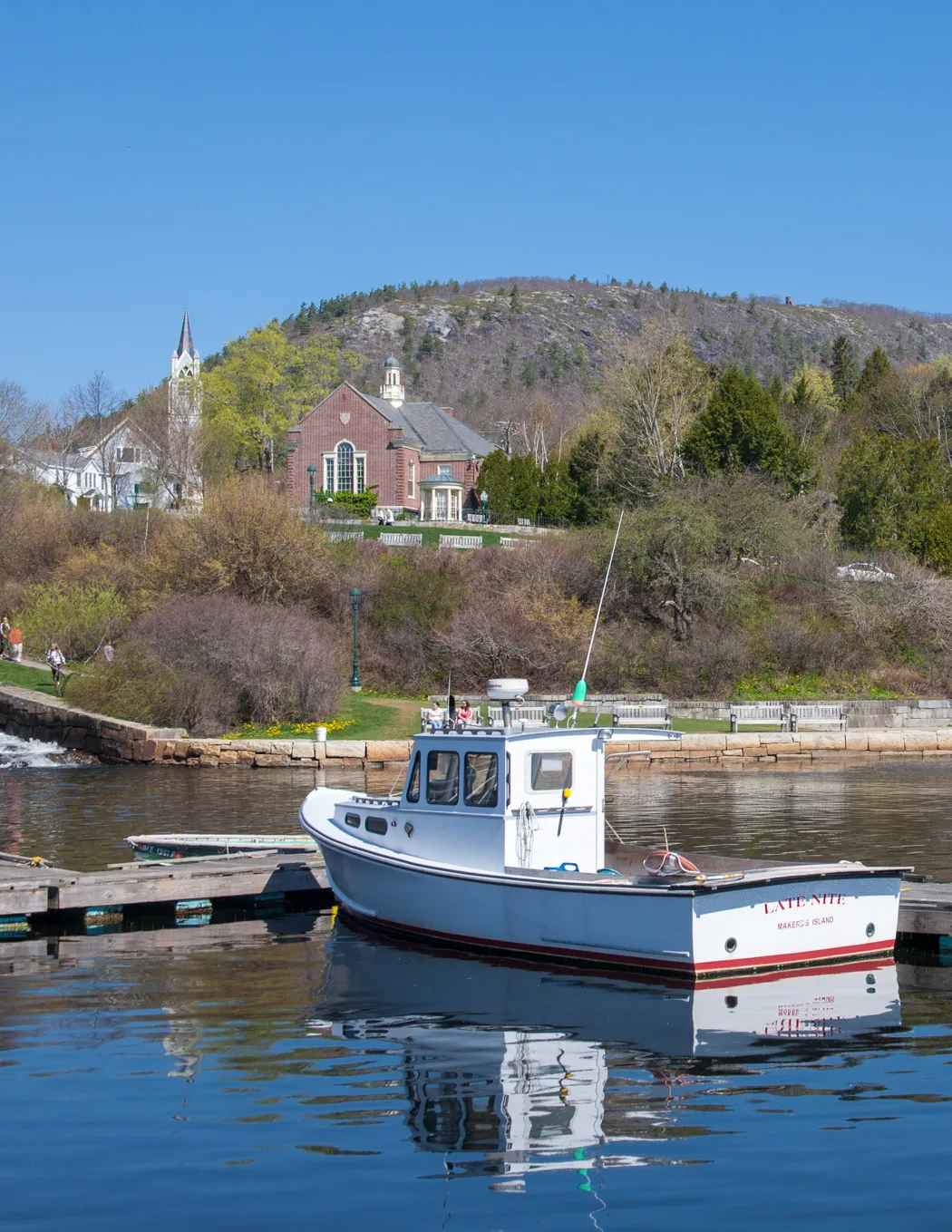
Short enough that bugs barely have time to find you. The summit is open and breezy with sweeping views over Camden Harbor and Penobscot Bay. The carriage road climbs through forest, but it takes only about 20 minutes. Once you reach the stone tower at the top, the bay breeze handles pest control.
Mount Battie is also one of the easiest summit hikes on this list. It works for families, casual hikers, and anyone who wants a big view without a big commitment. You can also drive to the summit if the walk is not in the cards.
8. Gorham Mountain, Acadia
Open granite with ocean views for the majority of the trail. Gorham is one of the least buggy summit hikes in Acadia because so much of the route crosses exposed ledge. The 1.8-mile round trip gains just over 500 feet and passes through far less forest than most Acadia trails.
The Cadillac Cliffs side trail adds dramatic scenery without adding many bugs. The cliffs face east and catch morning sun and ocean wind. This is a strong pick for anyone who wants a summit hike that stays in the open from start to finish.
Best Ridge Walks
9. Sargent Mountain, Acadia
One of the longest above-treeline ridge walks in Acadia. Sargent is the second-highest peak in the park, and the route along the open granite ridge stays exposed for well over a mile. Wind is almost always present. The views stretch from Cadillac to the ocean to Blue Hill. Bugs have no foothold on this bare rock.
The approach trails through the forest are buggier, especially near Jordan Pond and the lower elevations. But once you gain the ridge, you are walking on open granite with nothing between you and the wind. Plan to spend time up top. You earned it, and the bugs cannot follow.
10. Pleasant Mountain Ledges Trail
The Ledges Trail is the best route up Pleasant Mountain precisely because it breaks out of the canopy early and stays on open rock for much of the climb. Western views stretch toward the White Mountains from the granite slabs, and the reduced tree cover means less habitat for biting insects.
Pleasant Mountain is inland, so it does not get the same ocean breeze as the coastal trails. But the open ledges and elevation gain put you above the worst of the bug zone. On a day with any wind at all, the Ledges Trail is comfortable hiking even in early June.
Hikes to Avoid During Bug Season
If you are specifically trying to dodge bugs, stay off these trails between Memorial Day and the Fourth of July. They are beautiful, but the conditions that make them scenic also make them miserable.
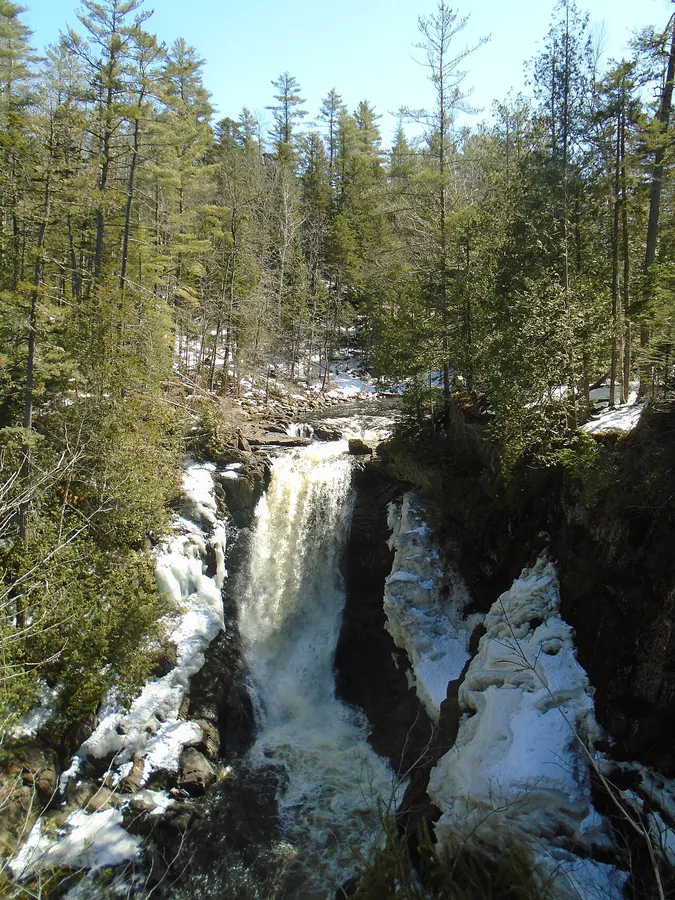
Gulf Hagas is a gorge with a river running through it. Running water, humidity, dense canopy. Blackfly paradise. Tumbledown Mountain’s Brook Trail follows a stream the entire way through sheltered forest. Katahdin’s lower approaches cross boggy, sheltered terrain that is peak blackfly territory in early June.
These trails are fantastic from late July through October. In June, they will test your patience and your repellent supply. For the full breakdown, read our guide to the worst blackfly trails in Maine.
Timing Tips
Midday, roughly 10 AM to 4 PM, has fewer mosquitoes than dawn and dusk. If you are planning a hike near water or in the forest, schedule it for the middle of the day. Mosquitoes are crepuscular feeders. Blackflies are the opposite, most active during the day, but they are also more affected by wind. A breezy afternoon is the sweet spot for both.
The last week of June through the first week of July is often the sweet spot for Maine hiking. Blackflies are done, mosquitoes have not yet peaked, and the days are the longest of the year. Locals plan their big hikes around this two-week window. If you can be flexible with your dates, aim for it.
Even on the trails listed above, bring basic protection. A small bottle of picaridin weighs nothing and is cheap insurance. Permethrin-treated clothing adds another layer without any effort on the trail. Our bug and tick protection gear guide covers the specific products worth carrying. And for the full month-by-month picture of what is biting when, check the Maine bug season calendar.
The bugs are part of Maine. But they do not have to be part of every hike. Choose the right trail, check the wind forecast, and get out there. The ridgelines are waiting, and they are not sharing them with mosquitoes.
Are there any trails in Maine with zero bugs?
No. Even coastal trails have some insects on calm days. But exposed summit and cliff trails come close, especially when the wind is blowing. The trails listed above are as good as it gets in Maine. Ocean Path in Acadia on a breezy day is about as bug-free as hiking gets anywhere in New England.
Is hiking in Maine in June worth it despite the bugs?
Yes. With the right trail selection and basic protection like permethrin-treated clothing and skin repellent, June hiking is excellent. The waterfalls are running, the wildflowers are out, and the summer crowds have not arrived yet. Avoid low-elevation stream trails and you will be fine.
Are bugs bad on Acadia's carriage roads?
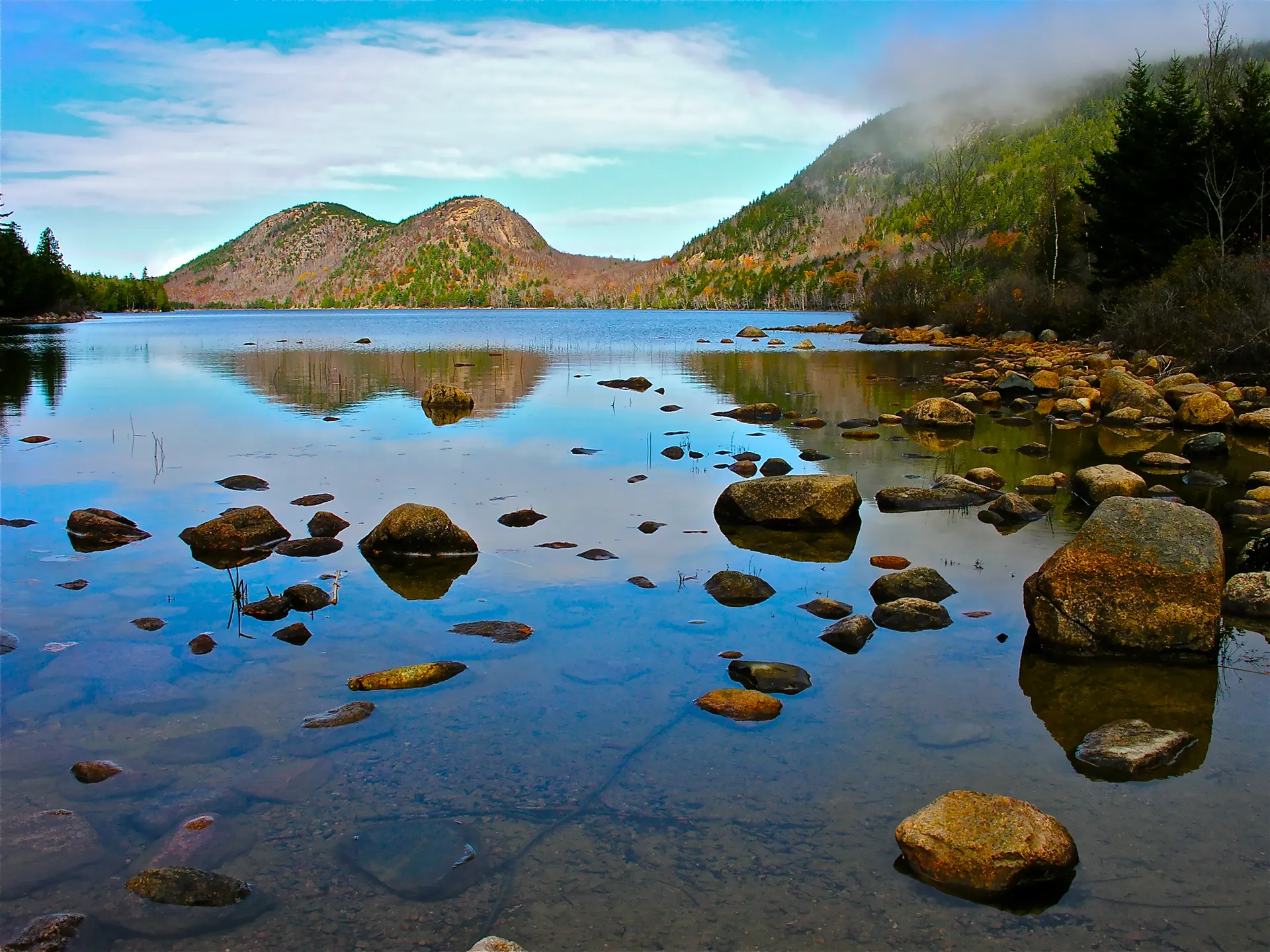
Moderate. The carriage roads are mostly shaded by tree canopy, which helps mosquitoes but not you. The exposed sections near Jordan Pond and Eagle Lake are better. If bugs are a concern, stick to the summit trails like Cadillac, Beehive, Gorham, and Sargent where wind and exposure keep insects down.
When is the best time to hike in Maine with the fewest bugs?
Late September and October. All flying insects are done for the year. The foliage is at its peak and the weather is crisp. Ticks are still active though. Adult deer ticks peak in October, so wear permethrin-treated clothing and check yourself after every hike. The trade-off is worth it.