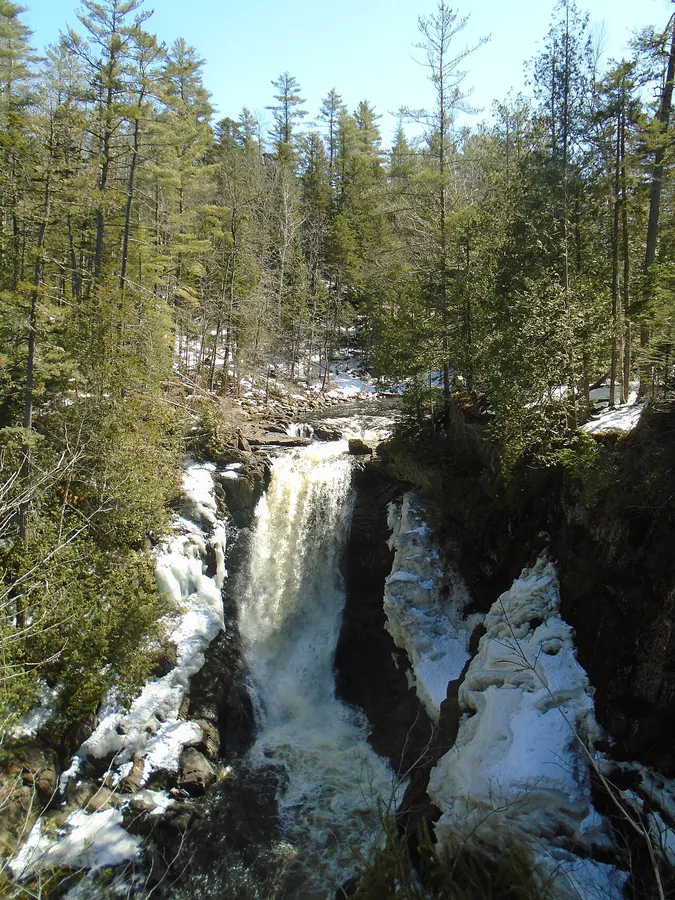

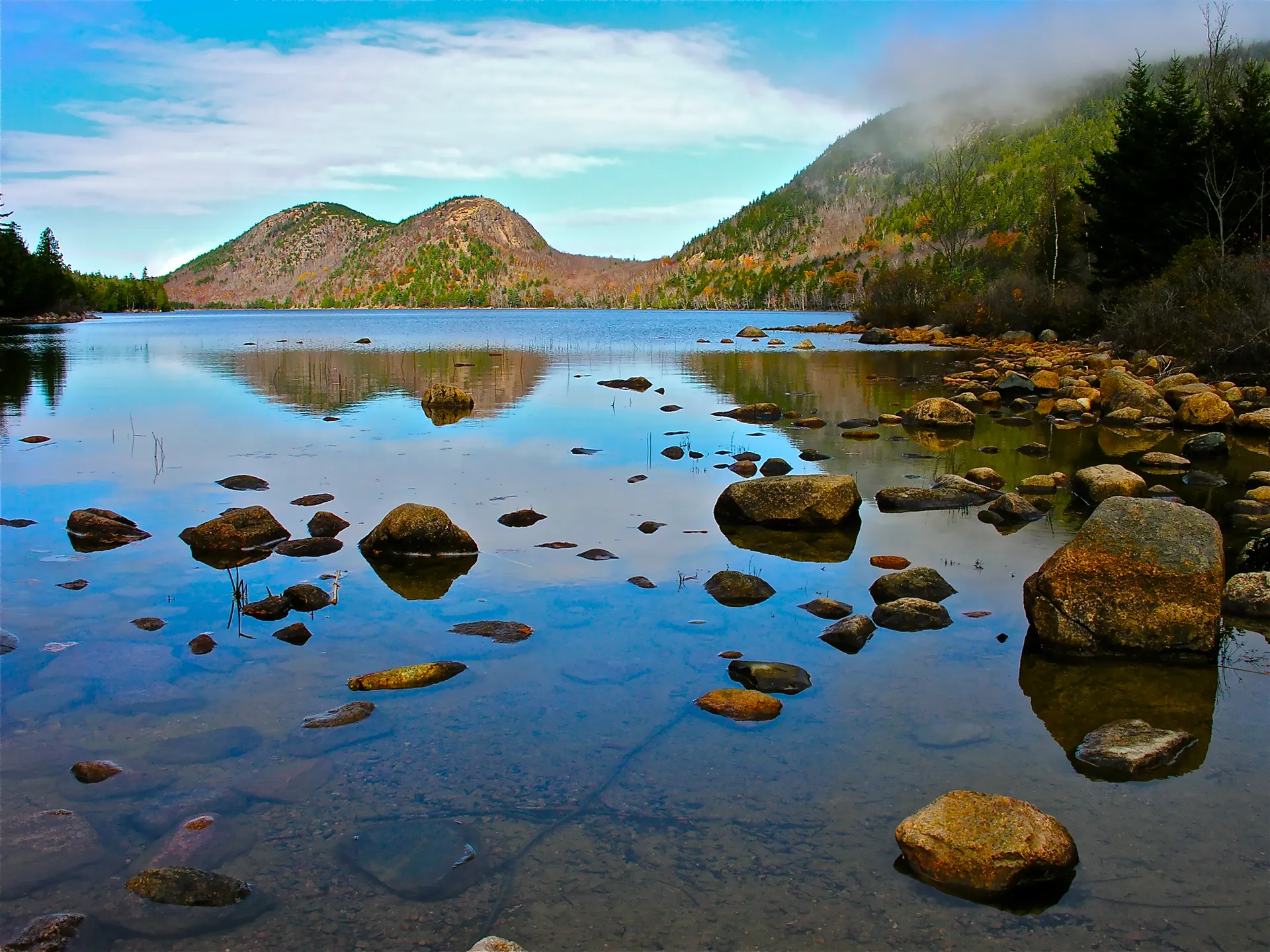


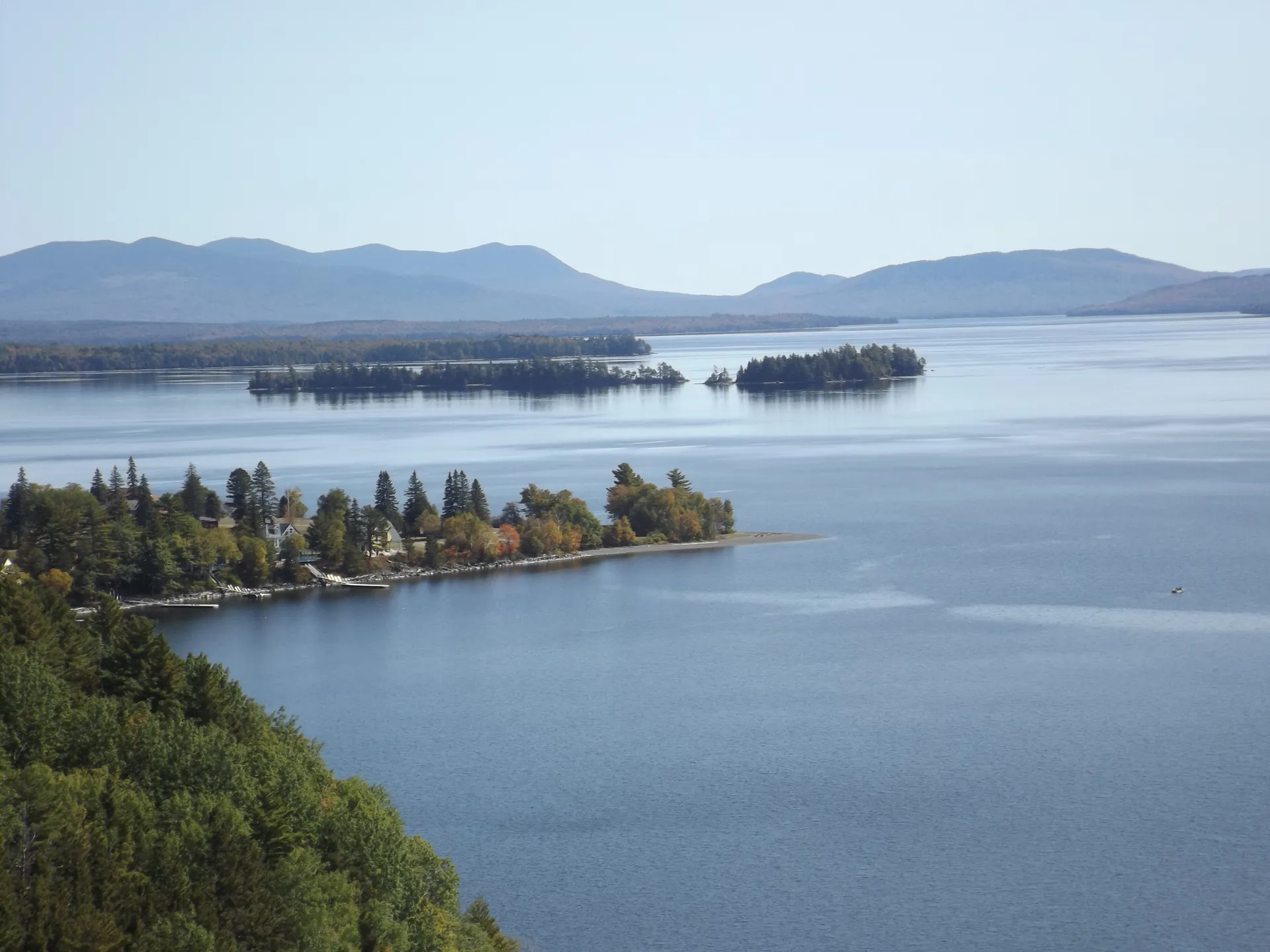



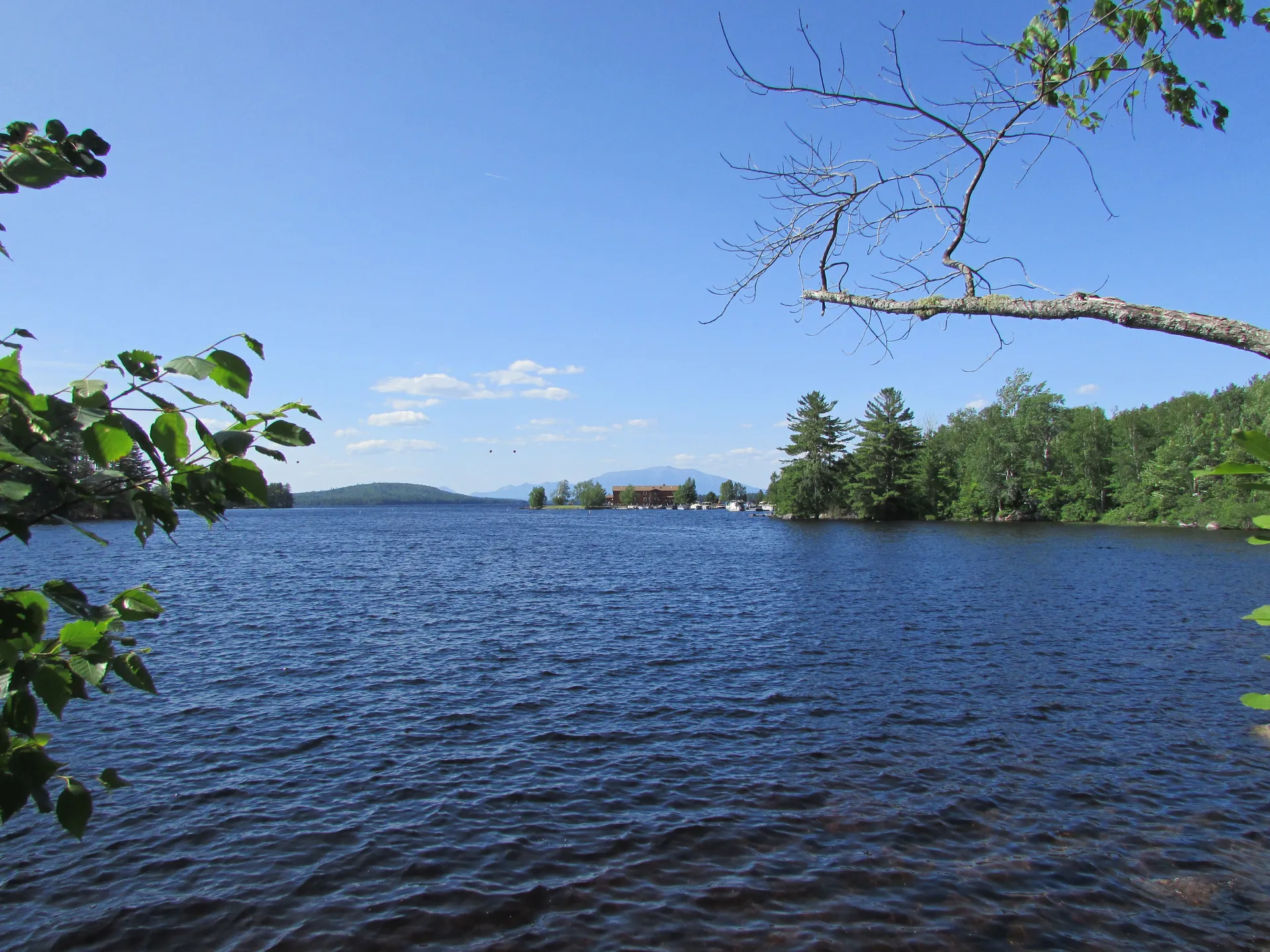
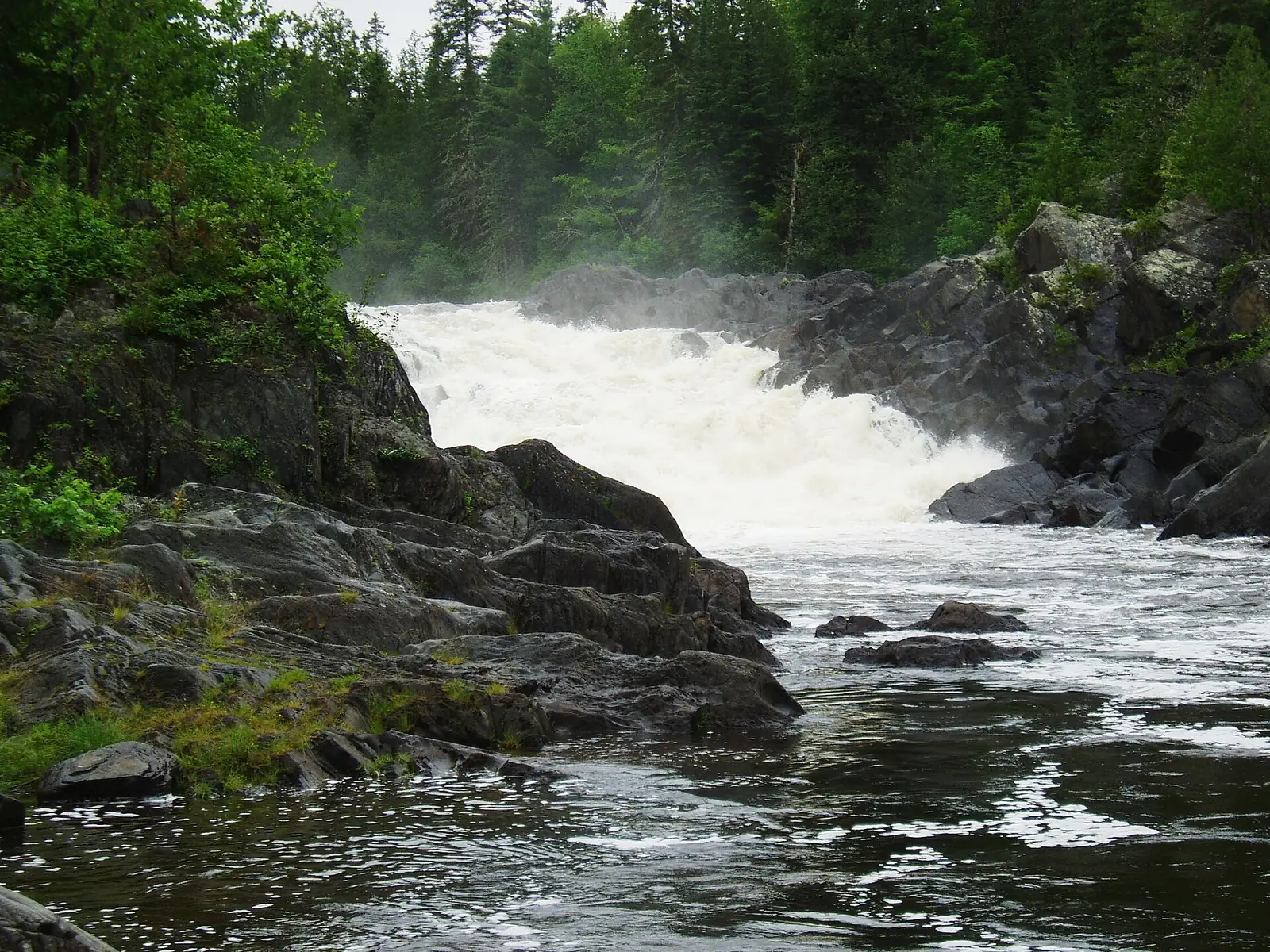
The water in a typical Maine backcountry stream looks nothing like the gear-ad version. Picture a slow-moving channel below a cedar swamp on the Allagash: the water is the color of weak tea, tannic from decades of conifer needles and peat, with a faint film of pollen drifting at the surface. Or imagine the pools below the slate cascades in Gulf Hagas after a hard rain, where everything is suspended in motion and the bottom is invisible under fine silt. Both are perfectly safe to drink once filtered. Both will clog the wrong filter in about ten minutes.
Maine backcountry water has its own personality, and the filter that handles it well is not necessarily the one your friend in Colorado swears by. After researching the field and matching specs to real Maine conditions, we’d pack one of the six options below depending on the trip. None of them is the right answer for every situation.
| Filter | Price | Weight | Best For | Rating |
|---|---|---|---|---|
| Budget | 3 oz | All-around backcountry | 4.7 | |
| Mid-range | 2.7 oz | Fast-flow day hikes | Not rated | |
| Budget | 3.6 oz | Durable squeeze | 4.5 | |
| Platypus GravityWorks 4L | Mid-range | 11.5 oz | Group base camps | 4.6 |
| CNOC Vecto 2LSearch Amazon | Budget | 2.8 oz | Dirty-water bag | 4.7 |
| Budget | 3 oz | Chemical backup | 4.4 |
How We Chose
We didn’t run a lab test. What we did was match the specs and the real-world track record of each filter to the conditions Maine actually presents: tannic blackwater from cedar bogs, silty post-rain runoff in the western mountains, glacial-cold spring water in Baxter, and the algae-tinged ponds you find tucked into the 100-Mile Wilderness. For each pick we looked at filtration spec (microns, what it removes), flow rate as listed and as commonly reported, weight, freeze-tolerance, the ease of backflushing in the field, and the realistic failure points where reviewers consistently report problems.
The result is a short list, not a top-100. A water filter is not a place to chase fashion. The Sawyer Squeeze has been the default backpacker filter for over a decade for a reason, and most of the rest of this list is built around the situations where something else makes more sense.
The Filters We’d Pack
Sawyer Squeeze, Best All-Around
#1Budget
Sawyer Squeeze Water Filter
Who it’s forBackcountry water filtration
Why we picked itFilters to 0.1 microns (removes bacteria and protozoa)
If you ask ten Maine backpackers what water filter they carry, eight of them are going to say the Sawyer Squeeze. At three ounces and around $37, it is the default for a reason. The 0.1 micron hollow-fiber membrane removes bacteria, protozoa (including the giardia and cryptosporidium you should assume is present in any beaver-active pond), and microplastics. It threads onto a standard 28mm bottle, which means it works with the disposable Smartwater bottles long-distance hikers prefer, with the stock Sawyer pouches, and with a CNOC Vecto for a much better dirty-water setup.
The honest weakness is the stock pouch. The bags Sawyer ships with the filter develop pinhole leaks at the seams after a season or two of hard use. This is the single most common Sawyer complaint, and it is real. The fix is to either keep an eye on them and replace as needed, or swap to a CNOC Vecto from day one and never think about it again. The filter itself, treated well and backflushed when flow drops, can run for years.
The other thing to know is that the Squeeze does not love silty or heavily tannic water. A morning at a beaver pond on the 100-Mile Wilderness where the only available source is the color of strong iced tea will slow flow noticeably by the end of the day. Backflushing with the included syringe restores most of the flow, but you should expect to do it more often than you would on a clear White Mountain stream.
Katadyn BeFree AC 1.0L, Best for Fast Refills
#2Mid-range
Katadyn BeFree AC 1.0L
Who it’s forFast refills on clear-water day hikes
Why we picked itRated to 2 L/min with an optional carbon pad for taste
The BeFree AC is the filter we’d reach for on a day hike where we’re going to drink and refill ten times. It is the two-stage version of the Katadyn BeFree 1.0L that used to hold this spot, and it keeps what made the original work: Katadyn rates it at up to 2 liters per minute, which matters most on clear-running mountain water like you’ll find in Grafton Notch or below the alpine zone in Baxter. The 1L soft flask packs flat into a hip-belt or side pocket, and bottle plus filter weigh 76 grams, about 2.7 ounces.
What the AC adds is a second stage. Behind the 0.1 micron hollow-fiber EZ-Clean Membrane sits a replaceable activated carbon pad that Katadyn says improves taste and reduces odor, turbidity, and chlorine. The pad is optional. Katadyn’s own advice is to leave it out on a fresh mountain stream and add it for chlorinated tap water, so you can fill up at home with it in and pull it at the trailhead. The pad is rated for up to 200 liters against the membrane’s 1,000, so it is a consumable if you use it often. Katadyn does not claim it strips the tea color out of tannic water, so expect Allagash water to stay brown either way.
The trade-off is cleanability. There is no syringe backflush; the official method is to shake or swish the filter in water until flow returns. That is quick on the trail, but it gives you no way to force out a hard clog the way the Sawyer’s syringe does after a day of filling from a still, pollen-heavy pond. The soft flask can also pinhole if it catches on a sharp pack edge, and the filter uses Katadyn’s 42 mm thread, so it will not screw onto a Smartwater bottle or a standard 28 mm dirty-water bag.
For an afternoon out-and-back on a clear stream, this is the filter we’d grab. For a multi-day trip where you might be filling from a tannic pond at the end of a long day, the Sawyer is the safer call.
LifeStraw Peak Series Squeeze, Best Durable Squeeze
#3Budget
LifeStraw Peak Series Squeeze
Who it’s forDurable backup for stream sources
Why we picked itTough TPU pouch holds up better than the original Sawyer bag
The Peak Squeeze reads like a direct response to the Sawyer’s weak-bag problem. The bundled TPU pouch is genuinely tougher than the stock Sawyer bag, the threading is standard 28mm so it interchanges with Sawyer pouches and CNOC bags, and the 0.2 micron hollow-fiber filter handles essentially everything a Maine source will throw at it. Backflushing works the same way the Sawyer does.
It is a hair heavier than the Sawyer. But for anyone who has had a Sawyer pouch fail at the worst possible moment on the Bigelow Preserve, the Peak Squeeze’s durability is the right kind of upgrade. We’d pack it on trips where a bag failure would be a real problem and you don’t want to rely on duct tape and prayer.
Platypus GravityWorks 4L, Best for Groups
#4Mid-range
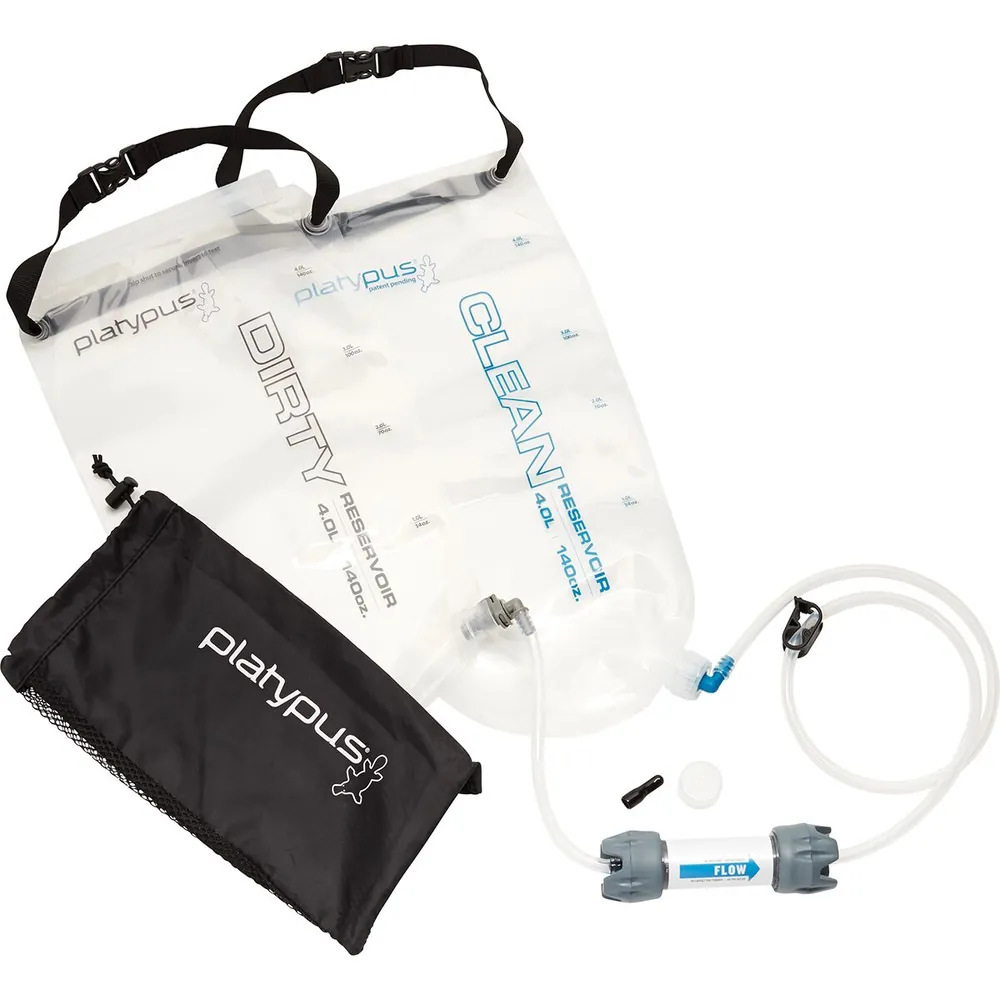
Platypus GravityWorks 4L
Who it’s forGroup camp water in volume
Why we picked itFilters 4 liters in under three minutes with zero pumping
If you are car camping with a group at Lily Bay State Park or running a longer base-camp trip in the Allagash with three or four people, the GravityWorks setup is in another league. Hang the dirty bag from a branch above the clean bag, walk away, and four liters of water are filtered in about three minutes with zero pumping or squeezing. The dirty and clean bags are visibly different colors so nobody mixes them up, and field-backflushing is just a matter of swapping which bag is up.
This is overkill for solo day hikes. It also weighs nearly a pound and takes up real volume in a pack. But for groups, the time and labor saved over six or seven squeeze sessions is significant, and the system is more pleasant to use at the end of a long day than another squeeze filter.
CNOC Vecto 2L, Best Dirty-Water Bag
#5Budget
CNOC Vecto 2L Water Container
Who it’s forPairs with Sawyer Squeeze for dirty-water bag
Why we picked it2L capacity beats the stock Sawyer pouch on every metric
The Vecto is not a filter. It is the bag your filter screws onto. We are putting it on this list because the single biggest upgrade you can make to a Sawyer Squeeze or LifeStraw Peak is replacing the stock pouch with a CNOC Vecto. The Vecto holds 2L instead of 1L, uses a roll-top closure that holds full squeeze pressure without the seam failures plaguing every disposable pouch, and has a wide scoop opening at the bottom that makes filling from a shallow Gulf Hagas pool or a slow Allagash inlet actually possible. The threaded outlet at the top matches any 28mm filter.
If you carry a Sawyer Squeeze, you should also carry a Vecto. They are sold and discussed separately, but functionally they are one setup.
Aquamira Water Treatment Drops, Best Chemical Backup
#6Budget
Aquamira Water Treatment Drops
Who it’s forChemical backup treatment, kills viruses
Why we picked itKills viruses (filters do not) for international or beaver-heavy ponds
Filters fail. Sawyer hollow fibers crack if they freeze after first use. Bags pinhole. Squeeze tops get stripped. In Maine, “freezing after first use” is not a remote scenario. Shoulder-season trips at Baxter routinely drop into the 20s overnight in May and September, and a wet filter left outside the sleeping bag is a wet filter that’s ruined by morning.
Aquamira Water Treatment Drops are the backup answer. The two-bottle chlorine dioxide kit weighs almost nothing, treats up to 30 gallons, and unlike a filter it actually kills viruses. The wait is 15 minutes for clear water and 30 minutes for cold or cloudy water, and there is a faint chlorine taste in some sources. None of that matters when your filter is dead and you still have eight miles to walk out.
Carry Aquamira even when you don’t think you need it. The weight cost is essentially zero and the failure mode it protects against is real.
On any trip where overnight temperatures may drop below 32F, your filter sleeps inside your sleeping bag with you. Once a hollow-fiber filter has been wet (first use), the water trapped inside expands when it freezes and cracks the fibers. The damage is invisible. You won’t know the filter is compromised until you get sick. The Aquamira backup is for when this happens anyway.
How to Choose for Maine Conditions
Tannic Water Is Not the Same as Dirty Water
The tea-colored water you see throughout the Maine North Woods is loaded with tannins leached from spruce, cedar, and peat. Tannins are not a health concern. They are also not removed by a hollow-fiber filter. Water that goes in brown comes out brown. This surprises people. If you want clear water out of an Allagash inlet, you need activated carbon (most squeeze filters do not have any) or you need to accept that the water will look like weak iced tea and taste a little earthy. It is safe.
Where tannic water does matter for filters is in flow rate. The fine particulate that often comes with heavily tannic sources will slow a Sawyer or Peak Squeeze faster than crystal-clear water would. Plan to backflush more often, and prefilter through a bandana or coffee filter if you are pulling from a particularly murky pond.
Silt Is the Real Enemy
After a heavy rain, the streams below the slate cliffs at Gulf Hagas and the rivers feeding into Moosehead carry a fine suspended silt that is the single fastest way to clog any squeeze filter. Two strategies work:
- Let it settle. Fill your dirty-water bag, hang it, walk away for 20 minutes. The heaviest particulate drops out of suspension and you decant from the top.
- Prefilter. A bandana or a cheap inline coffee filter takes 90% of the silt out before it reaches your hollow-fiber membrane and extends filter life dramatically.
If you are filtering from a glacial-cold spring in Baxter or a clear White Mountain brook, none of this is necessary. If you are pulling water from anywhere flowing brown after a storm, both are worth doing.
Cold Mornings and Freeze Damage
The hollow-fiber membranes in every squeeze filter on this list (Sawyer, BeFree AC, Peak) are catastrophically damaged by a single freeze after their first use. The fix is to sleep with the filter inside your bag when temperatures might drop below freezing. In Maine, that means basically every trip outside July and August. For winter trips, the Aquamira drops become primary, not backup.
Backups Are Not Optional
Every backcountry trip in Maine should leave the car with two ways to make water safe. The cheapest, lightest option is Aquamira or chlorine dioxide tablets stashed in a first aid kit. Two filters that depend on the same hollow-fiber technology (Sawyer plus BeFree, for example) are not really two systems. Chemical treatment is the genuine backup because it has a completely different failure mode from filters.
On a long Allagash trip, we run a gravity setup at camp and carry a BeFree on the boat for daytime refills. The gravity bag does the volume work overnight so we wake up to four liters of filtered water without anyone squeezing anything before coffee. The BeFree handles the “I’m thirsty right now” moments mid-paddle without unpacking a system.
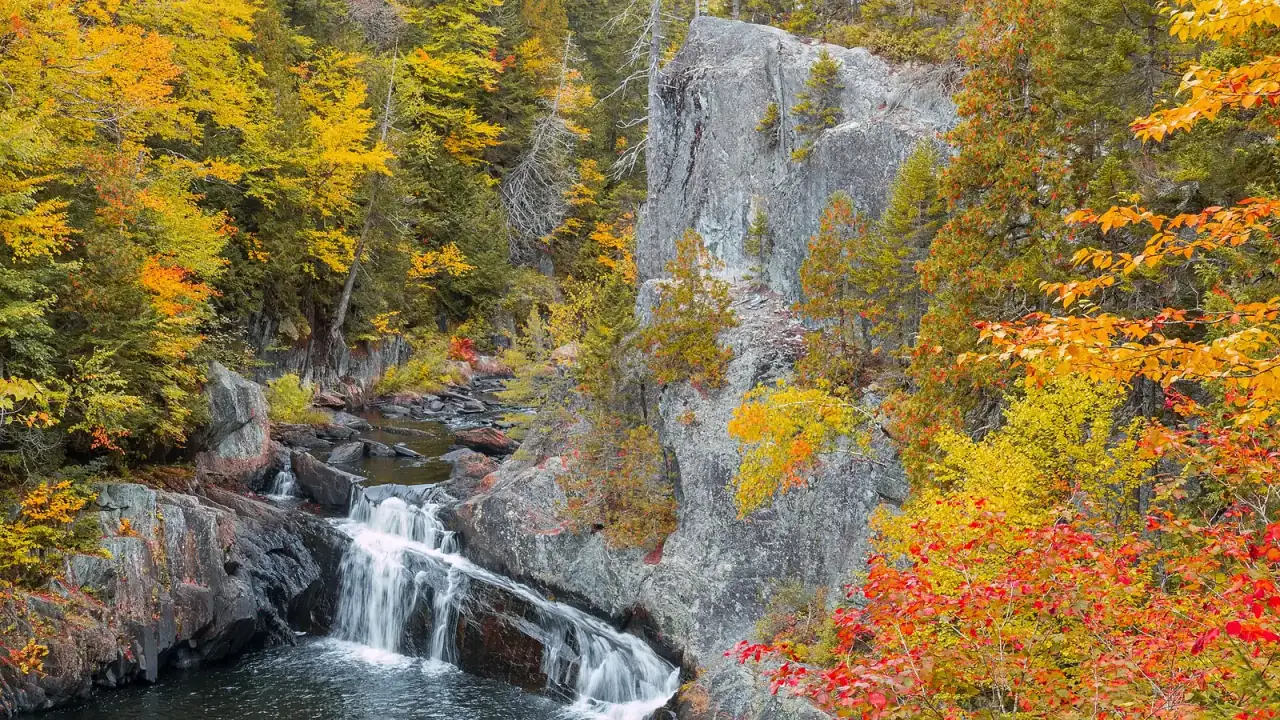
Where You’ll Actually Use These
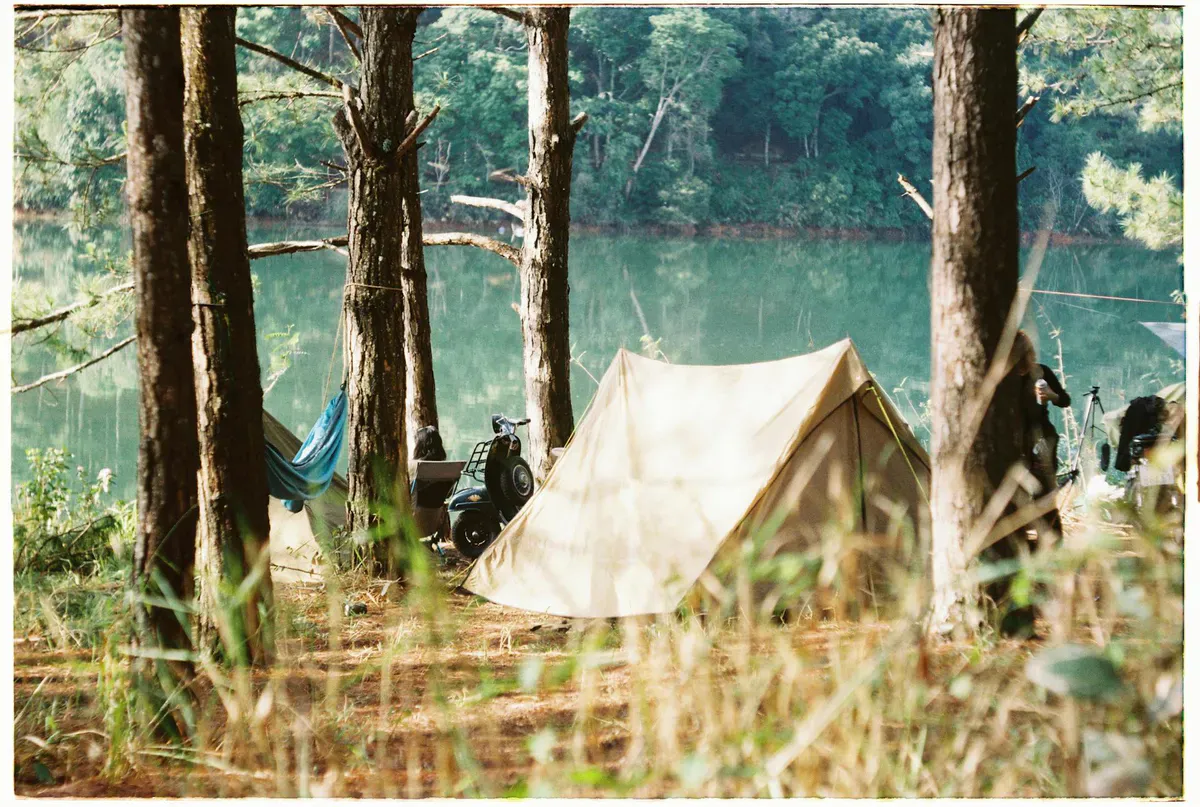
A Sawyer Squeeze plus a CNOC Vecto plus two bottles of Aquamira is the loadout that covers most Maine backcountry trips. It weighs under six ounces, it covers tannic ponds and silty post-rain streams, and the Aquamira handles the morning your filter is frozen or the day a sharp branch puts a hole in your bag.
For longer base-camp trips in Katahdin Woods and Waters or three nights at Baxter with a group, swap the Squeeze for the Platypus GravityWorks. Hang it on a branch when you arrive at camp and let it run while you set up tents. By the time you’re done, you have four liters and nobody is squeezing anything.
For ultralight day hikes up something like Tumbledown or Cadillac where you’re filtering once or twice and want it fast, the BeFree AC with its carbon pad pulled is the quick, packable option.
Maintenance That Actually Matters
Backflush before flow gets bad, not after. It’s easier to keep a filter flowing well than to recover one that’s heavily clogged. On any trip longer than two nights, plan to backflush once a day at camp.
Sanitize between trips. Once a season, run a dilute bleach solution (one drop unscented household bleach per liter, soaked for 30 seconds, then rinsed thoroughly) through the filter to kill anything that might have established inside.
Store dry. End-of-season storage with a wet filter is how you grow mildew that nobody can clean out. Backflush thoroughly, blow out as much water as you can with the syringe, and let it air dry for a full day before packing it away.
Replace bags before they fail. Stock Sawyer pouches and any 28mm-compatible bags are cheap. Replace one at the first sign of seam stress instead of after a failure in the field.
What Else Belongs in the Water System
A water filter handles the safety side. The rest of the system matters too. We pack a 1L Smartwater bottle as a clean-side container because it is light, durable, and the threads match the Sawyer and the Peak Squeeze. The BeFree AC is the exception, since it screws onto its own 42 mm soft flask. A second Smartwater or a Nalgene goes in the pack as backup capacity. For winter trips, an insulated bottle sleeve keeps the clean water from freezing.
If you are also looking at the rest of your camp setup, our essential camping gear for Maine guide covers the tent, sleeping bag, pad, and stove choices that pair with this filter loadout. The best daypack guide covers what to carry it all in.
Do I need to filter water in the Maine backcountry?
Yes. Every surface water source in Maine should be treated as potentially containing giardia or cryptosporidium. Beaver activity is widespread across the state, including in remote-feeling locations, and beavers are a primary vector. The exception is identified springs (like those in Baxter) that come straight out of the ground, but even those are worth treating if you cannot trace the source. A filter weighs three ounces. The illness from skipping it can ruin a trip and a few following weeks.
Will a hollow-fiber filter make tannic water clear?
No. Tannins are dissolved organic compounds and they pass straight through a hollow-fiber membrane. The water that goes in brown will come out brown. If you want clear water from Maine bogs, you need activated carbon (sold as add-on inline filters for some squeeze systems) or you need to accept tea-colored drinking water for the trip. Tannic water is safe to drink once filtered, just visually unappealing.
What happens if my Sawyer Squeeze freezes overnight?
Once a hollow-fiber filter has been used (wet), a single freeze can crack the internal fibers. The damage is microscopic and invisible from the outside. Water will still flow through it, but the filter is no longer reliably removing the things it was supposed to remove. In Maine, where overnight freezes are realistic outside summer months, sleep with the filter inside your bag once it has been used. Carry Aquamira or similar chemical treatment as a backup.
Is the Sawyer Squeeze or the Katadyn BeFree AC better for Maine?
It depends on the trip. The Sawyer is more versatile, backflushable, and handles a wider range of water quality. It also pairs with the CNOC Vecto for a much better dirty-water bag setup. The BeFree AC is rated for up to 2 liters per minute, packs flat, and adds an optional carbon pad for taste and odor, but it cannot be backflushed when water gets dirty. For most Maine backpackers, the Sawyer is the better single-filter answer. The BeFree AC is the better second filter or summit-day filter.
Do I need to worry about viruses in Maine water?
Probably not. Waterborne viruses in North American backcountry are rare and not the standard threat. Hollow-fiber filters do not remove viruses, but giardia and cryptosporidium are the realistic risks, and filters handle both. The exception is high-traffic areas where human contamination is likely. If you want virus protection or are heading somewhere with known sanitation concerns, Aquamira drops do kill viruses and weigh almost nothing as a supplement.
Can I drink straight from a fast-moving Maine stream without filtering?
Do not. The fast-moving-water folklore is not reliable. Beavers, moose, deer, and other animals contaminate water sources across Maine, including streams that look clean and run fast. Giardia is widely present and does not care how fast a stream is moving. A three-ounce filter eliminates the risk. The few minutes saved by drinking unfiltered are not worth the cost of getting it wrong.